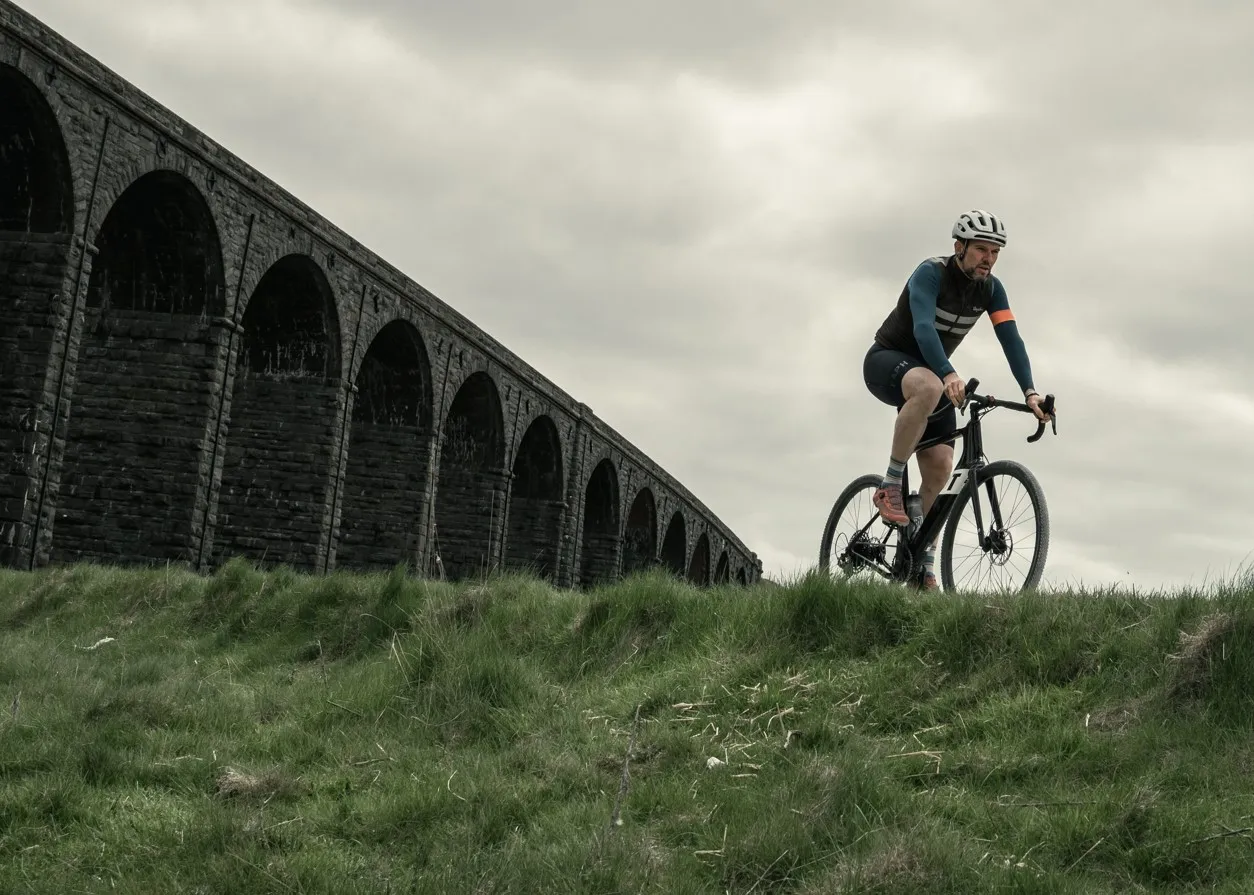
eUltra
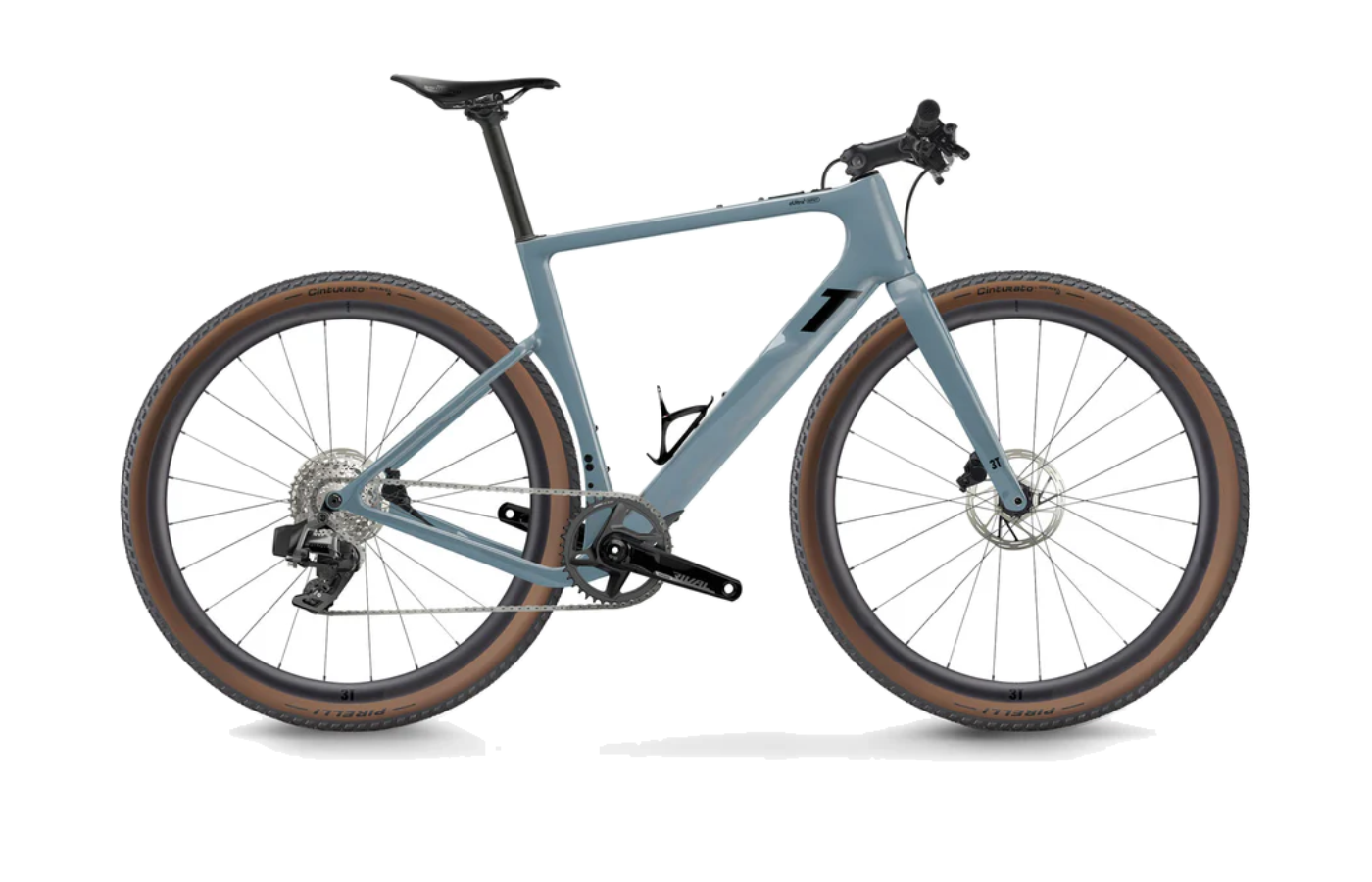
The 3T eUltra is an unusually focused take on the electric gravel bike: rather than building a visibly bulked-up e-bike chassis, 3T adapted its Ultra gravel platform around the Mahle X20 rear-hub system and a 350Wh internal battery. The result is a rigid carbon bike that keeps the silhouette, fit philosophy, and broad tire capacity of the non-electric Ultra, with clearance for roughly 700x45 mm or 650b x 61 mm tires. It also retains practical choices that matter on a bike aimed at rough mixed-surface use, notably a standard 27.2 mm round seatpost instead of a proprietary aero post, which keeps the platform compatible with droppers and other aftermarket options. Across this generation, 3T has offered both drop-bar and flat-bar versions, reinforcing that the same core frame is being used for fast gravel, adventure riding, and more urban-leaning applications.
What distinguishes the eUltra in the market is its combination of low system weight, subtle assist character, and 3T's longstanding aero obsession. This is not a utility-first e-gravel bike built around maximum motor output or all-terrain plushness; it is a speed-oriented gravel platform for riders who still want an acoustic-bike feel once assistance tapers off. The Mahle X20's hidden rear-hub layout avoids the visual and dynamic heaviness of many mid-drive rivals, while the Ultra-derived frame geometry and tire clearance push it toward rough-road and hardpack gravel use rather than technical singletrack. In the premium e-gravel segment, it sits as a specialist option for riders who prioritize efficiency, high-speed composure, and a traditional bike feel over outright power or comfort.
Geometry & fit.
6 sizes published.
The available geometry points to a gravel bike that stays closer to a fast, road-influenced handling brief than to a long, ultra-stable adventure setup. Reach figures are moderate rather than stretched, from 351 mm in XS to 399 mm in XXL, while stack runs from 520 mm to 632 mm, allowing a reasonably performance-oriented position without becoming extreme. Head tube angles vary significantly by size, from 68.5 degrees in XS and 69.5 in S to 72-72.5 degrees in L through XXL. That size-specific front-end design helps preserve handling consistency across the range, with smaller sizes using slacker angles to avoid an overly twitchy front end.
Other numbers reinforce the bike's quick but not nervous character. The 419 mm chainstays are short for a bike with this much tire clearance, supporting responsive acceleration and a more lively rear end. Wheelbase stays compact, at 1003 mm in XS, 1009 mm in M, and 1014 mm in L, only extending to 1044 mm in XXL, which helps explain why reviewers describe the bike as agile and speed-oriented rather than planted and truck-like. BB drop sits at 77-79 mm on smaller and mid sizes, then 75 mm on larger sizes, giving a relatively low center of gravity for confident cornering without pushing the bike into excessively sluggish handling. Overall, the geometry suggests a rider position and handling balance best suited to fast gravel, mixed-surface endurance riding, and paved-to-dirt transitions rather than steep, technical trail riding.
Where the handlebar sits relative to the bottom bracket — the single most important fit pair.
01Fit geometry5 values
03Handling geometry6 values
Which size should I buy?
Slide your height to see the recommended size. GearWise's fit algorithm works from the published stack, reach, and ETT — the brand's own recommendation may differ.
→Calculated from GearWise's own stack / reach / ETT algorithm — the brand's size chart may recommend a different size, and a proper bike fit beats any calculator.
The lineup.
2 builds.
Available build information is limited, but the platform has been offered in at least two notably different configurations: a GRX 1x12 drop-bar 700c build and a Rival XPLR AXS 1x12 flat-bar build listed with Discus I28 wheels. More broadly, 3T has positioned the bike as a premium e-gravel platform with pricing starting from £5,497, and reviews also reference SRAM Apex Eagle 12-speed and higher-tier SRAM Rival-equipped complete bikes. That suggests a range spanning more accessible mechanical builds through more expensive electronic-shifting options, while keeping the same carbon frame and Mahle X20 drive system.
The key distinction across builds appears to be less about changing the bike's core identity and more about tailoring rider position and intended use. Drop-bar versions suit the bike's fast gravel and all-road brief, while flat-bar "Urban" style configurations trade outright aerodynamic efficiency for a more upright posture and greater leverage in city or mixed-use riding. Reviewers note that some lower-tier builds use alloy wheels at a price where some buyers may expect carbon, so the strongest value lies in the frame-and-motor package rather than headline component flash. The common thread is that all builds buy into the same lightweight, aero-conscious e-gravel concept rather than a comfort-first or utility-first spec philosophy.


From the press.
2 reviews from the cycling press.
Reviewers consistently describe the eUltra, often referred to in tests as the Exploro Ultra Boost, as one of the more convincing attempts to make an e-gravel bike ride like a high-end non-assisted gravel bike. The Mahle X20 system is repeatedly praised for its subtle, natural delivery and for avoiding noticeable drag once the bike is above the 25 km/h assistance limit. Testers also highlight the bike's low weight, cited in the 12-13.2 kg range depending on build, as a major reason it feels agile rather than cumbersome. On smoother gravel and paved connectors, reviewers found it fast, efficient, and unusually lively for an e-bike, with several noting that its road-influenced character and aero frame make it especially effective on hard-packed "champagne gravel."
That same focused character also defines the bike's limitations. Multiple reviewers note that the stiff, efficiency-led chassis is less convincing once surfaces become rough, lumpy, or technical, where it can feel under-gunned compared with more comfort-oriented e-gravel bikes. The bike's large tire clearance helps offset that, but reviewers still frame it as a speed machine first, not a technical off-road specialist. A recurring criticism is the seatpost clamp design: one tester reported persistent saddle slipping even at recommended torque, calling the arrangement awkward to adjust and a meaningful flaw on a bike at this price. Cycling Electric's 3.9 rating and £5,497 starting price reflect that broader consensus: impressive integration, low weight, and ride quality for the right terrain, but with premium cost and a notable hardware annoyance.