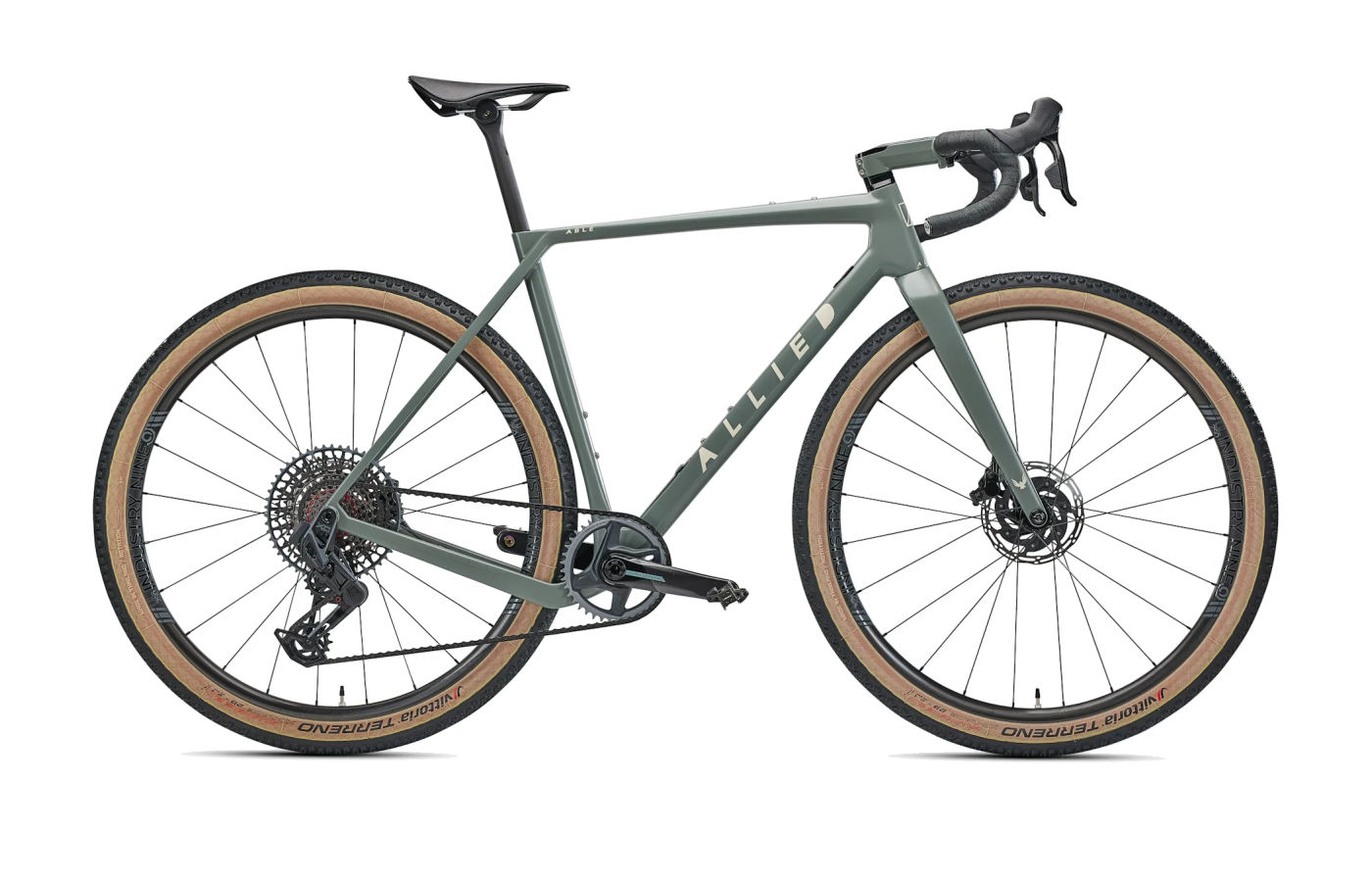
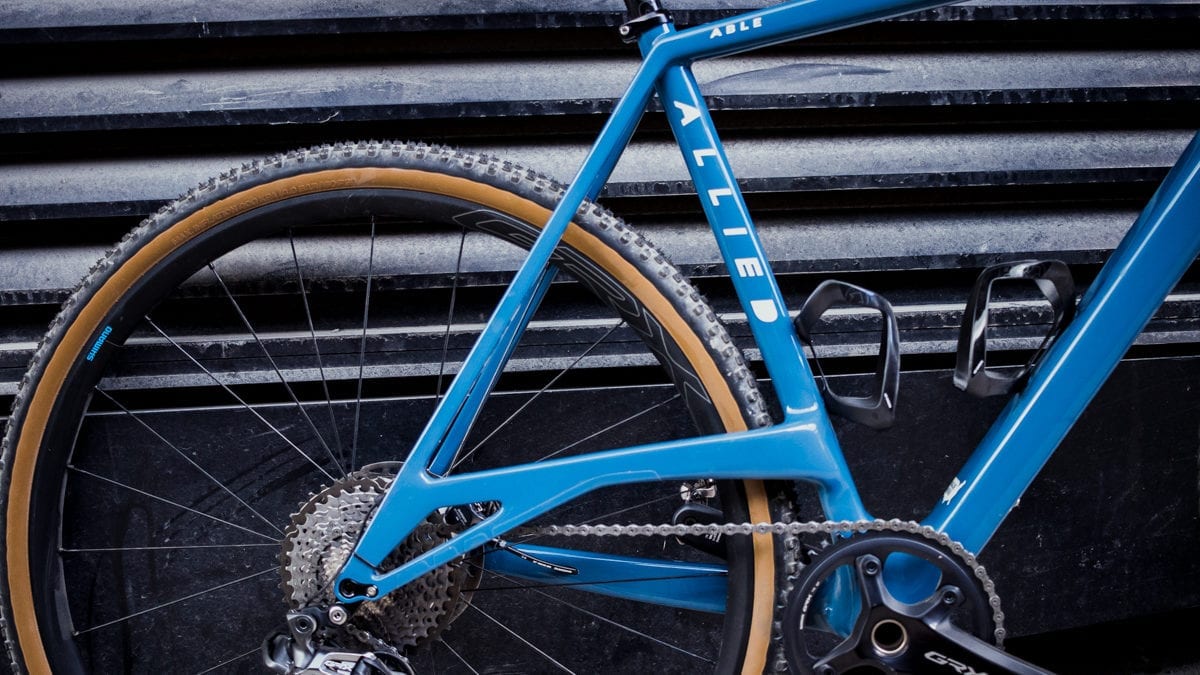
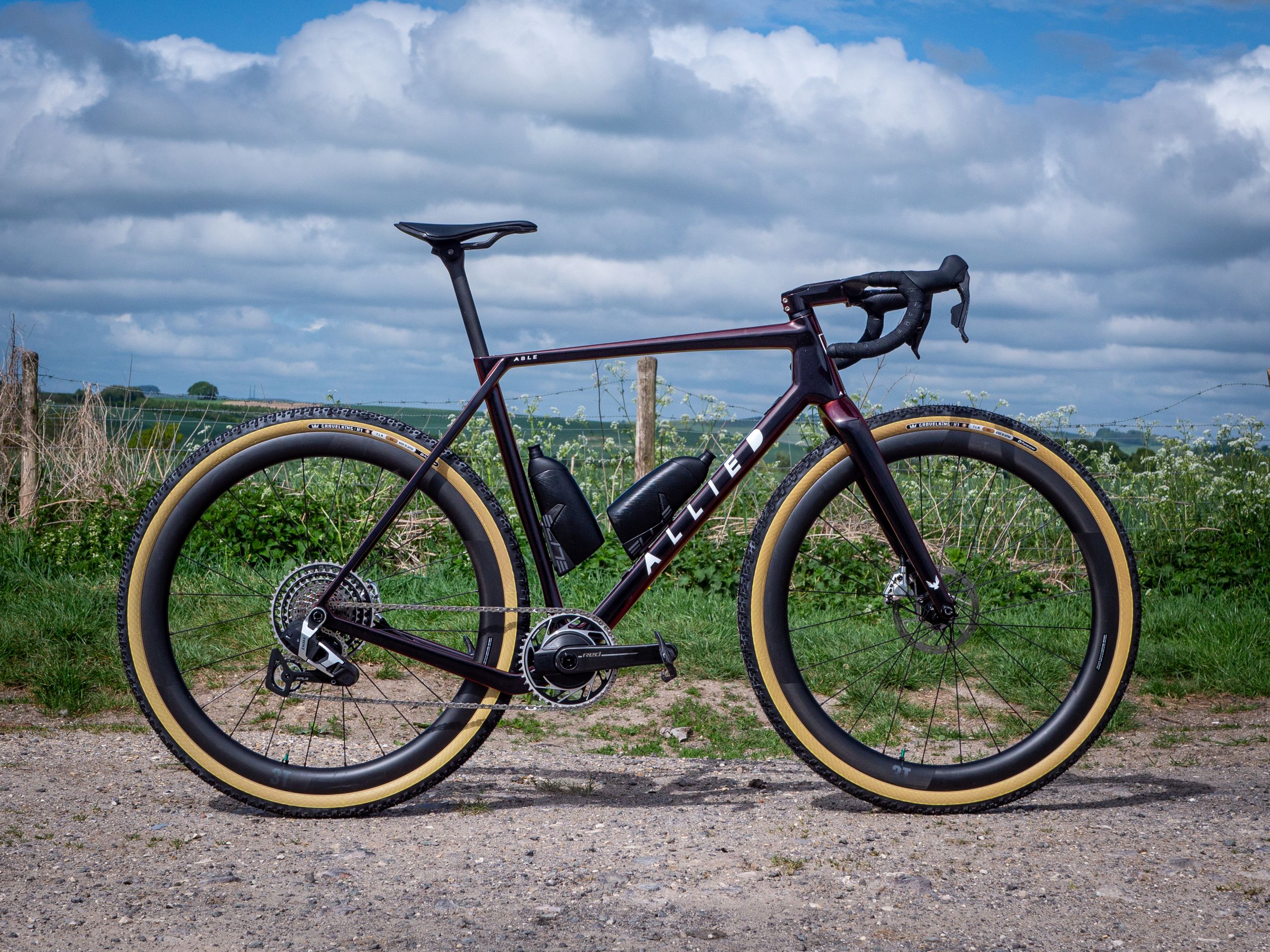
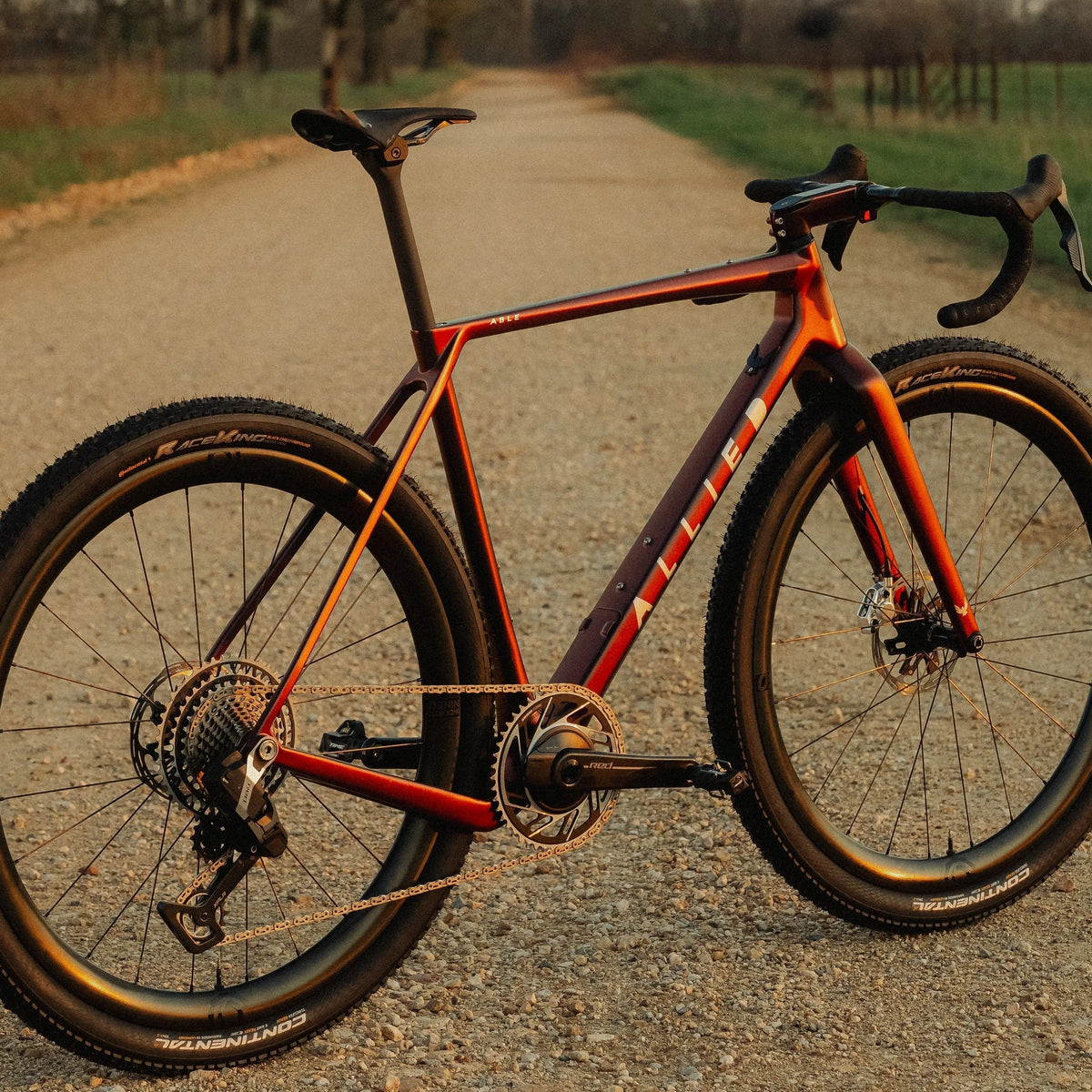
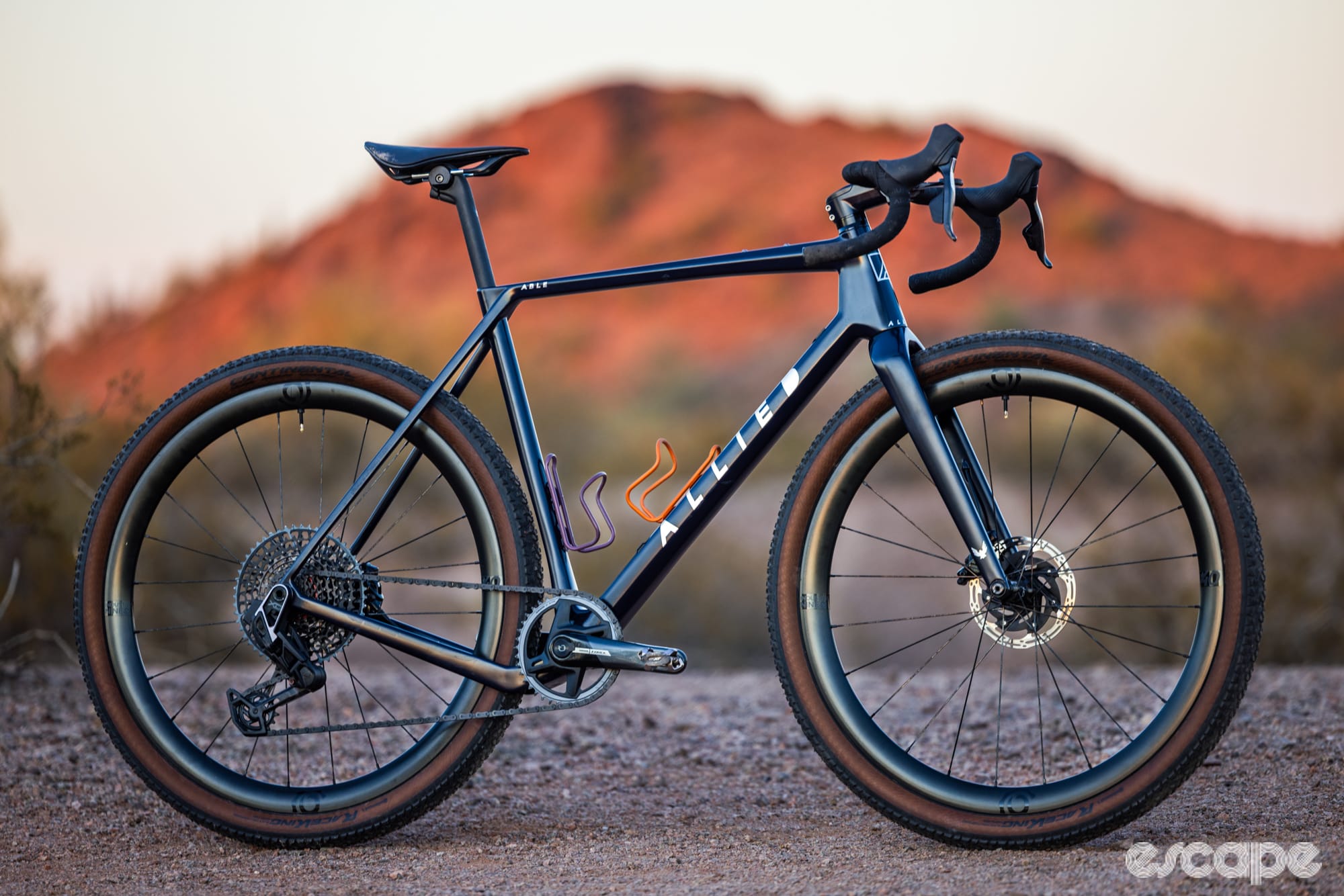
The Allied ABLE is a dedicated gravel racing platform built for high-speed efficiency and aggressive riding. Originally known for its distinctive elevated chainstay, the current generation shifts to a dropped-stay design that dramatically expands tire clearance up to 57mm while maintaining a 1x-specific drivetrain. This evolution reflects a broader trend in elite gravel racing, pairing mountain-bike tire volume with a stiff, lightweight carbon chassis to maintain momentum over punishing terrain. Allied positions the ABLE strictly as a performance tool rather than a versatile adventure rig. It lacks rack mounts and suspension, focusing instead on power transfer and aerodynamic integration. The bike is best suited for competitive riders and fast-paced enthusiasts who want a highly responsive machine that rewards hard pedaling and relies on high-volume rubber to absorb the chatter of rough fire roads.
Where to get it.
1 retailer · size 54.
Spec sheet.
Every component shipped with this build.
Geometry & fit.
6 sizes published.
The ABLE utilizes a modern, speed-focused geometry that stretches the front-center and slackens the head tube angle to 70.5 degrees. This longer wheelbase enhances high-speed stability and reduces toe overlap, keeping the bike composed on fast, loose descents. To balance the lengthened front end and accommodate massive tires, Allied extended the chainstays to 435mm. Despite these stability-oriented changes, the rider posture remains forward and aggressive, mirroring the fit of a performance road bike rather than an upright touring rig.
Fit adjustments are managed through Allied’s proprietary ST03 stem, which routes cables internally while offering a unique angle shim. This allows riders to adjust the stem angle between -8 and 0 degrees, or swap stem lengths entirely, without needing to disconnect brake hoses. For seated compliance, the frame uses a standard 27.2mm round seatpost, which provides the primary source of flex in the rear triangle. The frame also includes a hidden cable port behind the head tube badge, allowing riders to cleanly route a dropper post if they want to lower their center of gravity on steep terrain.
Where the handlebar sits relative to the bottom bracket — the single most important fit pair.
01Fit geometry6 values
03Handling geometry7 values
Which size should I buy?
Slide your height to see the recommended size. GearWise's fit algorithm works from the published stack, reach, and ETT — the brand's own recommendation may differ.
→Calculated from GearWise's own stack / reach / ETT algorithm — the brand's size chart may recommend a different size, and a proper bike fit beats any calculator.
The lineup.
5 builds, ranging $5,500 – $11,455.
The ABLE lineup is built exclusively around SRAM 1x wireless electronic drivetrains, with five complete models ranging from a Rival tier up to flagship Red AXS builds. The range splits into two distinct gearing strategies: XPLR builds feature tightly spaced cassettes for rolling gravel and fast cadence control, while Mullet builds pair drop-bar shifters with Eagle mountain bike rear derailleurs and wide-range 10-52T cassettes for steep, sustained climbing.
Every model in the range rolls on Industry Nine wheels, starting with the 1/1 GRCX alloy wheelset on the Rival build and stepping up to Ultralite Carbon or Solix SL carbon hoops on the Force and Red models. The top-tier Red builds also include integrated power meters.
From a maintenance perspective, Allied equips the ABLE with a standard threaded bottom bracket and a Universal Derailleur Hanger, ensuring straightforward servicing and easy access to replacement parts. While the entry price is undeniably premium, the inclusion of high-end carbon wheels and integrated cockpits across the upper tiers makes the ABLE competitively priced against flagship race bikes from larger mainstream brands.


From the press.
8 reviews from the cycling press.
Reviewers consistently characterize the ABLE as a rigid, highly efficient race bike that prioritizes forward momentum over inherent frame compliance. The chassis is frequently described as "wonderfully stiff and responsive" (Velo), delivering immediate acceleration under power. Because the frame itself offers minimal vertical flex, testers note that the bike relies heavily on its massive tire clearance to manage rough terrain. When equipped with high-volume rubber, the ABLE excels on chunky fire roads, where it "ate up washboard surfaces for fun" (Cycling News). Conversely, riding the bike with narrower gravel tires exposes a firm ride quality that transmits significant feedback from the road.
Handling is highly dependent on speed. At a casual pace, the steering can feel reactive, with one tester noting that riders unaccustomed to sporty geometry might find it "twitchy at best" (Bikepacking). However, as the pace increases, the bike settles into a stable, predictable rhythm. Reviewers agree the platform "doesn’t seem at all happy to just tootle along" (Velo), rewarding aggressive input and high speeds. While the ride quality earns high marks for racing, the integrated down tube storage door drew criticism. Testers found its placement near the bottom bracket awkward, noting that it interferes with water bottles and utilizes an internal sleeve that easily snags on multi-tools or CO2 canisters.
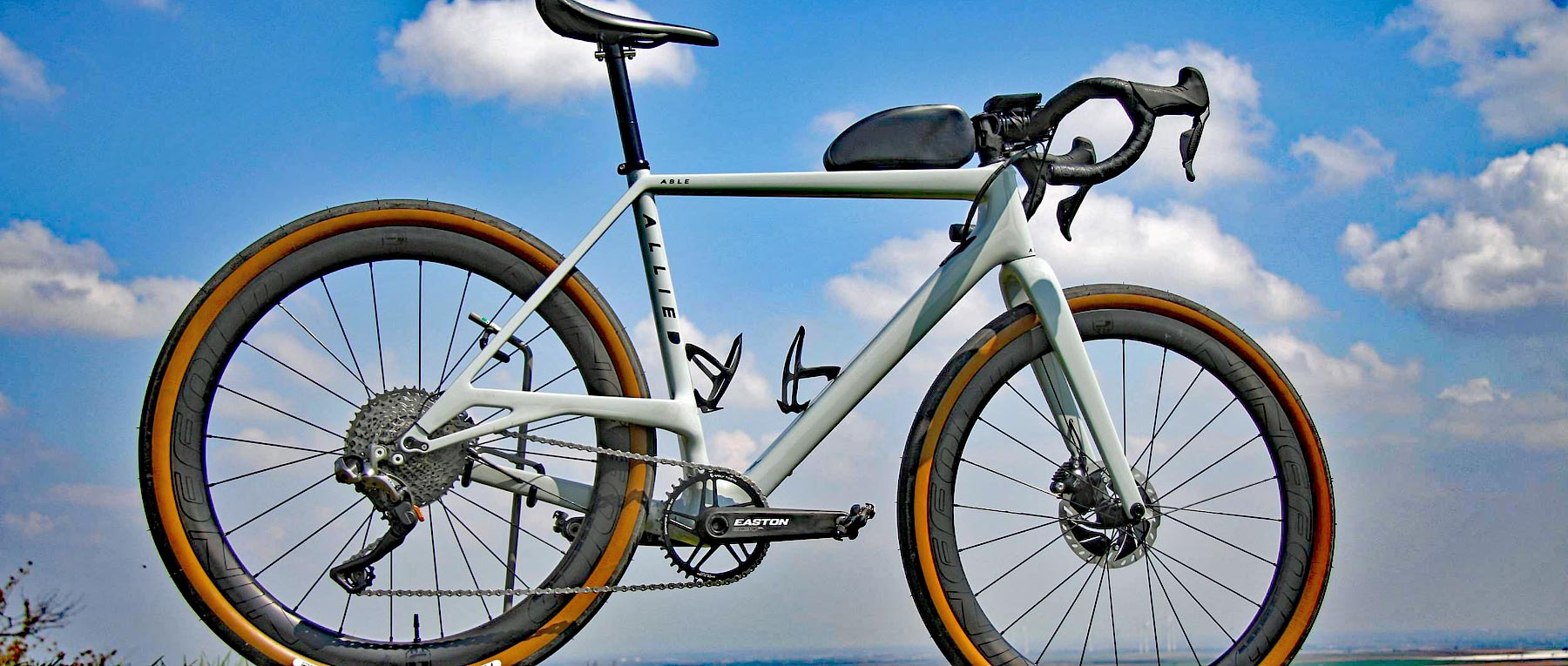
THE ALLIED ABLE - THE RACE-WINNING REPLICA ...
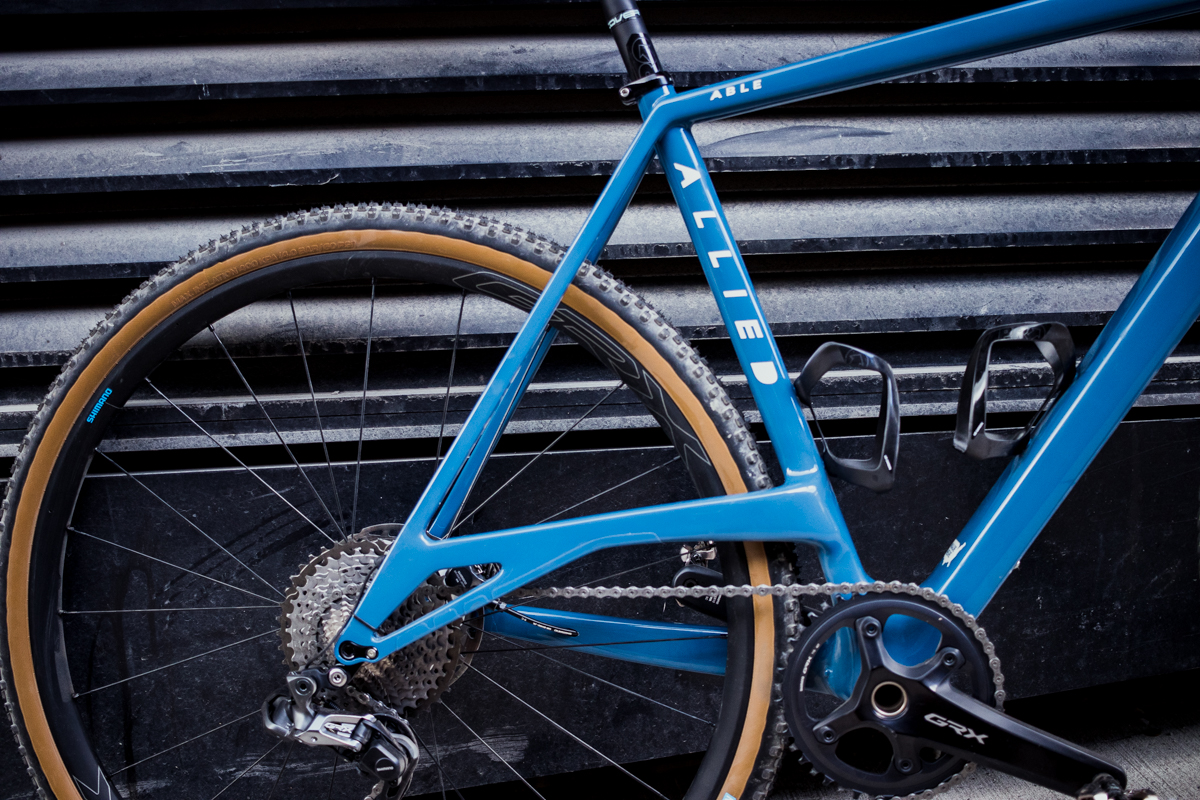
The Allied Able's unique design gives it a big advantage
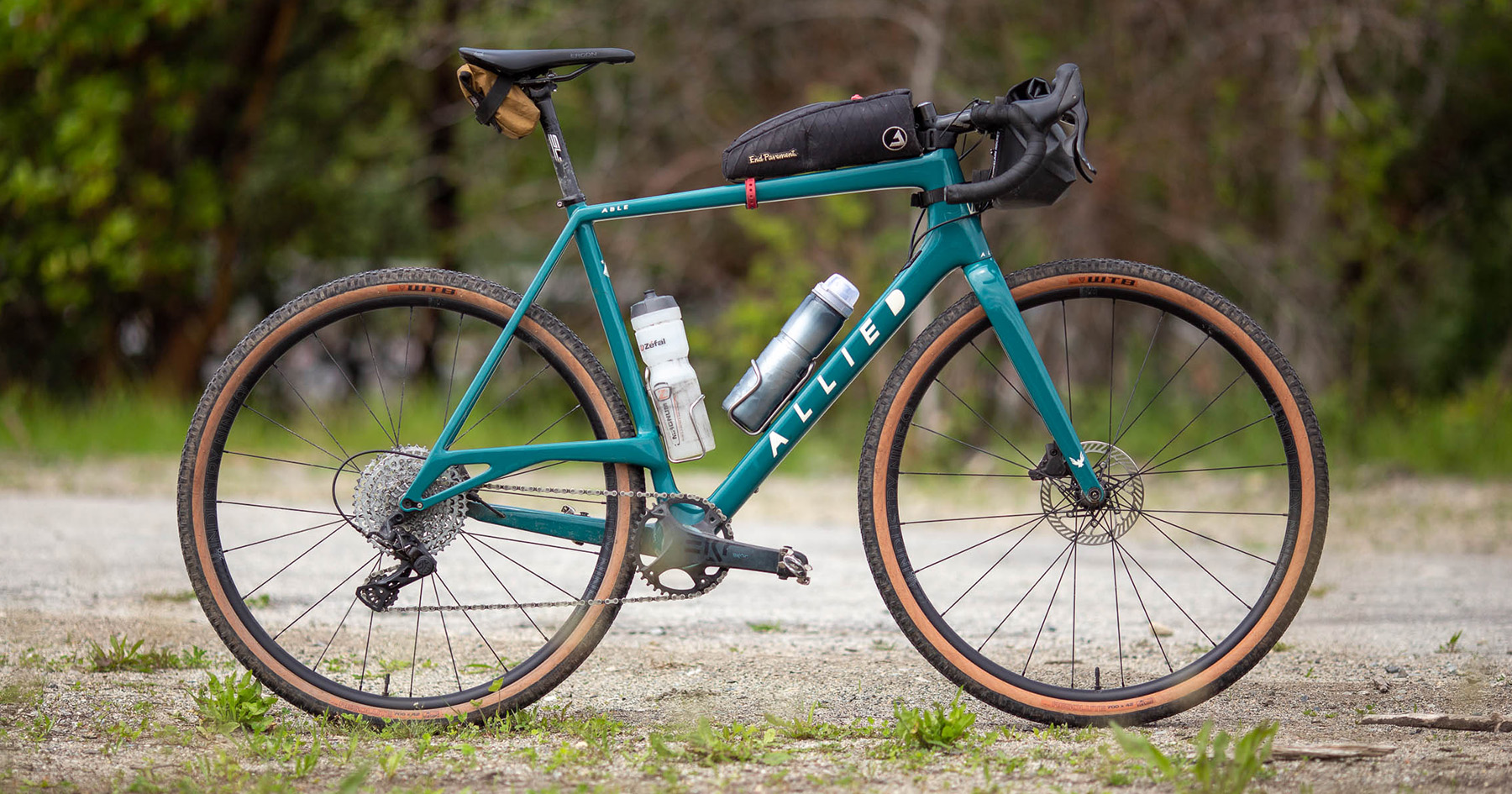
Allied Able Review: American Made Speed Machine
The Allied Able's unique design give – Mariposa Bicycles
Allied Able review: The future of gravel race bikes, but it's a ...
Allied Able Review – Sports Garage
Allied Able Review: Huge Tire Clearance, Race Geometry
