BC40
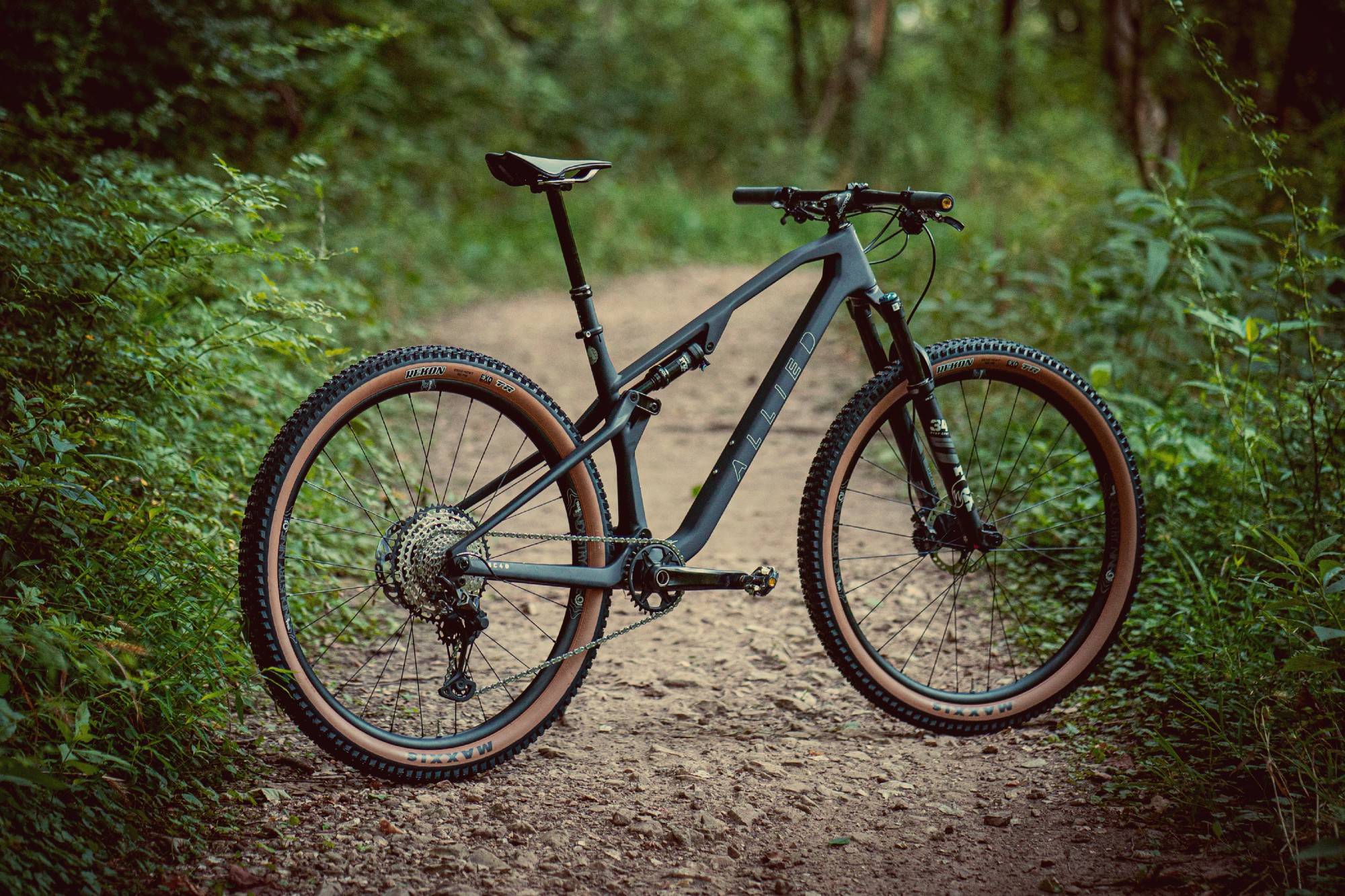
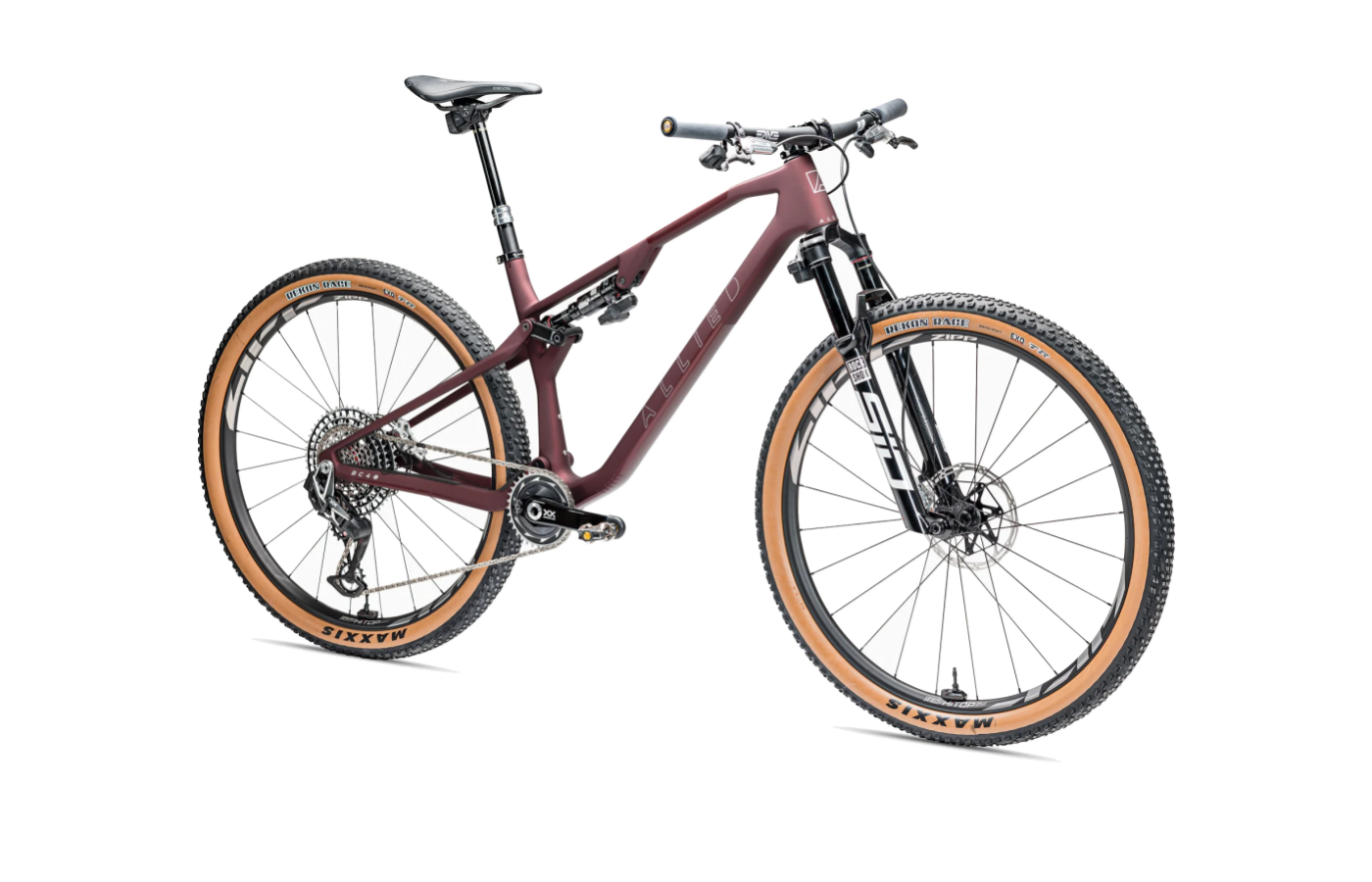
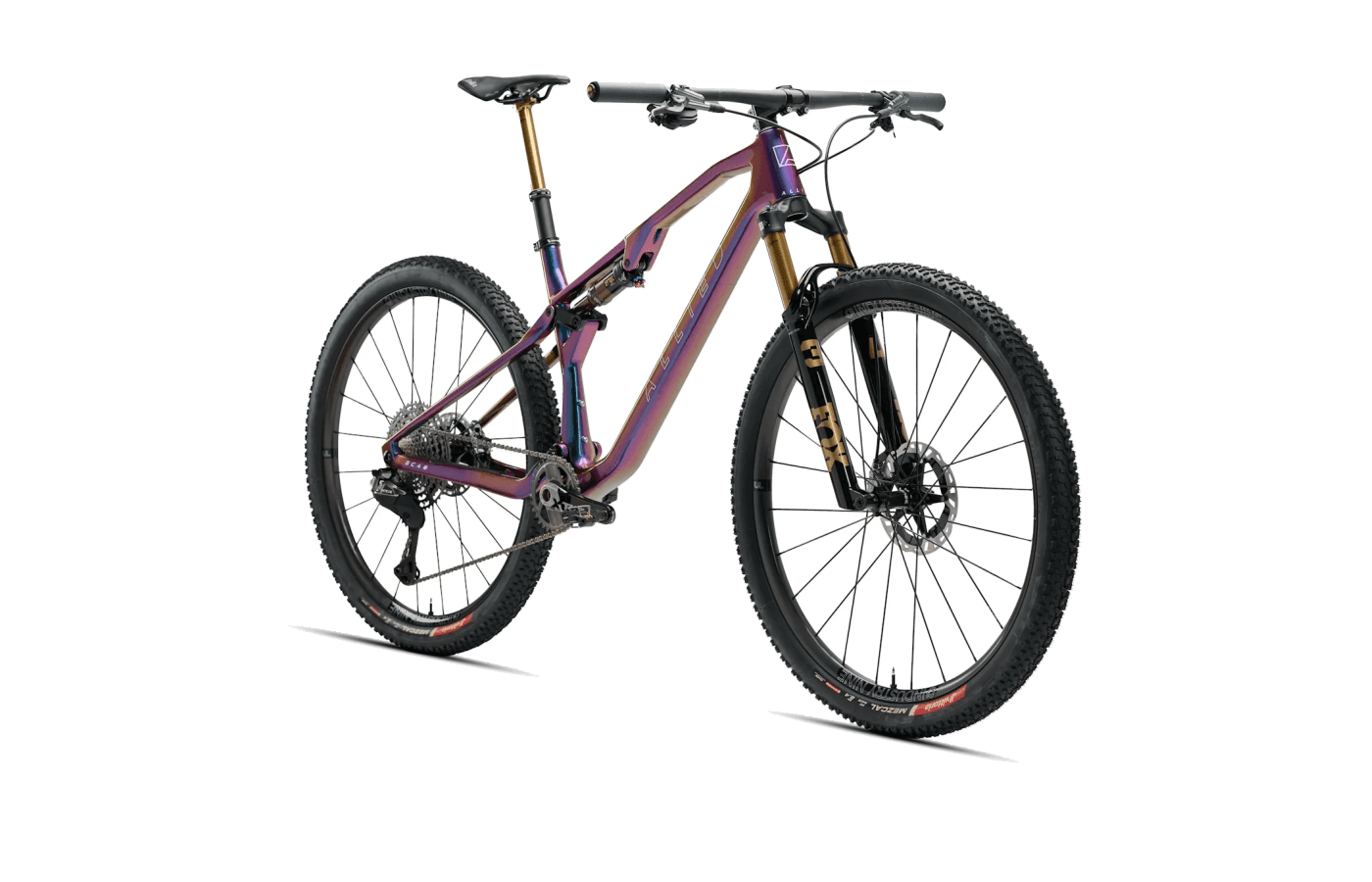
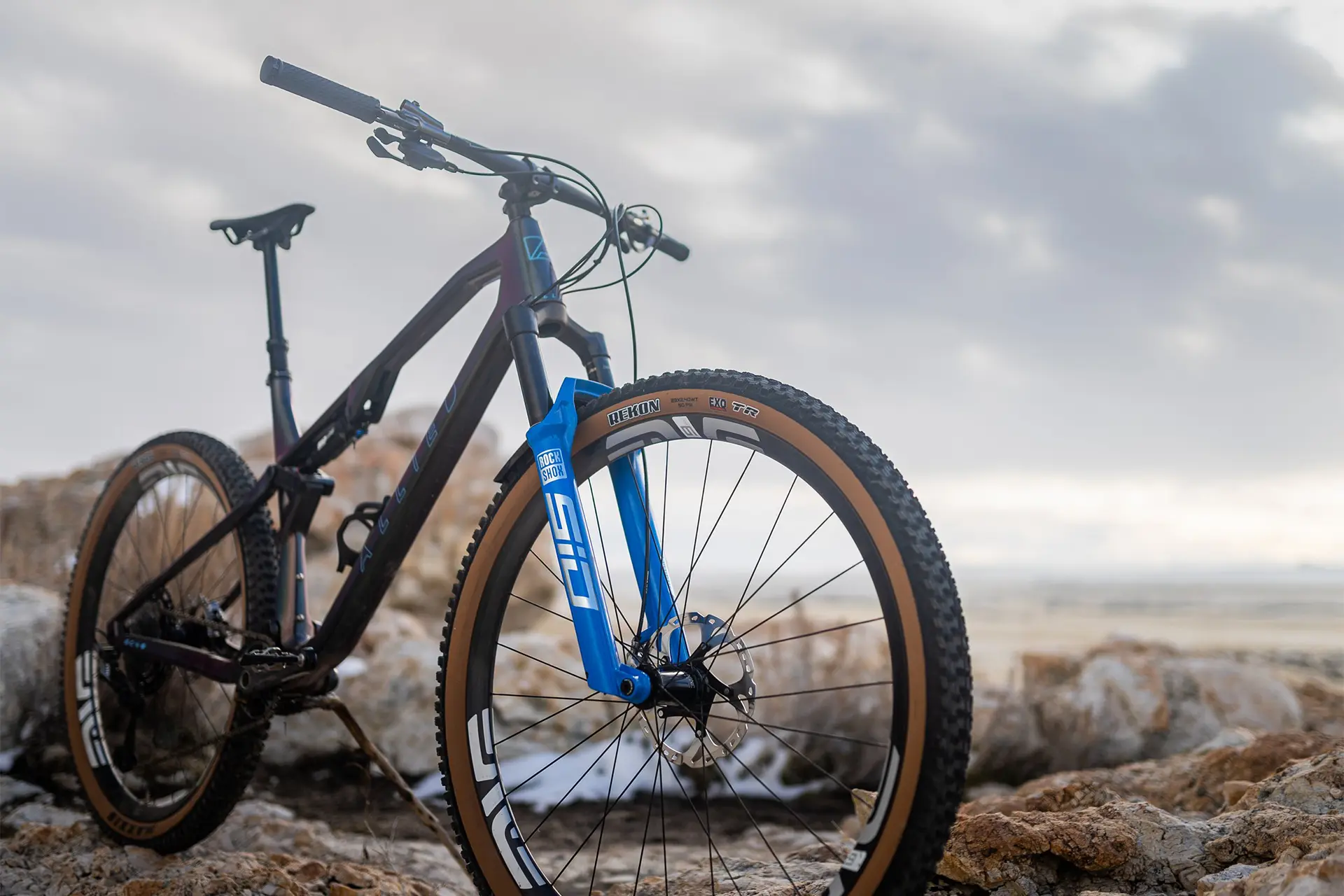
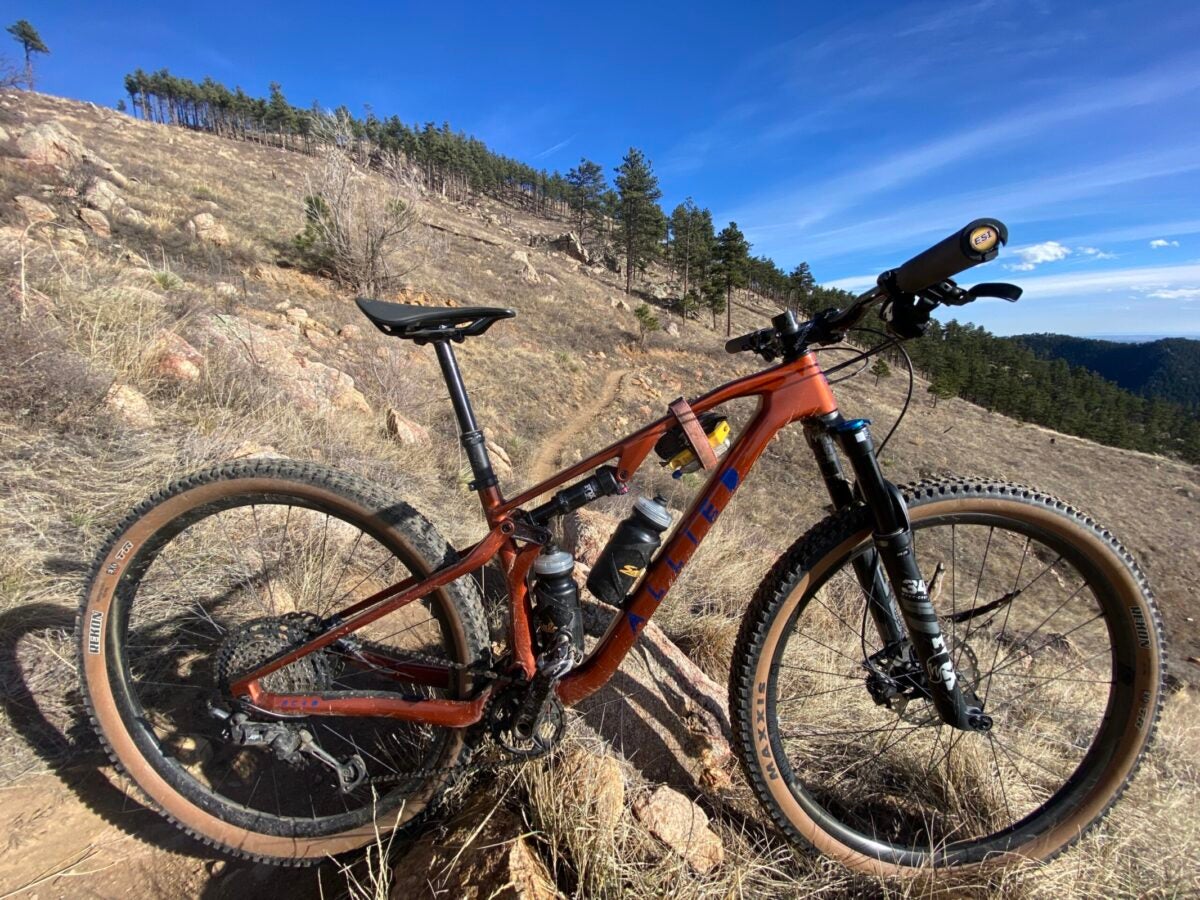
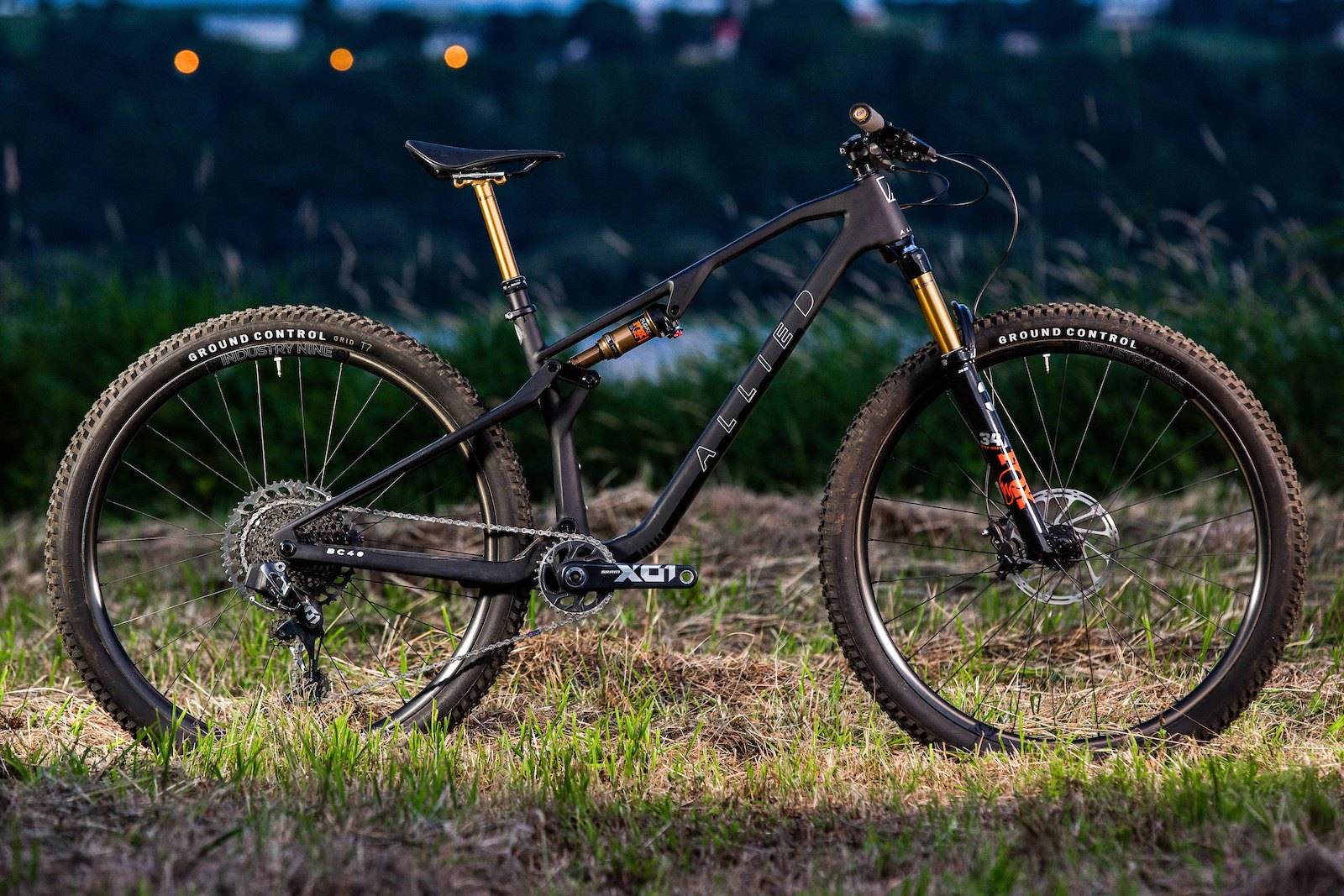
The Allied BC40 marks the Arkansas-based brand's entry into mountain biking, arriving as a premium, US-made cross-country and marathon platform. Designed around 120mm of front and rear travel, the carbon frame utilizes a linkage-driven single-pivot suspension layout with flex stays to keep weight low and mechanical complexity to a minimum. While it can be configured with shorter-travel components for pure cross-country racing, its stock form leans heavily into modern endurance riding. The BC40 is built for riders who prioritize pedaling efficiency and long-distance speed but want enough suspension capability to handle technical descents without feeling overwhelmed. It stands out in a crowded market not just for its domestic manufacturing and custom paint options, but for its distinct blend of hardtail-like acceleration and composed trail manners.
Geometry & fit.
4 sizes published.
The BC40 utilizes progressive geometry that bridges the gap between traditional cross-country twitchiness and trail bike stability. A 66.5-degree head tube angle pushes the front wheel out just enough to calm the steering on steep descents, while a 76-degree seat tube angle keeps the rider centered and upright over the bottom bracket for efficient climbing. This combination creates a comfortable, forward-leaning posture that reduces lower back fatigue during marathon events.
Reach measurements are modern but moderate, sitting at 445mm for a size medium, which pairs well with the stock 50mm stems to keep the steering direct. The 435mm chainstays are consistent across all four frame sizes, balancing rear-wheel traction on climbs with maneuverability in corners. Allied opted for a low bottom bracket to enhance cornering grip, though this requires some pedal awareness in rocky terrain. The frame also features a notably stout construction, providing excellent lateral stiffness that prevents the chassis from flexing unpredictably when pushed hard into berms or through technical compressions.
Where the handlebar sits relative to the bottom bracket — the single most important fit pair.
01Fit geometry5 values
03Handling geometry7 values
Which size should I buy?
Slide your height to see the recommended size. GearWise's fit algorithm works from the published stack, reach, and ETT — the brand's own recommendation may differ.
→Calculated from GearWise's own stack / reach / ETT algorithm — the brand's size chart may recommend a different size, and a proper bike fit beats any calculator.
The lineup.
5 builds, ranging $6,730 – $12,900.
The BC40 lineup is positioned firmly in the premium tier, with no true budget options available. The range starts with a highly capable Shimano XT mechanical build featuring Industry Nine 1/1 Trail S wheels and Fox Performance suspension. Moving up the ladder introduces wireless shifting, starting with SRAM GX Eagle Transmission and progressing through X0 Eagle Transmission and Shimano XTR Di2. These mid-tier builds upgrade to lighter Industry Nine carbon wheelsets and top-tier Fox Factory or RockShox Ultimate suspension components.
At the pinnacle of the range, the SRAM XX SL Eagle Transmission build spares no expense, outfitting the bike with RockShox Flight Attendant automated suspension, Zipp 1Zero HiTop SW carbon wheels, and an integrated power meter. Across all builds, Allied prioritizes durability and ease of maintenance, utilizing a standard 73mm threaded bottom bracket, a SRAM Universal Derailleur Hanger, and external cable routing ports on the head tube rather than routing lines through the headset. While the absolute cost is high, the value lies in the domestic manufacturing, the inclusion of high-strength Innegra fibers in the carbon layup, and the premium component specification at every tier.



From the press.
14 reviews from the cycling press.
Reviewers consistently praise the Allied BC40 for its urgent acceleration and remarkable pedaling platform. Testers found the bike highly resistant to pedal bob, translating power so effectively that many questioned the need for a remote lockout. This efficiency creates a "lively, snappy ride that’s nothing short of addicting" (Gearpatrol) on rolling terrain and steep climbs. Rather than relying on heavy compression damping, the suspension kinematics provide a firm, supportive feel that rewards aggressive pedaling.
When pointed downhill, the bike surprises riders with its stability. The suspension manages to feel "composed and stuck to the ground" (PinkBike) through rough sections, allowing pilots to relax and look further down the trail. Some testers noted the ride quality tends to "skip over the top of bumps" (Bicycling) rather than plowing through them, favoring an active riding style.
The primary tradeoff for this high-speed stability is a slight reduction in low-speed agility. In extremely tight, uphill switchbacks, the slack front end "requires more steering input and brain output" (PinkBike) compared to steeper, traditional race bikes. Additionally, a few reviewers reported that the wide seatstays occasionally rubbed against their knees or calves during out-of-the-saddle efforts. Despite these minor quirks, the consensus points to a highly capable marathon machine that excels at covering varied terrain quickly.
Allied BC40 Review: The Fun Race Bike | 2022 Downcountry Field Test
Allied BC40 Review | Made In The USA Mountain Bike
Allied BC40 Mountain Bike Review: This Ultra-Light Bike Is ...

A Conversation About the Eye-Popping Allied BC40 Cross- ...
Review: All I want for Christmas is an Allied BC40
Field Test: Allied Cycle Works BC40 - The Fun Race Bike
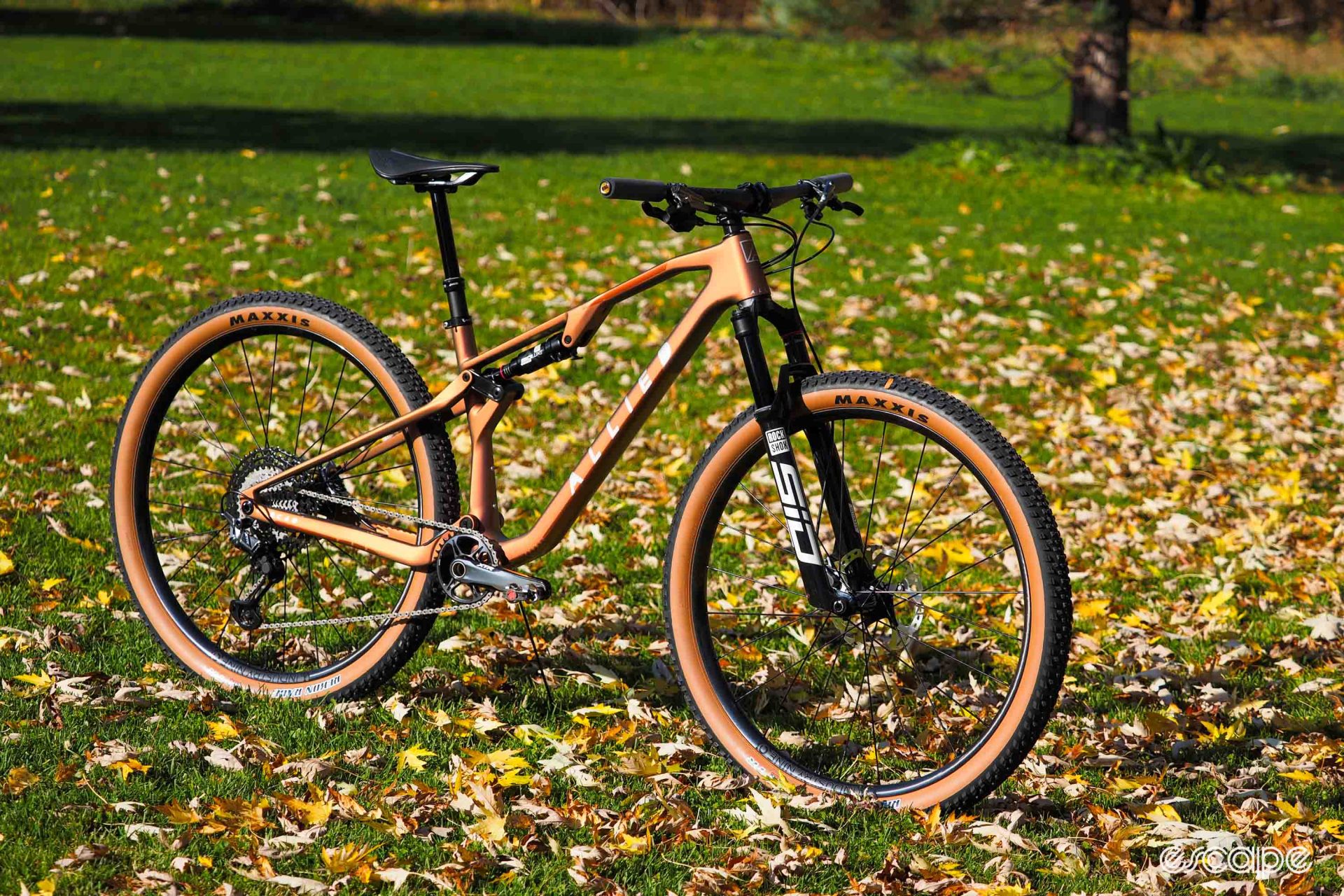
Allied Cycle Works BC40 review: The modern marathon machine
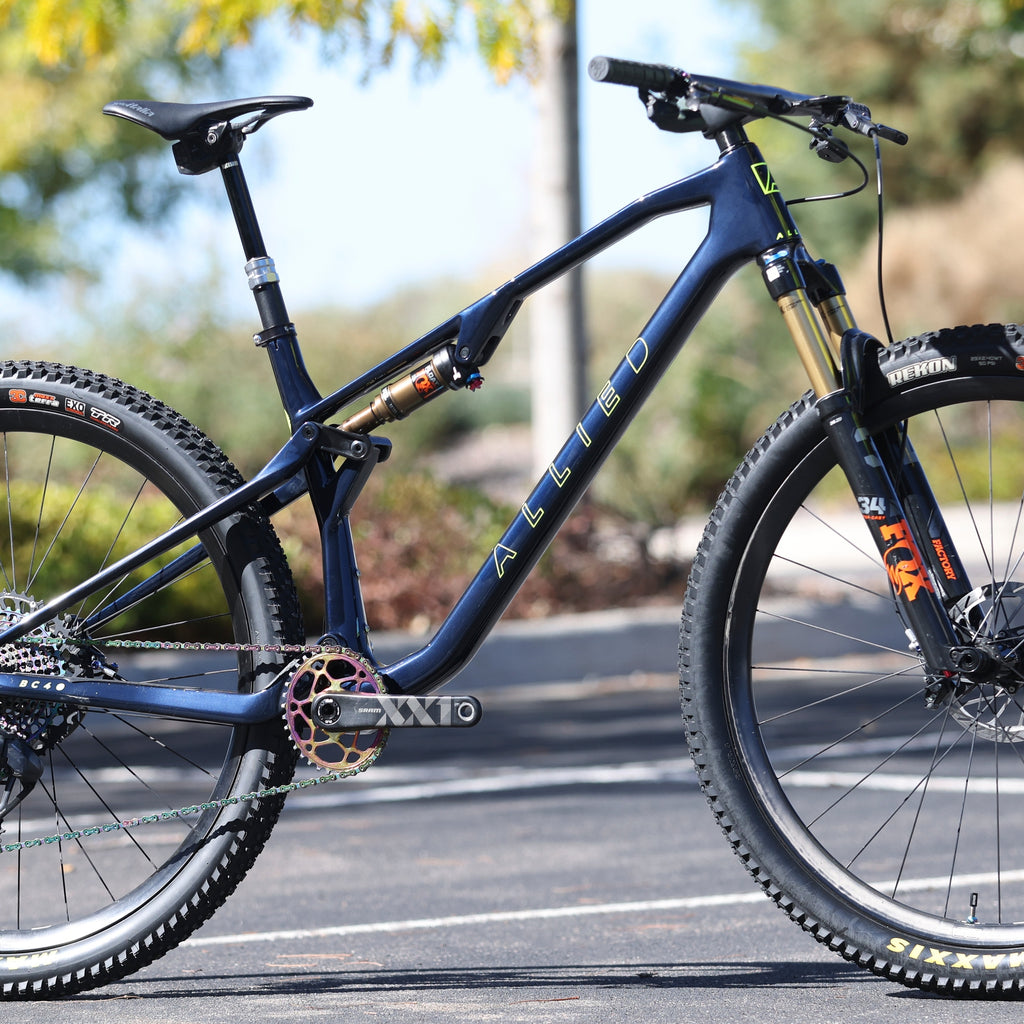
Allied BC40: A High Caliber American-Made Downcountry Weapon
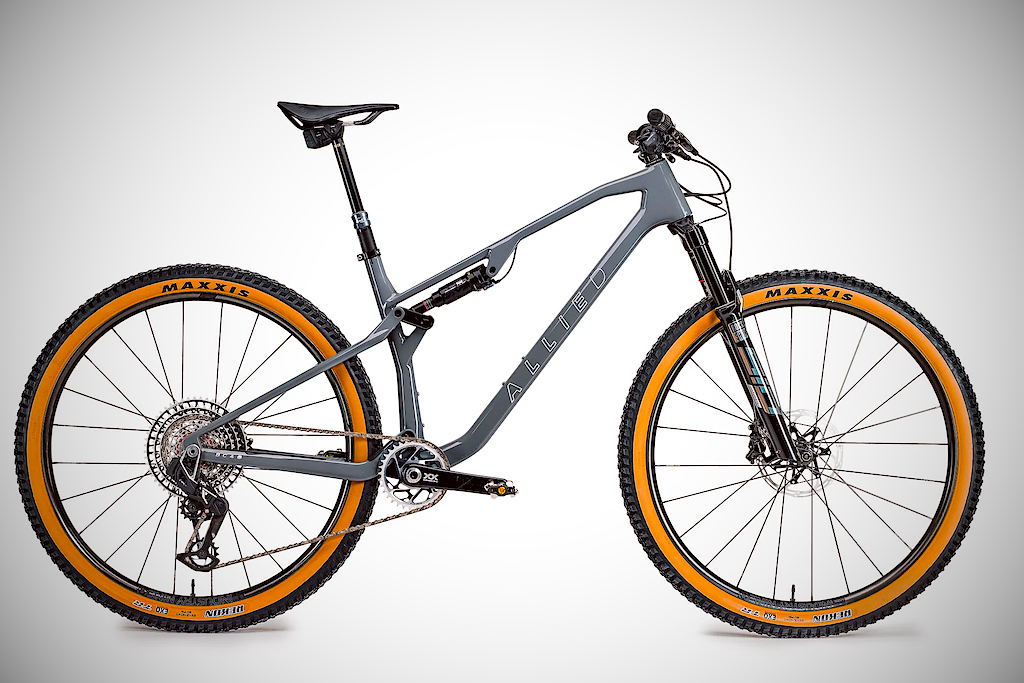
Allied BC40: Embrace the Trail with Unmatched Versatility - GrumpyFoot
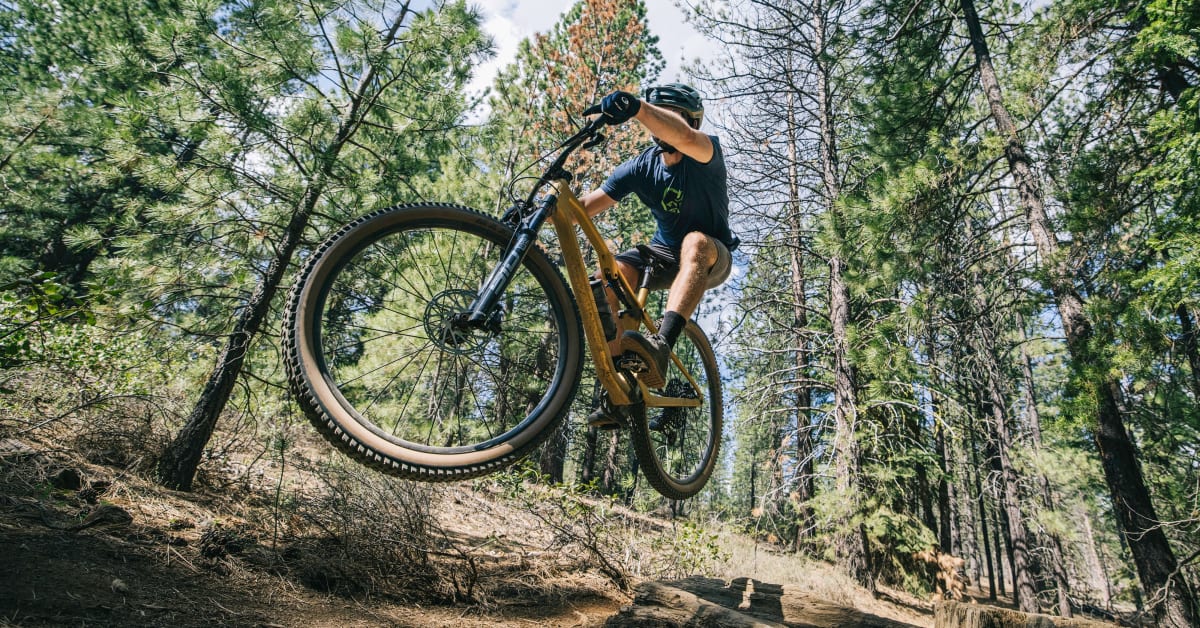
Allied BC40 Field Test: A Cross Country Bike With Downcountry Soul
BIKER'S EDGE
Review: All I want for Christmas is an Allied BC40
BC40 Full Suspension Mountain Bike - Pinkbike Review | Allied Cycle Works