Kings Peak
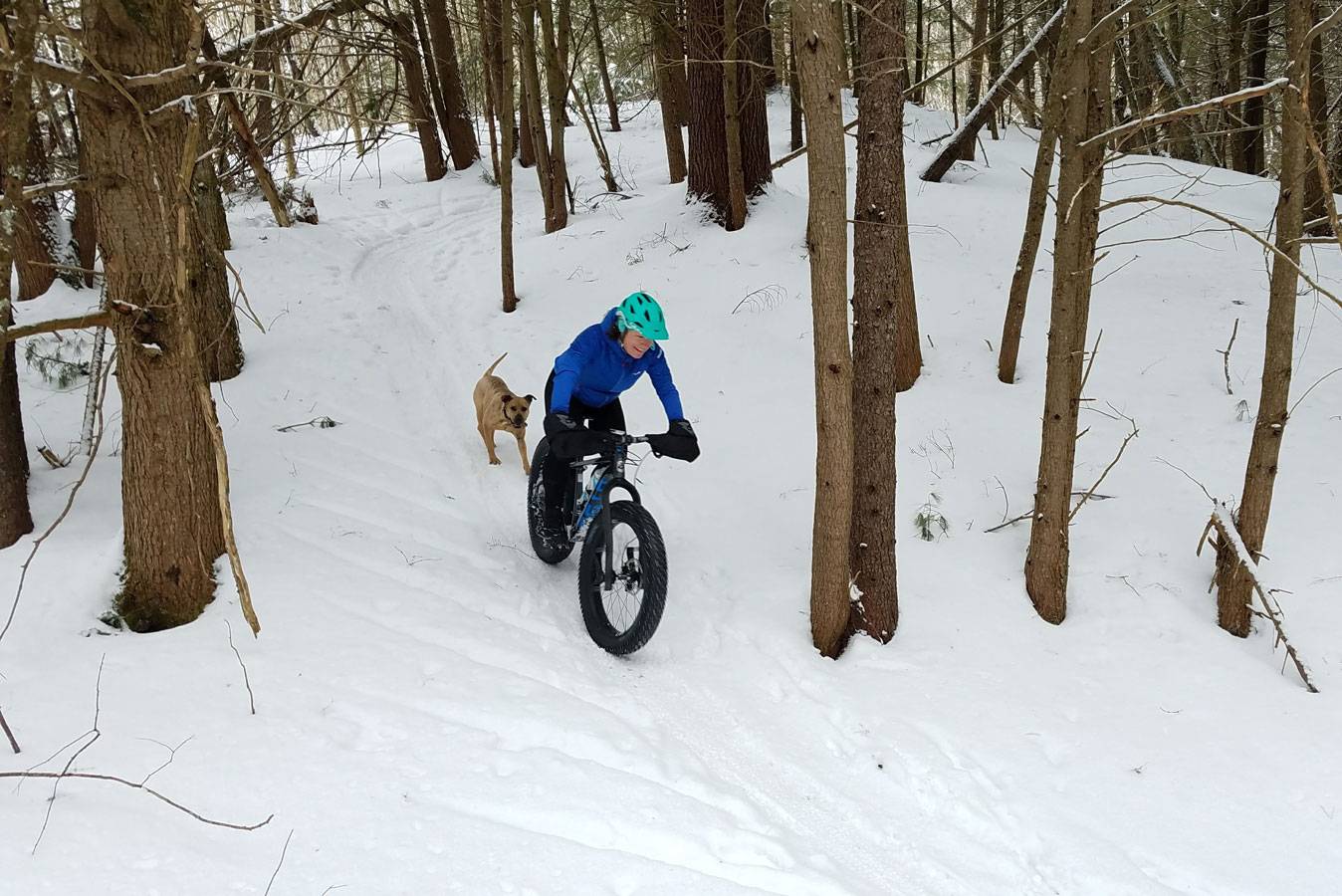
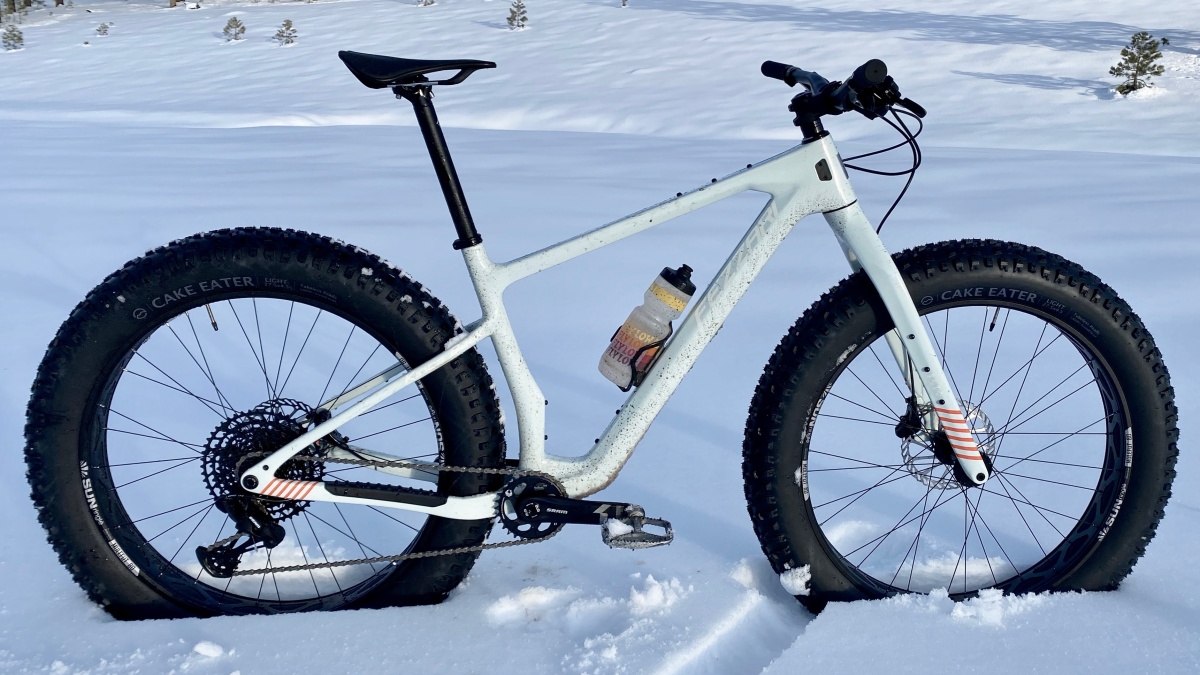
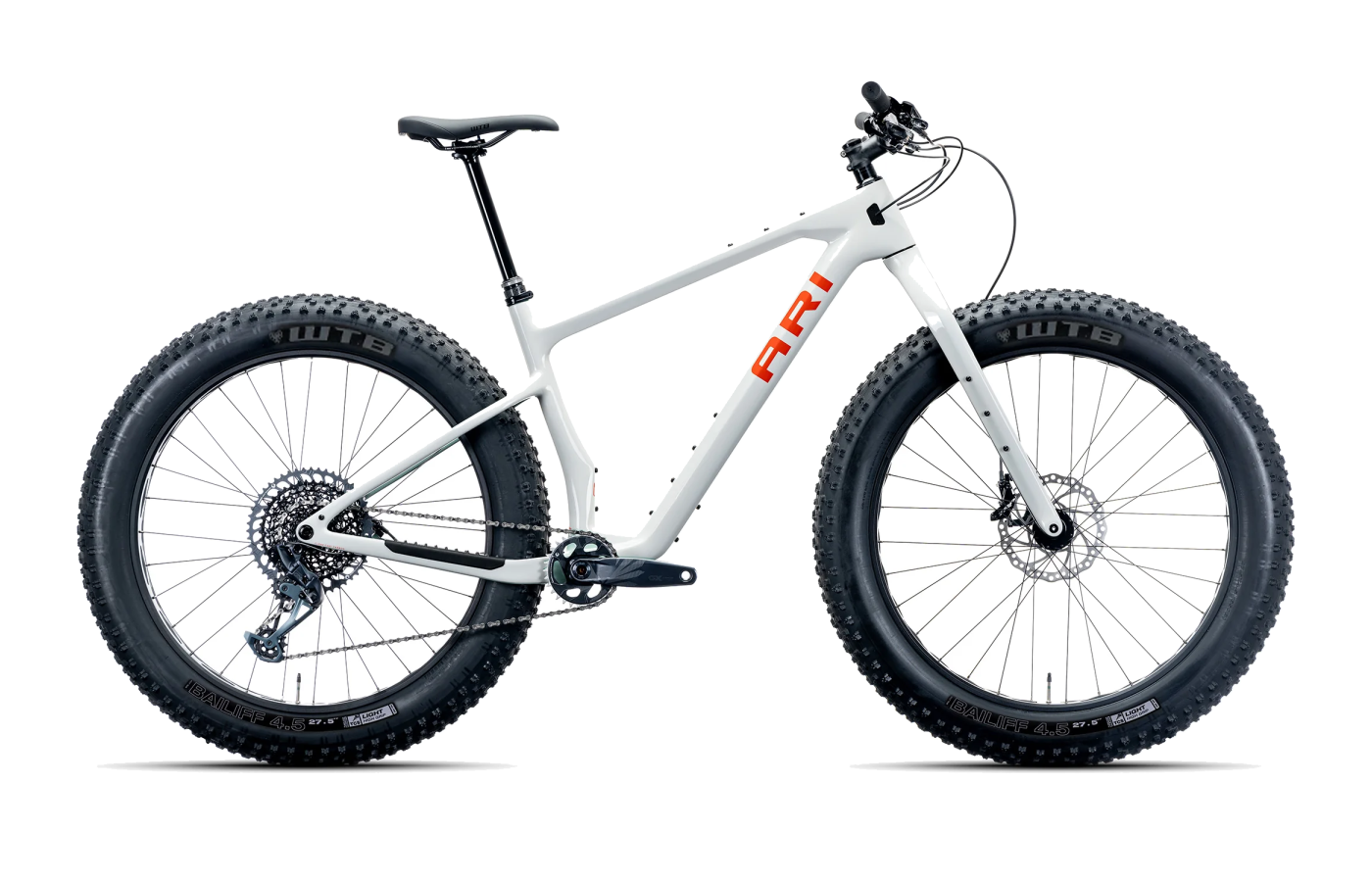
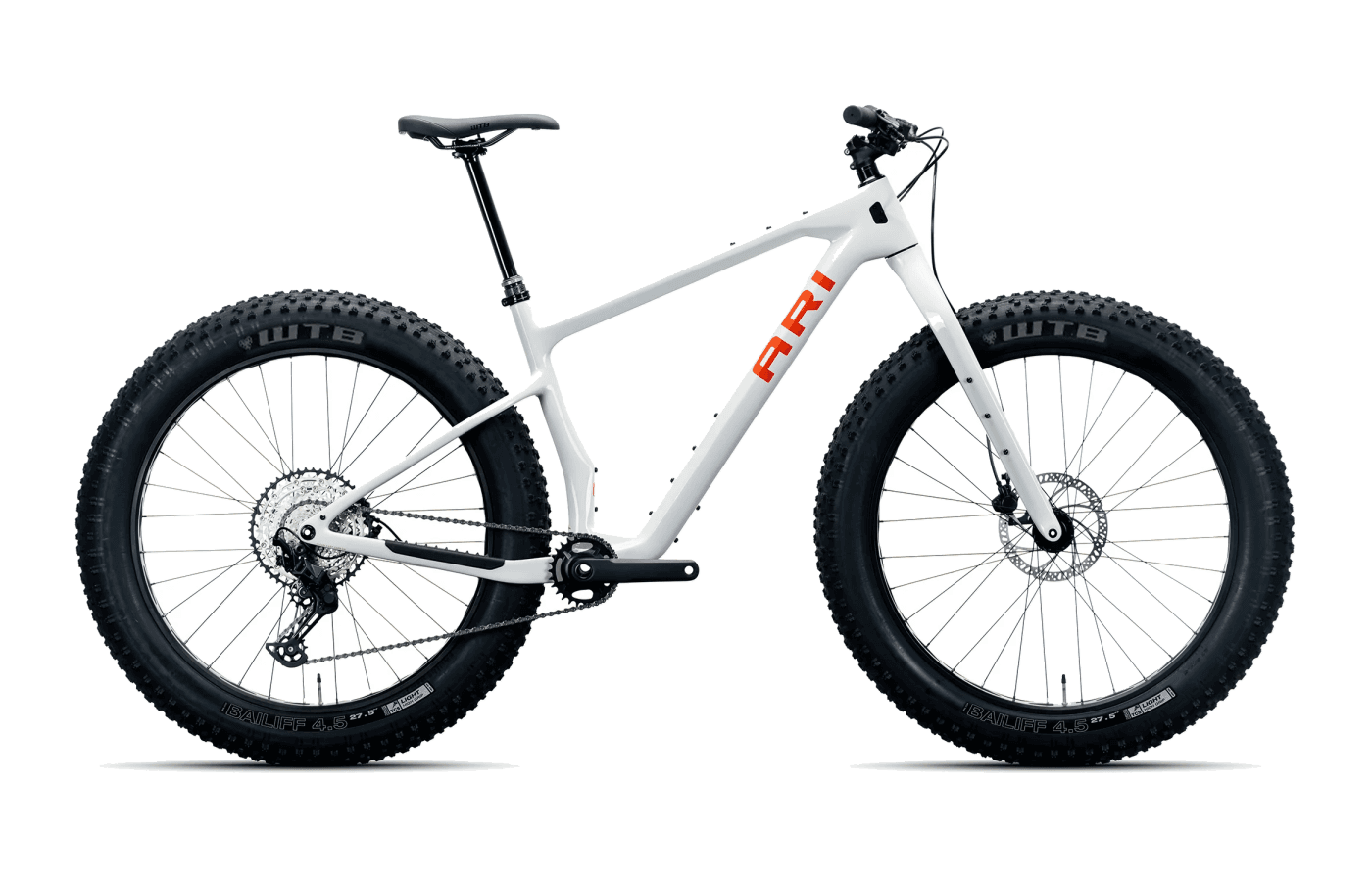
The Ari Kings Peak is a full-carbon fat bike built to handle soft winter conditions and loaded backcountry travel without abandoning the handling traits of a modern mountain bike. Moving away from the steep, upright posture of traditional snow cruisers, Ari designed this frame to feel familiar to riders accustomed to contemporary trail bikes. It relies on massive 27.5-inch wheels and 4.5-inch tires to provide flotation over snow and sand, while the rigid carbon chassis keeps the overall weight manageable for long days in the saddle.
Designed with utility in mind, the frameset is heavily equipped for bikepacking. With multiple cargo mounts across the front triangle and fork legs, it easily transitions from a stripped-down winter training tool to a heavy-duty expedition rig. It suits riders who want a highly capable, progressive platform for foul-weather riding and remote exploration.
Geometry & fit.
4 sizes published.
The Kings Peak utilizes a progressive geometry blueprint that heavily influences its trail manners. A slack head tube angle pushes the front wheel further out, which directly contributes to the bike's stability on fast descents and rough, unpredictable snowpack. Paired with a generous reach and a relatively long wheelbase, this layout gives the rider a centered, balanced stance rather than pitching their weight over the front axle.
To maintain climbing efficiency, Ari pairs that slack front end with a steep seat tube angle. This positions the rider directly over the bottom bracket, ensuring efficient power transfer and keeping the front wheel grounded on steep, loose pitches. The chainstays are kept moderate—long enough to clear massive tires and maintain traction, but short enough to prevent the rear end from feeling entirely disconnected in corners.
Riders coming from standard mountain bikes should anticipate a wide Q-factor. The crank width is necessarily broad to accommodate the rear tire clearance, which alters pedaling ergonomics and may require a brief adjustment period during longer rides.
Where the handlebar sits relative to the bottom bracket — the single most important fit pair.
01Fit geometry6 values
03Handling geometry7 values
Which size should I buy?
Slide your height to see the recommended size. GearWise's fit algorithm works from the published stack, reach, and ETT — the brand's own recommendation may differ.
→Calculated from GearWise's own stack / reach / ETT algorithm — the brand's size chart may recommend a different size, and a proper bike fit beats any calculator.
The lineup.
2 builds, ranging $2,599 – $2,999.
The Kings Peak lineup is split into two builds that share the same full-carbon frame and rigid carbon fork. Both models utilize a reliable 100mm English threaded bottom bracket, internal cable routing, and a highly capable 27.5-inch wheelset wrapped in 4.5-inch WTB Bailiff tubeless-ready tires.
The entry-point Comp build focuses on functional reliability, utilizing a Shimano SLX 12-speed drivetrain and Tektro hydraulic disc brakes. This configuration provides a massive gear range for grinding through soft snow, keeping the price accessible without compromising the core ride quality.
Stepping up to the Elite build introduces a SRAM GX Eagle 12-speed drivetrain and TRP Trail EVO brakes. This tier is aimed at riders who want crisper shifting under load and more refined braking power for steeper terrain. Both builds feature an alloy cockpit and a TranzX dropper post, ensuring the bike is ready for varied topography straight out of the box. The value across both options is anchored by the high-quality carbon frameset, which offers a lighter starting point than many aluminum competitors in the same price bracket.
From the press.
2 reviews from the cycling press.
Critics consistently praise the Kings Peak for bridging the gap between a dedicated snow machine and a standard trail bike. By stretching the wheelbase and slackening the front end, Ari has created a platform that feels "calmer and more composed" (Outdoorgearlab) on descents than older, steeper fat bike designs. Testers noted that this stability is especially valuable when navigating rutted, frozen trails or when the bike "transitioned seamlessly between dirt and snow surfaces" (GearJunkie) during shoulder-season rides.
While the rigid carbon frame transfers some trail feedback, reviewers found the ride surprisingly comfortable. The massive air volume of the 4.5-inch tires acts as the primary suspension, effectively muting high-frequency chatter from boot tracks and icy crust. Despite the large footprint, the bike avoids feeling sluggish on the climbs. Testers highlighted that the relatively low frame weight keeps the bike feeling "snappy and responsive under pedaling power" (Outdoorgearlab), making long winter efforts less draining.
The primary handling tradeoff noted by reviewers is a slight reduction in low-speed maneuverability. The longer footprint requires a bit more steering input in tight uphill switchbacks. However, testers generally agreed this is a minor compromise given the bike's excellent high-speed stability and predictable traction across varied terrain.