Bianchi
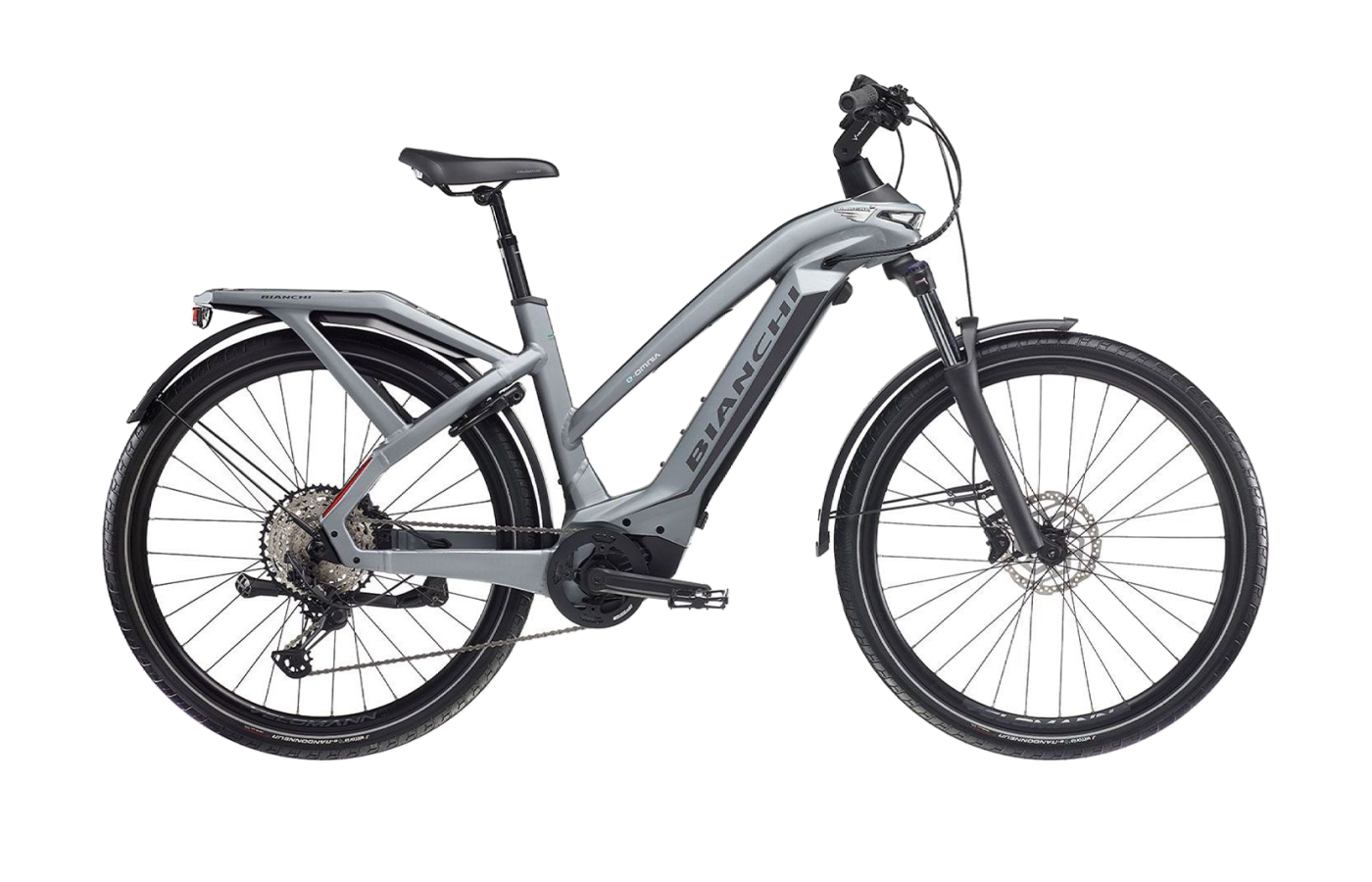
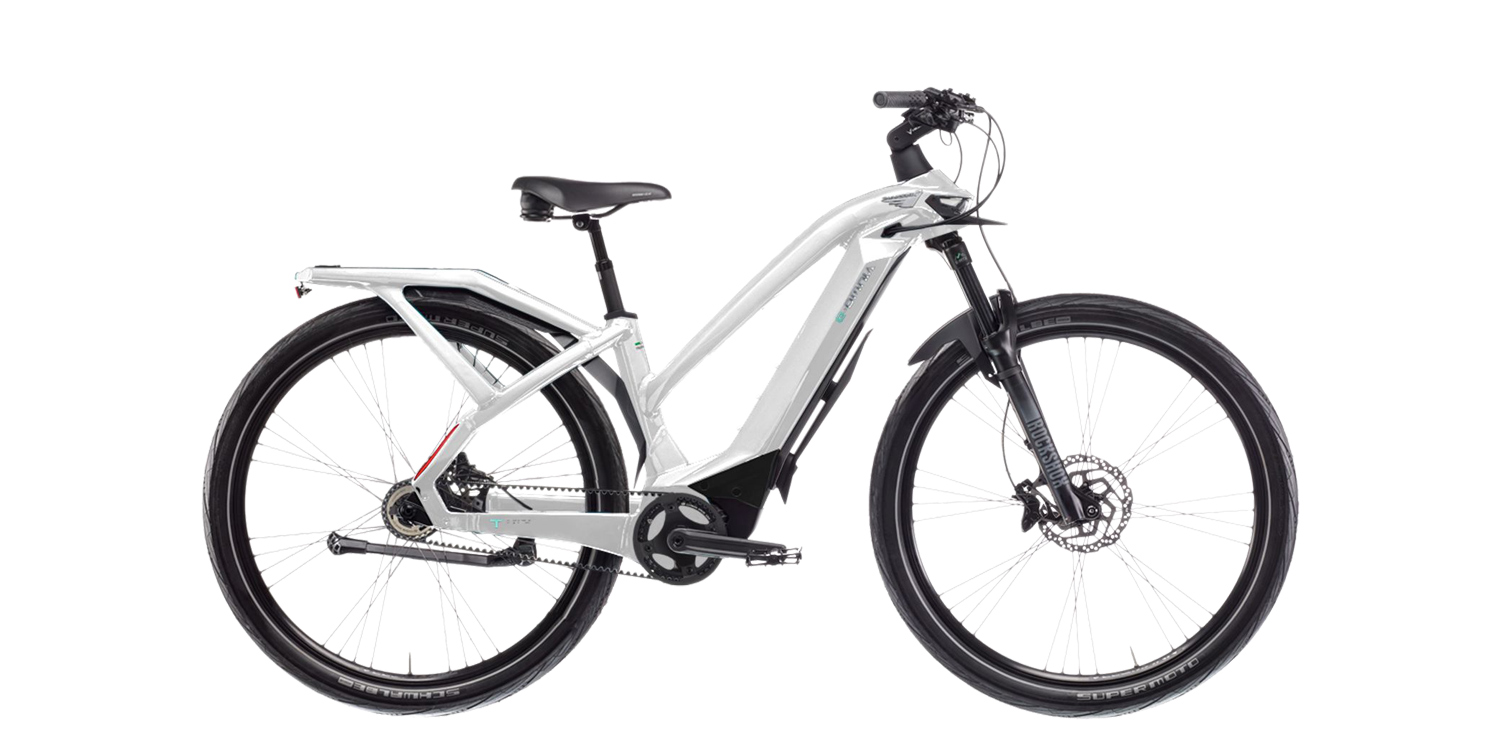
e-Omnia T-TypeStep-Through Deore 10sp
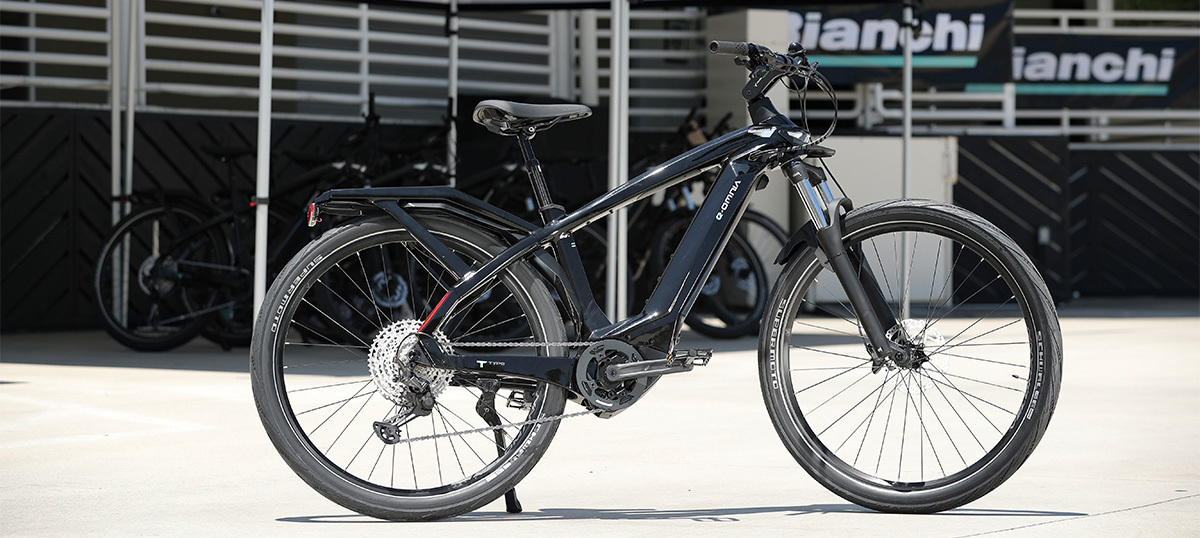
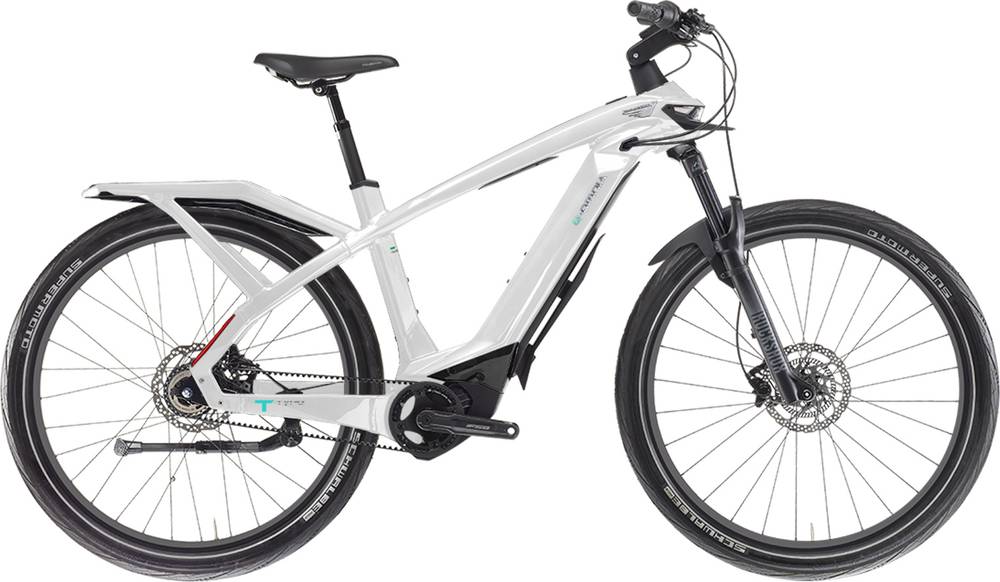
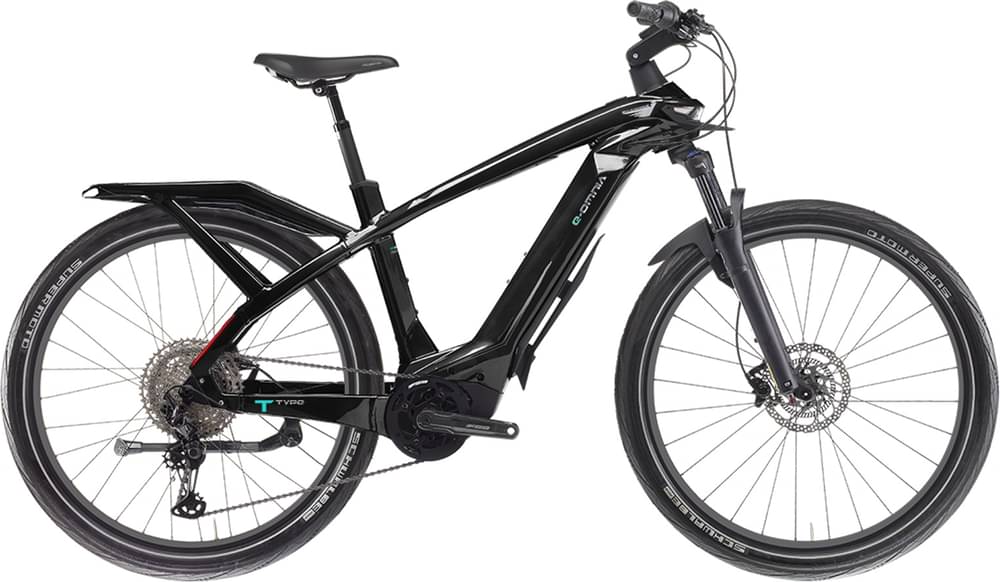
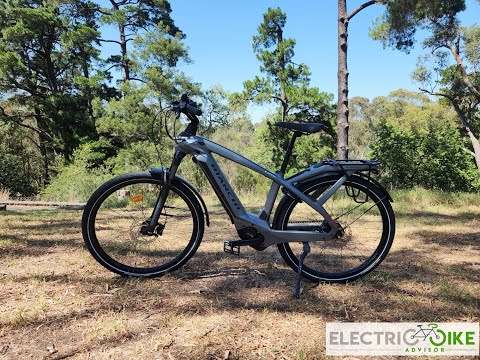
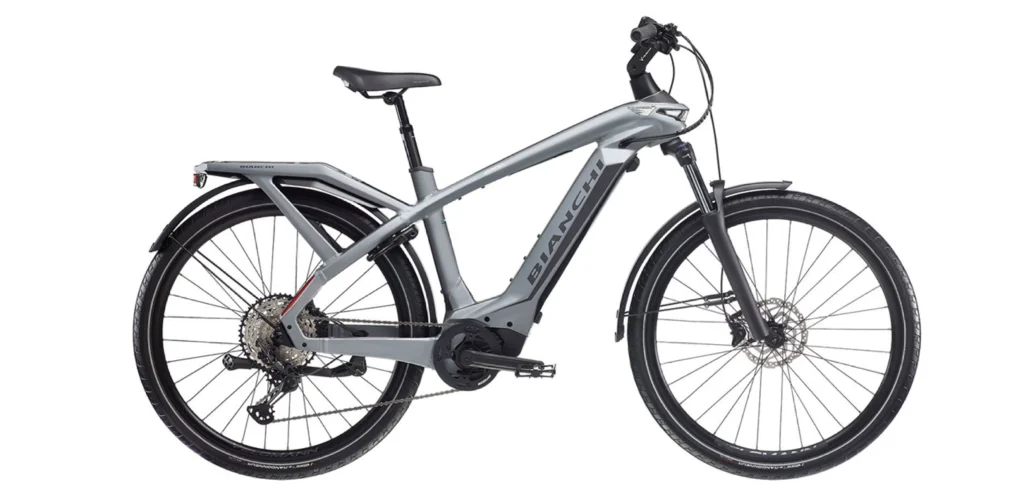
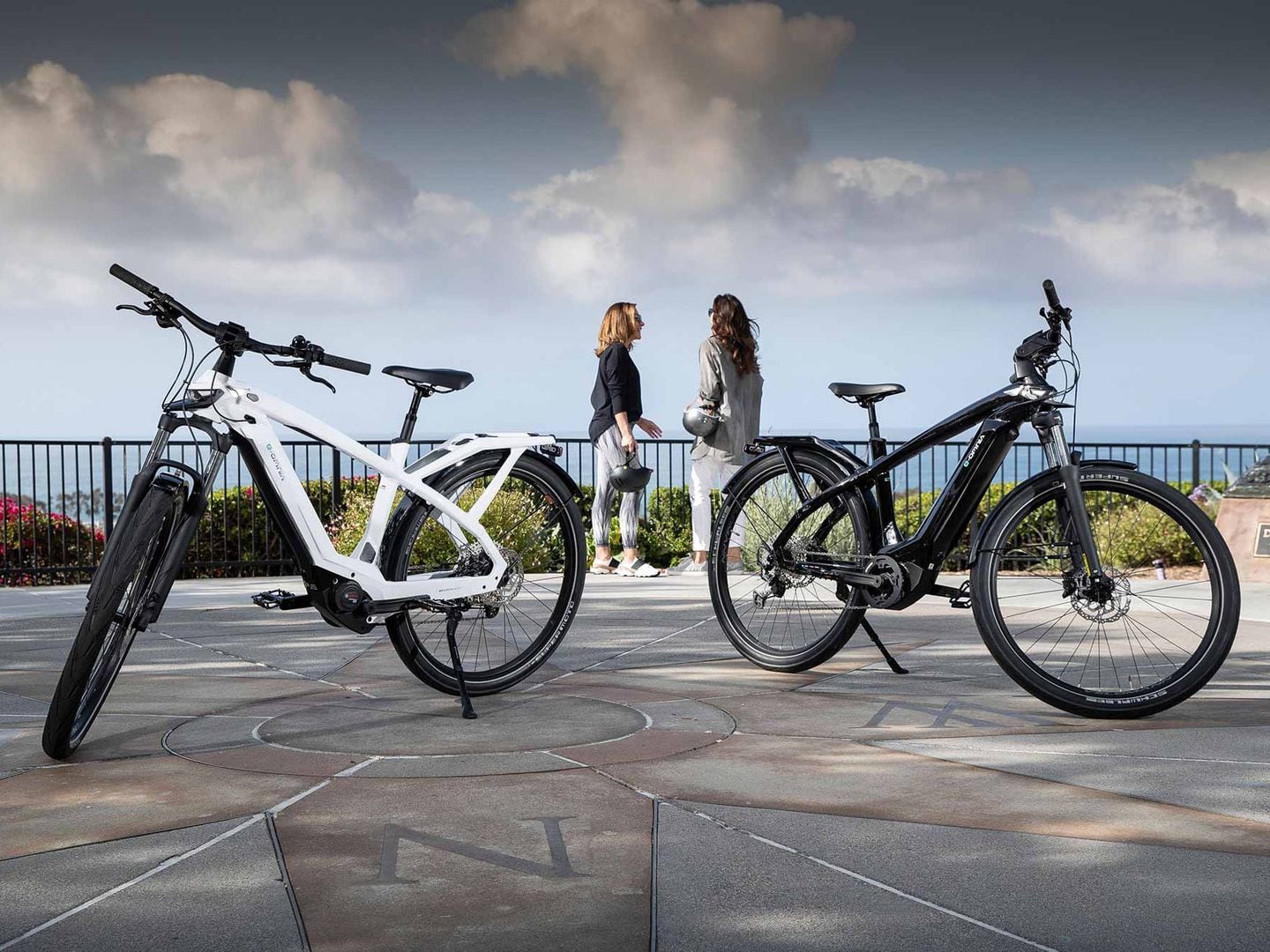
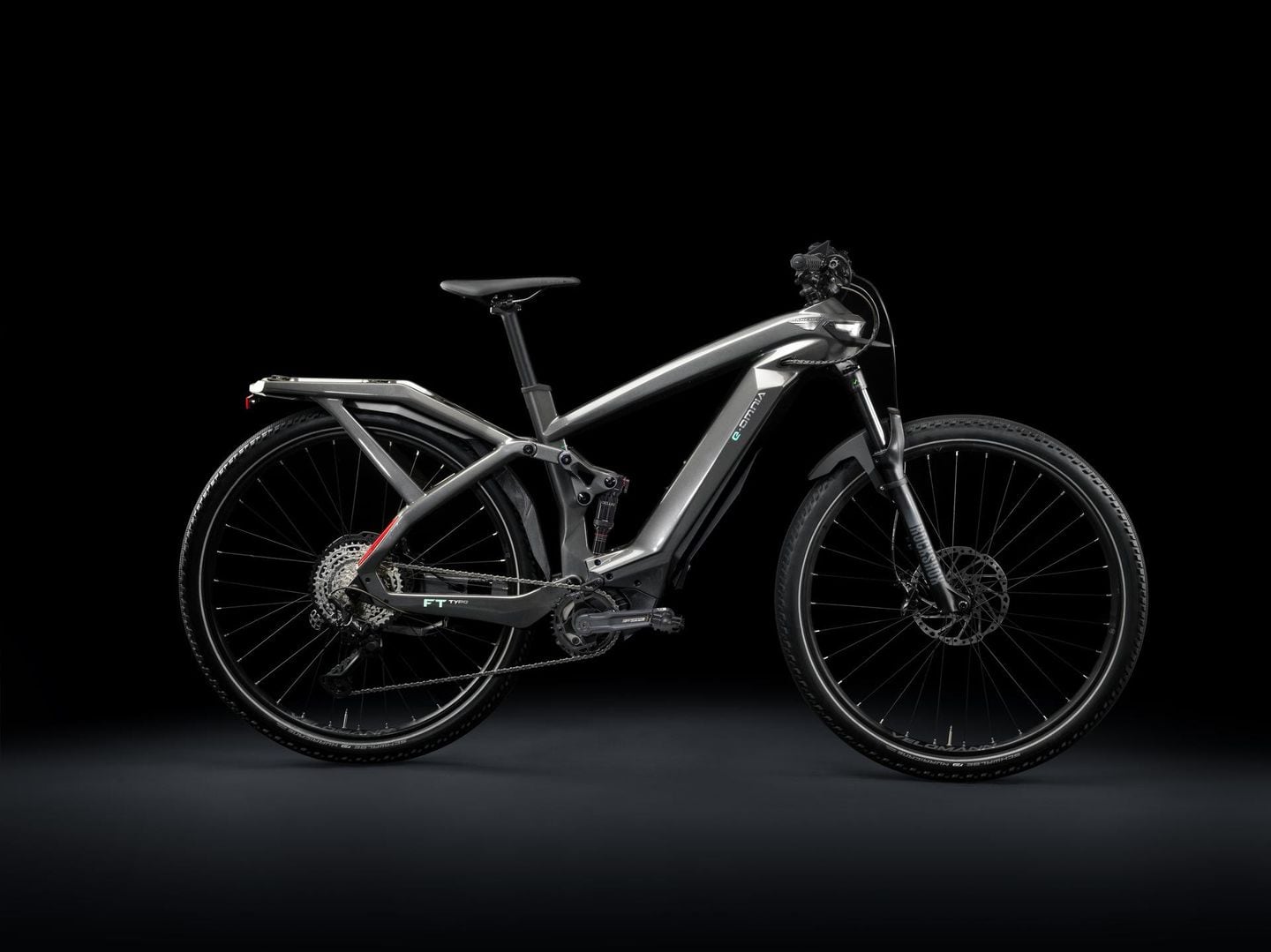
The Bianchi e-Omnia T-Type is the utility and touring branch of Bianchi’s e-Omnia platform, and it has remained fundamentally consistent since its 2021 introduction. Rather than chasing low weight or minimalist city-bike styling, this model is built around a gravity-cast aluminum frame with a notably robust, integrated approach: welded rear carrier, integrated front, rear, and side lighting, Bosch mid-drive motor system, and a 120 mm suspension fork. It is offered in both standard and step-through forms, with chain-drive and belt-drive/Nexus variants appearing across the range. That combination places it closer to a heavy-duty trekking and car-replacement e-bike than to a conventional urban commuter.
What distinguishes the T-Type is its mountain-bike-influenced chassis applied to everyday transport. The 120 mm fork, large 29-inch wheel format, and utility-focused frame design indicate a bike intended for rough pavement, cobbles, potholes, and light gravel as much as for smooth bike paths. It sits in the premium end of the e-urban/e-trekking market, competing on integration, load-carrying stability, and all-conditions practicality rather than portability. For riders who want a fully equipped Bosch-powered commuter or touring bike with a more substantial, planted feel, the T-Type occupies a clear niche.
Spec sheet.
Every component shipped with this build.
Geometry & fit.
6 sizes published.
The available geometry points to a stable, upright trekking fit rather than a quick-handling city bike. Across sizes M, L, and XL, the head tube angle stays at 67 degrees, which is notably slack for an urban platform and a major contributor to the bike’s calm steering and confident behavior on rough surfaces. Reach figures of 430 mm (M), 450 mm (L), and 470 mm (XL) are moderate, while stack remains tall at 637-646 mm, supporting the relaxed posture reviewers describe. The 74.5-degree seat tube angle keeps the rider centered enough for efficient seated pedaling despite the upright front end.
The rear of the bike is also long and stability-oriented. A 465 mm chainstay is substantial, and wheelbase stretches from 1192 mm in M to 1236 mm in XL. Those numbers help explain the T-Type’s loaded-bike composure and straight-line security, but they also suggest slower low-speed responses and less willingness to change direction quickly. Combined with the 50 mm bottom-bracket drop, the geometry favors a secure, planted feel for commuting, touring, and mixed-surface riding over nimble stop-start maneuverability.
Where the handlebar sits relative to the bottom bracket — the single most important fit pair.
01Fit geometry5 values
03Handling geometry7 values
Which size should I buy?
Slide your height to see the recommended size. GearWise's fit algorithm works from the published stack, reach, and ETT — the brand's own recommendation may differ.
→Calculated from GearWise's own stack / reach / ETT algorithm — the brand's size chart may recommend a different size, and a proper bike fit beats any calculator.
The lineup.
2 builds, ranging $4,399.
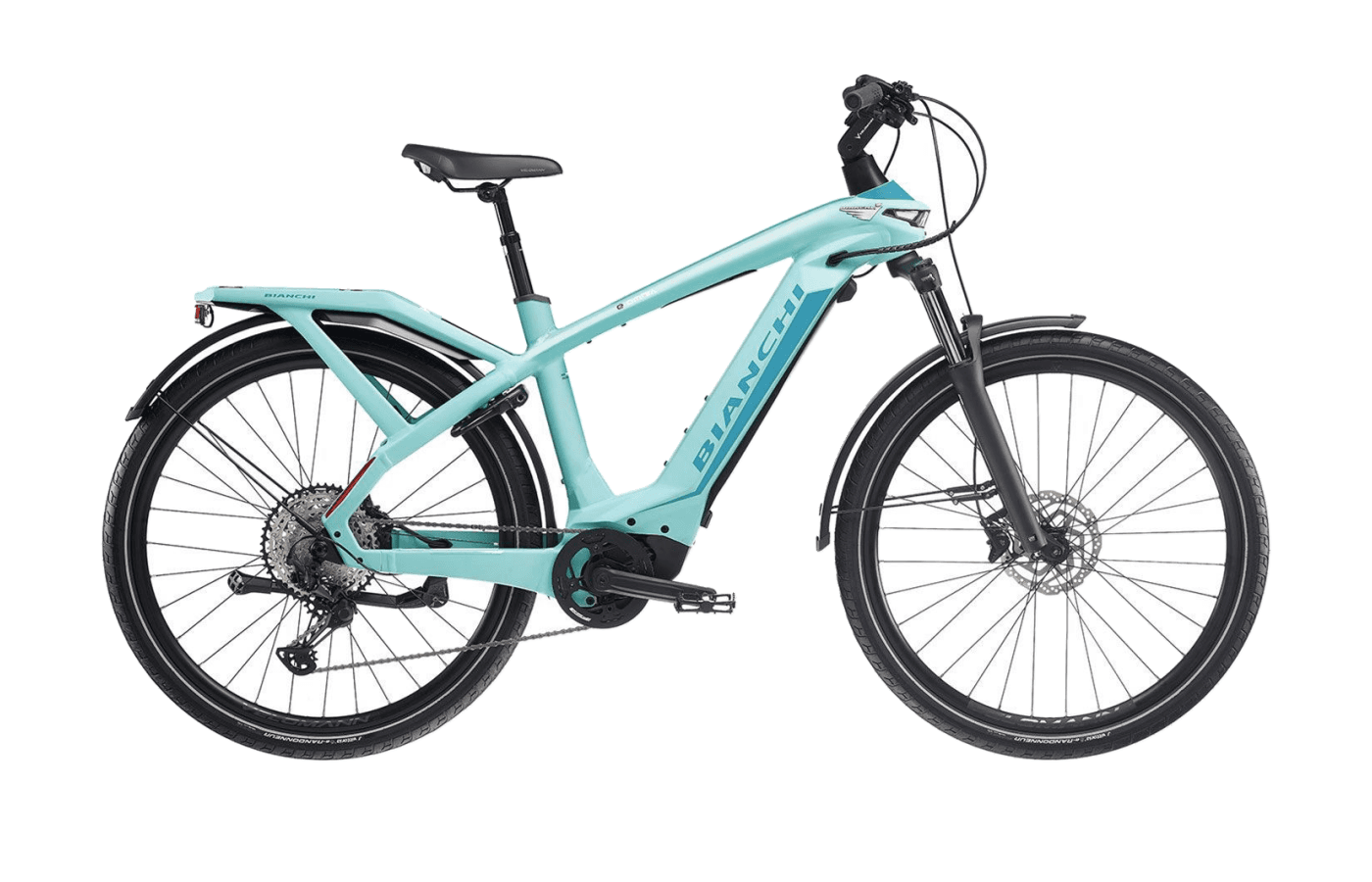
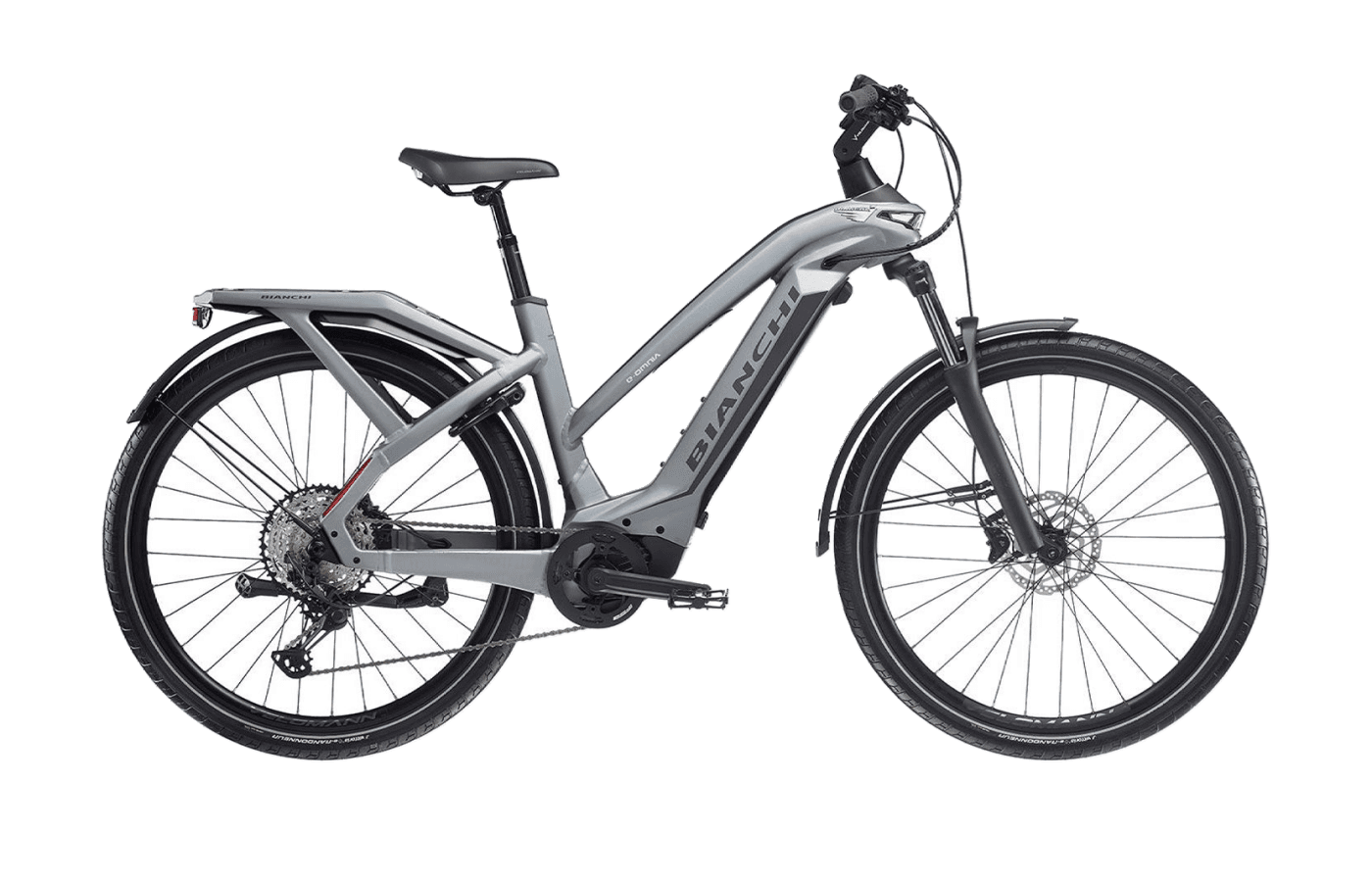
The listed builds for this generation include the Deore 10-speed and Step-Through Deore 10-speed, with the broader model family also appearing in reviews and price lists in higher-spec XT and Nexus/Gates belt configurations. Across the range, the common thread is a Bosch mid-drive system with 85 Nm torque, integrated utility equipment, and a 120 mm suspension fork, but the drivetrain choices shift the bike’s character. The derailleur-equipped Deore and XT versions are the more conventional trekking setups, while the Nexus 5-speed and Gates CDX belt models target lower maintenance and better stop-start usability in urban riding.
Pricing in the supplied material spans from about $4,233 for a 2024 Step-Through XT listing to $7,157 for a 2022 T-Type, with earlier 2021 listings around €6,000 for some versions. That spread reflects regional differences and different equipment levels more than a change in the underlying platform. The strongest value case appears to be in the better-equipped models that pair the Bosch system with integrated lighting, rack, and comfort hardware from the factory, since the T-Type is clearly designed as a complete transport package rather than a bike that needs immediate aftermarket upgrades.
From the press.
17 reviews from the cycling press.
Reviewers consistently describe the e-Omnia T-Type as unusually planted and composed for an urban e-bike. Several note that its roughly 28.25 kg weight, while substantial, contributes to a damped, secure ride quality that feels closer to a moped or light motorcycle than a typical commuter bicycle. The 120 mm suspension fork, wide 29 x 2.4 in Schwalbe Supermoto tires, and Velomann suspension seatpost are repeatedly cited as key comfort features, especially on broken pavement, cobbles, and larger urban obstacles. Testers also praise the relaxed riding position and the long, adjustable stem for making the bike suitable for longer commutes and touring use.
On the drivetrain side, reviewers are broadly positive about the Bosch Performance Line Speed or CX motor, especially its 85 Nm output and strong climbing performance. The bike is seen as particularly effective on hilly routes and at maintaining speed once moving, with the Class 3 Speed version noted for stable behavior up to 28 mph. Reviewers also highlight thoughtful details such as the Bosch Kiox display, fast charger, puncture-resistant tires, and the reinforced frame and rack structure.
The main criticisms center on weight, proprietary integration, and a few practical design compromises. Multiple reviewers say the bike is awkward to lift onto trains or carry up stairs, and its handling is stable rather than agile in tight city situations. Electric Bike Review specifically points out that the headtube-mounted headlight does not turn with the handlebar, which can reduce confidence in dark corners. Reviewers also mention limitations around the proprietary rear rack, battery removal ergonomics, and the plastic battery cover, all of which temper an otherwise strong reputation for comfort, power, and utility.
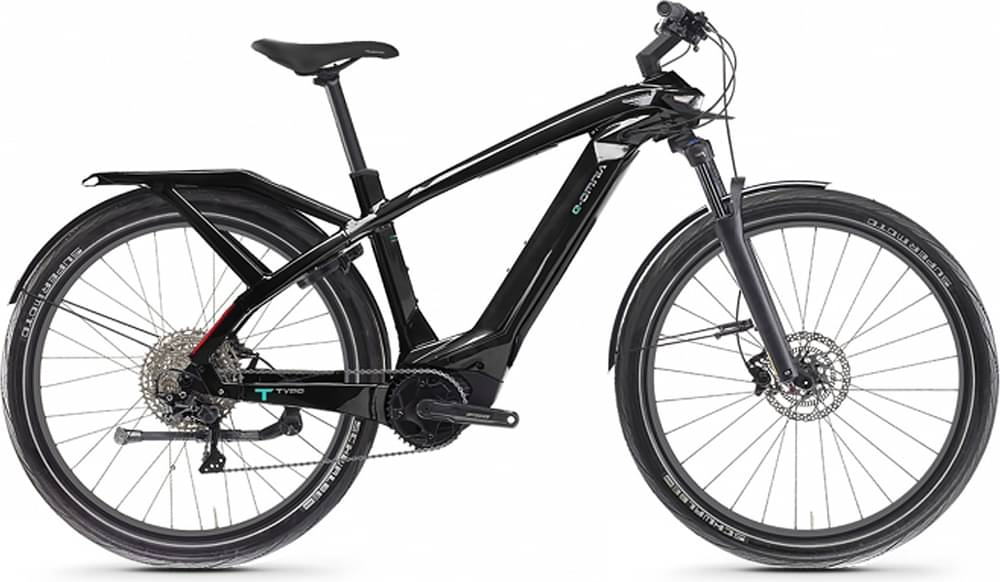
BIANCHI E-OMNIA T TYPE 2022 - Review, Test & Price
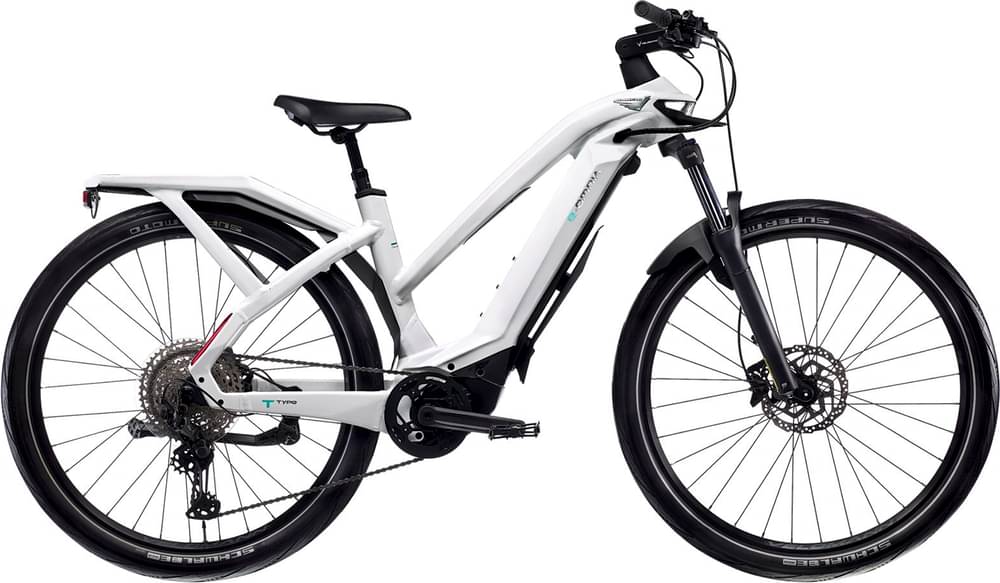
BIANCHI E-OMNIA T TYPE STEP-THROUGH XT 2024 - Review, Test & Price

E-Bike Review: Bianchi e-Omnia T-Type – Oregon E-Bikes
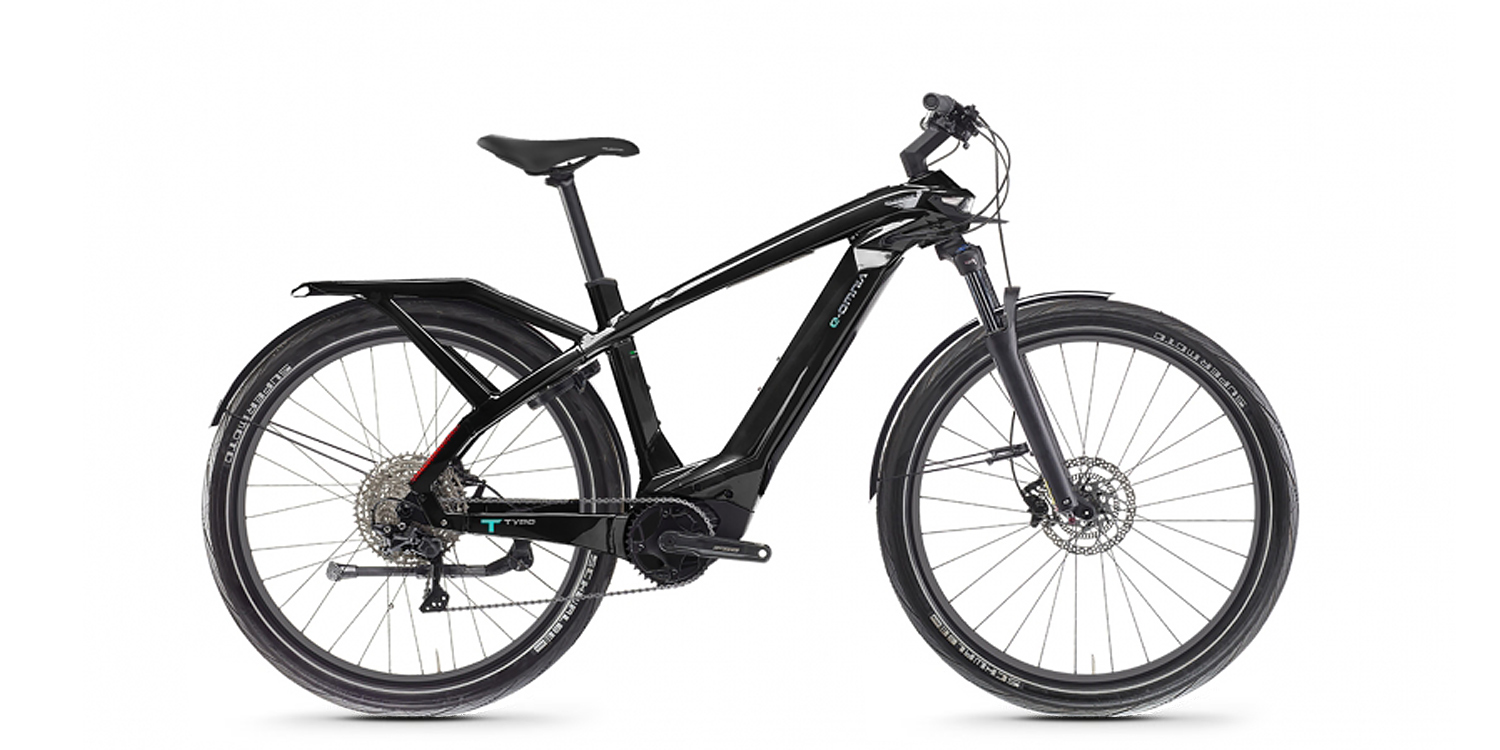
Bianchi E-Omnia T-Type Review
BIANCHI E-OMNIA T TYPE 2021 - Test, Gewicht & Reichweite
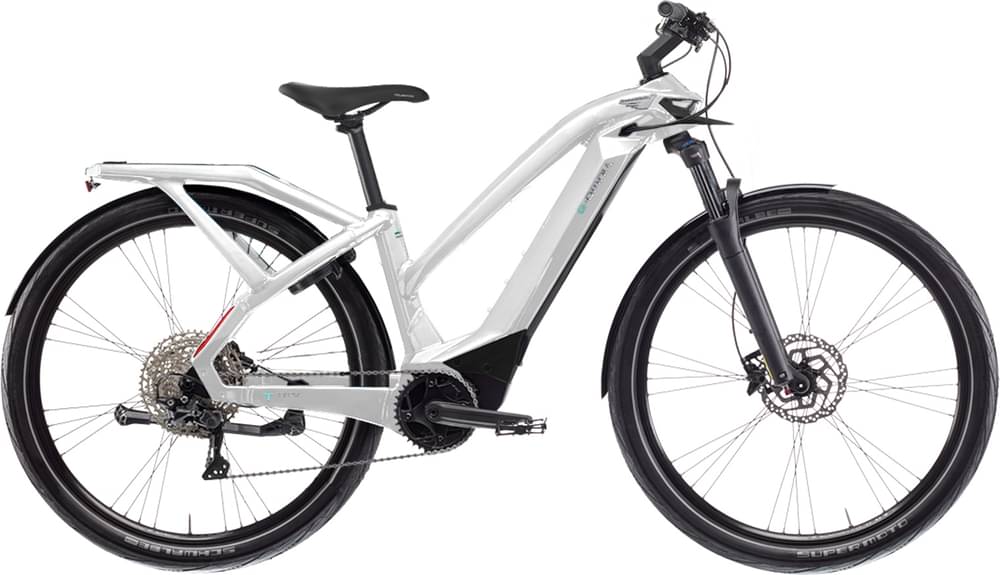
BIANCHI E-OMNIA T TYPE DEORE 2021 - Review, Specs & Price
BIANCHI E-OMNIA T TYPE 2021 - Review, Test & Price
BIANCHI E-OMNIA T TYPE GENT NEXUS 2021 - Review, Test & Price
BIANCHI E-OMNIA T TYPE XT 2021 - Review, Test & Price

Bianchi e-Omnia T-Type E-Bike Review | Electric Bike Advisor
Bianchi E-OMNIA T-type Commuter E-Bike Review
Bianchi E-Omnia T-Type Step-Thru Nexus 5SP Review
Bianchi E-Omnia T-Type Review | Full Specification
Bianchi E-Omnia T-Type Review | Cycle Volta

Bianchi E-Omnia T Type Review - $6k
Bianchi E-Omnia T-Type First Ride Review | Cycle Volta