Moterra Neo
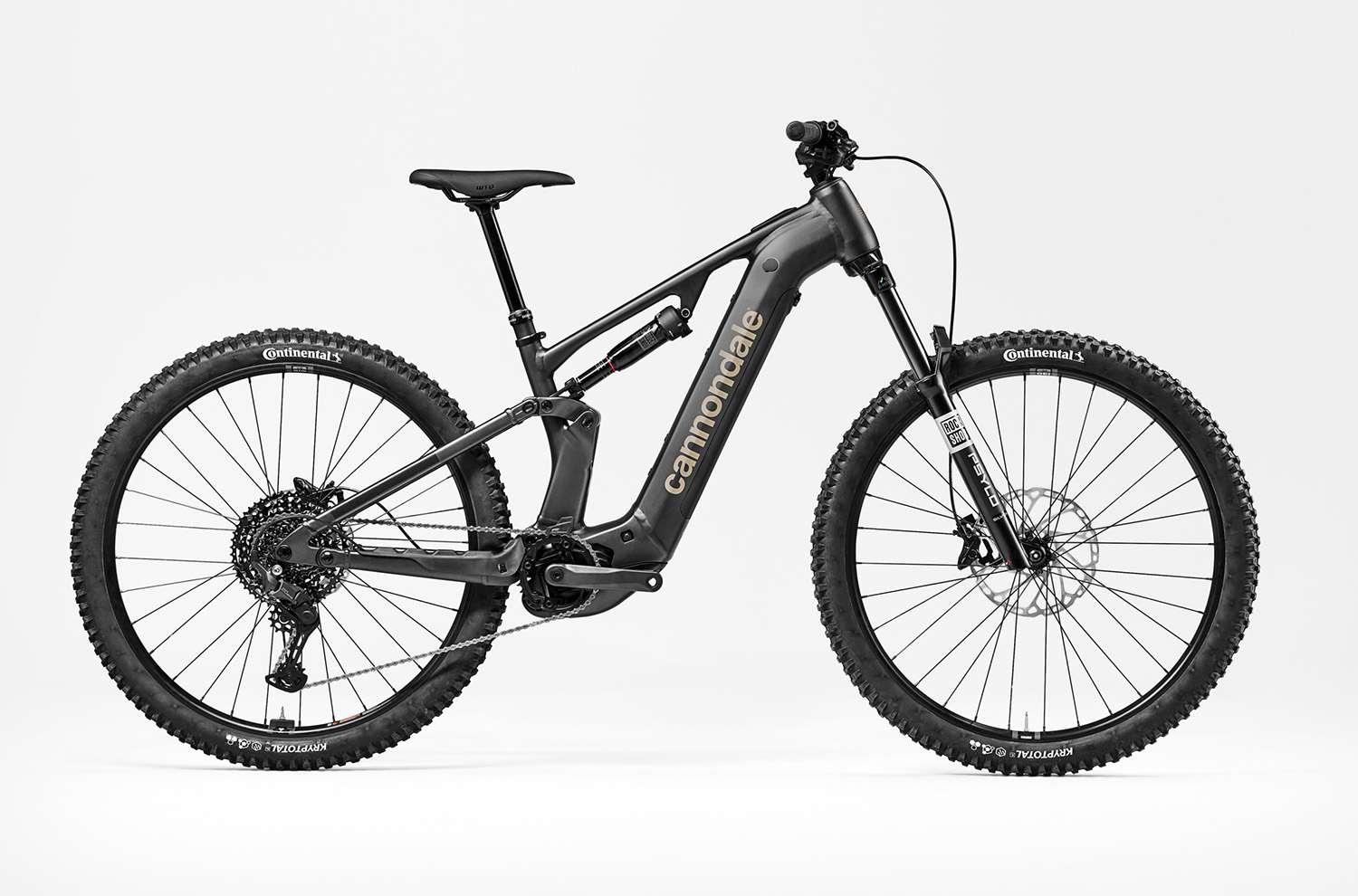
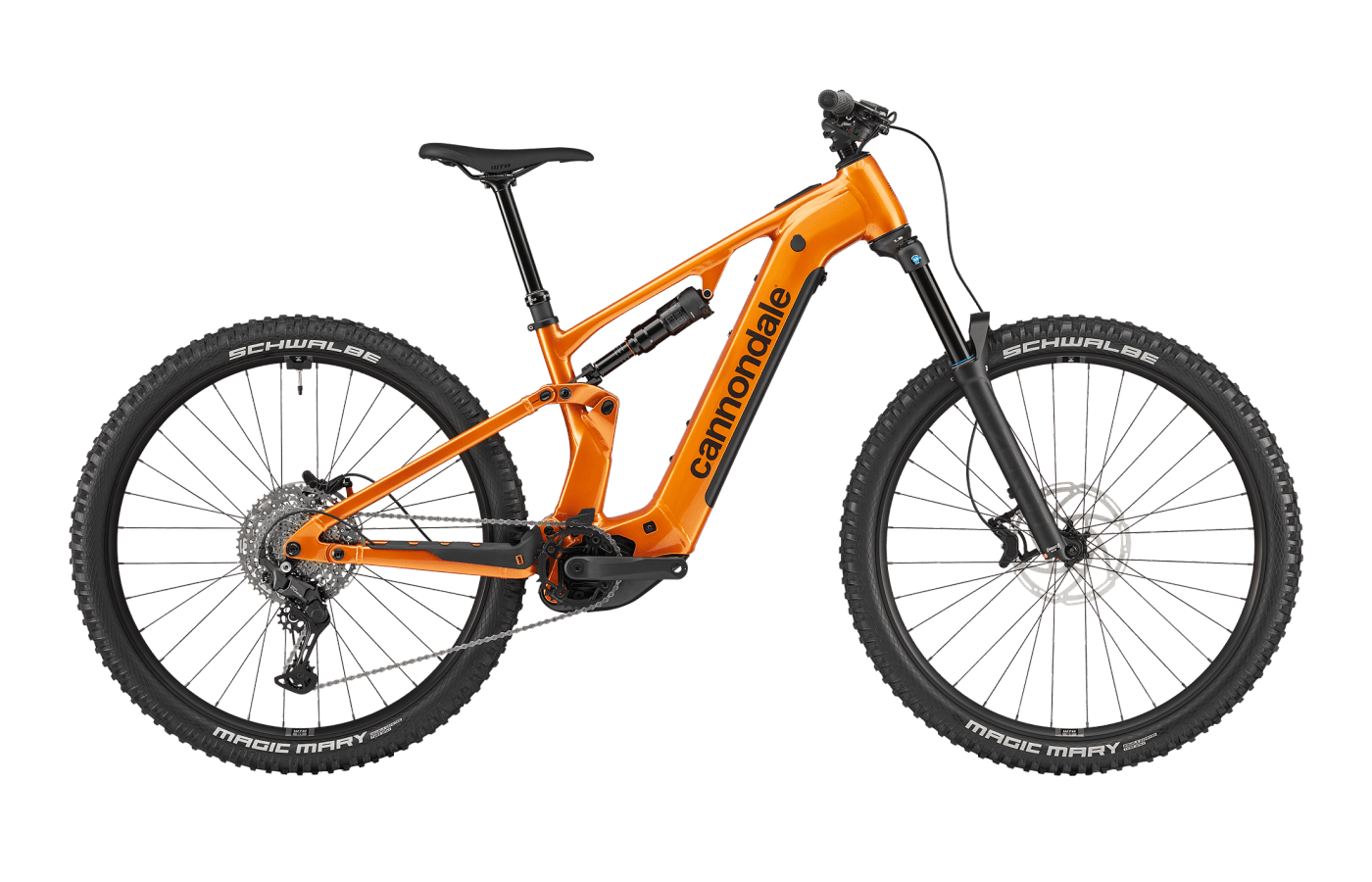
The 2025 Cannondale Moterra Neo is a full redesign of Cannondale’s full-power all-mountain e-MTB, and it is a much more clearly defined platform than the previous generation. In standard Moterra form, it uses 29in wheels front and rear, 150 mm of rear travel with a 160 mm fork, Bosch’s latest Performance Line CX system, and a removable 800 Wh battery option in either a carbon or SmartForm C1 alloy chassis depending on market and build. Cannondale also updated the frame details in meaningful ways, including a UDH rear end, native 200 mm post-mount brake interface, and a 1.5in–1.8in tapered head tube, while cleaning up the cockpit and display integration around the new Bosch ecosystem.
Geometry & fit.
4 sizes published.
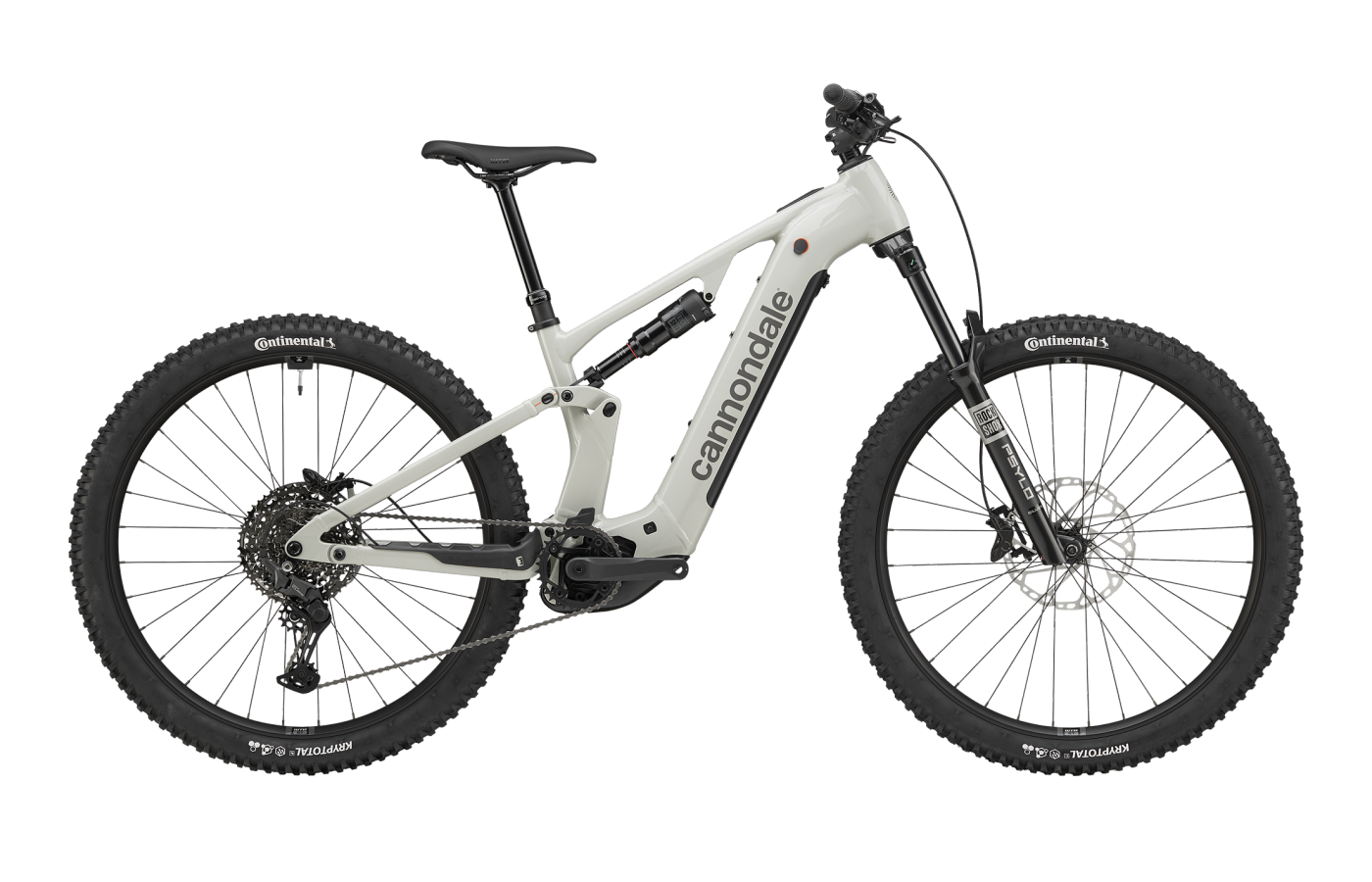
The available geometry points to a modern, stability-first e-MTB fit. In alloy form, the Moterra uses a 64.8° head tube angle across the size range, a 455 mm chainstay on every size, and a notably steep effective seat tube angle from 78.6° in Small to 77.8° in XL. Reach is contemporary without being extreme at 434 mm (S), 459 mm (M), 484 mm (L), and 519 mm (XL), while wheelbase grows from 1220 mm in Small to 1314 mm in XL. Taken together, those numbers explain why reviewers found the bike calm, centered, and predictable rather than especially quick-handling.
On trail, the slack front end and long rear center should give strong high-speed composure, front-wheel confidence, and excellent climbing traction, especially for a full-power e-bike. The steep seat angle keeps the rider forward enough to control the front wheel on steep ascents, while the long 455 mm stays reduce the tendency to loop out or lose rear-wheel grip under motor torque. The tradeoff is that the Moterra is less likely to feel compact or especially easy to manual, and riders who prefer a shorter, more agile bike may find its handling more point-and-shoot than playful.
Where the handlebar sits relative to the bottom bracket — the single most important fit pair.
01Fit geometry6 values
03Handling geometry9 values
Which size should I buy?
Slide your height to see the recommended size. GearWise's fit algorithm works from the published stack, reach, and ETT — the brand's own recommendation may differ.
→Calculated from GearWise's own stack / reach / ETT algorithm — the brand's size chart may recommend a different size, and a proper bike fit beats any calculator.
The lineup.
3 builds, ranging $4,499 – $5,899.
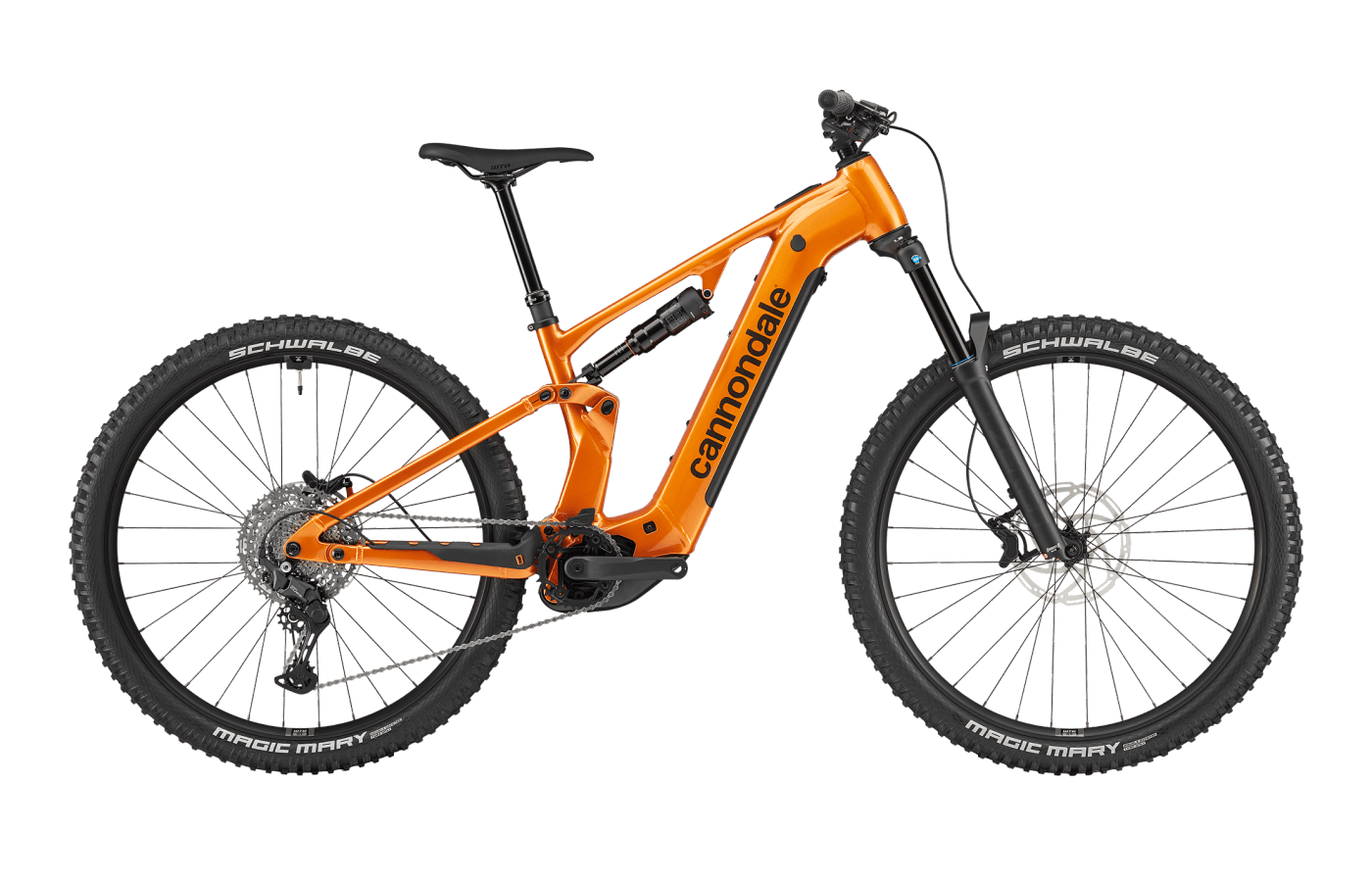
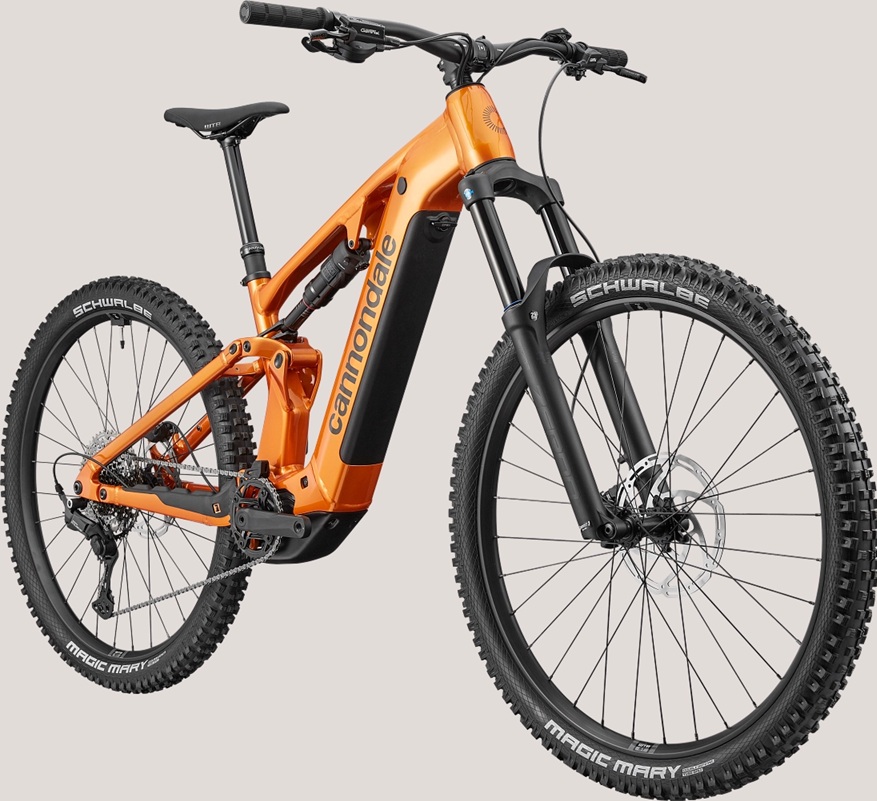
Available alloy builds span from the Moterra 4 at $4,499 to the 4+ at $4,799 and the Moterra 3 at $5,899, with broader review coverage placing the alloy range roughly in the mid-$5,000 to mid-$6,000 bracket depending on market. Across the platform, the big story is the Bosch package rather than flashy mechanical kit: Performance Line CX power, compatibility with Bosch’s latest controls and displays, and 600 or 800 Wh battery options give the Moterra strong range and a very current drive system at relatively accessible prices for a full-power e-MTB.
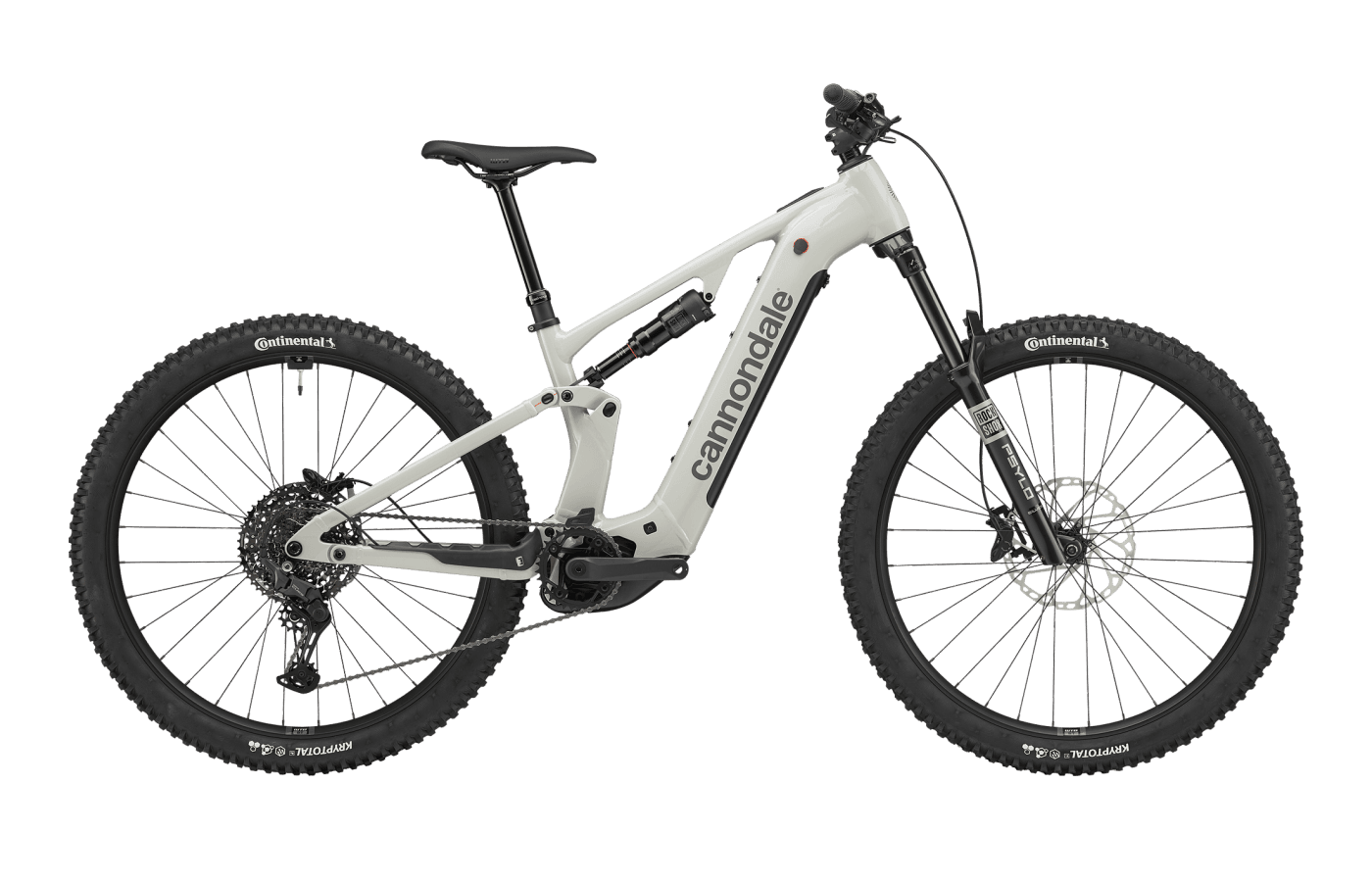
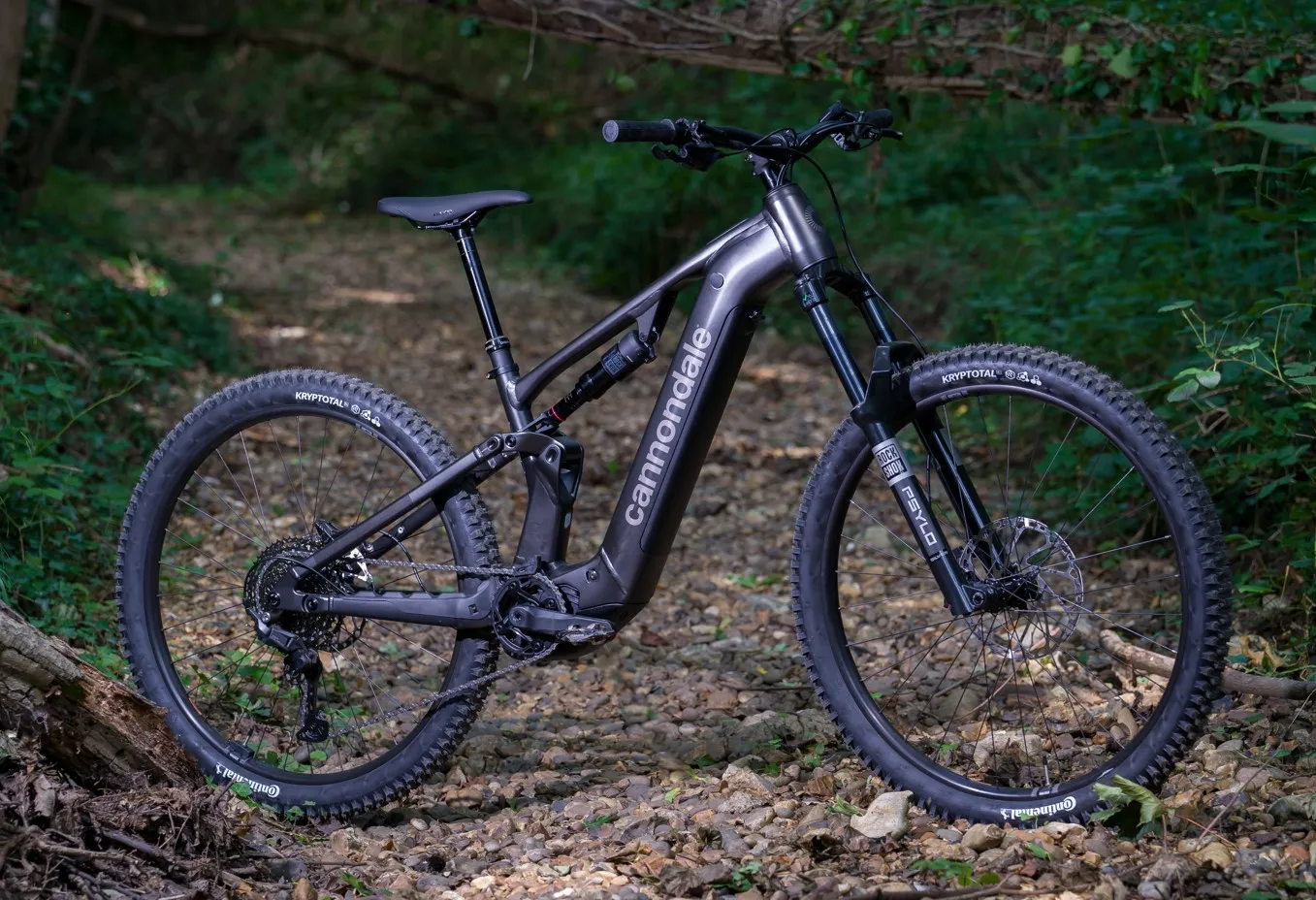
The Moterra 3 is the most fully detailed build in the provided data and looks like the standout value point. It pairs the 800 Wh PowerTube battery with a RockShox Psylo RC 160 mm fork, RockShox Deluxe Select rear shock, Shimano CUES 11-speed drivetrain, Shimano MT520 four-piston brakes with 203 mm rotors, WTB i30 wheels, and Continental Kryptotal-F 29 x 2.4in Enduro Soft tires. Reviewers saw that tire choice as a real plus, since it gives the bike strong out-of-the-box grip. Lower trims make more obvious compromises in suspension and brake spec, and reviewers were clear that the Neo 4’s more basic parts are serviceable rather than impressive. That makes the cheaper builds sensible for riders who prioritize Bosch performance and battery capacity first, while the Moterra 3 is the safer buy for riders who want a build that better matches the frame’s descending capability.
From the press.
4 reviews from the cycling press.
Reviewers broadly describe the 2025 Moterra Neo as a stable, planted, full-power e-MTB that favors composure over playfulness. Multiple testers called it "surefooted and assertive," with a low center of gravity from the Bosch motor and battery helping it hold lines through rough terrain and fast descents. The Horst-link suspension layout is widely praised for delivering a supple, controlled ride, and Cycling Electric in particular found the Moterra 3 capable enough for both hard trail riding and longer touring-style outings. Comfort is another recurring strength: reviewers noted the relatively upright riding position, supportive touchpoints, and long-range usability that make sense alongside the big 800 Wh battery.
Climbing performance is also a clear highlight. Testers consistently praised the smooth delivery of the Bosch Performance Line CX motor and the usefulness of the new eMTB+ mode, especially on steep, technical climbs where traction matters. The bike’s long rear center and centered seated position help it stay composed under power, and reviewers found it easy to manage rather than abrupt or overly reactive.
The main criticisms center on weight and build-level component choices. At roughly 56.7 to 58.6 lb for the alloy builds discussed in reviews, the Moterra is not especially nimble at low speed and is less convincing in very tight, active riding than lighter or shorter bikes. Reviewers also drew a distinction between trims: higher-spec versions were seen as better matched to the frame’s capability, while the more basic suspension on the Neo 4 was described as functional but limited for heavier or more aggressive riders. Cycling Electric also flagged the need to sort the Shimano MT520 brakes for best performance, and several reviewers criticized the head tube-routed cables for adding maintenance complexity.

e-bike Cannondale Moterra 2025: Test, Review, First Impressions of the Professionals, Strengths, Weaknesses, Problems, Performance, Opinions, Everything You Need to Know (Really)
E-BIKE CANNONDALE MOTERRA NEO 4 2025: Prova, Test e Recensione Dettagliata (pregi, difetti, prestazioni, autonomia, problemi, opinioni, pareri)
Cannondale Moterra 3 electric mountain bike review | Cycling Electric