Cannondale
Synapse Neo Allroad2 Shimano GRX 800 2x12sp
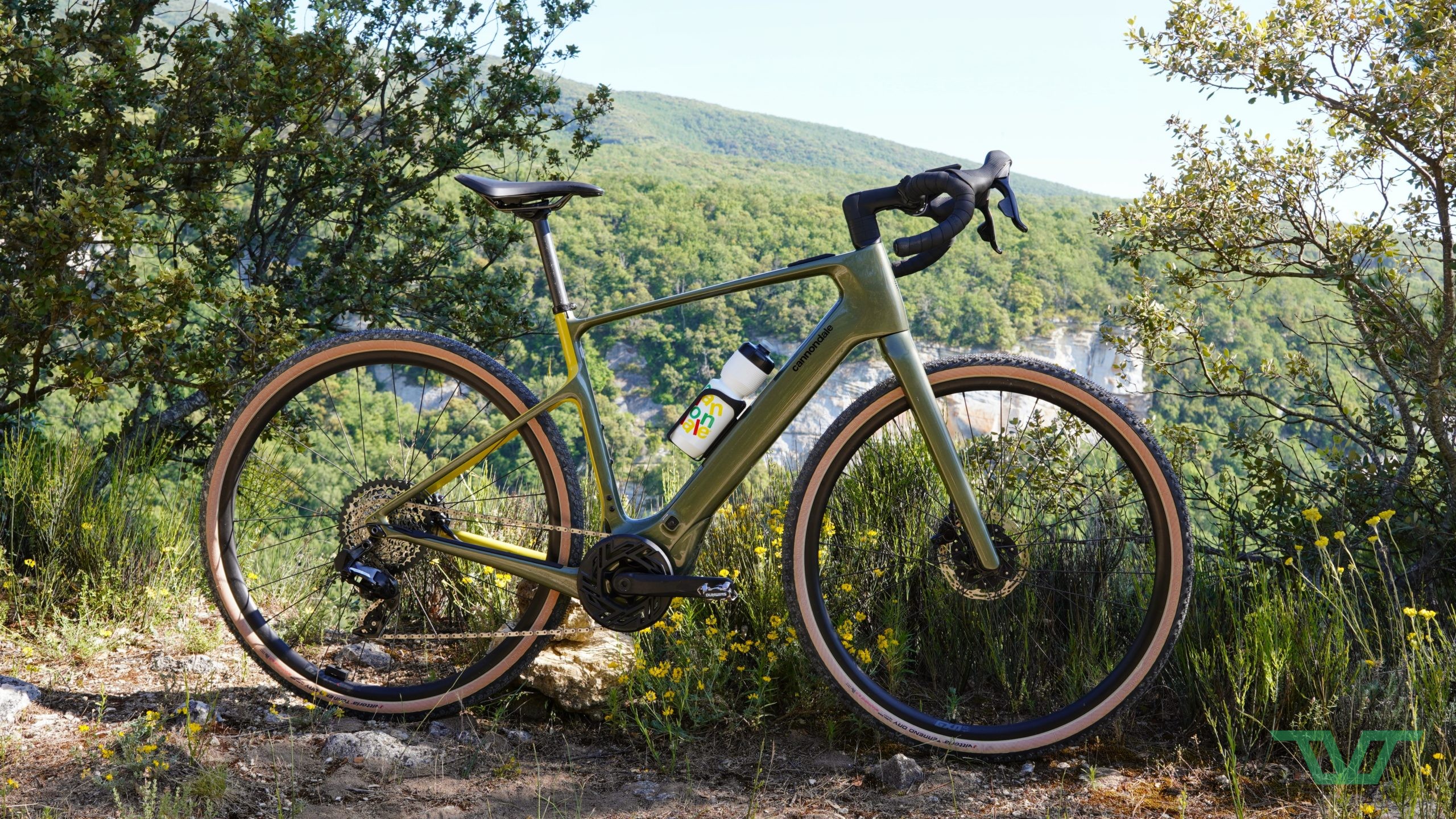
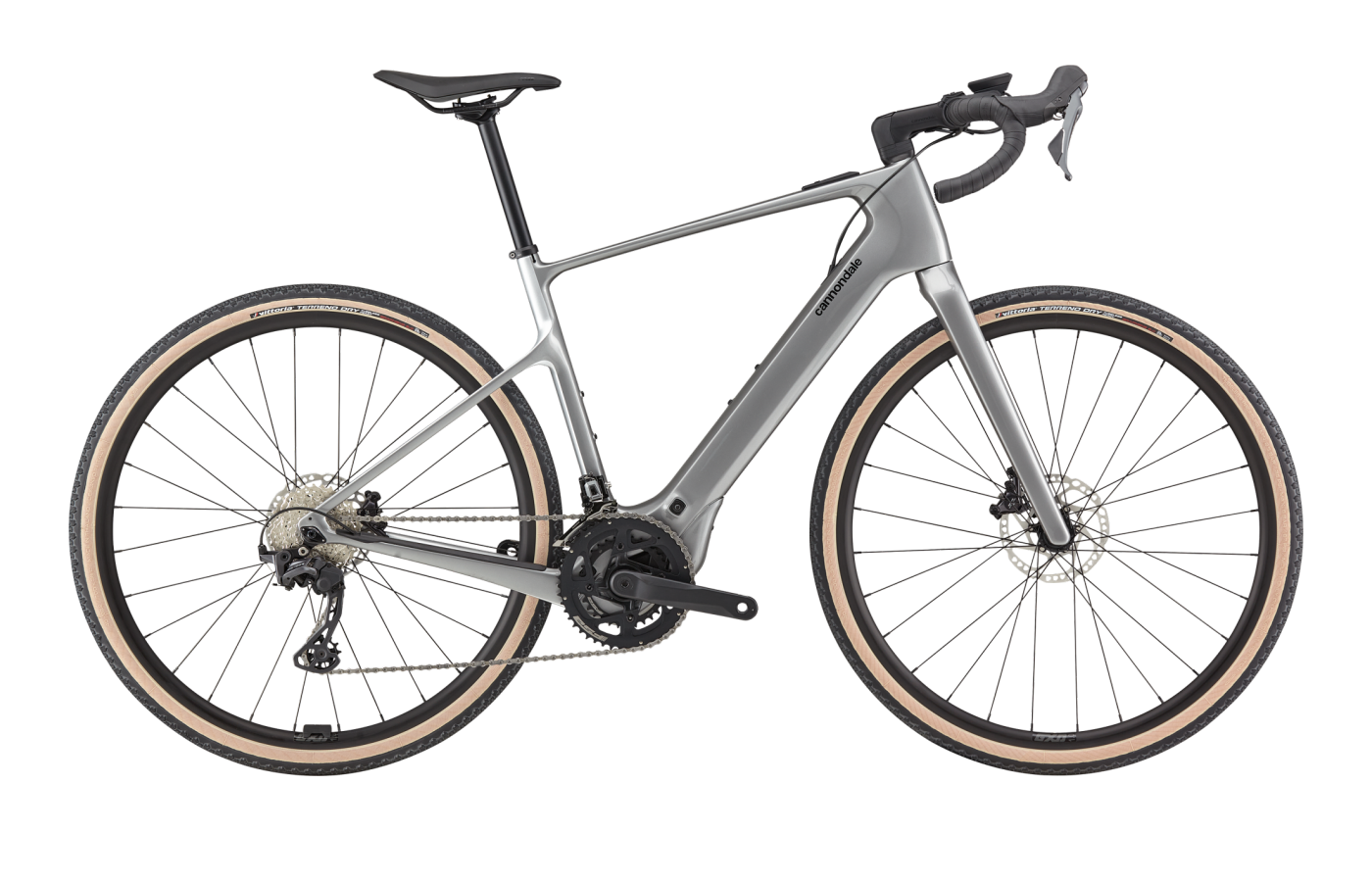
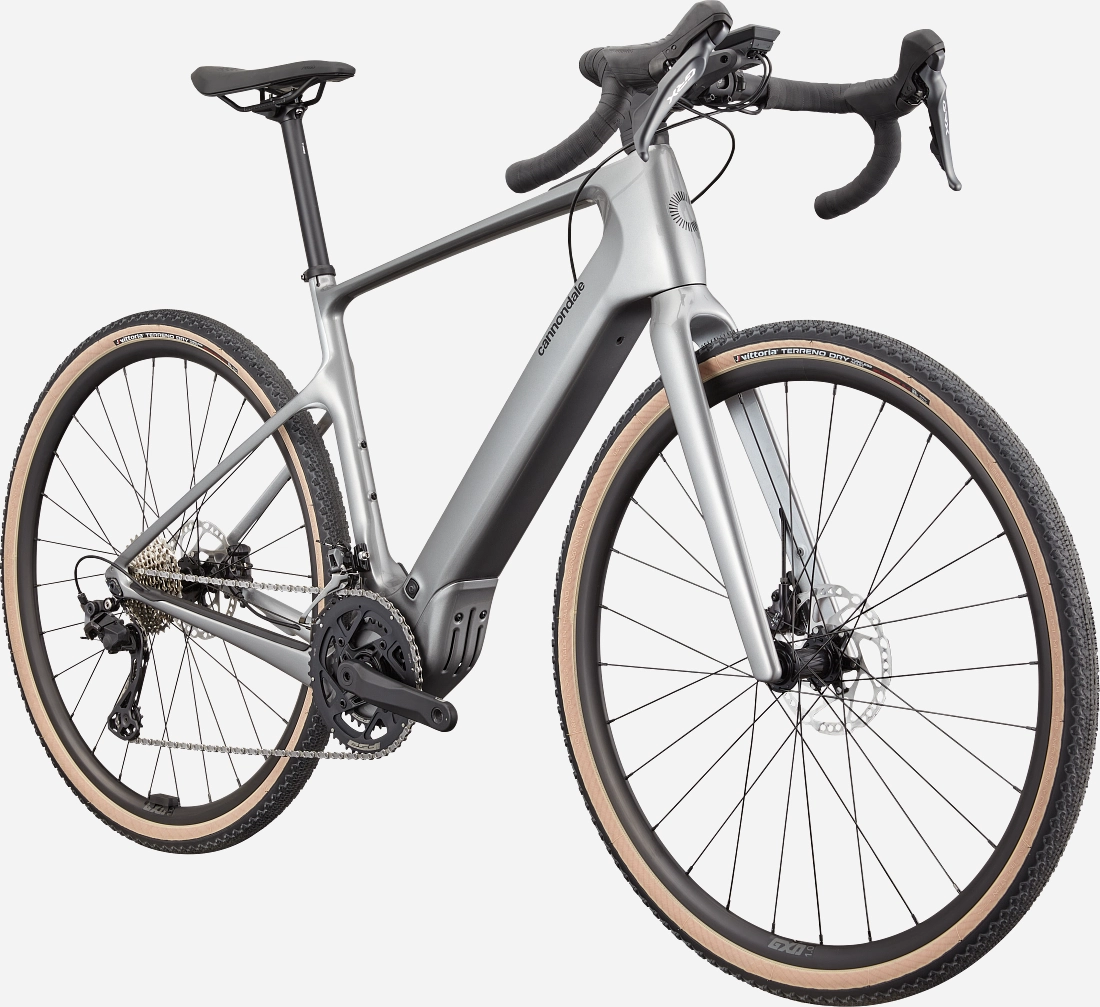
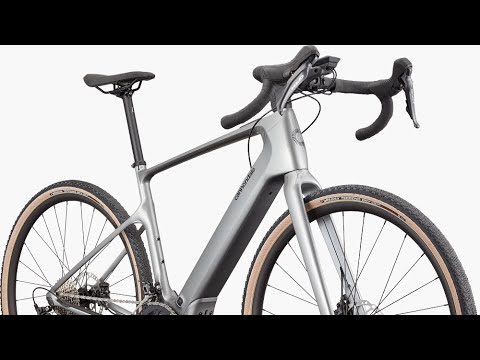
The 2024-on Cannondale Synapse Neo Allroad is a substantial reset for the model, moving from the previous alloy, Active Line Plus-based format to a lighter and more refined carbon platform built much closer to the current acoustic Synapse. It uses a Synapse Neo Carbon frame and fork, Bosch’s compact 400Wh internal battery, and the lighter Performance Line SX drive family, with market-specific speed tuning. Just as important as the motor update is the chassis change: integrated routing through Cannondale’s Conceal stem, 12x148 rear spacing instead of the old 142/Ai layout, flat-mount discs, and a cleaner endurance-road silhouette that looks and rides more like a modern drop-bar performance bike than a converted utility e-bike.
What distinguishes this generation is that it is not trying to be a maximalist e-gravel bike. With 700c wheels, 40 mm stock tires, clearance of about 45 mm, flared bars, and mounts for fenders, rack, and kickstand, it is aimed squarely at mixed-surface endurance riding, fast commuting, light touring, and long all-road days rather than rough, technical gravel. Cannondale’s SAVE shaping and the optional Bosch range-extender compatibility reinforce that brief. In the market, it sits as a premium light-assist e-road/all-road bike for riders who want discreet support, strong road manners, and real utility, without stepping into the heavier, wider-tire end of the e-gravel category.
Spec sheet.
Every component shipped with this build.
Geometry & fit.
5 sizes published.
The geometry points clearly to endurance stability rather than aggressive gravel handling. In size M, the bike pairs a 605 mm stack with a 394 mm reach, creating a notably upright fit; reviewers specifically called out the high stack-to-reach relationship as a major contributor to long-distance comfort. Across the size range, the head tube angle is conservative at 72 degrees on M/L/XL, slackening to 71.1 degrees on S and 70.2 degrees on XS, while trail grows from 62 mm on larger sizes to 74 mm on XS. That combination should preserve predictable steering across sizes while keeping front-end behavior calm rather than quick.
The rear center is especially telling: chainstays are 450 mm in every size, and wheelbase is long at 1065 mm in M and 1083 mm in L. Those numbers explain the planted, composed feel reviewers described on descents and rough pavement, but they also help explain why the bike is less reactive in tight, low-speed terrain. BB drop ranges from 70 mm in M to 65 mm in L/XL and 75 mm in XS/S, supporting a stable, in-the-bike feel. Overall, the geometry favors riders who want a comfortable cockpit and steady tracking for long mixed-surface rides, not those looking for a short-wheelbase, sharp-handling gravel race bike.
Where the handlebar sits relative to the bottom bracket — the single most important fit pair.
01Fit geometry6 values
02Component geometry1 values
03Handling geometry9 values
Which size should I buy?
Slide your height to see the recommended size. GearWise's fit algorithm works from the published stack, reach, and ETT — the brand's own recommendation may differ.
→Calculated from GearWise's own stack / reach / ETT algorithm — the brand's size chart may recommend a different size, and a proper bike fit beats any calculator.
The lineup.
2 builds, ranging $6,049 – $7,699.
The range is straightforward, with two builds built around the same carbon frame, Bosch SX-based system, and all-road chassis. The Synapse Neo Allroad 2 is listed at $6,049 and uses a Shimano GRX 800 2x12 drivetrain with 48/32 chainrings and an 11-34 cassette, paired with aluminum 700c wheels and Shimano hydraulic disc brakes. That setup makes it the more road-oriented and lower-cost entry into the platform, and reviewers noted that it delivers the same core frame-and-motor experience as the top model.
The Synapse Neo Allroad 1 steps up to $7,699 and swaps to a SRAM Force AXS XPLR 12-speed build. Reviews singled this version out for its premium shifting performance and more upscale overall presentation. Across commentary, the main value argument is that both bikes share the expensive parts that matter most: the carbon chassis, integrated design, and Bosch light-assist system with 400Wh internal battery. The tradeoff is that neither build is cheap, and some reviewers felt details such as the aluminum wheels and basic 2A charger were less generous than expected at these price points.


From the press.
7 reviews from the cycling press.
Reviewers are broadly aligned in describing the Synapse Neo Allroad as a high-quality endurance-oriented e-bike with a notably natural assist character. Transition Vélo praised its comfort, easy learning curve, strong finish quality, and low weight for a mid-drive e-bike at roughly 14 kg, while Maillot Magazine and Bike Café both highlighted the Bosch Performance Line SX system for delivering assistance that feels progressive rather than abrupt. Several testers also noted how cleanly the bike rides above the assistance limit, with little drag from the motor, which helps it behave more like a conventional endurance bike on faster flat sections and descents.
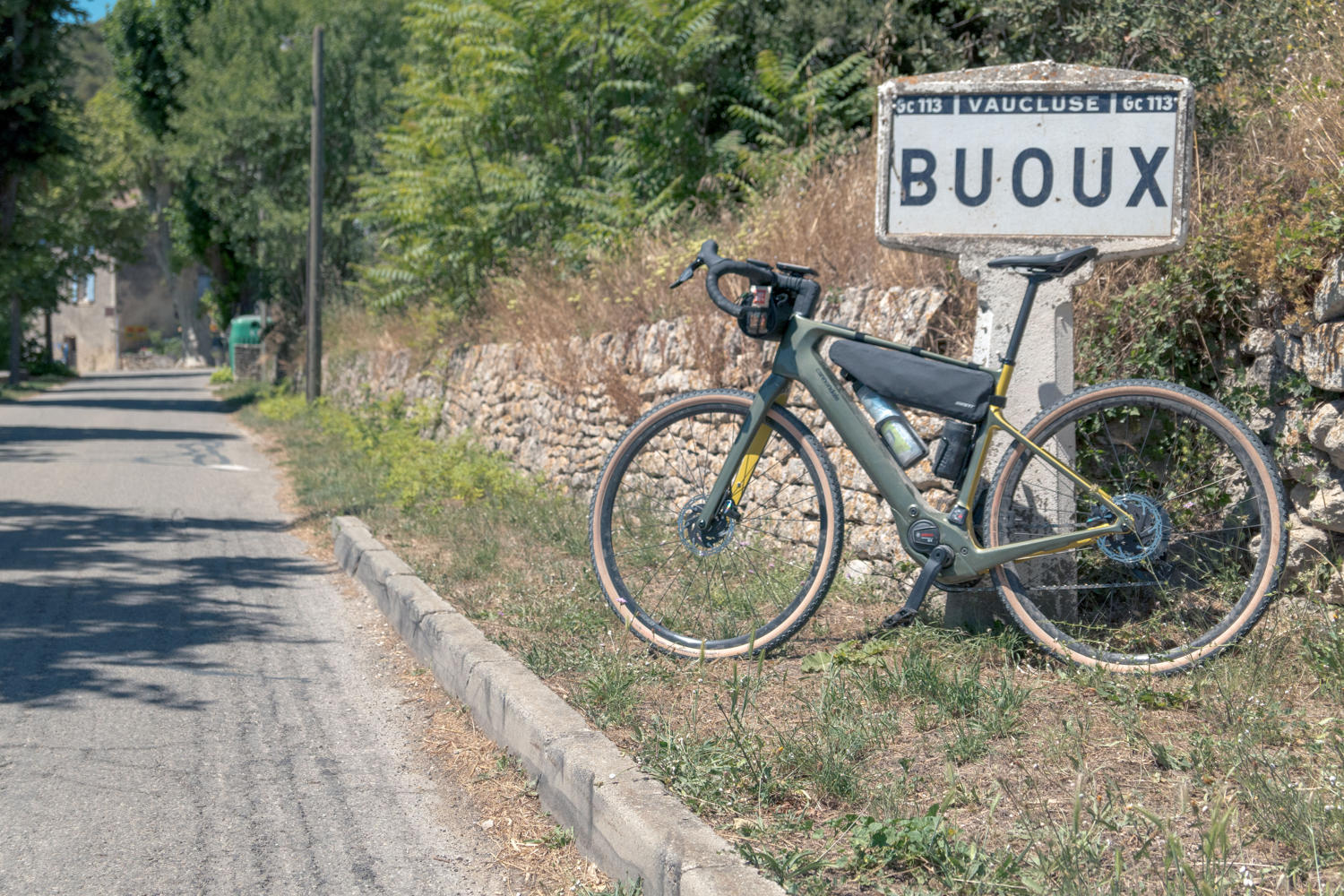
The recurring strength is its balance on pavement, broken asphalt, and smoother gravel. Reviewers consistently found the upright, compact riding position effective at reducing fatigue over long rides, and they praised the bike’s stability at speed, helped by its long rear end and planted chassis. At the same time, there is a clear limit to its gravel capability. Tour-magazin questioned whether it is really an e-gravel bike at all, noting that traction runs out quickly on loose terrain, while Bike Café reported that the more aggressive assist mode can provoke rear-wheel slip on steep, technical climbs. A few criticisms came up repeatedly: the frame can feel firm rather than especially plush, tire clearance tops out at 45 mm, the integrated setup may complicate maintenance, and the supplied 2A charger feels underwhelming at this price level.
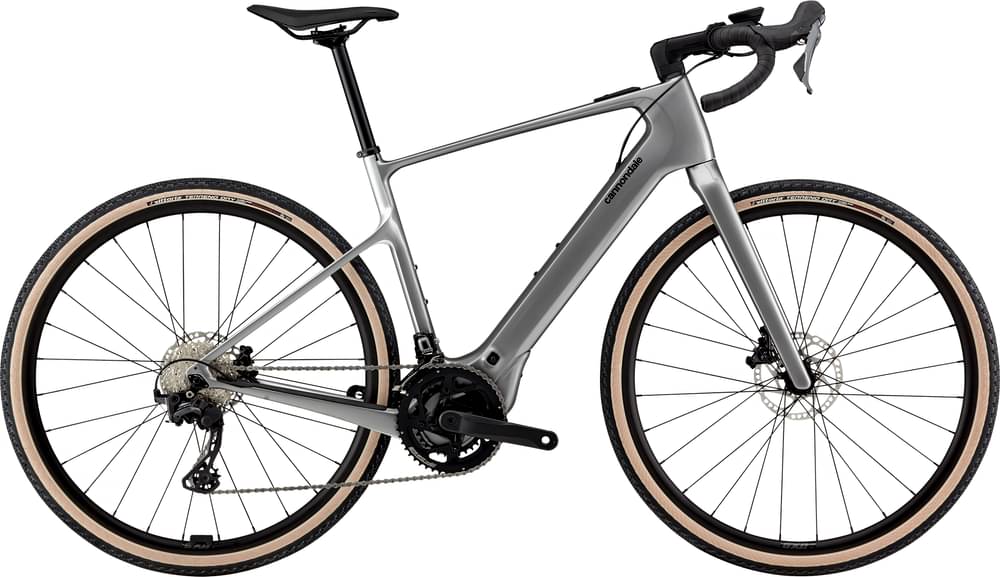
CANNONDALE SYNAPSE NEO ALLROAD 2 2024 - Review, Weight & Price
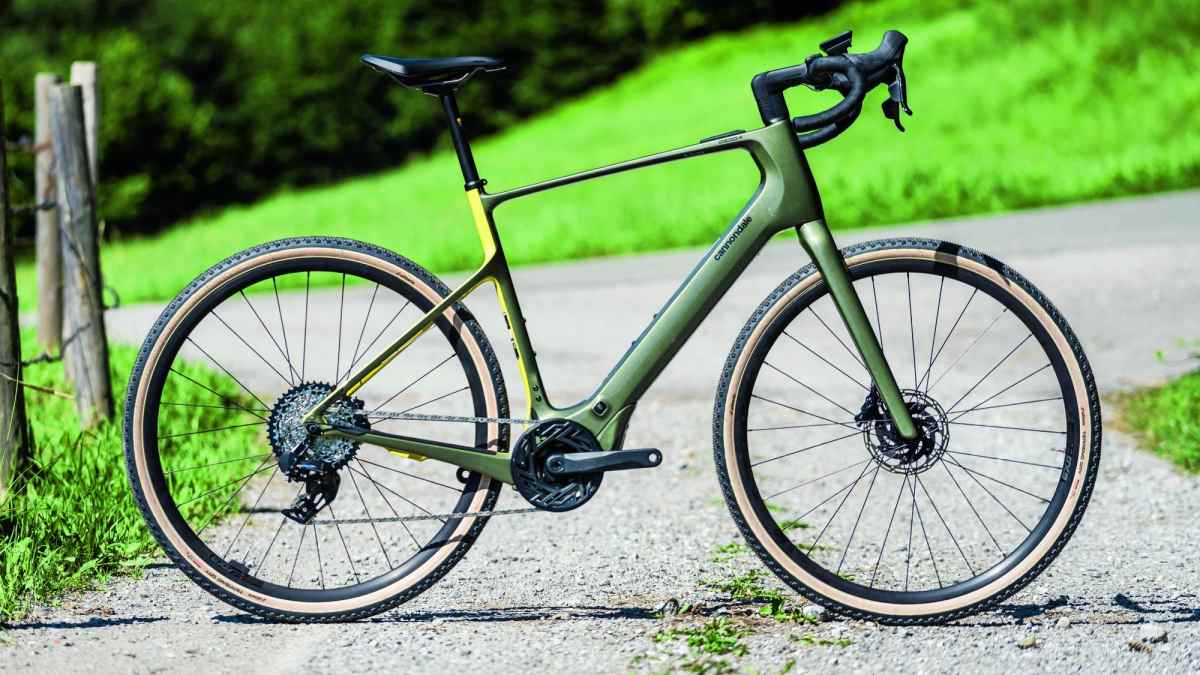
Cannondale Synapse Neo Allroad 1 im Test: Ist das noch ein E-Gravelbike? | TOUR
New E-Gravel Bike: Our Top Choice - Cicloposse
Discover the Cannondale Synapse Neo Allroad, an electric gravel bike
Le Cannondale Synapse Neo Allroad : un néo gravel assisté - Bike Café