Cannondale
Topstone Neo5
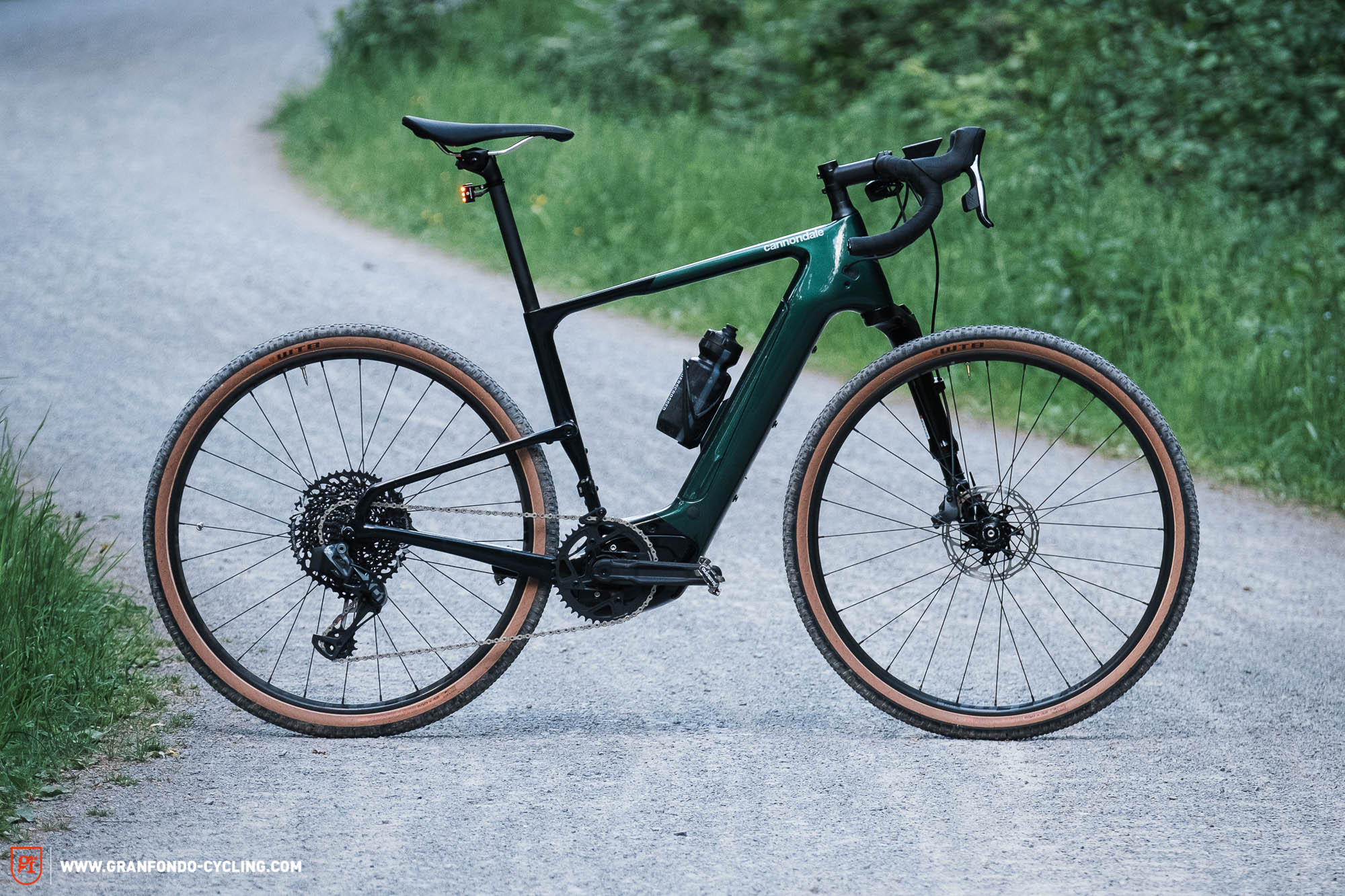
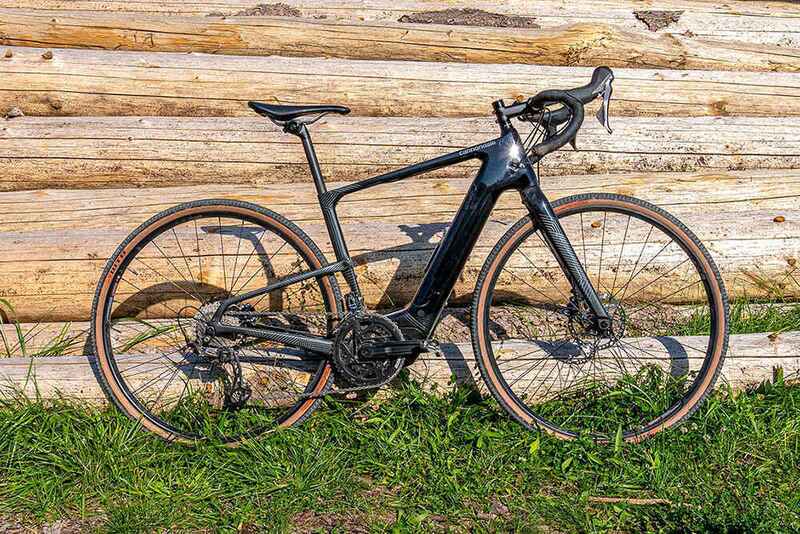
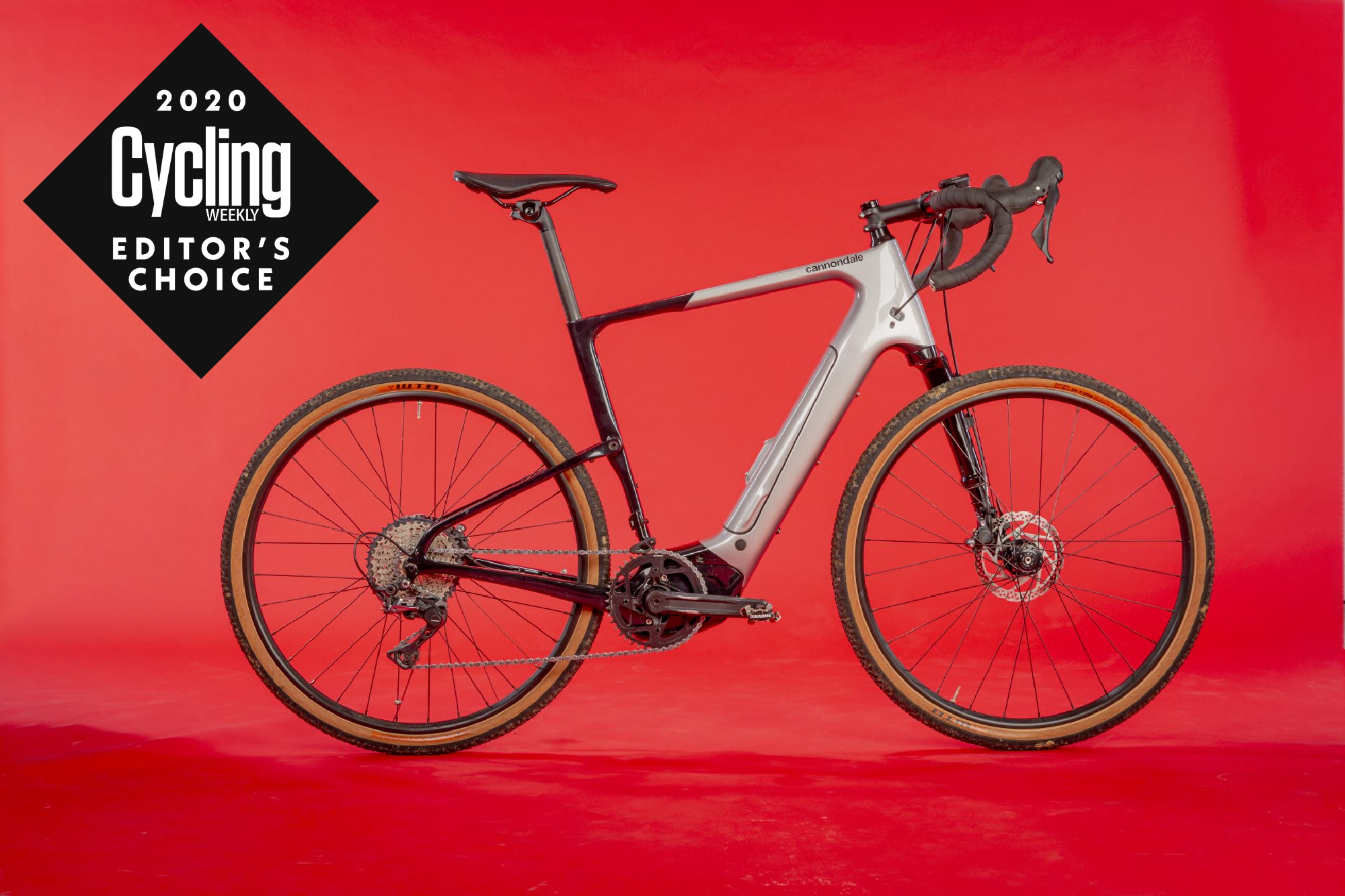
The Cannondale Topstone Neo Carbon generation is a full-power e-gravel platform that has remained fundamentally unchanged since its 2021 introduction. What sets it apart is not just the Bosch mid-drive system and removable internal battery, but the way Cannondale built the bike around off-road composure rather than road-bike minimalism. The carbon chassis uses the brand’s Kingpin rear suspension layout for roughly 30 mm of rear compliance, and Lefty versions add a 30 mm Lefty Oliver fork up front. That makes this one of the few drop-bar e-bikes that genuinely pushes into light-trail and rough-surface territory instead of simply adding a motor to a conventional gravel frame.
The bike is aimed at riders who want gravel range and drop-bar efficiency, but with far more traction, comfort, and descending confidence than a rigid e-gravel bike typically offers. Cannondale’s design choices point clearly in that direction: a 12x148 rear end, dropper-post compatibility, a large carbon downtube housing the Bosch PowerTube battery, and geometry intended to keep the bike stable and planted. In the market, the Topstone Neo sits at the more capable, heavier, and more technical end of e-gravel. It is less about preserving a pure analog gravel feel and more about expanding where a drop-bar bike can realistically be ridden.
Spec sheet.
Every component shipped with this build.
No specs available yet.
Geometry & fit.
4 sizes published.
The geometry points to a stable, comfort-oriented e-gravel fit rather than an aggressive race posture. In size L, the bike has a 611 mm stack and 394 mm reach, paired with a 71° head tube angle and 74° seat tube angle. That relatively tall front end shortens the drop to the bars and supports a more upright position for long rides, while the moderate reach keeps the fit accessible rather than stretched out. The 430 mm chainstays are not especially short, and combined with a 1065 mm wheelbase in L they contribute to the bike’s calm, planted feel.
Handling numbers reinforce that same character. The head angle is 70.5° in S and 71° in M through XL, which is slack by gravel standards, and Cannondale pairs that with geometry intended to keep steering stable on rough surfaces. A 65 mm BB drop lowers the rider’s center of gravity and helps the bike feel secure in corners and on descents, but it also helps explain the pedal-strike complaints noted by reviewers, especially with smaller-diameter 650b setups. Overall, the Topstone Neo’s geometry favors confidence, traction, and all-day comfort over quick, sharp road-style responses.
Where the handlebar sits relative to the bottom bracket — the single most important fit pair.
01Fit geometry6 values
03Handling geometry8 values
Which size should I buy?
Slide your height to see the recommended size. GearWise's fit algorithm works from the published stack, reach, and ETT — the brand's own recommendation may differ.
→Calculated from GearWise's own stack / reach / ETT algorithm — the brand's size chart may recommend a different size, and a proper bike fit beats any calculator.
The lineup.
1 build, ranging $5,500.
From the press.
16 reviews from the cycling press.
Reviewers consistently describe the Topstone Neo as one of the most capable and comfortable bikes in the e-gravel category. Much of that praise centers on the combination of the Bosch Performance Line CX drive unit, Kingpin rear suspension, and—on Lefty models—the 30 mm Lefty Oliver fork. Cycling Weekly called the Carbon Lefty Free a thrilling off-road gravel bike, while Brujulabike said the Carbon 2 was "pure fun" and praised its well-conceived packaging. Across multiple tests, the bike was noted for feeling planted and secure at speed, with the motor’s low placement and the bike’s overall mass helping it stay composed on rough descents and loose climbs.
The strengths are clear: strong climbing ability, excellent fatigue reduction over long mixed-surface rides, and handling that gives many riders more confidence than a typical rigid gravel bike. Reviewers also highlighted the upright, relaxed front-end position and the way the Kingpin system improves traction without feeling overly soft under power. At the same time, several weaknesses came up repeatedly. The 17-18 kg weight makes the bike feel sluggish once motor assistance cuts out, especially on flatter tarmac. Testers also frequently mentioned pedal strikes, particularly on 650b-equipped Lefty models with the low bottom bracket, and some felt that mid- and high-priced builds used underwhelming wheels or alloy cockpits for the money. The proprietary Lefty fork was widely respected for performance, but reviewers were clear that it adds maintenance complexity compared with a conventional fork.
Cannondale Topstone Neo - Cyclists Authority
CANNONDALE TOPSTONE NEO 5 2021 - Review, Test & Price

- YouTube
Cannondale Topstone Neo Carbon 2 eBike Review
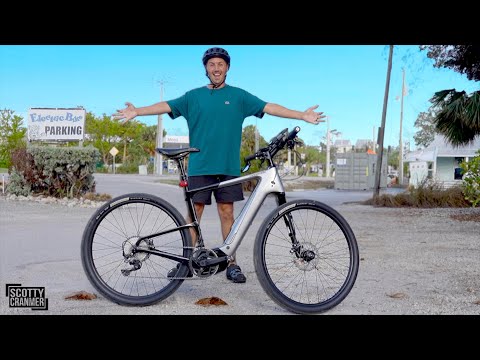
My New One-Of-A-Kind Electric Bike Full Review! - YouTube
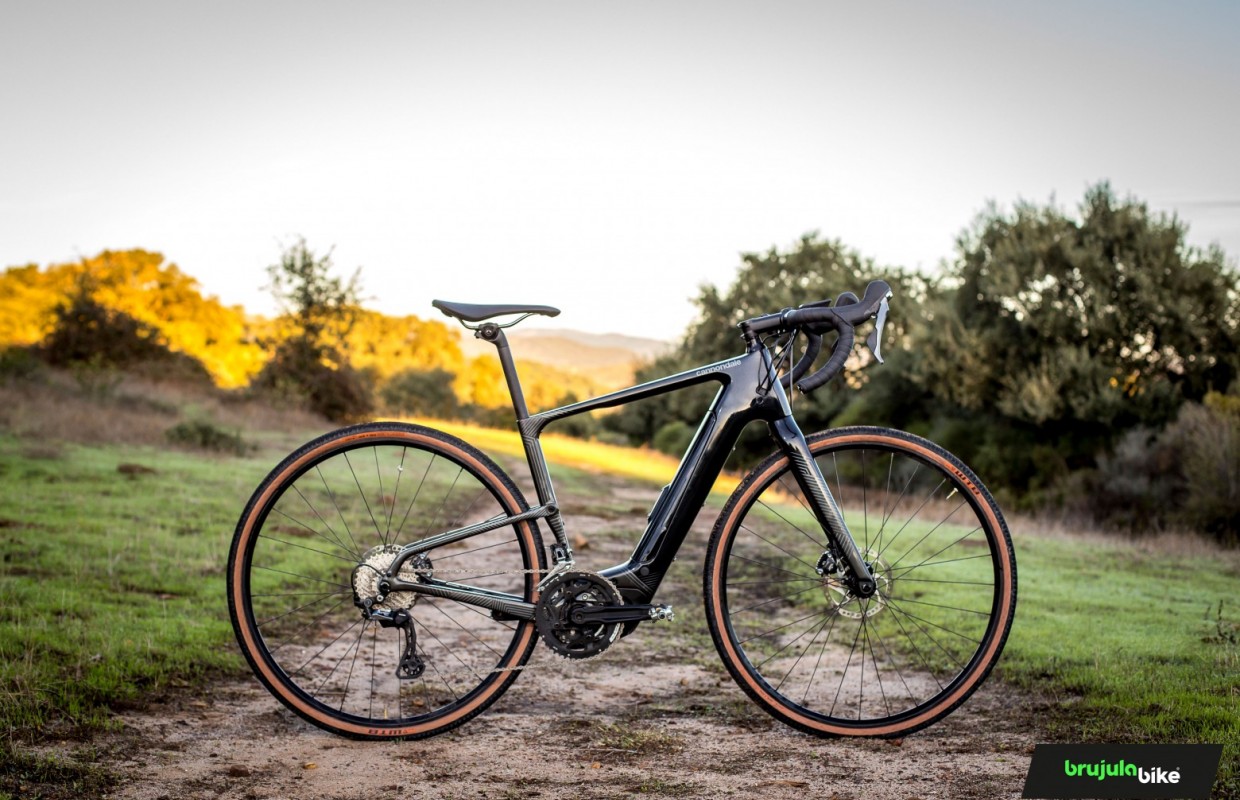
We tested the Cannondale Topstone Neo Carbon 2 - Brujulabike.com
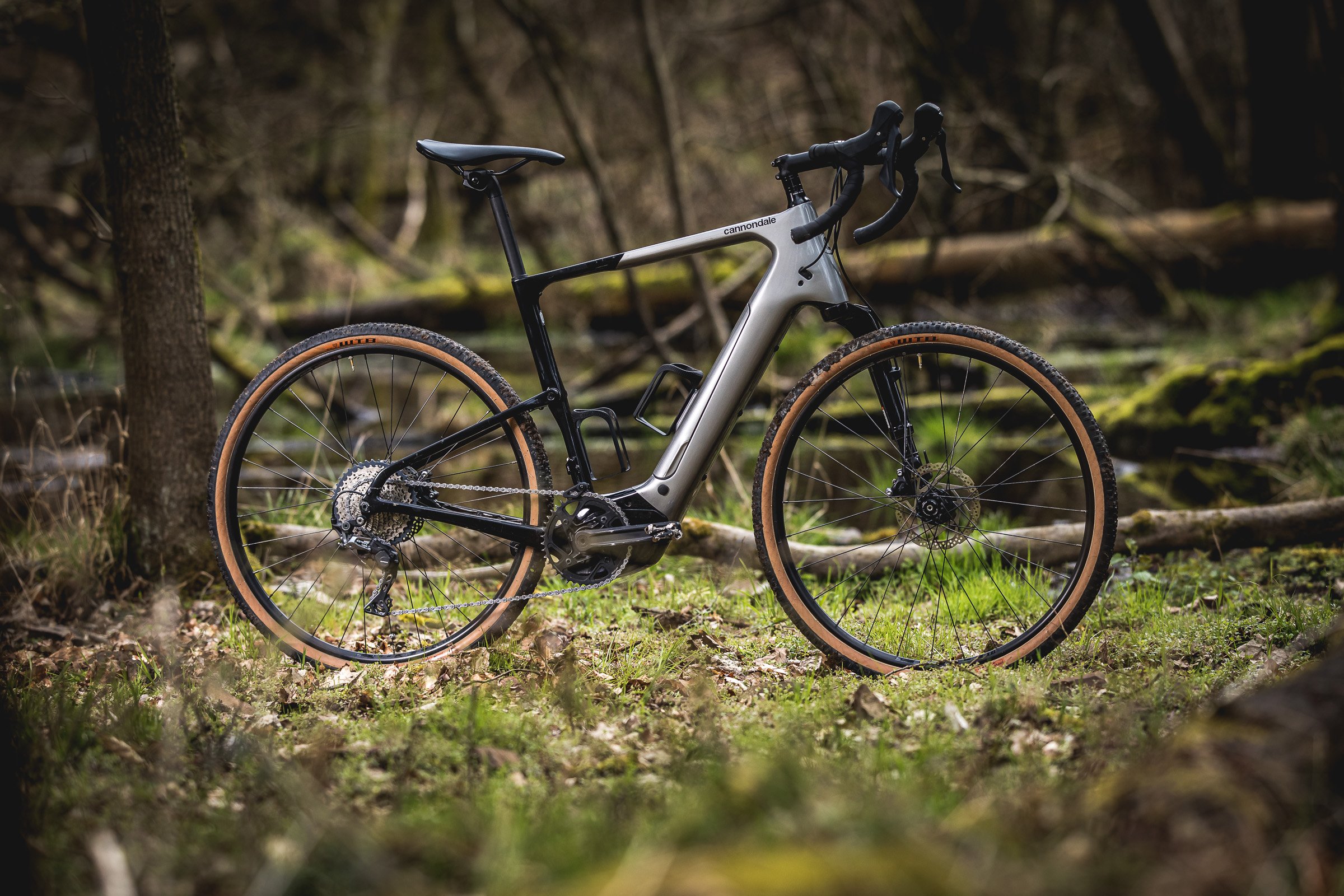
Cannondale Topstone Neo im Test: Komfortables E-Gravel-Reiseschiff – eMTB-News.de
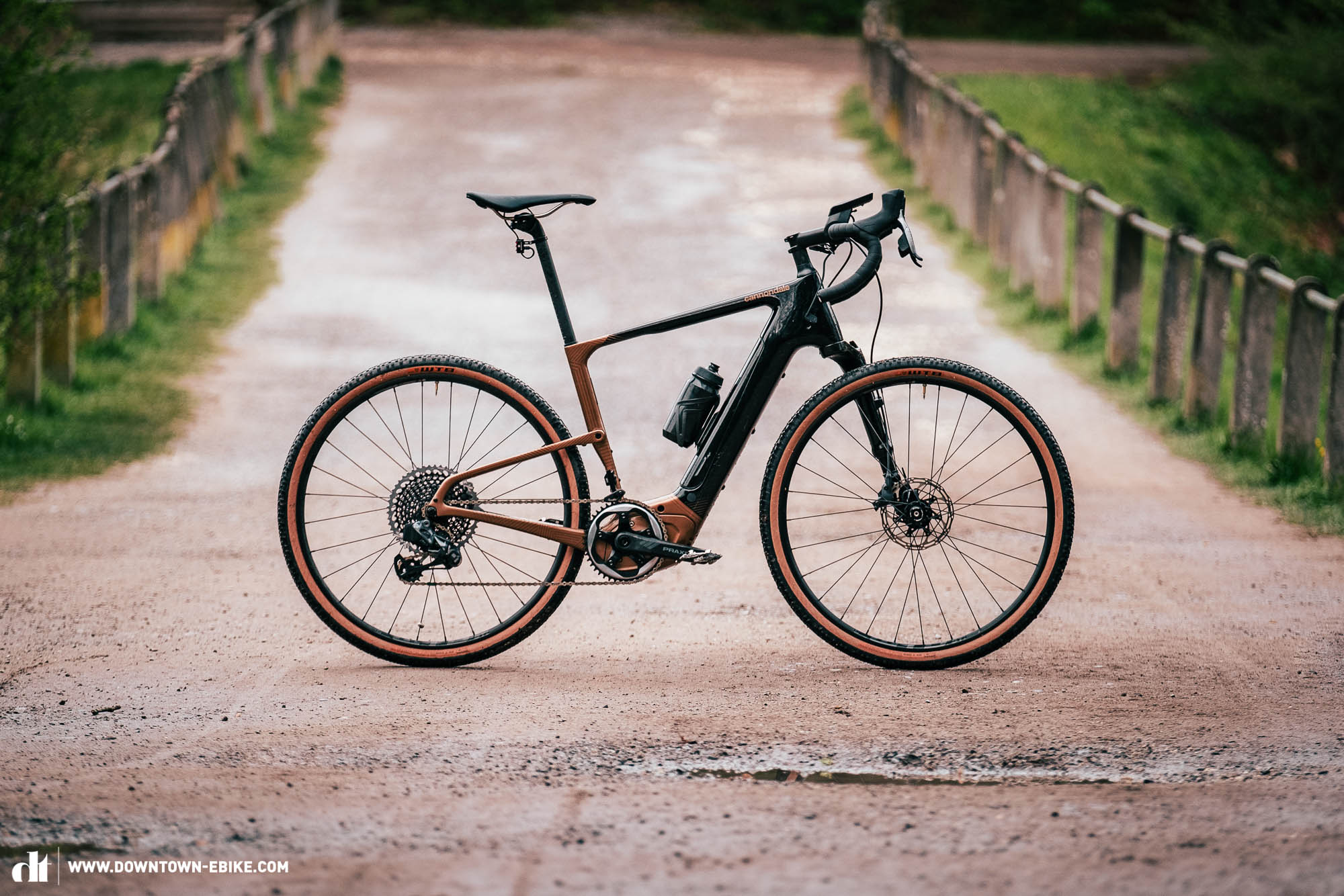
Cannondale Topstone Neo Carbon Lefty LE in review
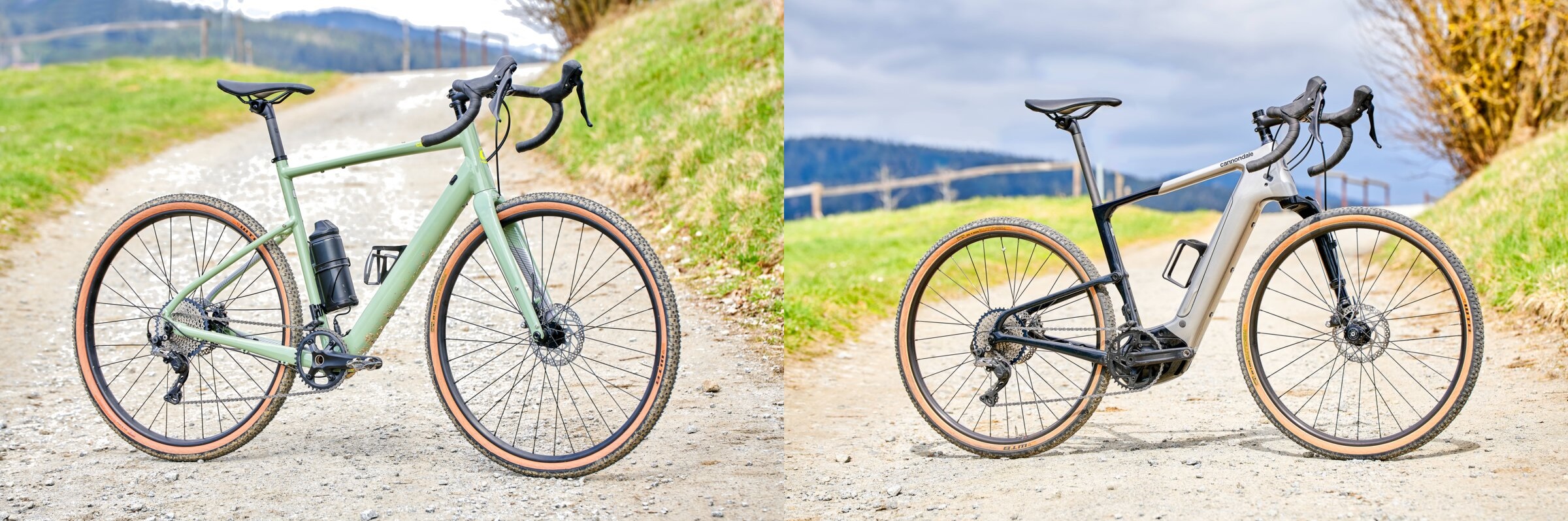
Comparative test Cannondale Topstone Neo SL vs. Topstone Neo Lefty 3 - Velomotion
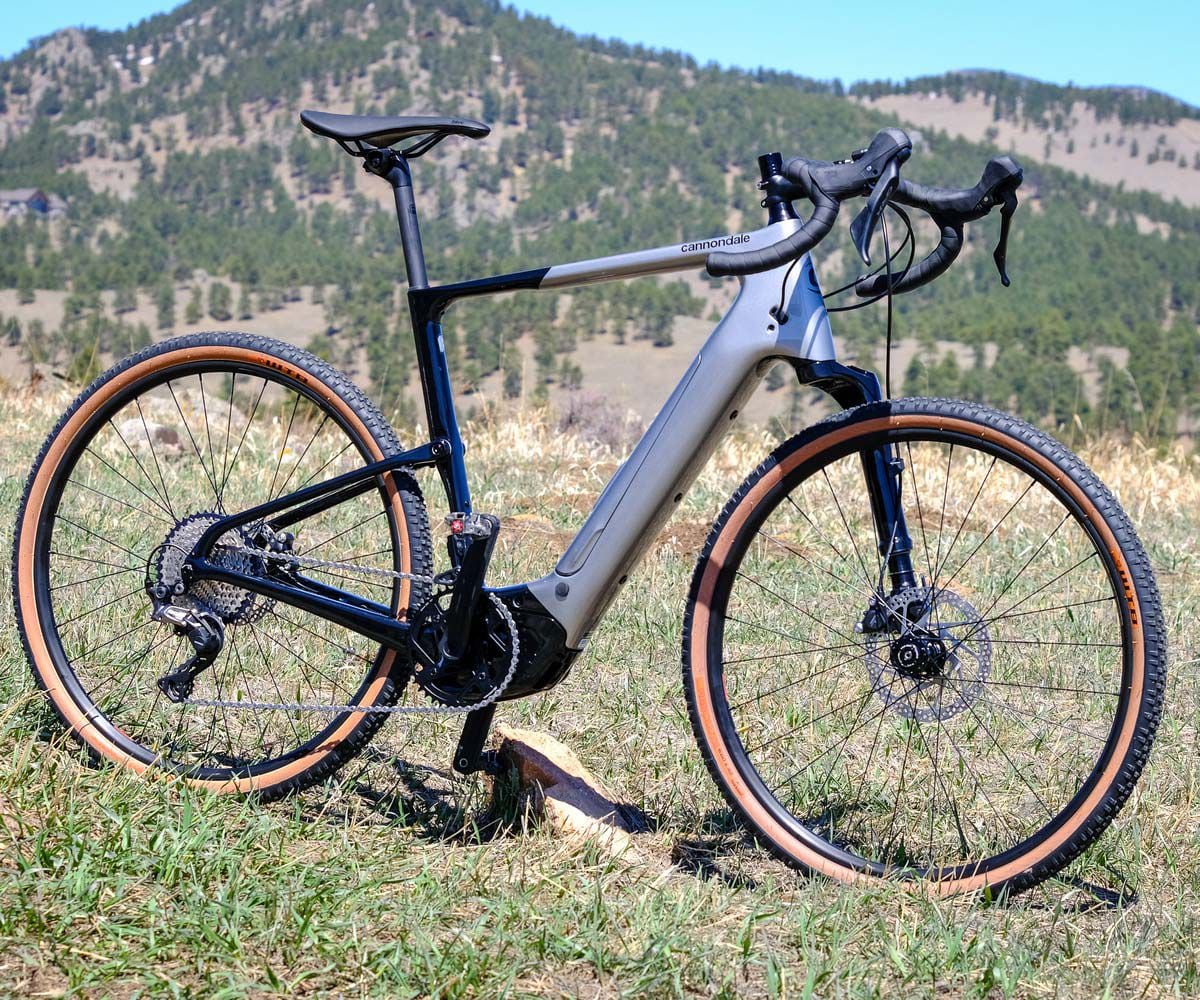
Cannondale Topstone Neo Carbon Lefty 3 Ebike Review | Cycle Volta
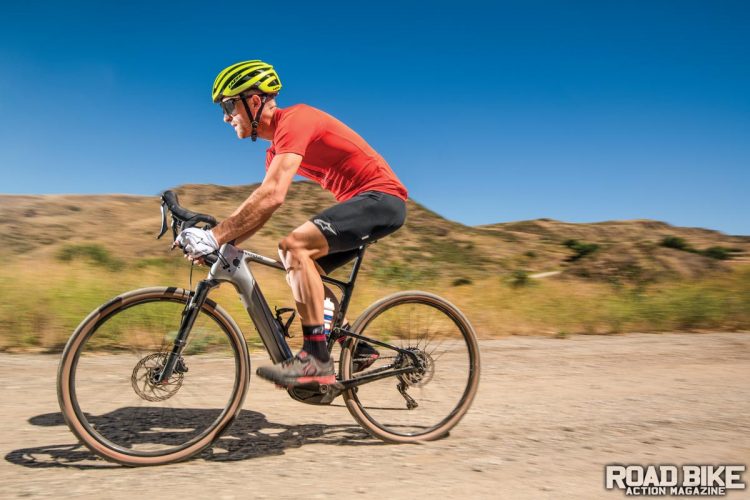
CANNONDALE TOPSTONE NEO CARBON LEFTY - BIKE TEST - Road Bike Action
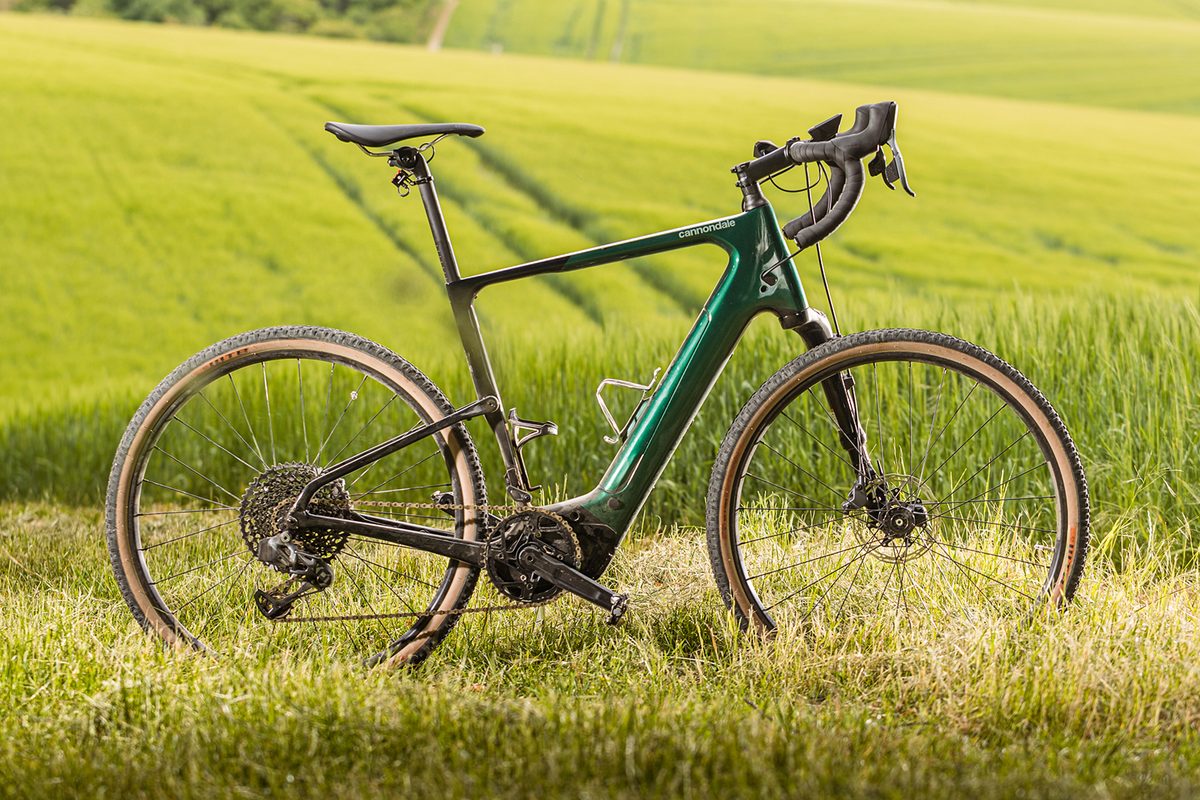
Cannondale Topstone Neo Carbon 1 Lefty review - BikeRadar
TEST: CANNONDALE TOPSTONE NEO CARBON 2 - Bike Magazine
Cannondale Topstone Neo Carbon Lefty 3 review
A Powerful Motor Is Hardly the Most Exciting Thing about This New Gravel E-Bike