STCHD
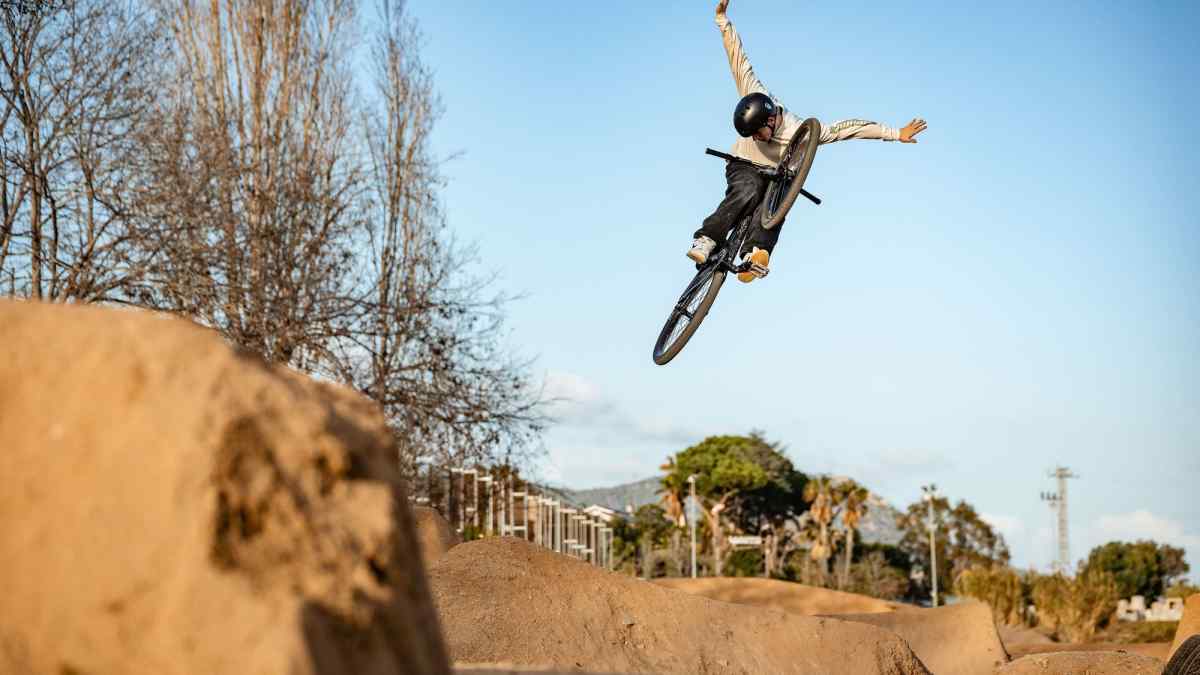
The 2026-present Canyon STCHD is the ground-up redesign of Canyon’s long-running Stitched 360 dirt jump platform, sold in the US as the STCHD 360. It stays true to the core dirt-jump brief with a 26-inch wheel format, 100 mm fork, aluminum frame, singlespeed drivetrain, BSA bottom bracket, and horizontal dropout chain-tensioning layout, but the underlying geometry has been substantially modernized. Canyon’s own launch information points to a longer front center, a steeper-and-tighter 69° head angle, a lower bottom bracket with 24 mm drop, and notably shorter 382 mm chainstays, along with a move to two frame sizes with 413 mm and 430 mm reach options.
That redesign positions the STCHD as a more current, more specialized dirt jumper rather than a casual all-round hardtail. The intent is clear: quicker response on pump tracks and in technical trick riding, while improving stability and control once airborne. Canyon also updated the frame package and finishing kit, with the launch bike using Canyon-branded brake hardware and G5 cockpit and contact-point parts. In the market, the STCHD sits as a direct-to-consumer aluminum dirt jumper aimed at riders who want a purpose-built jump bike with contemporary geometry, not a compromise bike for trail mileage or general utility.
From the press.
1 review from the cycling press.
Review coverage consistently describes the new STCHD as a meaningful modernization of a platform that had gone more than a decade without a major overhaul. In Bike-magazin’s quick check, Jan Timmermann characterizes the redesign as a "freshness cure" centered on a completely new aluminum frame, with the bike becoming "even more agile" while also targeting more stability and control in the air. That combination comes up repeatedly in the broader review material: testers see it as a more intuitive, more responsive bike on pump tracks and in trick-focused riding, but not one that turns nervous when speeds rise or jumps get bigger.
Reviewers also make clear that the STCHD remains a highly specialized tool. Its stiff aluminum chassis and dirt-jump-specific setup are praised for pumping efficiency, direct power transfer, and a sharp, communicative feel that rewards precise technique. The downside is equally predictable: it is not forgiving on rough terrain, offers little comfort outside its intended use, and is best suited to manicured jump lines, pump tracks, and street-style sessions rather than trail riding. In short, reviewers see the new generation as a more refined and more capable dirt jumper, but one whose strengths depend on riders wanting exactly that kind of focused bike.