P-Series
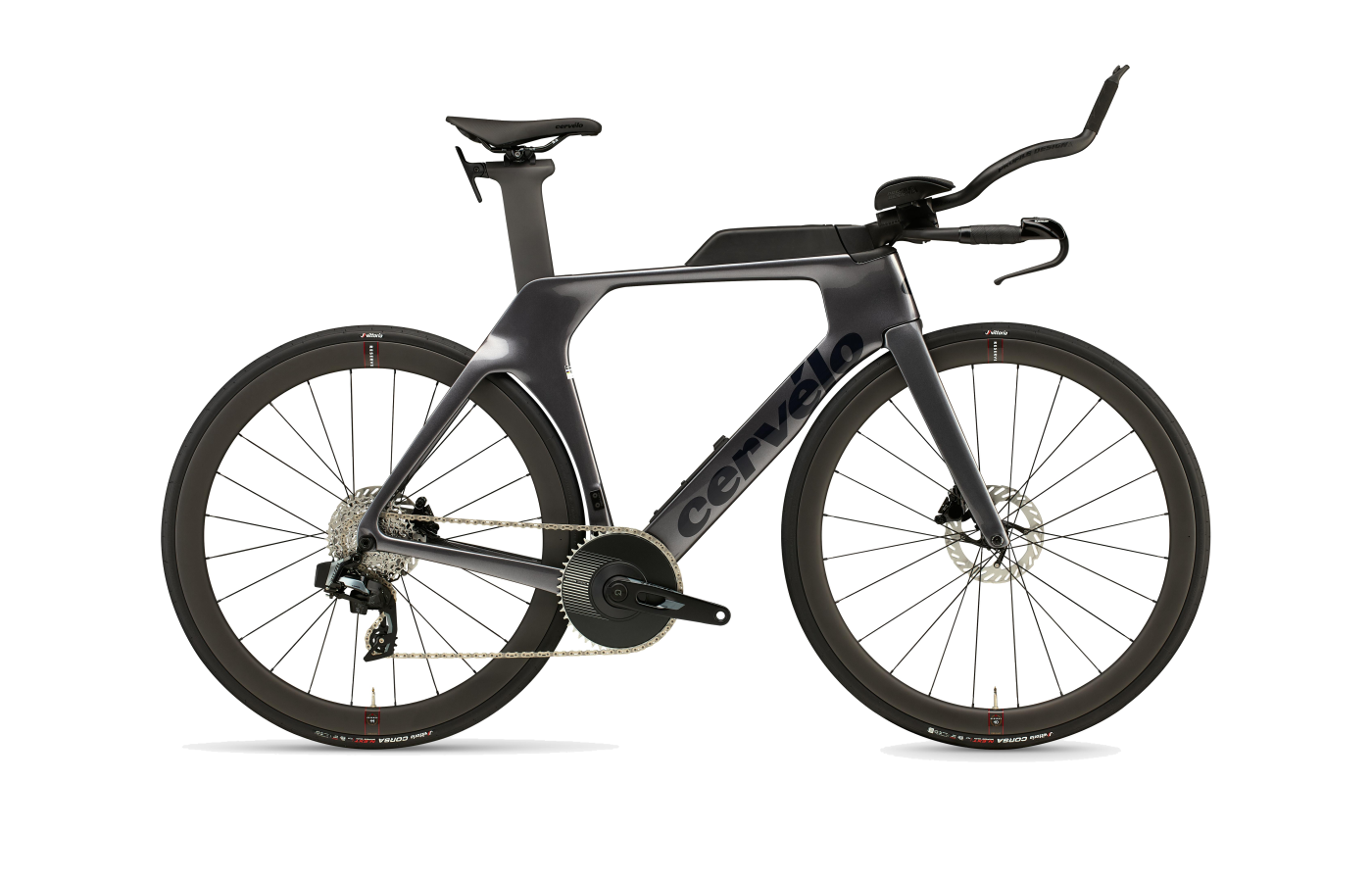
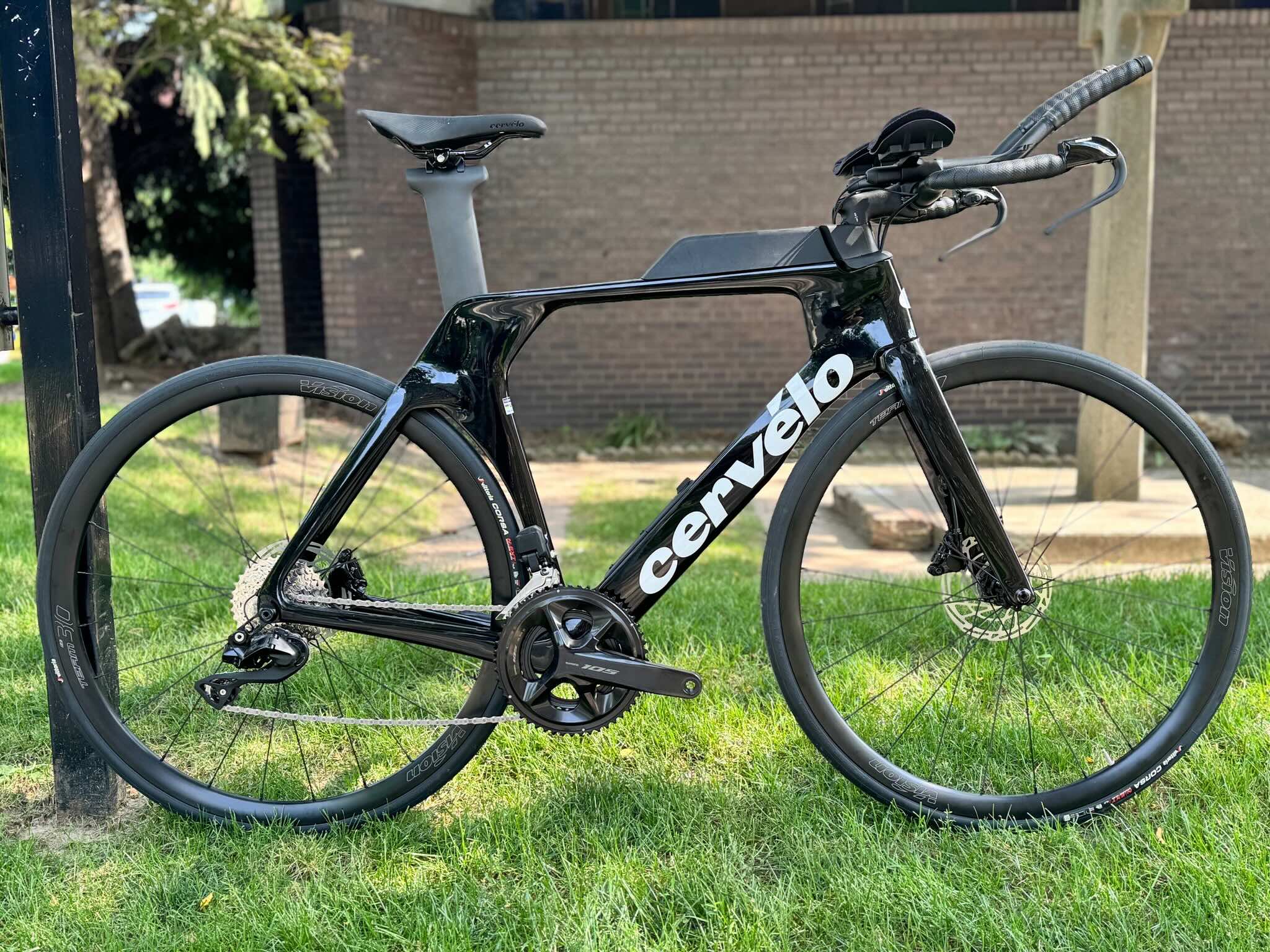
The 2024 Cervelo P-Series is a dedicated triathlon and time trial platform that bridges the gap between entry-level accessibility and flagship performance. Sharing much of its aerodynamic DNA with the top-tier P5, this generation introduces practical updates for the self-sufficient racer, including in-frame down-tube storage and significantly expanded tire clearance. While it adheres to UCI regulations—a trait that keeps it viable for sanctioned time trials—it remains heavily targeted at long-course triathletes who want a highly adjustable, race-ready machine without the premium superbike price tag.
The bike is positioned for riders who value agility and climbing efficiency over pure straight-line stability. By utilizing a standard front end rather than a complex proprietary cockpit, the P-Series prioritizes ease of maintenance and travel. It suits competitive age-groupers and seasoned racers looking for a highly capable, modern aerodynamic frame that can easily evolve alongside their component preferences.
Geometry & fit.
6 sizes published.
For this generation, Cervelo slightly adjusted the geometry to be more accommodating, shifting toward a taller stack and shorter reach across the six-size run. The bottom bracket drop also increases to 80 millimeters, helping to lower the rider's center of gravity and ground the bike through fast corners.
Fit flexibility is a major focal point of the design. The frame utilizes a standard stem interface and a two-piece front end, avoiding the complex proprietary cockpits often found on modern superbikes. This conventional setup allows for a massive 53 millimeters of stack adjustment, ensuring that riders with varying physiological needs can dial in a sustainable aerodynamic posture. It also makes the bike significantly easier to disassemble and pack for travel. The combination of the standard steerer and wide fit window means athletes can easily swap base bars or extensions to refine their position over time.
Where the handlebar sits relative to the bottom bracket — the single most important fit pair.
01Fit geometry5 values
03Handling geometry8 values
Which size should I buy?
Slide your height to see the recommended size. GearWise's fit algorithm works from the published stack, reach, and ETT — the brand's own recommendation may differ.
→Calculated from GearWise's own stack / reach / ETT algorithm — the brand's size chart may recommend a different size, and a proper bike fit beats any calculator.
The lineup.
5 builds, ranging $5,300 – $8,750.
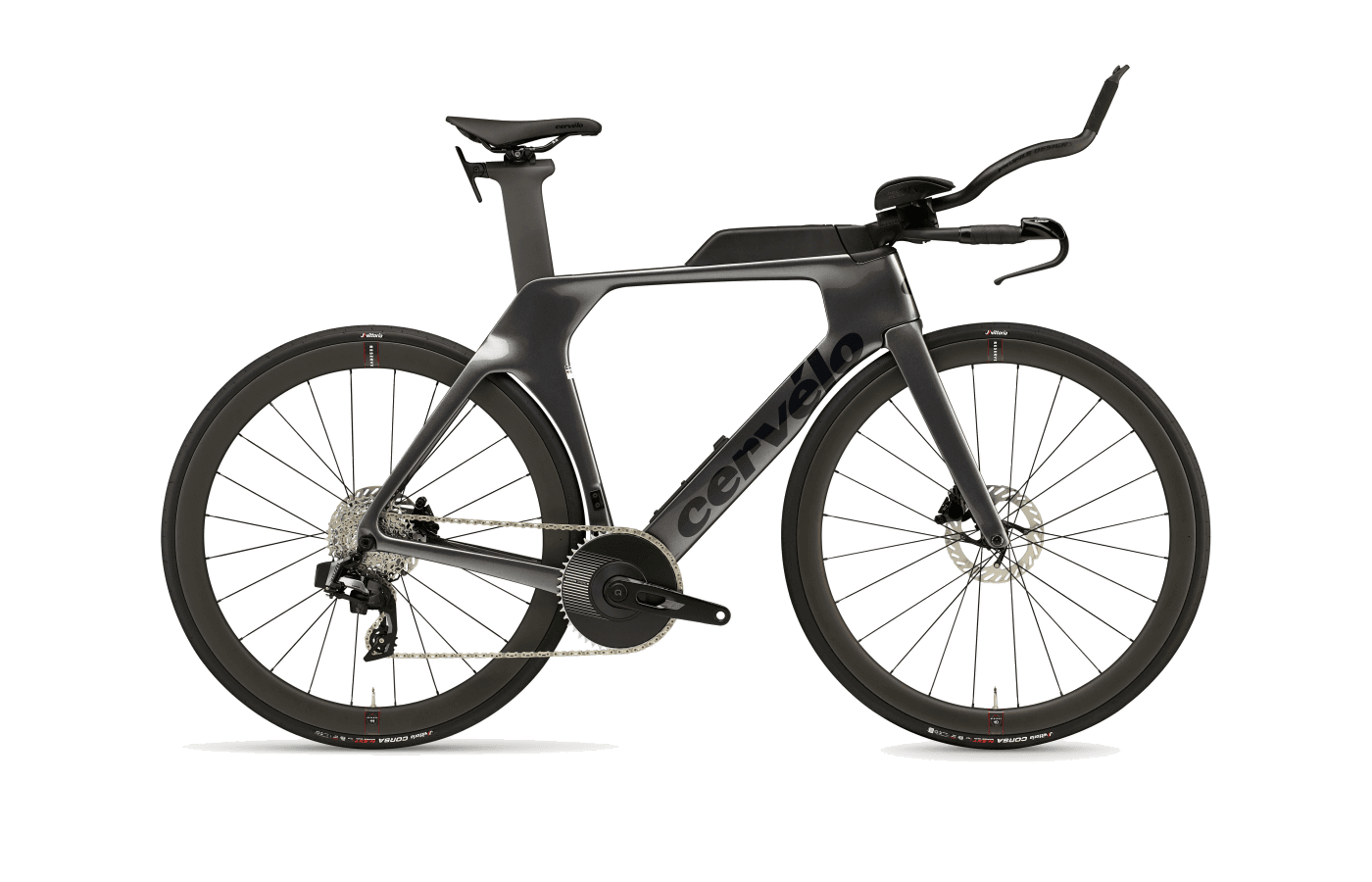
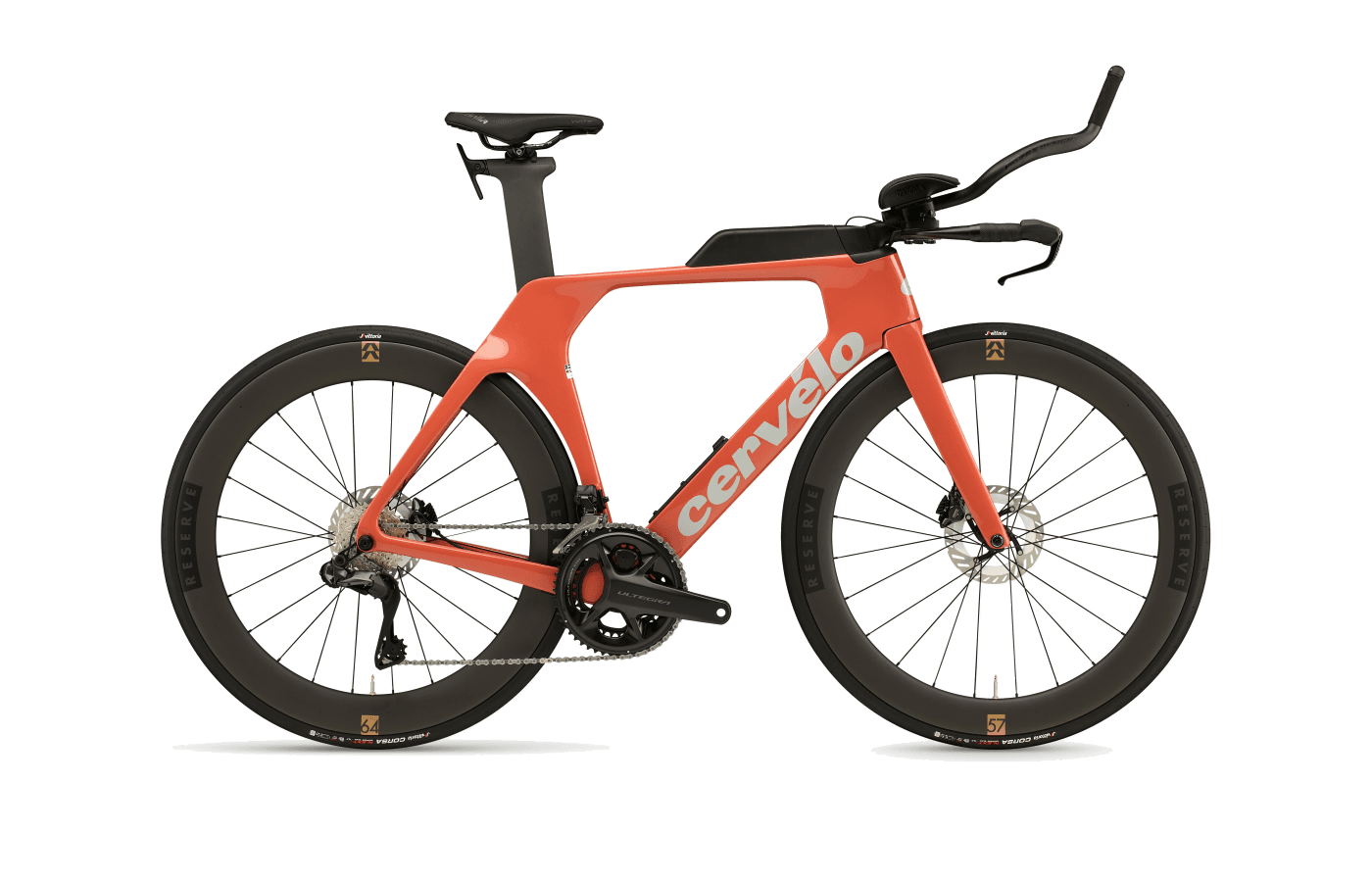
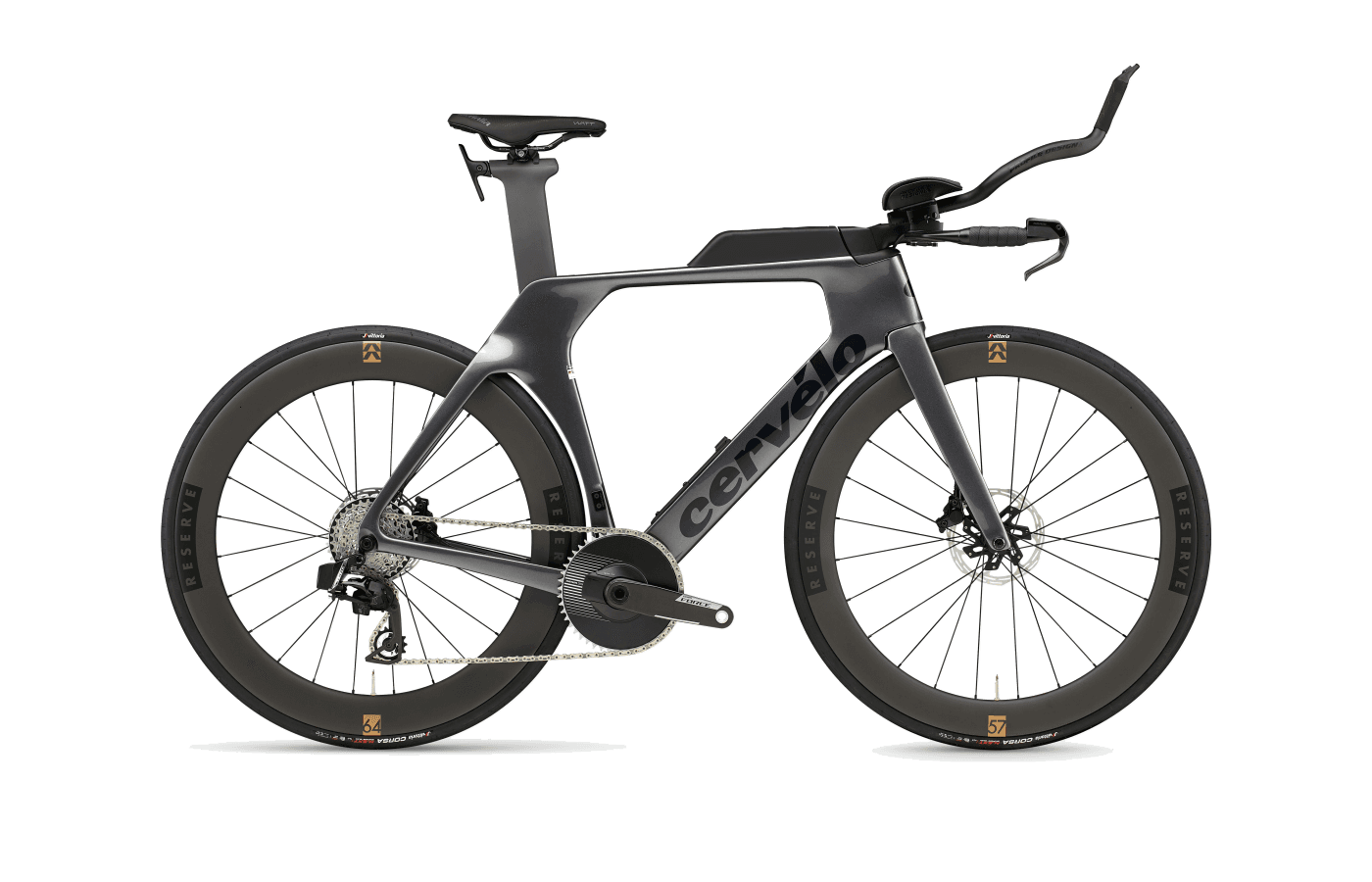
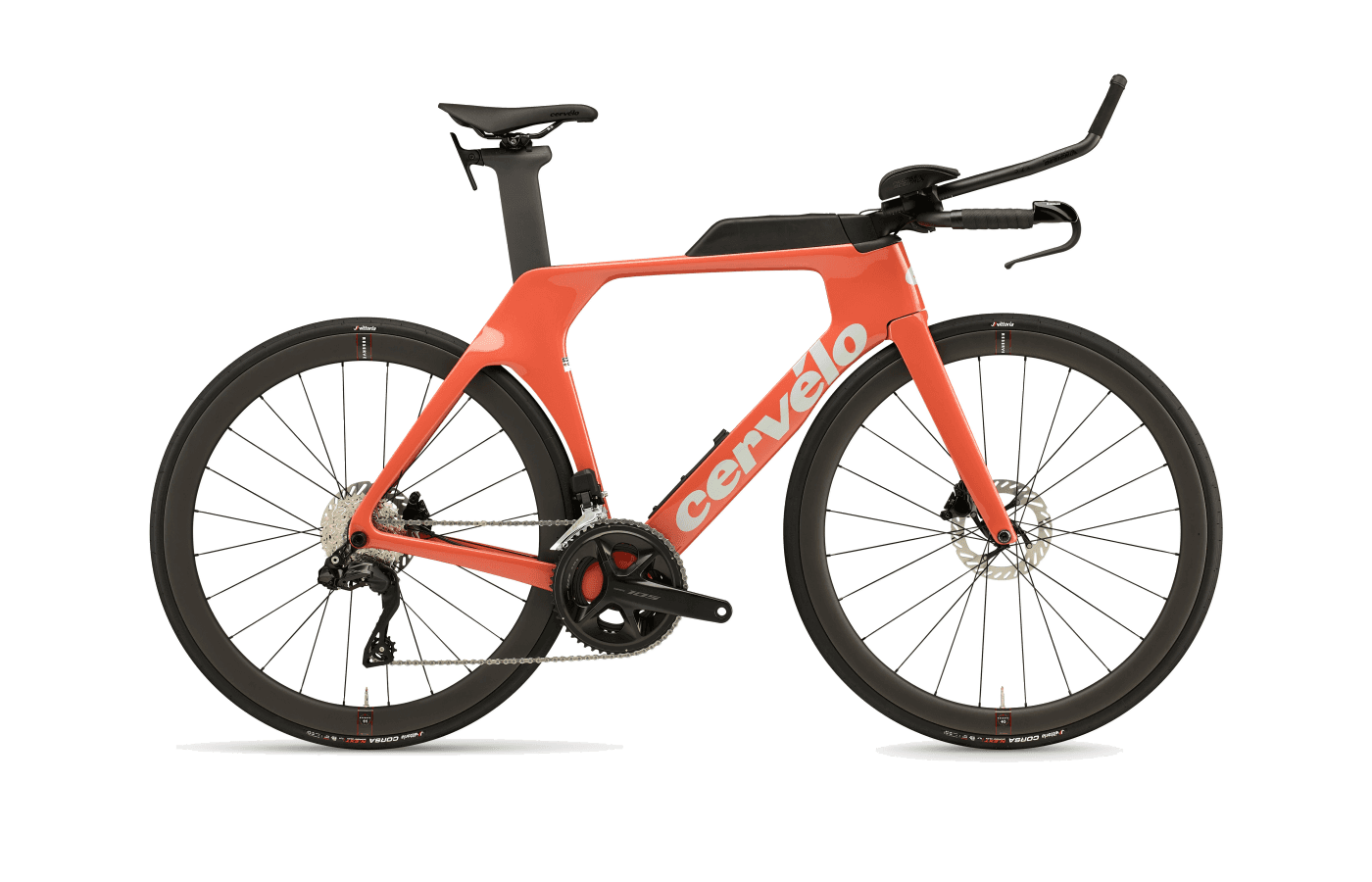
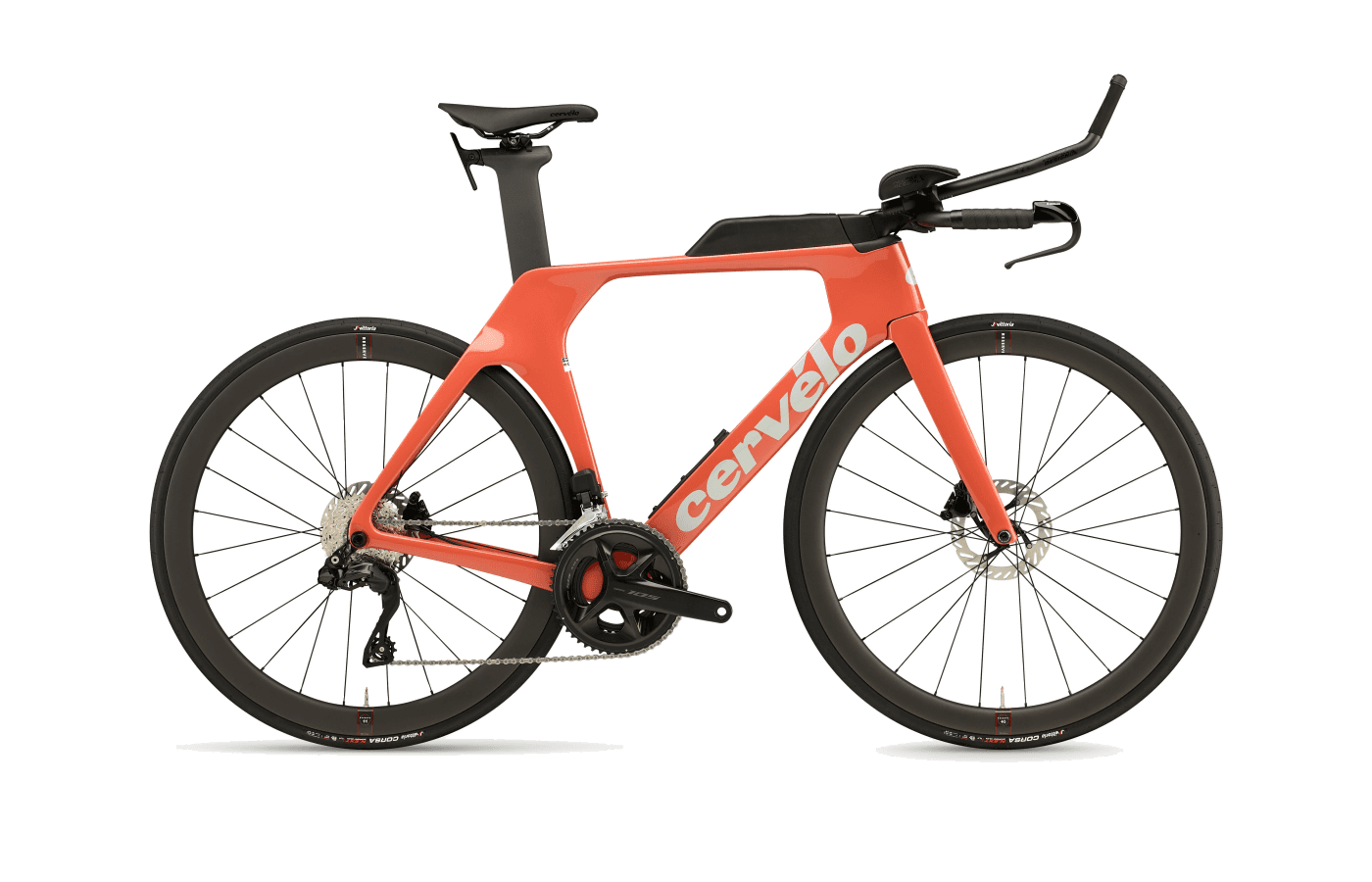
The P-Series lineup spans five builds, ranging from mechanical Shimano 105 to SRAM Force AXS and Shimano Ultegra Di2. The value sweet spot sits in the mid-tier options, where the inclusion of aerodynamically optimized Reserve carbon wheelsets provides a substantial performance upgrade right out of the box. Lower-tier builds utilize shallower Reserve 40/44 wheels, while the premium electronic builds upgrade to deeper Reserve 52/63 or 57/64 profiles paired with 29-millimeter Vittoria Corsa tires.
All builds feature a top-tube bento box, a rear hydration mount, and the new down-tube storage hatch for tools and spares. However, this internal storage introduces a functional compromise: the hatch design prevents the use of the aero-optimized down-tube bottles found on previous generations. Riders will need to rely on standard frame bottles or invest in aftermarket between-the-arms and behind-the-saddle systems to maximize aerodynamic efficiency. Power meters are included across the board on these builds, adding further value for data-driven athletes.
From the press.
6 reviews from the cycling press.
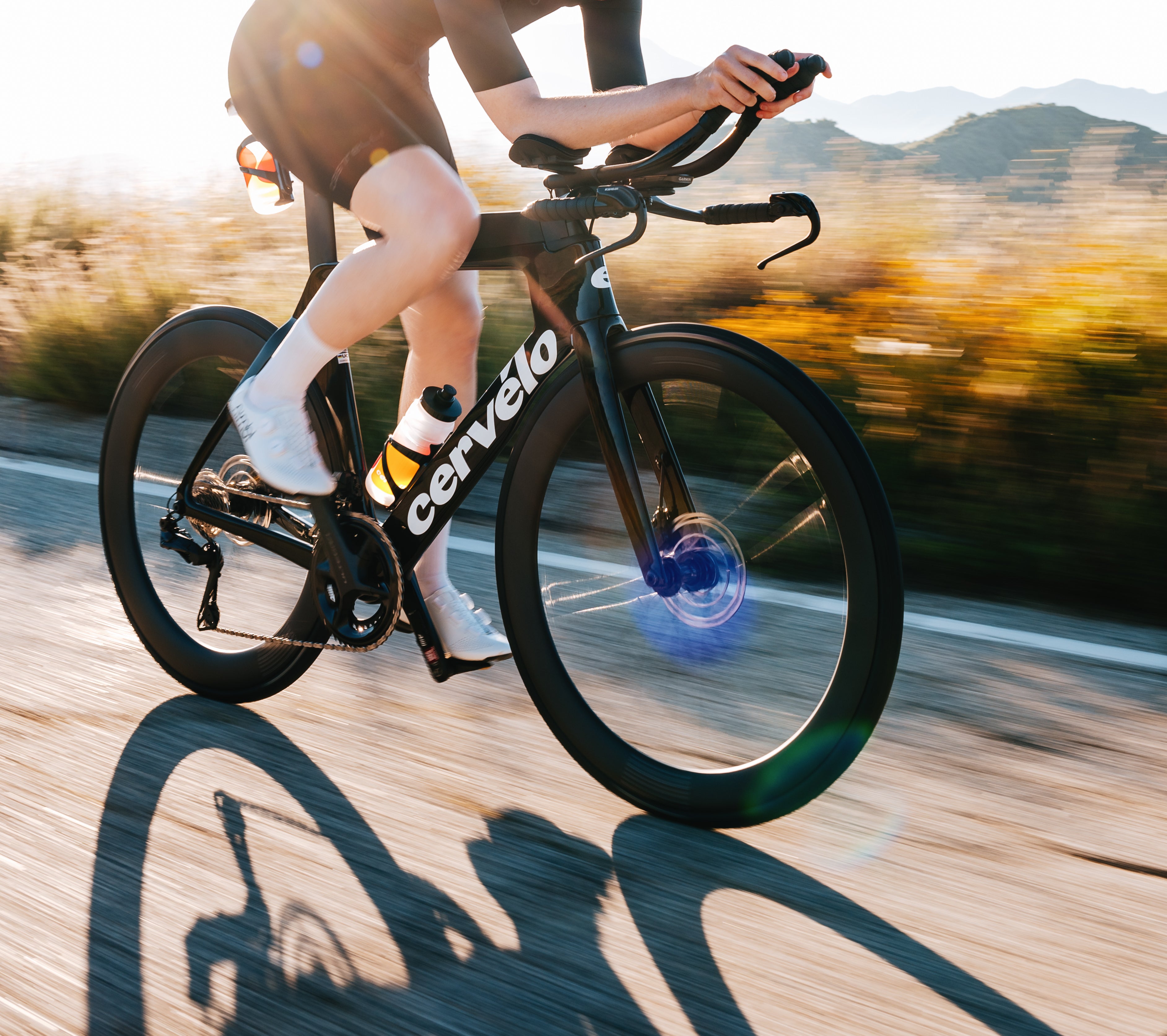
Reviewers consistently characterize the Cervelo P-Series as a highly responsive machine that favors agility over passive cruising. On the road, the bike excels on technical courses with sharp turns and elevation changes, with handling described as being like a "scalpel" (Triathlete). This sharp steering response means the bike requires more active rider input to maintain a straight line compared to longer, more stable triathlon rigs. However, testers found that the UCI-legal frame profile keeps the bike predictable in crosswinds, preventing gusty conditions from pushing the rider around.
The frame's lateral stiffness translates to excellent power transfer out of the saddle. One tester noted that the platform "climbs as well as the P5 does" (Triathlonmagazine), making it a strong option for rolling terrain where momentum is frequently scrubbed and regained.
To manage rider fatigue, the updated frame relies heavily on increased tire volume rather than mechanical suspension. The ability to run wider tires at lower pressures allows the chassis to effectively "soak up high-frequency bumps" (Triathlete). While it handles larger impacts like a typical rigid race bike, this dampening of road buzz is a welcome improvement for athletes looking to preserve their legs for the run.
2025 Cervelo P Series Review - Best Value Triathlon Bike?
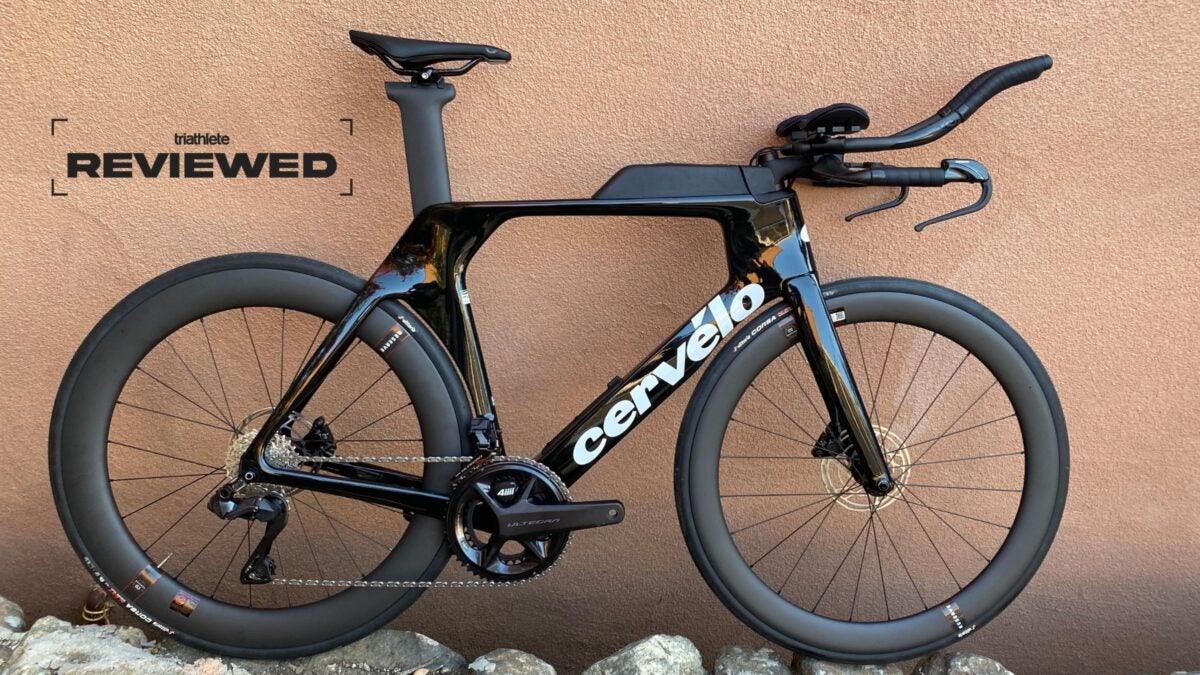
We Review The New 2024 Version of Cervelo's P-Series

- YouTube
All the bike most triathletes will need - Cervelo improves on the P-Series - Triathlon Magazine Canada
Cervelo Archives