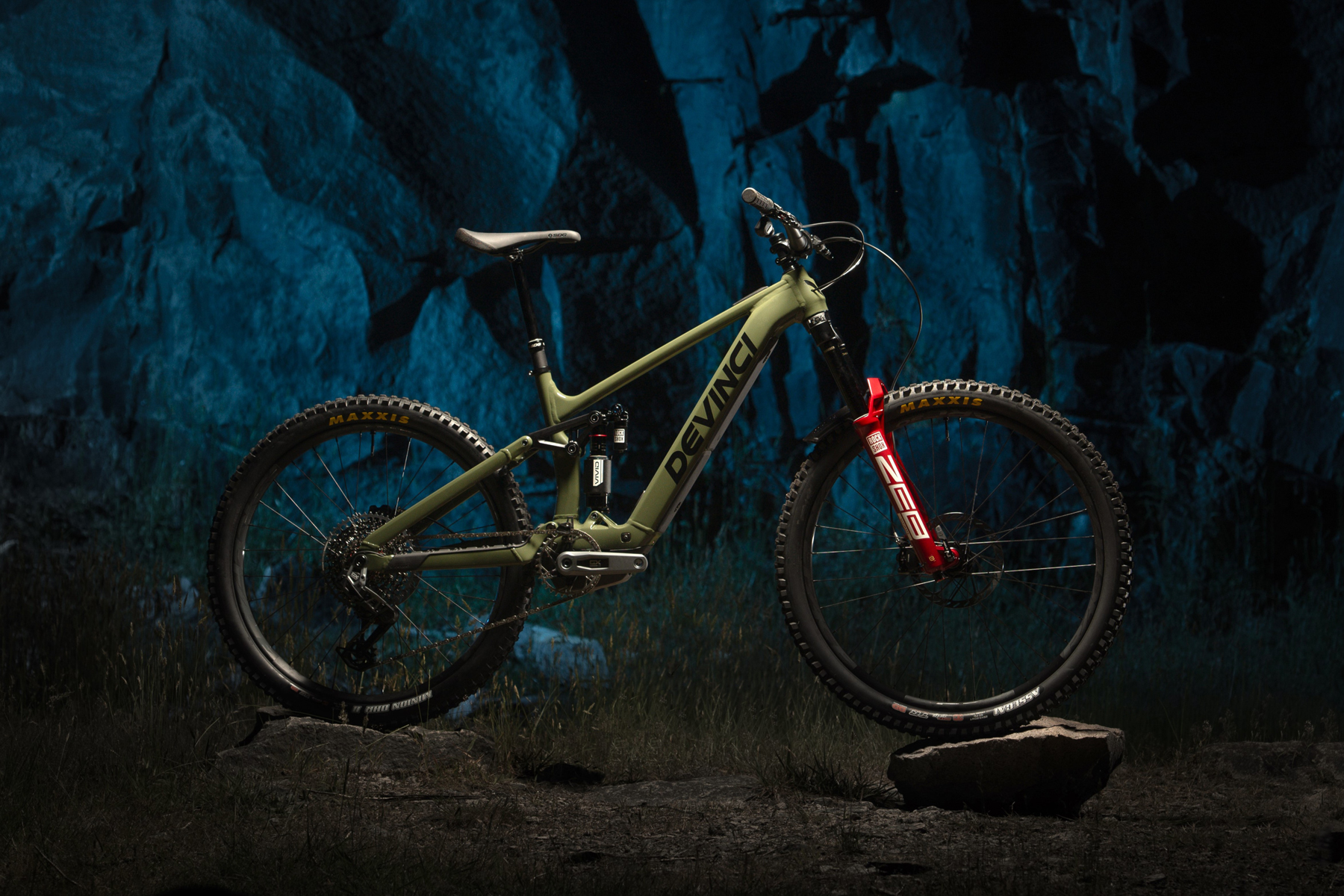
E-Spartan Lite
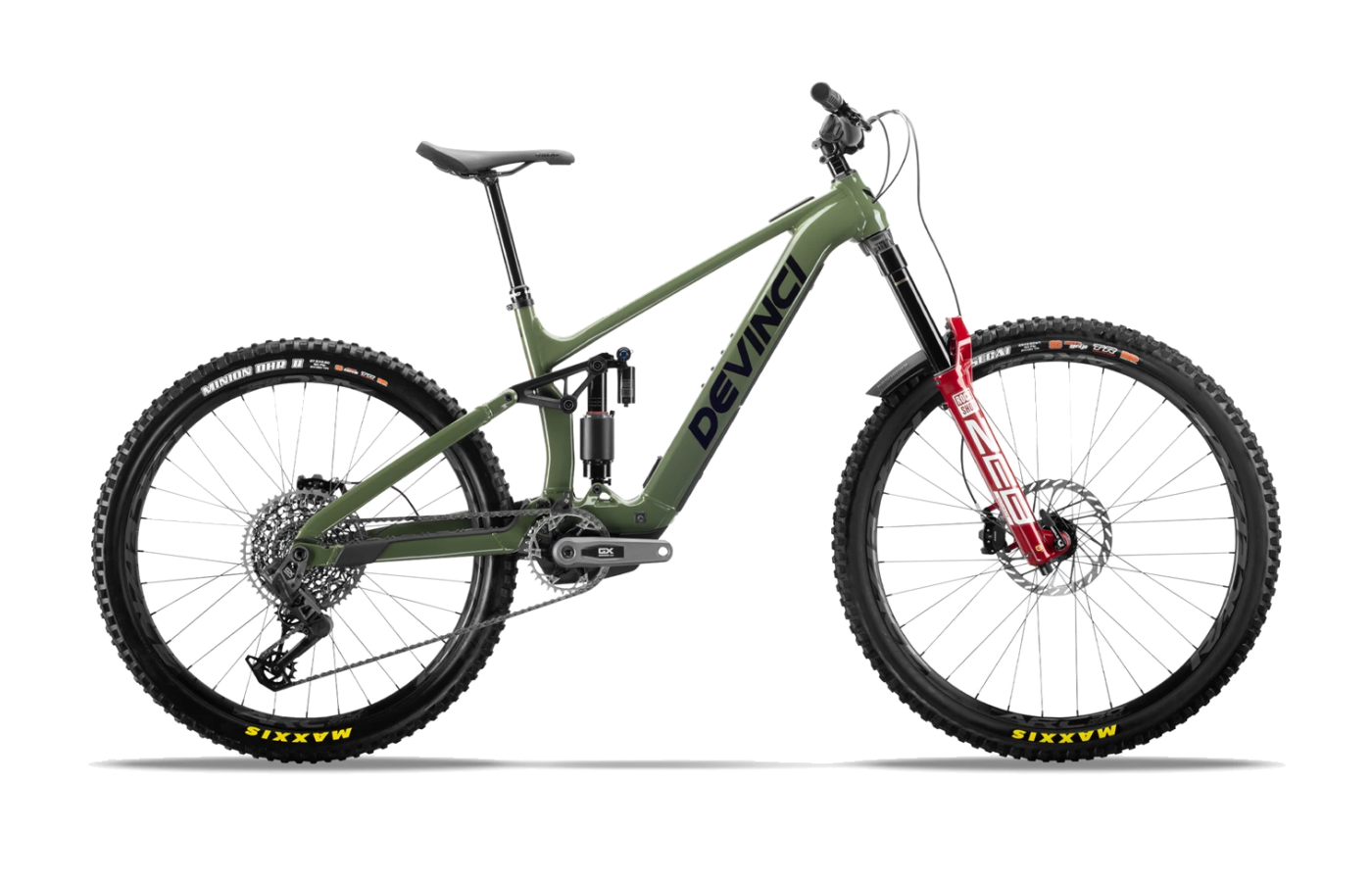
The Devinci E-Spartan Lite is Devinci’s long-travel take on the mid-power e-enduro category, introduced for 2025 and carried forward unchanged into 2026. It pairs a hand-welded Optimum G04 6061-T6 aluminum frame with 165 mm of rear travel, a 170 mm fork, and Bosch’s Performance Line SX drive unit with the 400 Wh CompactTube battery. That combination puts it in a distinct niche: more aggressive and gravity-oriented than many lightweight-assist trail e-bikes, but still notably less motor-heavy and less full-power in character than a conventional 85 Nm e-enduro bike.
What defines this generation is how purpose-built it is. The frame is mullet-only, uses a 205x65 mm trunnion shock, Boost 148 rear spacing, a UDH hanger, ZS44/ZS56 headset standards, internal routing, and a 200 mm post-mount rear brake interface. Devinci also clearly designed it around modern fit priorities, including room for long-dropper sizing and short 155 mm cranks to improve clearance on technical terrain. Rather than chasing maximum battery size or all-out straight-line stability, the E-Spartan Lite is aimed at riders who want a more active, maneuverable e-MTB with real enduro travel and a more natural pedaling feel from the Bosch SX system.
Geometry & fit.
3 sizes published.
The available geometry points to a modern, aggressive e-enduro fit with a strong bias toward steep descents and quick handling. Across sizes M to XL, the head tube angle is fixed at 63.5 degrees and the chainstay length remains a very short 436 mm, while reach spans 460 mm on M, 480 mm on L, and 500 mm on XL. Seat tube angles are steep at 77.4 to 77.7 degrees, and wheelbases are 1245 mm, 1269 mm, and 1294 mm respectively. In practice, that means the E-Spartan Lite places the rider in a centered climbing position while keeping the front end slack enough for steep terrain and high-confidence descending.
The unusual part is the combination of that slack front end with such short rear-center numbers. A 63.5-degree head angle and 170 mm fork normally suggest a highly planted bike, but the 436 mm stays and mullet layout pull it toward a more reactive, manual-friendly feel. Reviewers’ impressions align closely with those numbers: the bike was repeatedly described as agile, easy to corner, and playful rather than purely glued to the trail. Riders looking for maximum high-speed composure may find the short rear end less settled than a longer race-oriented e-enduro, but for technical terrain and active line choice, the geometry is clearly tuned to keep the bike lively.
Where the handlebar sits relative to the bottom bracket — the single most important fit pair.
01Fit geometry6 values
03Handling geometry5 values
Which size should I buy?
Slide your height to see the recommended size. GearWise's fit algorithm works from the published stack, reach, and ETT — the brand's own recommendation may differ.
→Calculated from GearWise's own stack / reach / ETT algorithm — the brand's size chart may recommend a different size, and a proper bike fit beats any calculator.
The lineup.
1 build, ranging $8,999.
The E-Spartan Lite is offered in two main complete builds, starting at $6,099 USD / $8,199 CAD for the Eagle 90 model and rising to $7,499 USD / $9,999 CAD for the GX AXS version. Both share the same Canadian-made aluminum frame, Bosch Performance Line SX motor, 400 Wh battery, and long-travel mullet platform, so the price difference is primarily about suspension and drivetrain tier rather than a different chassis or drive system.
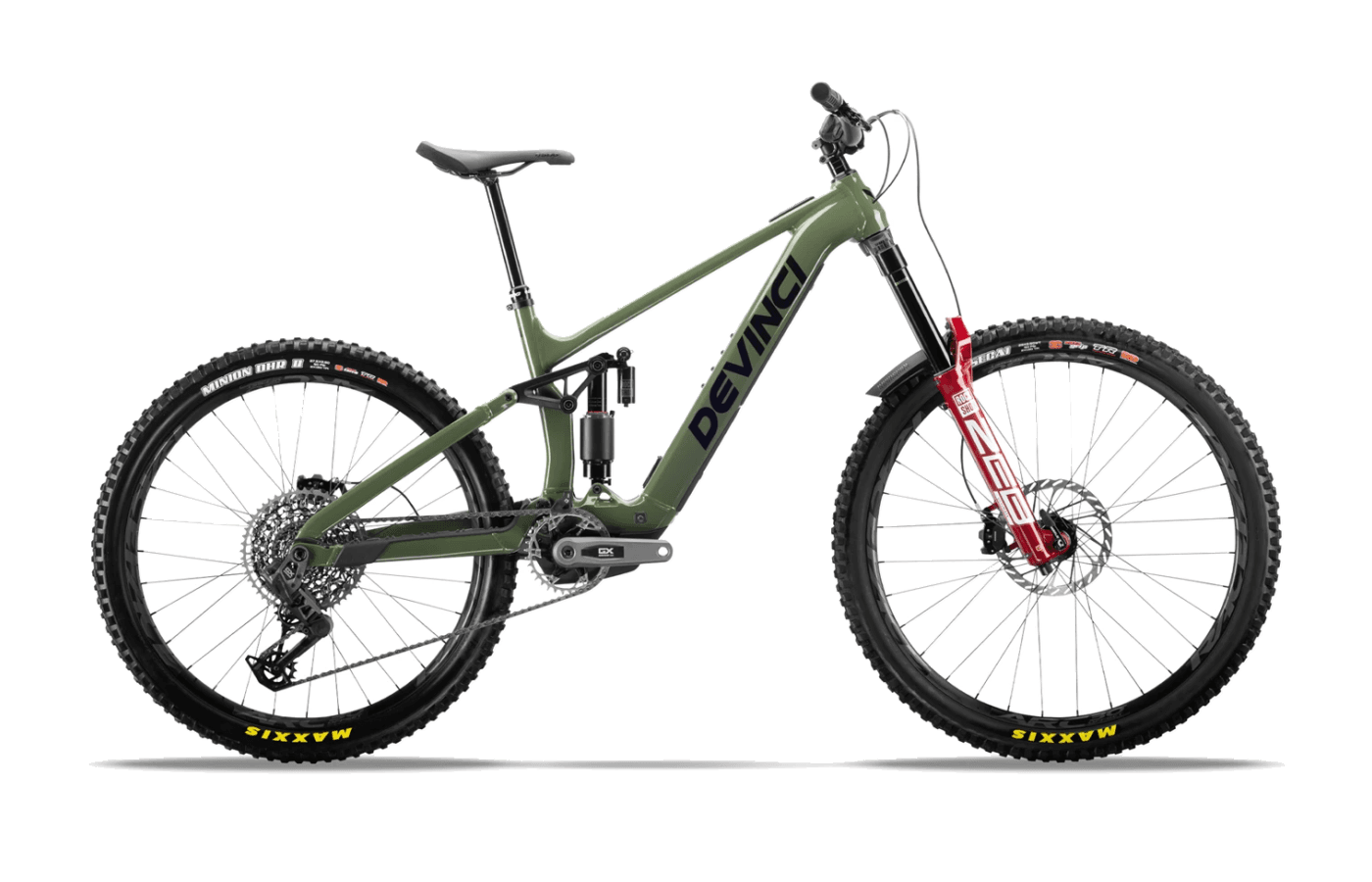
The GX AXS build is the more notable spec package, pairing RockShox Zeb Ultimate and Vivid Ultimate suspension with SRAM Maven Silver brakes and a wired GX AXS drivetrain powered directly by the bike’s main battery. That last detail stood out in reviews as a practical integration choice, eliminating separate derailleur battery management. The lower-priced Eagle 90 build uses a Zeb Select fork, Vivid Select+ shock, and Maven Bronze brakes, making it the more accessible entry point without changing the bike’s core intent. Reviewers generally saw the base bike as solid, but several suggested the GX AXS model is the stronger value if budget allows, largely because of the step up to Ultimate-level suspension on a bike intended for hard descending.
From the press.
6 reviews from the cycling press.
Reviewers were notably consistent in describing the E-Spartan Lite as unusually playful for a 165/170 mm e-MTB weighing about 21.5 to 21.6 kg. BikeRumor, Cyclonline, and Forocarreteros all emphasized its poppy, animated ride quality, with several testers noting that it is easy to lift the front wheel, boost off trail features, and change direction quickly. Much of that character was attributed to the Split Pivot suspension layout, fixed mullet wheel setup, and especially the very short 436 mm chainstays. On trail, reviewers said it corners sharply, drifts willingly, and avoids the muted, plow-first feel that often defines heavier full-power e-bikes.
At the same time, reviewers did not portray it as a plush or ultra-forgiving magic-carpet bike. NSMB’s long-term test in particular described the rear end as loose and not especially plush, suggesting the bike prioritizes support, feedback, and maneuverability over a deeply cushioned feel. Setup also appeared to matter a great deal: one tester found the stock Zeb fork overly aggressive with four tokens installed from the factory, and several riders deviated from recommended sag numbers to gain comfort. The Bosch SX system was widely praised for natural assistance and strong technical-climbing traction, but the 400 Wh battery was a recurring limitation, with range anxiety frequently mentioned and the optional range extender framed as important for bigger days. NSMB also raised a concrete durability concern with the stock Race Face wheelset, reporting repeated truing issues over long-term use.
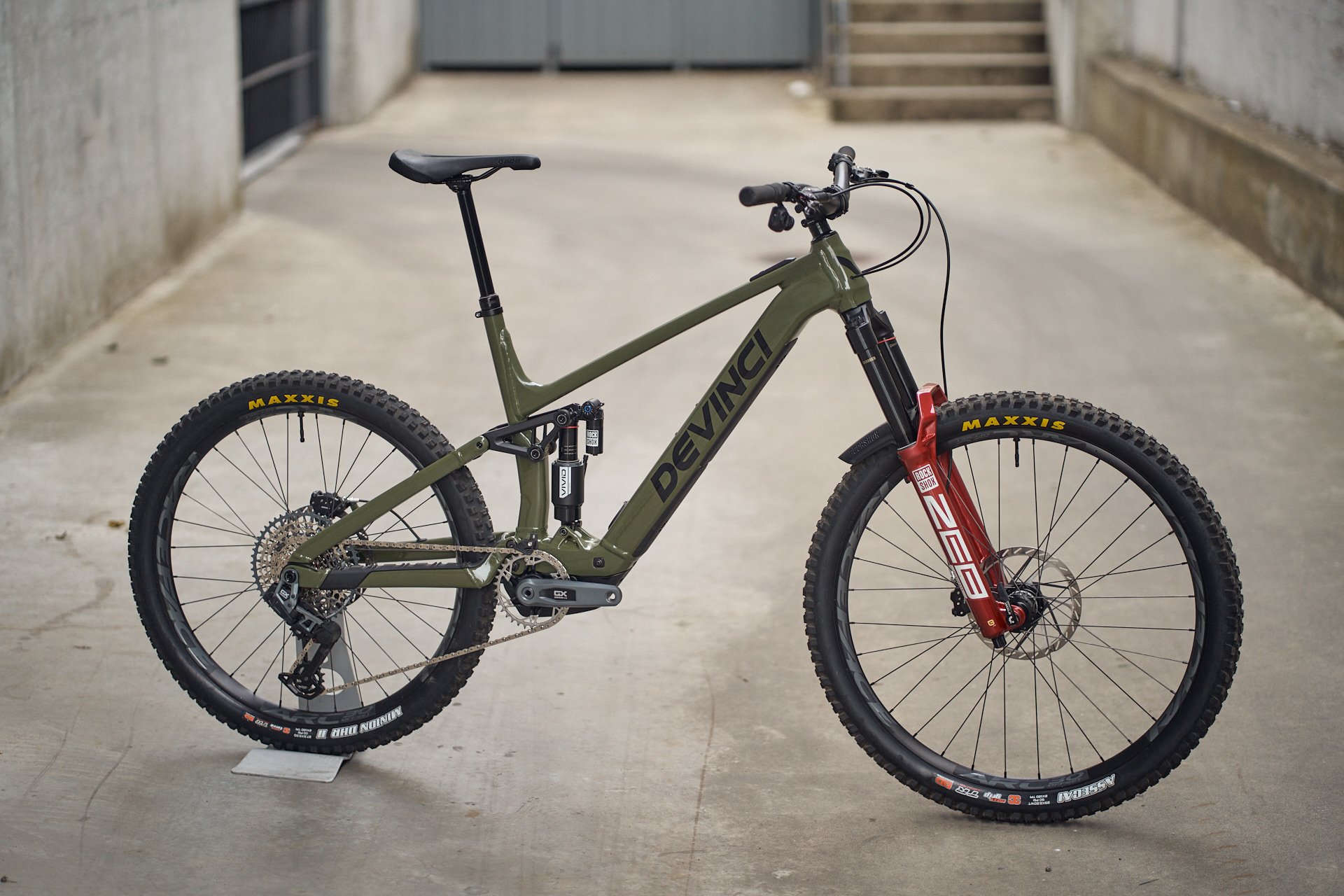
2026 Devinci E-Spartan Lite - NSMB.com

Devinci E-Spartan Lite SRAM GX AXS 2026: Test Ride, Review, Pros, Cons, Performance, Range, Opinions – Everything You REALLY Need to Know

2026 Devinci E-Spartan Lite Long Term - NSMB.com
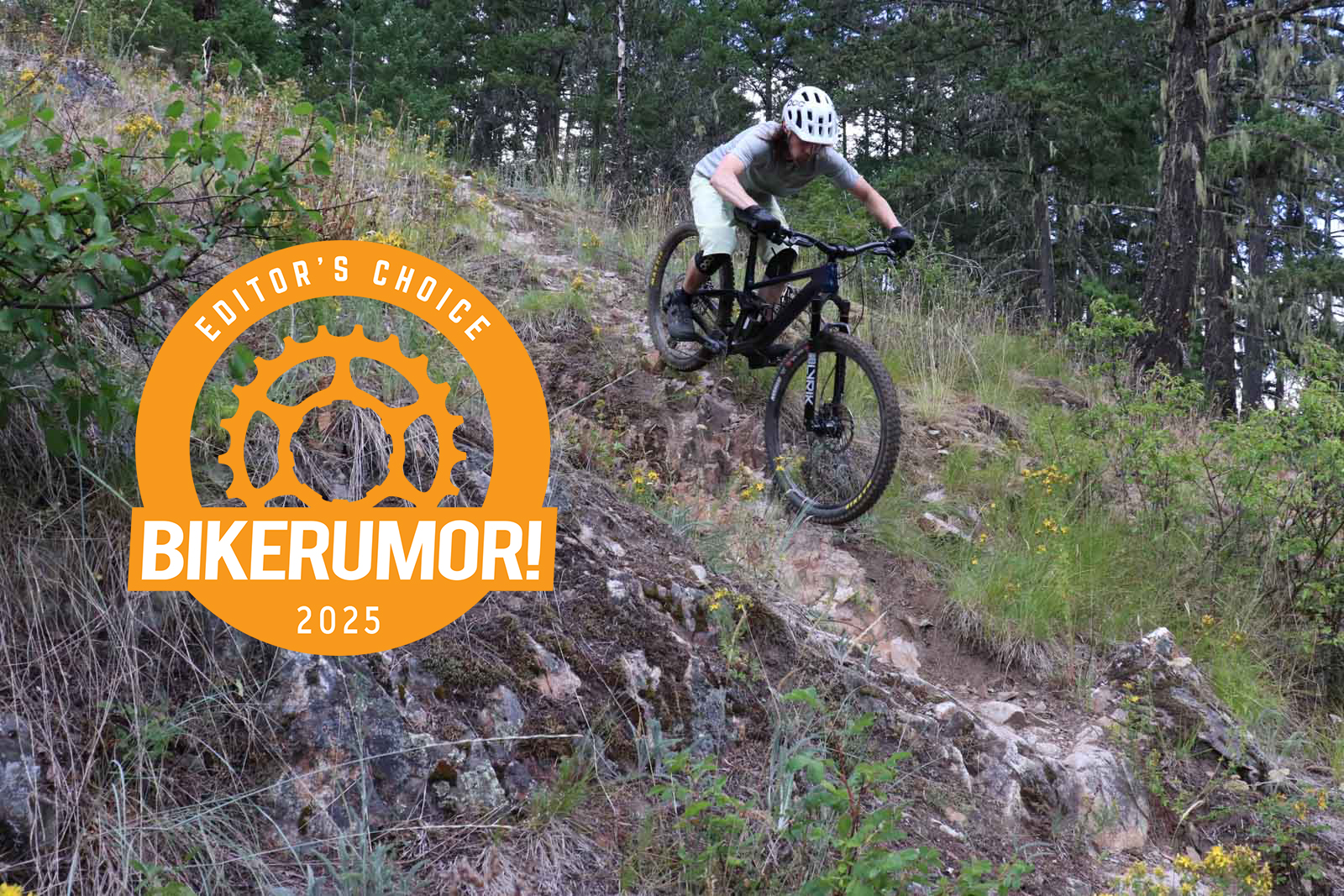
BikeRumor Editor's Choice 2025 – Steve's Best Bike and Gear Awards
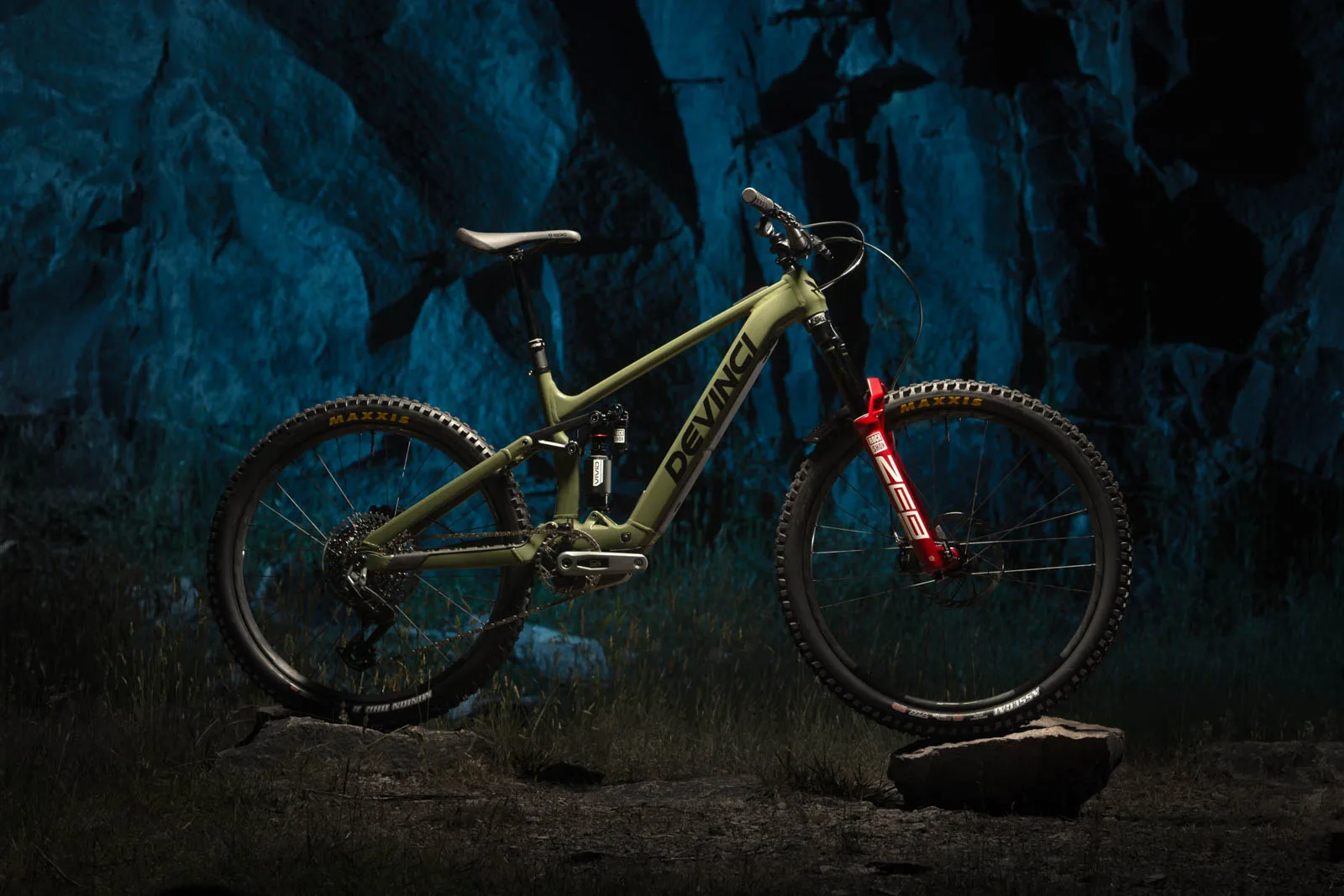
El nuevo 2026 Devinci E-Spartan Lite come senderos ásperos, pero sigue siendo sorprendentemente juguetón Video