IA
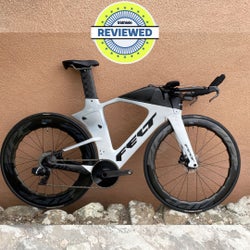
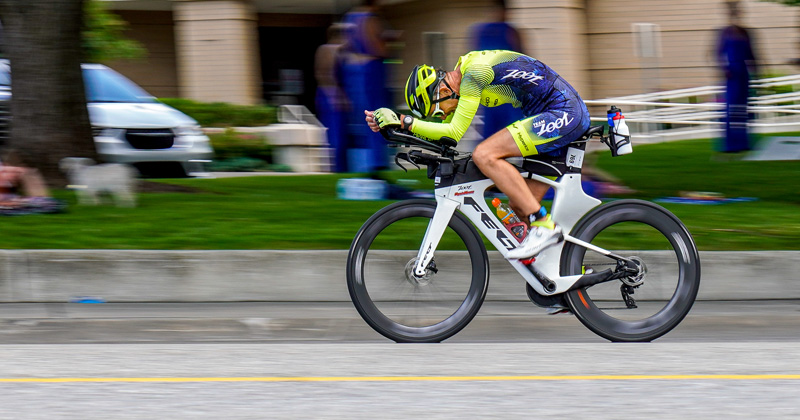
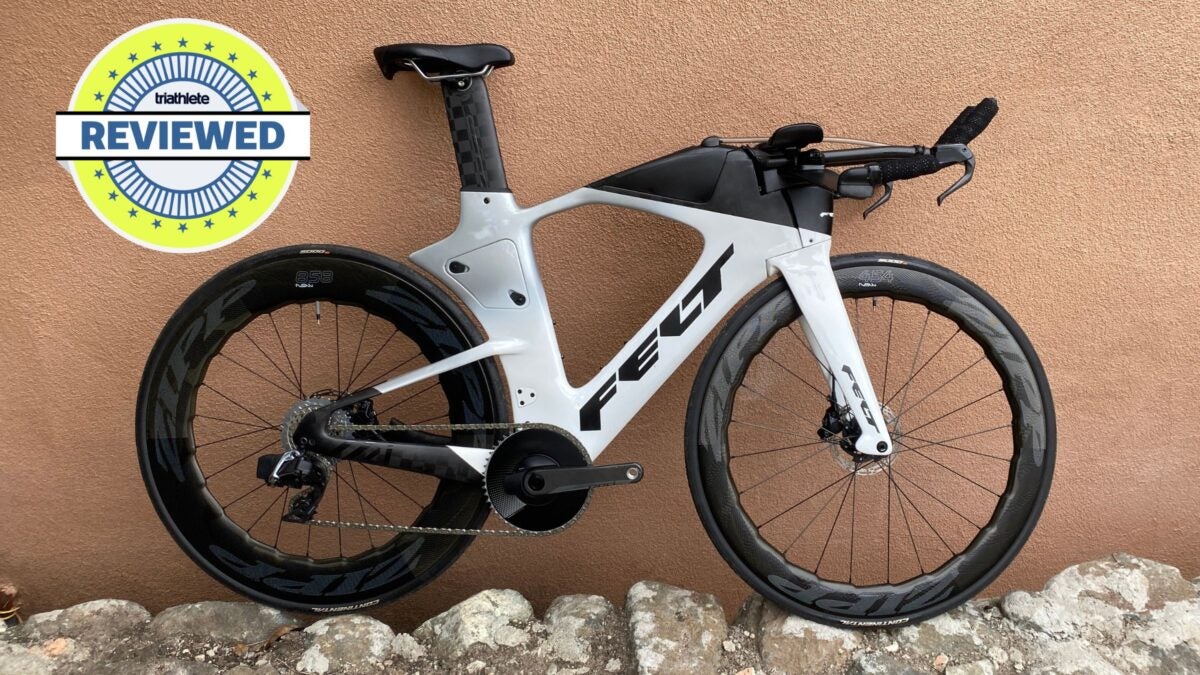
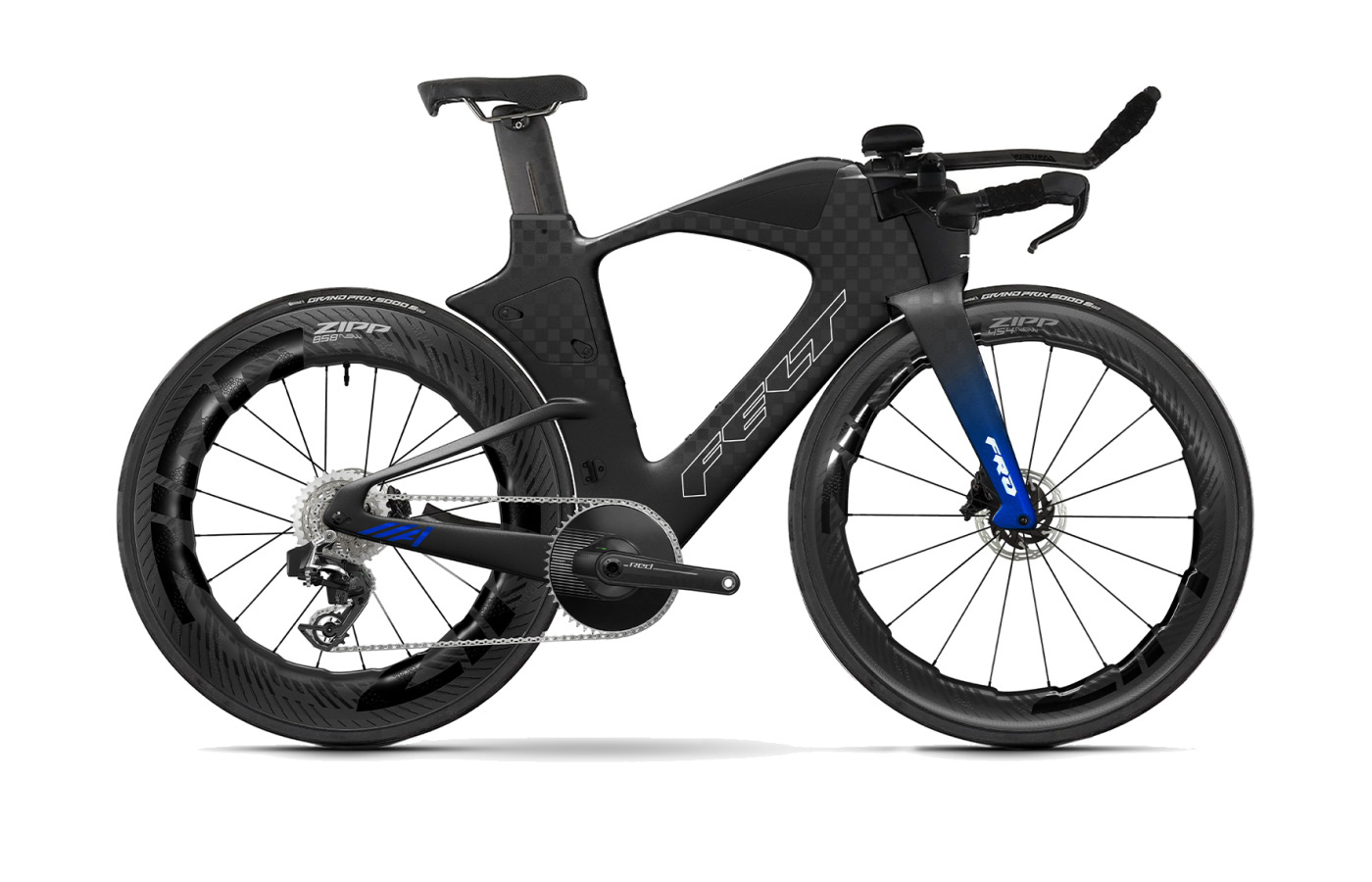
The 2023-on Felt IA 2.0 is a full redesign of Felt’s flagship triathlon platform, not a mild update to the previous IA. It moves further toward a pure non-UCI triathlon solution, with a radically reshaped frame that uses a pronounced fairing-like hump behind the head tube, a short rear wheel fairing, and deeply integrated storage and hydration built into the chassis. This is a bike aimed squarely at long-course triathlon, where aerodynamic efficiency, nutrition access, and rider preservation matter more than all-round road-bike versatility.
What distinguishes this generation is how Felt combined extreme integration with more practical fit and service decisions. The Dagger Direct modular cockpit adds substantially broader adjustment than many superbikes, while cable routing through a conventional round tapered steerer is a notable departure from harder-to-travel-with one-piece front ends. Disc brakes, the revised seatpost and clamp arrangement, and integrated top-tube storage reinforce that this is a modern tri bike designed around real race use, not just tunnel numbers. In the market, the IA 2.0 sits at the sharp end of the premium triathlon category: a highly specialized superbike for athletes who want maximum integration and aero ambition without giving up fit range and some mechanical sanity.
Geometry & fit.
3 sizes published.
The available geometry points to a modern triathlon fit centered on a low front end and moderate reach. In the sizes shown, stack runs from 496.2 mm in the 45 to 526.6 mm in the 51, while reach grows from 364.6 to 375.2 mm. Those numbers suggest a position that can be made aggressive without pushing reach to extremes, which fits the IA 2.0’s long-course brief. Head tube angle steepens from 70.5 degrees in the 45 to 72.4 degrees in the 51, a typical progression that helps smaller sizes retain manageable trail and steering feel. The 406 mm chainstay on the smaller listed sizes is short for a tri bike, helping explain why reviewers found the bike more willing in corners than its large aero surfaces would suggest.
Other figures reinforce the bike’s stable-but-not-sluggish character. Wheelbase is 967.4 mm in size 45 and 969.4 mm in size 48, numbers that support straight tracking without pushing the bike into overly bus-like handling. A 74 mm BB drop keeps the center of gravity reasonably low, which should add composure in sweeping turns and at speed. Seat tube angles between 75.3 and 74 degrees are not especially steep on paper, but the IA’s fit system and cockpit adjustability are a major part of the overall position story; this is a platform intended to let riders tune stack, pad placement, and front-end height extensively around the base geometry.
Where the handlebar sits relative to the bottom bracket — the single most important fit pair.
01Fit geometry6 values
03Handling geometry7 values
Which size should I buy?
Slide your height to see the recommended size. GearWise's fit algorithm works from the published stack, reach, and ETT — the brand's own recommendation may differ.
→Calculated from GearWise's own stack / reach / ETT algorithm — the brand's size chart may recommend a different size, and a proper bike fit beats any calculator.
The lineup.
4 builds, ranging $9,999 – $14,999.
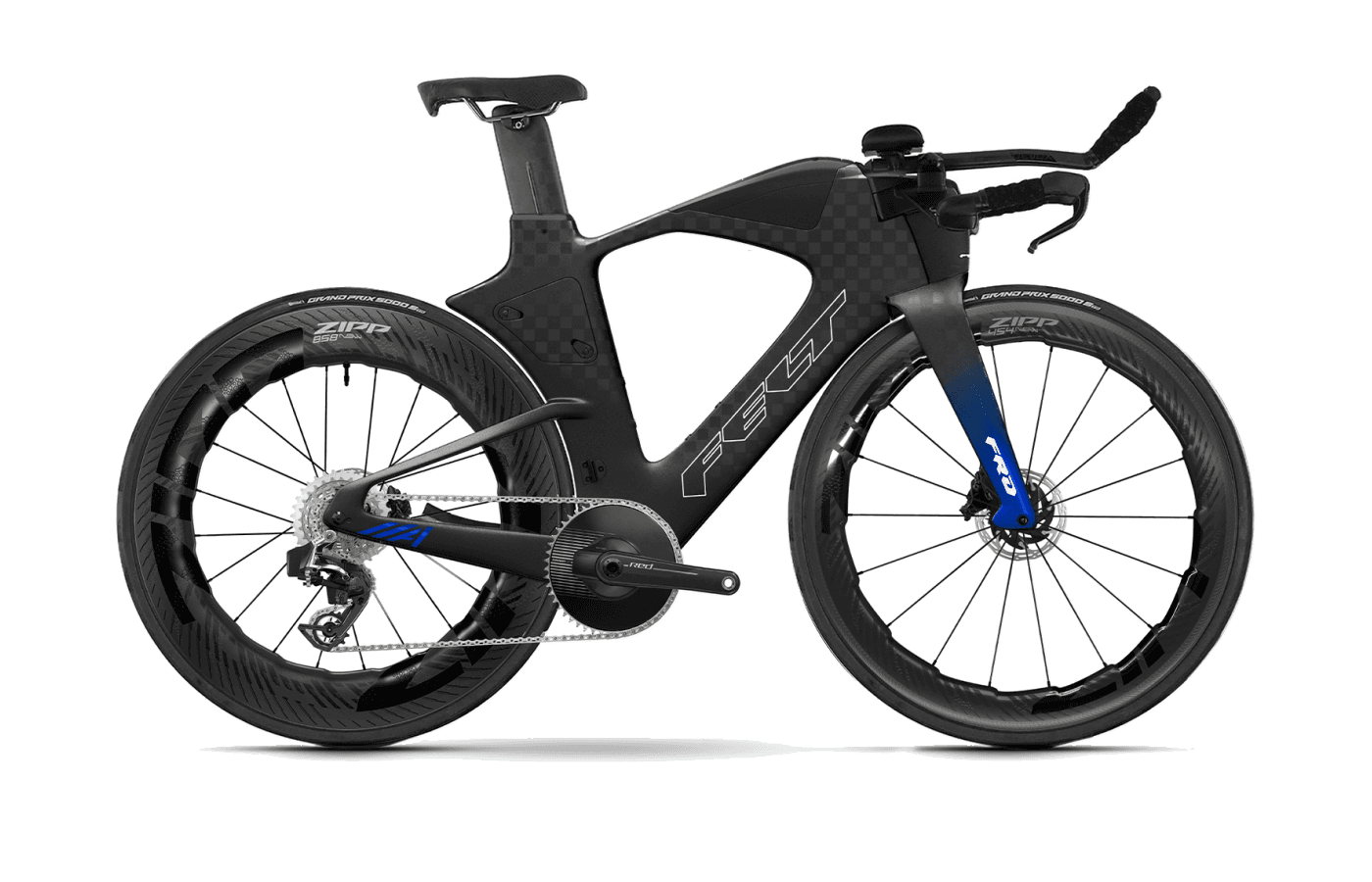
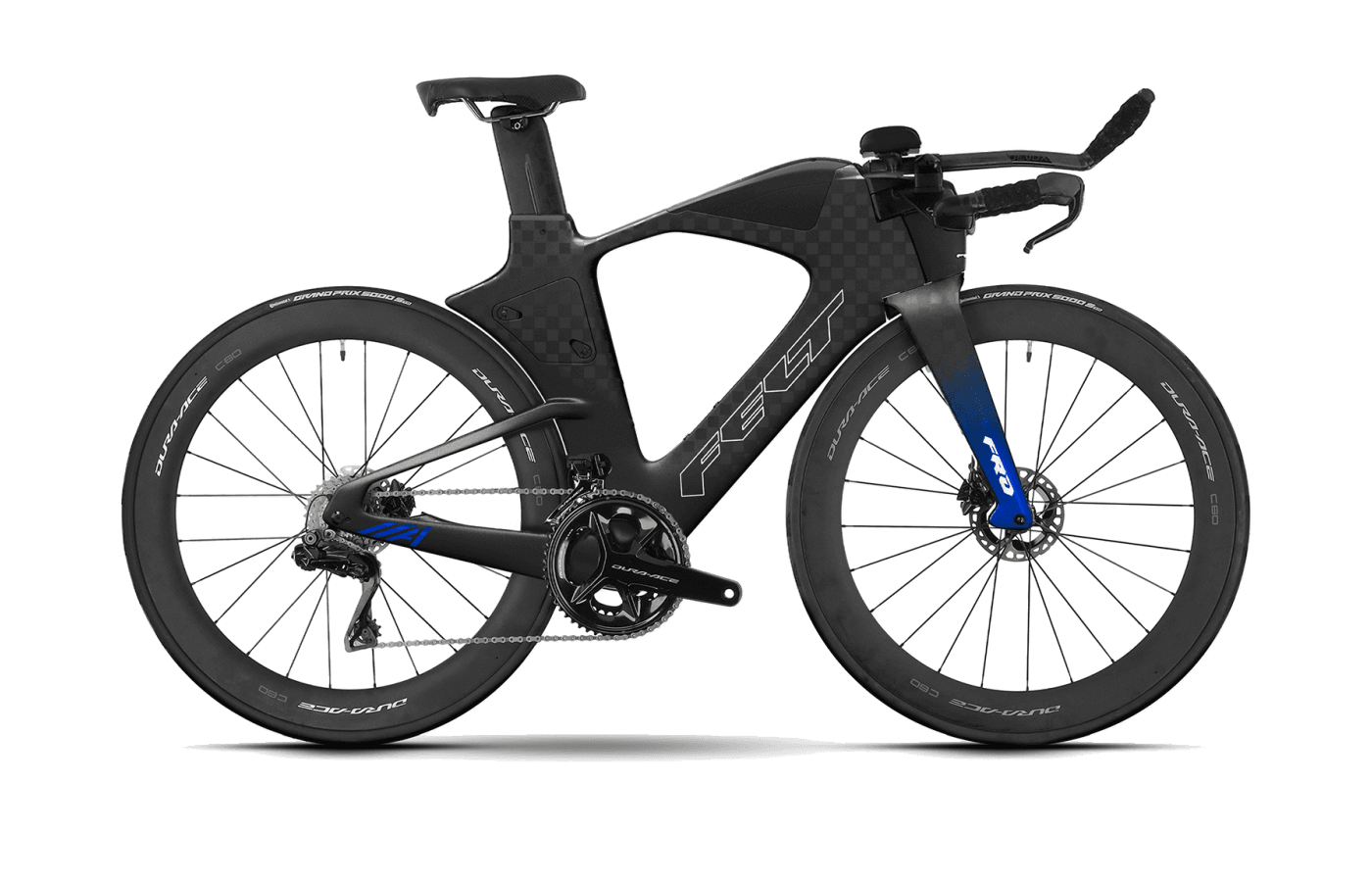
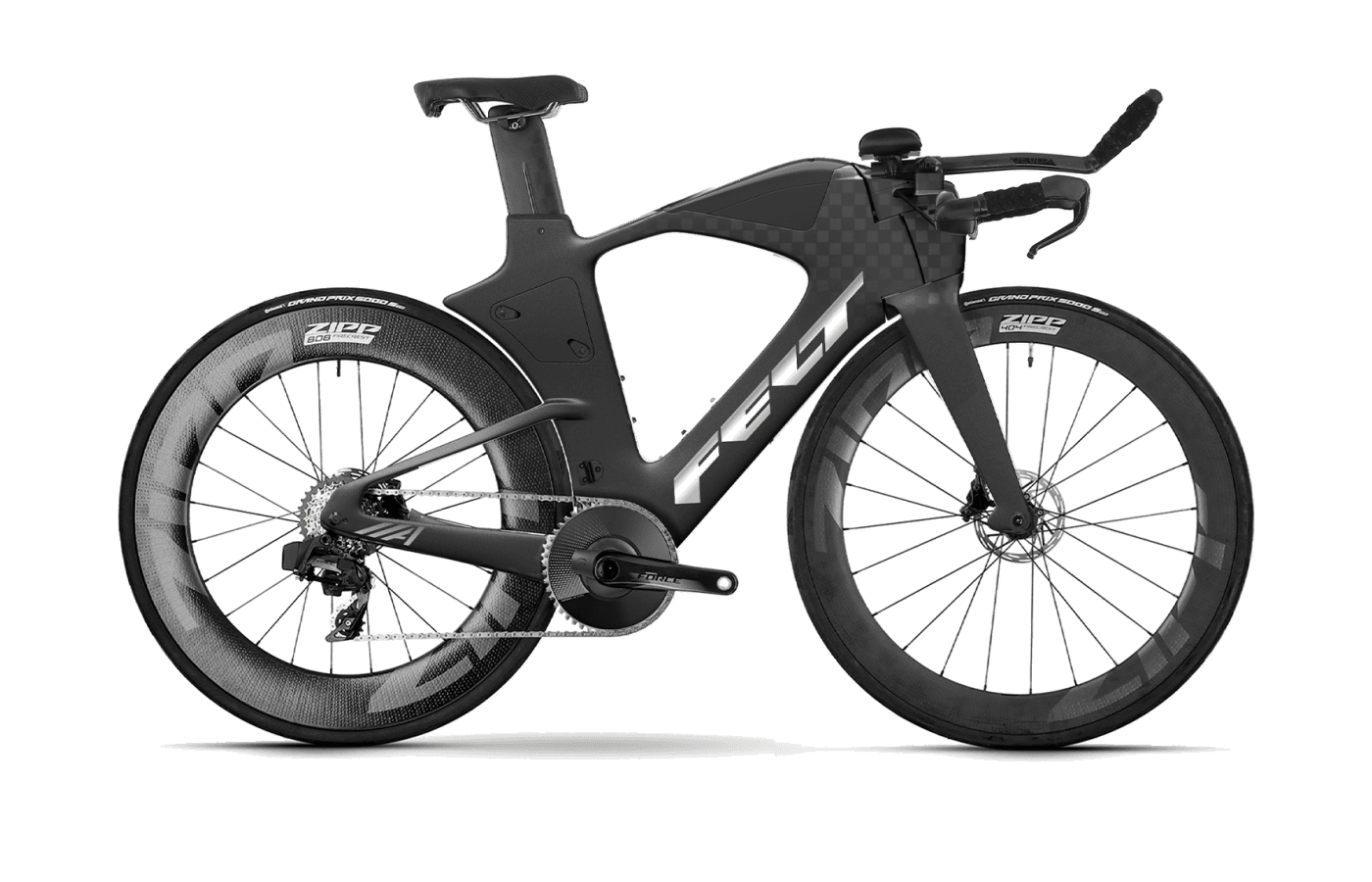
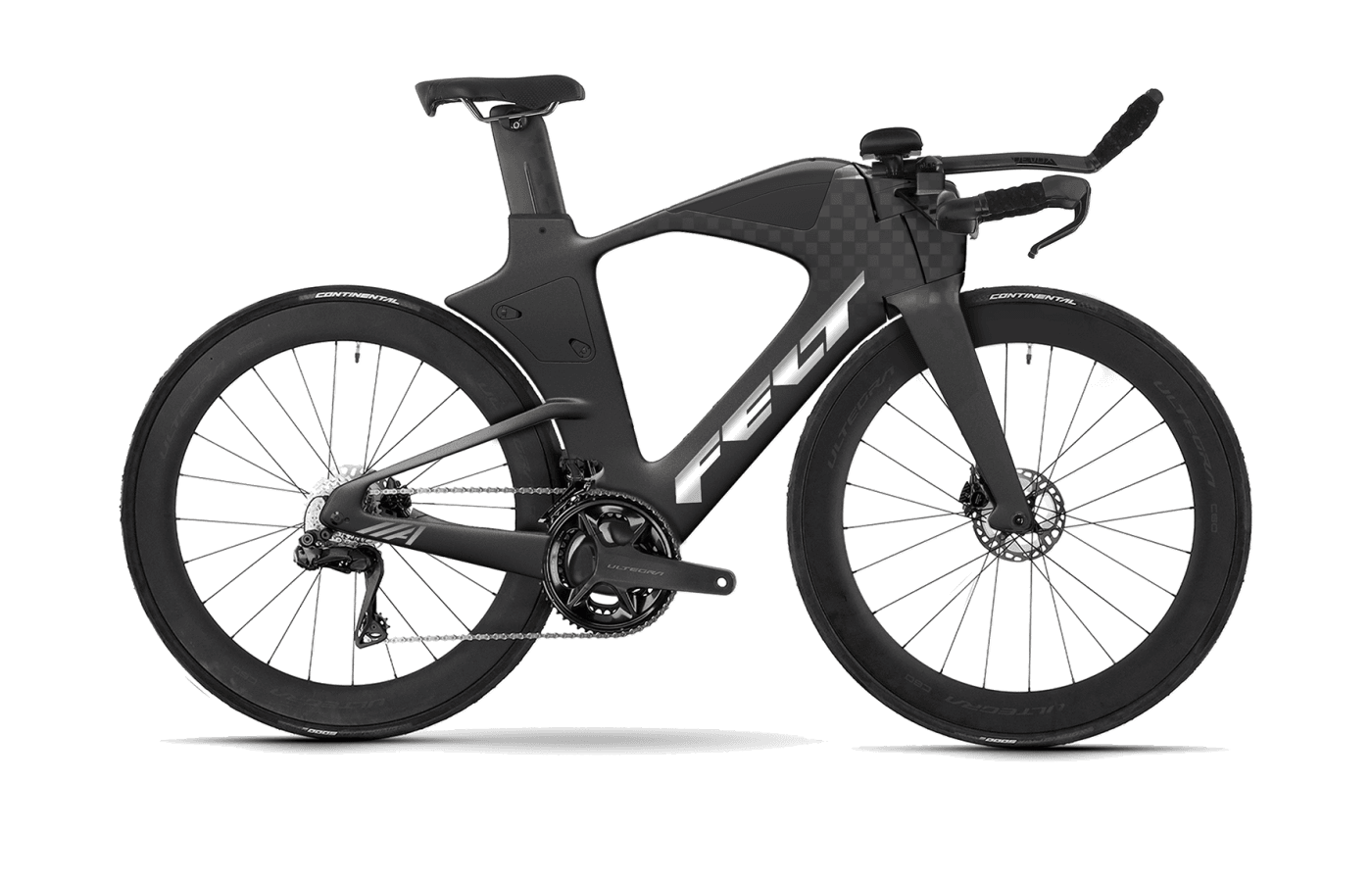
The IA 2.0 range spans from more attainable premium builds to fully uncompromising superbike territory. Listed builds include the 2.0 Expert with Ultegra Di2, 2.0 Pro with SRAM Force AXS, FRD with Dura-Ace Di2, and FRD with SRAM Red AXS. Review coverage also places the Force eTap AXS model at $13,999 and the top Red eTap AXS version at $17,000, making clear that this is an elite-price platform even before moving into the flagship options.
The key spec differences center on drivetrain and wheel level rather than any change in core frame concept. Reviewers highlighted the 1x SRAM AXS builds in particular, praising their simplicity and reduced risk of front-shift issues on race day. Higher-end builds were noted for premium wheel packages such as Zipp 404/808 Firecrest on the Force bike and Zipp 454/858 NSW on the Red model, along with details like a CeramicSpeed BSA bottom bracket and Continental Grand Prix 5000 tires. In practical terms, the value proposition is less about bargain pricing than about buying a fully integrated, race-ready package that needs very little upgrading out of the box.
From the press.
3 reviews from the cycling press.
Reviewers consistently describe the IA 2.0 as unusually refined for such an aggressive triathlon bike. Triathlete called out its smooth ride, light weight, straight-line tracking, and integrated hydration, nutrition, and toolkit storage as standout strengths, while also noting that it handled well both on open roads and through curves. Across reviews, testers were struck by how effectively the bike muted road chatter for a deep-section, non-UCI frame; several attributed that in part to the updated seatpost carbon sleeve and the use of 28 mm tires. That smoother ride was seen as especially relevant for Ironman use, where preserving the rider for the run is more important than making the bike feel sharp in short bursts.
Handling feedback was similarly positive but more nuanced. Reviewers said the IA 2.0 tracks predictably and remains calm in the aero position, yet still turns with more precision than many ultra-integrated tri bikes. One tester described it as cutting "like a scalpel" through tighter turns rather than feeling like a long, sluggish cruiser. The main caveats were crosswinds and acceleration: multiple reviewers noted a predictable lateral pull in stronger gusts, and Triathlete said the bike was less snappy than expected when standing on the pedals or trying to surge. Price was the other unavoidable criticism, with the $17,000 top build repeatedly identified as the elephant in the room even by reviewers who were otherwise highly impressed.