Defy Advanced
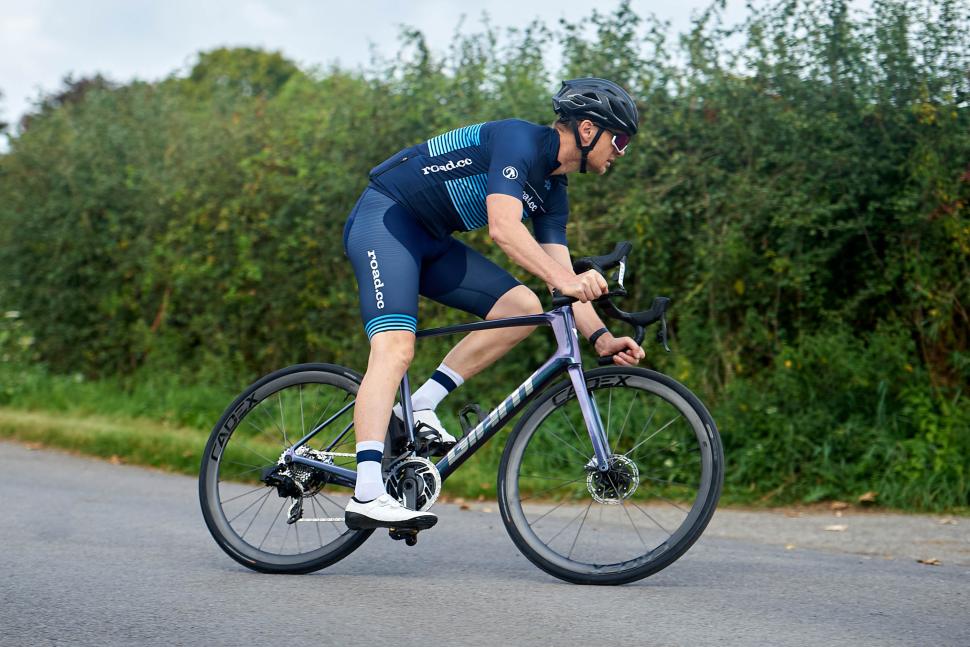
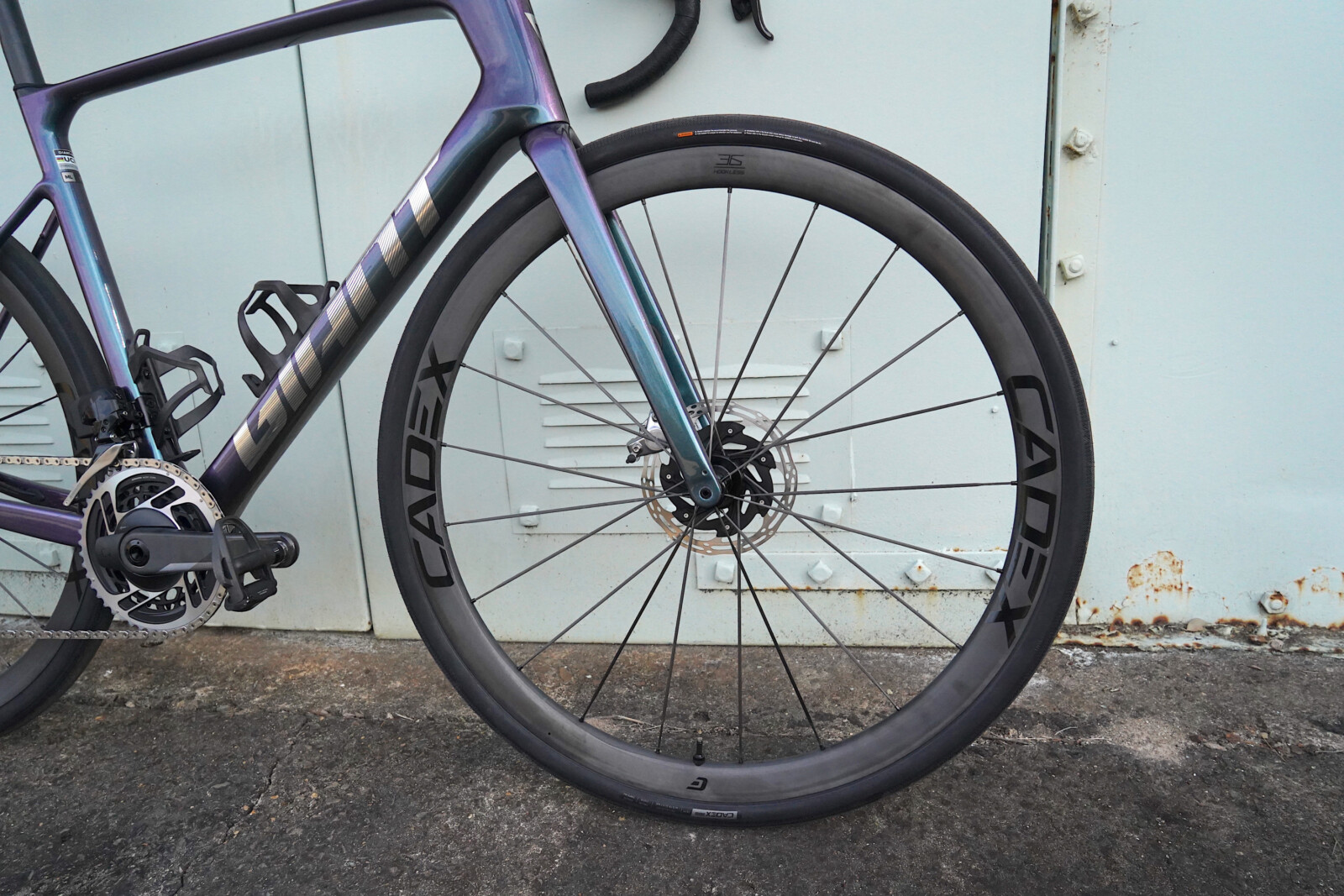
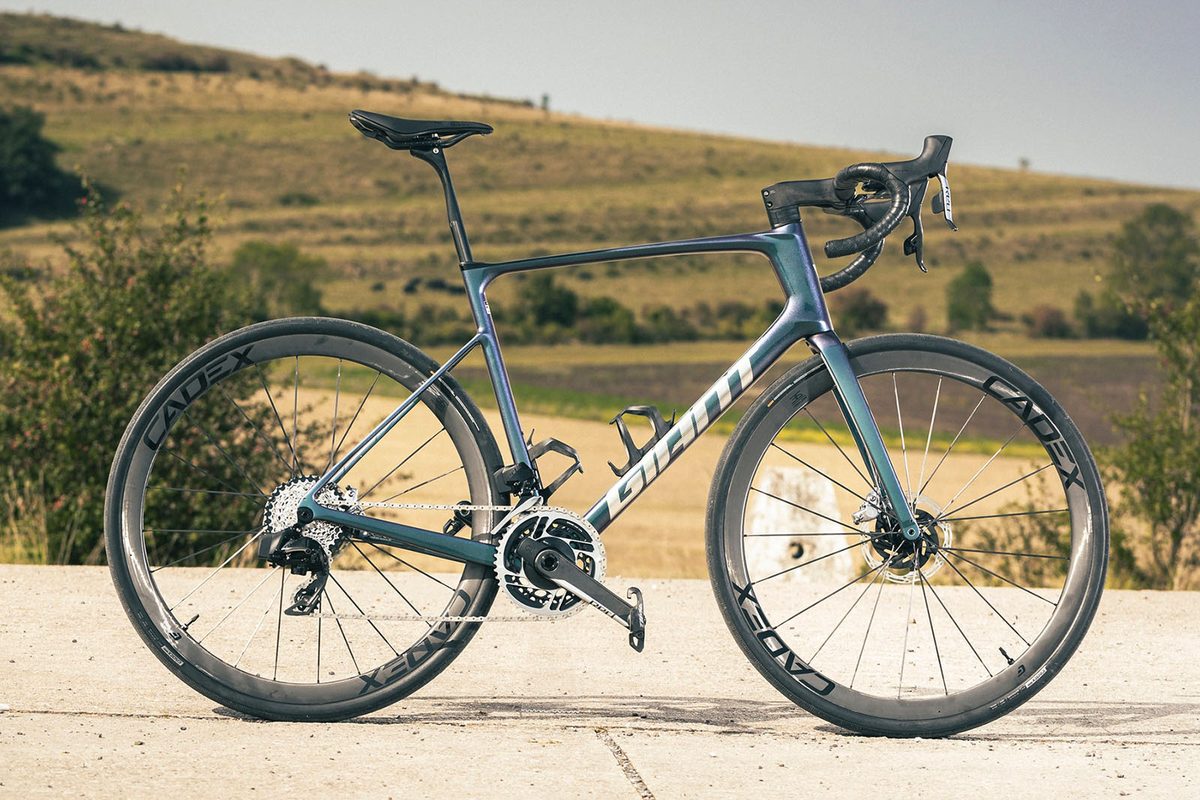
The fifth-generation Giant Defy Advanced is a dedicated endurance road bike that relies on refined carbon engineering rather than mechanical suspension to manage fatigue. Redesigned for the 2024 model year, the platform introduces a lighter frame and a sportier silhouette while retaining its signature D-Fuse flex components. Giant positions the Defy for riders who want the efficiency and aesthetic of a pure race bike but need the compliance to handle long days on imperfect pavement.
By expanding tire clearance to 38mm and introducing a premium Advanced SL tier, Giant has broadened the bike's capability without pushing it into the gravel category. It remains a road-focused machine, prioritizing high-speed stability and vibration damping over off-road versatility.
Geometry & fit.
5 sizes published.
The latest Defy Advanced geometry marks a calculated shift toward a more performance-oriented fit. Giant lowered the stack height by roughly 10mm across most sizes and slightly extended the reach compared to the previous generation. This adjustment allows riders to achieve a more aerodynamic posture, reducing the upright sensation common to traditional endurance frames, while still remaining sustainable for multi-hour efforts.
Handling is shaped by a relatively long wheelbase and a short trail figure. The short trail keeps the initial steering input quick and responsive, while the longer wheelbase resists rapid mid-corner corrections, creating a highly stable platform on fast descents.
The cockpit relies heavily on Giant's proprietary D-Fuse system. The D-shaped seatpost is engineered to flex fore and aft under load, isolating the rider from saddle impacts without introducing unwanted lateral movement. Up front, the matching D-Fuse handlebars feature flattened tops that provide noticeable give when riding on the hoods. However, the use of an oversized, D-shaped steerer tube strictly limits aftermarket stem choices, tying riders to Giant's component ecosystem for fit adjustments.
Where the handlebar sits relative to the bottom bracket — the single most important fit pair.
01Fit geometry6 values
03Handling geometry7 values
Which size should I buy?
Slide your height to see the recommended size. GearWise's fit algorithm works from the published stack, reach, and ETT — the brand's own recommendation may differ.
→Calculated from GearWise's own stack / reach / ETT algorithm — the brand's size chart may recommend a different size, and a proper bike fit beats any calculator.
The lineup.
2 builds, ranging $3,300 – $4,500.
The Defy Advanced lineup is structured around Giant’s Advanced-grade composite frames, with the available builds differentiated primarily by their drivetrains and wheelsets. Both the 0 and 2 builds share the exact same frame, fork, and proprietary D-Fuse carbon seatpost, ensuring the core ride quality remains consistent across the price points.
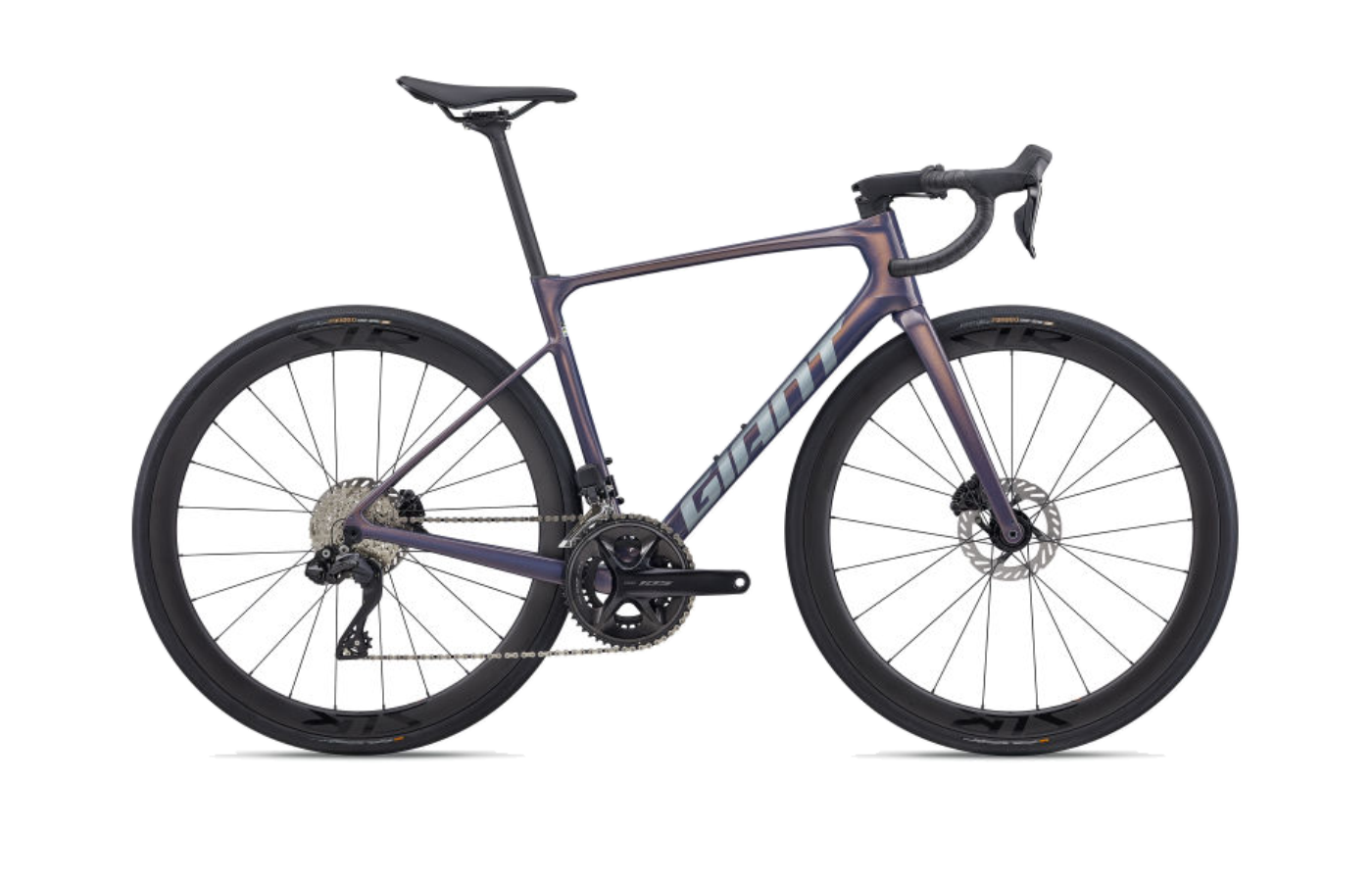
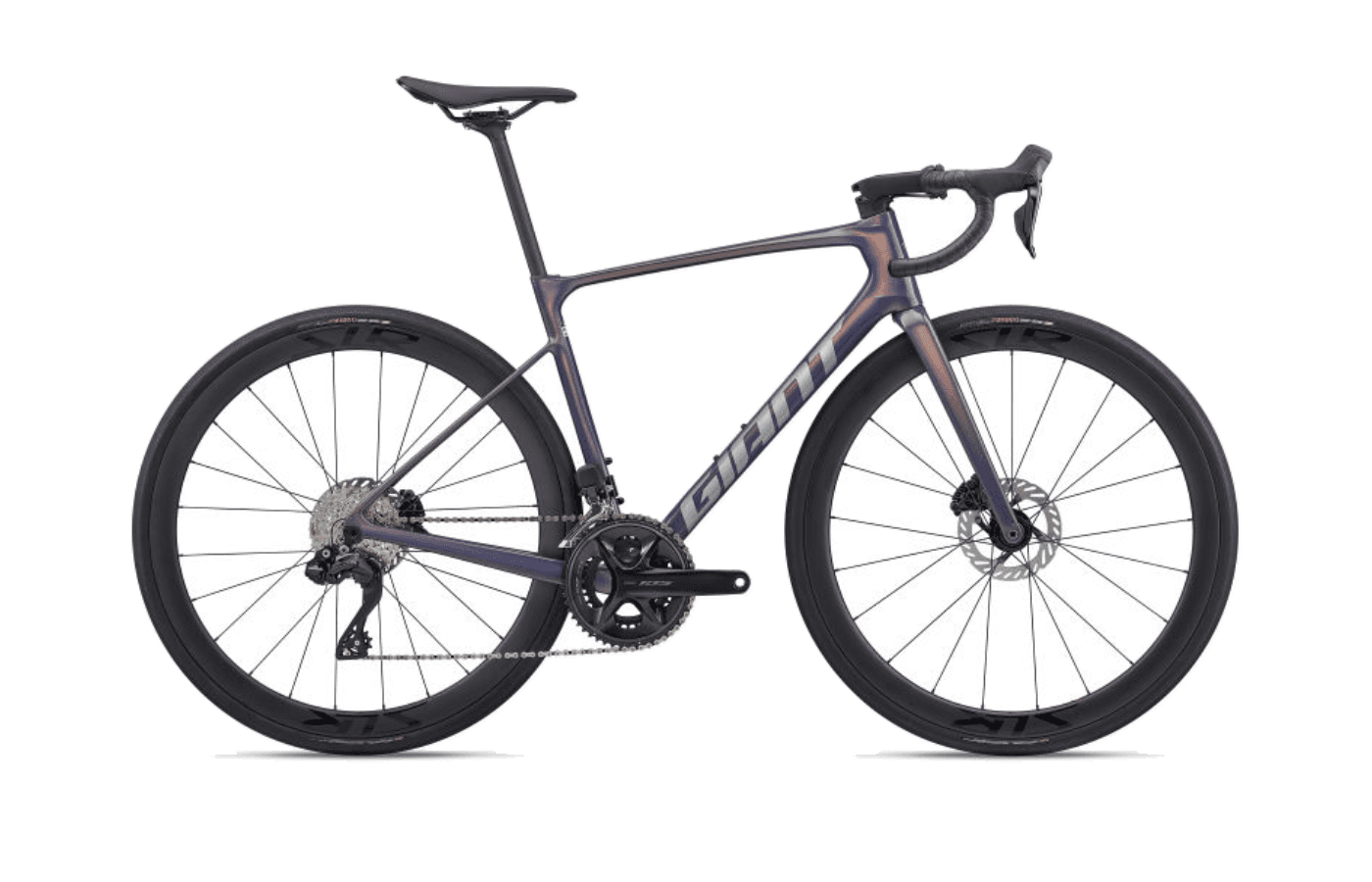
The Advanced 0 build represents the premium option in this tier, featuring a Shimano 105 Di2 electronic groupset for precise, low-effort shifting. It also includes a significant rolling upgrade with Giant’s SLR 2 40 carbon wheelset, which drops weight and adds aerodynamic efficiency compared to standard alloy hoops.
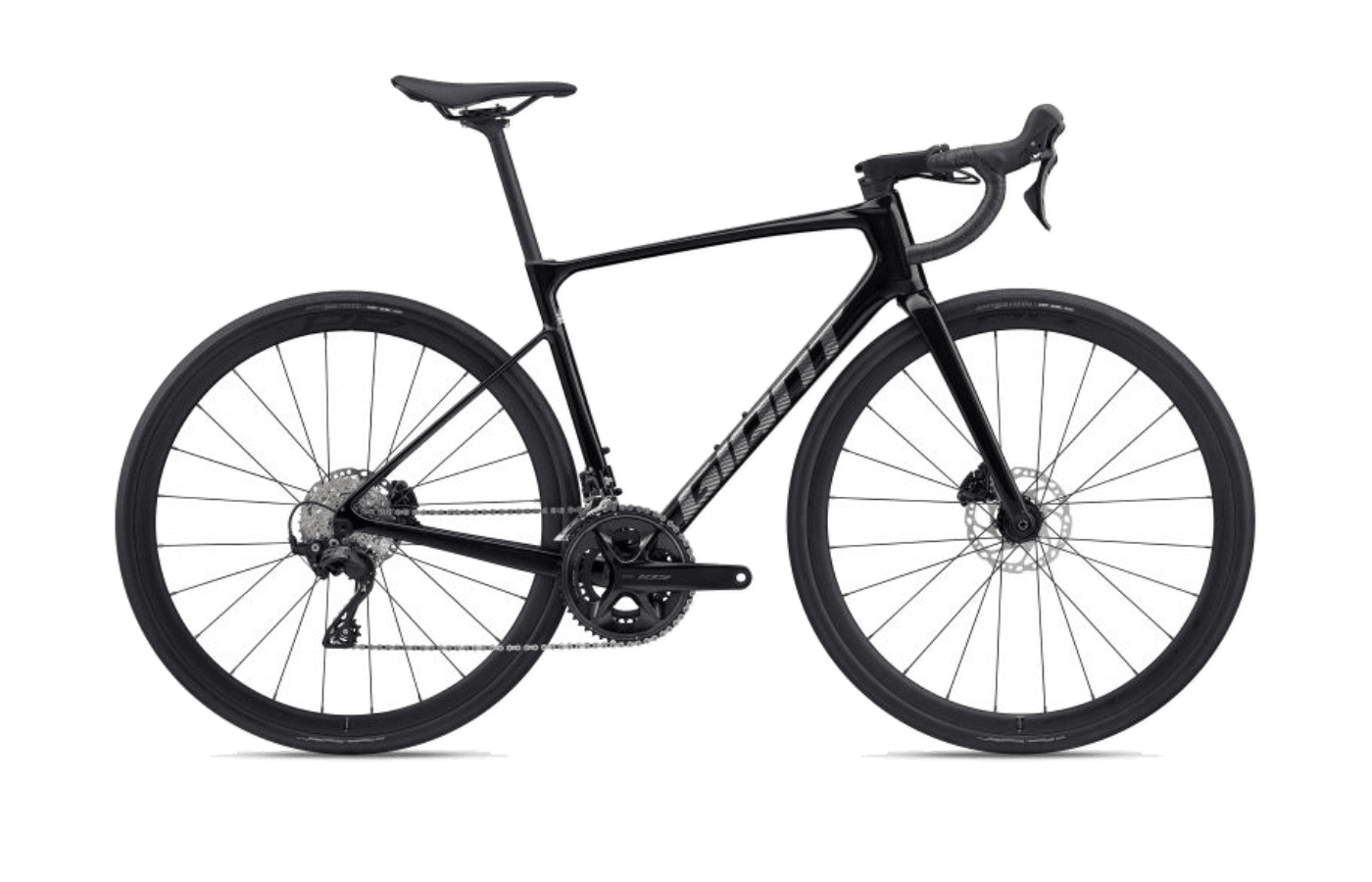
The Advanced 2 build serves as the entry point, utilizing Shimano’s mechanical 12-speed 105 groupset. While it forgoes electronic shifting, it retains the same wide-range 11-36T cassette and 50/34T chainrings, providing identical gearing for steep climbs. The primary compromise on the 2 build is the Giant P-R1 alloy wheelset, which adds rotational weight. Both builds ship with 32mm Giant Gavia Fondo tubeless tires and feature hidden fender mounts, adding practical year-round versatility to the package.
From the press.
11 reviews from the cycling press.
Reviewers consistently praise the Defy Advanced for achieving high-level compliance without the weight or complexity of proprietary suspension systems. The frame and D-Fuse components work together to mute road chatter, resulting in a ride that "wafts" (Road.cc) over ruined asphalt. Rather than feeling muted or disconnected, testers found the bike maintains a "cohesive liveliness" (Cyclist Magazine) that responds eagerly to pedal inputs. However, it remains a dedicated pavement machine; one reviewer described the ride quality as "composed-but-not-cushy" (Escape Collective), noting that the front end can feel stiff if pushed onto rougher gravel paths.
Handling is widely regarded as highly stable at speed, benefiting from a relatively long wheelbase and generous fork rake. This geometry excels on fast descents and sweeping corners, but it introduces a minor tradeoff in low-speed agility. In tight, technical hairpins, the steering can feel "demanding" (Granfondo) or slightly sluggish compared to a pure race bike.
A recurring critique across multiple reviews centers on the stock tires found on mid-range and entry-level builds. While they offer excellent grip, testers noted they can feel sluggish, suggesting an eventual tire upgrade is the easiest way to maximize the frame's performance.

Giant Defy Advanced SL 1 - Cycling News | Bike Reviews - Road.cc
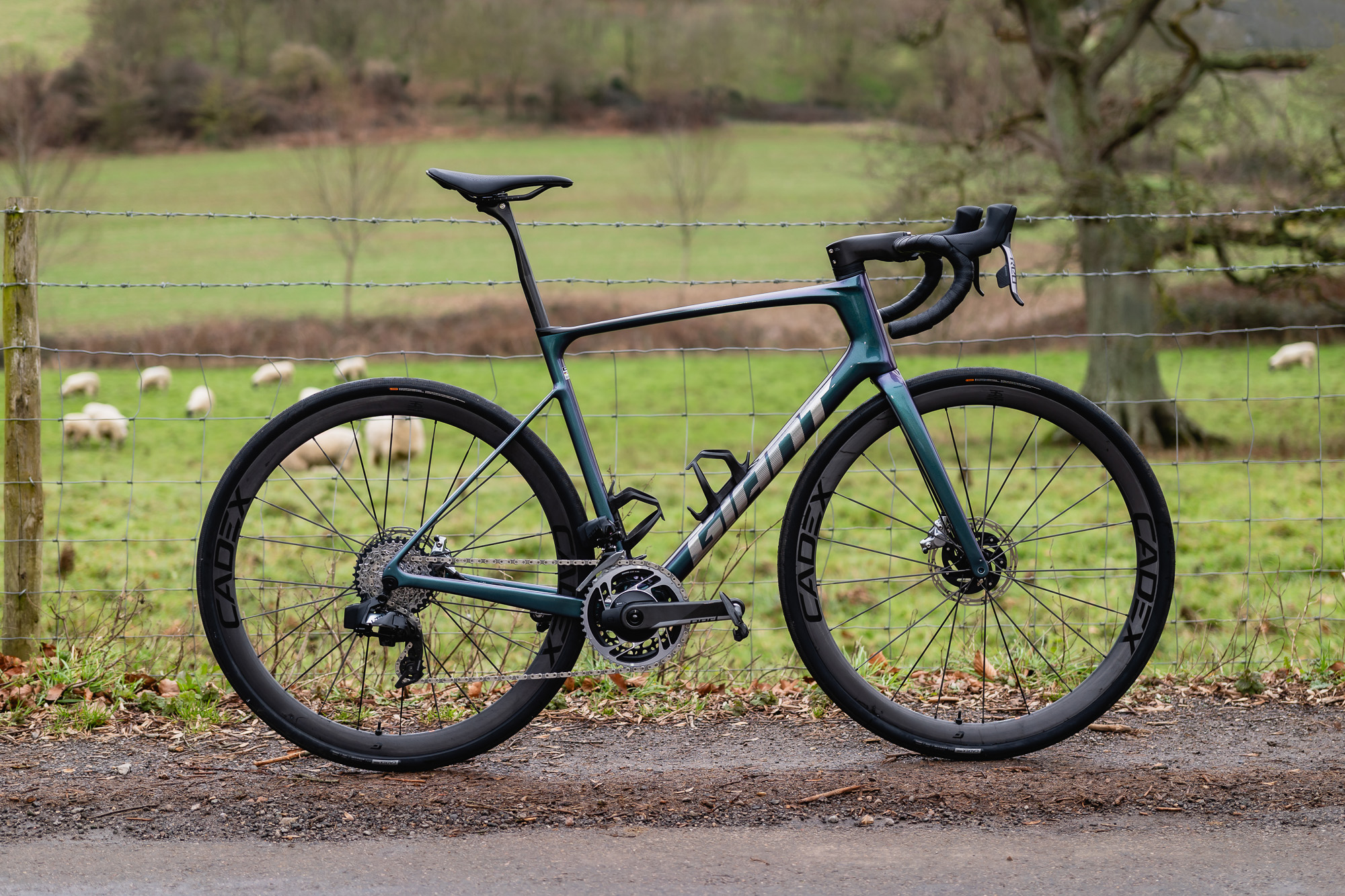
Giant Defy Advanced SL 0 review - Cyclist
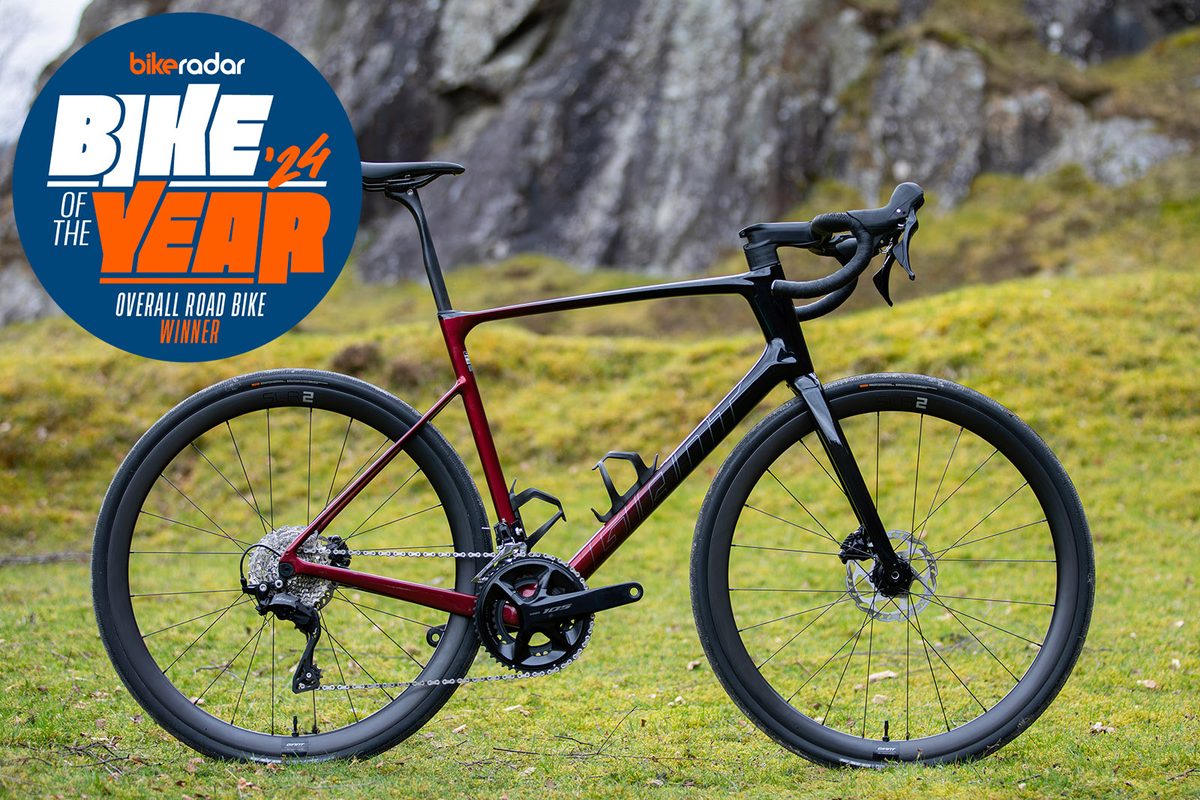
Giant Defy Advanced Pro 2 review | Road Bike of the Year winner
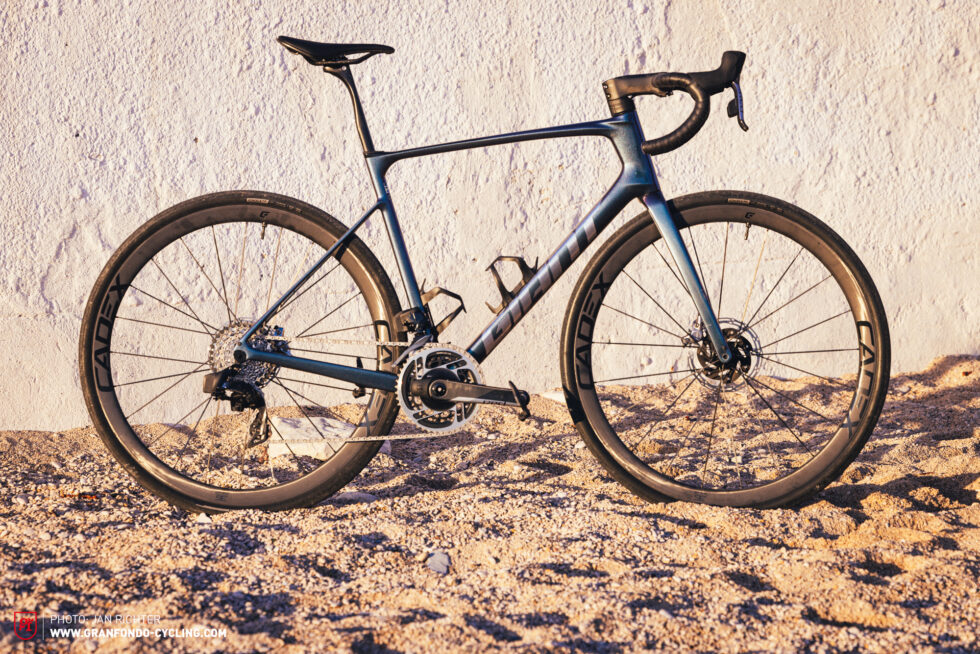
2024 GIANT Defy Advanced SL – More than just a pretty face?
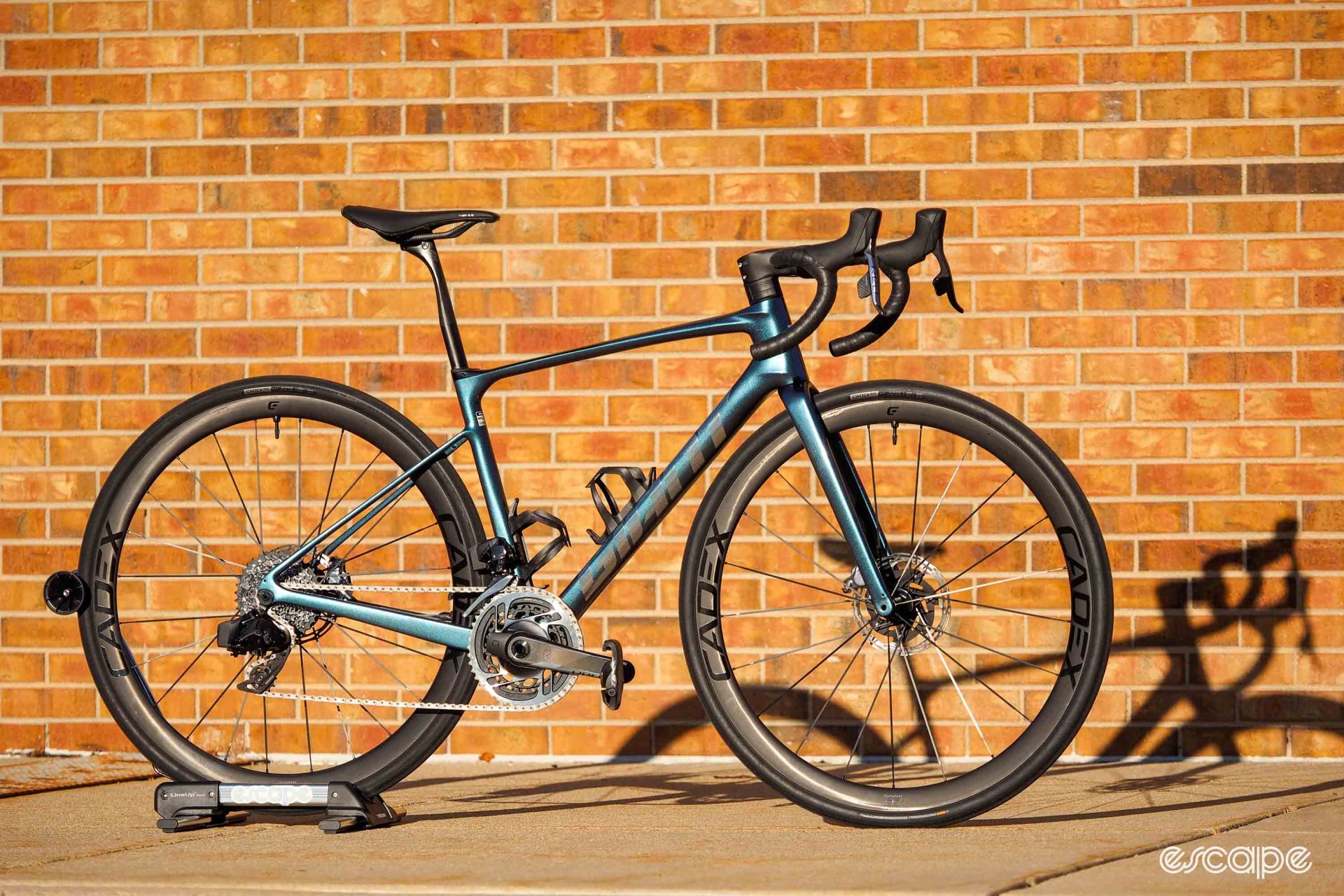
Review: 2024 Giant Defy Advanced stays the course with steady ...
Tested: The 2024 Giant Defy - Bicycling Australia

Cyclonline.com
Giant Defy Advanced SL 0 2023 2024 road test review opinions pros and cons everything you need to know

2024 Giant Defy Advanced Pro 2 Shimano 105 road test review opinions pros and cons everything you need to know
Giant Defy Advanced SL 0 review