Giant
Glory Advanced(2025)
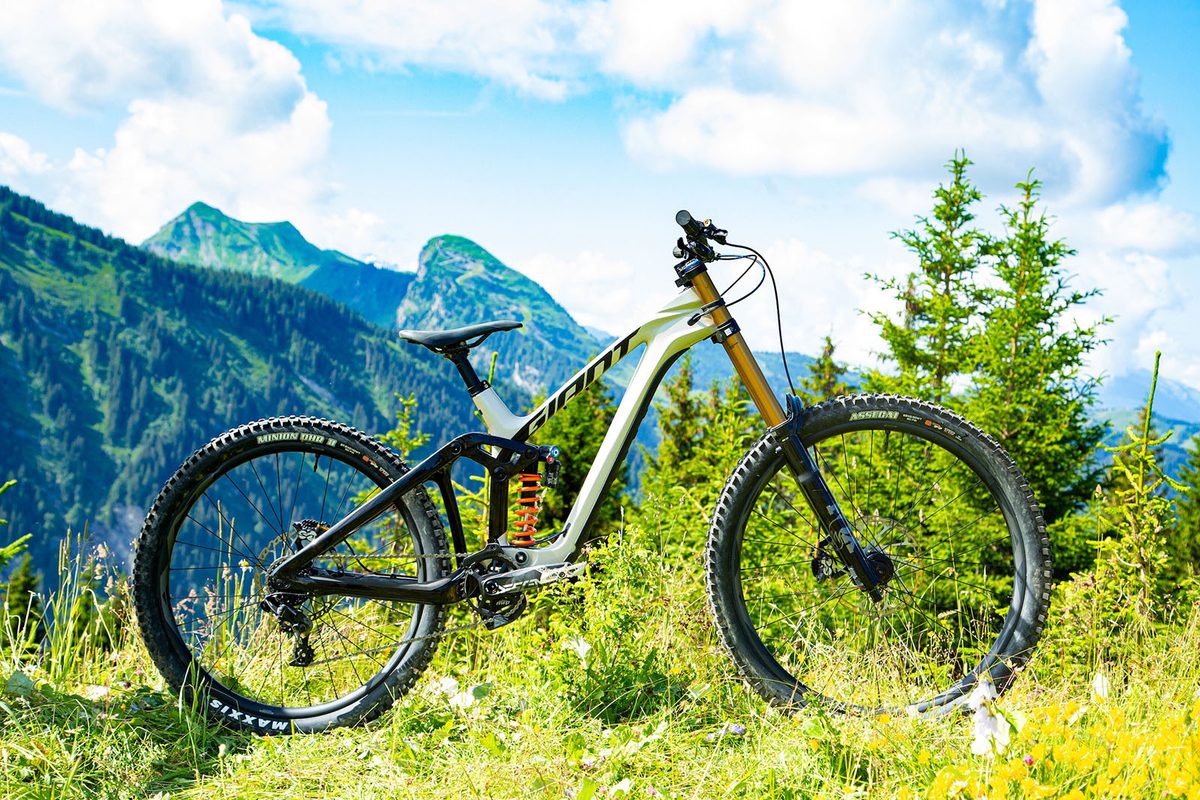
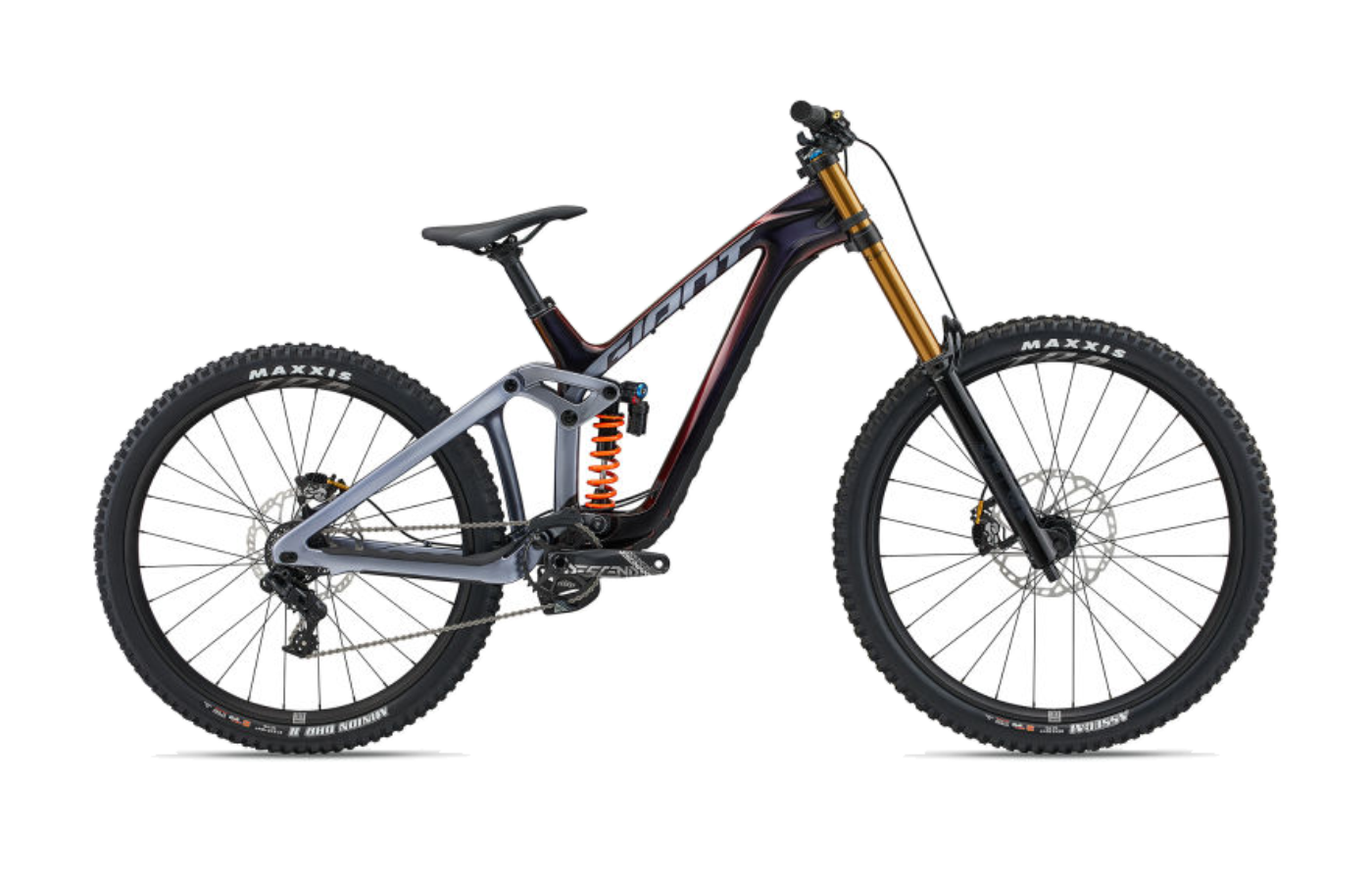
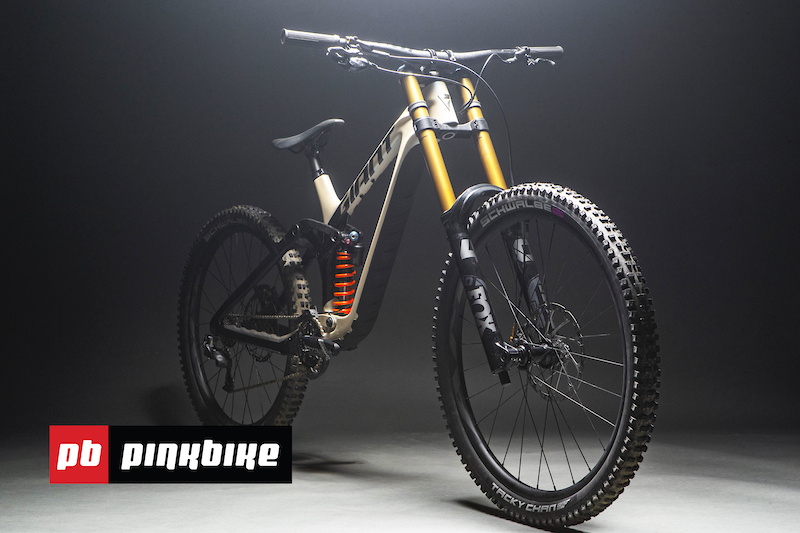
The fifth-generation Giant Glory Advanced marks a significant shift for the brand’s flagship downhill platform, arriving as a ground-up redesign built around a full-composite chassis. Developed over multiple seasons on the World Cup circuit, this iteration pairs 200mm of Maestro rear suspension with a 203mm dual-crown fork. Giant ships the bike in a mixed-wheel configuration, though the frame accommodates a full 29-inch setup for riders seeking maximum rollover speed.
The defining characteristic of this generation is its extensive built-in adjustability, allowing racers and park riders to manipulate the geometry without relying on aftermarket components. With its highly tunable nature, the Glory Advanced is positioned for gravity riders who want to meticulously adapt their setup to specific tracks, balancing the demands of steep, technical race courses with the agility needed for heavily sculpted bike park terrain.
Spec sheet.
Every component shipped with this build.
Geometry & fit.
4 sizes published.
The Glory Advanced is defined by its highly malleable geometry, utilizing three distinct flip-chip systems to alter the bike's shape. A three-position linkage chip adjusts the bottom bracket height and head tube angle, a headset cup system offers reach adjustments, and a rear dropout chip modifies the chainstay length. In its slackest stock setting, the head tube angle drops to a remarkably relaxed 61.6 degrees.
This extreme slackness, combined with a notably low stack height, dictates a very specific rider posture. To maintain front-wheel traction and mitigate low-speed steering wander, riders must adopt an aggressive, forward-biased stance. The stock mixed-wheel setup naturally shifts weight rearward, which can make the front end feel unweighted unless the rider actively drives their mass over the bars. To counter this, testers frequently preferred steeper linkage settings or swapped to a 29-inch rear wheel to sharpen the handling and bring the rider’s weight into a more neutral, balanced position between the axles.
Where the handlebar sits relative to the bottom bracket — the single most important fit pair.
01Fit geometry6 values
03Handling geometry7 values
Which size should I buy?
Slide your height to see the recommended size. GearWise's fit algorithm works from the published stack, reach, and ETT — the brand's own recommendation may differ.
→Calculated from GearWise's own stack / reach / ETT algorithm — the brand's size chart may recommend a different size, and a proper bike fit beats any calculator.
The lineup.
1 build, ranging $5,999.
Giant offers the Glory Advanced in a single, premium build that pairs a high-end suspension package with a mix of workhorse and budget-conscious components. The clear highlight of the spec sheet is the Fox Factory suspension, featuring a 40 fork with the GRIP2 damper and a DHX2 coil shock. This pairing provides the extensive high- and low-speed adjustability expected on a dedicated race bike. The drivetrain relies on SRAM's proven GX DH 7-speed group, while stopping duties are handled by Shimano Saint brakes.
However, reviewers consistently pointed out cost-cutting measures that detract from the bike's overall value. Despite the premium brakes, Giant specs basic stamped steel Shimano rotors rather than higher-tier IceTech versions, which testers found prone to overheating and vibration. The in-house Giant AM30 alloy wheelset also drew universal criticism for its soft construction, with rims denting and requiring frequent truing after just a few days of park riding. Finally, the frame's compact linkage design makes accessing the rear shock's high-speed rebound dial exceptionally difficult, often requiring a hex key rather than fingers to make adjustments.
From the press.
4 reviews from the cycling press.
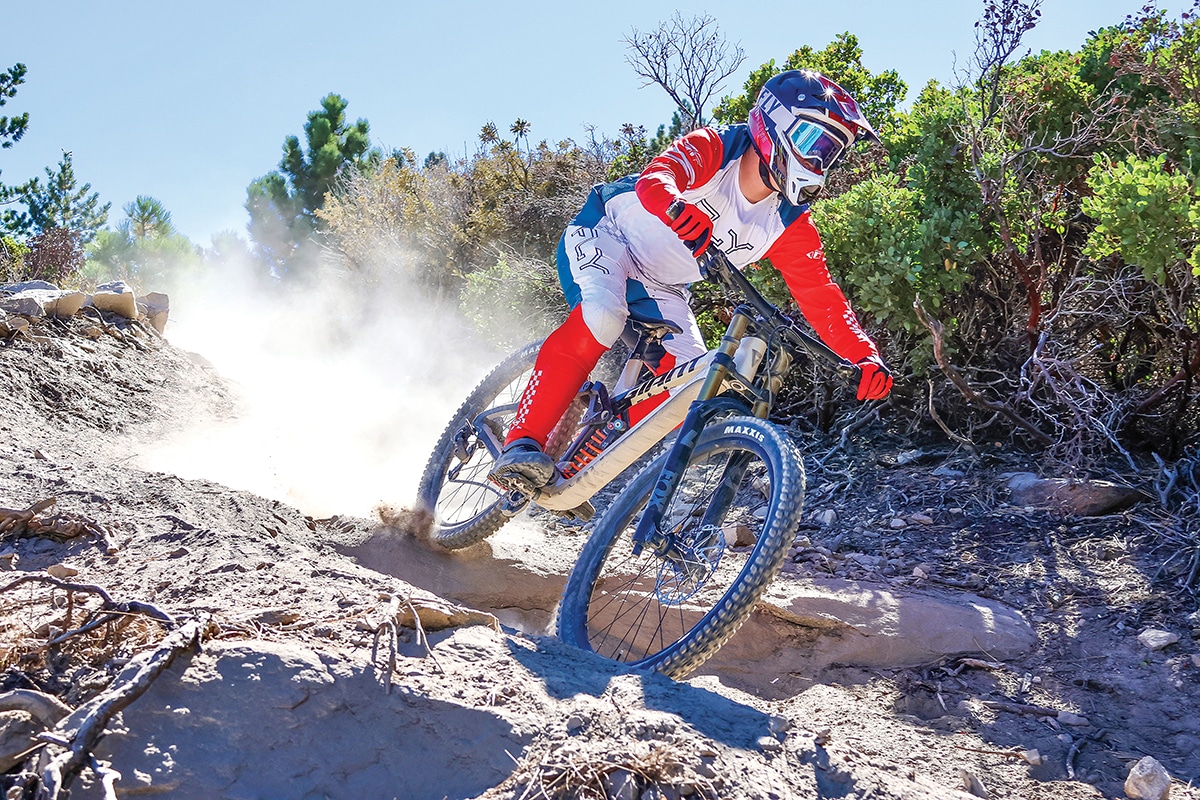
Reviewers present a sharply divided consensus on the Glory Advanced, revealing a chassis that behaves very differently depending on setup and rider preference. On flow trails and jump lines, the Maestro suspension platform earns praise for its supportive mid-stroke. Testers found it "easy to get along with" (BikeRadar), noting that the bike generates speed efficiently when pumped through rollers and berms. In these scenarios, the stock mixed-wheel configuration contributes to a highly maneuverable, agile ride character.
However, the stock geometry draws significant criticism in steep or slow technical terrain. Multiple reviewers experienced unpredictable steering, with one noting a pronounced "wheel flop" (PinkBike) that makes the front end difficult to weight properly. The suspension kinematics also polarized testers. While some praised the shock tune for erasing trail chatter, others found the high initial anti-squat generated harsh pedal kickback. This led to a sensation of "busy feet and bangs" (PinkBike) on square-edged hits, rather than a smooth, isolating ride.
Additionally, aggressive riders warned that the rear suspension lacks sufficient end-stroke progression. Heavy compressions and flat landings can result in harsh bottom-outs, meaning that "your ankles won’t be happy" (Enduro MTB) after a long day of park riding without careful shock tuning.
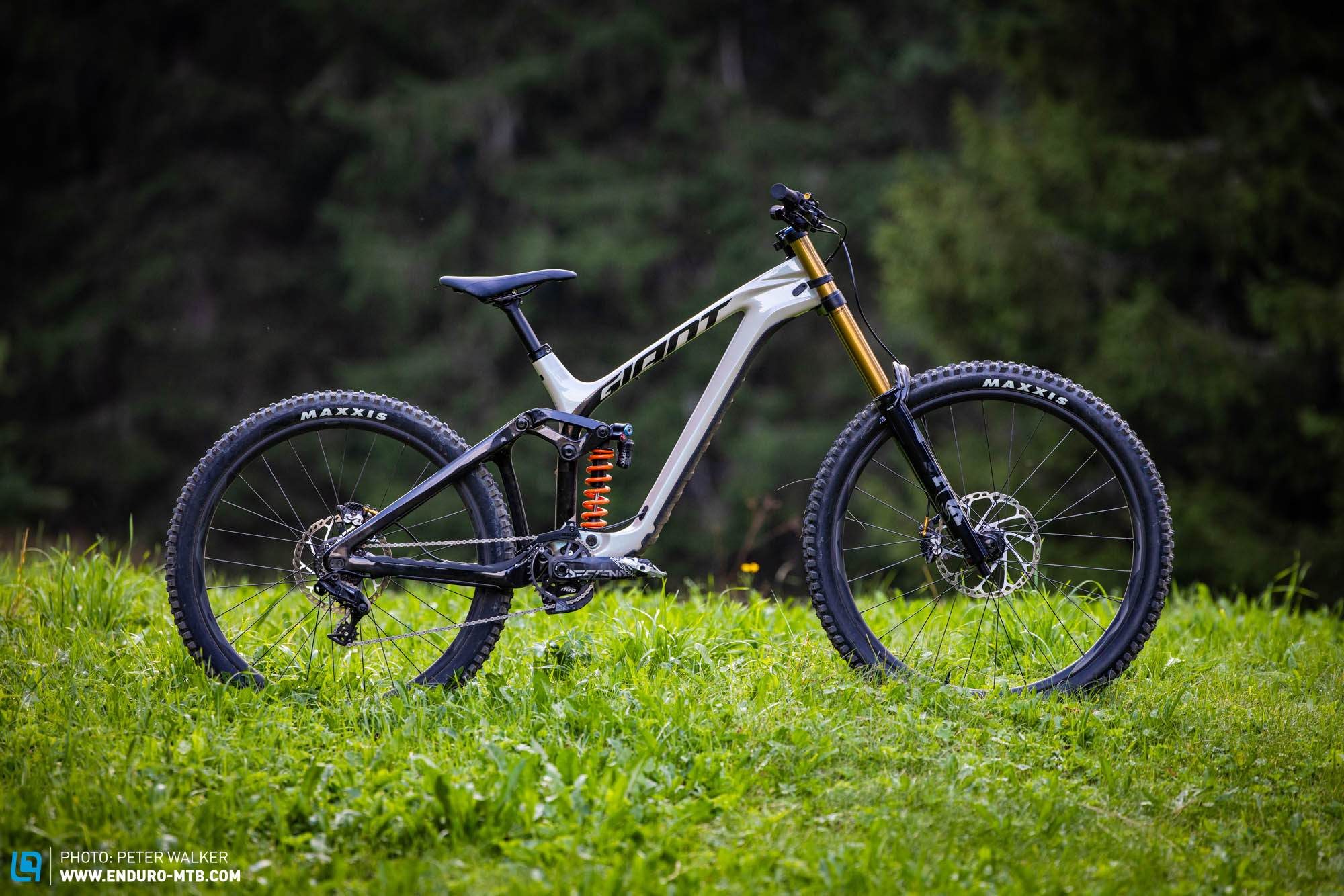
GIANT Glory Advanced – In our 2025 downhill comparison test | ENDURO Mountainbike Magazine
DH Field Test: Giant Glory - Versatile, or Conflicted? - Pinkbike
GIANT GLORY ADVANCED DOWNHILL BIKE REVIEW - Mountain Bike Action Magazine