Propel Advanced Pro
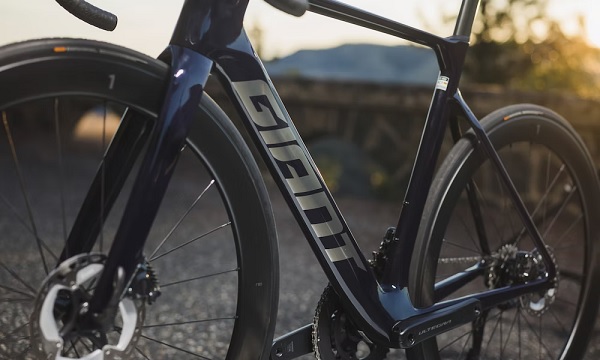
The 2023 Giant Propel Advanced Pro marks a distinct shift in the brand’s aerodynamic racing platform. Moving away from the hyper-specialized, flat-course focus of its predecessors, this generation is designed to be a more versatile race bike that balances drag reduction with real-world usability. Visually defined by a significantly slimmer rear triangle and a cleaner, fully internal cockpit routing system, the frame prioritizes a smoother ride and easier maintenance. While it retains the aggressive posture and sharp power transfer expected of a dedicated aero machine, it is built to handle varied terrain, including rolling hills and technical descents. Positioned just below the flagship SL tier, the Advanced Pro utilizes a standard adjustable carbon seatpost rather than an integrated seatmast, making it a highly practical option for competitive amateurs, triathletes, and privateer racers who travel frequently and need straightforward fit adjustments.

Geometry & fit.
6 sizes published.
The Propel Advanced Pro utilizes an aggressive race geometry designed to put the rider in a low, aerodynamic posture. Across the size range, the reach is relatively long and the stack is low, demanding a flexible, forward-leaning position typical of professional-level road racing. The steep seat tube angles help position the rider directly over the bottom bracket for optimal power output, while the short chainstays keep the rear wheel tucked in tightly for rapid acceleration.
Handling is dictated by a steep head tube angle and low trail figures in the larger sizes, resulting in quick, responsive steering inputs. The front end features Giant’s OverDrive Aero steerer and a proprietary two-piece aero cockpit that routes hoses fully internally. While this cleans up the airflow and aesthetics, it does limit aftermarket stem and handlebar choices to Giant’s ecosystem. Fit adjustments are simplified at the rear, where the Advanced Pro employs the Giant Vector carbon seatpost. This post offers a reversible offset, allowing riders to fine-tune their saddle setback for either traditional road racing or a more forward triathlon position.
Where the handlebar sits relative to the bottom bracket — the single most important fit pair.
01Fit geometry6 values
03Handling geometry7 values
Which size should I buy?
Slide your height to see the recommended size. GearWise's fit algorithm works from the published stack, reach, and ETT — the brand's own recommendation may differ.
→Calculated from GearWise's own stack / reach / ETT algorithm — the brand's size chart may recommend a different size, and a proper bike fit beats any calculator.
The lineup.
1 build, ranging $7,500.
The Advanced Pro tier sits in the middle of the Propel lineup, offering the same aerodynamic tube shapes and tire clearance (up to 32mm) as the top-tier SL frames, but utilizing a slightly heavier carbon layup and a standard seatpost. This makes the Advanced Pro a strong value proposition for racers who want high-end aerodynamics without the premium price or travel complications of an integrated seatmast.
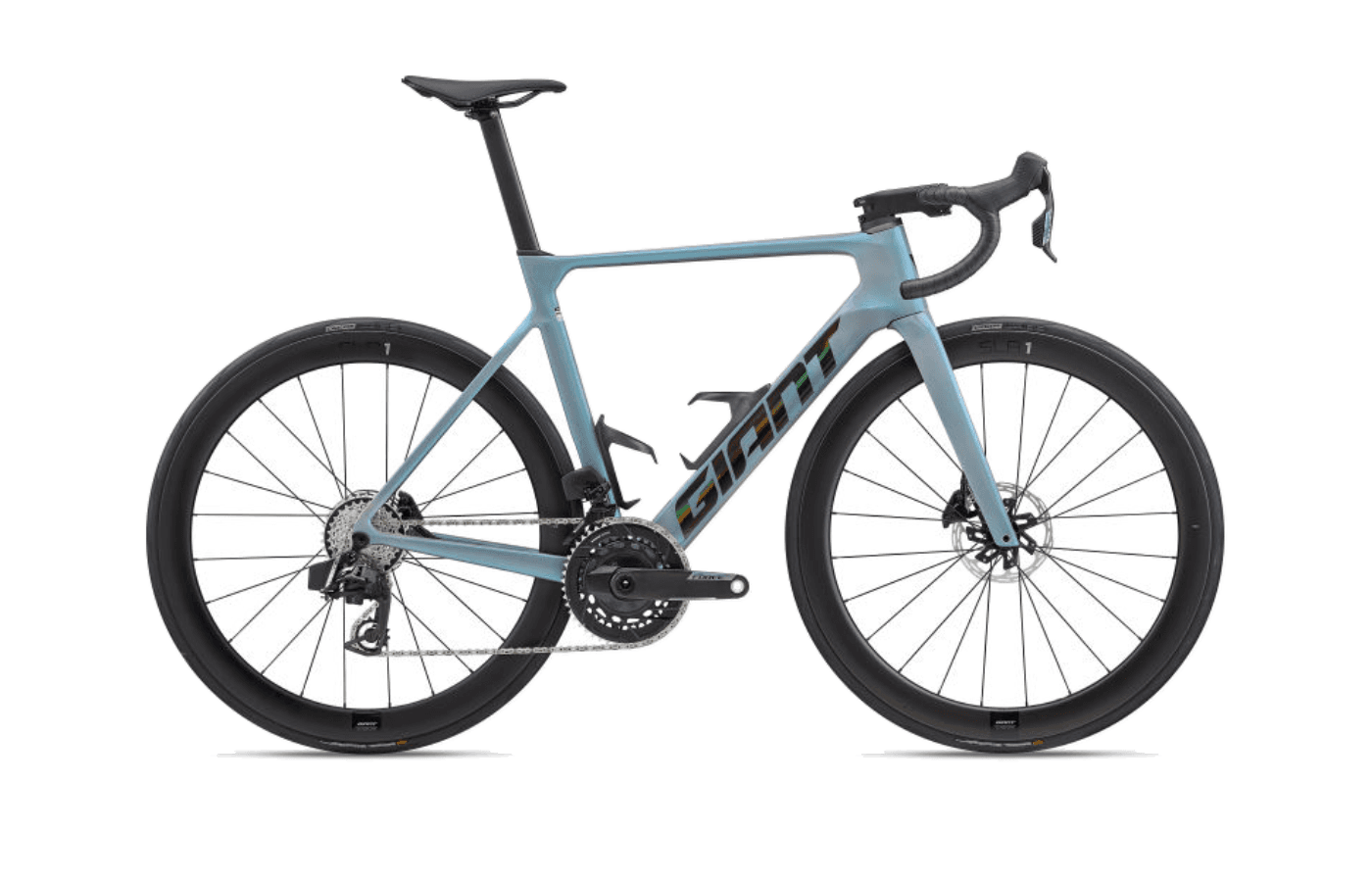
Builds at this level rely heavily on Giant’s in-house component ecosystem, which helps keep the overall price competitive. The available 0 AXS build features a complete SRAM Force AXS wireless electronic groupset, notably including an integrated crank-based power meter straight from the factory. Rolling stock consists of Giant’s own SLR 1 50 carbon disc wheels paired with 28mm Cadex tubeless tires, providing a deep aerodynamic profile that complements the frame. While reviewers note a distinct performance gap between these well-equipped Advanced Pro models and the heavier entry-level base builds, this specific tier hits a sweet spot, delivering race-ready carbon wheels, integrated power measurement, and fully hidden routing out of the box.
From the press.
1 review from the cycling press.
Reviewers note that the current Propel Advanced Pro trades a fraction of absolute aerodynamic rigidity for a highly refined, composed ride quality. On the road, the bike feels distinctly smoother than older aero platforms, effectively muting high-frequency buzz without isolating the rider from the tarmac. Testers found the handling to be highly predictable, noting that the chassis is "easier to drive" (Cyclonline) on rougher surfaces and through high-speed sweepers. This stability makes the bike "less nervous" (Cyclonline) during technical descents, allowing racers to maintain speed without constantly wrestling the front end.
While it climbs efficiently for an aero bike, reviewers emphasize that it remains a purpose-built racing tool. The frame is "less stiff than other competitors, but more versatile" (Cyclonline), making it an excellent choice for varied race profiles rather than purely flat criteriums. However, testers caution that the improved compliance does not turn it into an endurance bike. It is still a "rigid and uncomfortable bicycle in absolute terms" (Cyclonline) when compared to non-racing models, intended primarily for competitive athletes who prioritize power transfer and speed over plushness.