TCR Advanced
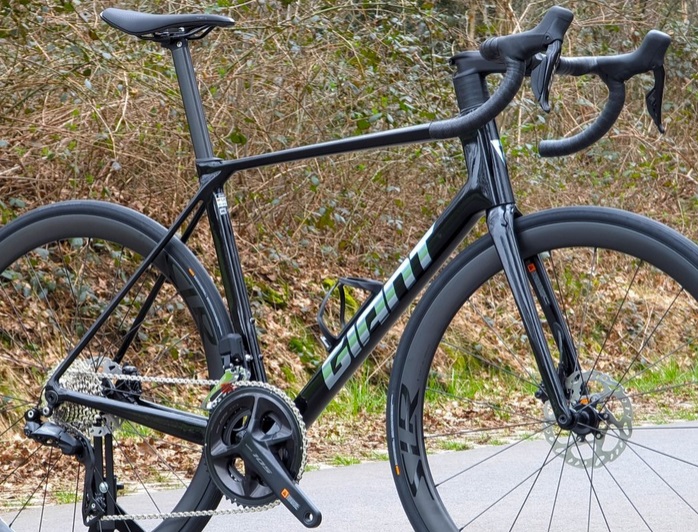
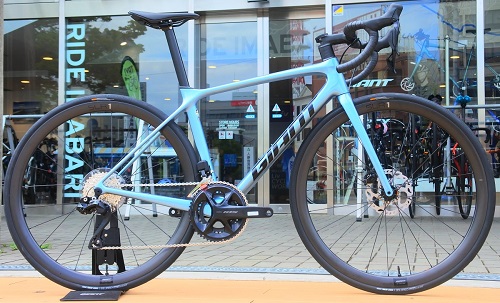
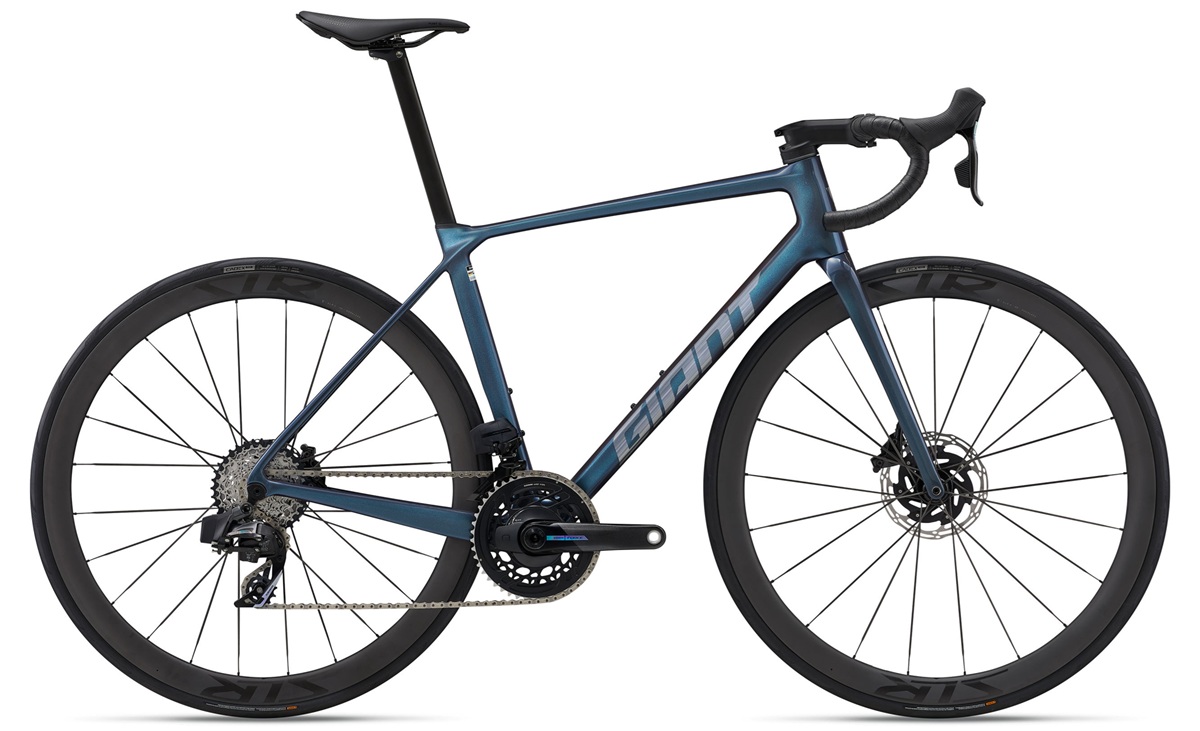
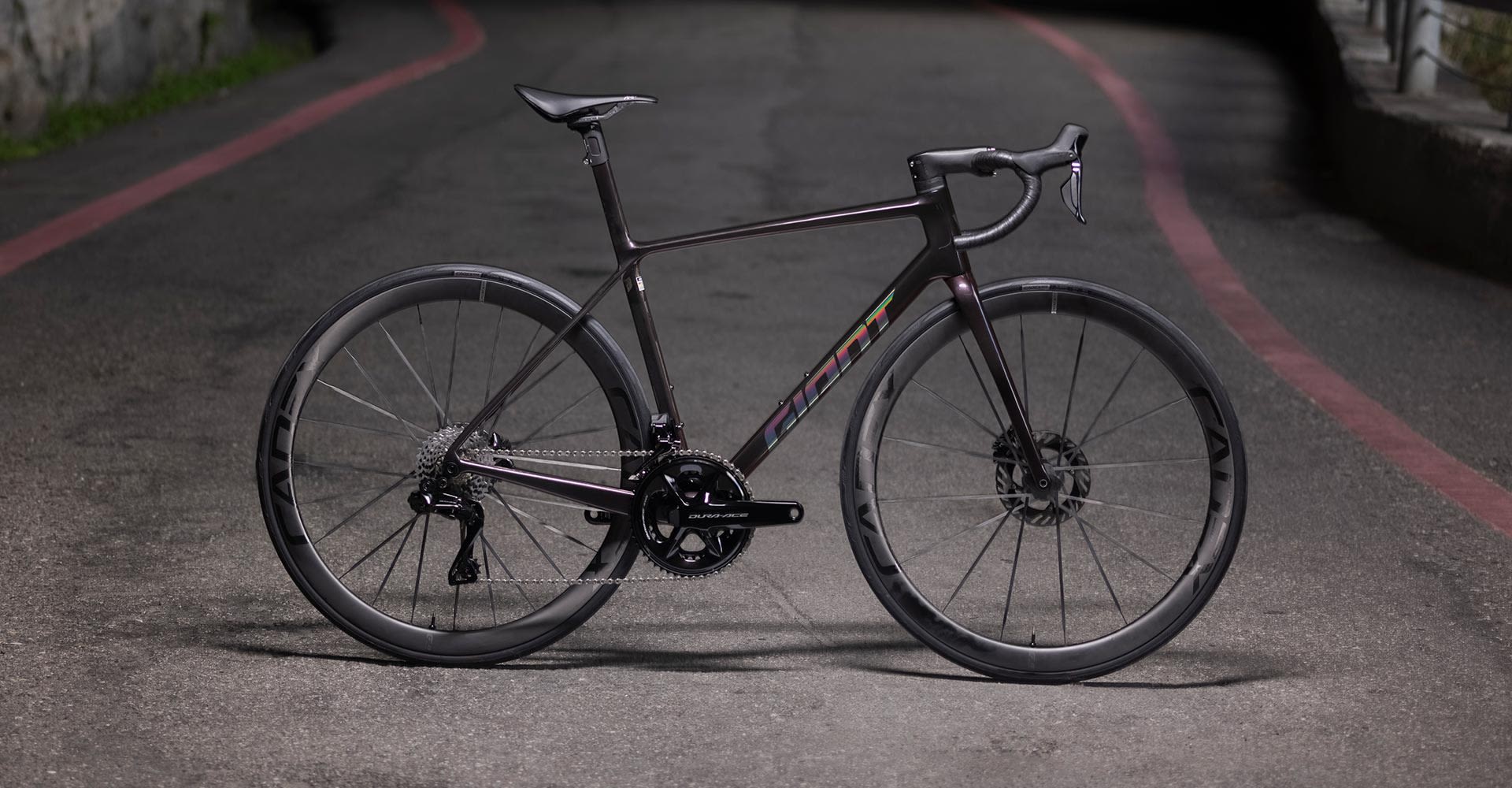
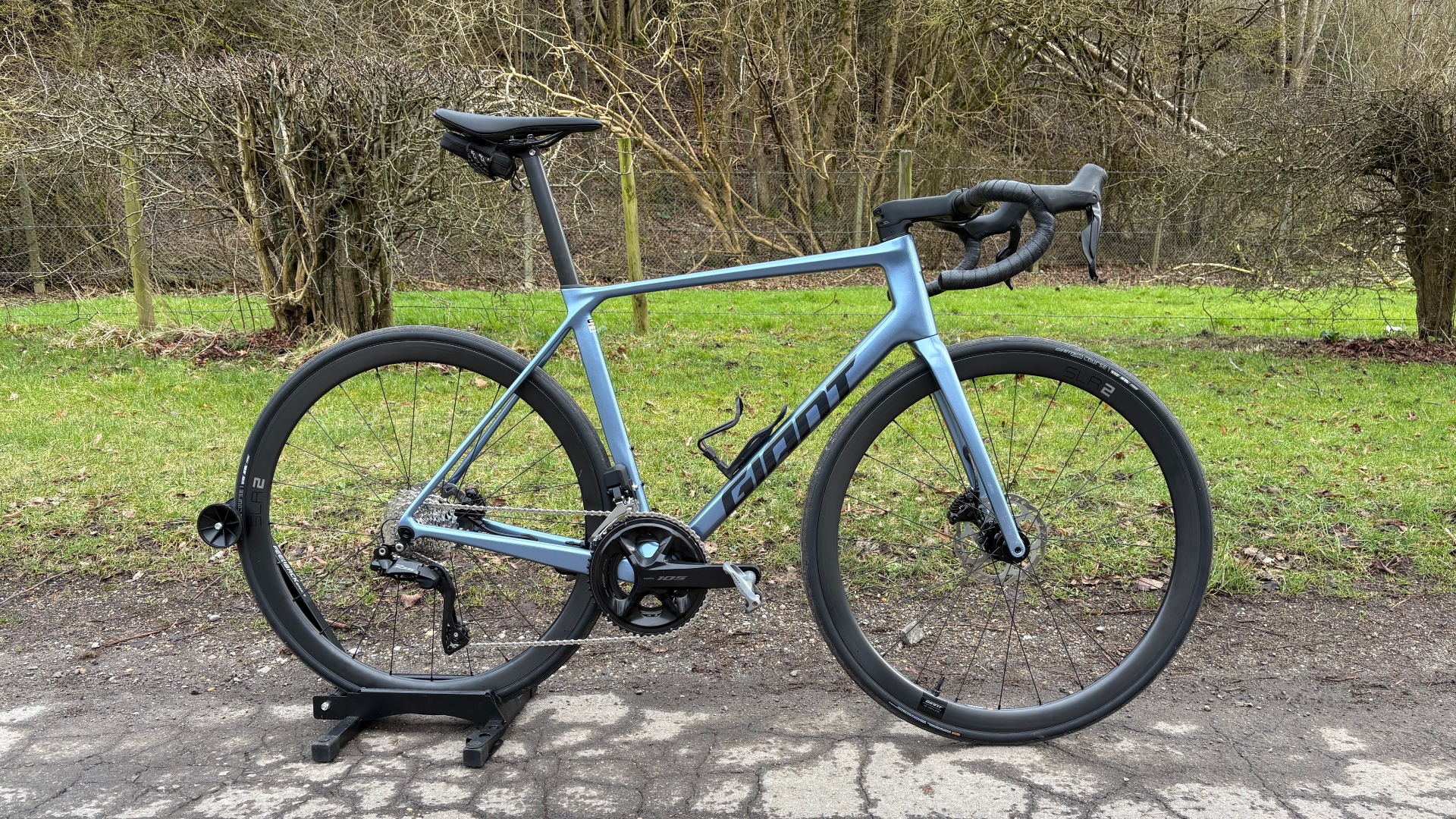
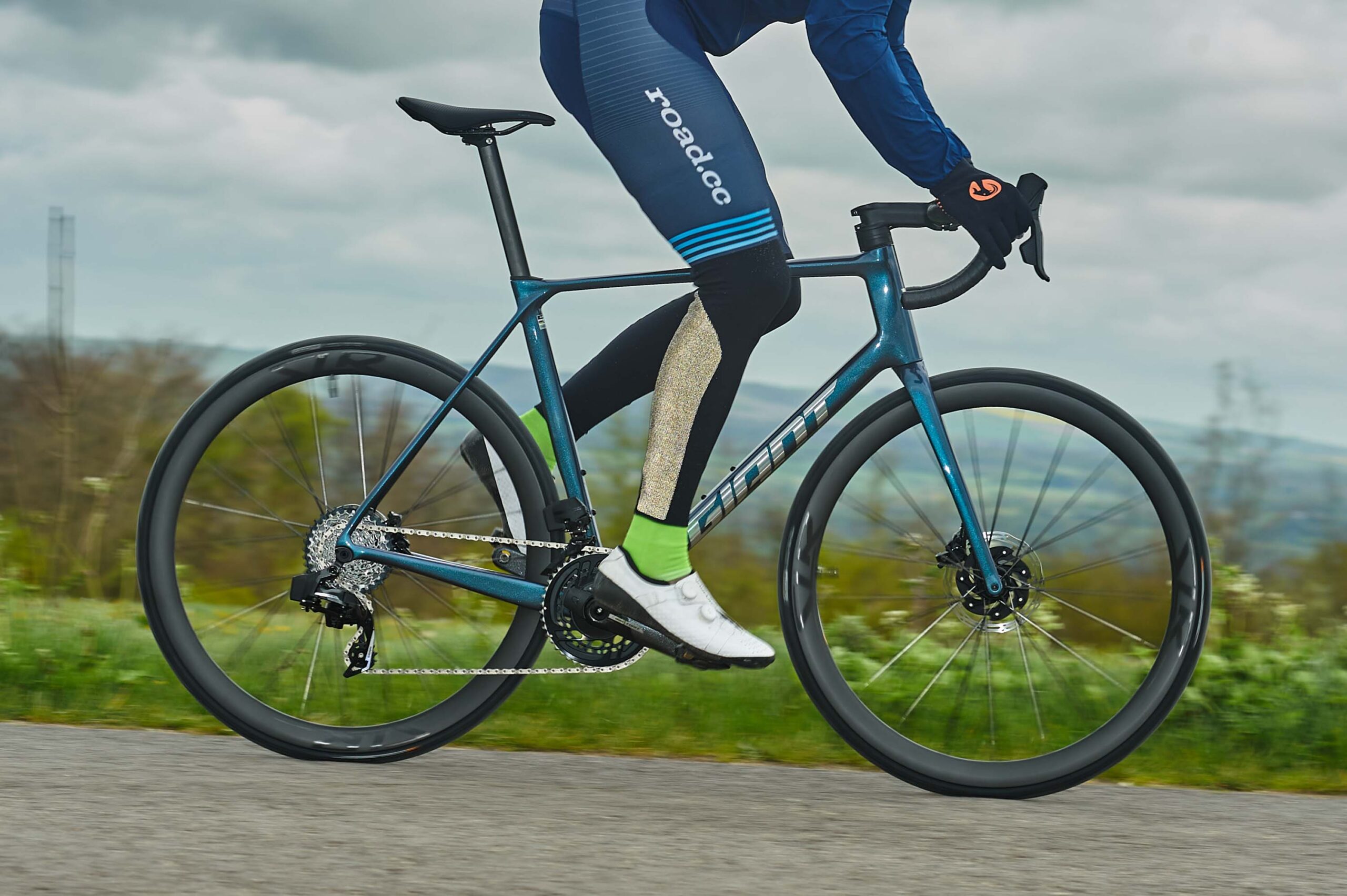
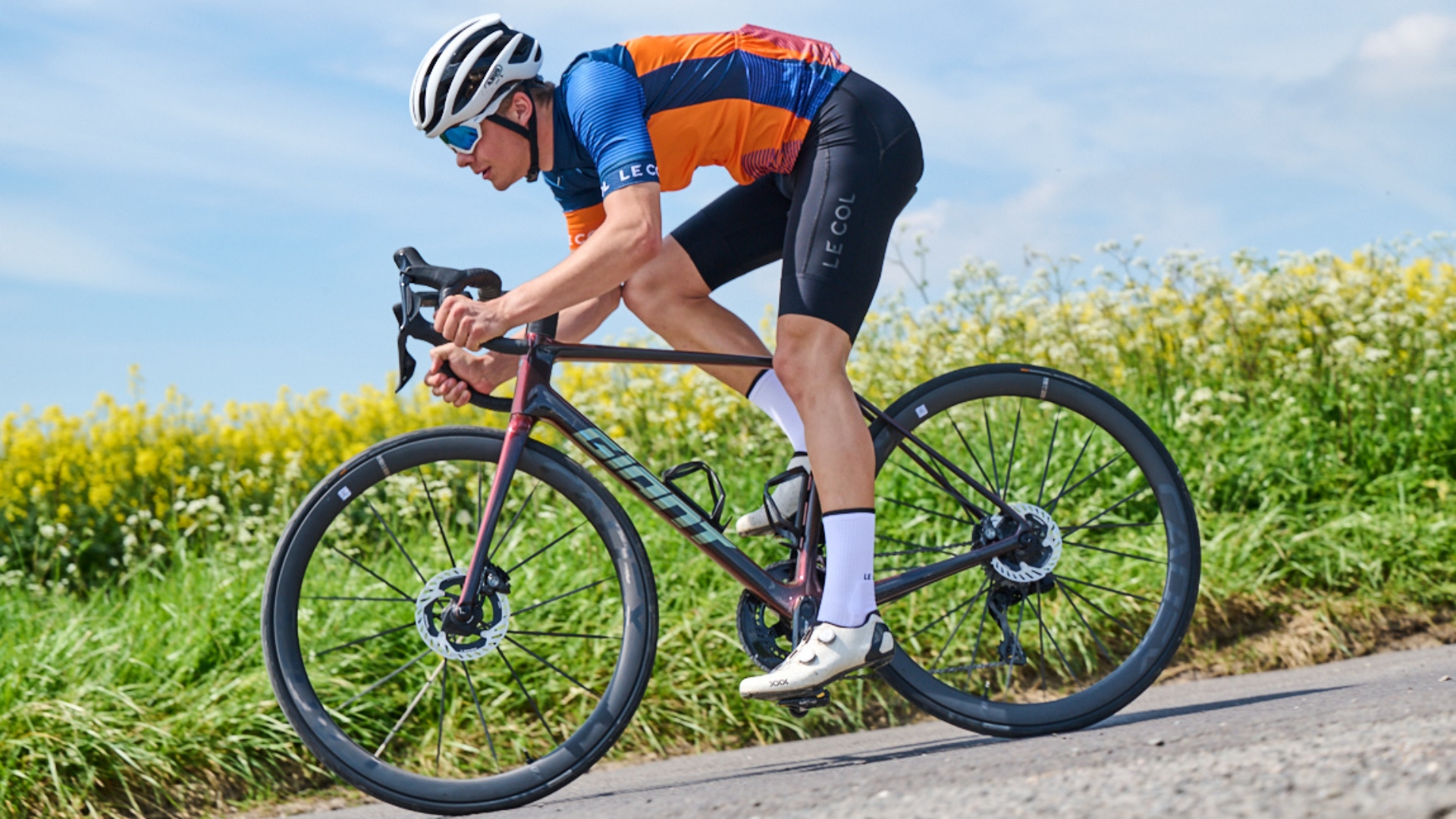
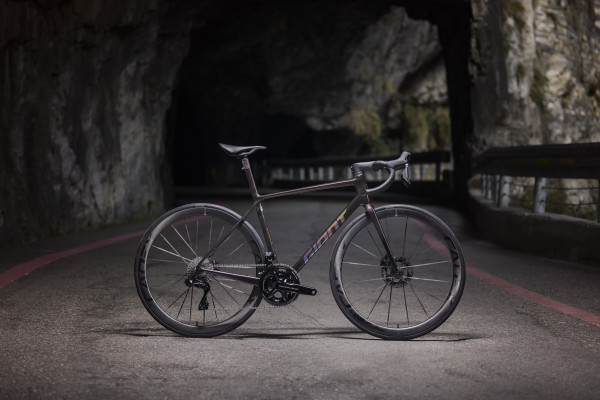
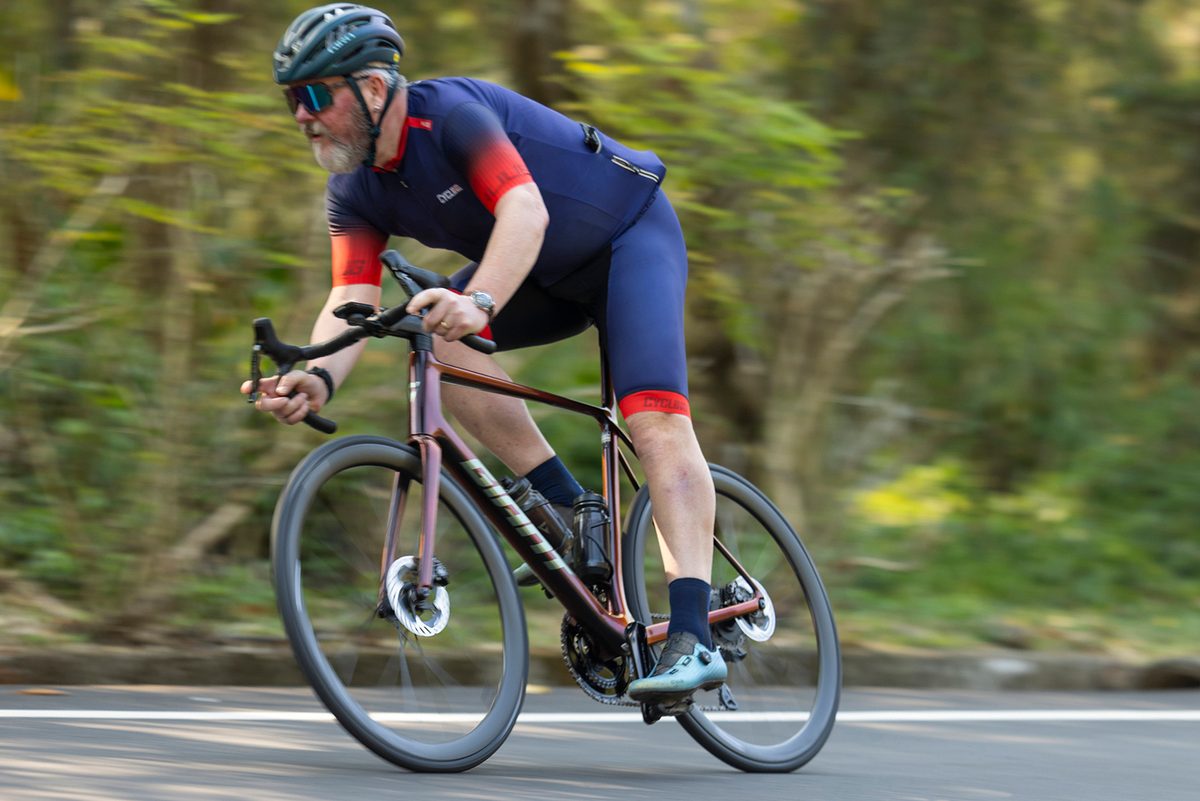
The tenth-generation Giant TCR Advanced continues its legacy as a dedicated all-rounder race bike, balancing low weight with structural efficiency. For this iteration, Giant focused on manufacturing refinements rather than radical redesigns. By utilizing a single-piece molding process for the front triangle and reducing the overall number of carbon pieces, the frame drops weight while maintaining its characteristic pedaling stiffness. This generation also marks the platform's complete transition to disc brakes and introduces fully internal cable routing through the D-shaped OverDrive Aero steerer tube. Aimed at competitive climbers and aggressive road riders, the TCR retains its classic compact silhouette but modernizes the details to accommodate wider modern tires. It remains a tool built for steep gradients and fast, technical riding, prioritizing a high stiffness-to-weight ratio over pure aerodynamic speed.
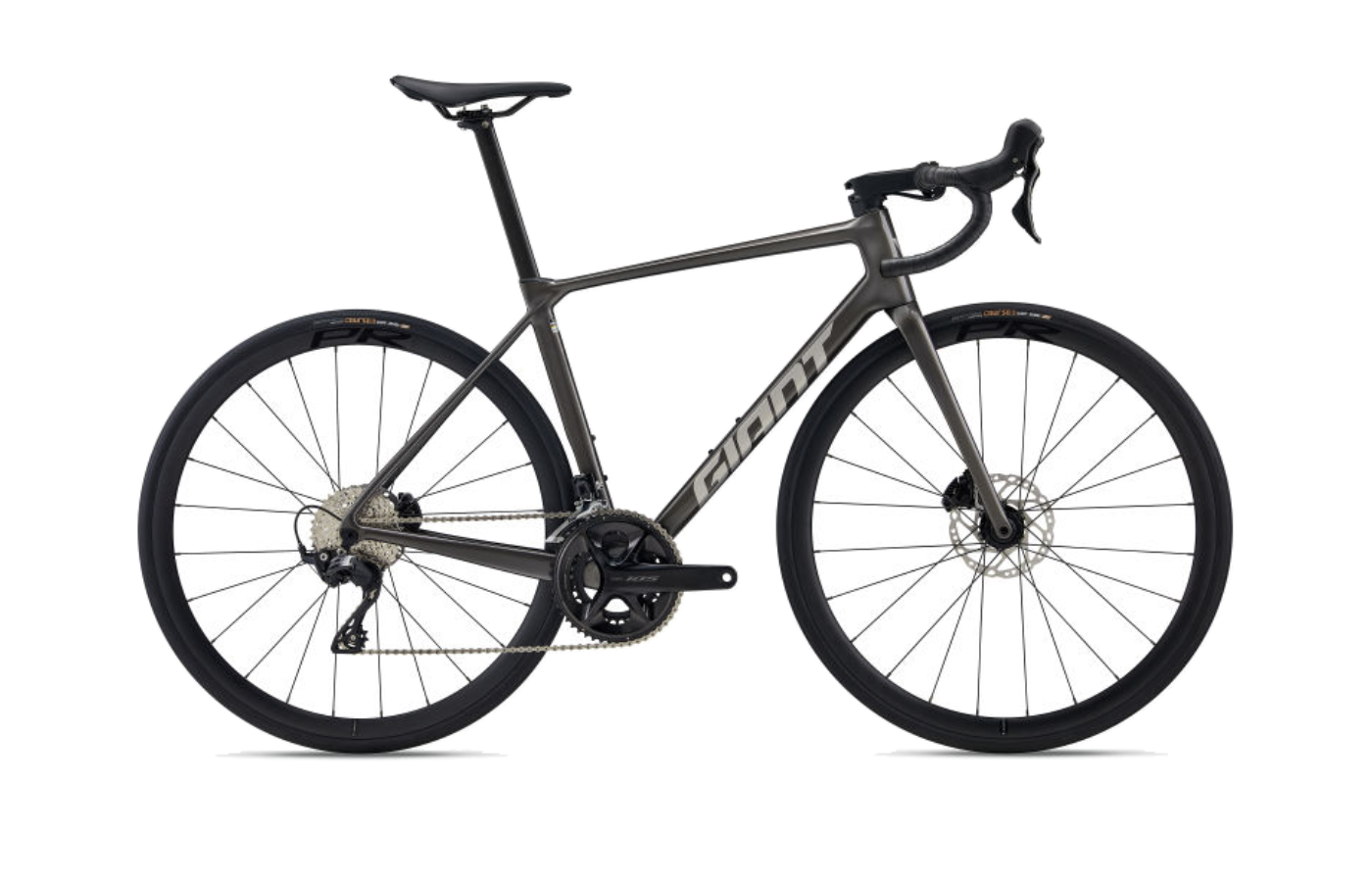
Geometry & fit.
6 sizes published.
Giant carries over its proven compact geometry for this generation, maintaining the aggressive, forward-leaning posture expected of a WorldTour-level race bike. The frame pairs steep head and seat tube angles with a short wheelbase and tight chainstays, creating a highly reactive rear end that tucks the rear wheel closely under the rider. A moderate trail figure keeps the steering quick without feeling nervous, striking a balance that rewards decisive inputs on fast descents.
The updated cockpit significantly influences the bike's fit and handling dynamics. The stock handlebars feature a pronounced flare, measuring narrower at the hoods to pull the rider into a more aerodynamic stance, while widening at the drops to provide a stable, leveraged platform for sprinting and descending. Furthermore, the frame now officially clears 33mm tires. This added volume allows riders to drop their tire pressure, effectively introducing a layer of pneumatic suspension that calms the bike's quick handling over rough tarmac and reduces upper-body fatigue during long days in the saddle.
Where the handlebar sits relative to the bottom bracket — the single most important fit pair.
01Fit geometry6 values
03Handling geometry7 values
Which size should I buy?
Slide your height to see the recommended size. GearWise's fit algorithm works from the published stack, reach, and ETT — the brand's own recommendation may differ.
→Calculated from GearWise's own stack / reach / ETT algorithm — the brand's size chart may recommend a different size, and a proper bike fit beats any calculator.
The lineup.
1 build, ranging $3,300.
The TCR lineup splits into three distinct tiers based on carbon layup and fork specification. The flagship Advanced SL utilizes the lightest composite and an integrated seatpost to maximize stiffness and shed weight, though the cut-to-fit mast complicates travel and resale. The mid-tier Advanced Pro hits the value sweet spot for most racers, pairing the top-tier fork with a standard telescoping carbon seatpost and slightly heavier frame material. The entry-level Advanced tier uses the same frame as the Pro but steps down to a heavier fork.
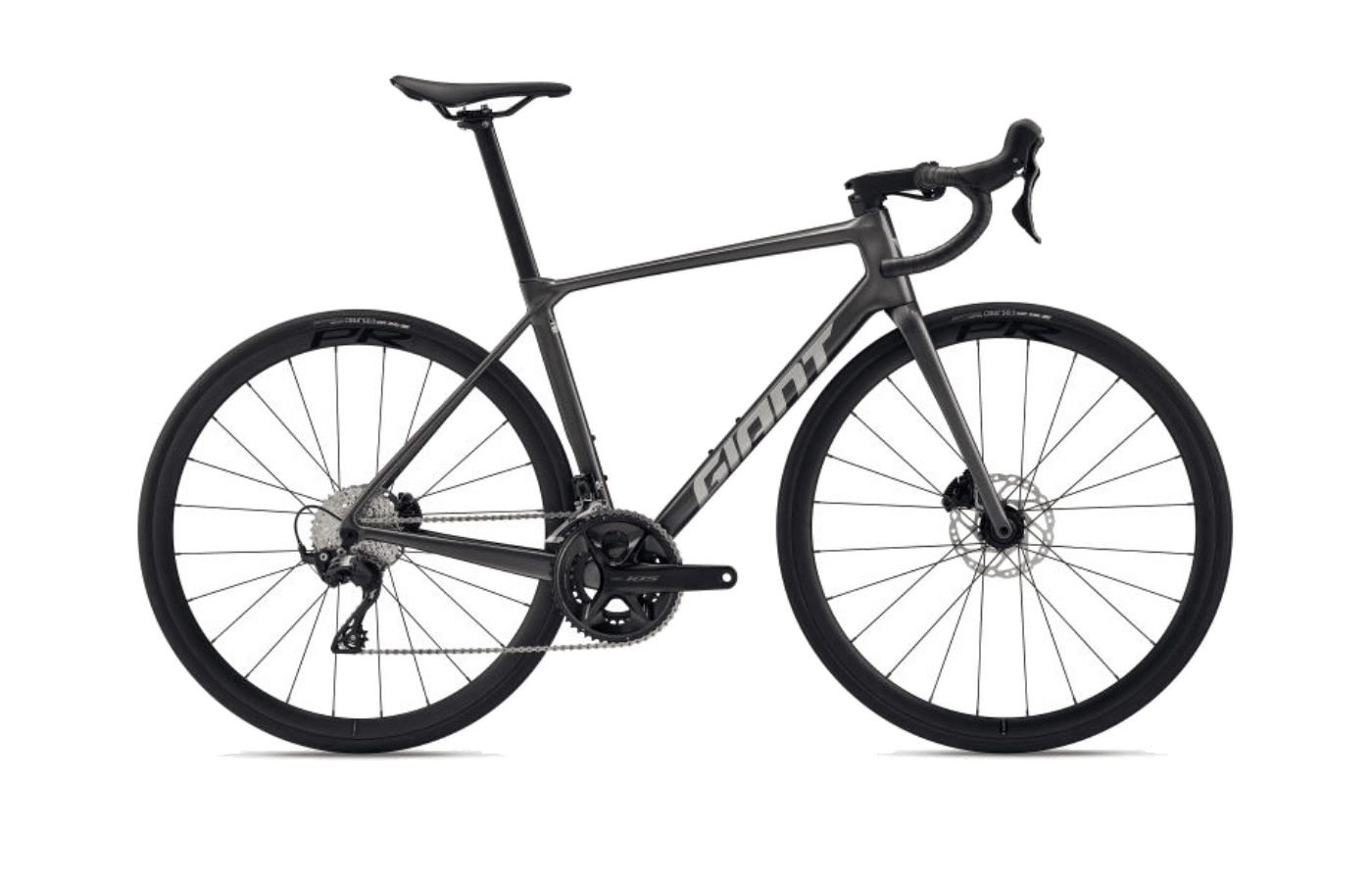
Across the range, Giant routes brake hoses through a channel underneath the stem rather than through the center of the bar and stem. This semi-integrated approach keeps the front end visually clean while making stem swaps and maintenance far less labor-intensive. The Advanced 2 Pro Compact build represents the accessible entry point to the new platform. It pairs the standard Advanced carbon frame with a mechanical Shimano 105 drivetrain and alloy wheels, delivering the platform's updated tube shapes and hidden routing without the premium cost of electronic shifting or carbon hoops.
From the press.
14 reviews from the cycling press.
Critics consistently praise the TCR Advanced for its exceptional climbing ability and immediate power transfer. Out on the road, the bike responds to hard pedaling with a "rewarding snap" (Cyclist Magazine) that makes it feel exceptionally eager on steep gradients. Despite its rigid bottom bracket and race-focused intent, testers found the ride quality surprisingly forgiving over long distances. The frame manages to filter out harsh road vibrations, delivering a sensation that is "not the type of stiff that rattles you to death on chip seal, but the kind that makes you feel stronger than you are" (Velo).
Handling is widely described as intuitive and highly capable on technical descents, allowing riders to carry speed through corners with minimal correction. The bike feels "blisteringly responsive" (Cycling Weekly) when accelerating out of tight bends. However, reviewers noted a few distinct tradeoffs depending on the setup. The flagship models equipped with carbon-spoked wheels can feel "noticeably twitchy" (Rydecruz) in heavy crosswinds. Additionally, while the stock tires are fast, multiple testers suggested that swapping to wider rubber is necessary to truly smooth out broken pavement and maximize the frame's cornering grip.
First Ride: The New Giant TCR Advanced SL Is a Love ...
Giant TCR Advanced Pro road bike review
Giant TCR Advanced Pro 1 105 Di2 2026 Review: Test and Pricing
2025 Giant TCR Advanced Pro Disc 1 105 di2 road test ride review all you need to know
Giant TCR Advanced Pro 2025: The Definitive Review. Is It Still the Best All-Rounder Bike?
Giant TCR Review: 3,000 Miles Later - The Truth About This Classic Roa – Rydecruz
Giant TCR Advanced 0 Di2 review: Fast, agile and won't ...
Giant TCR Advanced Pro 0 AXS - Cycling News | Bike Reviews | road.cc
Giant TCR Advanced Pro 0 AXS
Giant’s Latest TCR Advanced Improves on Its Proven Road Bike Legacy
Giant TCR Advanced SL 0 review: the best climbing bike of 2024
2025 Giant TCR Advanced SL 0 Dura-Ace Di2 road test ride review all you need to know
Giant TCR Advanced SL 0 Dura-Ace Di2 review | BikeRadar