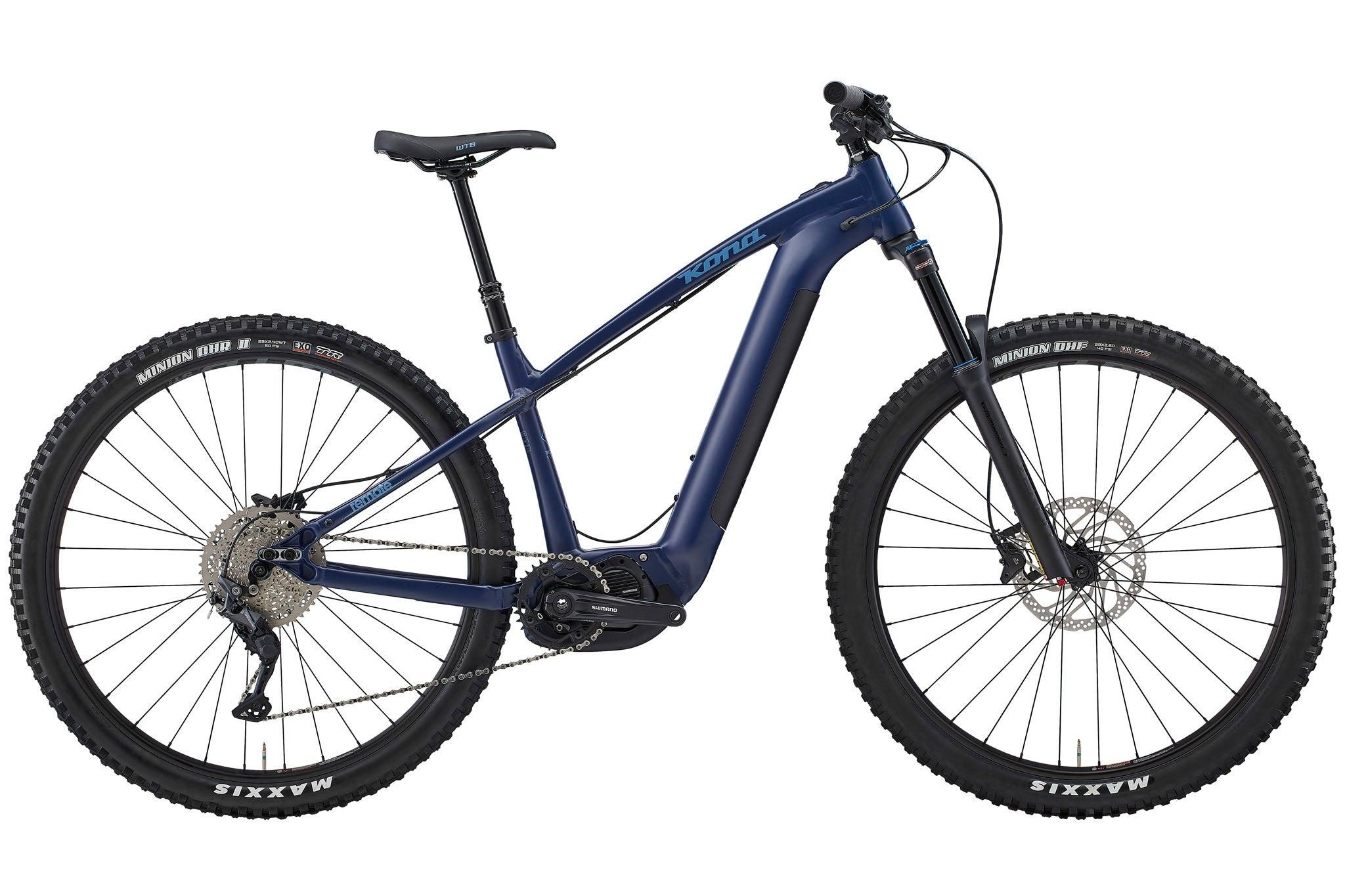
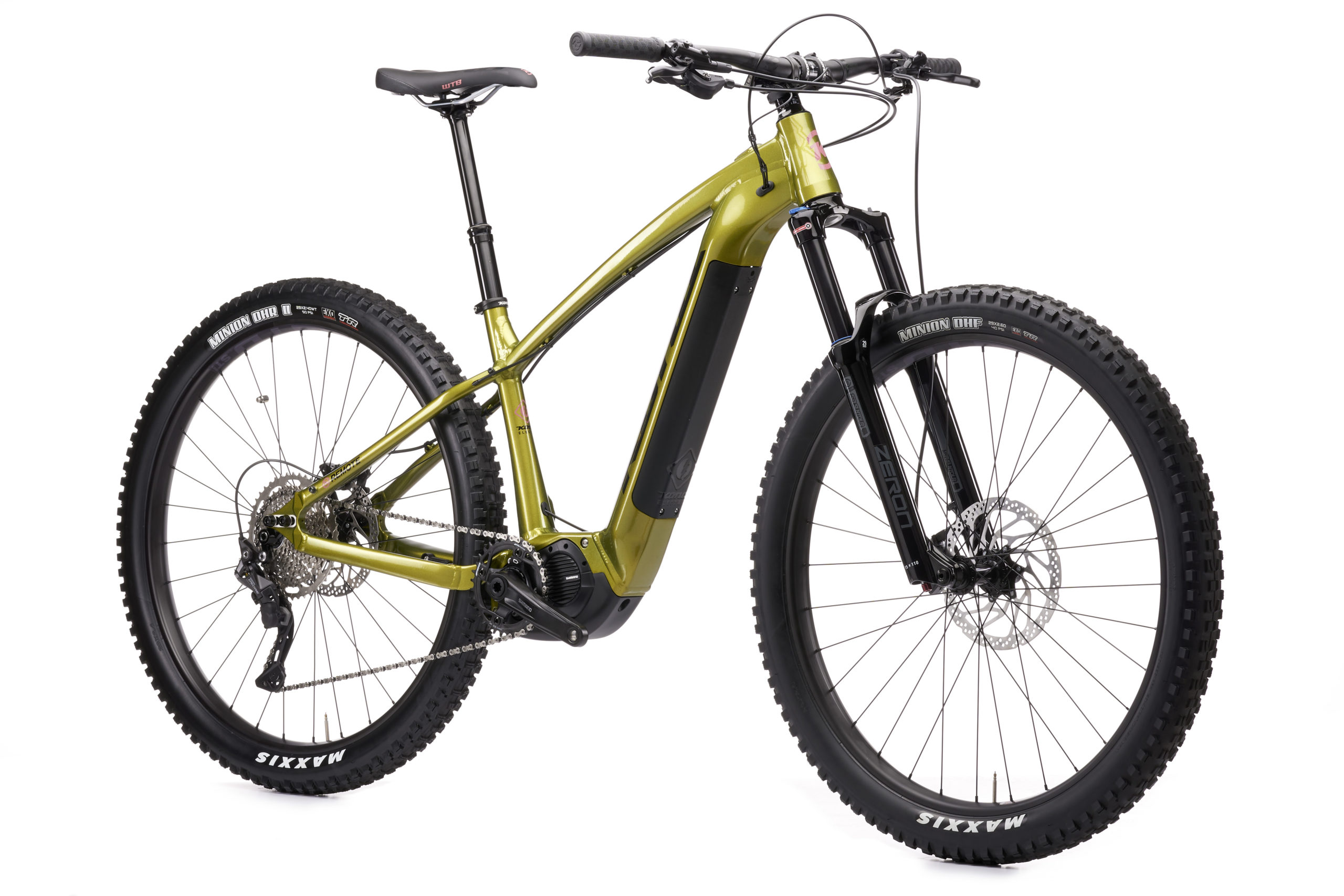
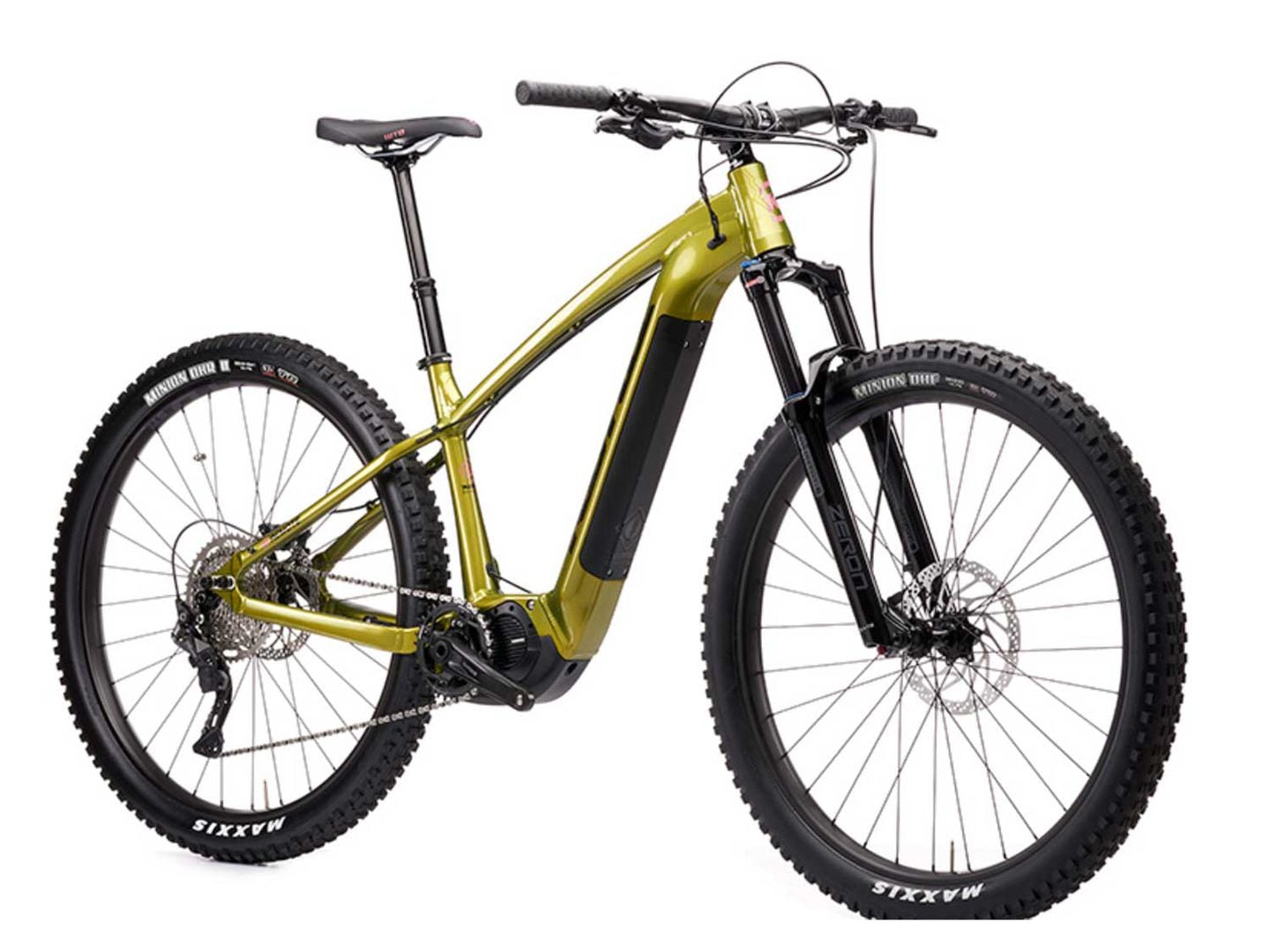
Remote
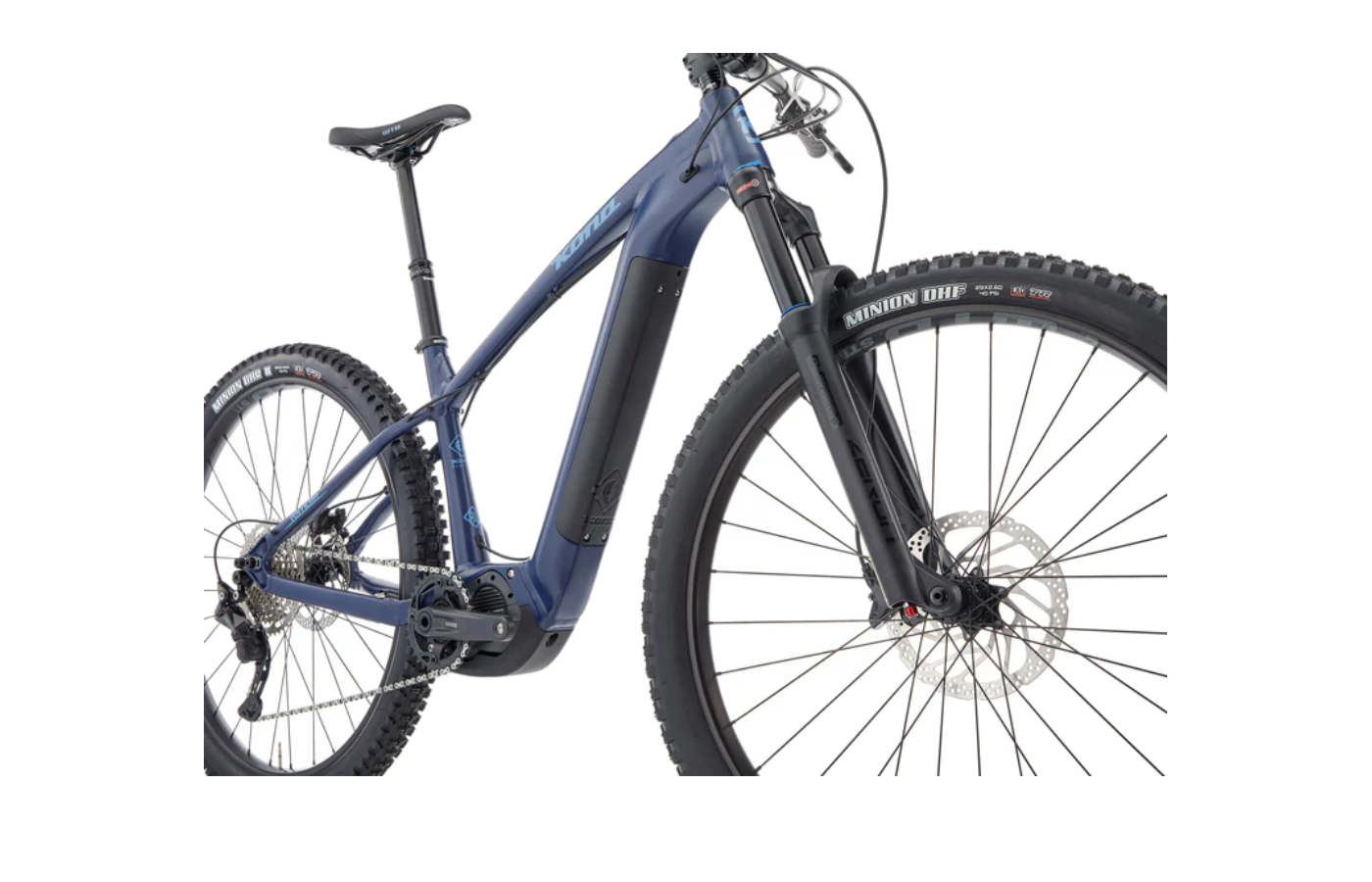
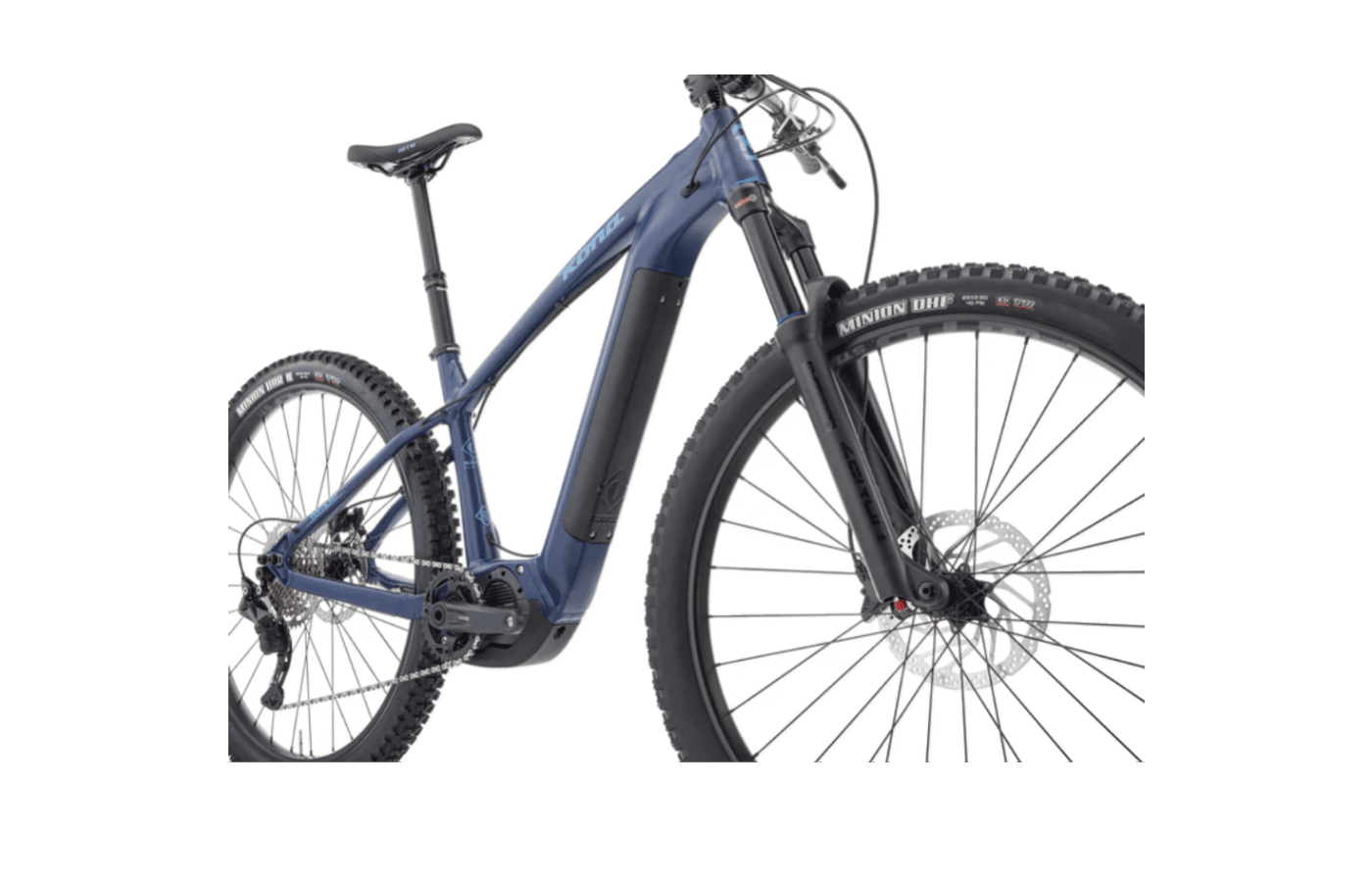
The current Kona Remote generation, introduced for 2021, marked a clear shift in what the model is meant to be. Where earlier Remotes leaned more toward a utility-oriented, plus-tire e-hardtail format, this redesign moved to a more contemporary trail-bike template: 29-inch wheels, a 140 mm fork, Boost 148 rear spacing, internal dropper routing, and a Shimano mid-drive system with a 504 Wh internal battery. It is essentially Kona’s Honzo-inspired hardtail formula adapted for pedal assist, with a slacker 66° head angle, steeper roughly 76° seat angle, and short 435 mm chainstays giving it a much more purposeful singletrack stance than the previous generation.
What distinguishes the Remote is that it does not chase the longest range, highest power, or most aggressive enduro positioning in the e-MTB market. Instead, it sits in the sport-trail e-hardtail category: modern enough to be genuinely capable on technical trails, but still simple, direct, and relatively easy to live with compared with full-suspension e-bikes. The aluminum frame, four-size range, long reaches up to 510 mm, and 29 x 2.6/2.4 tire format show Kona prioritizing trail handling and rider positioning over comfort-oriented novelty. In the market, that makes the Remote a straightforward option for riders who want an e-MTB that still feels like a hardtail trail bike first, rather than a mini enduro bike or backcountry range specialist.
Geometry & fit.
4 sizes published.
The Remote’s geometry is modern trail-hardtail geometry with clear emphasis on stability without becoming cumbersome. Across the size range, the head tube angle sits at 66°, the seat tube angle at 76°, and the chainstays at 435 mm. Reach numbers are contemporary at 425 mm (S), 450 mm (M), 475 mm (L), and 510 mm (XL), paired with stacks from 645 mm to 668 mm. That gives the bike a roomy, centered riding position for descending and standing efforts, while the steep seat angle keeps the rider relatively forward over the bottom bracket on climbs.
On trail, those numbers suggest a bike that should feel composed at speed but still easy to place in tighter terrain. The 435 mm rear center is short for an e-MTB, helping the bike stay lively and making it easier to lift the front wheel or change lines quickly. Wheelbases of 1175 mm in S up to 1270 mm in XL are long enough for confidence, but not so stretched that the bike becomes sluggish. The 55 mm BB drop lowers the rider’s center of gravity for cornering stability, though it can also increase the chance of pedal strikes in rough terrain. Overall, the fit and handling profile points to a rider-forward, playful e-hardtail that rewards active input more than passive cruising.
Where the handlebar sits relative to the bottom bracket — the single most important fit pair.
01Fit geometry6 values
03Handling geometry8 values
Which size should I buy?
Slide your height to see the recommended size. GearWise's fit algorithm works from the published stack, reach, and ETT — the brand's own recommendation may differ.
→Calculated from GearWise's own stack / reach / ETT algorithm — the brand's size chart may recommend a different size, and a proper bike fit beats any calculator.
The lineup.
1 build, ranging $2,599.
Available data shows a single Standard build for this generation, positioned around the €4,999 mark in reviewed trims. Core features include an aluminum frame, Shimano E7000 motor, 504 Wh battery, 29-inch wheels, and a 140 mm fork. That places the Remote in the mid-priced trail e-MTB segment, but with a notably simpler hardtail chassis than many similarly priced full-suspension competitors.
The spec emphasis appears to be on durable, functional trail equipment rather than headline parts. Review coverage references Shimano four-piston brakes and a generally mid-level component package, with the motor and battery combination now looking conservative versus newer bikes offering more torque and larger batteries. As a result, the Remote’s value proposition is less about out-speccing rivals and more about offering a solid frame platform, proven Shimano drive system, and modern trail geometry for riders who prefer the lower-maintenance simplicity and direct ride feel of an e-hardtail.
From the press.
3 reviews from the cycling press.
Reviewers generally describe the Remote as a fun, balanced, and unexpectedly capable e-hardtail rather than a brute-force e-MTB. CycleVolta was especially positive about the hardtail’s character, calling it "shreddier than expected" and praising how it handled a wide variety of terrain in the Santa Ana Mountains. That review also highlighted one of the bike’s strongest real-world appeals: the way pedal assist broadens riding possibilities, with the tester noting she could effectively "motor pace" a very fit rider on climbs. Across the feedback, the Remote comes through as approachable and playful, with a ride quality that encourages trail riding rather than simply flattening terrain.
The criticisms are consistent as well. Emtb-test pointed to the Shimano E7000 motor’s relatively weak feel on steep sections, describing its power delivery as somewhat "digital" and noting that it asks more from the rider than stronger current-generation systems. The 504 Wh battery was also seen as a limiting factor for longer rides, reducing the bike’s tour range compared with newer, larger-battery competitors. Reviewers also noted that the bike’s component level is more mid-pack than class-leading for the price, and that the chassis favors precise line choice over plowing through rough terrain. In short, the Remote is well liked for its trail manners and fun factor, but it is not the strongest value for riders focused on maximum power, range, or top-shelf suspension performance.