Lombard E
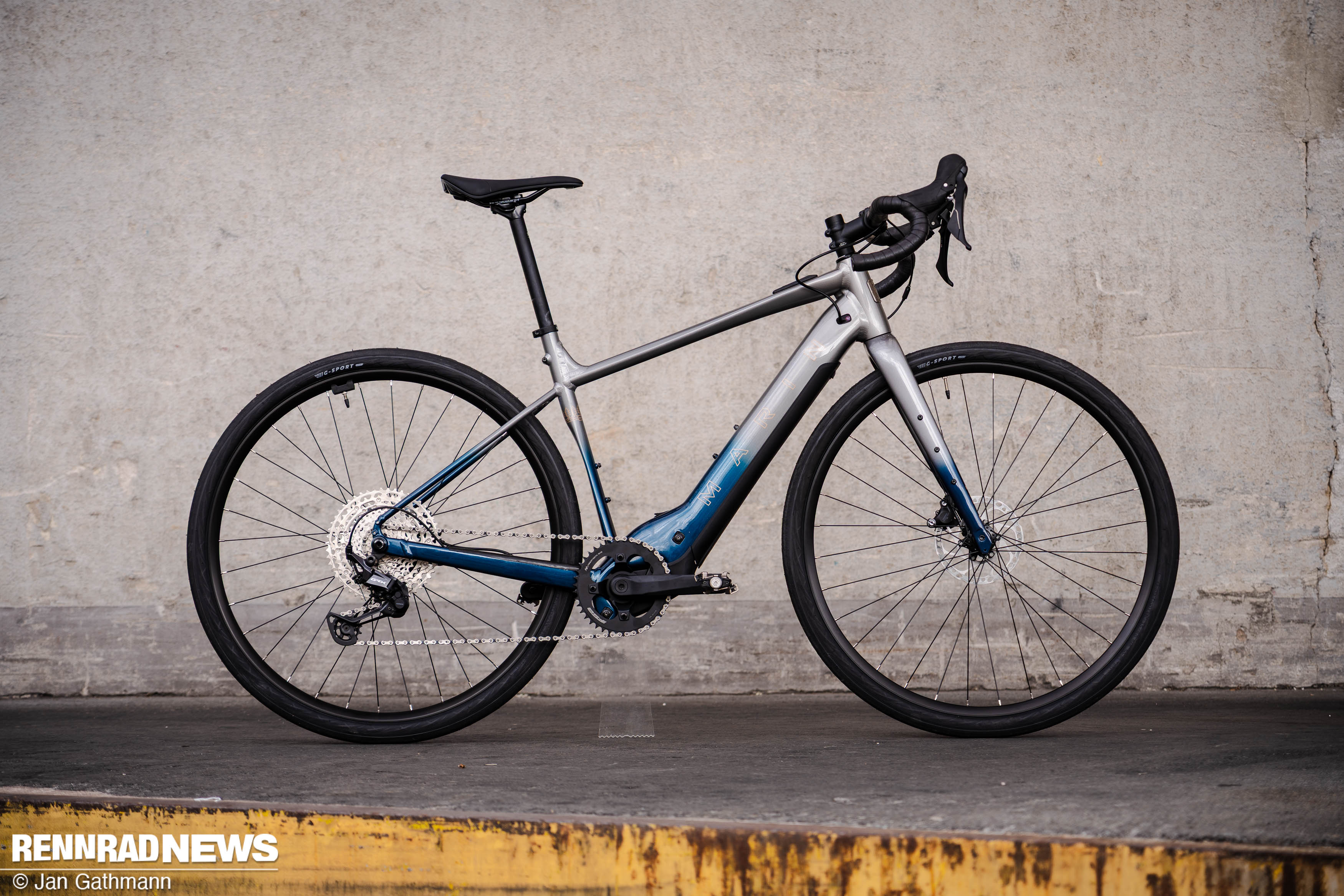
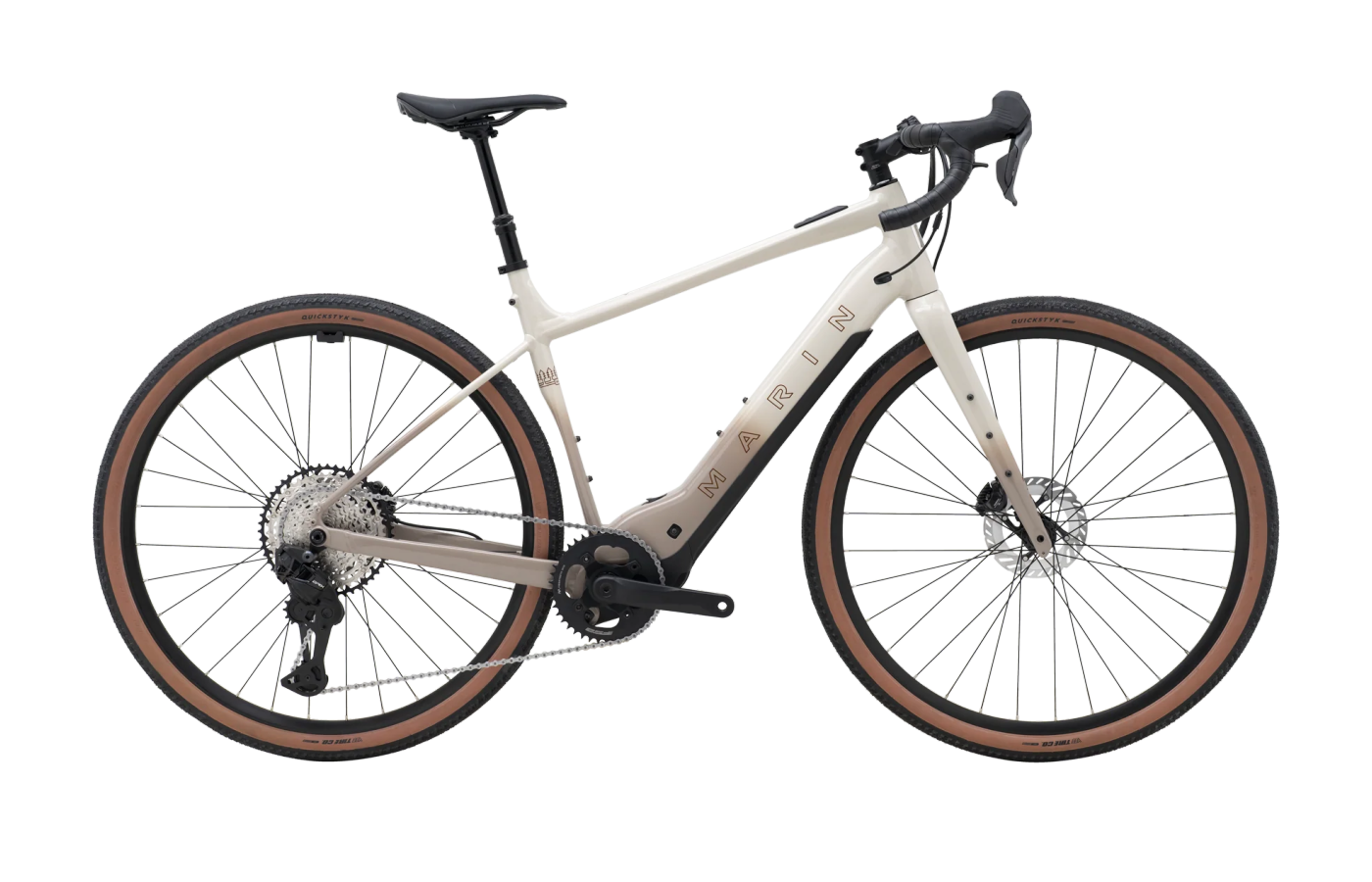
The Marin Lombard E is Marin’s first electric drop-bar gravel bike, introduced for 2025 as an all-new platform rather than an electrified carryover of an older Lombard. It is built around a Series 4 Beyond Road E 6061 aluminum frame with a one-piece hydroformed downtube and motor mount, internal routing, flat-mount brakes, 142x12 mm rear spacing, and a full-carbon fork with a tapered steerer and 12 mm front axle. Across the range, the defining feature is Bosch’s Performance Line SX Sprint mid-drive paired with a 400 Wh Compact PowerTube, placing the bike in the lighter, lower-profile end of the e-gravel and e-urban crossover market rather than the heavier full-power touring segment.
What distinguishes the Lombard E is its emphasis on utility and composure over speed-first gravel performance. The geometry is notably conservative for a drop-bar gravel bike, with a 70° head angle, 435 mm chainstays, and a long wheelbase, and the frame includes rack, mudguard, and cargo mounts that broaden its use well beyond recreational gravel riding. This is an e-bike aimed at commuting, mixed-surface exploration, and light touring: a stable, practical platform with room for high-volume tires and everyday accessories, rather than a sharp-handling electric gravel racer.
Geometry & fit.
4 sizes published.
The geometry points clearly toward stability and an upright fit. Across sizes S to XL, the Lombard E uses a 70° head tube angle, 435 mm chainstays, and wheelbases from 1042.2 mm to 1109.6 mm; in size M, reach is 405 mm and stack is 583.5 mm, producing a notably tall front end. That stack-to-reach relationship creates a more relaxed rider position than many performance gravel bikes, reducing strain on the back and neck and making the bike easier to manage for commuting, long rides, and loaded use.
Handling follows directly from those numbers. The slack front end, long rear center, and 80 mm bottom bracket drop favor planted, predictable cornering rather than quick direction changes. On the road and smoother gravel, that should translate to calm tracking and good confidence at speed; in tighter turns or more technical terrain, it will feel slower to respond and require more rider input. Riders looking for a lively, race-oriented fit may find it conservative, but for all-road utility, touring, and everyday mixed-surface riding, the geometry is intentionally steady and forgiving.
Where the handlebar sits relative to the bottom bracket — the single most important fit pair.
01Fit geometry6 values
03Handling geometry7 values
Which size should I buy?
Slide your height to see the recommended size. GearWise's fit algorithm works from the published stack, reach, and ETT — the brand's own recommendation may differ.
→Calculated from GearWise's own stack / reach / ETT algorithm — the brand's size chart may recommend a different size, and a proper bike fit beats any calculator.
The lineup.
2 builds, ranging $4,299 – $5,299.
The Lombard E is offered in two builds, E1 and E2, both based around the same Bosch SX integrated drive system and the same core aluminum-frame/carbon-fork platform. That means the main buying decision is not motor performance but component level and feature refinement. The range structure suggests Marin is keeping the fundamental ride character and utility package consistent across both trims while using the higher model to add more premium equipment.
Review information on the E1 points to a practical, value-driven specification: mechanical Shimano GRX shifting, a 10-51 cassette, GRX hydraulic disc brakes with 160 mm rotors, and Marin-branded alloy cockpit and seatpost parts. That build was repeatedly framed as robust, low-maintenance, and appropriate for daily use. Reviewers also noted that the E2 adds higher-end touches, including Di2 shifting and a dropper post, making it the better option for riders who want more control off-road and a more polished control interface, while the E1 stands out as the pragmatic choice for commuters and tourers who care more about durability and price discipline than premium finishing kit.


From the press.
1 review from the cycling press.
Reviewers consistently describe the Lombard E as a stable, good-natured e-gravel bike that prioritizes confidence and everyday usefulness over agility. Rennrad-News called it "massig" and very track-stable, noting that it feels easy to ride and broadly at home across surfaces. The wide 460 mm handlebar on the tested size M, short cockpit dimensions, and generous tire volume were all cited as contributors to a secure feel, especially on forest paths, coarse gravel, and routine urban riding. The Bosch Performance Line SX Sprint motor was praised for delivering assistance in a natural, sporty way rather than overwhelming the ride, and the 42T chainring with 10-51 cassette was seen as a well-judged gearing choice for mixed use.
The main criticism is that the same qualities that make the bike calm also make it feel bulky and somewhat sluggish when ridden aggressively. Multiple observations point to a need for a deliberate steering input to initiate turns, and reviewers did not see it as a sporty specialist for technical gravel riding or dynamic accelerations. Comfort was also judged as adequate rather than standout: the aluminum frame was considered solid but stiff, with much of the vibration damping coming from the carbon fork and 44 mm tires rather than the chassis itself. Reviewers also noted that the mechanical GRX controls on the lower-spec bike are functional and reliable, but not as refined ergonomically as higher-end Di2 options.