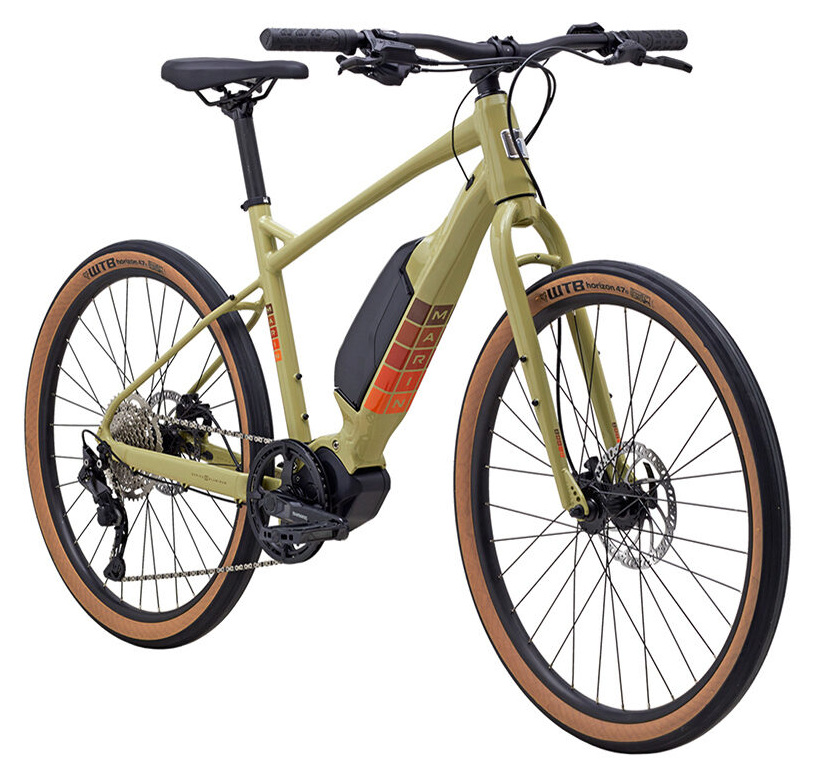
Sausalito E
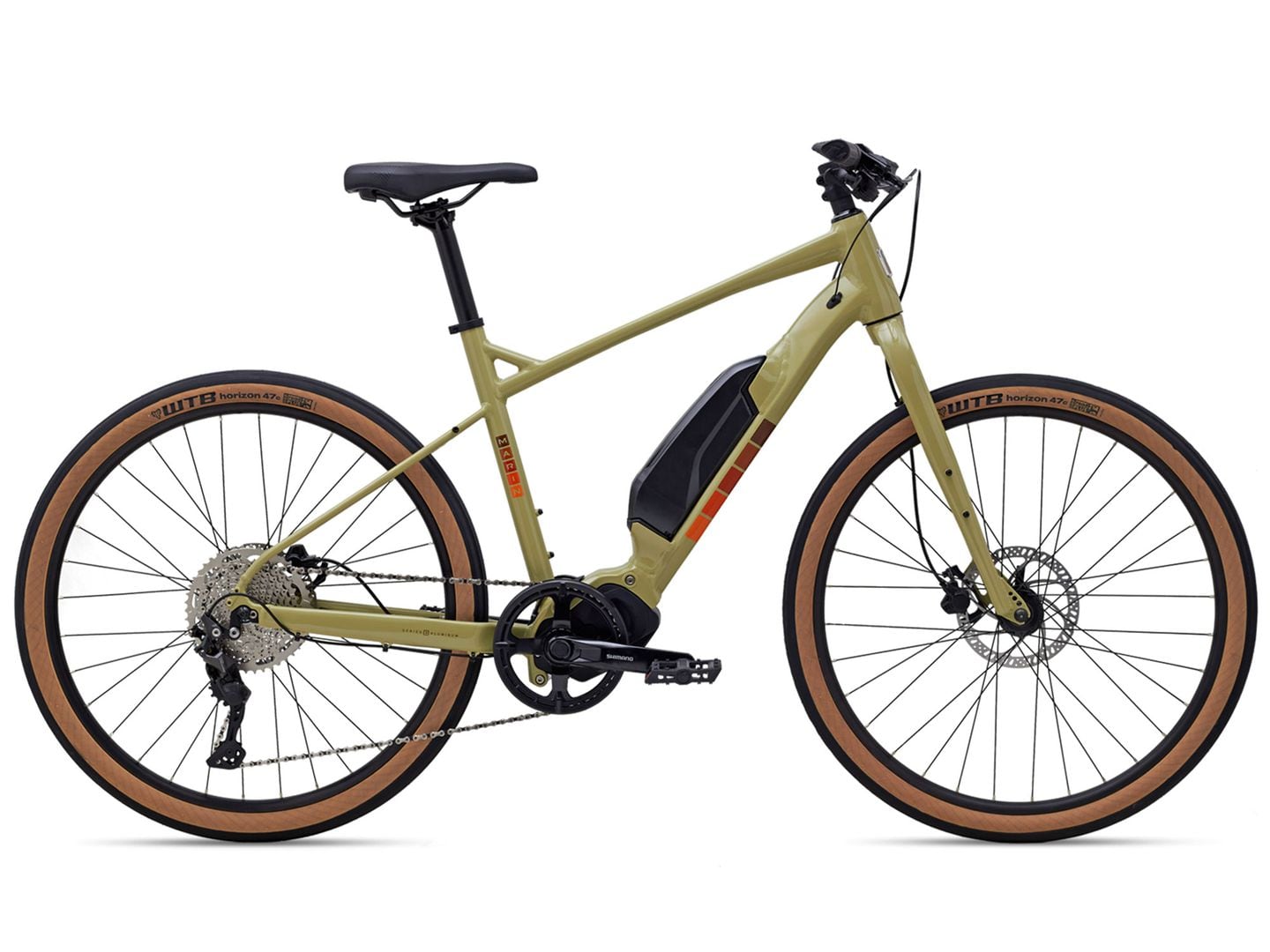
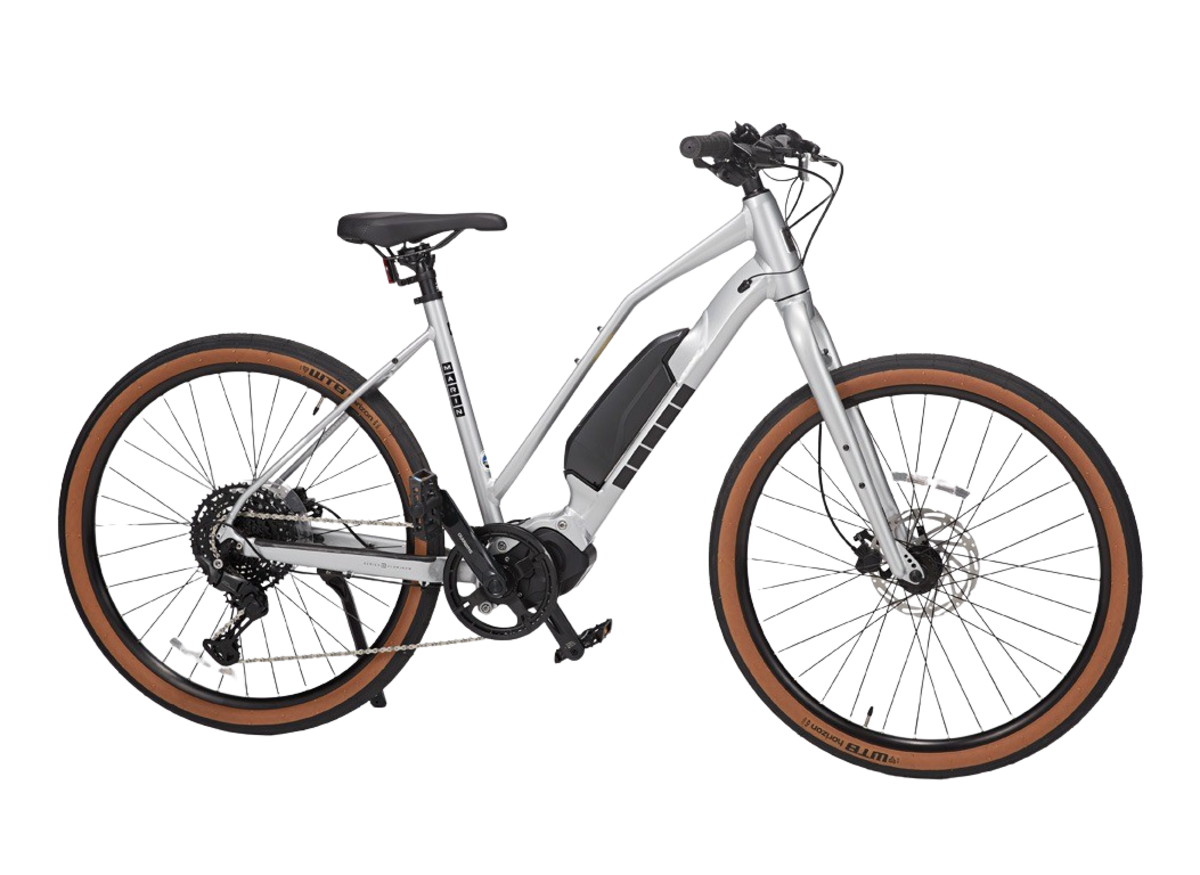
The Marin Sausalito E is a long-running urban e-bike platform built around a practical, bicycle-first formula rather than a heavily integrated city-bike concept. Across this generation, Marin has kept the same core architecture: a Series 3 butted and formed 6061 aluminum frame, 650B wheels with high-volume tires, internal routing, a hydroformed downtube battery mount, and mounts for racks, fenders, and a kickstand. Earlier E1 versions paired that frame with a rigid fork and Shimano STEPS drive systems, while the broader Sausalito line also included higher-spec E2 models with suspension forks and more powerful motors. For 2025, Marin updated the E1 with Bosch Active Plus assistance, a larger 545 Wh battery, and standard fenders and lights, but the bike still reads as an evolution of the same commuter platform rather than a clean-sheet redesign.
What distinguishes the Sausalito E is its emphasis on stability, comfort, and serviceable mainstream parts. The 650B x 47 mm tire format gives it more urban composure than a narrow-tire fitness hybrid, while the upright cockpit and commuter fittings make it suitable for daily transport, mixed-surface paths, and light gravel detours. It sits in the market as a sensible mid-drive commuter for riders who want predictable handling and recognizable component brands rather than maximum power, suspension travel, or fully enclosed city-bike styling. Even in its entry-level forms, the Sausalito E has typically prioritized hydraulic brakes, Shimano drivetrain parts, and a frame versatile enough to be used as a weekday commuter or a utility bike with accessories added.
Geometry & fit.
4 sizes published.
The current published geometry points to a relaxed, upright commuter fit with notably stable handling. In size L, the Sausalito E uses a 653.4 mm stack and 445 mm reach, while the head tube angle is a notably slack 67 degrees and the seat tube angle is 73.5 degrees. That combination puts the rider in a fairly tall, neutral position rather than an aggressive forward stance, which suits city riding, visibility in traffic, and casual all-day use. The 465 mm chainstays are long for this category, and wheelbase numbers from 1138 mm in S to 1230 mm in XL reinforce that this is not a quick-steering urban dart but a bike designed to track steadily and remain composed with bags or commuter accessories fitted.
Those numbers help explain the Sausalito E's reputation for calm, confidence-inspiring handling. The long rear center and wheelbase add straight-line stability and reduce twitchiness at speed, while the 65 mm bottom bracket drop helps keep the rider's mass low for a planted feel. Compared with the earlier rigid-fork geometry Marin published for 2021-2024 E1 models—69.5-degree head angle, 74-degree seat angle, and 455 mm chainstays—the 2025 update is clearly more relaxed and longer. In practice, that should make the latest bike even more stable and forgiving, though slightly less nimble in tight urban maneuvers.
Where the handlebar sits relative to the bottom bracket — the single most important fit pair.
01Fit geometry6 values
03Handling geometry7 values
Which size should I buy?
Slide your height to see the recommended size. GearWise's fit algorithm works from the published stack, reach, and ETT — the brand's own recommendation may differ.
→Calculated from GearWise's own stack / reach / ETT algorithm — the brand's size chart may recommend a different size, and a proper bike fit beats any calculator.
The lineup.
2 builds, ranging $3,499.
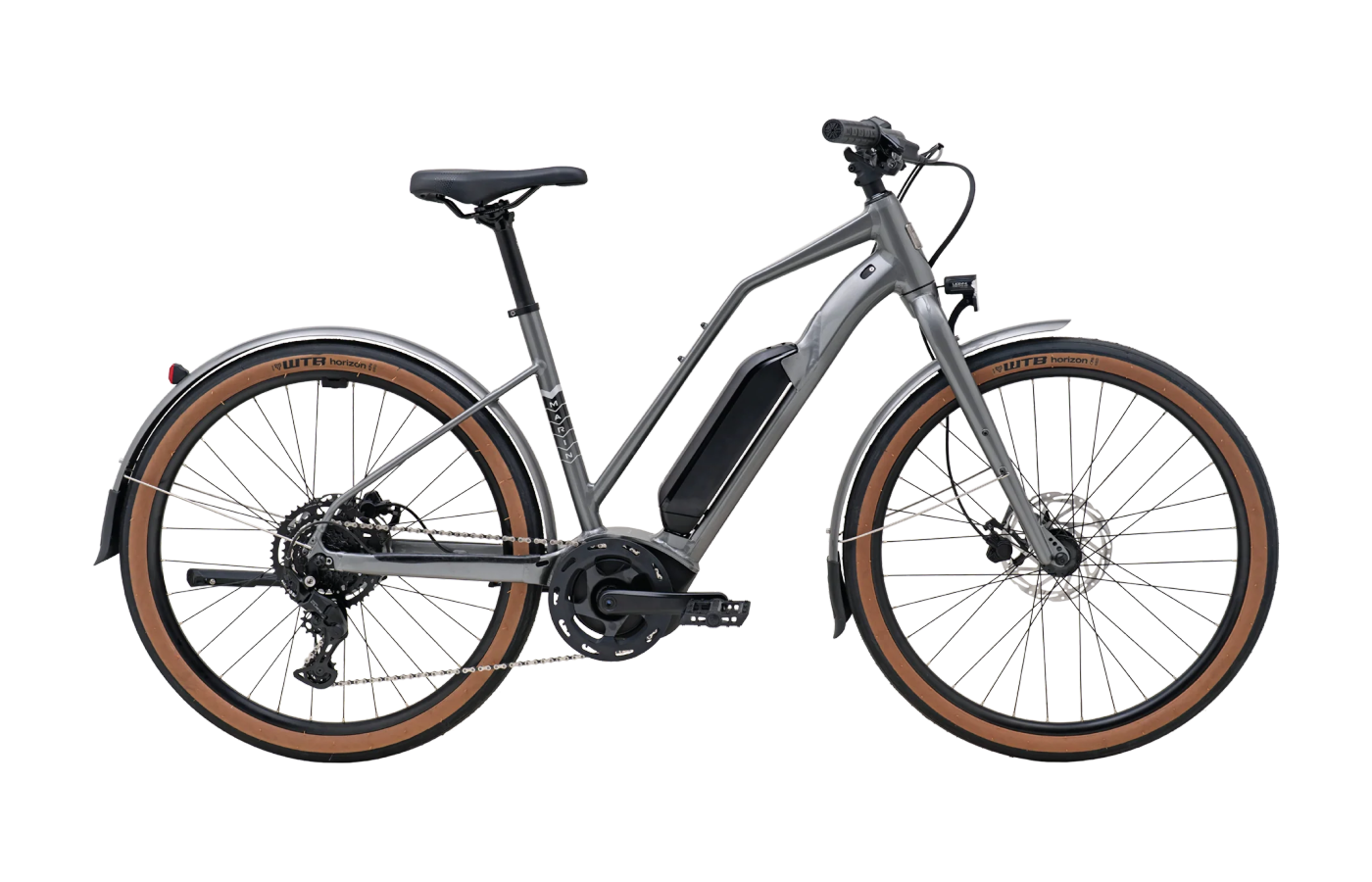
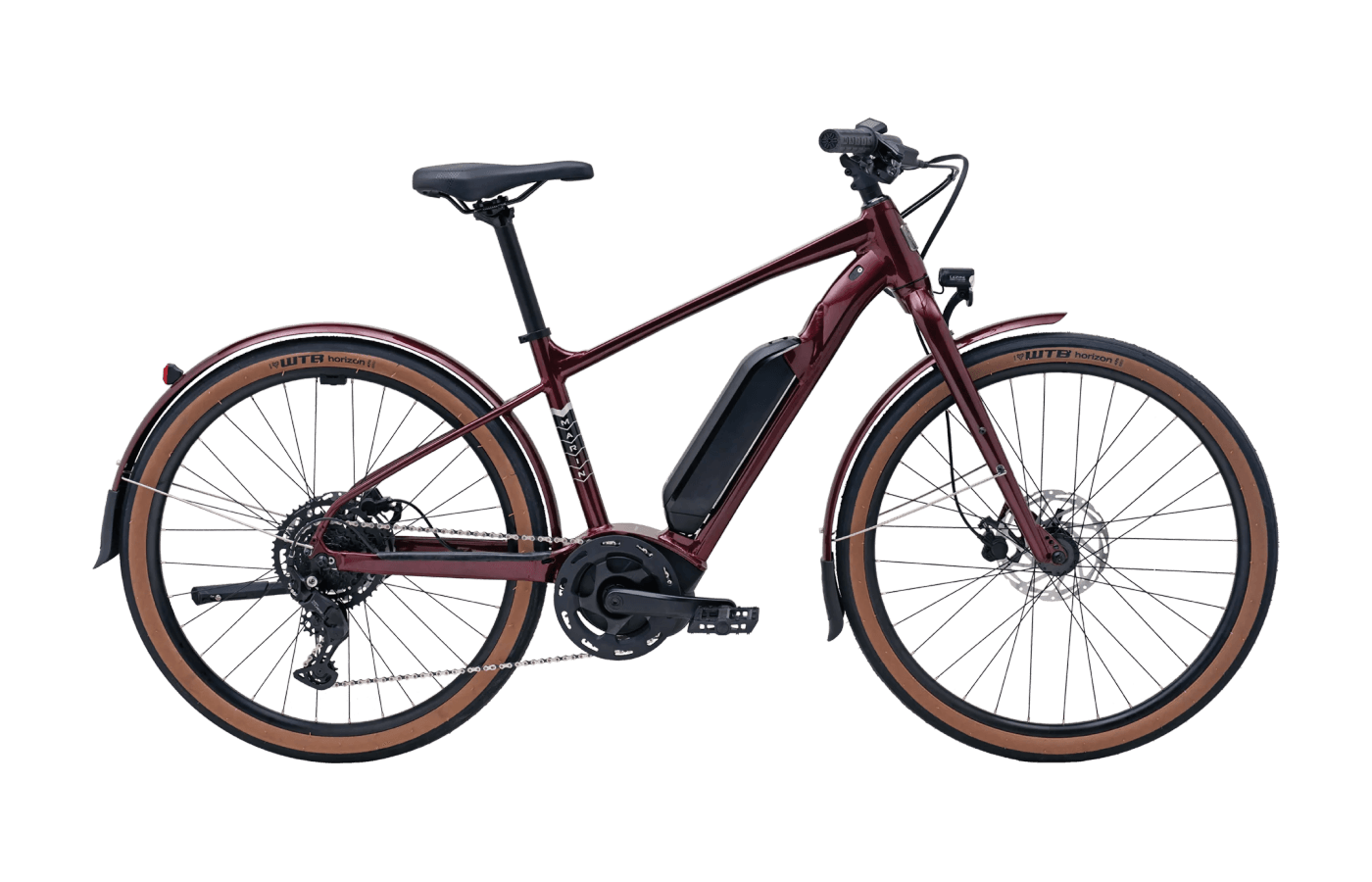
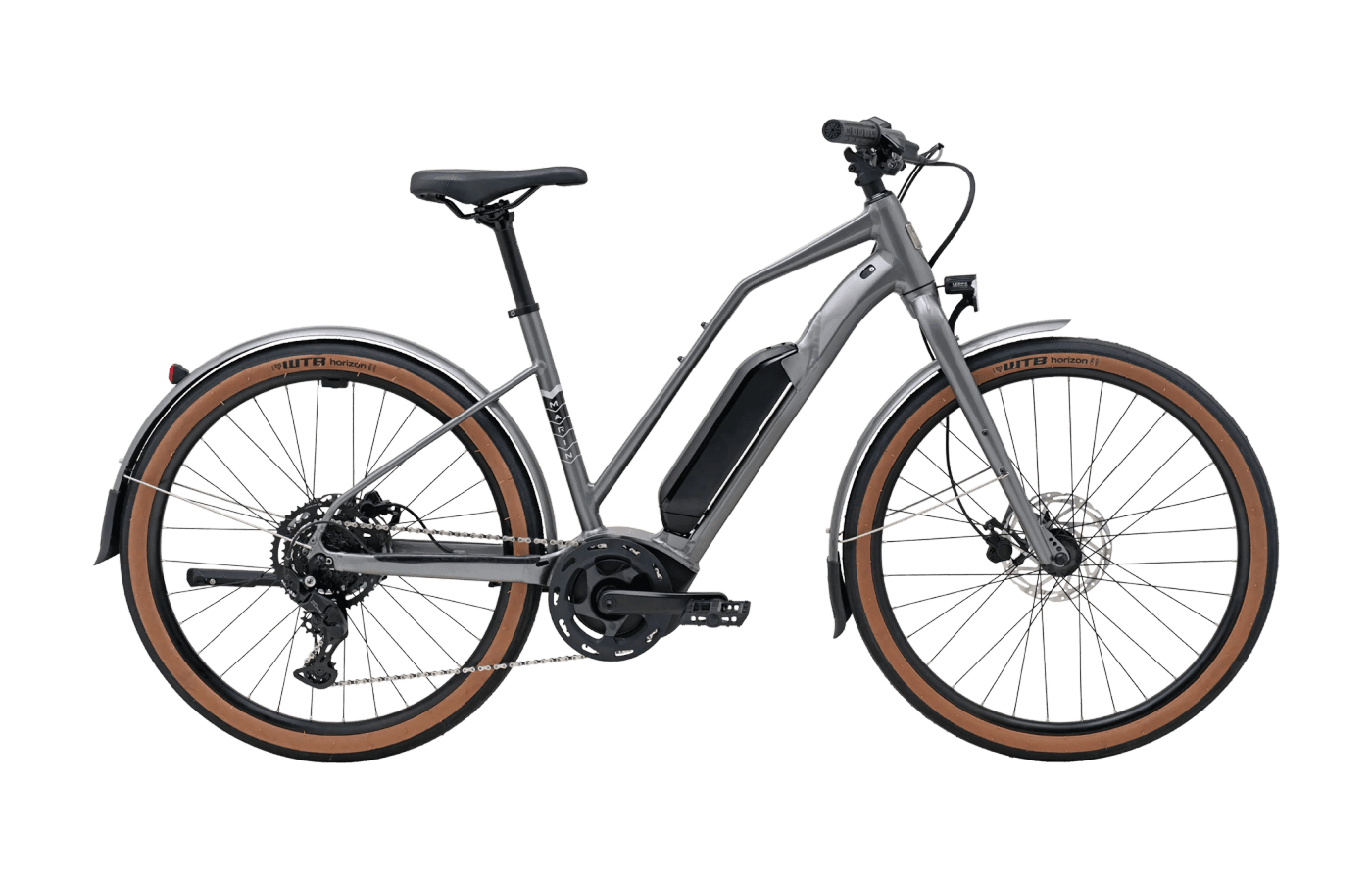
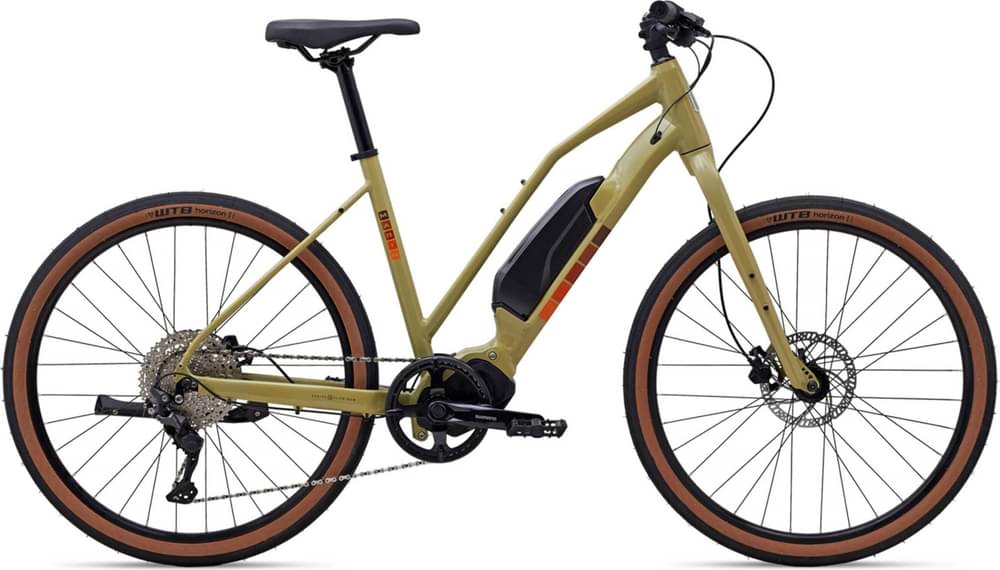
The currently listed Sausalito E range is straightforward, with two builds: E1 and E1 ST, both using the Bosch Active+ INT system. The step-through version broadens accessibility and makes frequent stops easier, while the standard E1 keeps the same core commuter brief in a conventional frame shape. For 2025, Marin also adds practical equipment that earlier versions often lacked as standard, notably fenders and lights, alongside a 545 Wh battery.
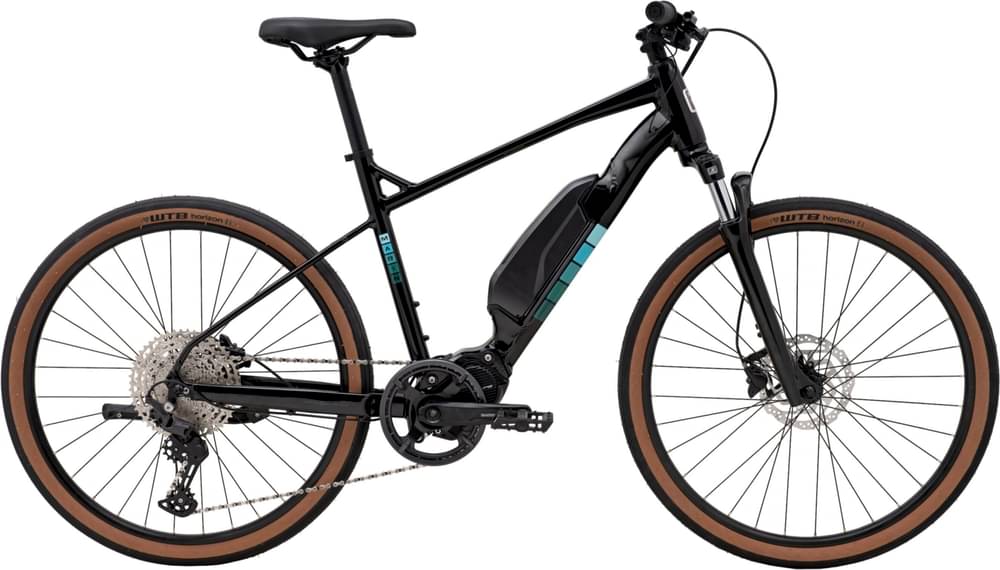
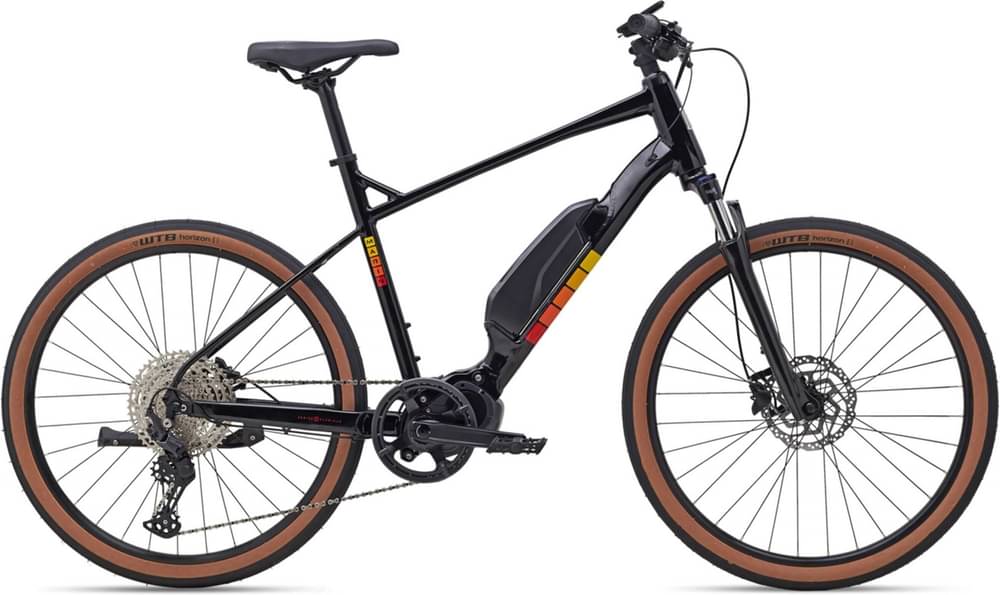
Historically, the Sausalito family has spanned a wider spec range. Earlier E1 models used lower-torque Shimano E5000 motors with 418 Wh batteries, rigid forks, Shimano Deore drivetrains, and Tektro hydraulic brakes, positioning them as the value option for flatter daily use. E2 versions moved up to more powerful Shimano systems—60 Nm in earlier years and 85 Nm EP6 in later ones—plus 63 mm SR Suntour suspension forks, Shimano hydraulic brakes, and in some cases larger 504 Wh batteries. That split made the E1 the simpler, lower-cost commuter and the E2 the better choice for hillier terrain or riders carrying more load.
From the press.
16 reviews from the cycling press.
Reviewers consistently describe the Sausalito E as a steady, natural-feeling commuter rather than a punchy or highly boosted e-bike. A recurring theme is the quality of the mid-drive assist: several testers noted that the Shimano STEPS systems feel more like stronger legs than a motor pushing from behind, and Opticycles similarly framed the E1 as calm, useful, and smooth in stop-start riding. Reviewers also repeatedly praised the upright riding position and wide bars for giving good traffic visibility and easy low-speed control, while the 650B x 47 mm tires were widely credited with taking the edge off potholes, cobbles, and rough pavement.
Handling and comfort earned strong marks, especially for urban and mixed-surface use. Consumer-oriented summaries called the bike well balanced and stable, and BikeRide characterized the handling as outstanding. Rocky Cycle's customer review echoed that real-world impression, reporting a smooth, stable ride on pavement and gravel trails after minor cockpit adjustments. At the same time, reviewers were clear about the trade-offs. The lower-torque E1 versions were seen as adequate for flatter routes but less convincing on steep, loaded climbs, while some testers found the E2's 63 mm SR Suntour fork could bottom out under harder impacts or heavier riders. A few reviewers also noted that the wide bars improve leverage and confidence but can be awkward when filtering through tight city spaces. Overall, the Sausalito E was regarded as a high-value, low-drama commuter whose strengths are ride feel, stability, and practical component choices rather than raw speed or out-of-the-box equipment.
Marin Sausalito E1 Ebike Review | Cycle Volta
MARIN SAUSALITO ST E1 2022 - Review, Test & Price
MARIN SAUSALITO E2 2023 - Review, Specs & Price
MARIN SAUSALITO E2 2022 - Review, Test & Price
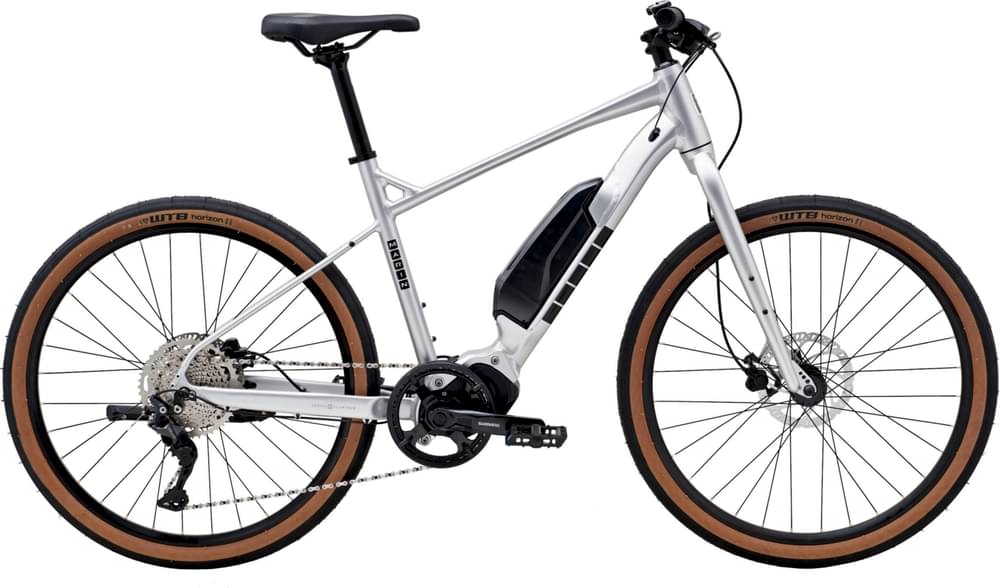
MARIN SAUSALITO E1 2024 - Review, Test & Price
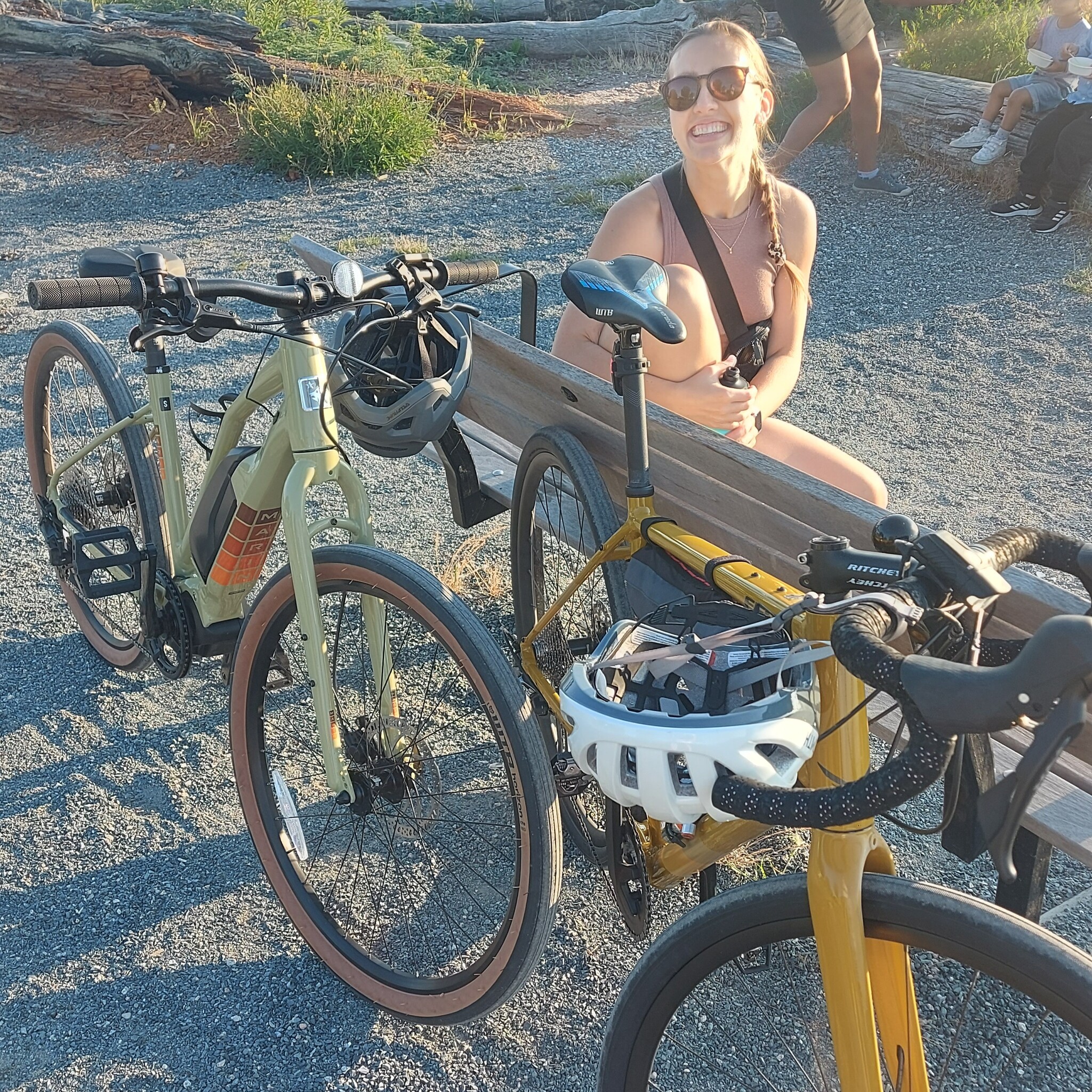
Rocky Cycle Blog - A Customer Review of the Marin Sausalito E1 ST - Rocky Cycle
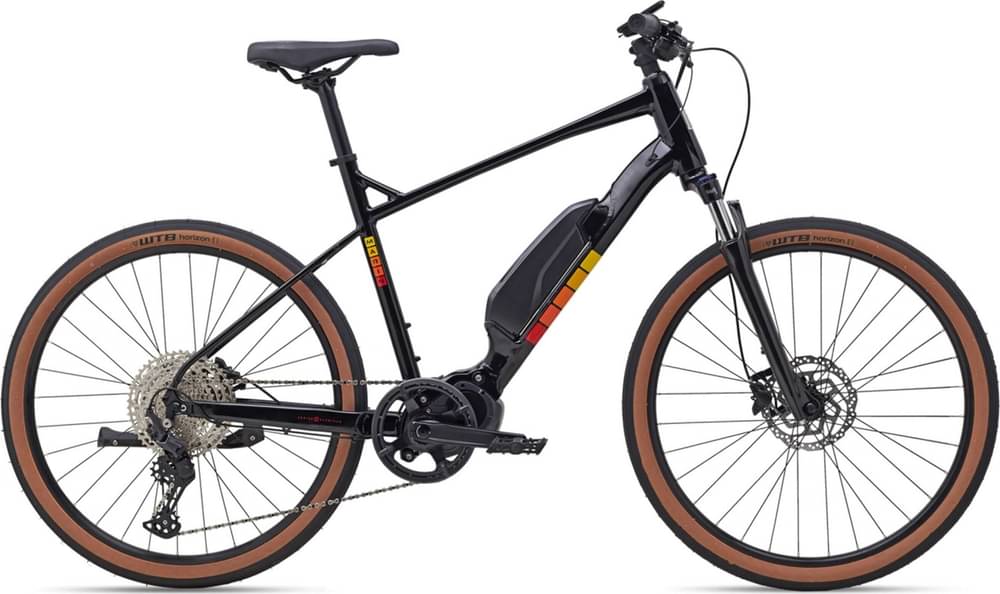
MARIN SAUSALITO E2 2021 - Review, Test & Price
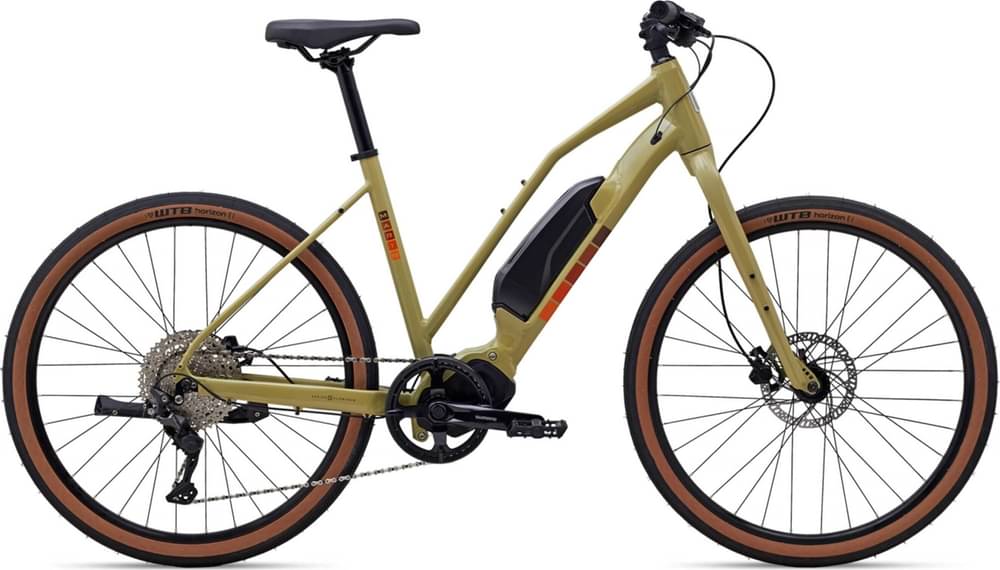
MARIN SAUSALITO ST E1 2021 - Review, Test & Price
MARIN SAUSALITO E2 2021 - Review, Test & Price
Marin Sausalito ST E1 Electric Bike Review - Consumer Reports
![Is Marin Sausalito E1 A Perfect Selection? - [ Marin Sausalito E1 Review]](https://paklmrfyhygqlkyhjcnf.supabase.co/storage/v1/object/public/storage/review-images/marin/sausalito-e/generation-2021-present/review-65c3f6047f17.webp)
Is Marin Sausalito E1 A Perfect Selection? - [ Marin Sausalito E1 Review]
Marin Sausalito E1 eBike Review - SSGC

Marin Sausalito E2
Marin Sausalito E2 - Cycling News | electric bike reviews, buying advice and news - ebiketips
Marin Sausalito E1 – eBikes Int'l