Mondraker
NeatR
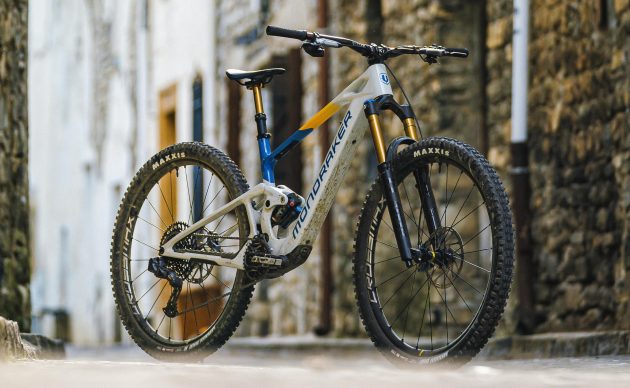
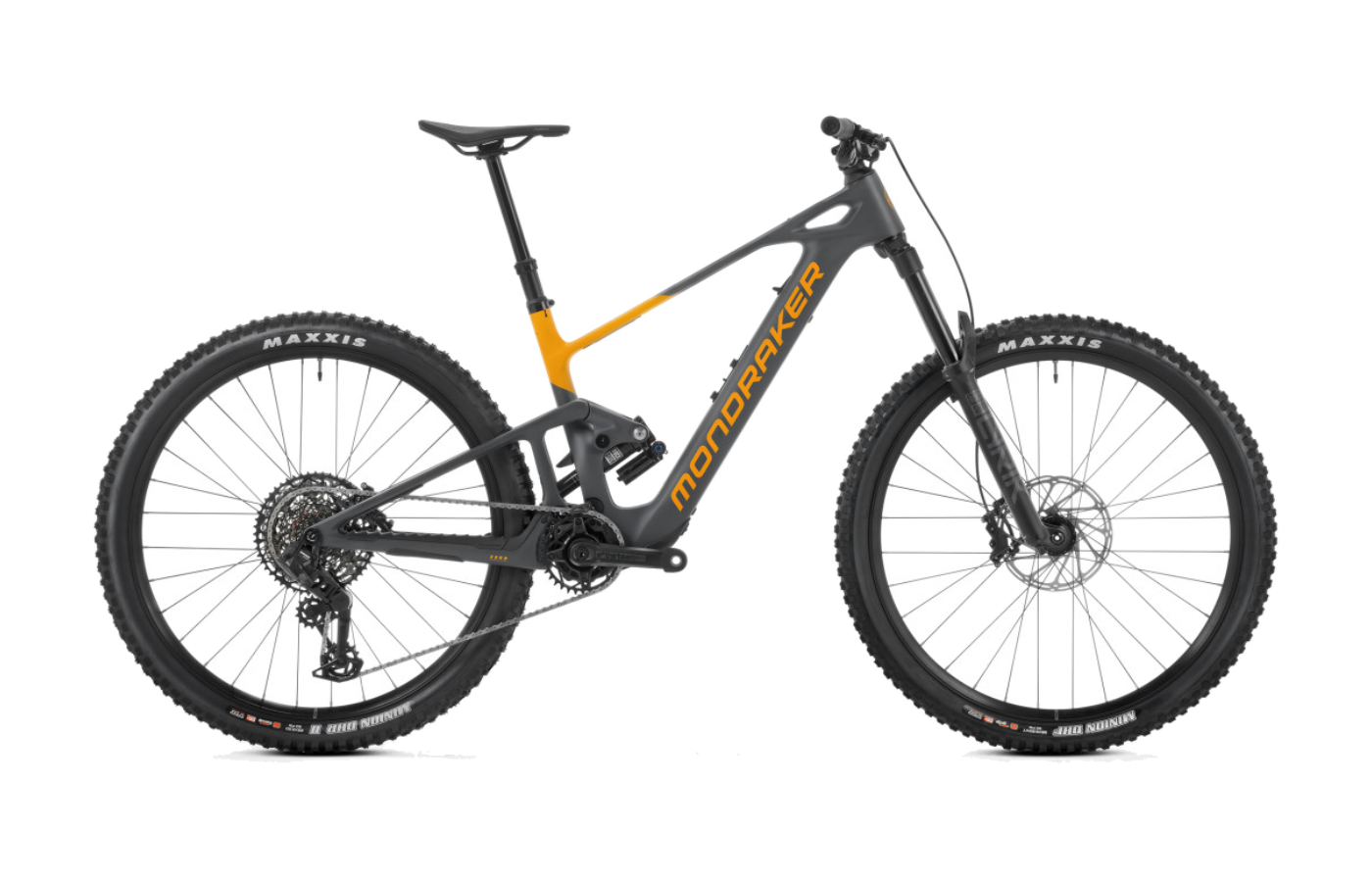
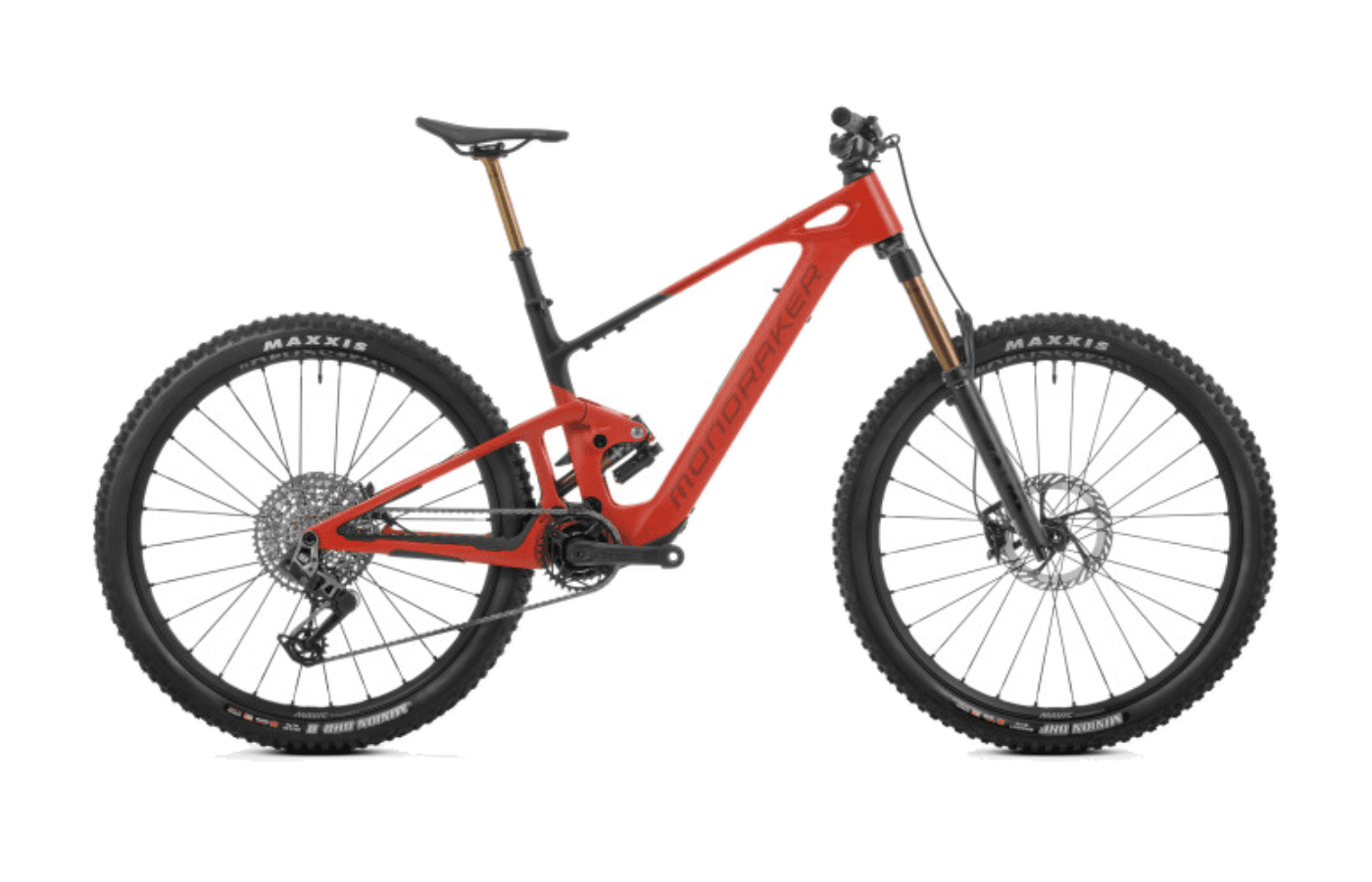
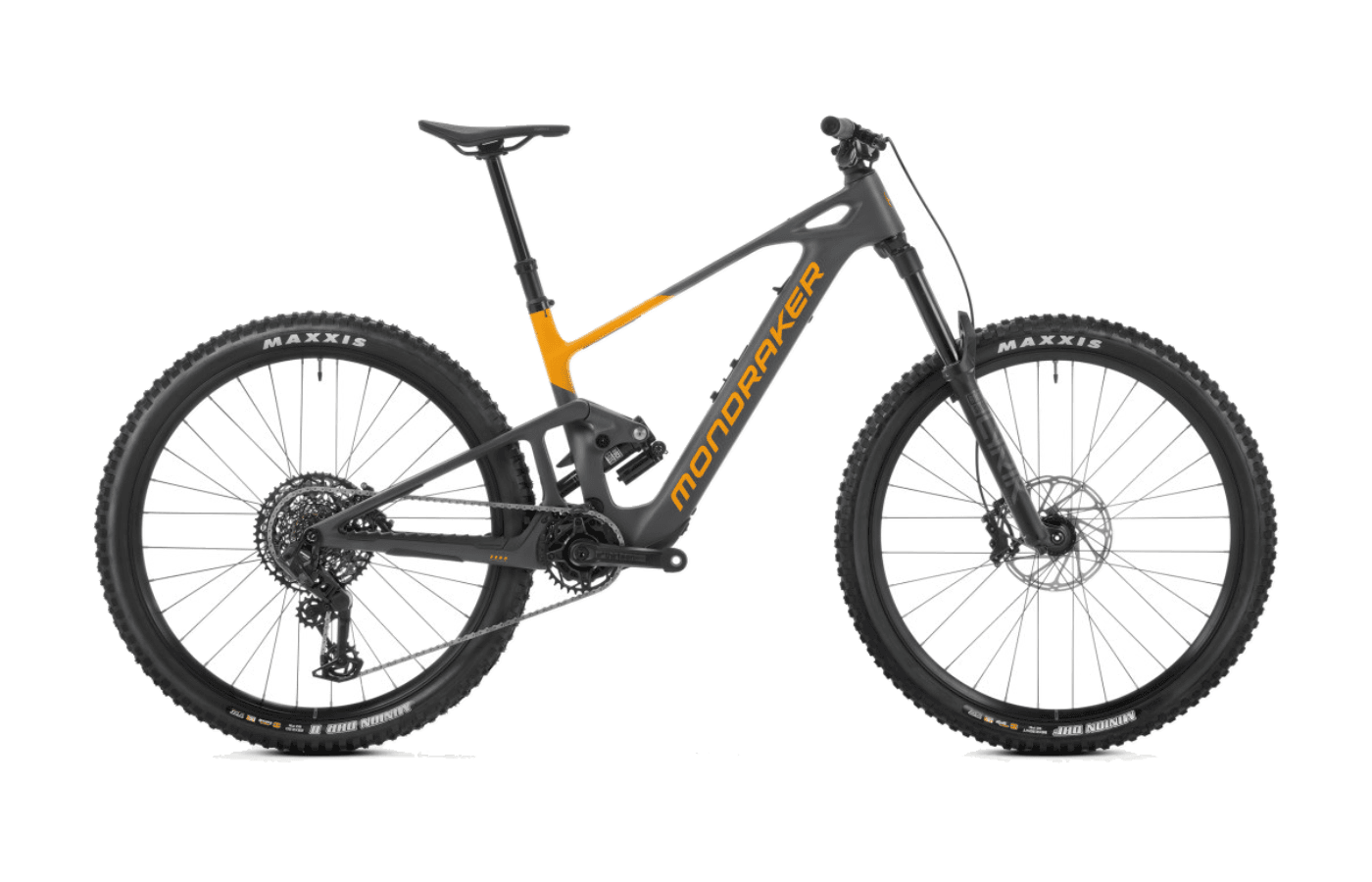
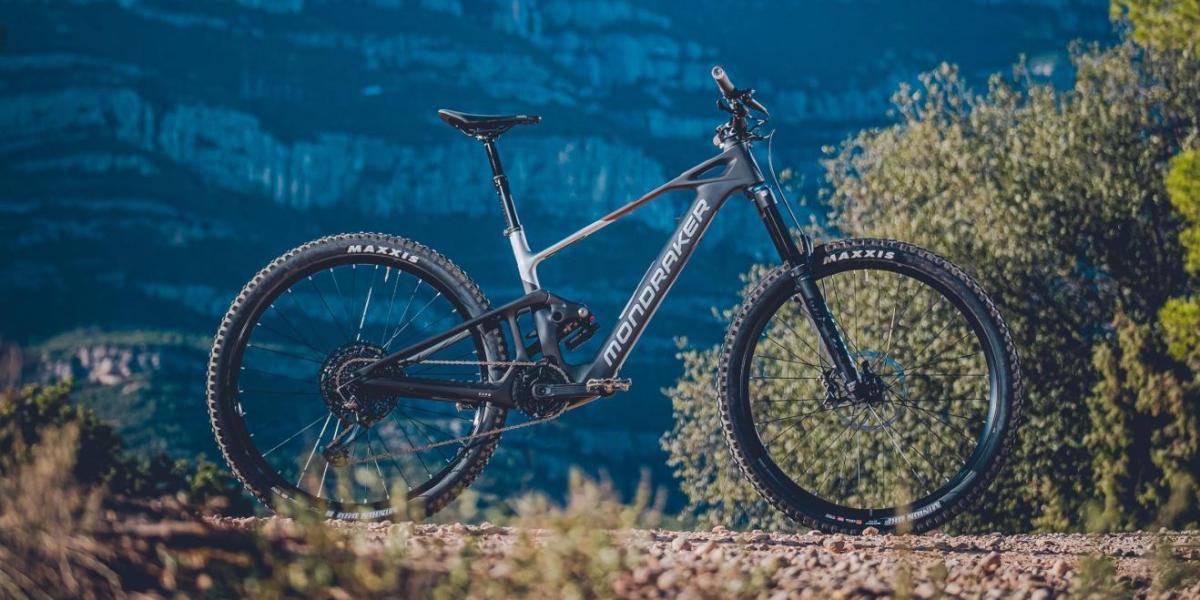
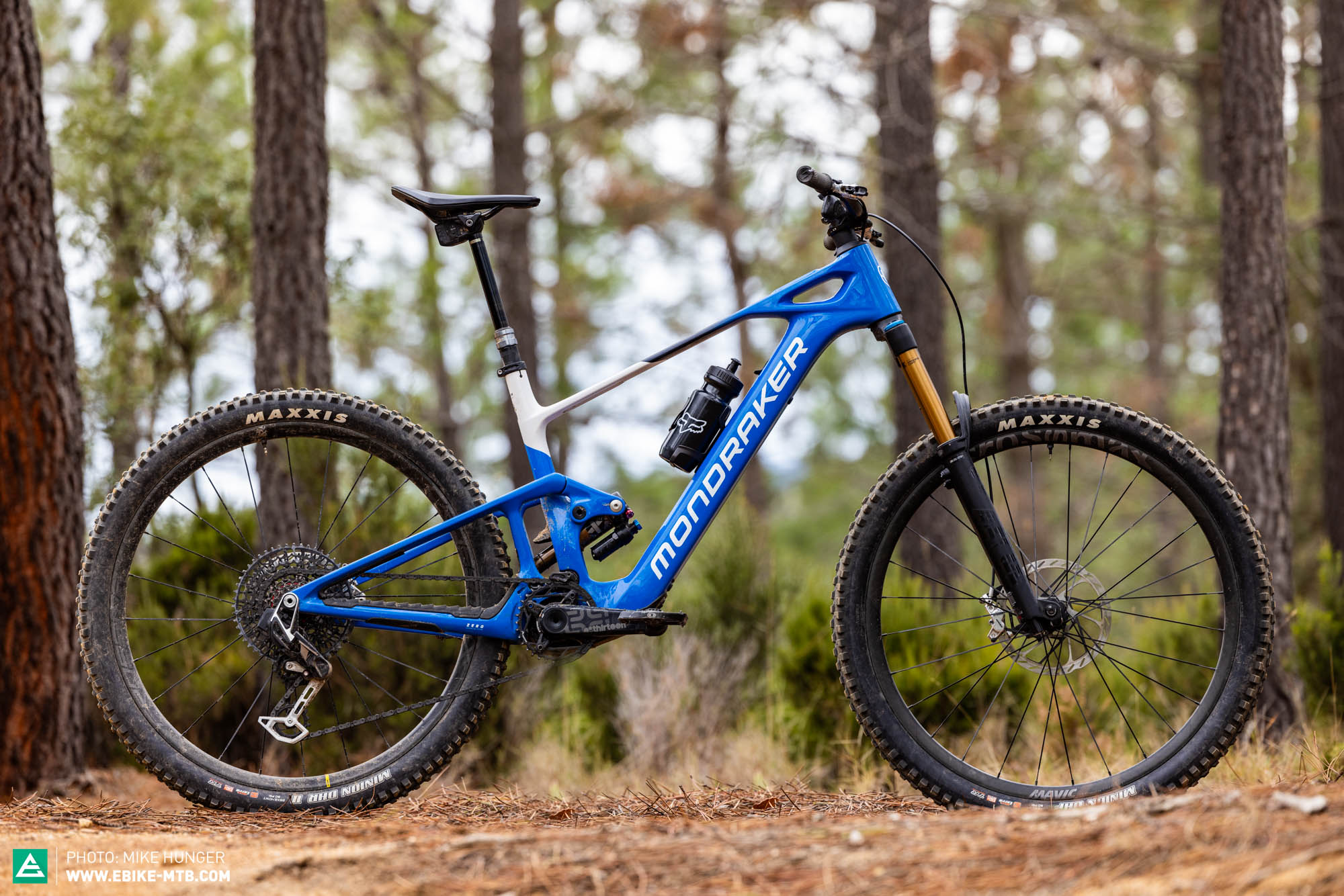
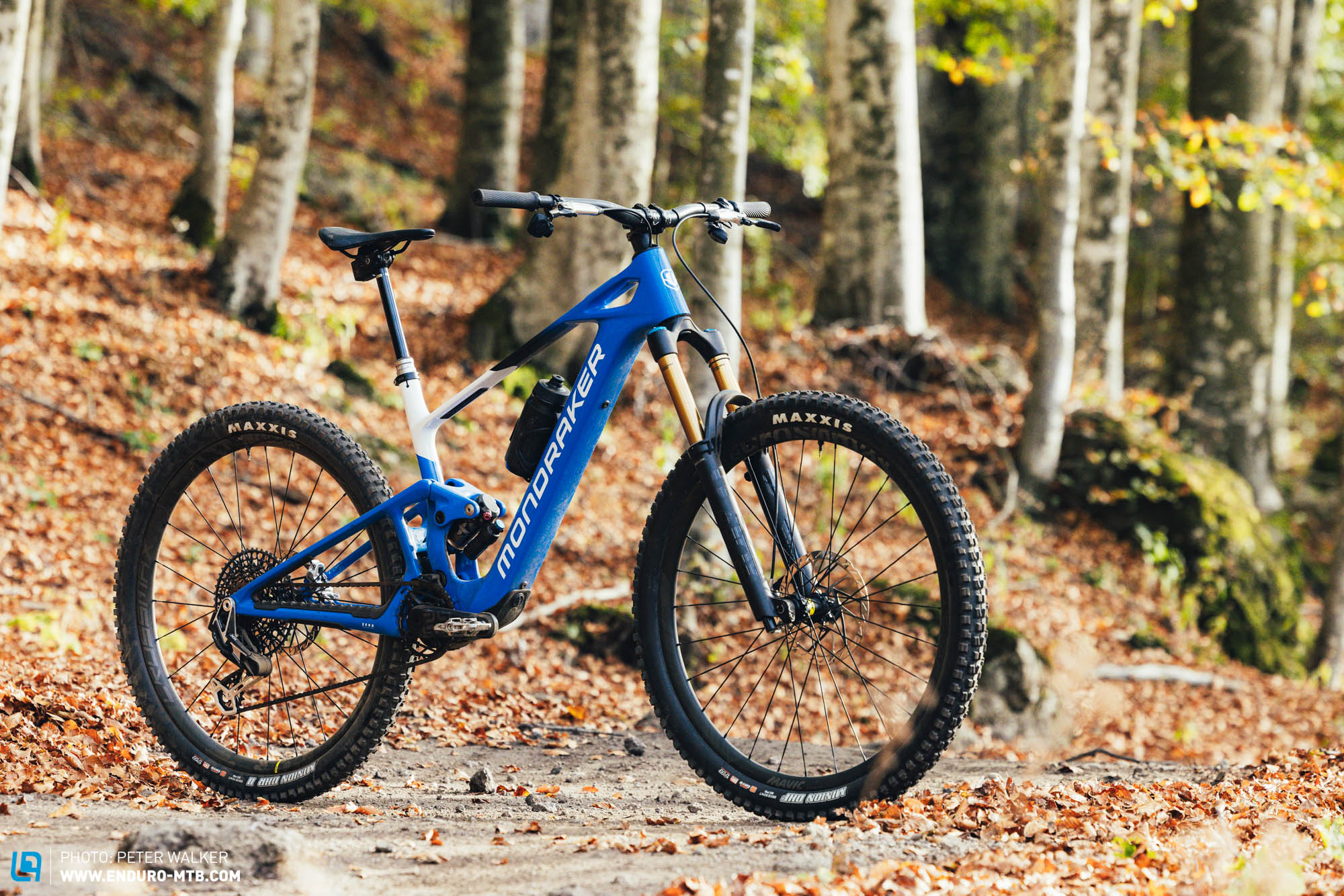
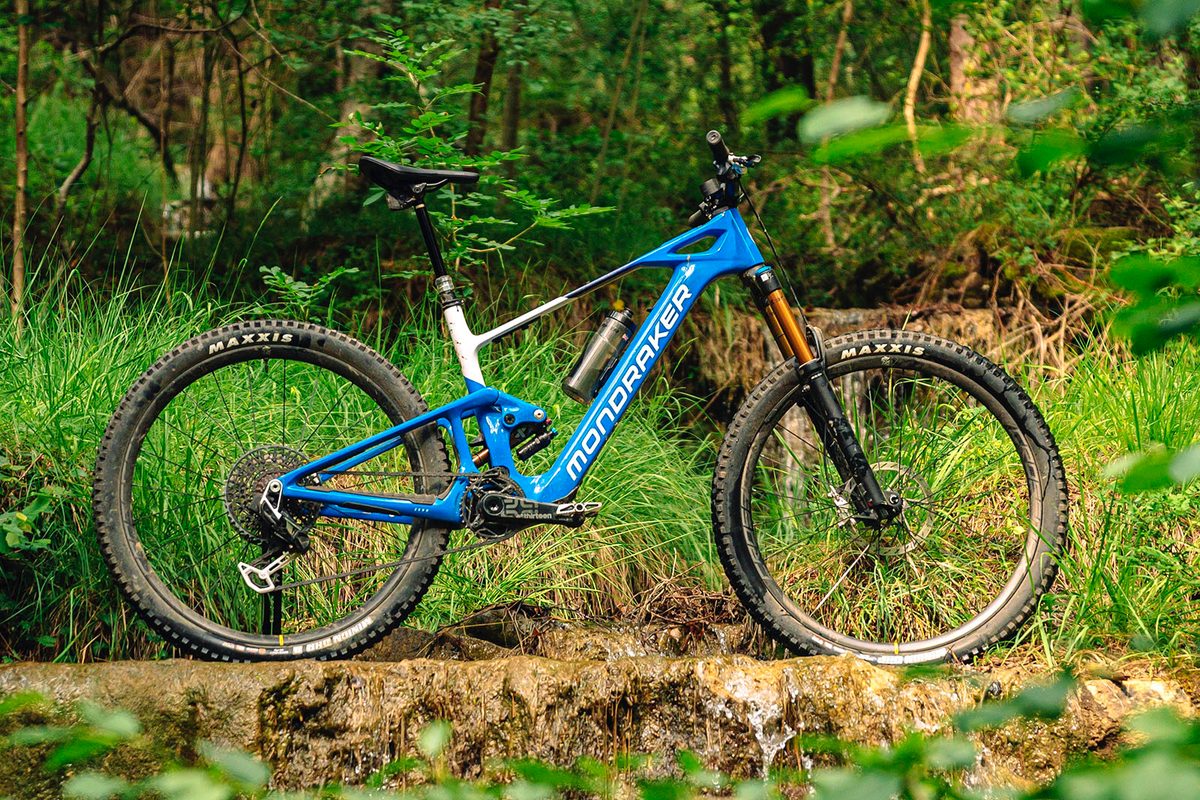
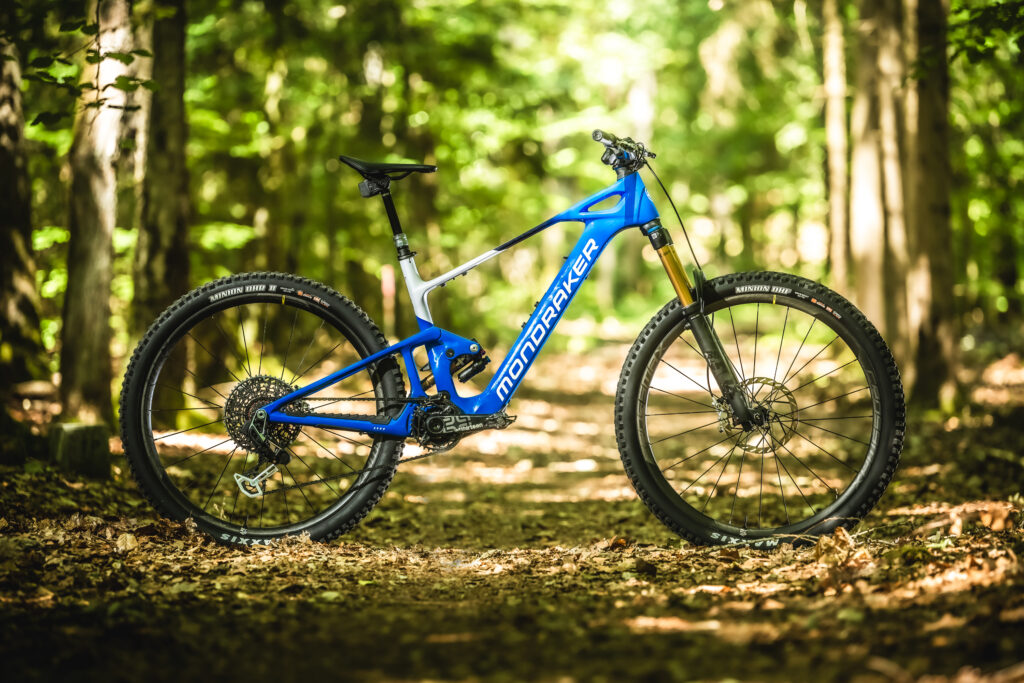
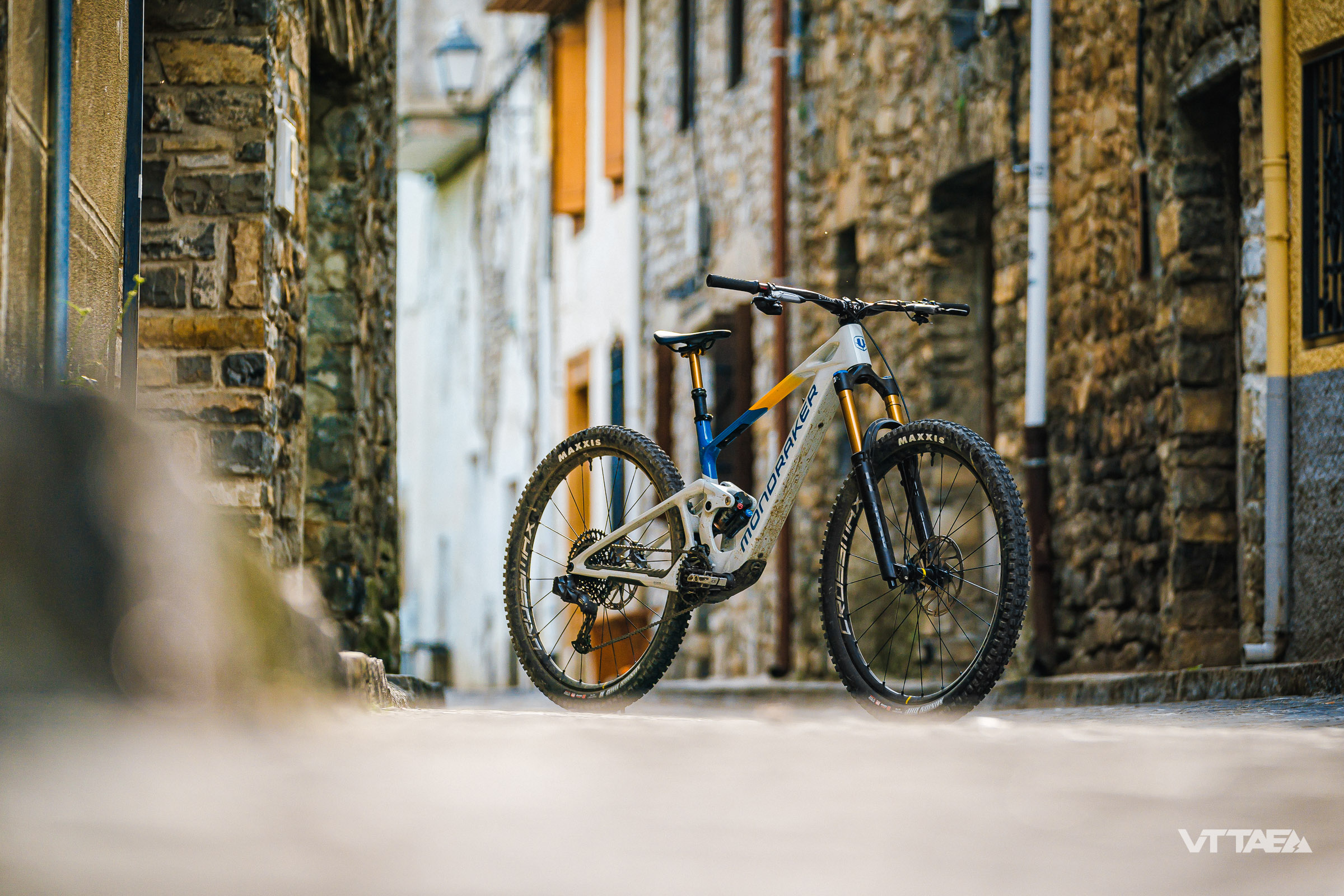
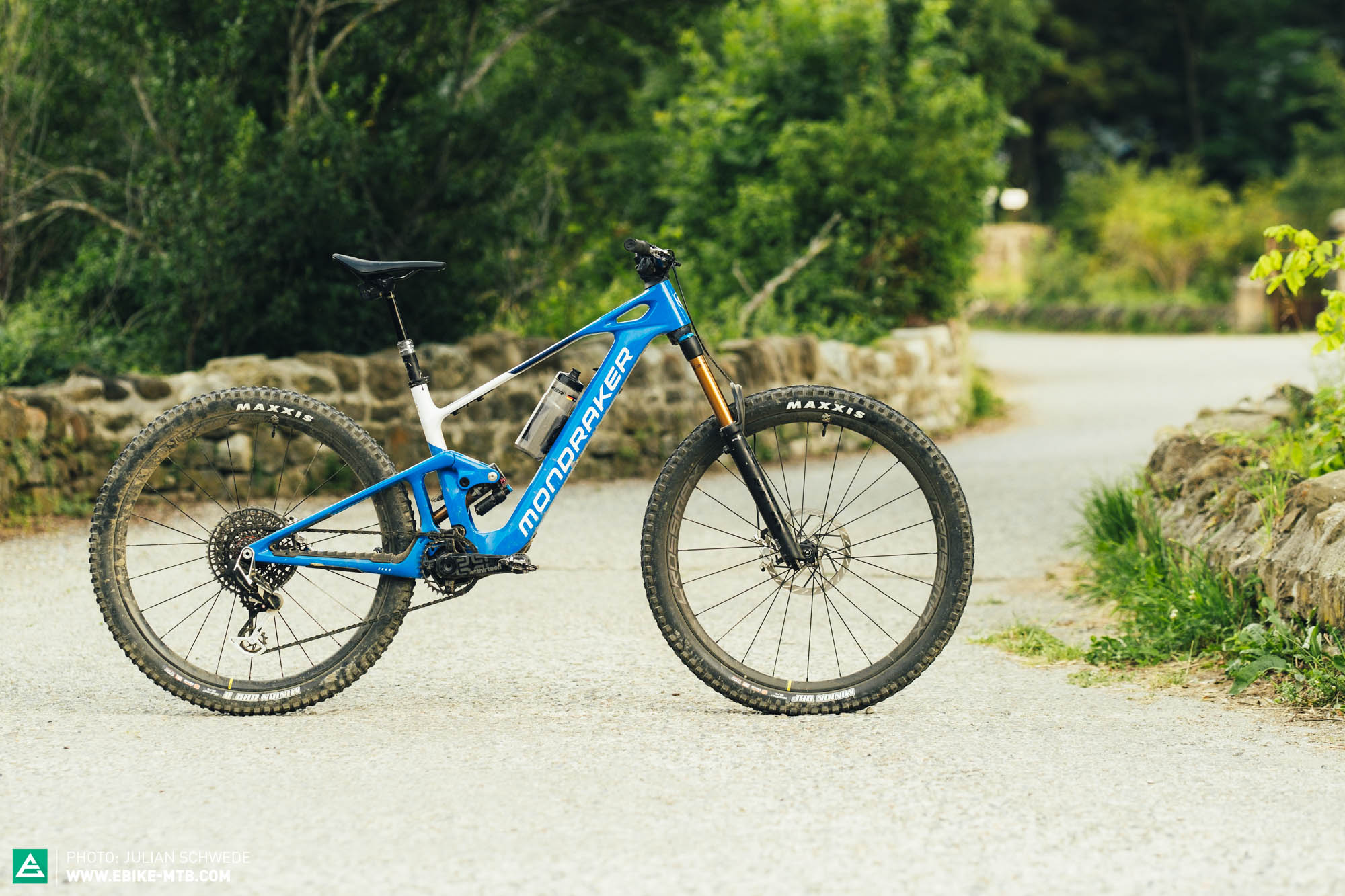
The Mondraker Neat is the brand’s first dedicated light-assist e-MTB platform, not a reworked full-power bike. It uses a Stealth Air full-carbon frame, TQ HPR-50 drive unit, 360Wh removable/internal battery, 150mm of rear travel via Mondraker’s Zero suspension, and a 160mm fork, all on 29in wheels. What sets this generation apart is how deliberately Mondraker chased a low-mass, low-visual-bulk package without abandoning enduro-oriented intentions. The low-mounted shock, compact swingarm, and Neat-specific Zero kinematic give it a distinct chassis layout, while details like Boost 148 spacing, UDH compatibility, and HHG internal routing place it firmly in the current premium trail/enduro market.
Compared with heavier full-power e-bikes, the Neat is aimed at riders who want assistance to extend rides and speed up climbs without losing the feel of an aggressive analogue trail bike. Its 50Nm TQ system and 360Wh battery make that clear: this is not a shuttle-bike substitute, but a lightweight, rider-input-dependent e-MTB built around handling and responsiveness. In the market, it sits among premium light e-MTBs such as the Levo SL and Heckler SL, with Mondraker distinguishing itself through its Forward Geometry approach, compact motor integration, and a firmer, more supportive suspension character than many comfort-first alternatives.
Spec sheet.
Every component shipped with this build.
No specs available yet.
Geometry & fit.
4 sizes published.
The Neat’s geometry is unapologetically modern and strongly aligned with Mondraker’s Forward Geometry philosophy. Across sizes, it uses a 64.5° head angle, 76.5° effective seat angle, 450mm chainstays, and reach figures of 450mm (S), 470mm (M), 495mm (L), and 515mm (XL). On the trail, that translates to a long front center paired with a relatively steep seated position, which helps center the rider for climbing while preserving composure at speed. The 495mm reach and 1275mm wheelbase in size L are substantial numbers for a light e-MTB, and they explain why reviewers consistently describe the bike as stable, precise, and happiest with an active rider weighting the front end properly.
The 450mm rear center is on the long side for this category, contributing to balanced climbing manners and helping keep the front wheel planted on steep pitches. Combined with the 76.5° seat angle, it gives the Neat a strong technical-climb posture rather than a rearward, wandering feel. The -25mm BB drop is relatively conservative, which aligns with reviewer comments about low pedal-strike risk and good technical climbing clearance, though some testers felt a lower BB option could have improved flat-corner carving further. Overall, the numbers point to a bike that prioritizes stability, front-end accuracy, and rider balance over ultra-short, hyper-playful geometry.
Where the handlebar sits relative to the bottom bracket — the single most important fit pair.
01Fit geometry5 values
03Handling geometry7 values
Which size should I buy?
Slide your height to see the recommended size. GearWise's fit algorithm works from the published stack, reach, and ETT — the brand's own recommendation may differ.
→Calculated from GearWise's own stack / reach / ETT algorithm — the brand's size chart may recommend a different size, and a proper bike fit beats any calculator.
The lineup.
4 builds, ranging $10,499 – $15,699.
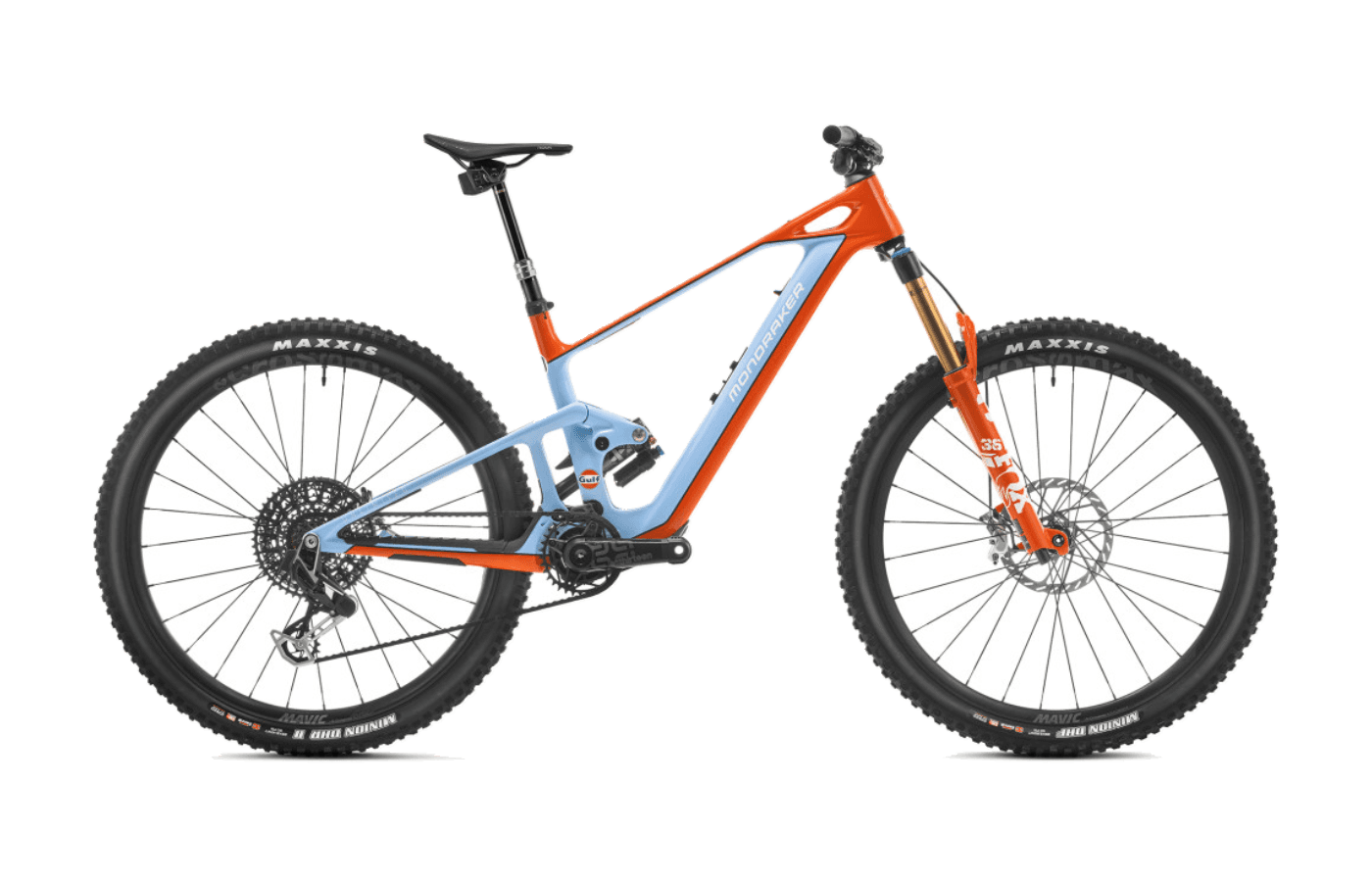
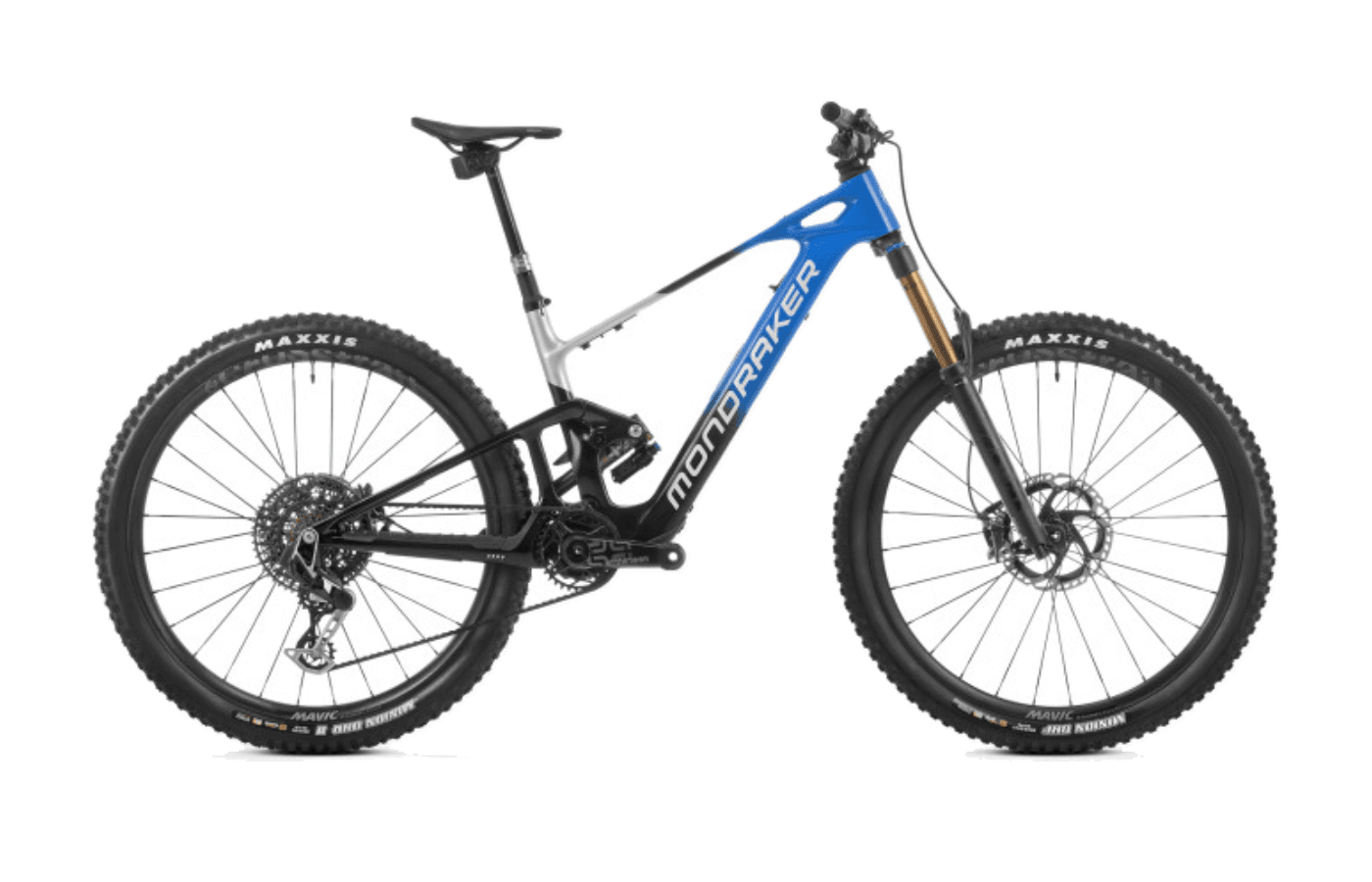
The Neat lineup spans four builds: R at $10,499, RR at $12,499, RR SL at $14,399, and the Unlimited Gulf edition at $15,699. Across the range, the common platform remains the same: carbon frame, TQ HPR-50 motor, 360Wh battery, and 160/150mm travel layout. The pricing places the Neat firmly in premium light e-MTB territory, and even the base model enters at a high price relative to some competitors.
The reviewed builds suggest clear differences in weight and component intent. The R was cited around 18.9 kg and criticized in broader review coverage for more basic kit and weaker value, while the RR at 18.7 kg appears to hit a more practical middle ground. The RR SL drops to roughly 17.8-18.3 kg depending on source and build size, using lighter, more boutique parts including carbon wheels and top-tier transmission-level components, but reviewers repeatedly questioned whether the highest-end spec justified the price when braking performance still needed attention. Across the range, the strongest value case appears to be the mid-tier RR: it preserves the Neat’s core ride quality without pushing as far into diminishing-return pricing as the flagship models.
From the press.
15 reviews from the cycling press.
Reviewers are broadly aligned in describing the Neat as one of the most convincing "analogue-feeling" light e-MTBs currently available. E-MOUNTAINBIKE Magazine called it exceptionally fun on flowing trails, and several outlets highlighted how the low overall weight, near-silent TQ HPR-50 motor, and long-reach/short-stem Forward Geometry combine to make the bike feel lively rather than e-bike heavy. Bornmagazin and others praised its high-speed composure, with the bike holding a line confidently in rough terrain, while technical analyses from Linkage Design and ride impressions from multiple publications pointed to the revised Zero suspension as a major factor in the bike’s supportive, efficient feel.
That praise comes with consistent caveats. BikeRadar and others noted that the rear suspension is not especially plush, transmitting more trail feedback than softer-riding competitors. Enduro MTB described it as a bike that rewards active, precise riding and is not particularly forgiving if the rider becomes passive, while E-MOUNTAINBIKE warned it can feel demanding in very rough, high-speed terrain. The TQ motor’s smooth, quiet assistance was widely appreciated, but reviewers also agreed that 50Nm and a 360Wh battery limit uphill speed and ride range compared with full-power systems.
The most repeated criticism concerns component choices on some builds. Multiple reviewers singled out the SRAM Level brakes as underpowered for the Neat’s descending speed and enduro intent, with MBR, Enduro MTB, and others recommending stronger brakes or larger rotors. Reviewers also flagged practical drawbacks tied to the highly integrated frame, including harder home maintenance via headset cable routing and awkward shock access for sag setup. In short, the Neat is widely seen as a highly engaging, premium light e-MTB for skilled riders, but not the easiest, plushest, or most cost-effective option in the category.
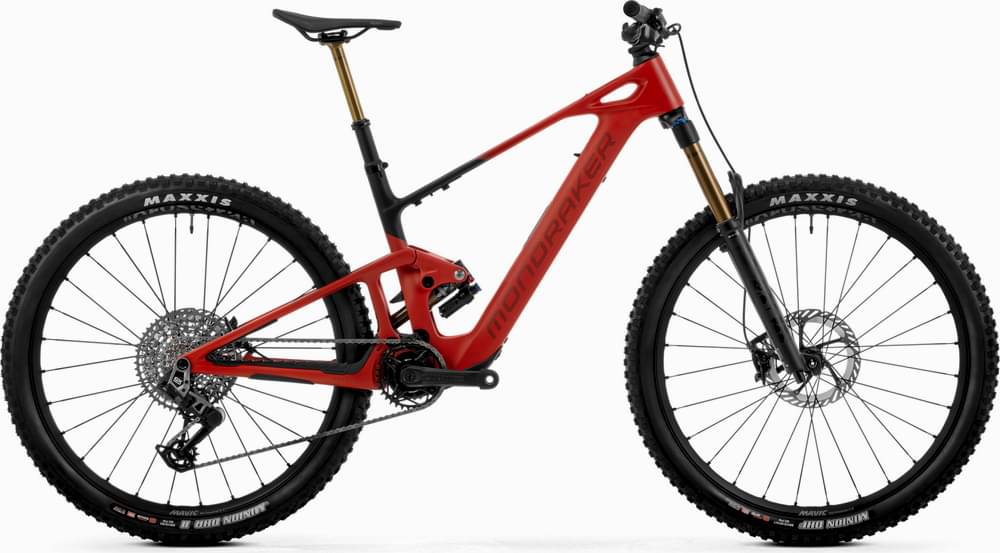
MONDRAKER NEAT RR 2024 - Review, Specs & Price
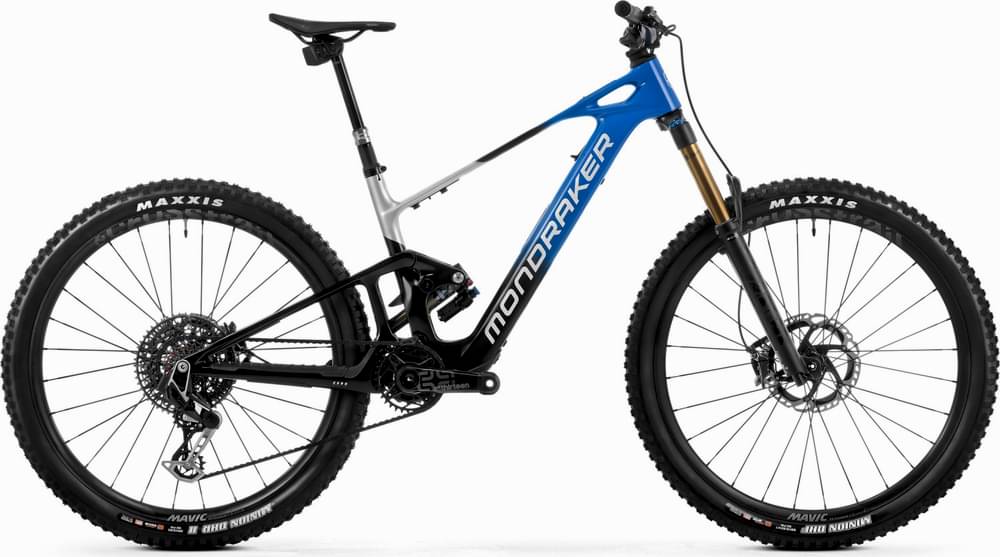
MONDRAKER NEAT RR SL 2024 - Review, Test & Price
Probamos la Mondraker Neat R, el debut de la marca en las e-bikes ligeras

Im Test: Mondraker Neat R
Das Mondraker Neat RR SL – Im großen E-Mountainbike-Test 2024 | E-MOUNTAINBIKE Magazine
Mondraker Neat RR SL – In our huge 2024 e-mountainbike test
The Mondraker Neat RR SL – In out big 2024 trail bike group test
Mondraker Neat 2024 - Linkage Design

Mondraker NEAT Light E-MTBs 2024 Review - Bikeboard
Mondraker NEAT RR SL first ride review
Mondraker Neat – neues Light-E-MTB für 2024 im Test
Présentation du Mondraker Neat | VTTAE.fr
Mondraker NEAT RR SL 2023 with TQ HPR50 Motor on test – The Spanish performance manufacturer’s first light eMTB | E-MOUNTAINBIKE Magazine

Mondraker Neat review - How well does the new light EMTB?