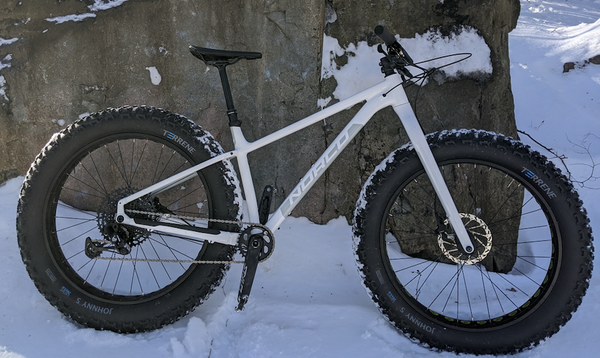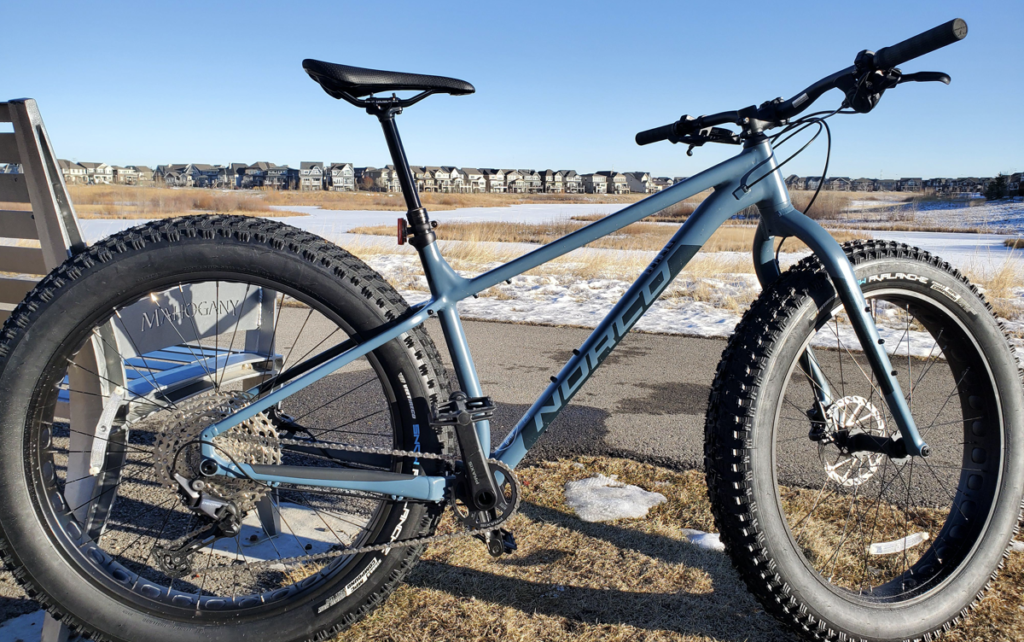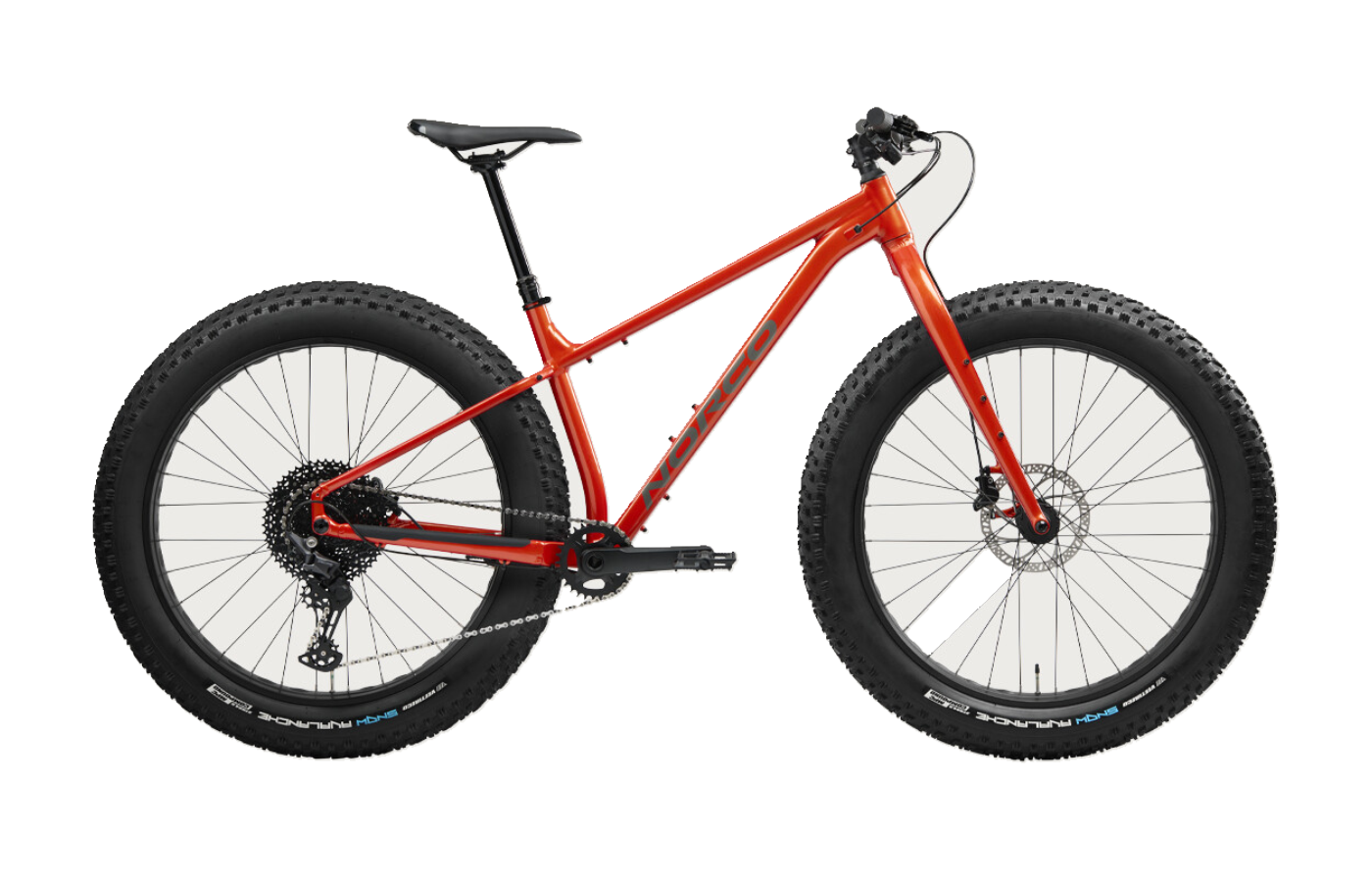
The current Norco Bigfoot arrived with the 2020 model-year redesign and remains the same core platform today. That update moved the bike away from older, more conservative fat-bike conventions and toward a more modern trail-oriented layout: a cleaner aluminum frame, a larger main triangle, internal cable routing, added cargo and rear rack mounts, and revised geometry with a longer wheelbase, lower bottom bracket, and steeper front end than the previous generation. In practice, it positions the Bigfoot as more than a dedicated snow bike. It is designed to work as a year-round fat bike that can handle winter riding, bikepacking, and technical trail use without feeling dated.
What distinguishes this generation is how deliberately Norco balanced utility and trail manners. The frame keeps practical features that matter on expedition or winter bikes, but the geometry and build direction push it toward a more capable, more stable ride than many traditional fat bikes. Across the generation, the same frame has supported rigid and suspension builds, as well as different wheel and tire packages, without changing the underlying chassis. That consistency helps define the Bigfoot's place in the market: a sensible alloy fat-bike platform with modern handling, broad versatility, and enough frame refinement to support both entry-level and enthusiast builds.
Where to get it.
1 retailer · size M.
Spec sheet.
Every component shipped with this build.
Geometry & fit.
4 sizes published.
The available geometry shows a distinctly modern fat-bike fit. In size L, the Bigfoot pairs a 470 mm reach with a 621 mm stack, a 69-degree head tube angle, and a 74-degree effective seat tube angle. That creates a roomier, more centered riding position than older fat bikes, with the seat angle helping keep the rider forward enough for seated climbing and front-wheel control. The 648 mm effective top tube in L reinforces that this is not a cramped, upright cruiser-style fat bike; it is meant to be ridden actively on trails.
Handling numbers also point to stability without going to extremes. A 440 mm chainstay is relatively short for a fat bike, helping keep the rear end manageable, while the 1177 mm wheelbase in size L adds composure at speed. The 59 mm bottom-bracket drop lowers the rider's center of gravity for a more planted feel, and the listed 95 mm trail figure supports calm steering on loose or soft surfaces. Altogether, the geometry suggests a bike that should feel stable and confidence-inspiring on descents and in rough winter conditions, but still practical at lower speeds and on climbs where overly slack fat bikes can become cumbersome.
Where the handlebar sits relative to the bottom bracket — the single most important fit pair.
01Fit geometry6 values
02Component geometry4 values
03Handling geometry8 values
Which size should I buy?
Slide your height to see the recommended size. GearWise's fit algorithm works from the published stack, reach, and ETT — the brand's own recommendation may differ.
→Calculated from GearWise's own stack / reach / ETT algorithm — the brand's size chart may recommend a different size, and a proper bike fit beats any calculator.
The lineup.
5 builds, ranging $1,199 – $3,199.
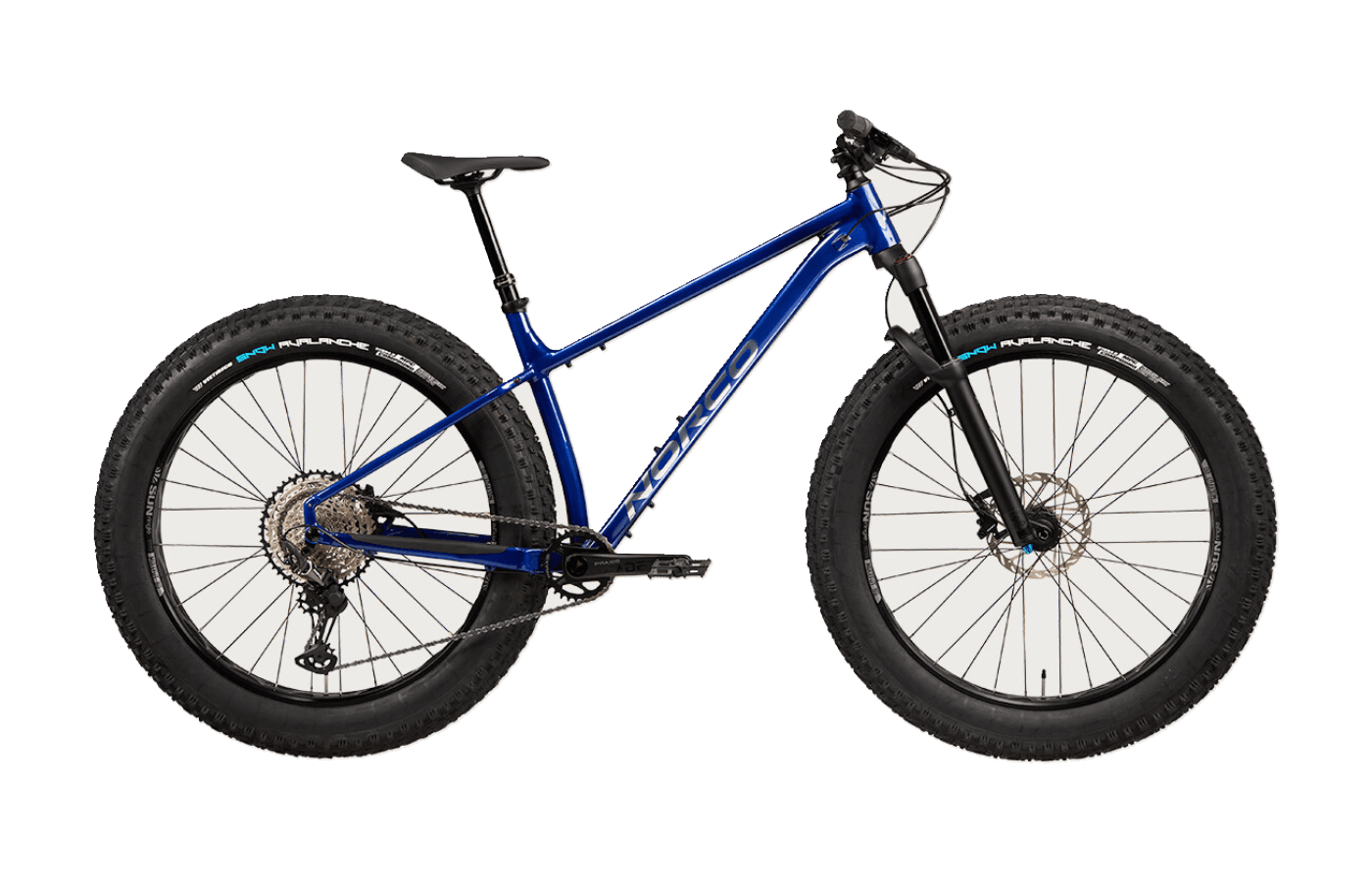
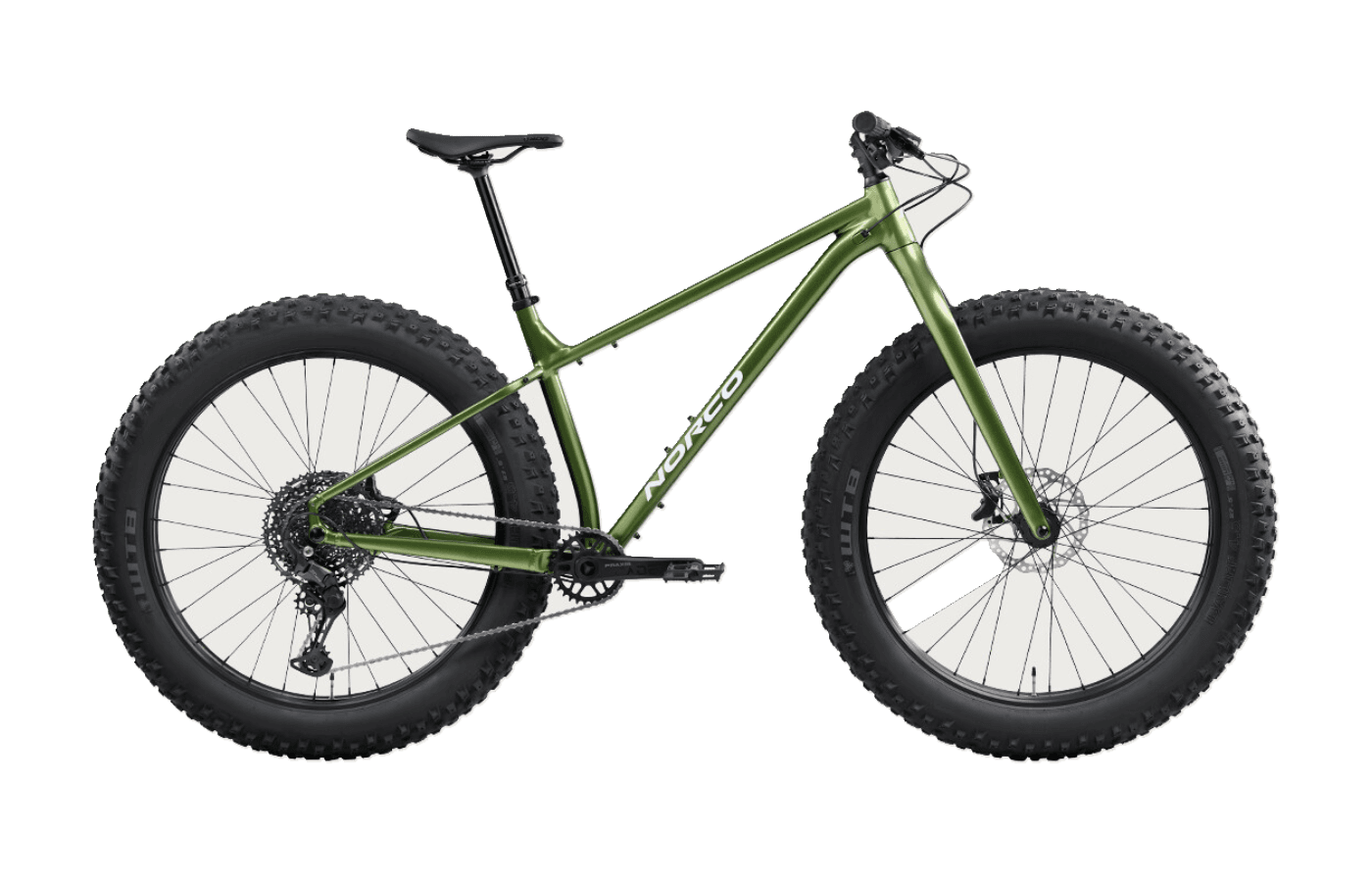
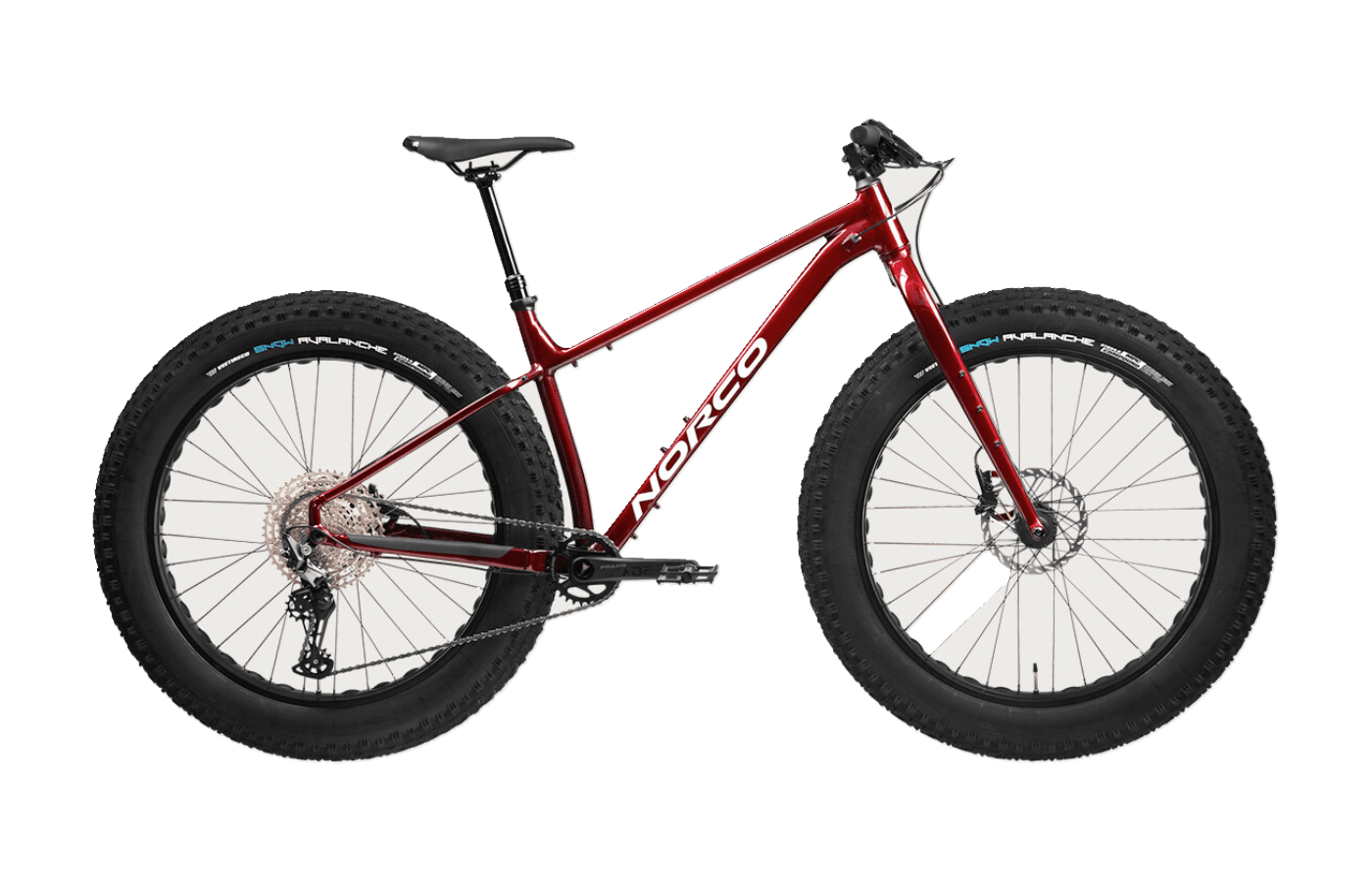
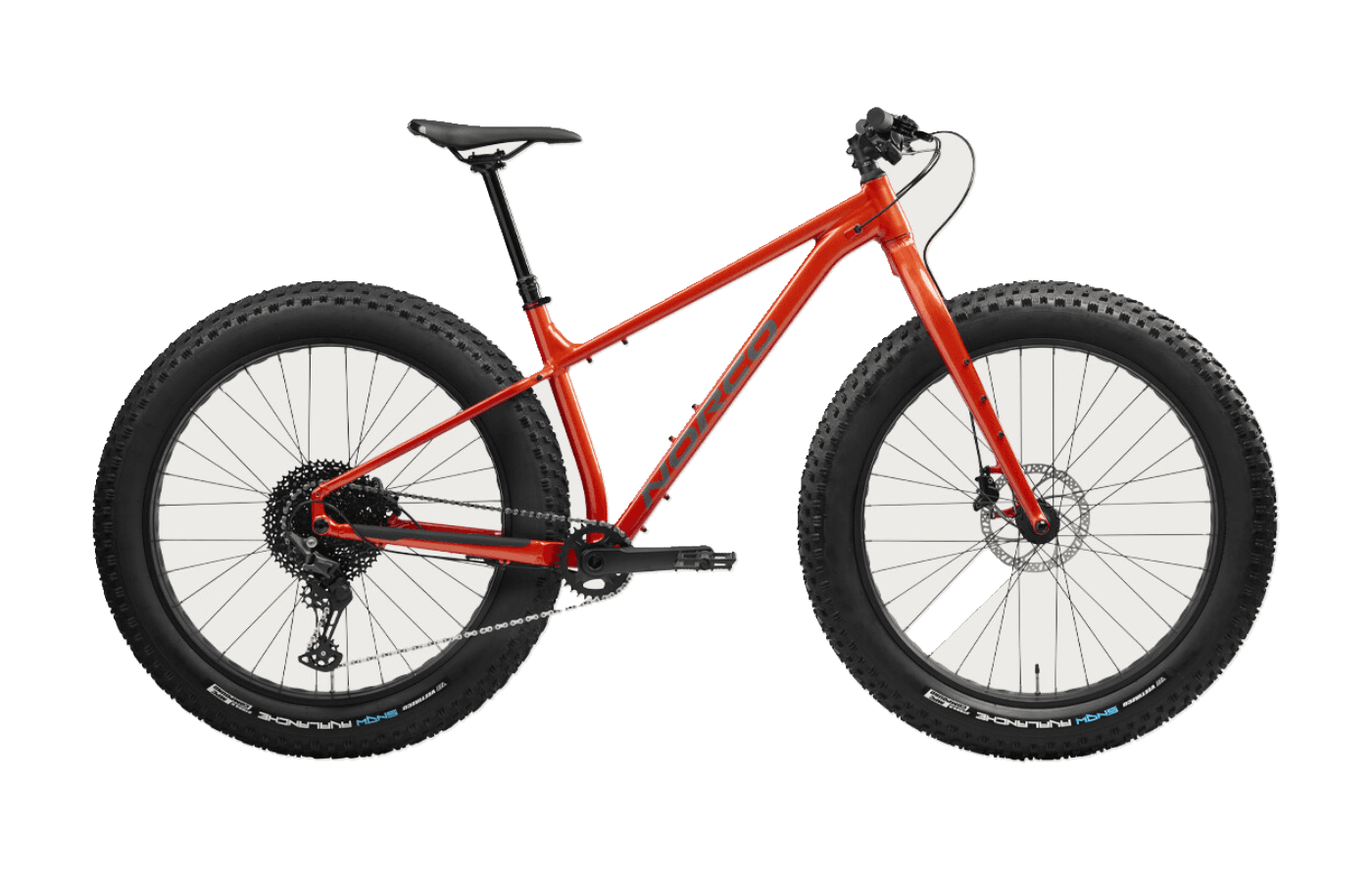
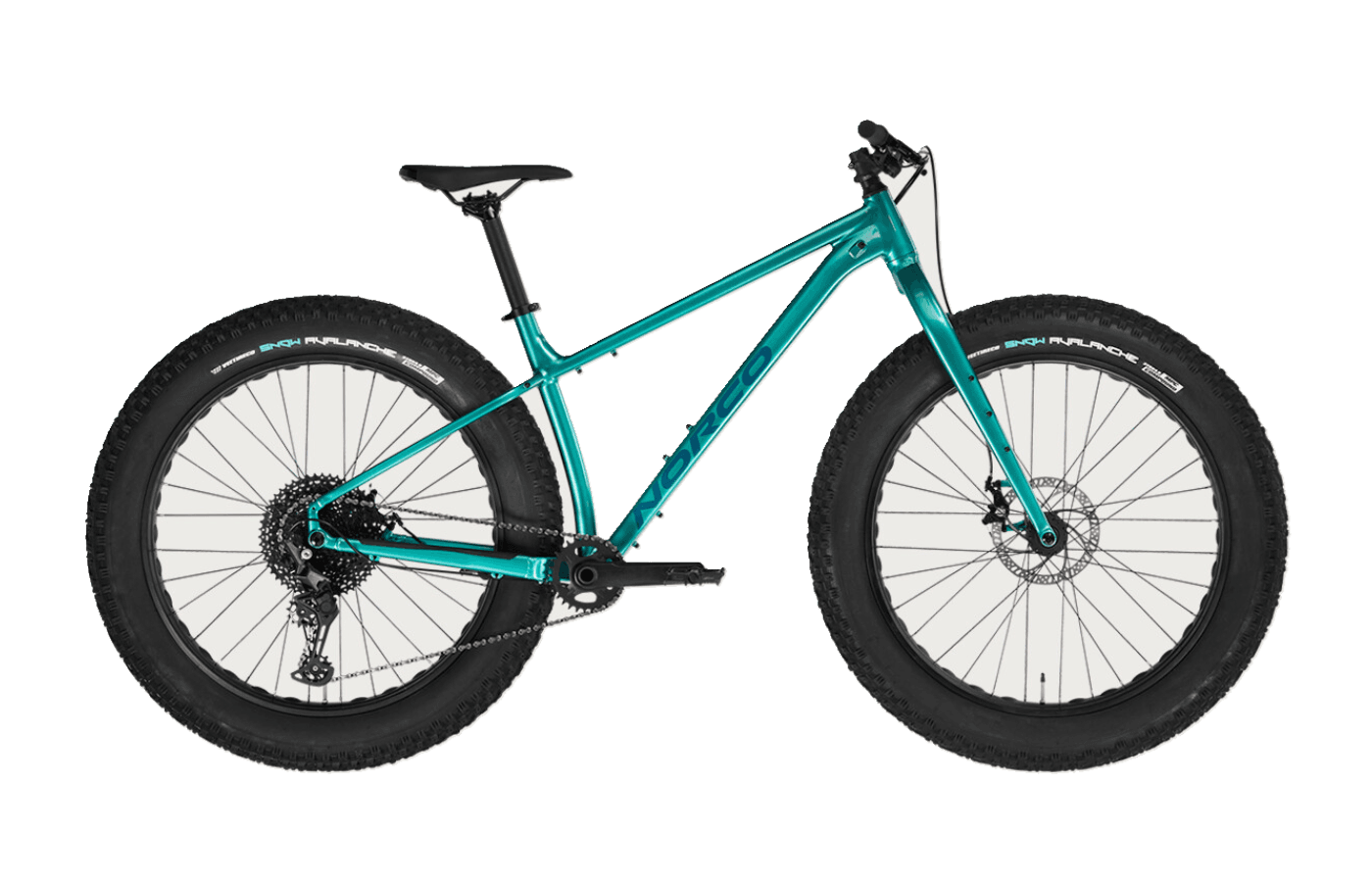
The Bigfoot platform has been offered in several trims, including Bigfoot 1, 2, 3, a 3 Hydro, and a Bigfoot 1 Suspension variant. Review coverage makes the lineup structure clear even where full current build sheets are not provided: the Bigfoot 3 is the entry point, aimed at newer riders with simpler components and, in some versions, 26-inch wheels for easier maneuverability. FatBike Planet describes it as priced just over $1,000, making it one of the more accessible ways into a modern-geometry fat bike.
Higher in the range, the Bigfoot 1 is the standout enthusiast rigid build, with reviewers highlighting its carbon fork, dropper post, and stronger drivetrain spec as the key upgrades that justify the jump in price. The Bigfoot 2 sits between the two as the value-focused midrange option, sharing the same frame and geometry but with more modest parts. At the top, the Bigfoot 1 Suspension adds a Manitou Mastodon Pro fork, trading simplicity and lower weight for substantially more control and comfort on rough trails. The common theme across the range is that Norco uses the same modern chassis as the foundation, so the buying decision is less about frame quality and more about how much a rider values lower weight, better damping, and higher-end components.
From the press.
3 reviews from the cycling press.
Reviewers consistently describe the redesigned Bigfoot as one of the more convincing modern fat bikes in its class, largely because of its geometry and balanced ride character. Mountain Bike Vermont called the front-end geometry a "Goldilocks" setup, noting that the 68-degree head angle on the reviewed suspension-equipped Bigfoot 1 struck a rare middle ground between climbing manners and descending confidence. Studio Cycle Maglia Rosa similarly praised the new geometry for improving weight distribution, saying it created a stronger pedaling position with better traction, and went so far as to place the Bigfoot 1 among the best options around the $2,500 mark.
Across broader model-range coverage, reviewers also pointed to Norco's spec choices as a major strength. The carbon fork on the rigid Bigfoot 1 was repeatedly singled out as a meaningful upgrade for comfort and front-end weight, while the X-Fusion Manic dropper was seen as a smart inclusion rather than a gimmick. The Manitou Mastodon Pro on the Bigfoot 1 Suspension drew especially strong praise for smoothing rough terrain and making the bike more capable on technical trails. The main criticisms were familiar fat-bike tradeoffs rather than major flaws: the alloy frame is not especially light, lower-tier rigid alloy forks can feel harsh, and the suspension model adds weight and maintenance that some riders may not want for primarily snow-focused use.