Fluid VLT Carbon
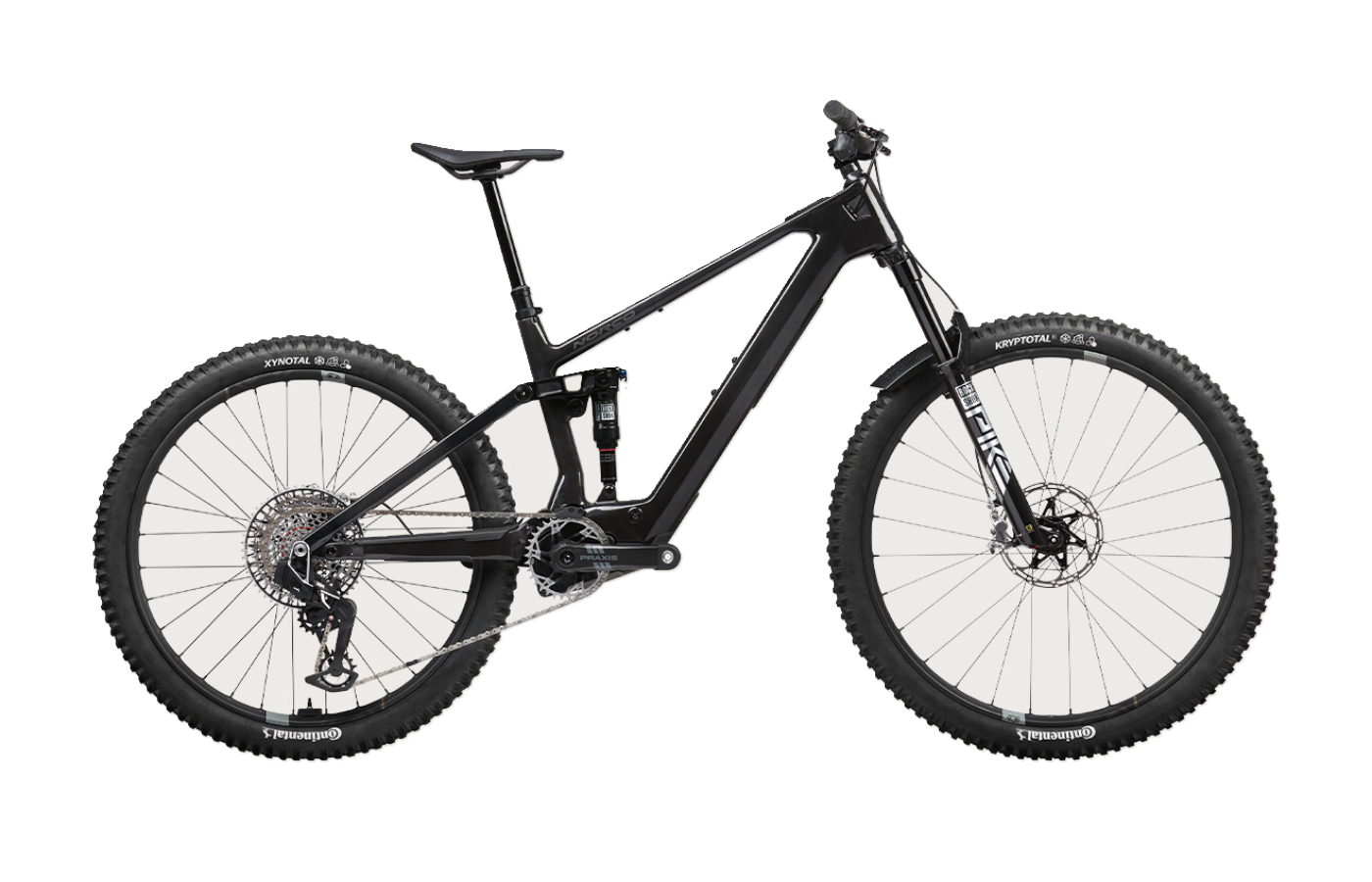
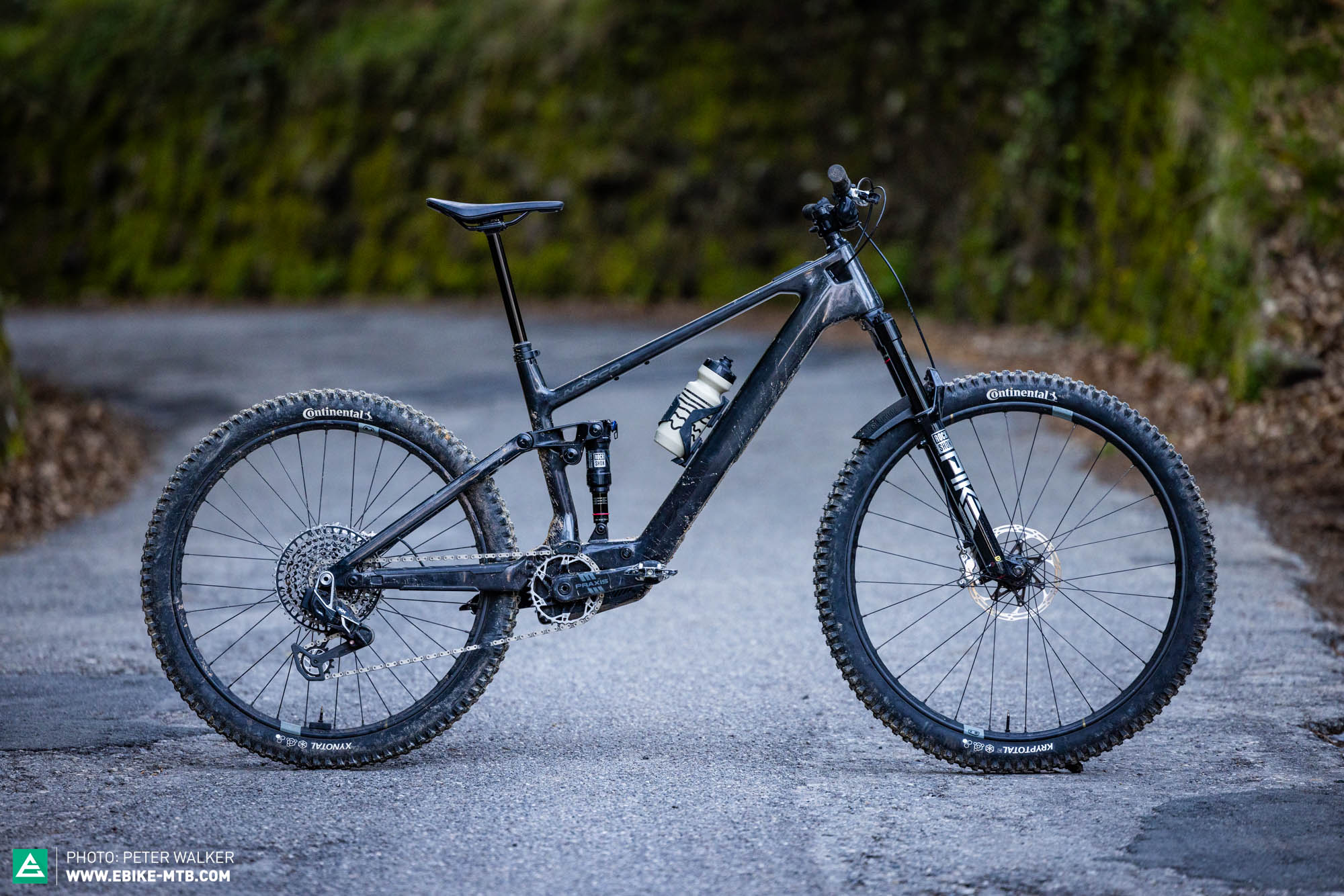
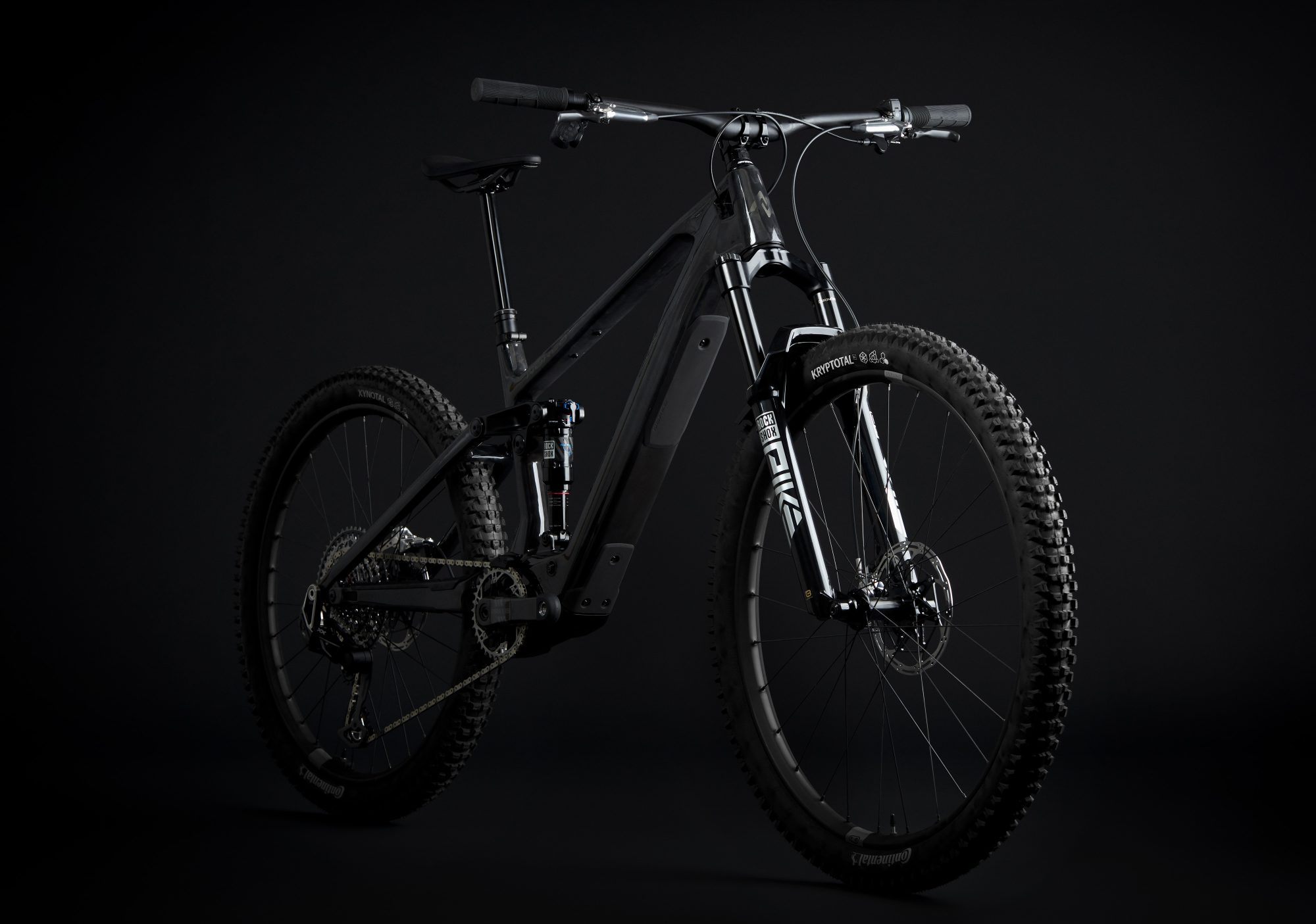
The 2024-on Norco Fluid VLT Carbon is Norco’s first verified carbon Fluid VLT generation and a clear move into the lightweight e-MTB segment rather than the full-power category. It is built around Bosch’s Performance Line SX motor and 400 Wh CompactTube battery, pairing a relatively low-system-weight drive unit with trail-bike geometry and mixed 29/27.5 wheels across the range. Norco also carried over several ideas from its analog and alloy e-MTB development, including Ride Aligned sizing, size-specific rear-center lengths, and a Horst-link/VPS four-bar suspension layout. The result is a platform aimed less at brute-force descending and more at riders who want an e-bike that still behaves like a modern trail bike.
What distinguishes this generation is how deliberately Norco has balanced assist, fit, and chassis intent. The frame uses S1-S5 sizing, UDH compatibility, internal routing, a 31.6 mm seatpost, and trunnion shock fitment in either 185x50 or 185x55 depending on whether the bike is configured as a 130 mm rear / 140 mm fork model or a 140 mm rear / 150 mm fork model. All versions are mullet-only, and higher-end builds use a carbon rear triangle while more affordable models use alloy stays. In the market, the Fluid VLT Carbon sits as a sporty, mid-travel SL e-MTB for riders who value agility, line choice, and a more natural pedaling experience over the planted feel and outright torque of heavier 85 Nm bikes.
Geometry & fit.
5 sizes published.
The provided geometry shows a modern but notably aggressive trail-bike fit. Across sizes 1 to 5, reach grows from 427 mm to 527 mm, while stack remains relatively modest at 607 mm to 643 mm. Combined with a 65° head tube angle and a steep 77° to 78° seat tube angle, that puts the rider in a forward, centered position that should climb well and keep front-wheel traction consistent on steep pitches. The seat angle gets steeper as sizes increase, which helps preserve pedaling position for taller riders rather than letting them drift too far rearward.
Handling is shaped by the mullet layout and Norco’s size-specific rear-center strategy. Chainstays grow from 432 mm on sizes 1 and 2 to 444 mm on size 5, while wheelbase stretches from 1177 mm to 1306 mm. That should help maintain front-rear balance across the size range and explain why reviewers found the bike stable at speed despite relatively moderate travel. At the same time, the long front center on bigger sizes, paired with the lower stack and 31.5 mm BB drop, points to a bike that will feel planted and precise when weighted correctly but can demand more attention in tight switchbacks, steeper terrain, and pedal-strike-prone sections.
Where the handlebar sits relative to the bottom bracket — the single most important fit pair.
01Fit geometry6 values
03Handling geometry8 values
Which size should I buy?
Slide your height to see the recommended size. GearWise's fit algorithm works from the published stack, reach, and ETT — the brand's own recommendation may differ.
→Calculated from GearWise's own stack / reach / ETT algorithm — the brand's size chart may recommend a different size, and a proper bike fit beats any calculator.
The lineup.
6 builds, ranging $4,499 – $7,499.
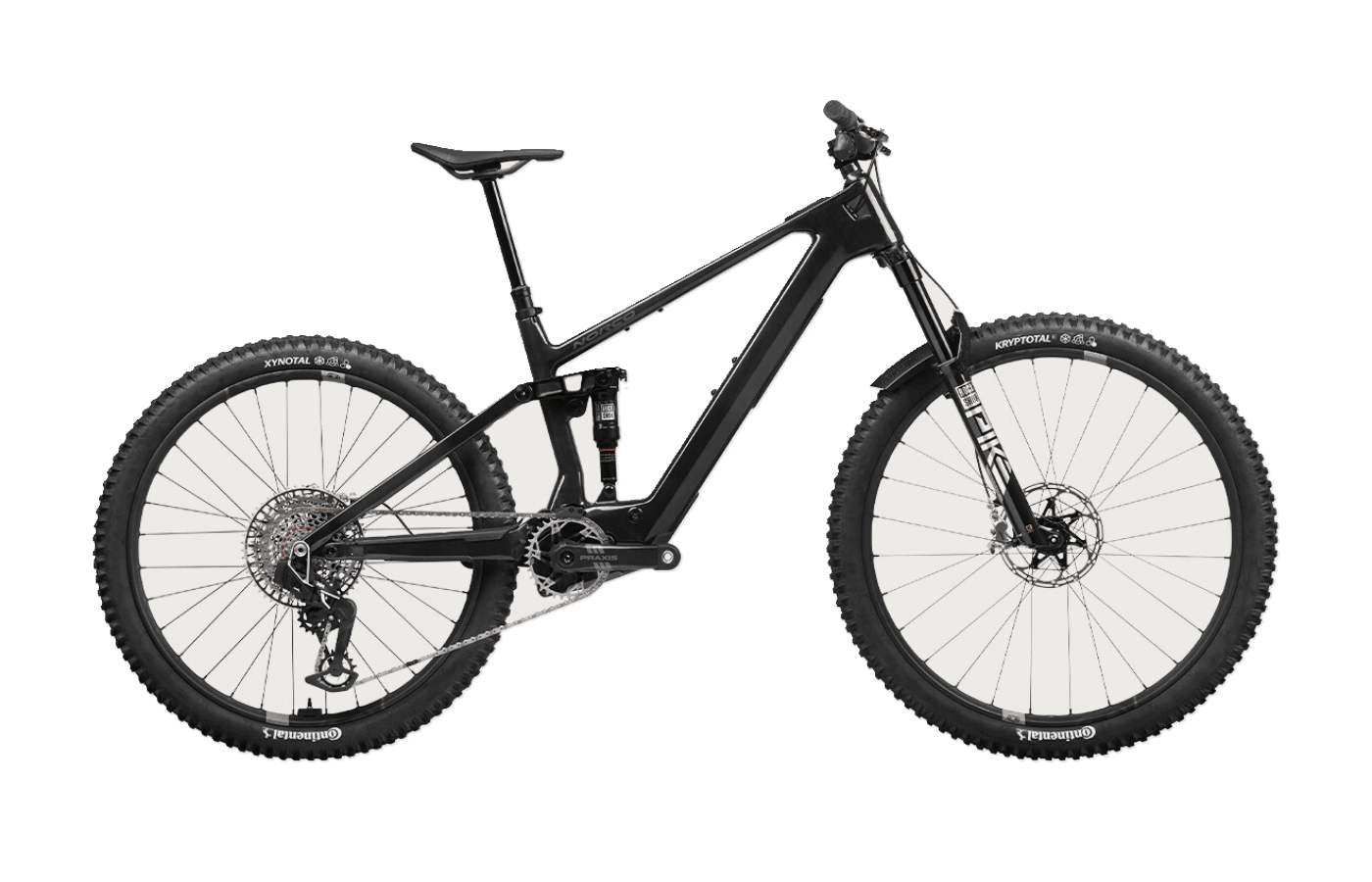
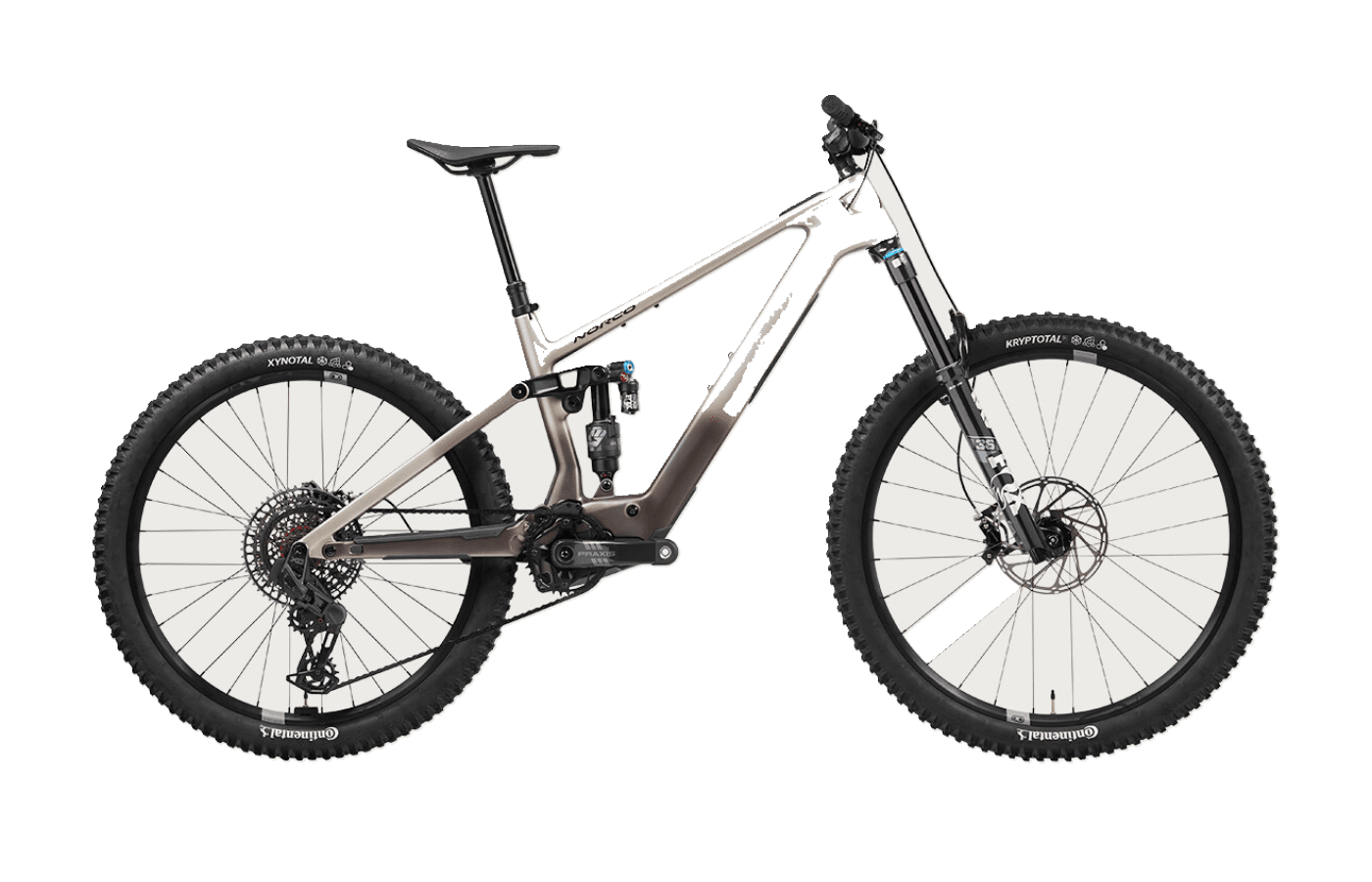
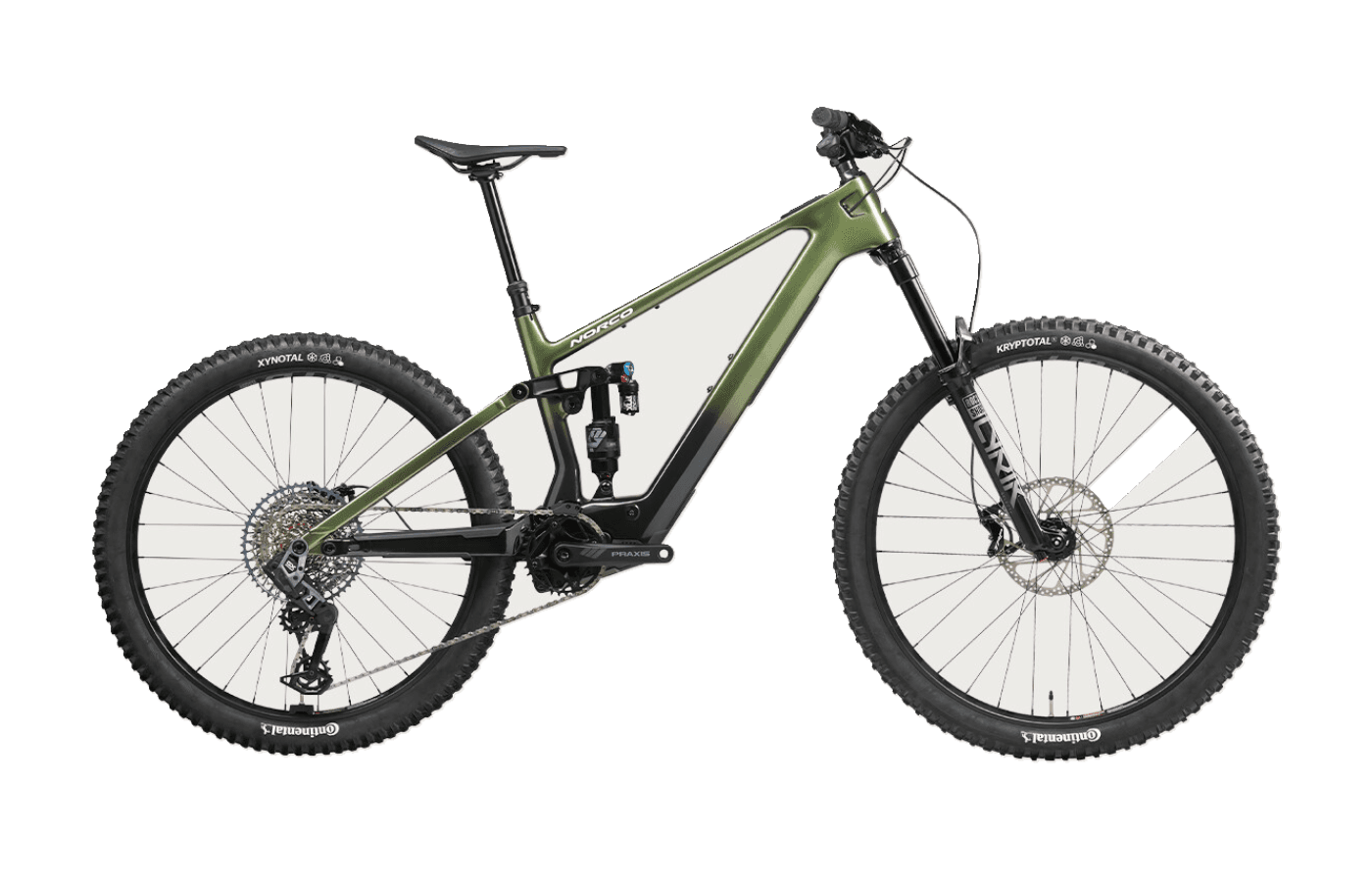
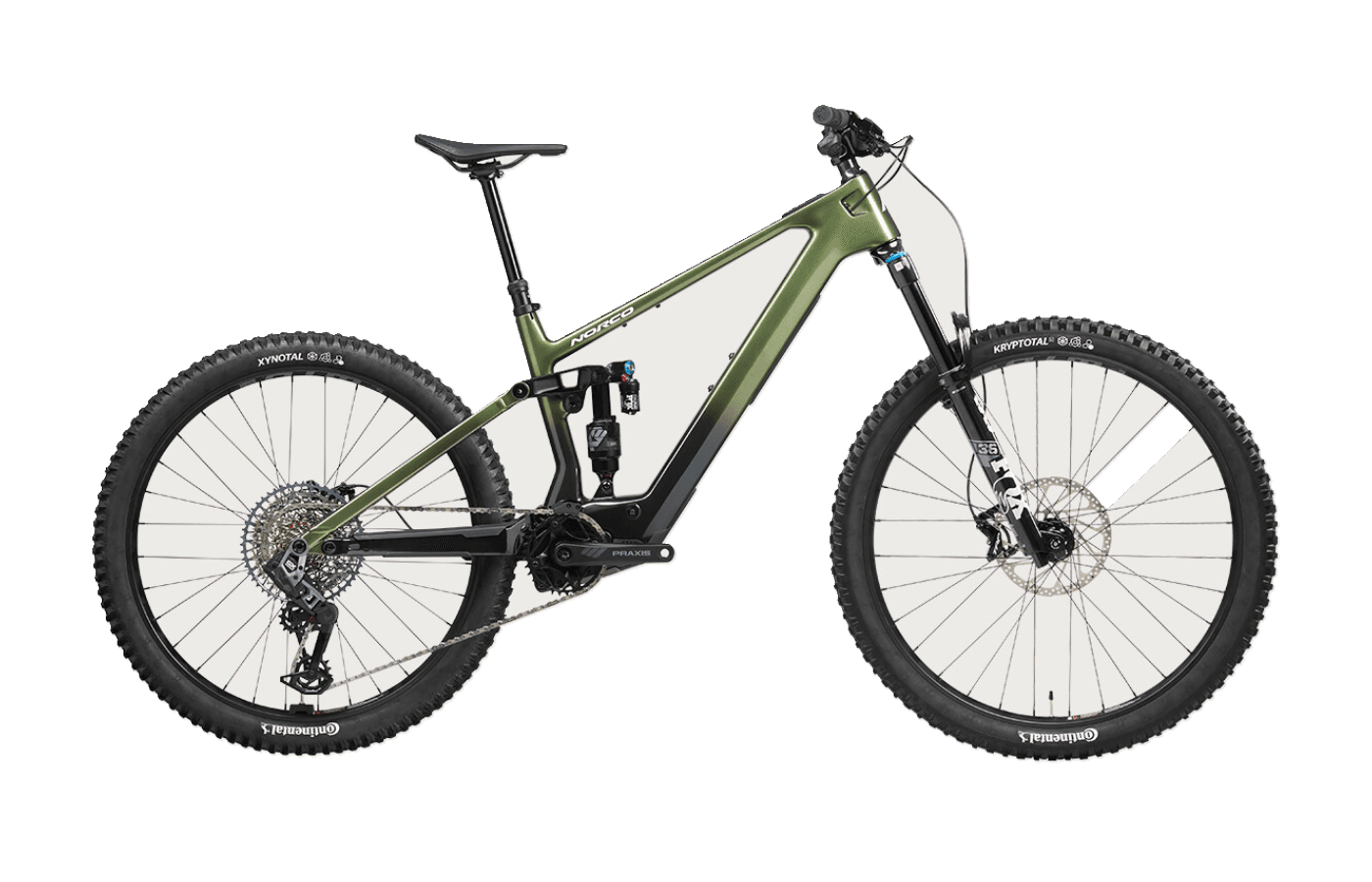
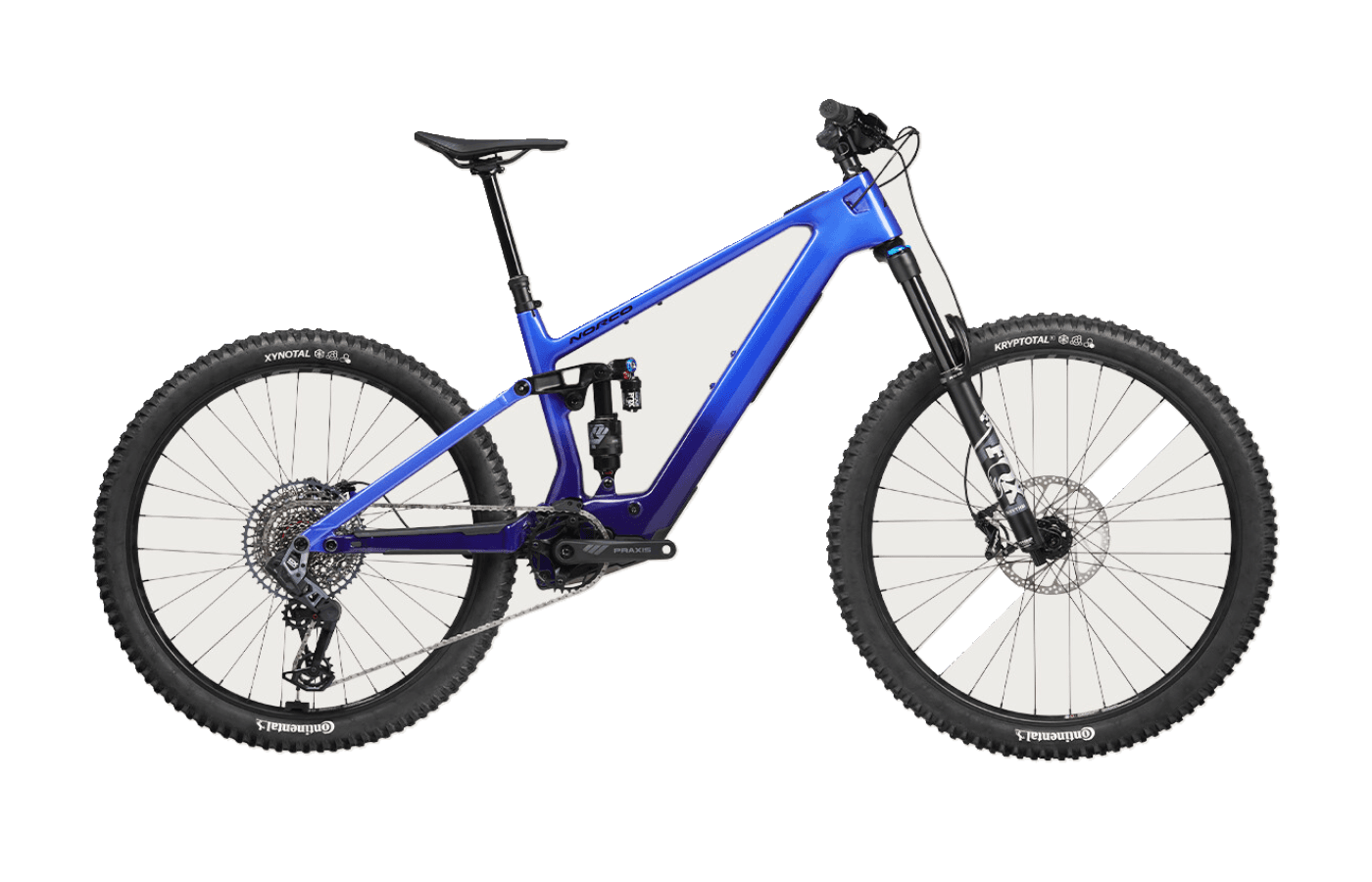
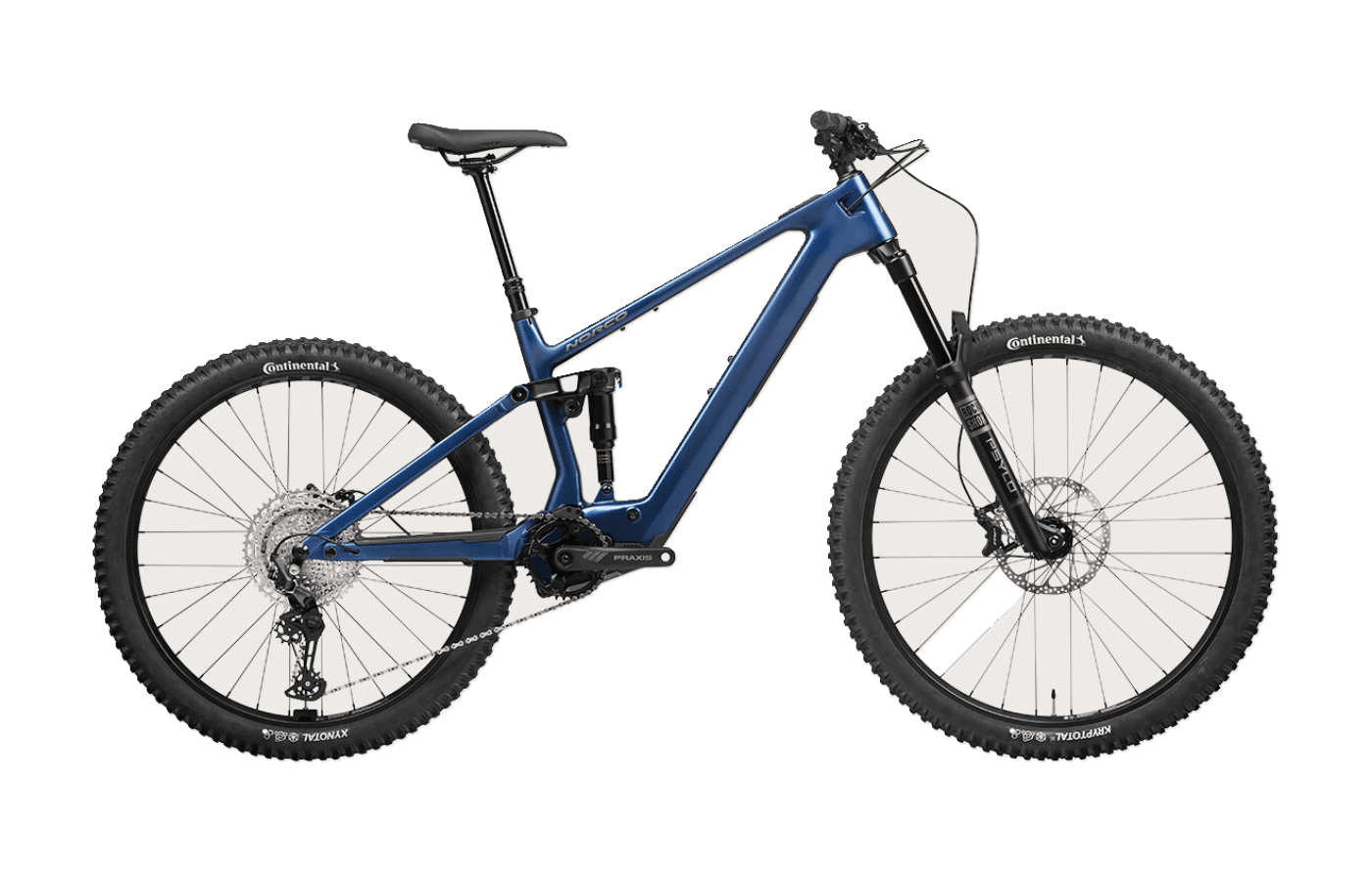
The Fluid VLT Carbon range spans a broad spread of builds, from the $5,999 complete-bike entry point noted by Blister up to the $11,499 C1 130. Available models include the C1 130, C1 140, C3 140, and several C2 140 variants, including Lyrik, Performance, and Rhythm versions. Across the lineup, the key constant is the Bosch Performance Line SX motor with 400 Wh battery, which gives even the lower-cost bikes the same core drive system as the premium models. That consistency is a major part of the bike’s value proposition, especially in a category where cheaper builds often get a lower-tier motor.
The main differences come from suspension, rear-triangle material, and component ambition. Higher-end builds use a full-carbon frame and lighter parts, with the C1 130 standing out for its very low weight and XX SL Eagle Transmission spec. More affordable bikes use an alloy rear triangle and heavier but often more practical components; reviewers repeatedly singled out the C2 140 as the sweet spot because it combines stronger all-mountain intent with a more sensible price. By contrast, the C1 130’s expensive, weight-focused spec drew criticism for choices such as light-duty brakes, while the C3 was noted as one of the more accessible ways into the Bosch SX category without giving up the core frame and motor concept.
From the press.
14 reviews from the cycling press.
Reviewers were broadly aligned in describing the Fluid VLT as a lively, lightweight e-MTB with a distinctly sporty character. Several outlets characterized it as a bike that prefers to “dance” rather than bulldoze, with the low overall weight and Bosch SX system helping it feel unusually close to an unpowered trail bike. Testers from Flow Mountain Bike, NSMB, and others praised its cornering precision, supportive suspension, and efficient climbing position, while Blister measured the C1 130 at 17.86 kg and highlighted how unusual it is to get a sub-40 lb bike with a 600 W peak-output motor. The Bosch SX system was also well received for its low drag above the assist limit and natural-feeling support when ridden at higher cadence.
The drawbacks were just as consistent. Multiple reviewers said the bike is firm rather than plush, with Biker’s Edge noting only decent small-bump compliance and several testers observing that the rear wheel can hang up on repeated square-edged hits in rock gardens. The low front end was another recurring criticism, with NSMB and Biker’s Edge both suggesting many riders may want higher-rise bars to reduce hand and shoulder load and improve confidence on steeper descents. Build-specific issues also came up: Blister and Direct Current were especially critical of the C1 130’s SRAM Level brakes and 180 mm rotors, calling them underpowered for a fast e-MTB, while stock Continental Trail-casing tires were widely viewed as a weak point for grip, damping, and durability.
Overall, reviewers saw the Fluid VLT as highly rewarding for an active, precise rider but less convincing as a point-and-plow machine. It impressed on flowing trails, berms, rollers, and climbs where cadence can stay high, but it was less forgiving in slow, tight, or very rough terrain. That balance defined the consensus: a sharp-handling, efficient lightweight e-bike with real personality, but one that asks more of the rider than a heavier, longer-travel alternative.
NORCO FLUID VLT C1 130 2024 - Review, Specs & Price
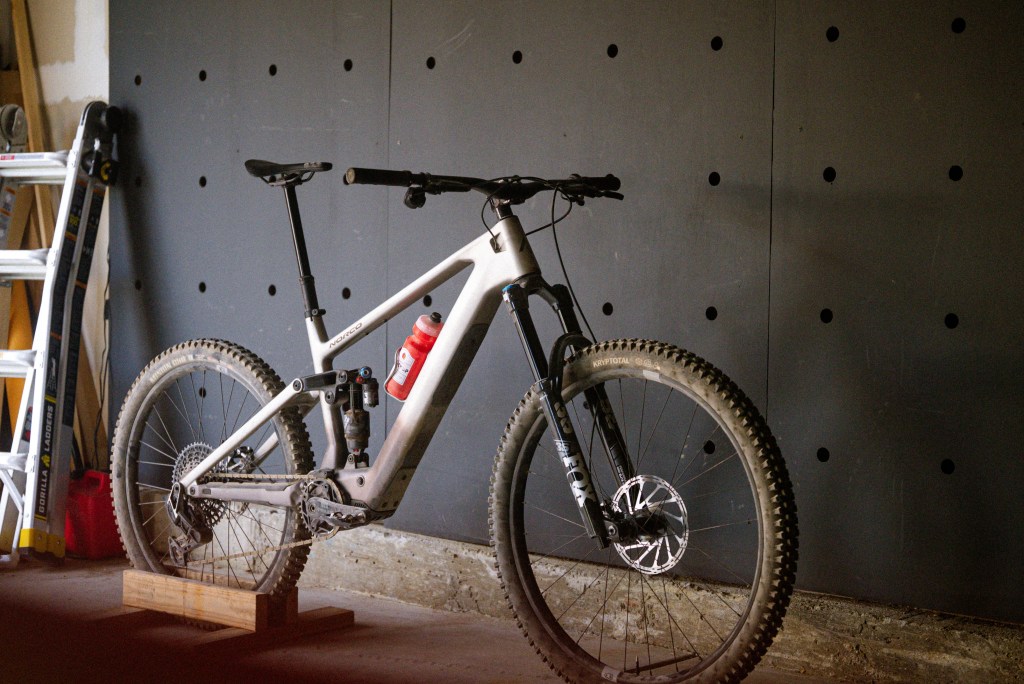
BIKER'S EDGE

Review: Flow Mountain Bike - Norco Fluid VLT Bike

Review: 2024 Norco Fluid VLT C1 130 - The Loam Wolf
Norco Fluid VLT E-MTB Review: Travel Restrictions

Norco Fluid VLT
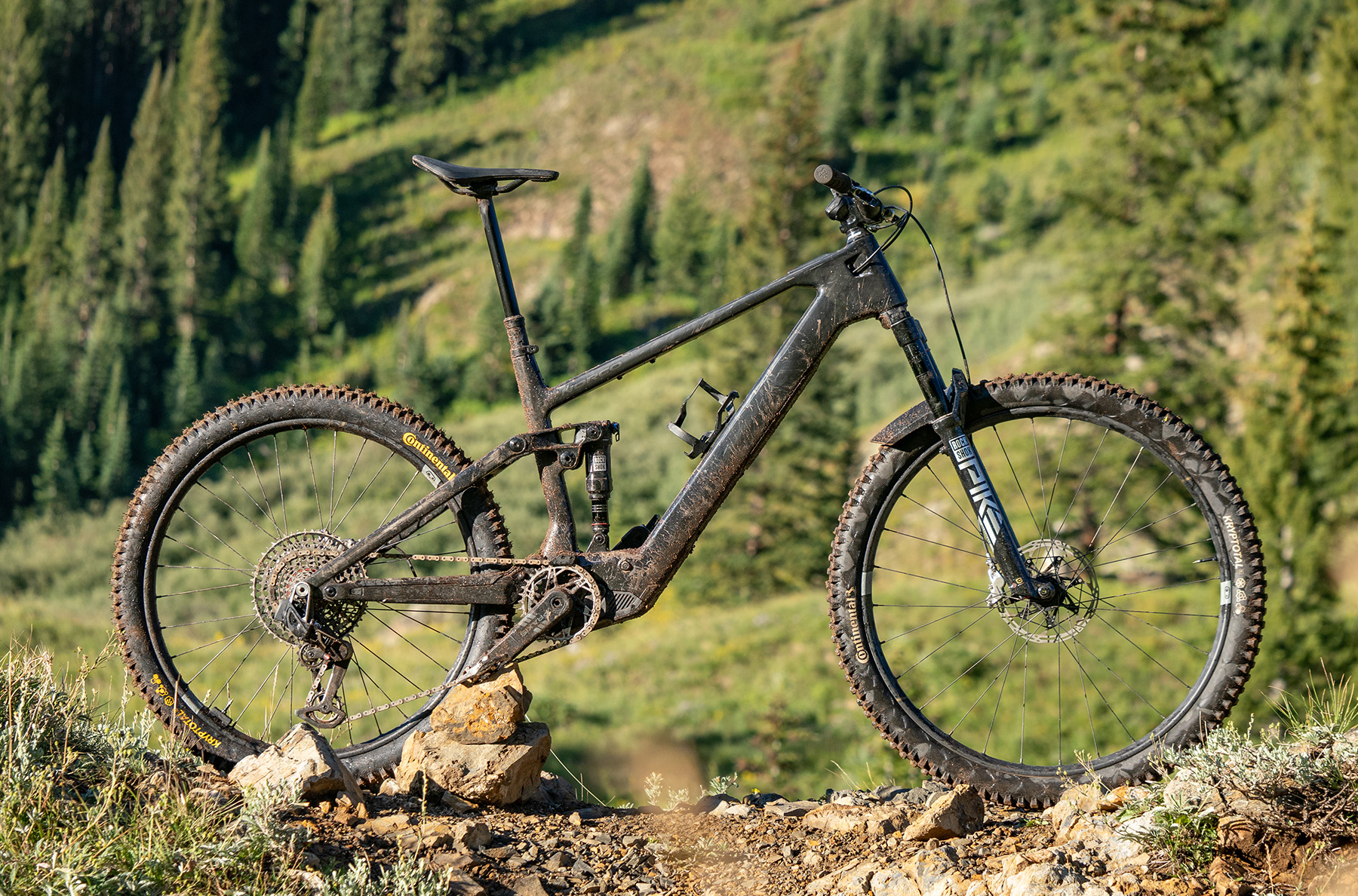
Norco Fluid VLT | Blister
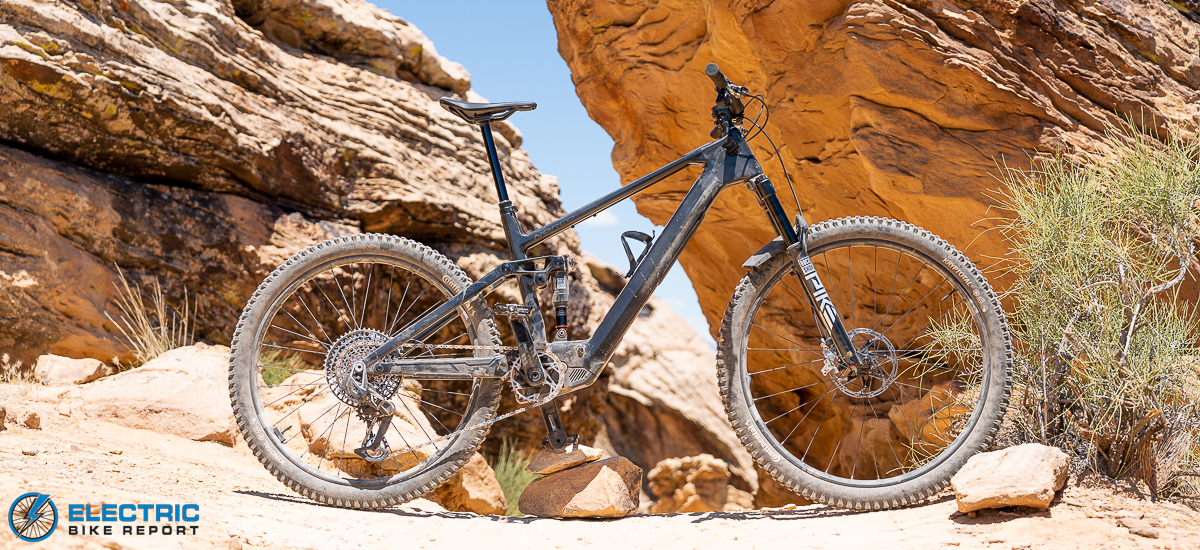
Norco Fluid VLT C1 E-Bike Review 2024
Norco Fluid VLT Review | An Absolutely LOADED eMTB
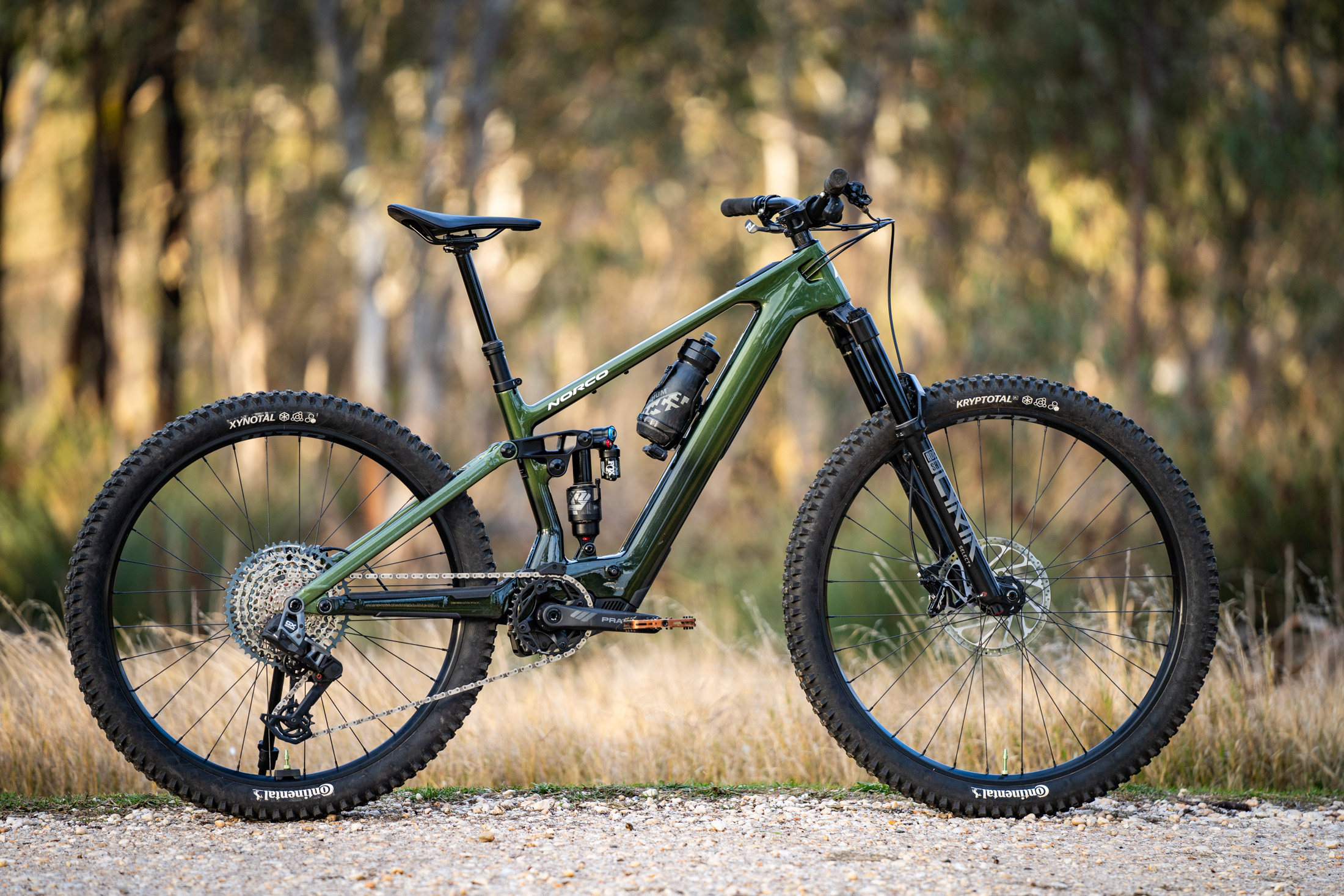
2024 Norco Fluid VLT Review | A superb lightweight e-MTB
New Norco Fluid VLT first test – Long anticipated, finally tested | E-MOUNTAINBIKE Magazine

Flash Review — Norco Fluid VLT
The Norco Fluid VLT | Everything You Need to Know. - Wideopen Magazine
