Avant
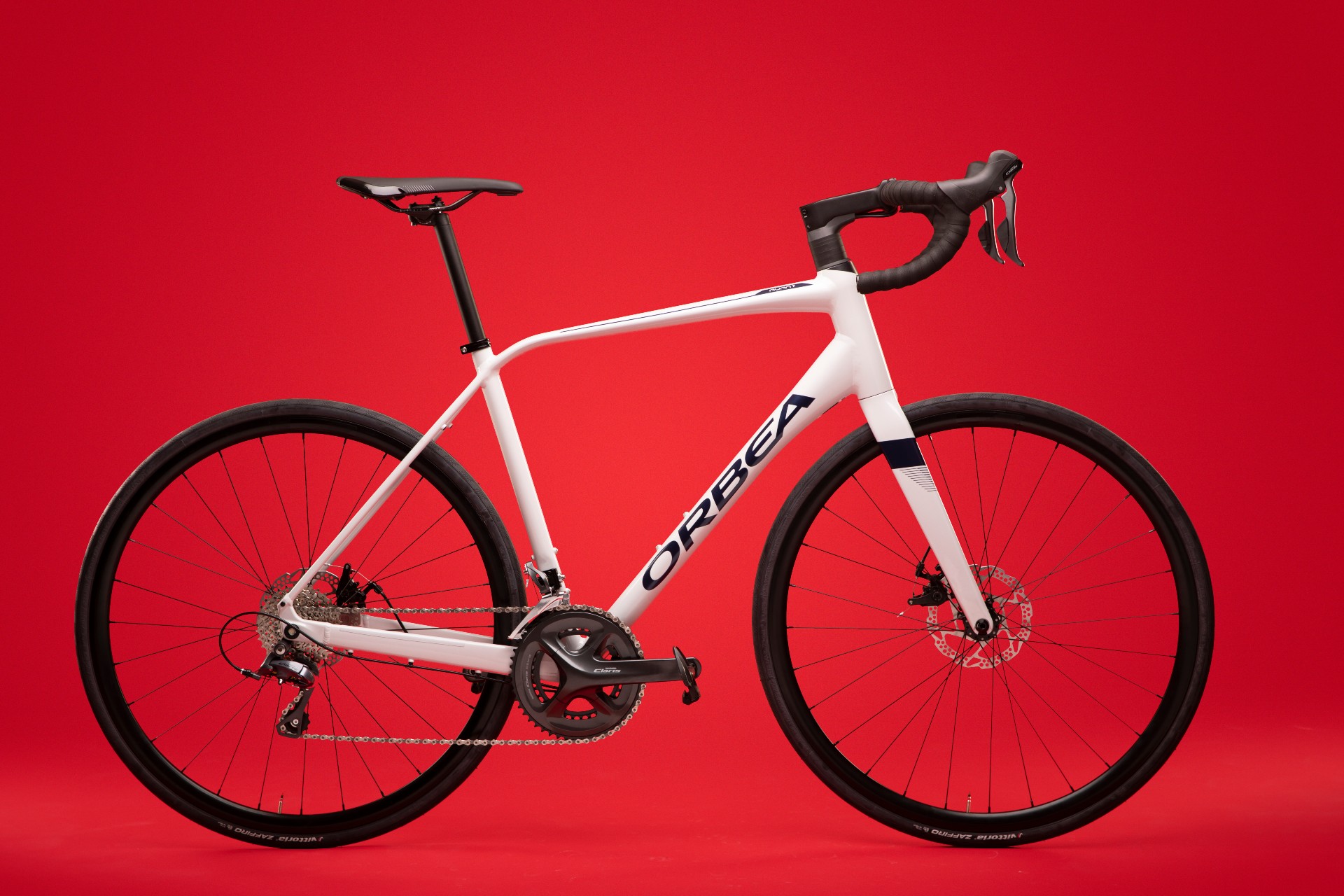
The Orbea Avant is an aluminum endurance road bike designed for long-distance riding and light all-road use. Updated for the 2021 model year and continuing through at least 2026, this generation pairs a triple-butted hydroformed alloy frame with a carbon fork. Orbea positioned the Avant as a practical but sleek option, giving it clearance for up to 35mm tires and mounts for full-length mudguards. Its defining visual trait is the semi-integrated cable routing, which tucks lines under the stem and through the headset for a clean aesthetic usually reserved for more expensive carbon models. It suits fitness riders, commuters, and endurance cyclists who prioritize a stable, vibration-damped platform and a premium silhouette over raw acceleration or race-day weight.
Geometry & fit.
7 sizes published.
The Avant is built around a relaxed, endurance-first geometry that places the rider in a distinctly upright posture. With a tall stack height—measuring 605mm on a size 55 frame—and a long head tube, the bike minimizes strain on the lower back and neck during extended rides. This high front end is paired with a stretched wheelbase that exceeds a meter on most sizes, creating a highly stable center of gravity that resists twitchy steering inputs.
While the head tube angle hovers around a moderate 72.5 degrees to keep the steering from feeling entirely sluggish, the bike's overall footprint is designed for sweeping arcs rather than tight, technical cornering. The most critical fit consideration is the integrated cockpit. Because the cables route directly through the headset spacers and under the proprietary stem, adjusting the handlebar height or swapping stem lengths is a complex process. Riders cannot easily reshuffle spacers without cutting the fork steerer, meaning the initial fit is largely locked in once the bike is set up.
Where the handlebar sits relative to the bottom bracket — the single most important fit pair.
01Fit geometry6 values
03Handling geometry8 values
Which size should I buy?
Slide your height to see the recommended size. GearWise's fit algorithm works from the published stack, reach, and ETT — the brand's own recommendation may differ.
→Calculated from GearWise's own stack / reach / ETT algorithm — the brand's size chart may recommend a different size, and a proper bike fit beats any calculator.
The lineup.
4 builds, ranging $1,699 – $2,499.
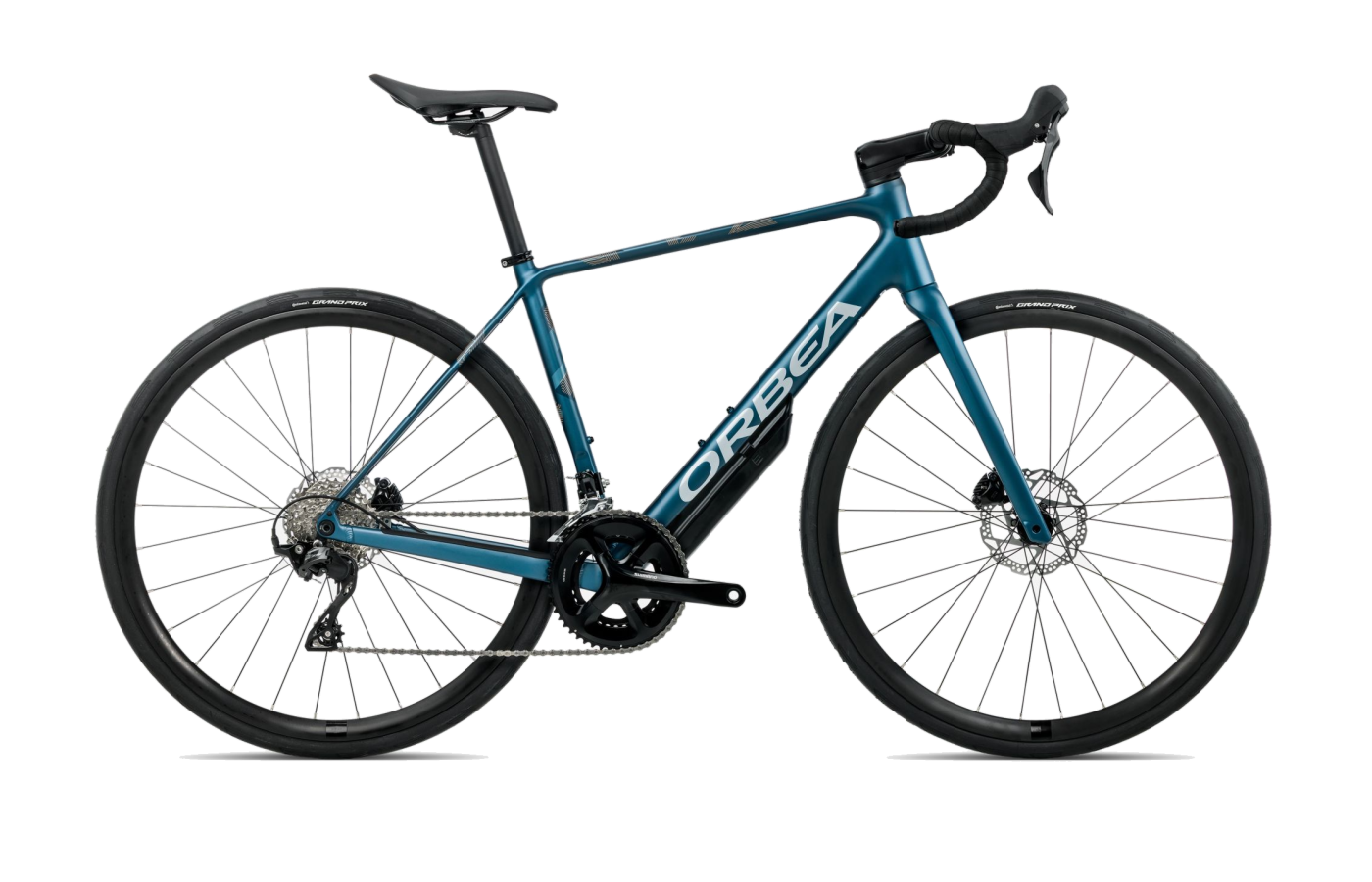
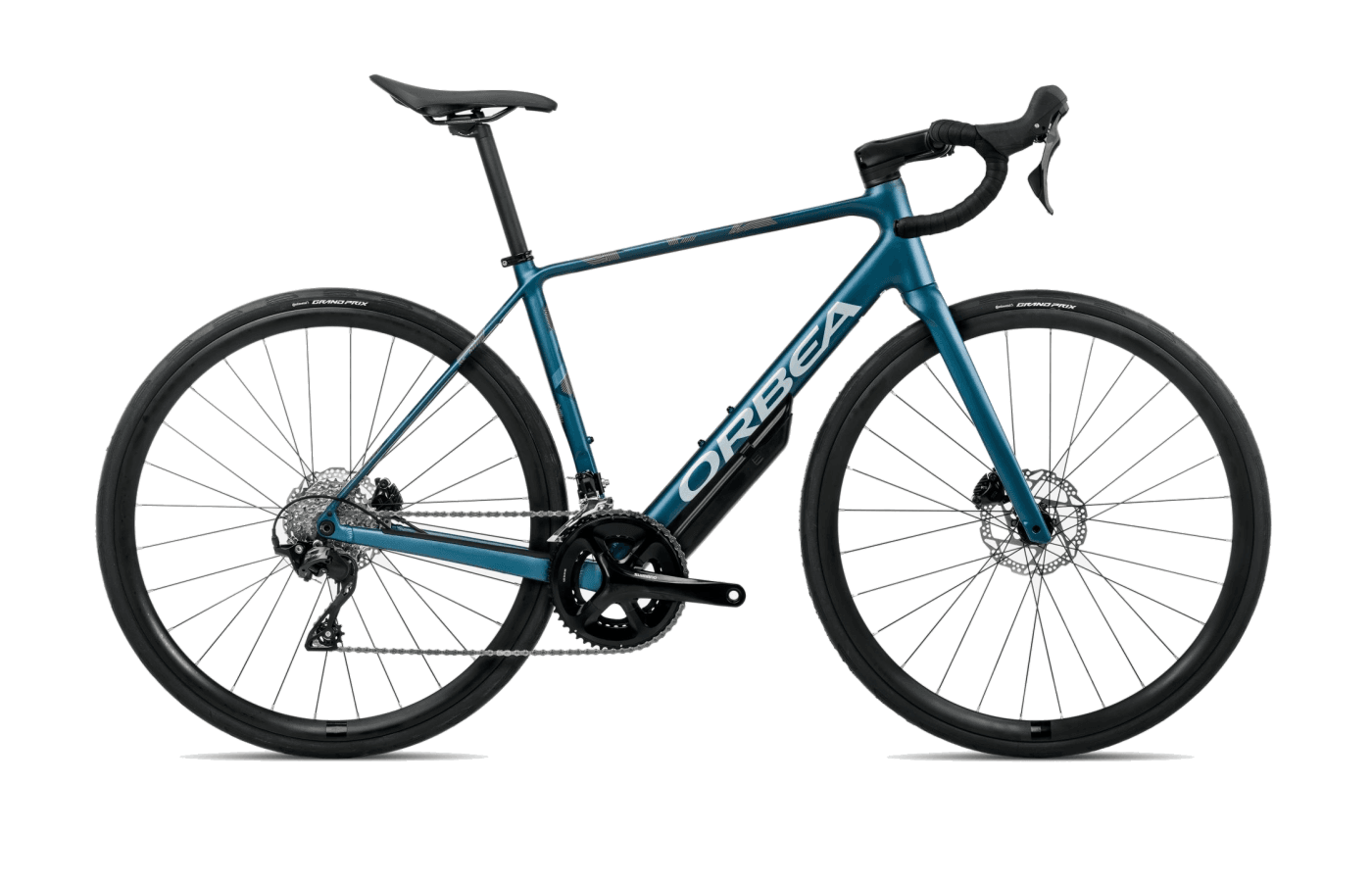
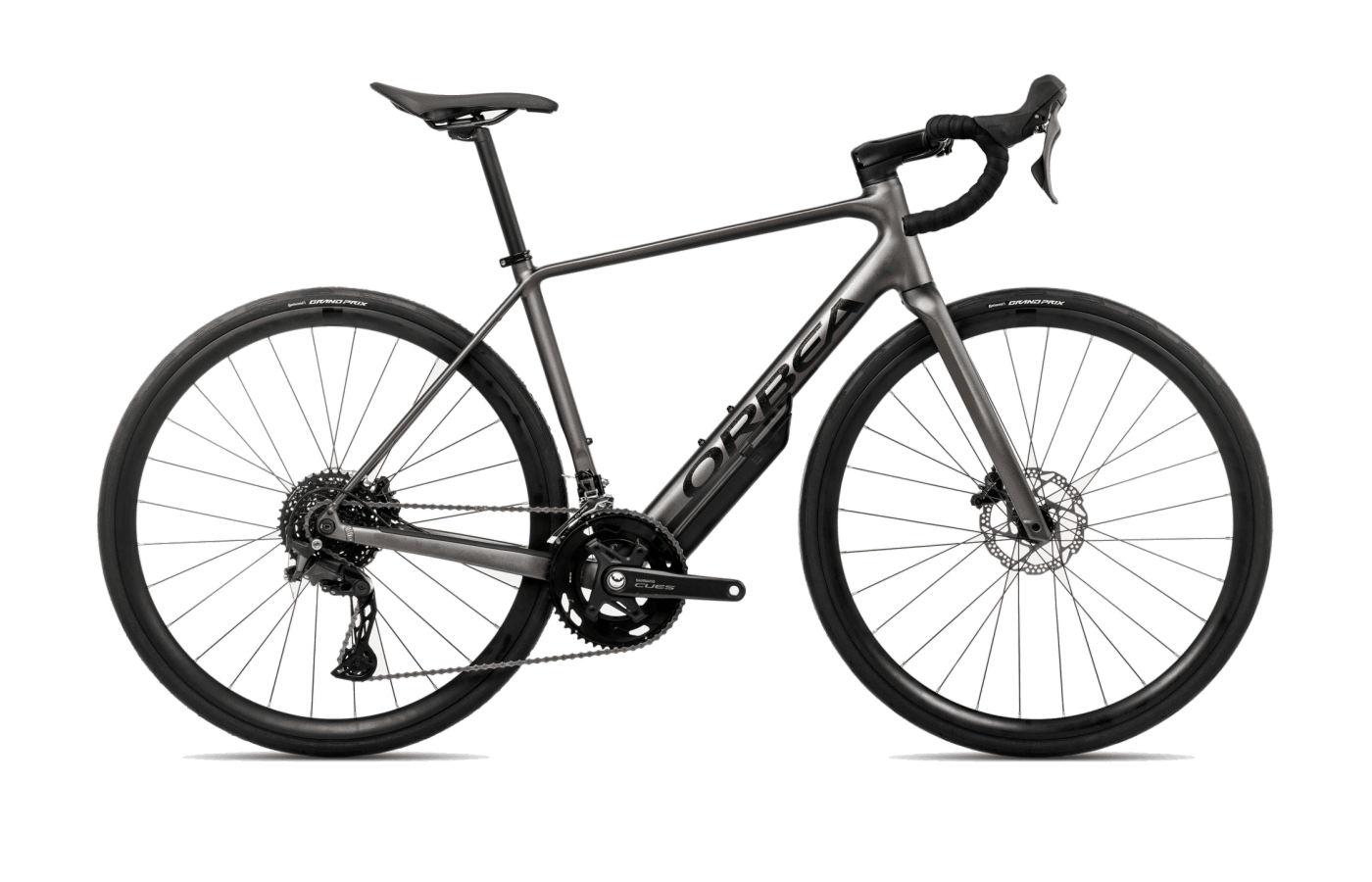
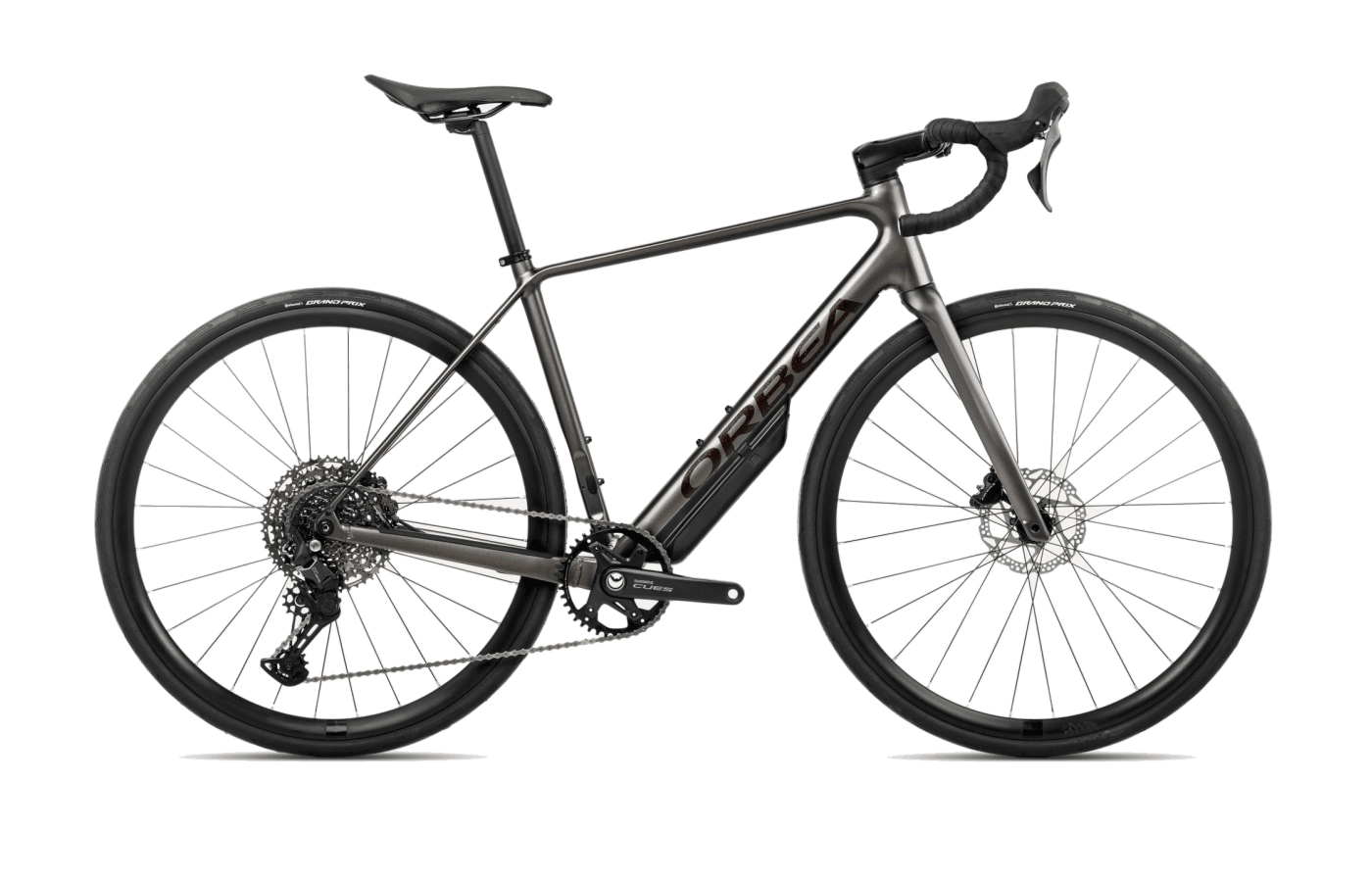
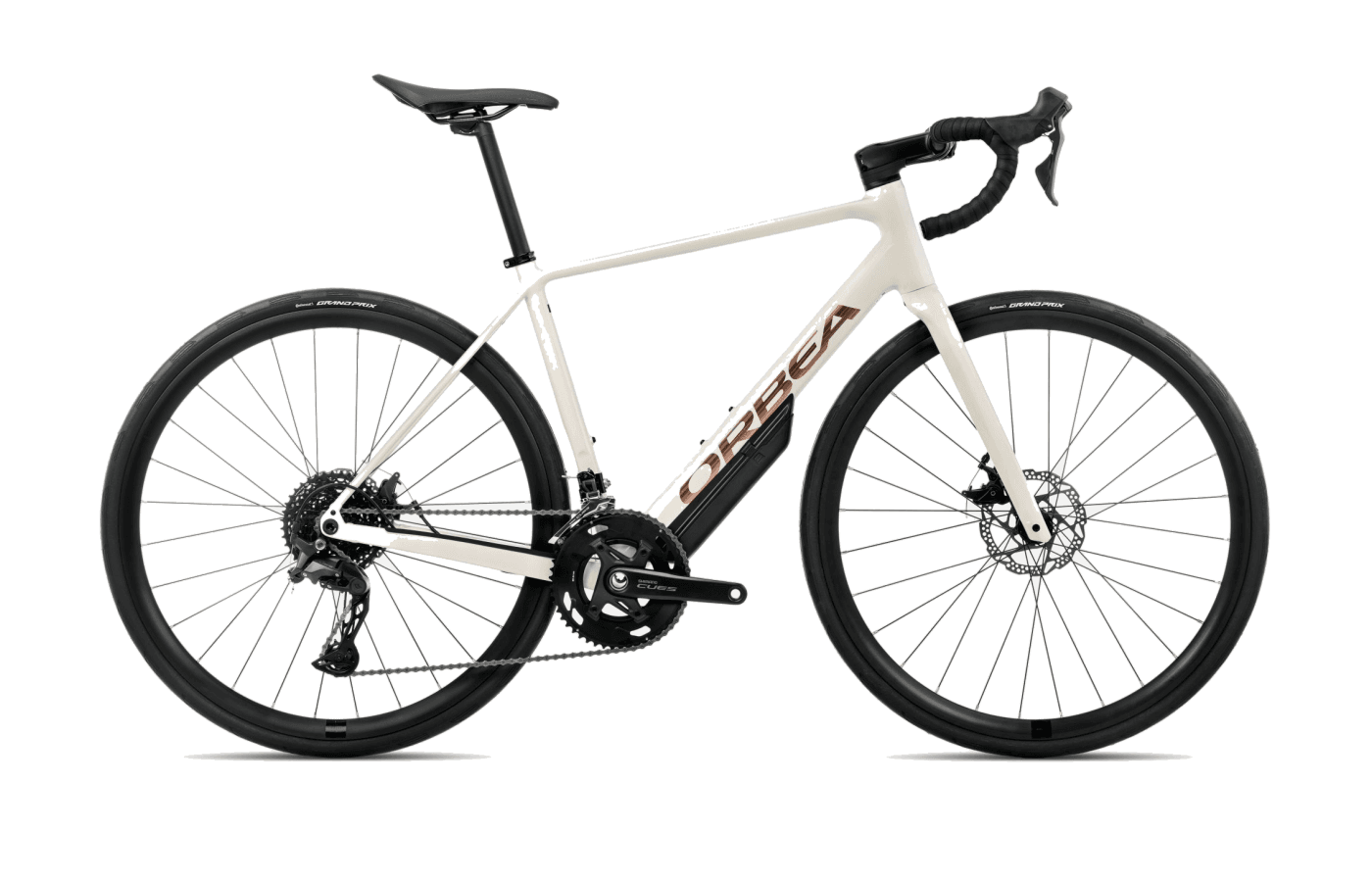
The Avant lineup spans four builds, all utilizing the same triple-butted aluminum frame, carbon fork, and tubeless-ready alloy wheels wrapped in 30mm Continental Grand Prix tires. The primary differences across the ladder lie in the drivetrains and braking systems.
The entry-level H50 utilizes a Shimano Cues 2x10 drivetrain paired with Jagwire mechanical disc brakes. Moving up to the H40 keeps the 2x10 Cues gearing but upgrades the braking to Shimano hydraulic discs, offering a noticeable improvement in stopping power and lever feel. For riders who prefer a simpler setup, the H45 1x provides a single-chainring Shimano Cues 11-speed drivetrain, also equipped with hydraulic brakes.
The flagship H30 build represents a significant jump in both price and performance, moving to a Shimano 105 12-speed mechanical groupset. This build tightens the jumps between gears, making it easier to find an optimal cadence on flat roads, while retaining hydraulic braking. Across the range, Orbea prioritizes the frame's premium integrated aesthetic, meaning riders are often trading higher-tier drivetrain components for the sleek, cable-free look usually found on more expensive carbon models.
From the press.
4 reviews from the cycling press.
Reviewers consistently characterize the Avant as a steady, comfortable platform that favors momentum over rapid acceleration. At roughly 24 pounds, the bike requires some effort to get up to speed, but testers found that it maintains its pace efficiently once rolling. One reviewer noted that despite the weight, the frame still delivers a surprising amount of "pep" (Cycling Weekly) when pedaling.
The bike earns its highest praise when the road points downhill. Multiple testers highlighted its composure at speed, with one calling its performance through sweeping downhill corners a "revelation" (Bikeride). The front end feels "stiff and planted" (BikeRadar), providing a secure, predictable ride that protects the rider from nervous handling traits.
The primary tradeoff noted by critics is the component specification relative to the frame's high-end integration. Reviewers pointed out that the entry-level drivetrains and mechanical disc brakes on lower-tier builds limit the bike's overall performance ceiling. Additionally, while the hidden cables create a quiet ride, the proprietary stem and headset routing make maintenance and fit adjustments significantly more difficult. Ultimately, testers view it as a "lovely long-distance cruiser" (BikeRadar) that excels on rough roads and long fitness rides, provided the rider accepts the mechanical compromises required to achieve its clean aesthetic.
15 Reasons to/NOT to Buy Orbea Avant | BikeRide
![Is Orbea AVANT H60 a Good Choice? -[Orbea AVANT H60 Review]](https://paklmrfyhygqlkyhjcnf.supabase.co/storage/v1/object/public/storage/review-images/orbea/avant/2021/review-2414ec19d4fa.webp)
Is Orbea AVANT H60 a Good Choice? -[Orbea AVANT H60 Review]
Orbea Avant H60-D review - BikeRadar