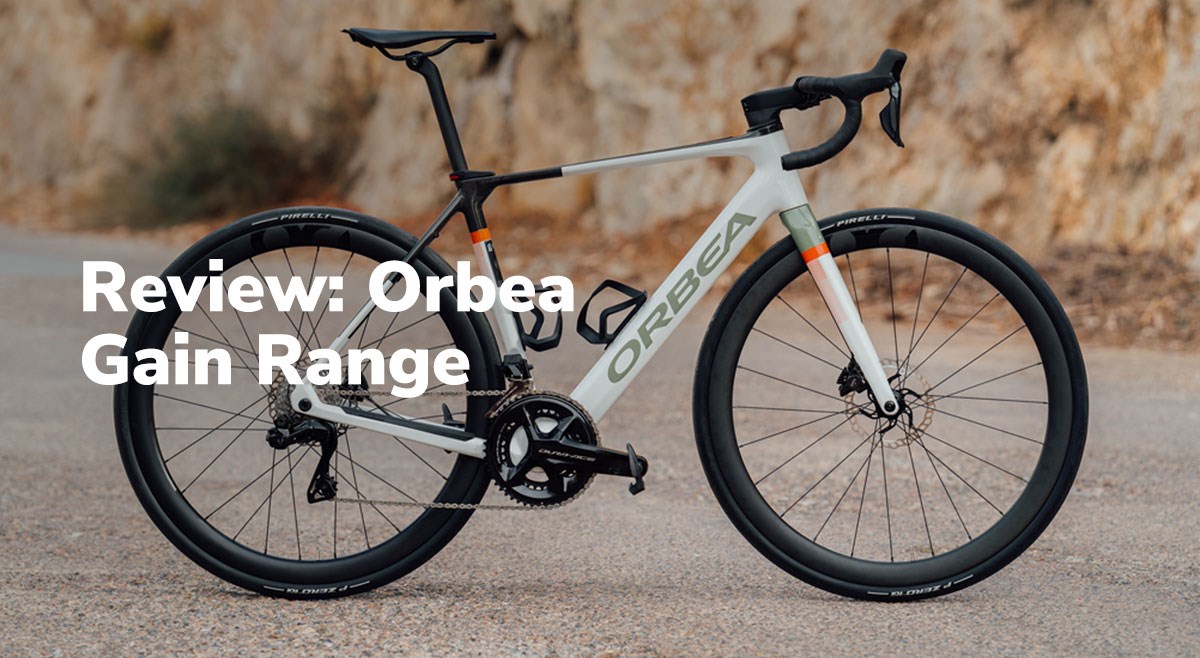
Gain
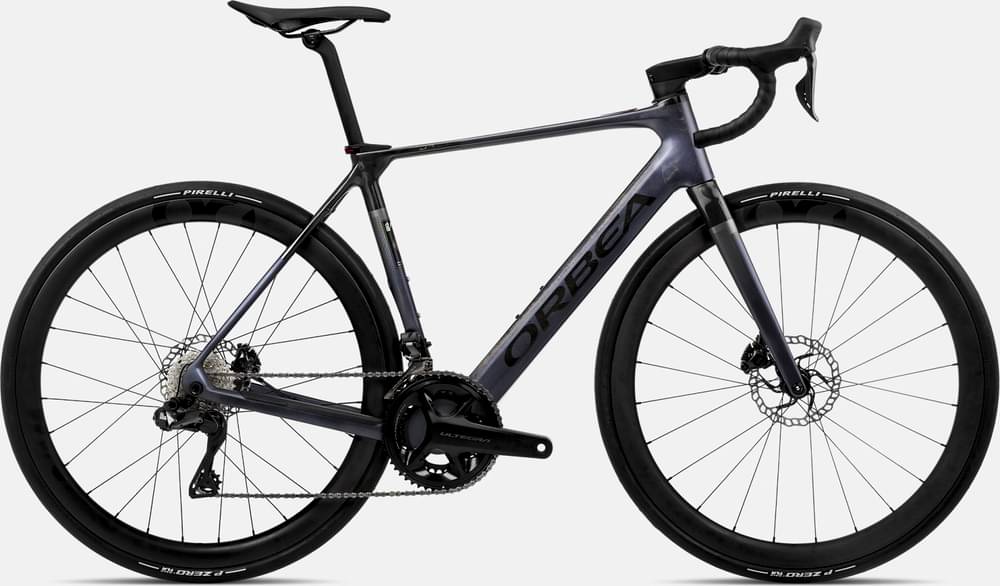
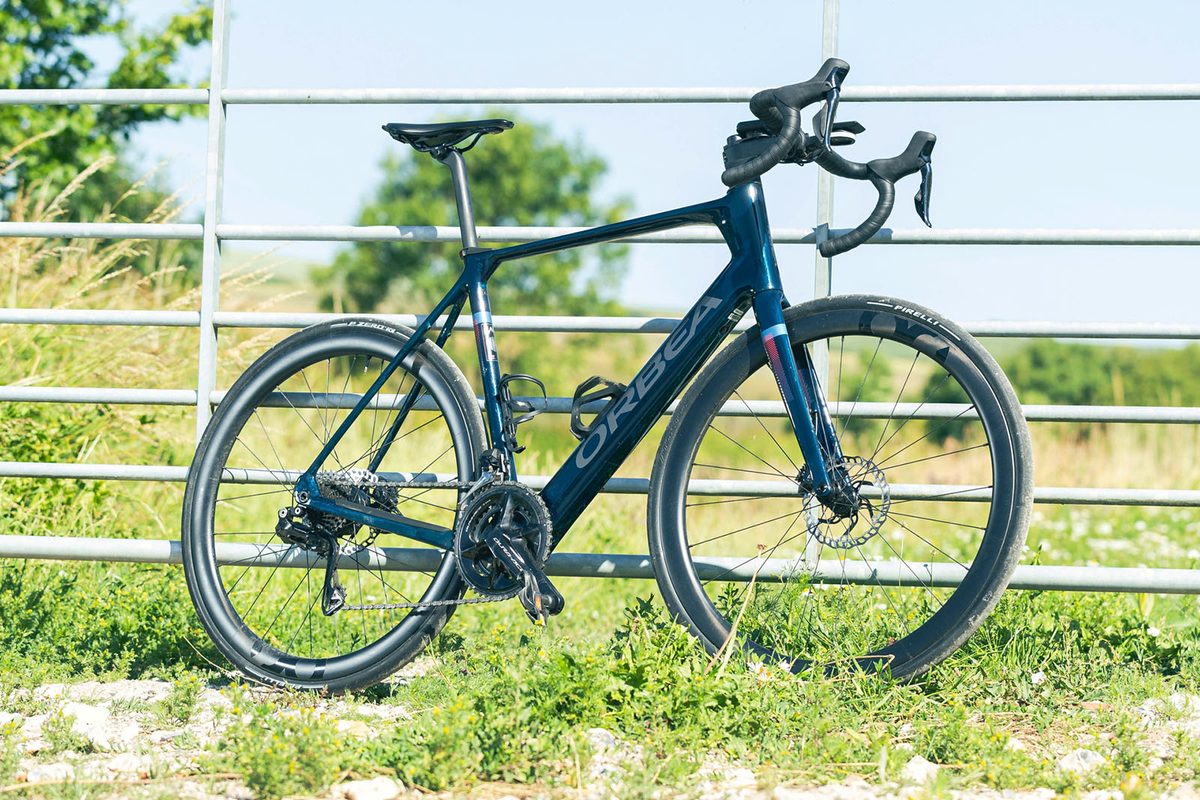
The current generation of the Orbea Gain is a lightweight electric road bike designed to preserve the aesthetic and pedaling dynamics of a traditional endurance machine. Built around an OMR carbon frame and the compact Mahle X20 hub motor, the platform integrates a 353-watt-hour battery inside the down tube. This design choice prioritizes a sleek silhouette and natural pedaling resistance over the high-torque output typical of mid-drive systems.
Orbea equips the Gain with a standard 12x142 millimeter rear thru-axle, fully internal cable routing, and integrated front and rear lights powered by the main battery. With official clearance for 35-millimeter tires, the bike is primarily tuned for paved roads but accommodates high-volume rubber for light mixed-terrain detours. It suits riders looking to maintain group paces or manage fatigue on long, hilly routes without sacrificing the classic road cycling experience.
Geometry & fit.
6 sizes published.
The Gain borrows its foundational shape from Orbea’s Orca road line but applies specific adjustments to suit endurance riding. To accommodate the motor system and prioritize stability, the wheelbase is extended and the bottom bracket is slightly lowered. This creates a highly composed platform that tracks predictably on fast descents and rough pavement, trading the immediate, twitchy steering of a pure race bike for steady, reliable handling.
Rider posture is noticeably relaxed. Across the six-size range, the frame features a taller stack and slightly shorter reach than its racing siblings, promoting a more upright position that reduces lower back and neck fatigue during long days in the saddle. This endurance-focused fit is further emphasized by the inclusion of a 15-millimeter riser handlebar on most builds. The riser bar not only elevates the cockpit but also aids in damping road vibration before it reaches the rider's hands, complementing the compliance of the carbon fork and high-volume tires.
Where the handlebar sits relative to the bottom bracket — the single most important fit pair.
01Fit geometry6 values
03Handling geometry8 values
Which size should I buy?
Slide your height to see the recommended size. GearWise's fit algorithm works from the published stack, reach, and ETT — the brand's own recommendation may differ.
→Calculated from GearWise's own stack / reach / ETT algorithm — the brand's size chart may recommend a different size, and a proper bike fit beats any calculator.
The lineup.
5 builds, ranging $5,299 – $9,999.
The Gain carbon lineup spans five models, all sharing the same OMR frameset, Mahle X20 motor, and internal 353-watt-hour battery. The primary differences across the range lie in the drivetrain technology and wheel materials.
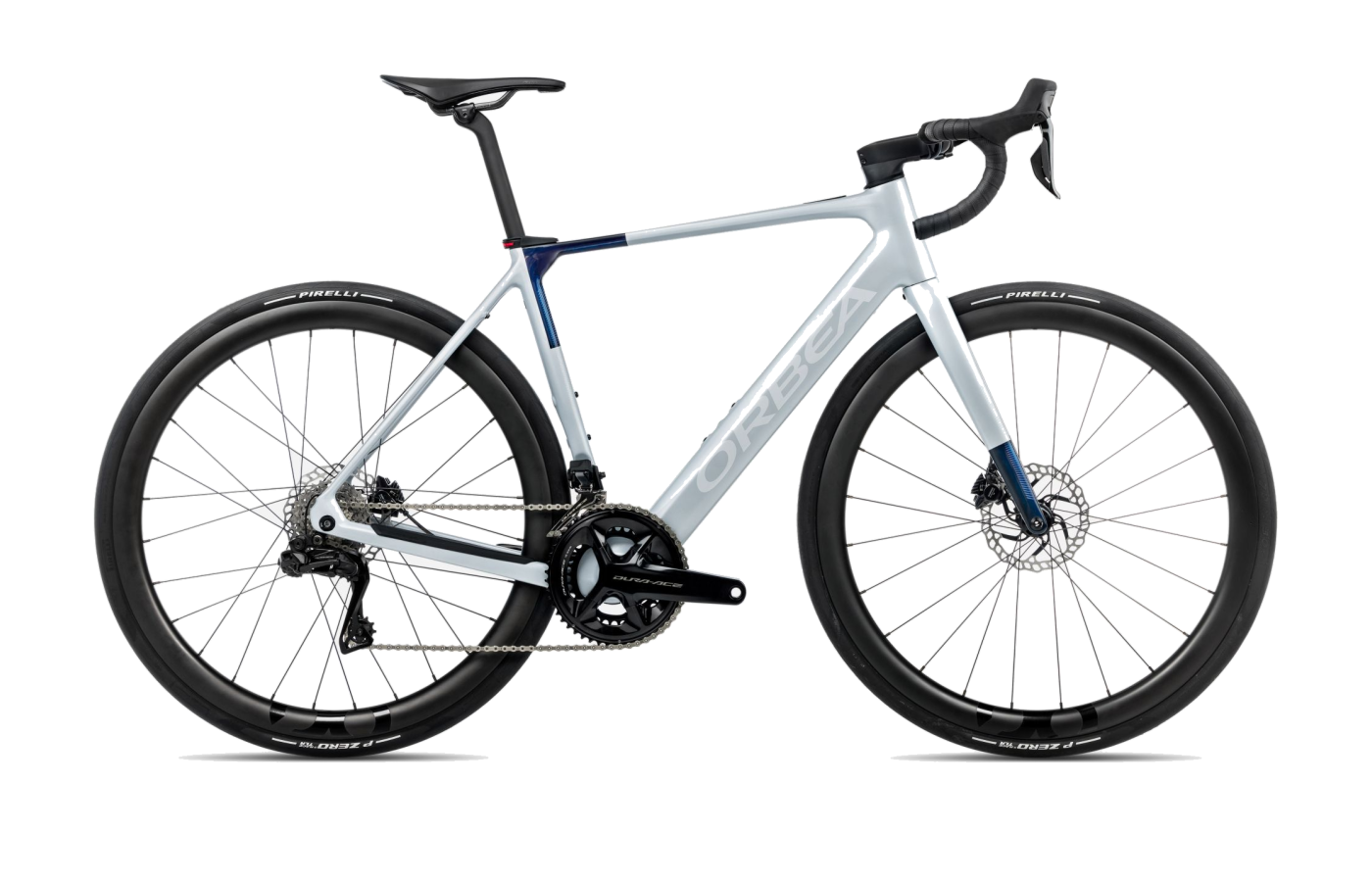
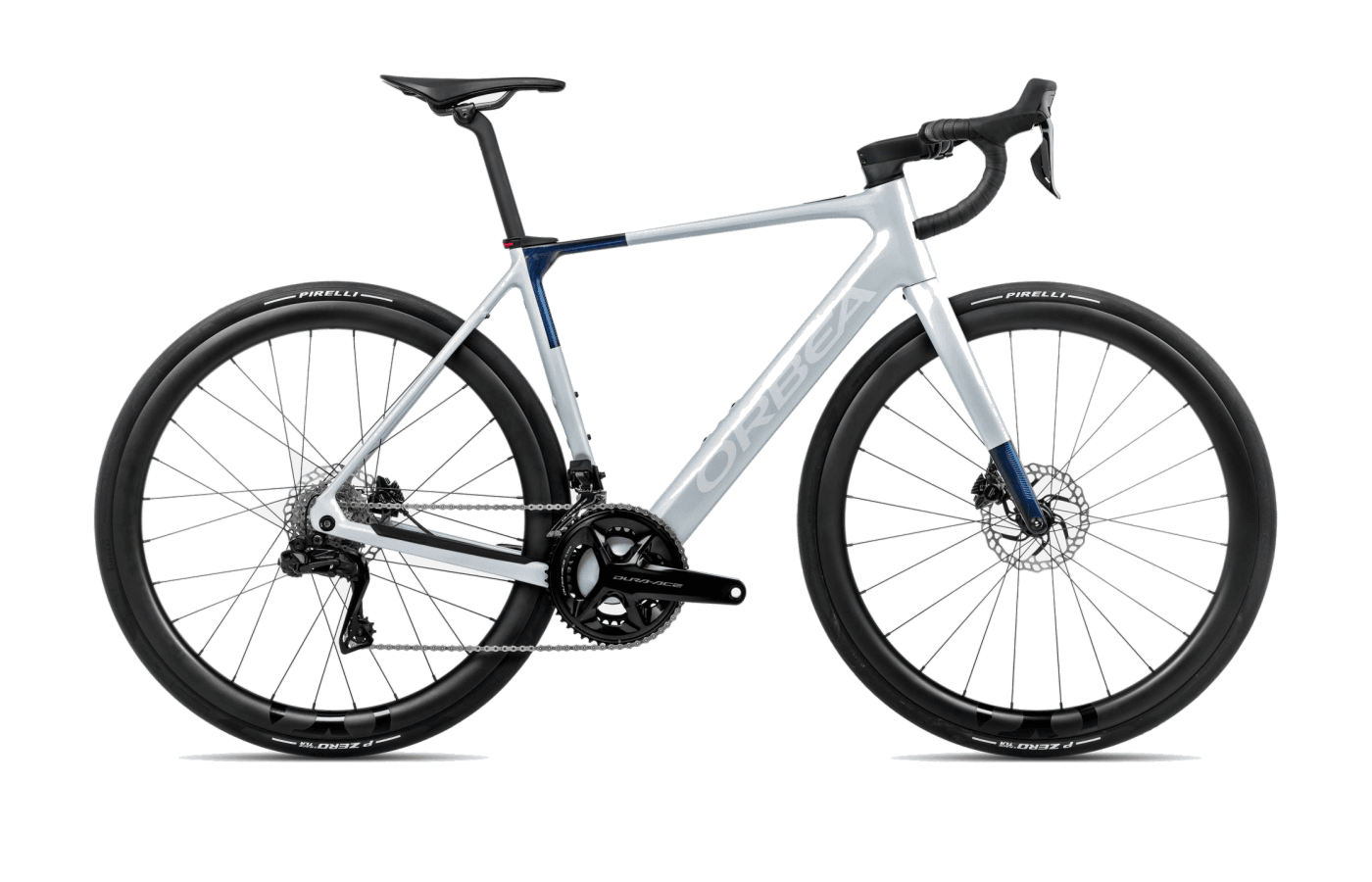
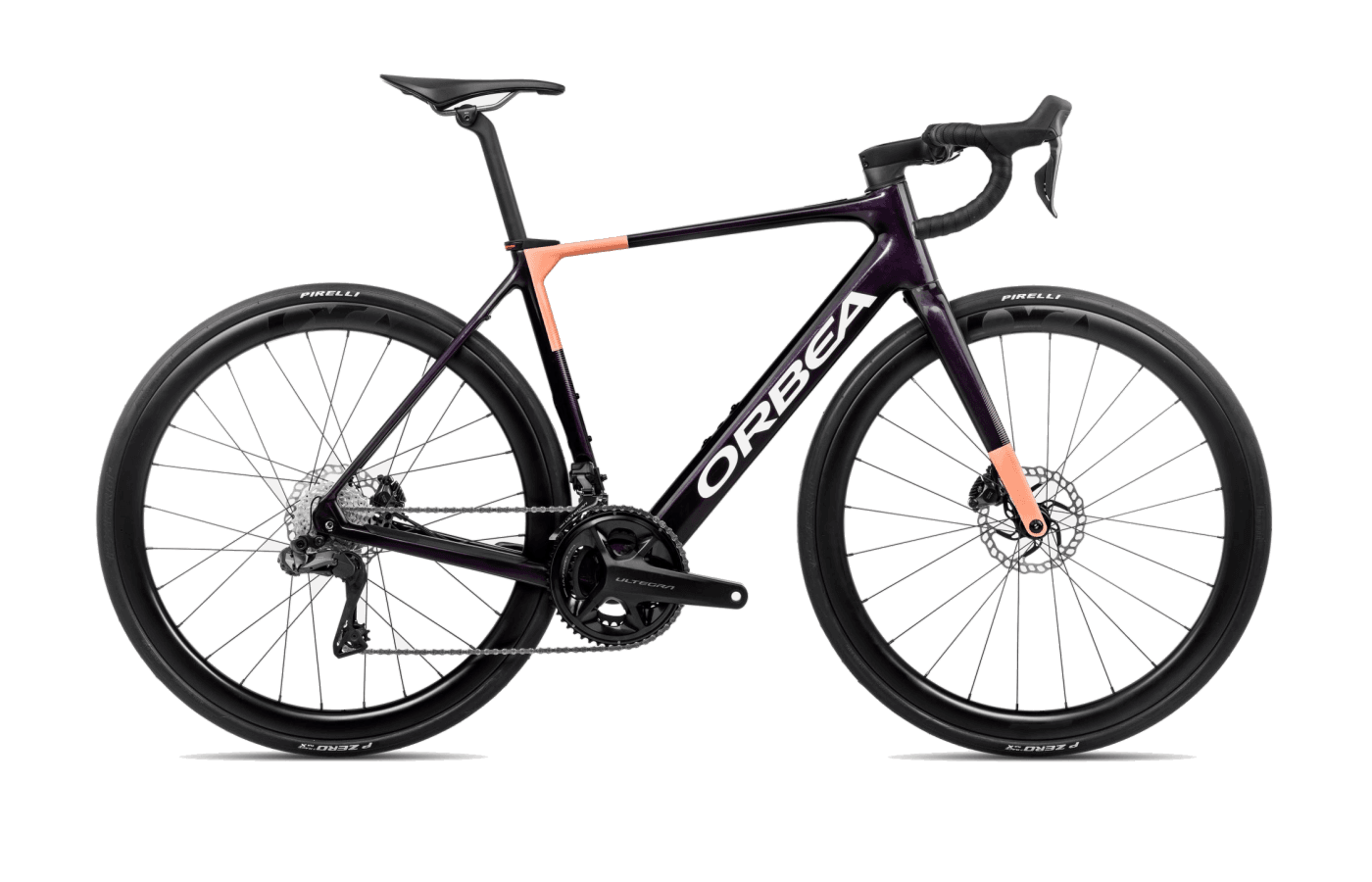
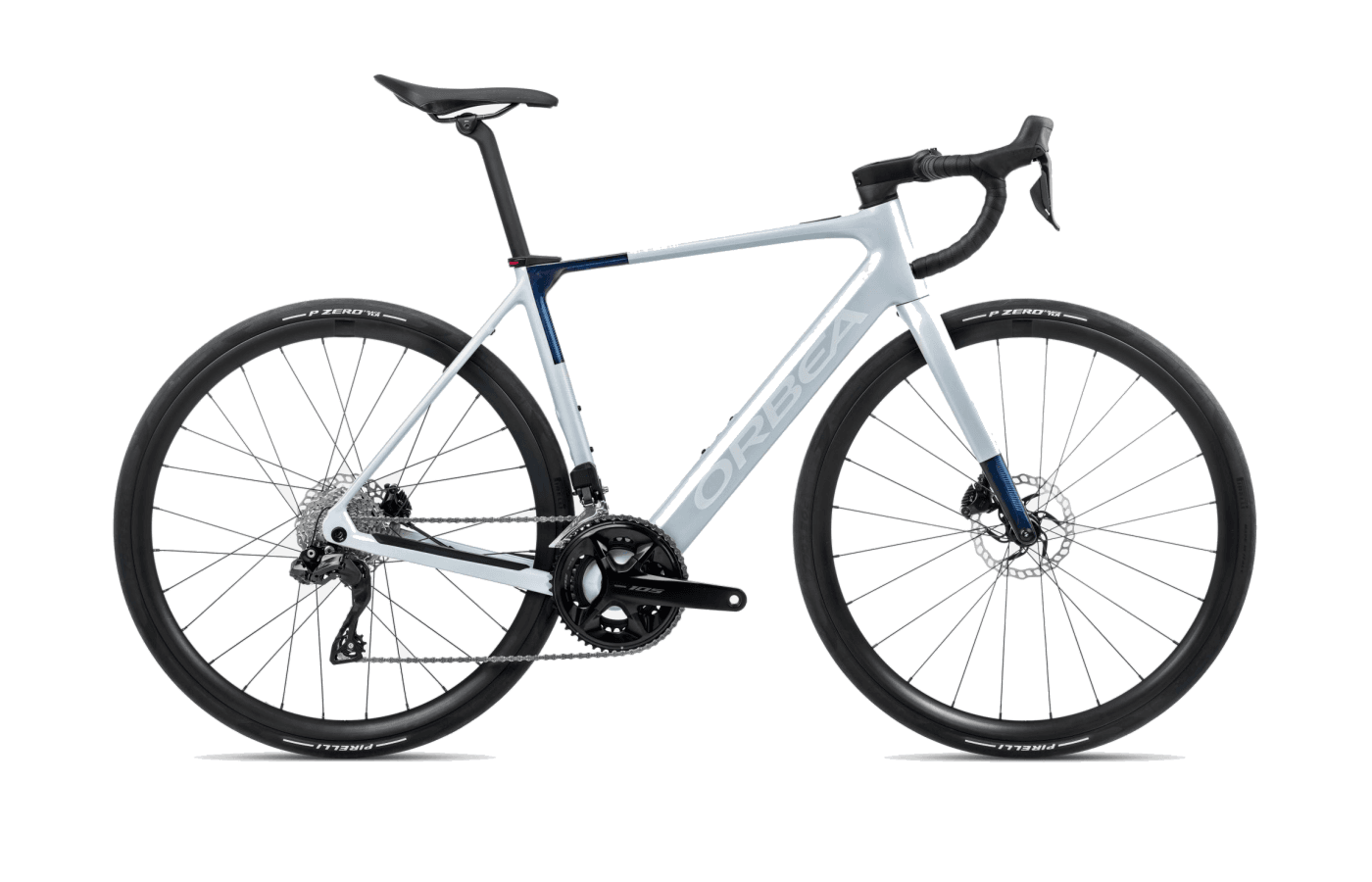
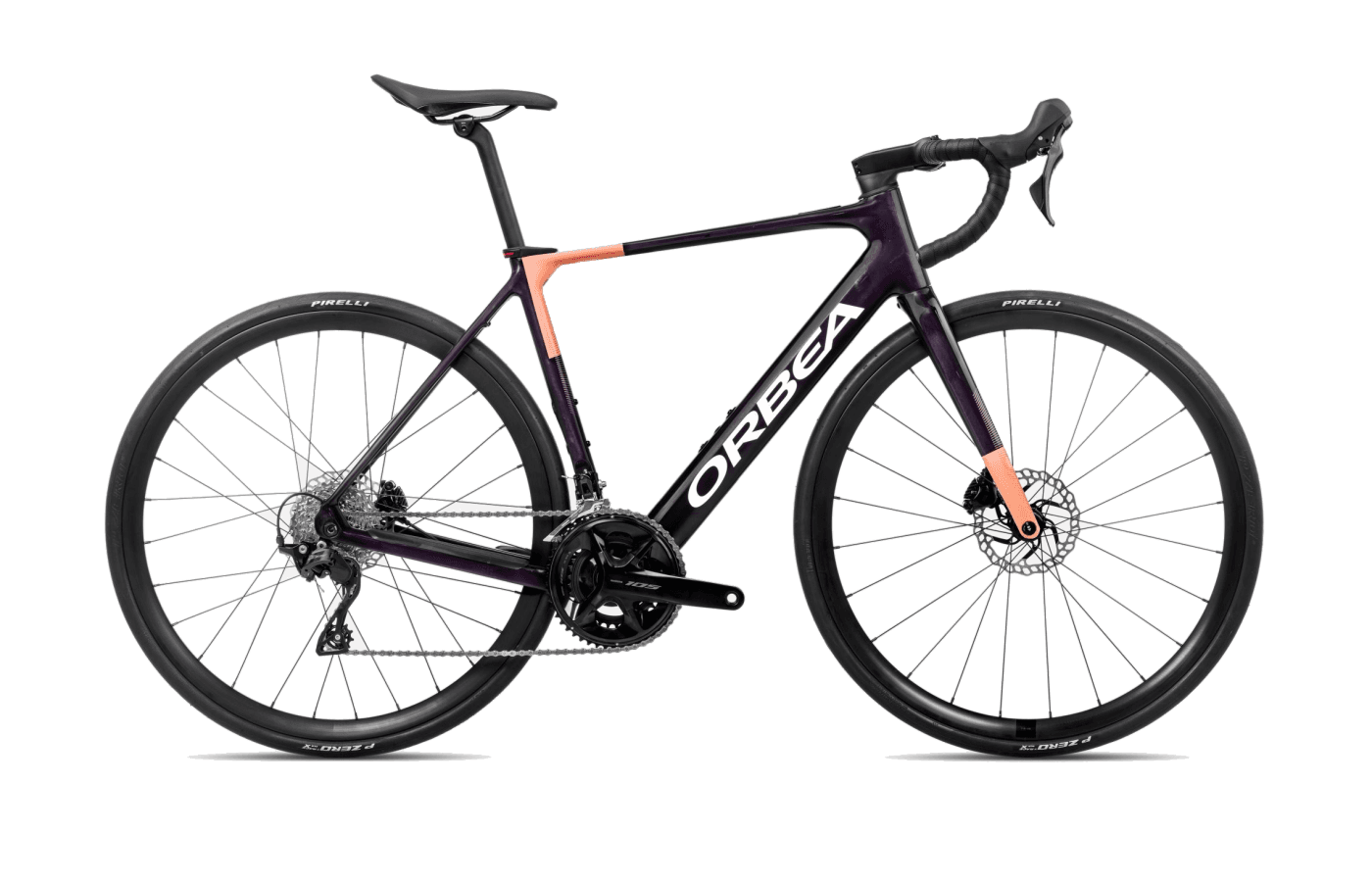
At the top end, the M10i features a premium Shimano Dura-Ace Di2 electronic groupset and 42-millimeter deep carbon wheels. However, reviewers frequently point to the M20i as the smartest value. It utilizes Shimano Ultegra Di2 and retains the exact same carbon wheelset as the flagship model, delivering nearly identical shifting performance for substantially less money. The M30i steps down to Shimano 105 Di2 and swaps the carbon hoops for tubeless-ready alloy wheels, offering a more accessible entry point for riders who still want electronic shifting.
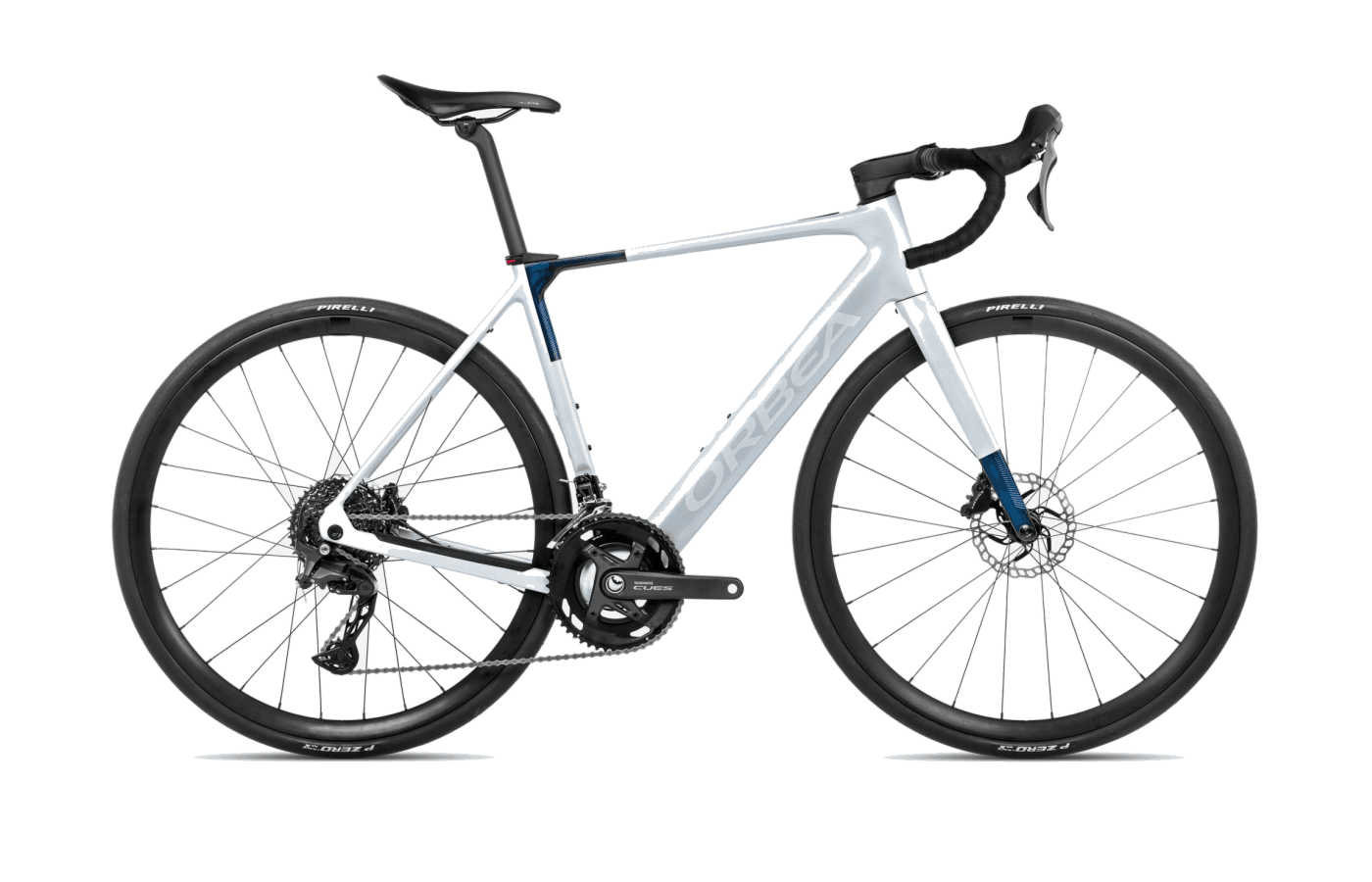
For those who prefer mechanical drivetrains, the M30 relies on a standard 12-speed Shimano 105 group. The entry-level M40 utilizes Shimano's 10-speed Cues components. All builds feature hydraulic disc brakes, 30-millimeter Pirelli tires, and the integrated lighting system. Orbea also includes wired handlebar remotes for the motor across the electronic builds, allowing riders to toggle assistance levels without moving their hands from the tops.
From the press.
13 reviews from the cycling press.
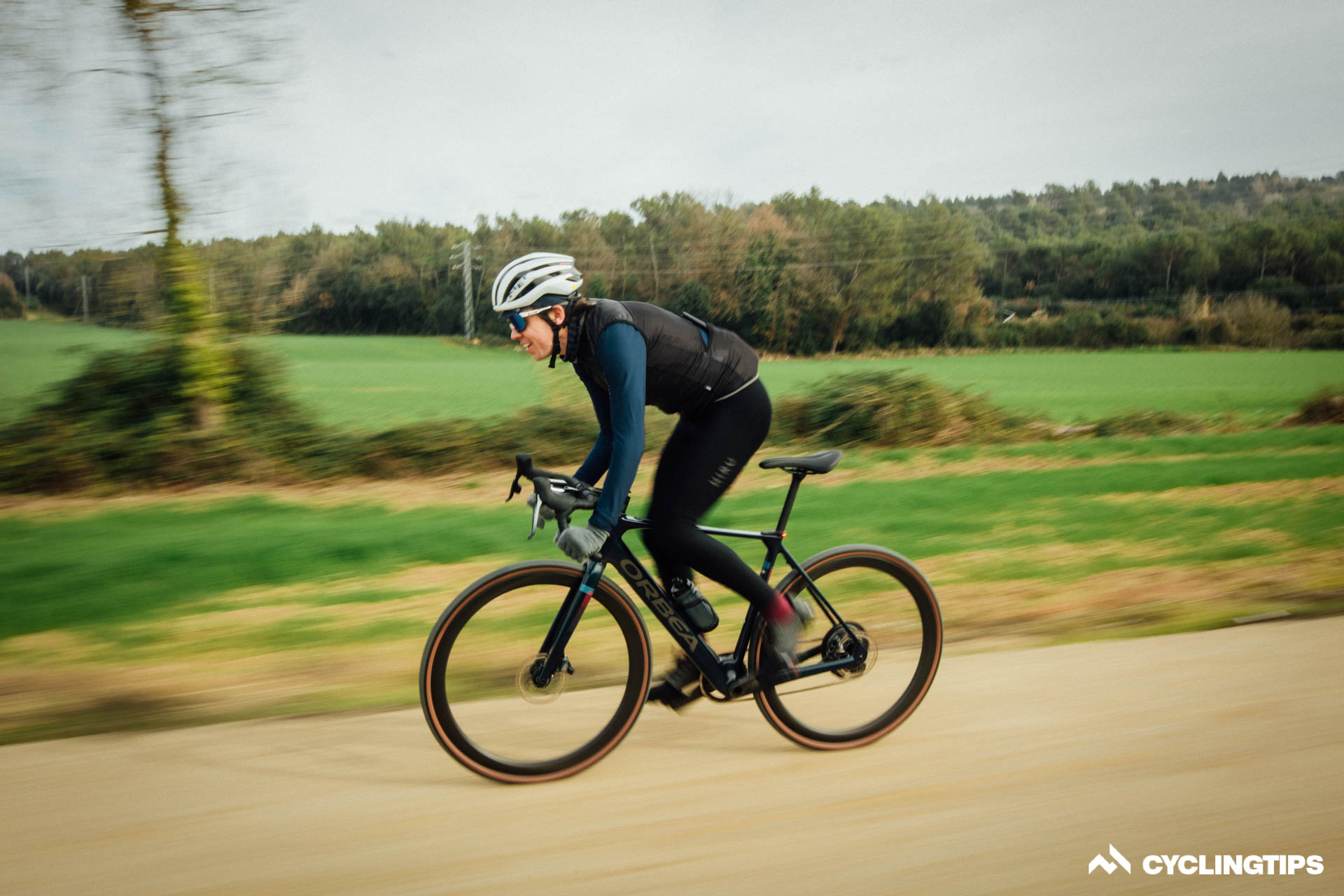
Critics consistently praise the Gain for delivering an exceptionally realistic cycling experience. The Mahle X20 motor is tuned to mirror rider input linearly, creating a "natural ride feel" (BikeRadar) rather than surging unpredictably. Testers frequently noted that the assistance simply makes the rider feel as though they have "good legs" (Edinburghbikeshop) on sustained climbs. Furthermore, the motor's power tapers off smoothly as the bike approaches its legal speed limit, avoiding the jarring cutoff common to older e-bike systems.
However, the transition to unassisted pedaling reveals the bike's mass. While light for an e-bike at roughly 11.5 kilograms, reviewers observed that the Gain can feel "bloated" (T3) on rolling terrain once the motor disengages, requiring extra effort to maintain momentum over short inclines. High-speed descending is a strong point, with the low center of gravity keeping the chassis composed through fast corners.
The primary criticism centers on the digital ecosystem. While the mechanical and electrical hardware performs reliably, some testers found the companion software frustrating, with one reviewer calling the Mahle app "effectively unusable" (Cyclingelectric) due to connectivity issues. A few riders also questioned the durability of the plastic head unit mount, though the integrated top-tube controller and handlebar remotes received high marks for usability.

2023 Orbea Gain e-road bike first ride review | Edinburgh Bike Shop | Bike Sale Now On
2023 Orbea Gain e-road bike first ride review
ORBEA GAIN M20I 2023 - Review, Weight & Price
Orbea Gain M21e review
Orbea Gain M20i review: carbon e-road bike with subtle assistance and serious range
2024 Orbea Gain ebike road test ride review everything you need to know
Orbea Gain M10i review - Electric Bikes
![Is Orbea GAIN M31e 1X 20mph A Perfect Selection - [Orbea GAIN M31e 1X 20mph Review]](https://paklmrfyhygqlkyhjcnf.supabase.co/storage/v1/object/public/storage/review-images/orbea/gain/generation-2023-present/review-b3e54821a9ec.jpg)
Is Orbea GAIN M31e 1X 20mph A Perfect Selection - [Orbea GAIN M31e 1X 20mph Review]
ebike Orbea Gain 2023 road test ride review everything you need to know
Test exclusif du nouvel Orbea Gain (à assistance électrique) | 3bikes.fr votre magazine Vélo, Gravel & Triathlon
Orbea Gain M10i first ride review - Electric Bikes - Bikes
2023 Orbea Gain e-road bike first ride review