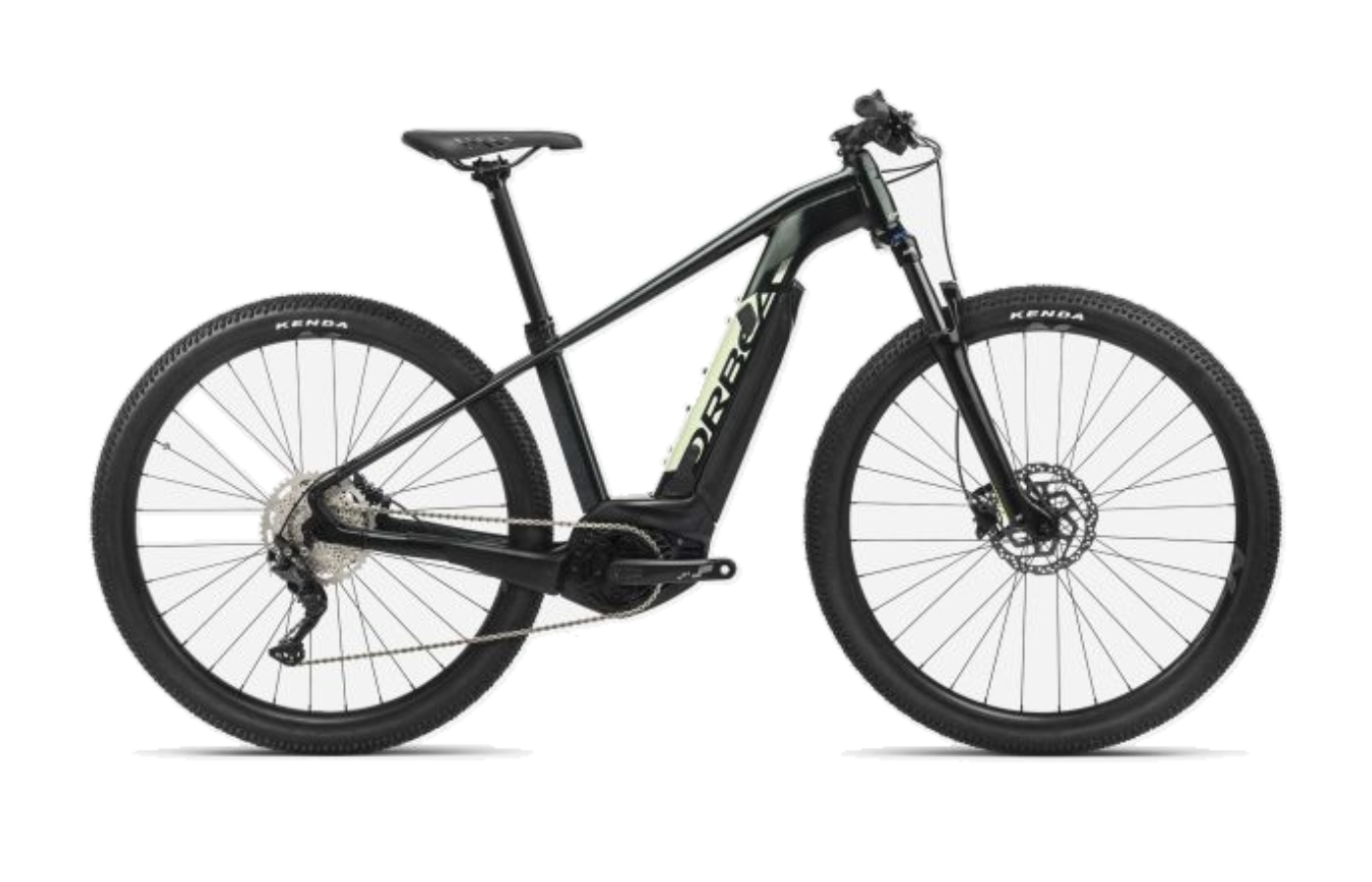
Orbea
Keram MTB10 20mph
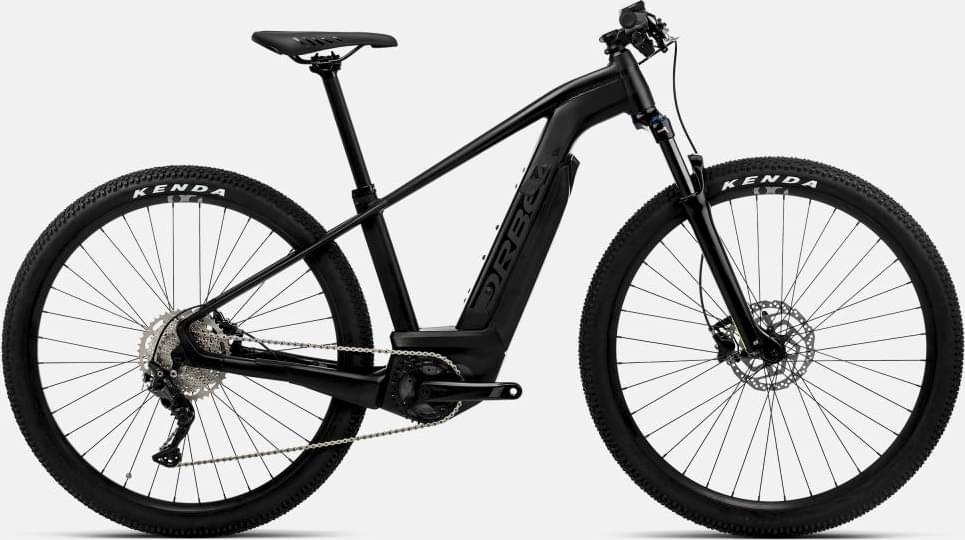
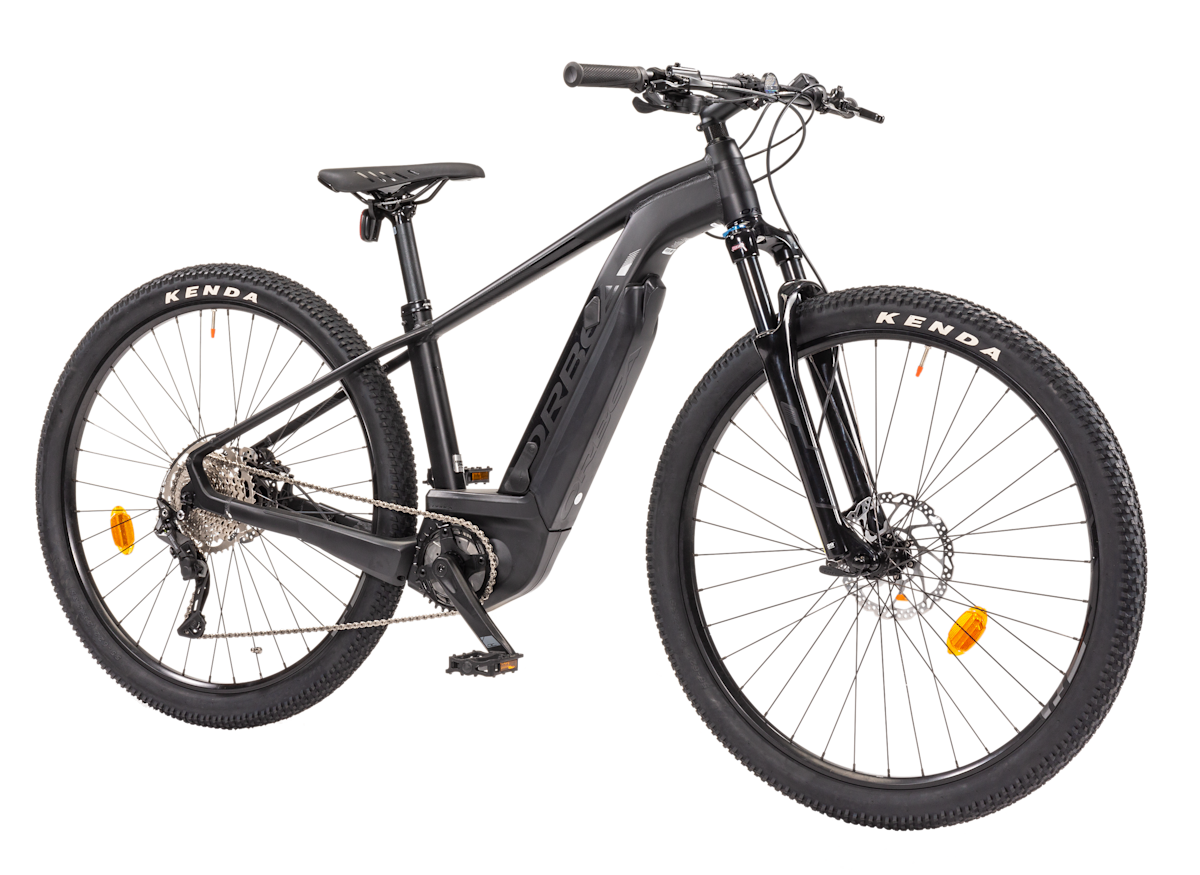
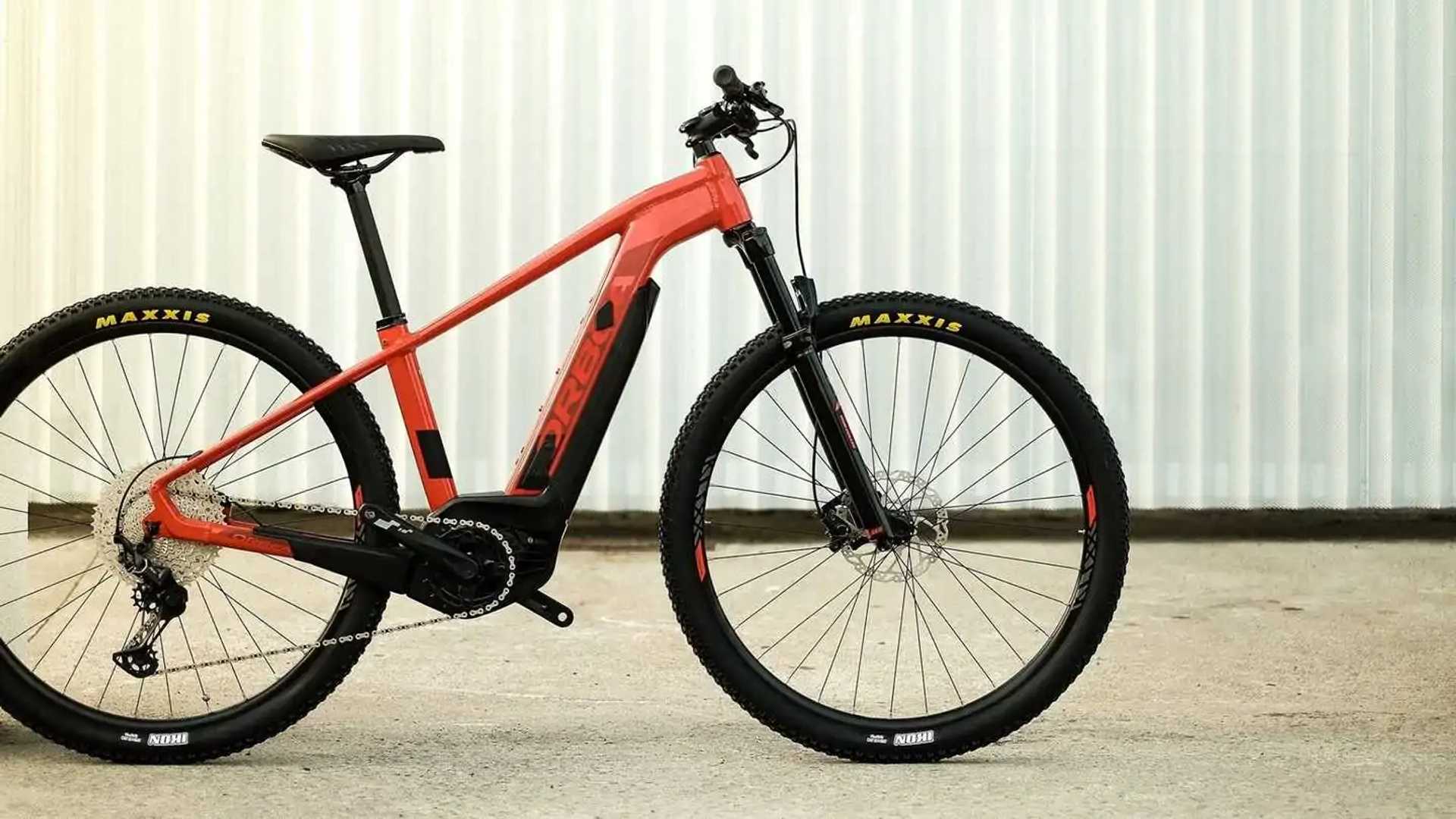
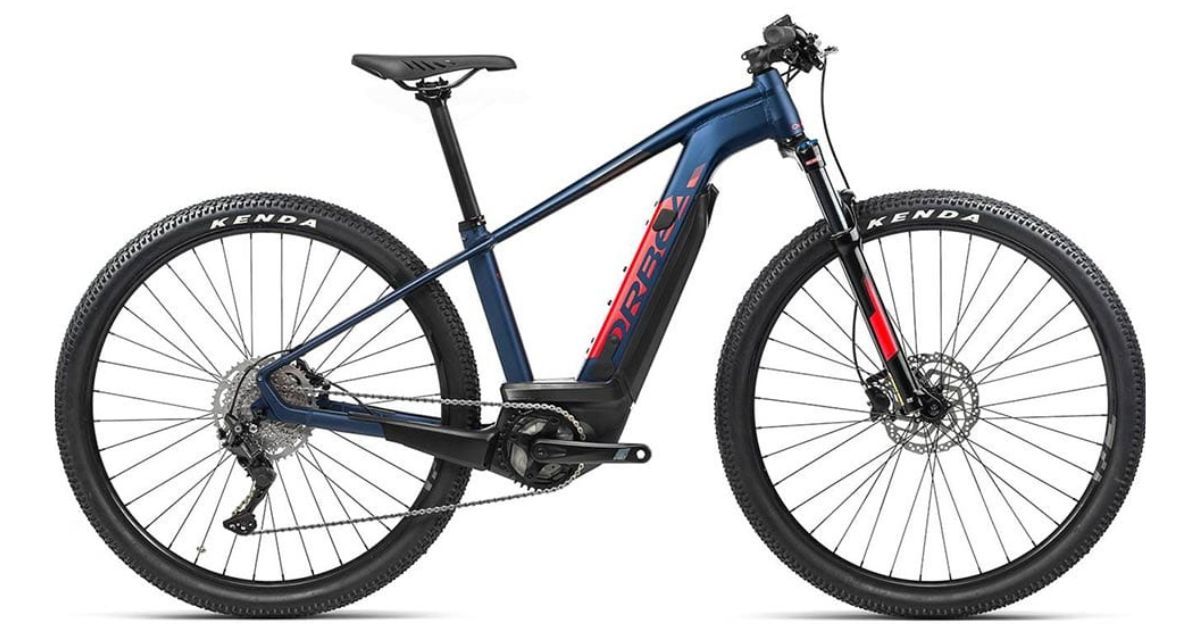
The Orbea Keram MTB is a versatile electric hardtail designed to bridge the gap between urban commuting and light cross-country exploration. Built around a hydroformed aluminum frame with an integrated, removable downtube battery, it serves riders who want a single platform for paved routes, gravel paths, and mild singletrack. Rather than chasing aggressive trail geometry or massive suspension travel, the Keram prioritizes utility and accessible handling. The chassis features provisions for a hidden kickstand, a rear rack, and an optional dual-battery setup, underscoring its capability as a daily rider. Powered by a Bosch mid-drive motor, it delivers steady, predictable assistance up to 20 mph. This is a practical, multi-surface tool suited for fitness riders, commuters, and weekend explorers who value a stable, upright ride over high-speed technical performance.
Spec sheet.
Every component shipped with this build.
Geometry & fit.
4 sizes published.
The Keram’s geometry is intentionally conservative, favoring an upright, comfortable rider posture over a stretched-out, aggressive racing stance. With a head tube angle hovering around 68 degrees and a steeply sloped top tube, the frame offers a low standover height that makes mounting and dismounting easy, even when loaded with commuter accessories. This upright position enhances rider visibility in traffic and reduces strain on the lower back and neck during long weekend rides.
To maintain consistent handling across the size range, Orbea scales the wheel size to the rider. Small frames are built around 27.5-inch wheels to keep the bike proportional and agile, while medium, large, and extra-large frames move to 29-inch wheels for improved rollover momentum on rougher surfaces. The cockpit is standardized across most sizes with a 740mm flat alloy handlebar and a 70mm stem, providing a wide, stable steering platform that helps manage the bike's overall mass without feeling overly twitchy.
Where the handlebar sits relative to the bottom bracket — the single most important fit pair.
01Fit geometry6 values
02Component geometry2 values
03Handling geometry6 values
Which size should I buy?
Slide your height to see the recommended size. GearWise's fit algorithm works from the published stack, reach, and ETT — the brand's own recommendation may differ.
→Calculated from GearWise's own stack / reach / ETT algorithm — the brand's size chart may recommend a different size, and a proper bike fit beats any calculator.
The lineup.
2 builds, ranging $2,599 – $3,199.
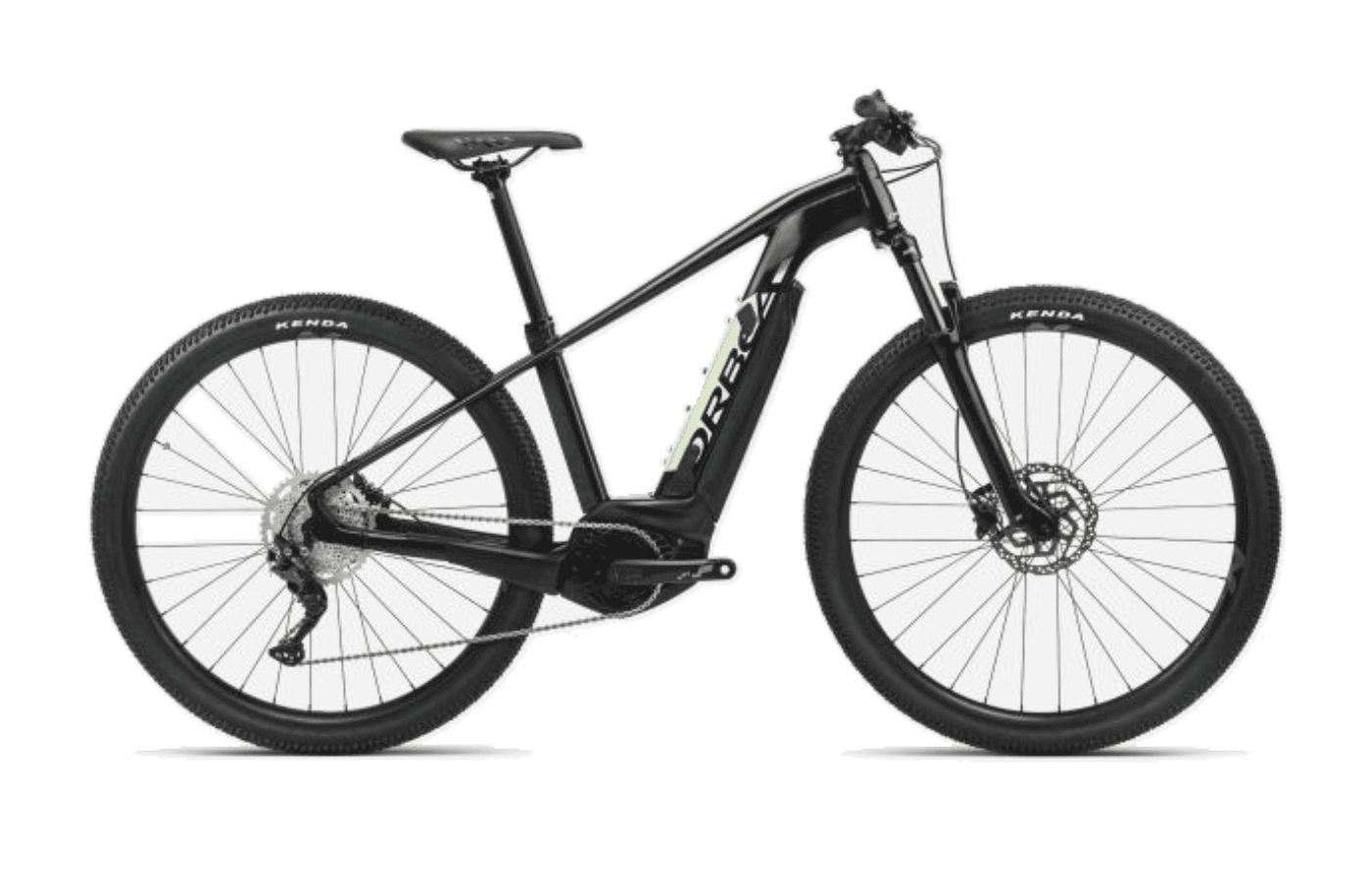
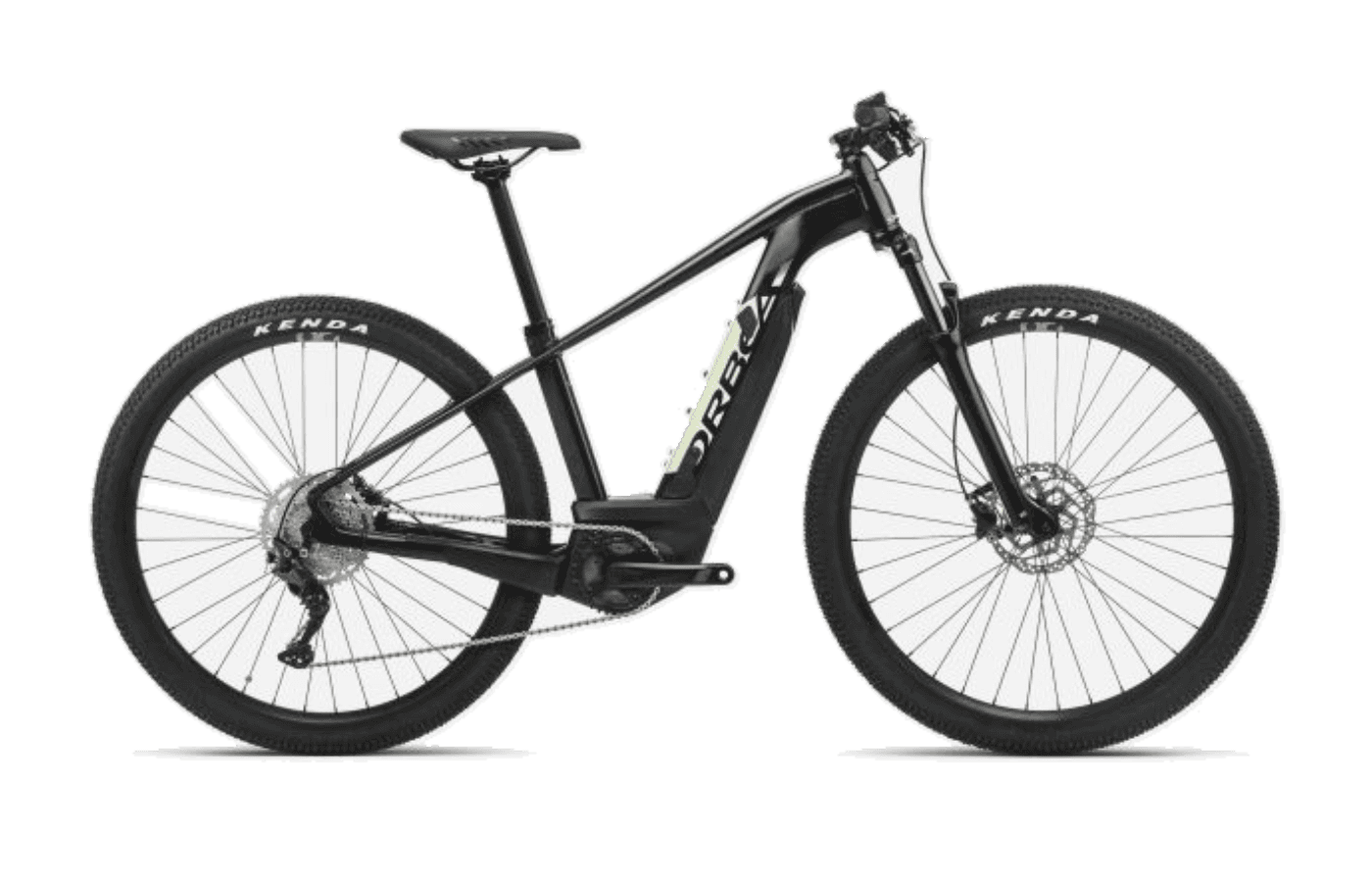
The Keram MTB lineup is streamlined, with the 10 and 30 builds sharing the exact same hydroformed alloy frame, 400Wh battery, and core componentry. Both models are equipped with a 100mm SR Suntour X1 coil fork, which provides adequate vibration damping for gravel and light trails but lacks the sophisticated air spring adjustability found on higher-end mountain bikes.
Drivetrain and braking duties on both builds are handled by reliable, entry-level Shimano components. A 10-speed Deore rear derailleur paired with an 11-46t cassette offers a wide enough gear range to complement the Bosch motor on varied terrain. Stopping power comes from Shimano MT200 hydraulic disc brakes, which deliver consistent performance and are a material upgrade over mechanical alternatives for managing the momentum of an e-bike.
The primary differences between the tiers are subtle variations in the Bosch motor generation and crankset specifications, with the 30 utilizing a 34-tooth chainring and the 10 dropping to a 32-tooth ring for a slightly lower climbing gear. Both builds roll on high-volume 2.35-inch Kenda tires, which act as a secondary damping system to smooth out chatter on unpaved routes.
From the press.
5 reviews from the cycling press.
Reviewers consistently characterize the Keram as a balanced, natural-feeling machine that excels on mild terrain but finds its limits on aggressive trails. The Bosch Active motor is frequently praised for its smooth power delivery. Rather than delivering a massive surge of torque, the system feels more like a "climbing partner than a shove" (Opticycles), making it highly efficient for steady cross-country efforts. However, testers note that the moderate 40Nm torque output means steep, sustained climbs require significant rider input, and the bike's weight makes it difficult to pedal without motor assistance.
Handling feedback highlights the bike's agility at lower speeds, particularly on models equipped with 27.5-inch wheels, which testers found "nimble and quick to change direction" (Opticycles) on tight tracks. Conversely, the upright stance and basic coil suspension mean the bike "doesn’t handle trails as well as some of the other middrive models" (Consumerreports) when pushed into technical or high-speed descents.
Ultimately, the consensus points to a highly practical crossover. While it lacks the plushness of a full-suspension mountain bike or the aggressive geometry needed for enduro riding, it provides a dependable, stable platform. It is widely viewed as an excellent value for riders sticking to paved roads, rail trails, and gentle singletrack.