Laufey
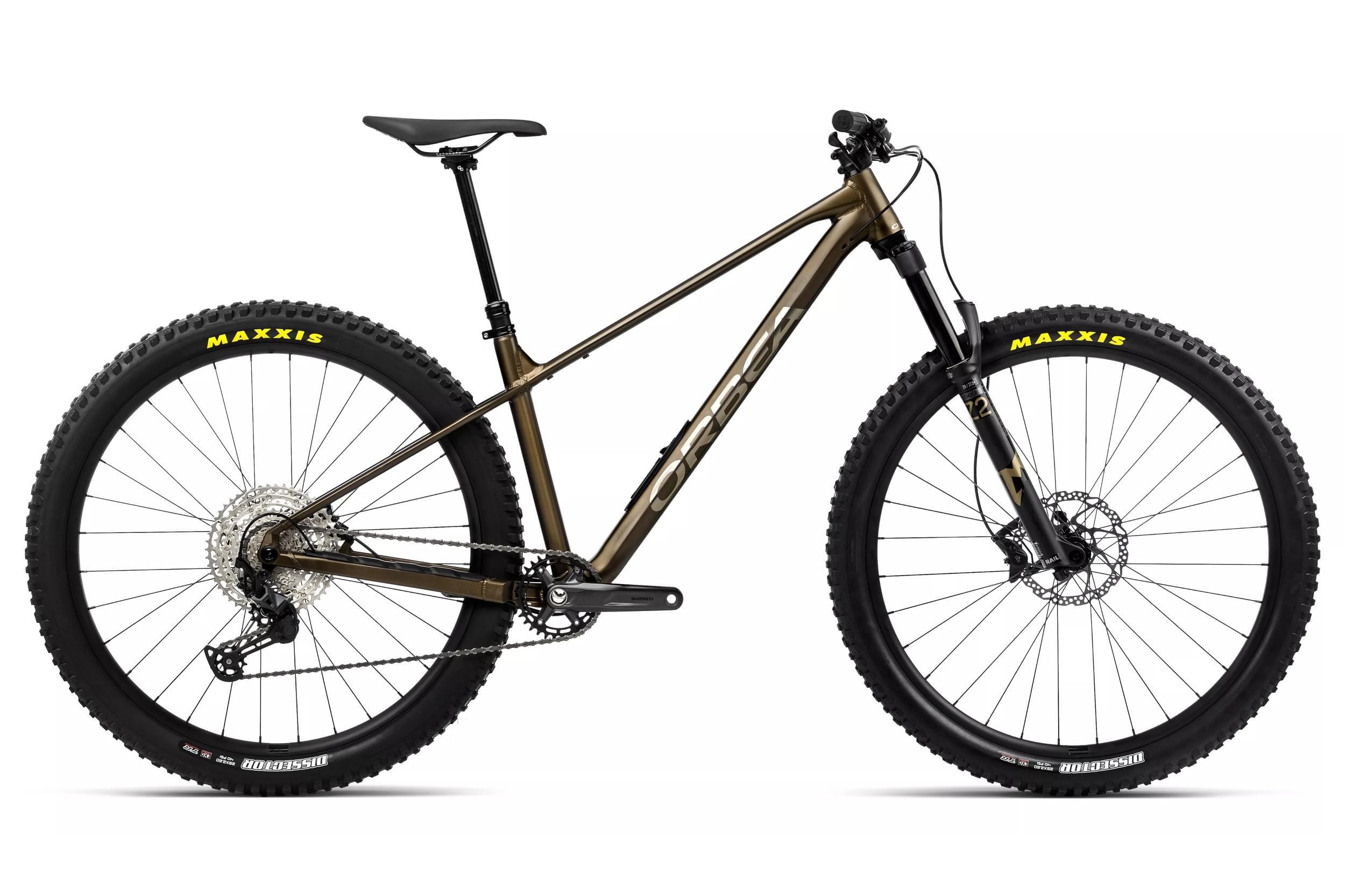
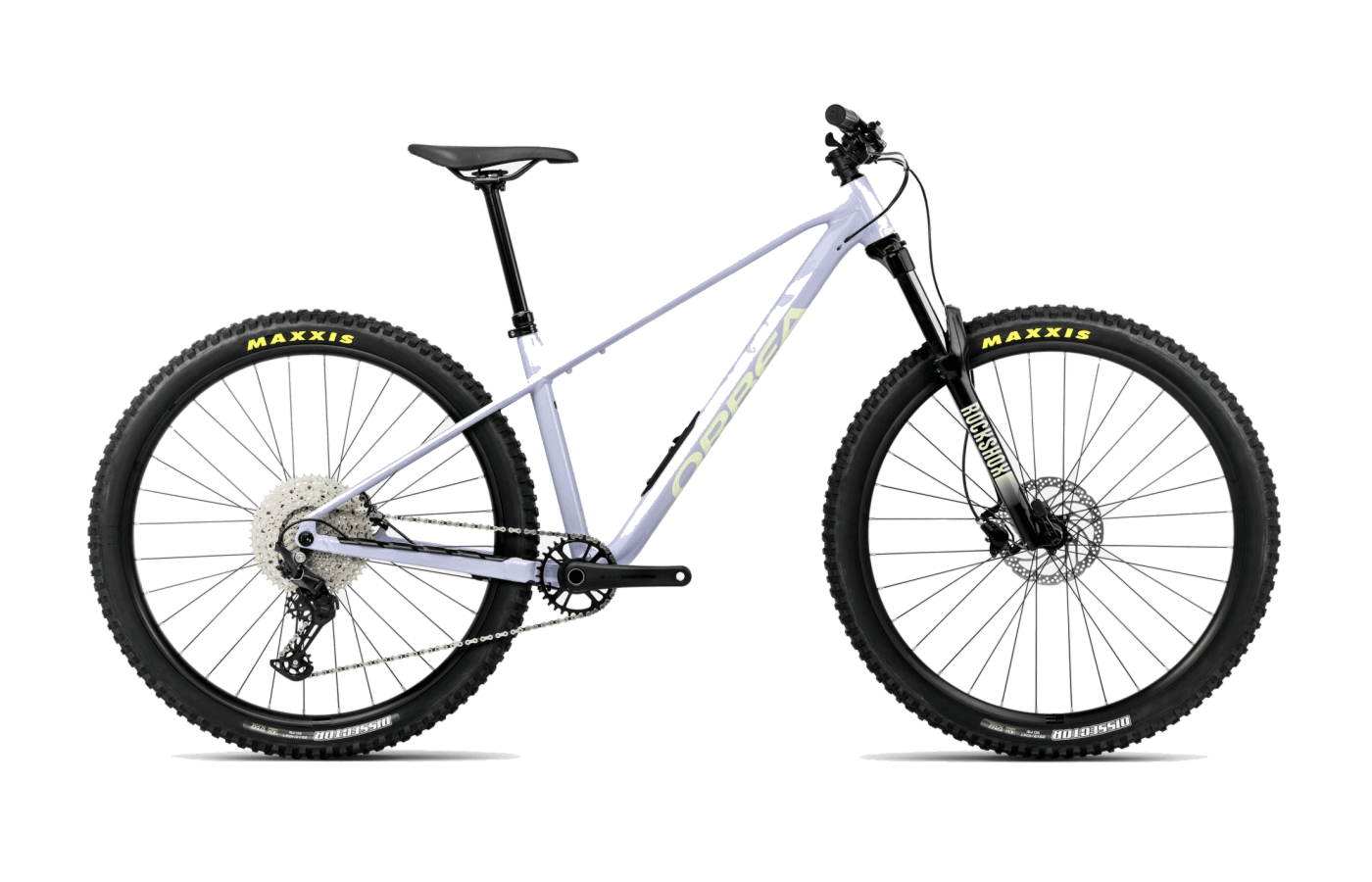
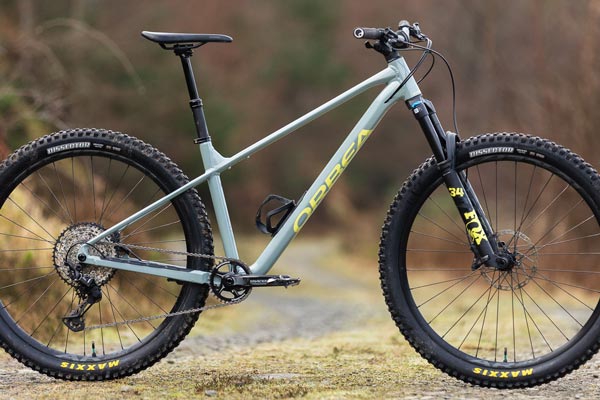
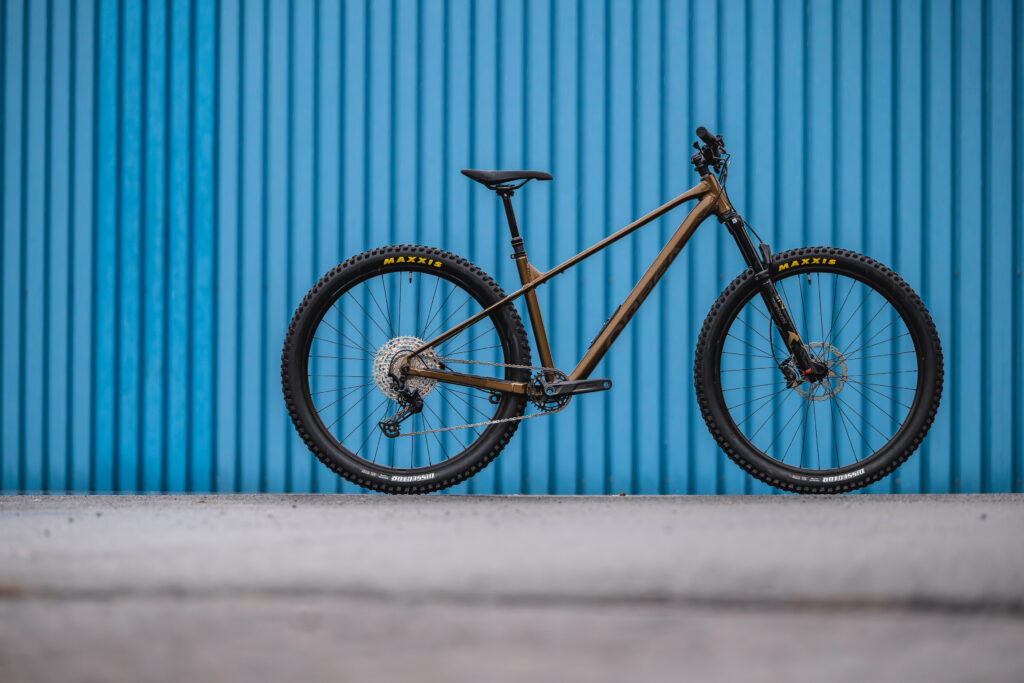
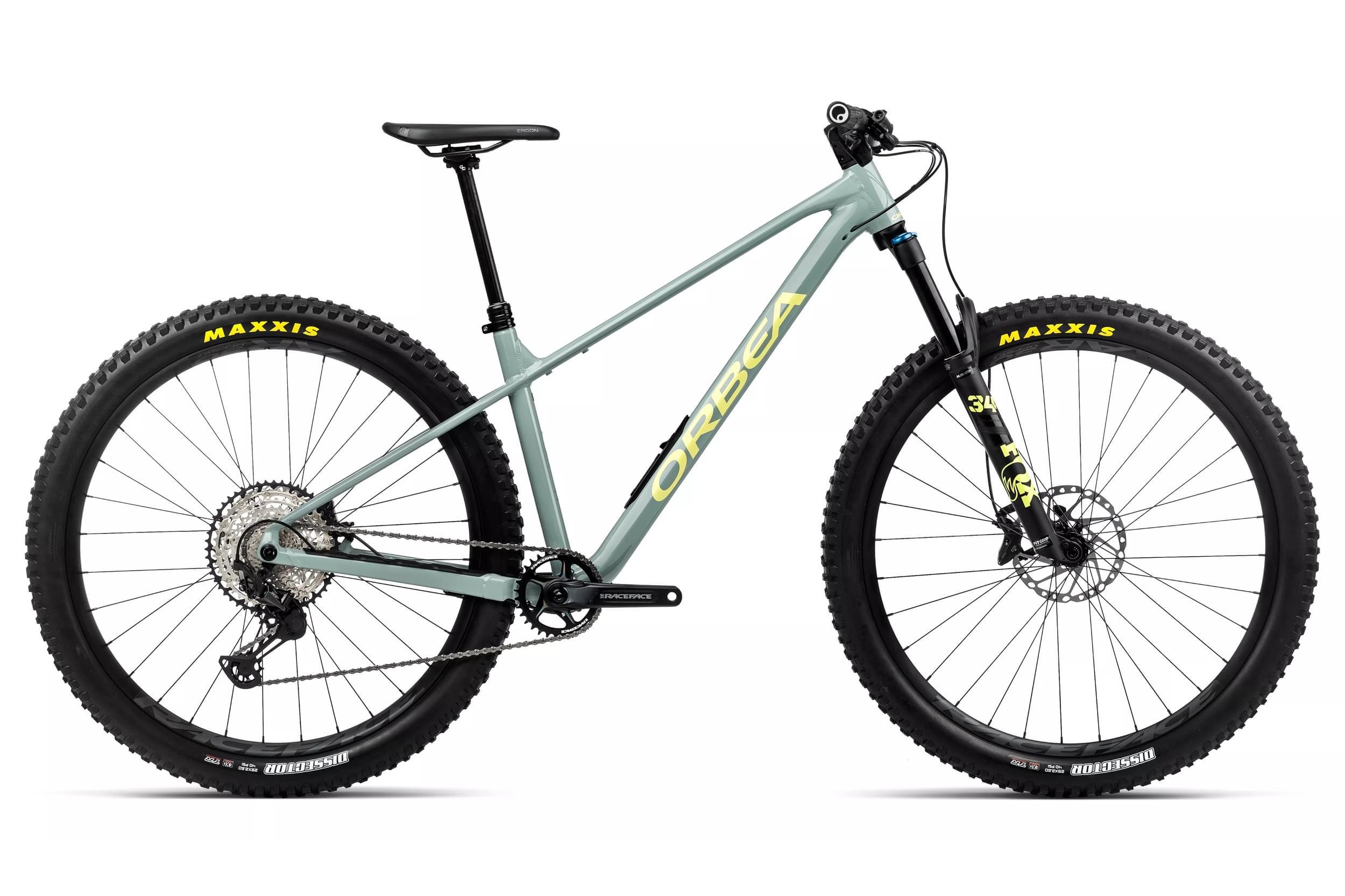
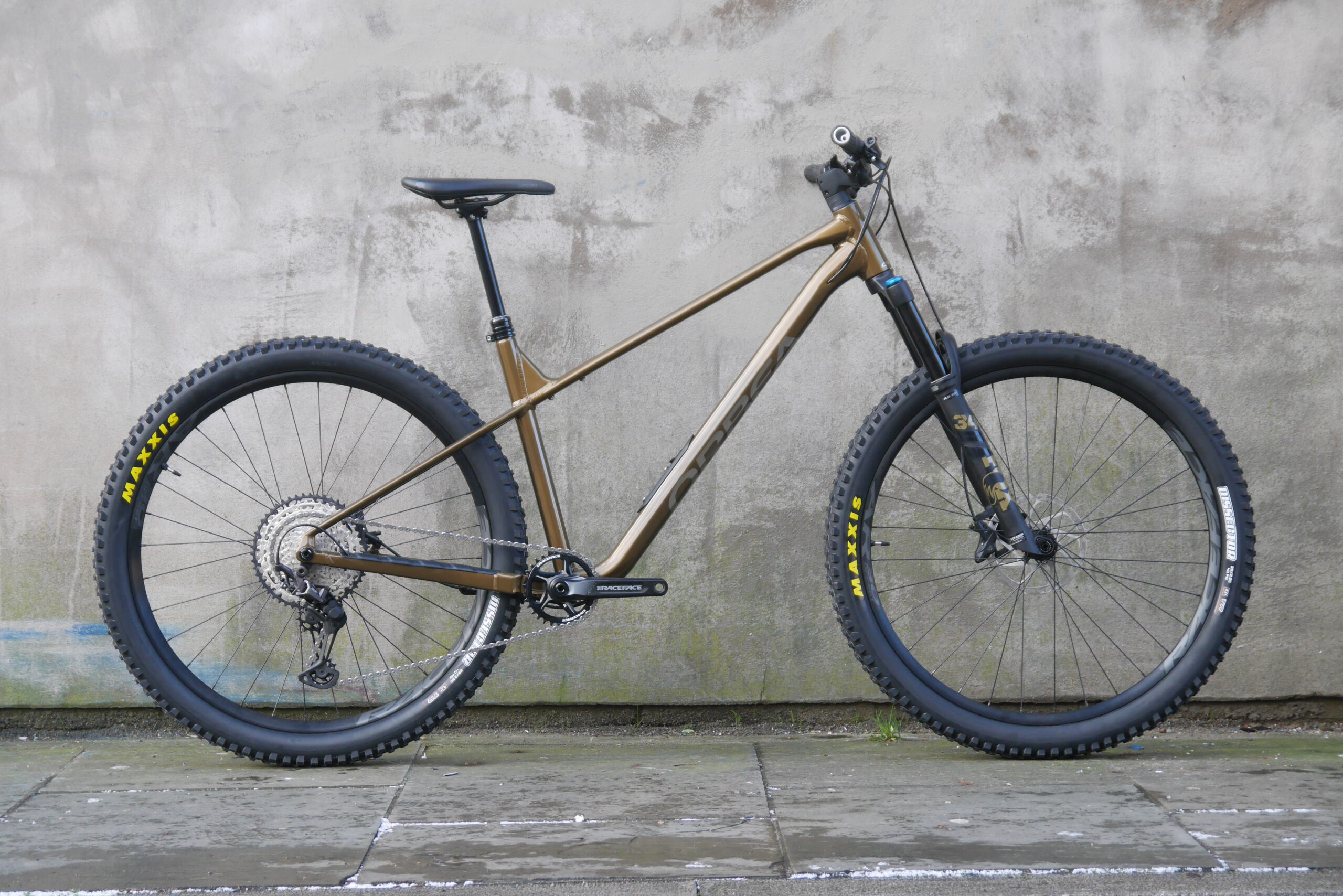
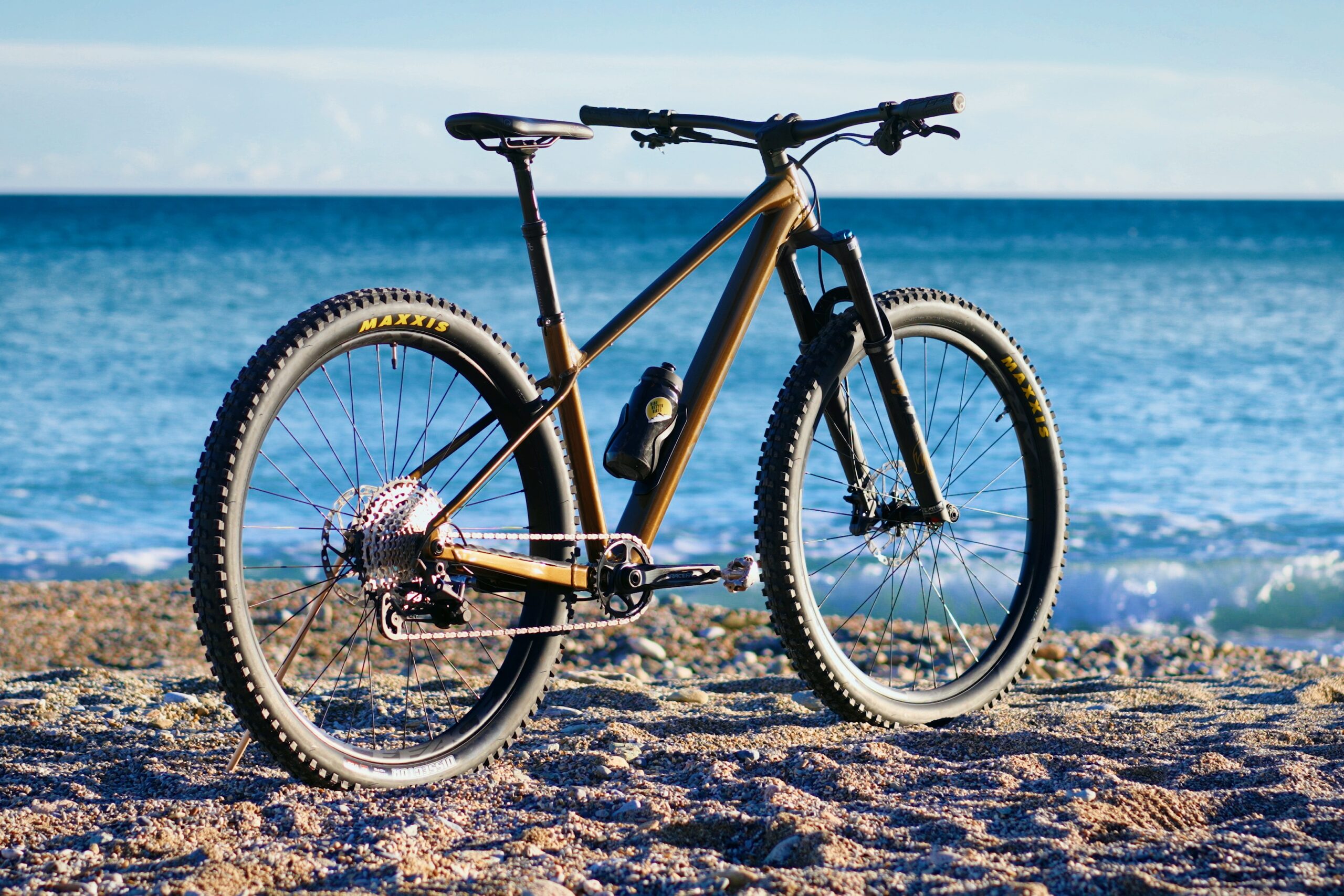
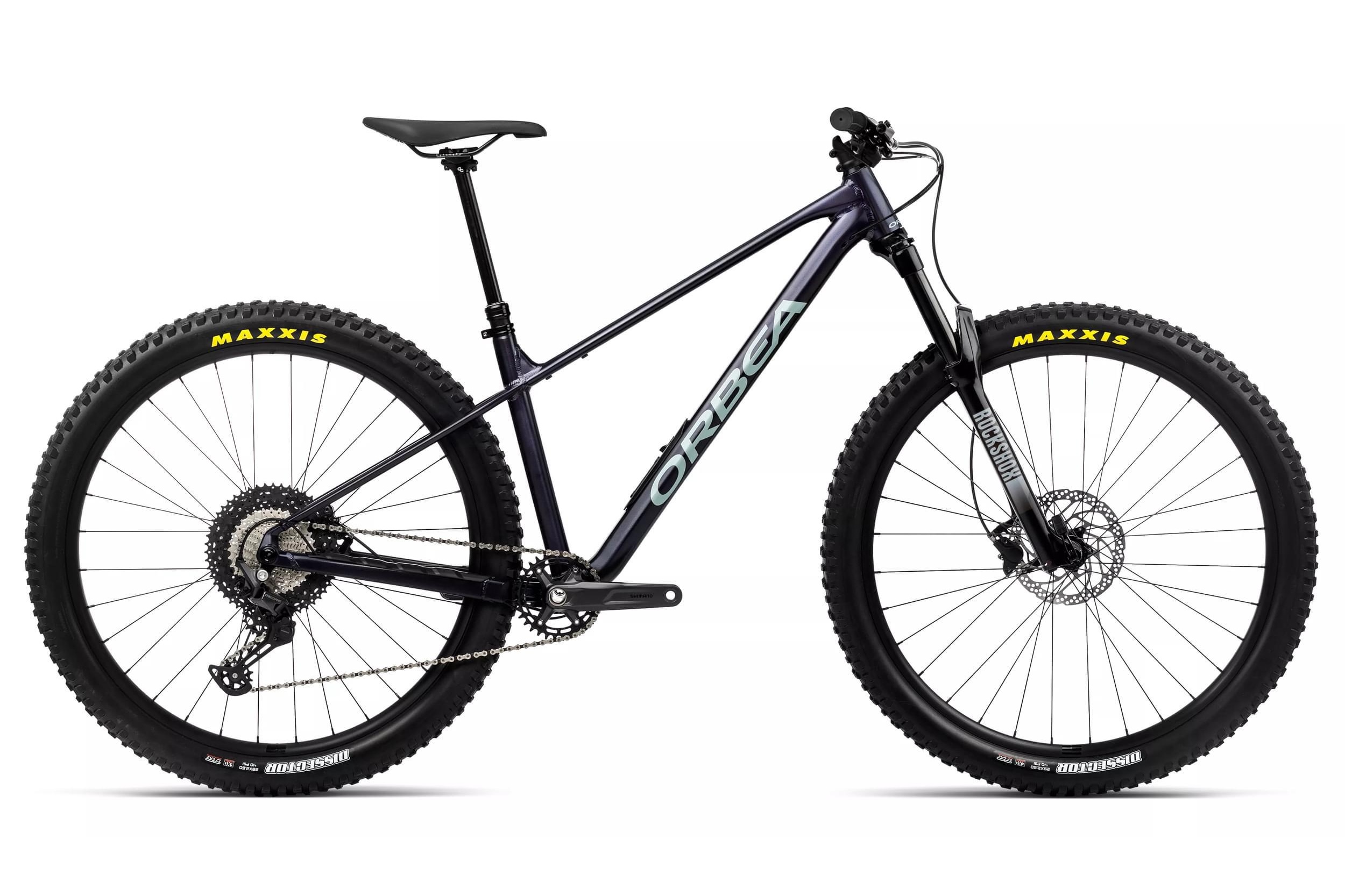
The Orbea Laufey is an aggressive aluminum trail hardtail built around 29-inch wheels and a 140-millimeter fork. Redesigned for 2024, this generation moves away from traditional cross-country lines, adopting a lower-slung silhouette and a geometry package that prioritizes high-speed stability over twitchy maneuverability. It is positioned as a durable, straightforward platform for riders who want the simplicity of a hardtail without sacrificing capability on steep or technical descents.
Beyond its modernized shape, the current Laufey introduces practical frame updates, most notably the addition of a downtube storage hatch. Orbea also routed the cables internally through frame ports rather than the headset, keeping maintenance relatively simple. With generous tire clearance and a robust build profile, it serves as a reliable daily driver for aggressive trail riders or a highly capable entry point for those progressing into rougher terrain.
Geometry & fit.
4 sizes published.
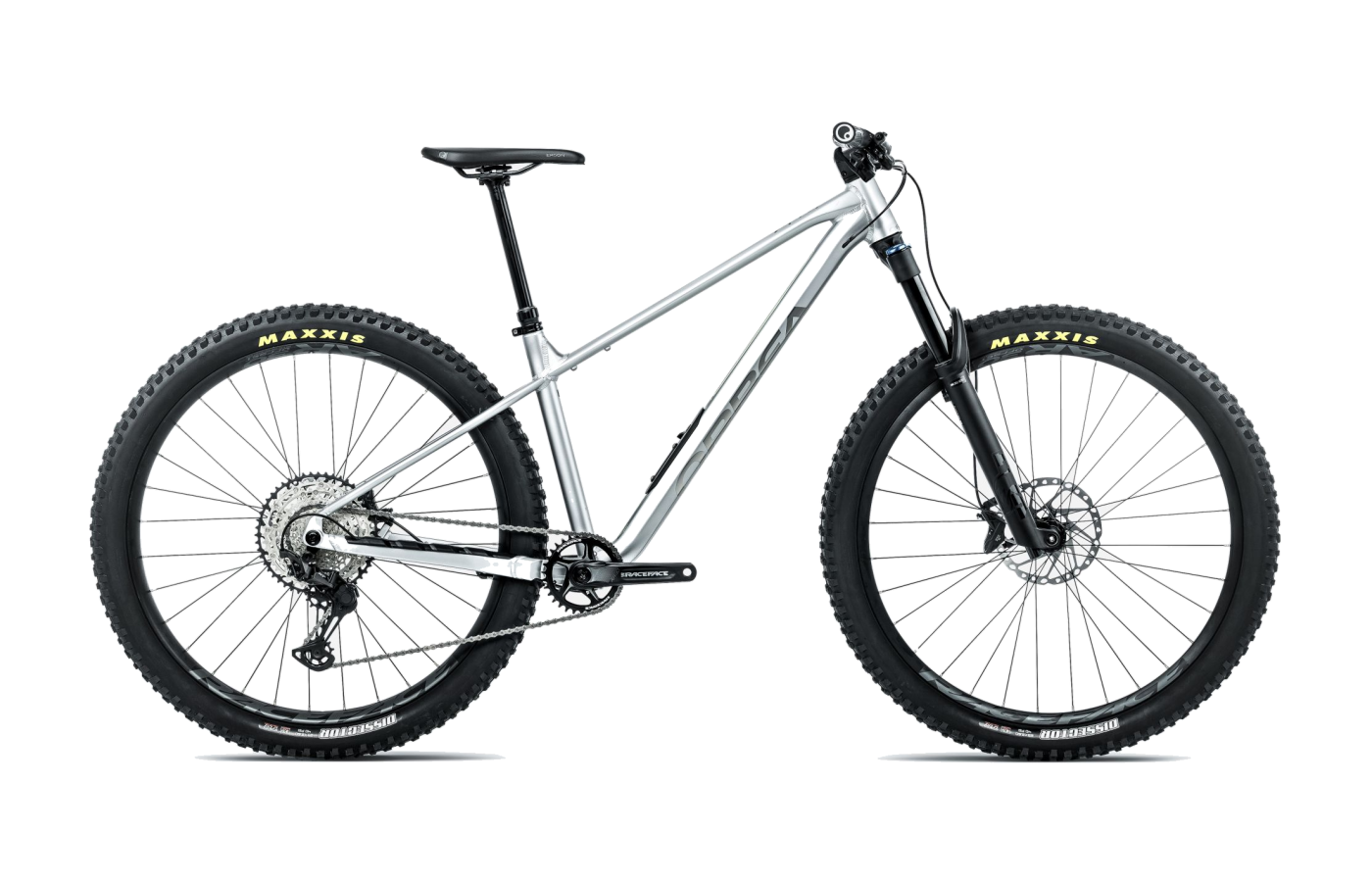
The Laufey’s geometry is defined by a slack 64.5-degree head tube angle and an unusually long 440-millimeter chainstay. This combination creates a long, stable wheelbase that centers the rider and resists being deflected by rough terrain. The extended rear center is a deliberate departure from the ultra-short stays typical of many hardtails, trading low-speed maneuverability and easy front-end lift for enhanced traction and high-speed composure.
A steep 77-degree seat tube angle places the rider in an upright, highly efficient pedaling posture. This forward-biased seated position keeps the front wheel weighted on steep climbs, reducing the need to aggressively lean over the bars to maintain steering control.
Cornering dynamics are heavily influenced by a low bottom bracket with a 65-millimeter drop, which drops the rider's center of gravity and creates a feeling of sitting inside the bike rather than perched on top of it. Additionally, Orbea designed the frame with a short, straight seat tube. This allows riders to run long-travel dropper posts—up to 230 millimeters on the largest sizes—ensuring the saddle can be pushed completely out of the way for descending.
Where the handlebar sits relative to the bottom bracket — the single most important fit pair.
01Fit geometry6 values
03Handling geometry7 values
Which size should I buy?
Slide your height to see the recommended size. GearWise's fit algorithm works from the published stack, reach, and ETT — the brand's own recommendation may differ.
→Calculated from GearWise's own stack / reach / ETT algorithm — the brand's size chart may recommend a different size, and a proper bike fit beats any calculator.
The lineup.
3 builds, ranging $1,699 – $2,699.
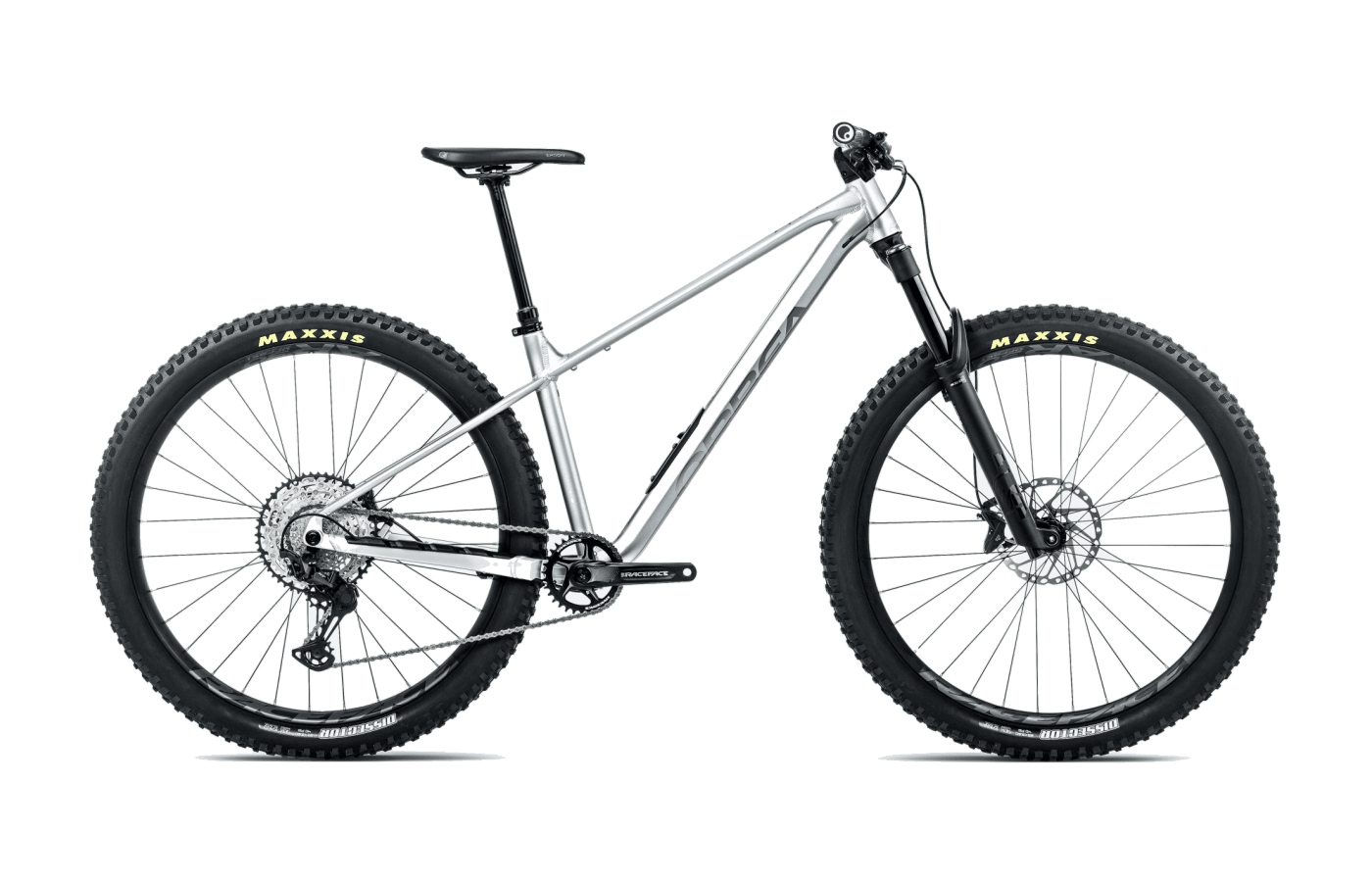
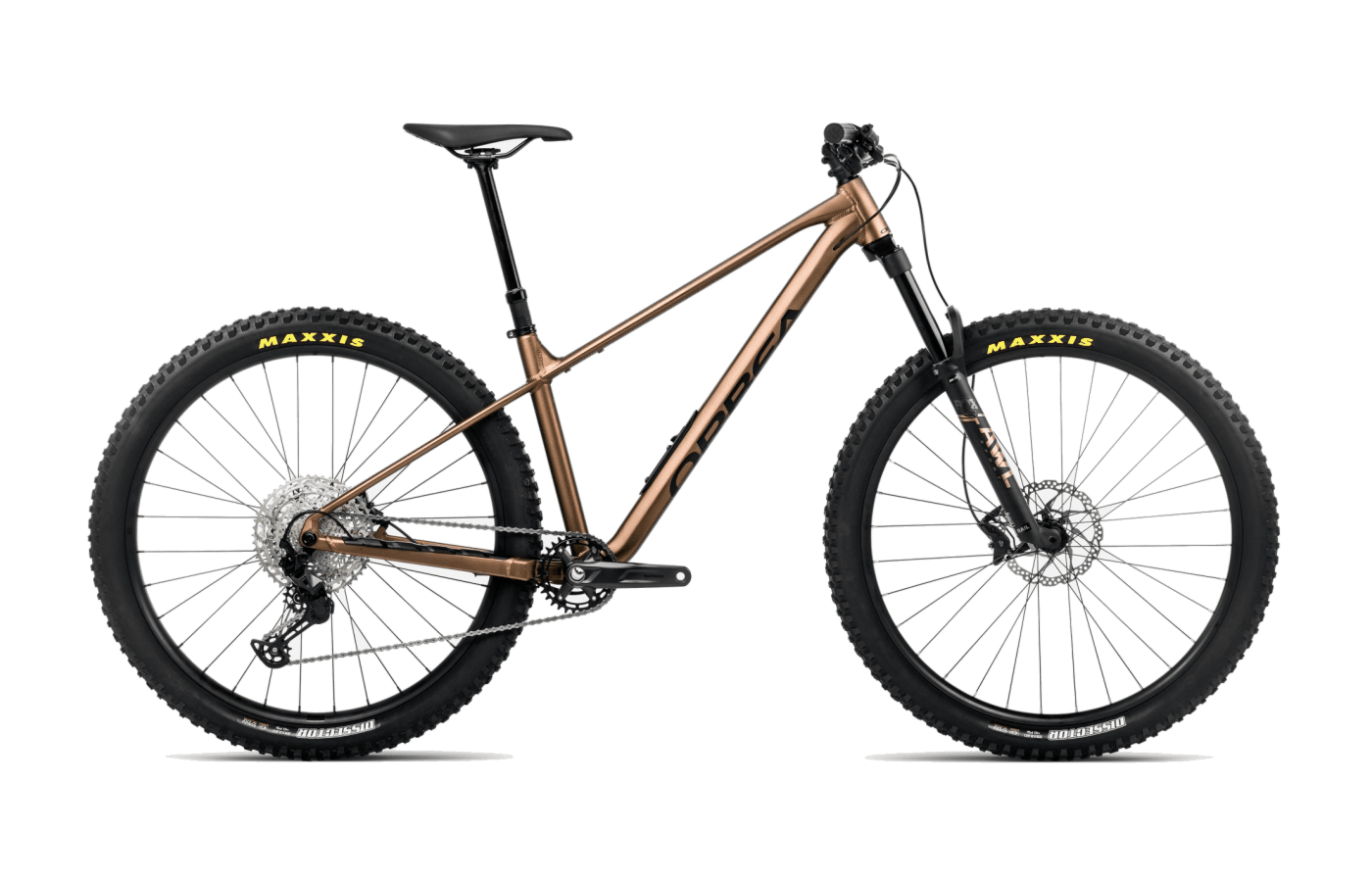
The Laufey lineup spans three aluminum builds, all sharing the same frame, downtube storage, and 29-inch wheel platform. The range begins with the H30, which offers a functional entry point featuring a RockShox Recon RL fork, a Shimano Deore 12-speed drivetrain, and basic Shimano MT201 brakes. Notably, this base model is the only build to ship with narrower 2.4-inch tires, which some riders may actually prefer over the wider rubber found higher up the ladder.
The mid-tier H10 is widely considered the sweet spot for value. It upgrades the suspension to a Marzocchi Bomber Z2 fork, which offers a noticeable improvement in damping control. The drivetrain moves to a Shimano SLX and Deore mix, paired with more powerful M6100 brakes, though the stock rotors are resin-pad only.
At the top, the H-LTD features a Fox 34 Performance fork, a Shimano XT rear derailleur, and four-piston M6120 brakes. It also upgrades to Race Face AR 30c rims. However, the flagship model faces stiff pricing competition, as its cost approaches that of boutique steel hardtails or entry-level full-suspension bikes, making the mid-range H10 the more pragmatic choice for most trail riders.
From the press.
15 reviews from the cycling press.
Reviewers consistently characterize the Laufey as a highly composed descender that favors predictability over raw agility. Rather than feeling like a nervous, flickable dirt jumper, the bike behaves like a "stable bowl-over-anything bruiser" (Bikepacking). Testers found that it maintains its line exceptionally well through sweeping corners and rough chutes, largely due to its long rear center and slack front end. While this length requires more physical effort to manual or pop over trail obstacles, the tradeoff is a secure, grounded ride quality at speed.
The 140-millimeter fork is widely viewed as the ideal travel bracket for this frame, providing "just the right amount to plough through descents" (BikeRadar) without causing drastic geometry shifts when compressed. However, the stock 2.6-inch Maxxis Dissector tires drew frequent criticism from aggressive riders. While the high-volume rubber helps mute trail chatter on an otherwise stiff aluminum frame, testers noted the casings can feel vague and squirmy under heavy cornering loads, causing the bike to "surf about on top the earth as opposed to digging in" (Singletrackworld).
Climbing performance earned high marks, with the steep seat tube angle keeping the rider's weight centered and preventing the front wheel from wandering on steep pitches. While the frame's downtube storage is praised as a rare and useful feature for an alloy hardtail, some reviewers expressed frustration with the proprietary headset spacers, which complicate simple stem swaps.
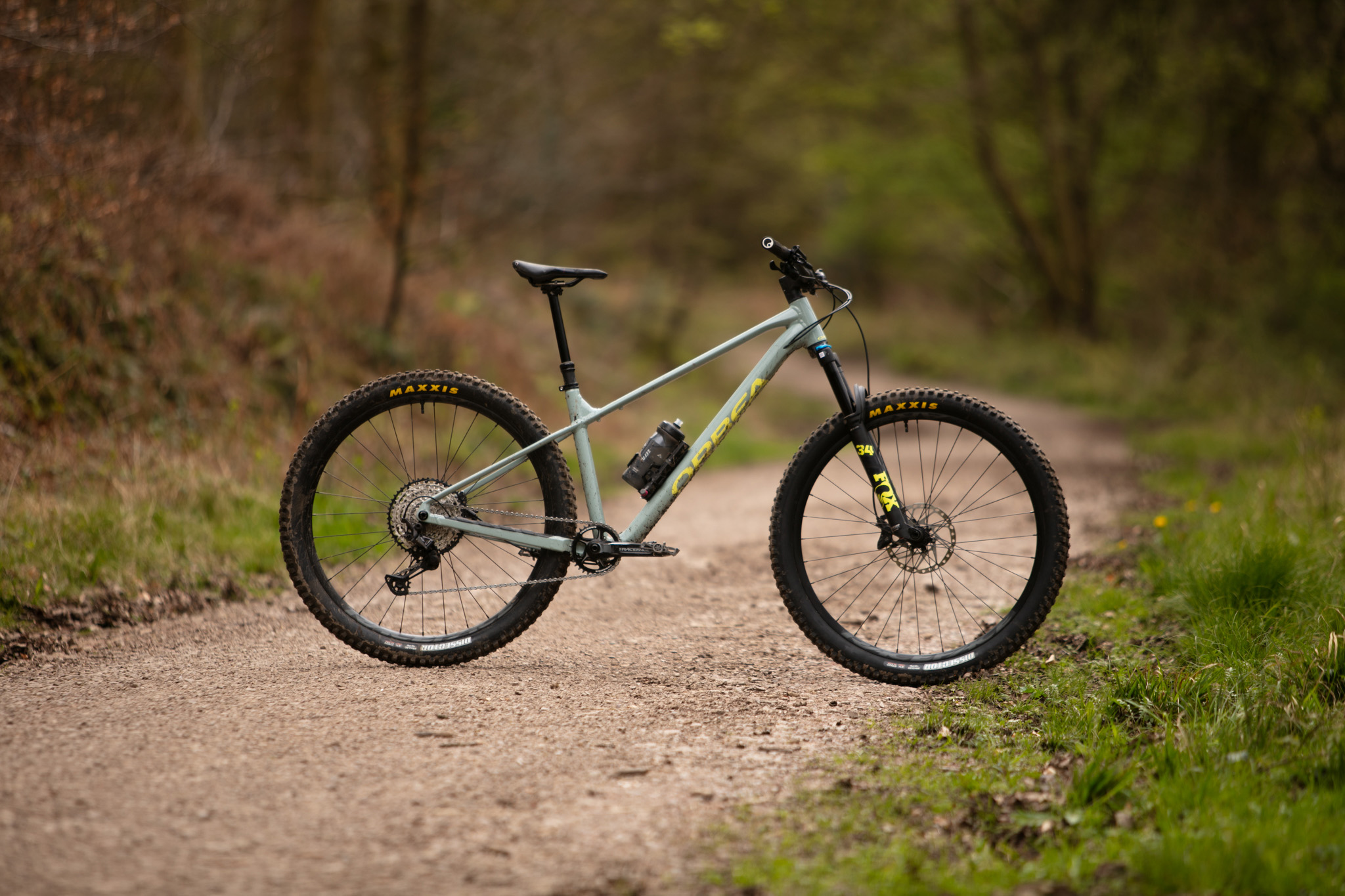
Orbea Laufey H-LTD mountain bike review
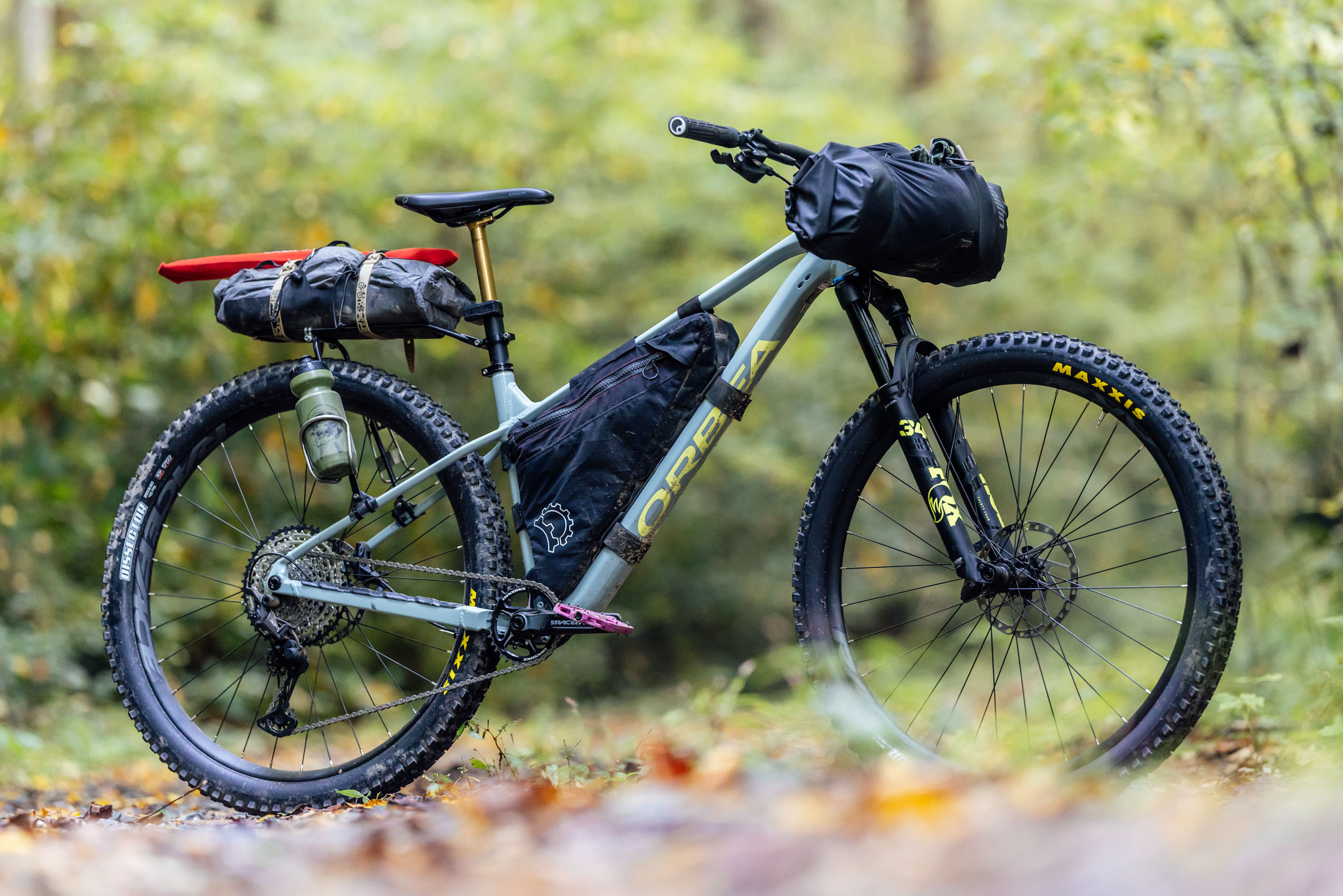
Orbea Laufey Review: It's All About the Process
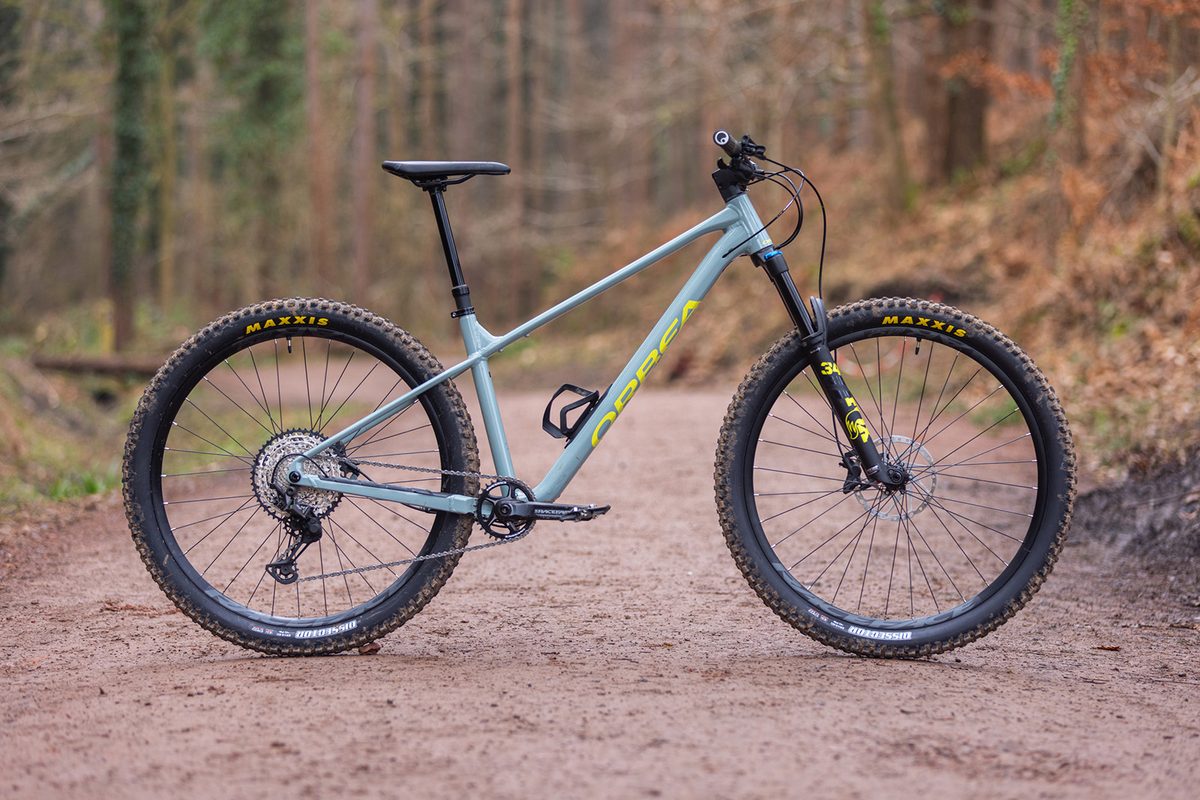
Orbea Laufey H-LTD review: a fun and capable hardtail that doesn't offer value for money
The Orbea Laufey H-LTD puts the "Hard" in Hardtail | Review

Orbea Laufey H10 long-term review conclusion
Orbea Laufey H10 long-term review conclusion
Orbea Laufey Trail-Hardtail im Test: Läuft doch - MTB-News.de
Orbea Laufey H-LTD mountain bike review - Cycling News | off-road.cc
Orbea Laufey H-LTD mountain bike review - Cycling News | off-road.cc
Orbea Laufey H-LTD 2024 Review

Orbea Laufey H 10 2024 Review
Orbea Laufey H-LTD review
Orbea Laufey Review - bike-test.com
Orbea Laufey H 30 2024 Review