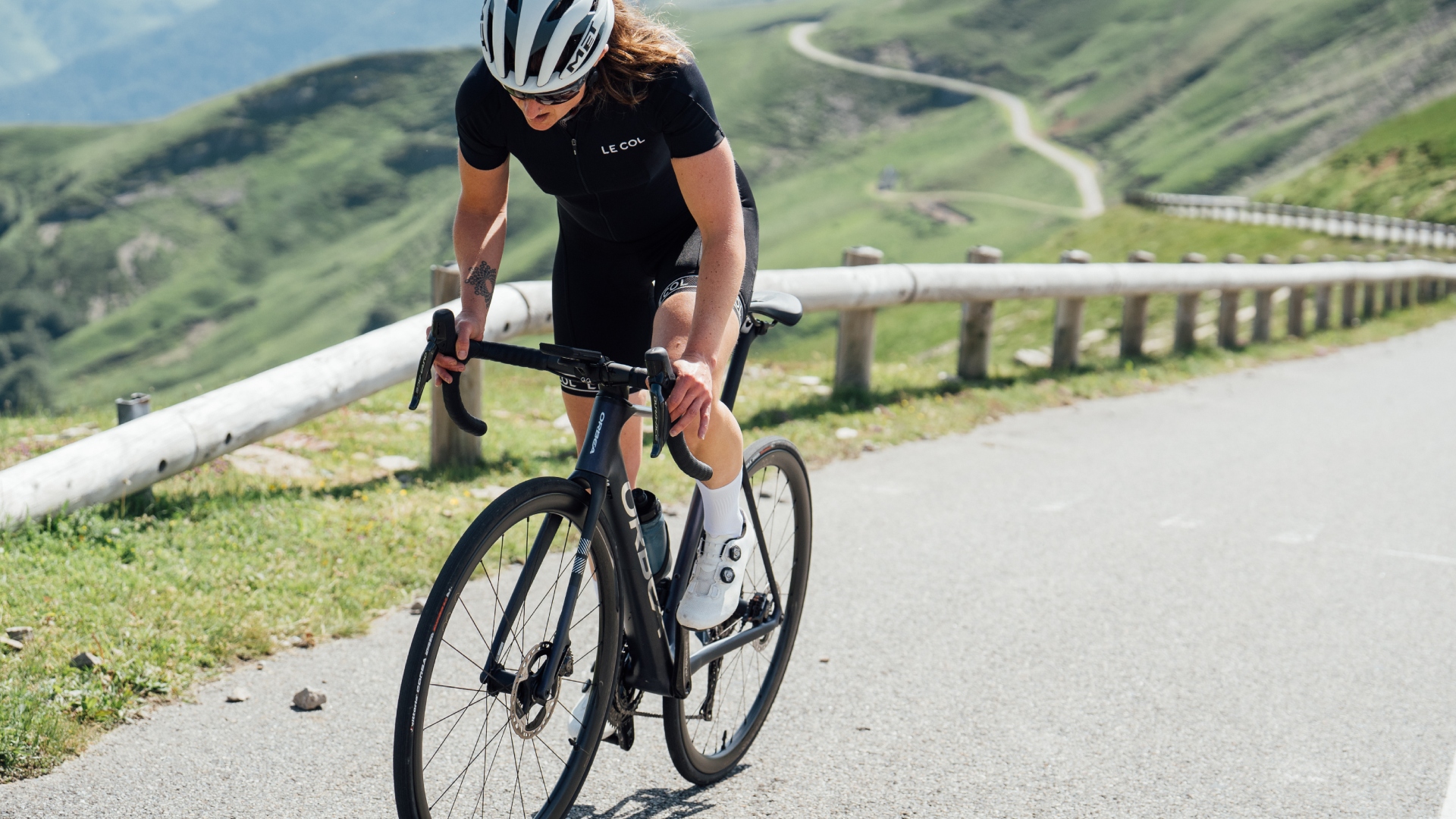
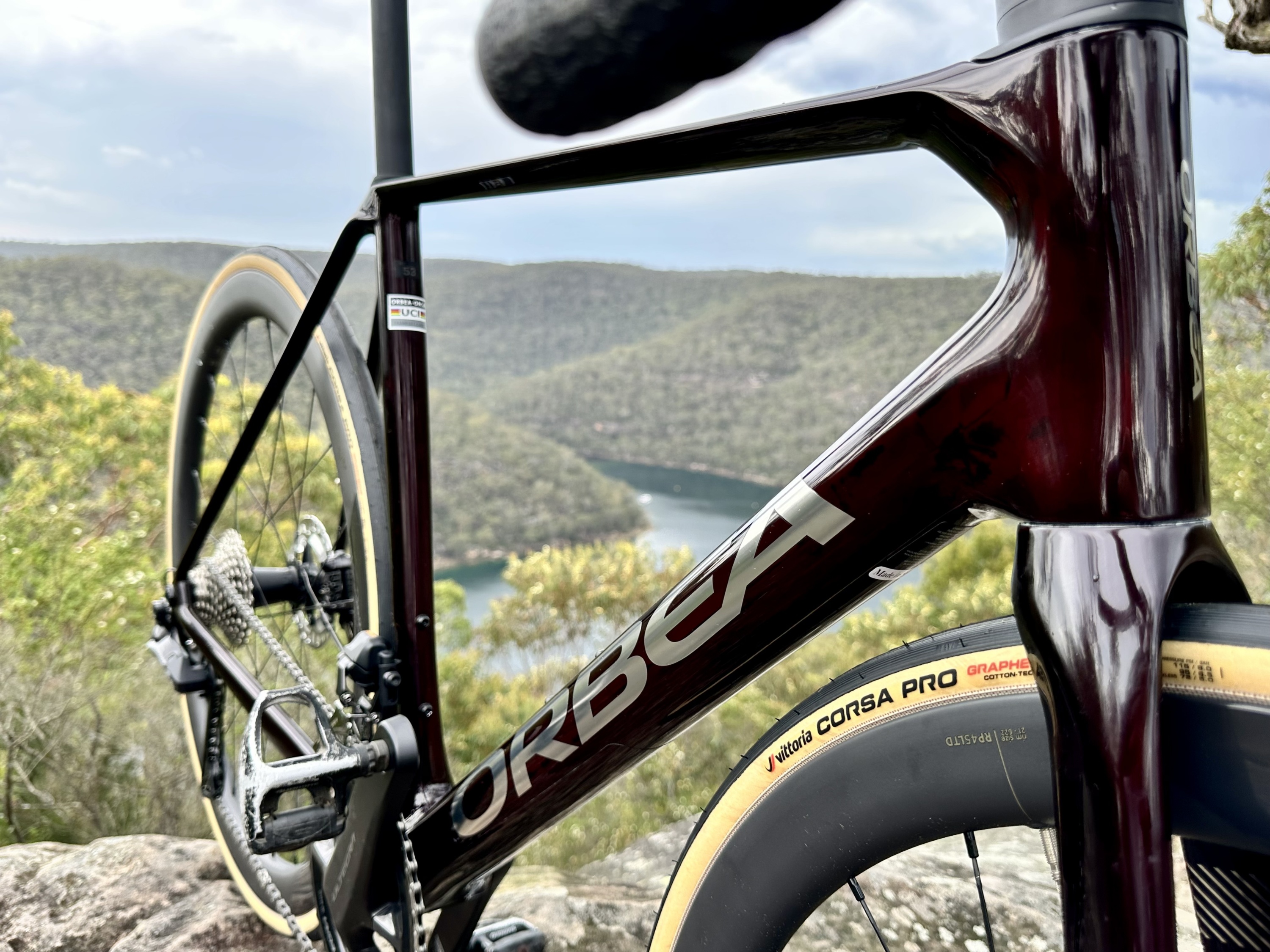
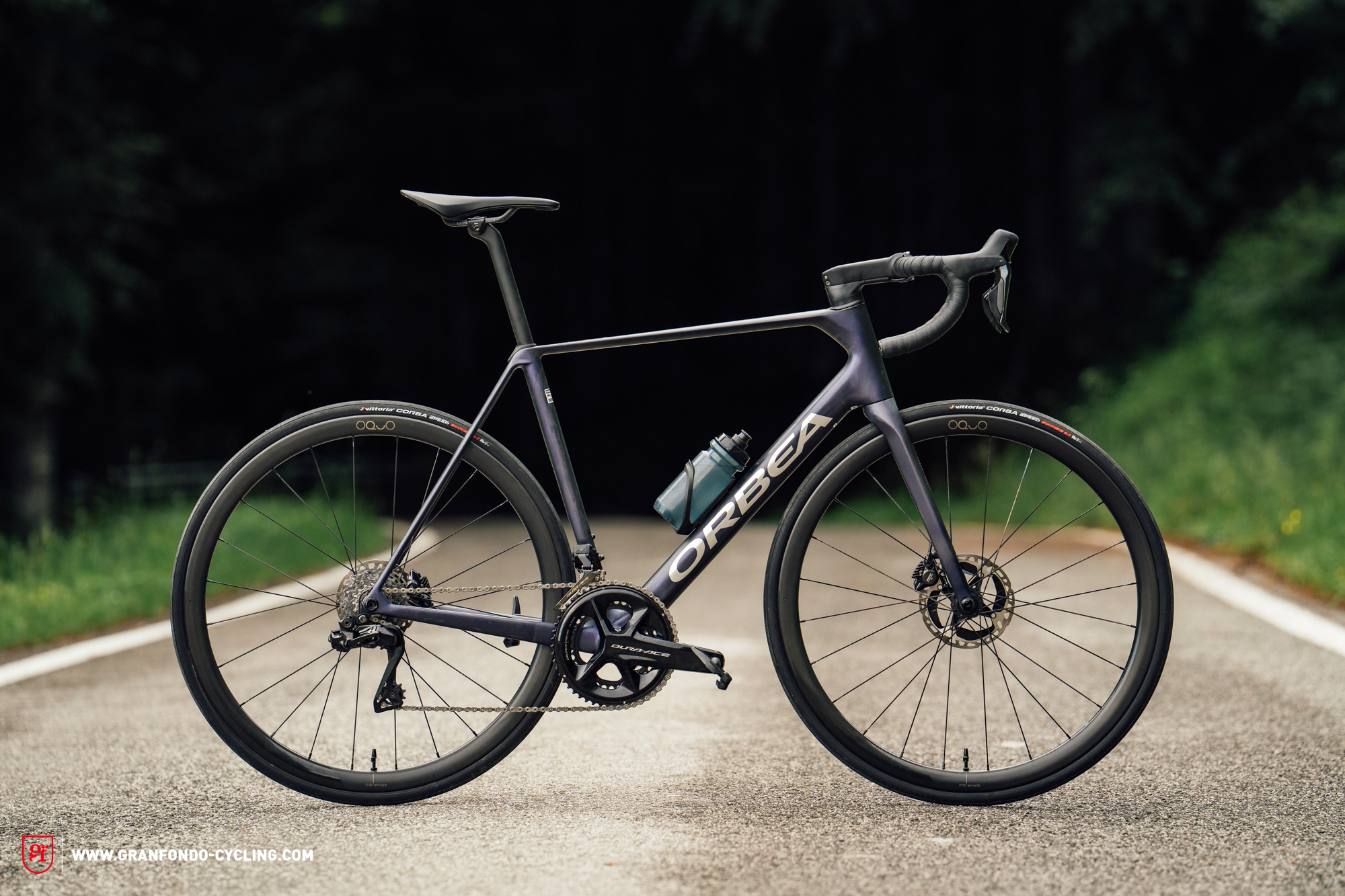
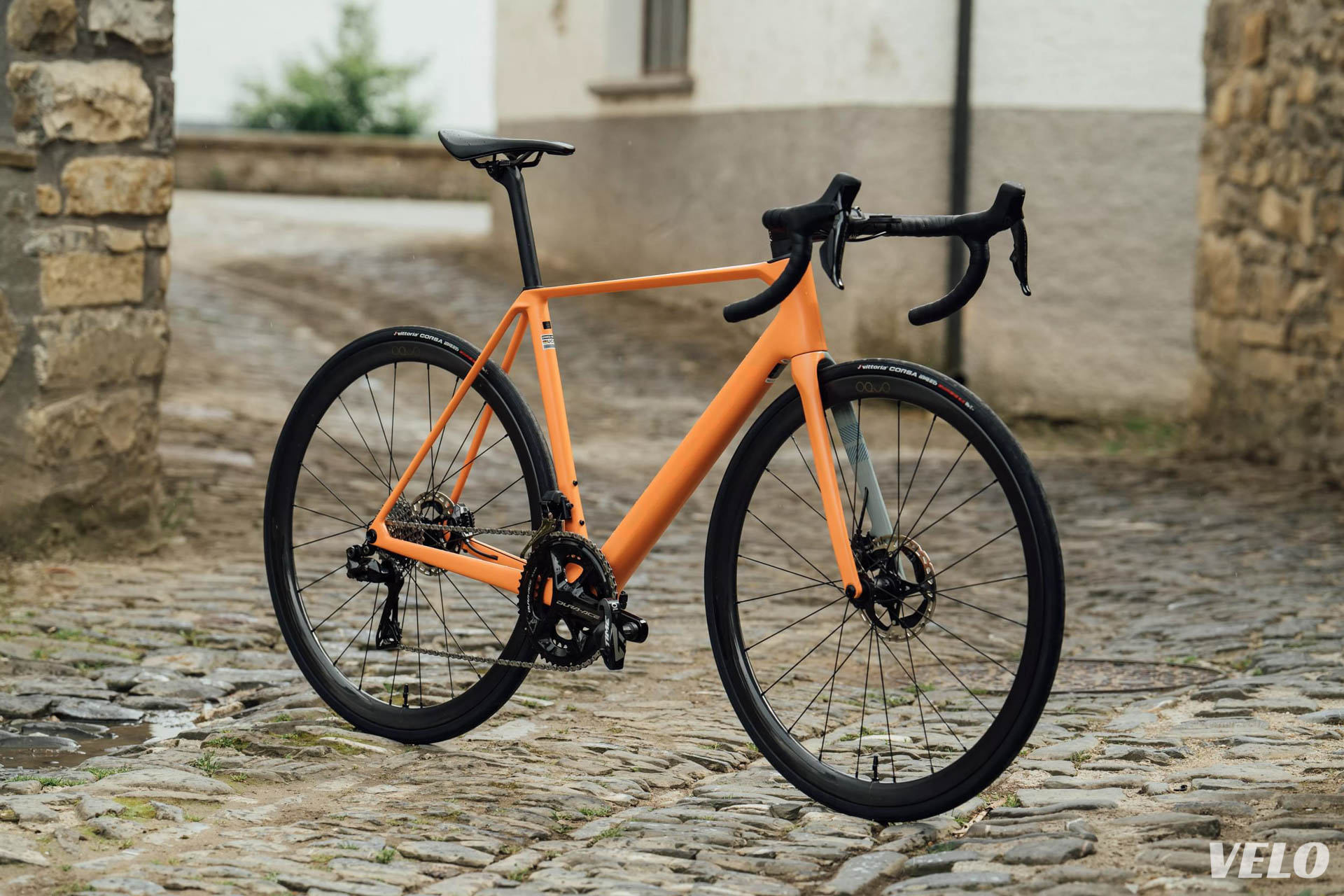
The seventh-generation Orbea Orca marks a deliberate return to the classic climbing bike. Stepping away from the industry trend of blending aerodynamics with low weight, Orbea redesigned this platform with a singular focus on gravity and ride quality. The frame abandons dropped seatstays and deep truncated airfoils in favor of a traditional silhouette with rounder tube profiles. This approach minimizes weight and maximizes structural efficiency, creating a platform built for steep gradients and long days in the mountains.
The lineup is split between two distinct carbon layups: the flagship OMX and the more accessible OMR. While they share the exact same silhouette, the material differences fundamentally shape how each version behaves on the road. The result is a dedicated lightweight road bike that prioritizes immediate acceleration and tactile feedback over wind-tunnel metrics.
Where to get it.
1 retailer · size 53.
Spec sheet.
Every component shipped with this build.
Geometry & fit.
7 sizes published.
The Orca’s geometry is engineered for agility and immediate response rather than rail-like stability. A compact wheelbase and short chainstays across the size range keep the rear wheel tucked tightly under the rider, resulting in quick, intuitive steering that excels in tight hairpins and out-of-the-saddle accelerations. The handling is sharp, requiring minimal input to initiate a turn.
Rider posture leans toward a traditional stage-race fit. The stack and reach figures place the rider in a performance-oriented position that is low enough for fast efforts but relaxed enough to mitigate lower back and shoulder fatigue on long mountain days.
To balance the rigid frame, Orbea relies on standard component interfaces and modern tire volume. The frame clears tires up to 32 mm wide, allowing riders to significantly alter the bike's handling and comfort by dropping pressure and increasing footprint. Additionally, the return to a standard round seatpost provides more natural flex than proprietary aero shapes, helping to isolate the rider from high-frequency road buzz.
Where the handlebar sits relative to the bottom bracket — the single most important fit pair.
01Fit geometry6 values
02Component geometry7 values
03Handling geometry8 values
Which size should I buy?
Slide your height to see the recommended size. GearWise's fit algorithm works from the published stack, reach, and ETT — the brand's own recommendation may differ.
→Calculated from GearWise's own stack / reach / ETT algorithm — the brand's size chart may recommend a different size, and a proper bike fit beats any calculator.
The lineup.
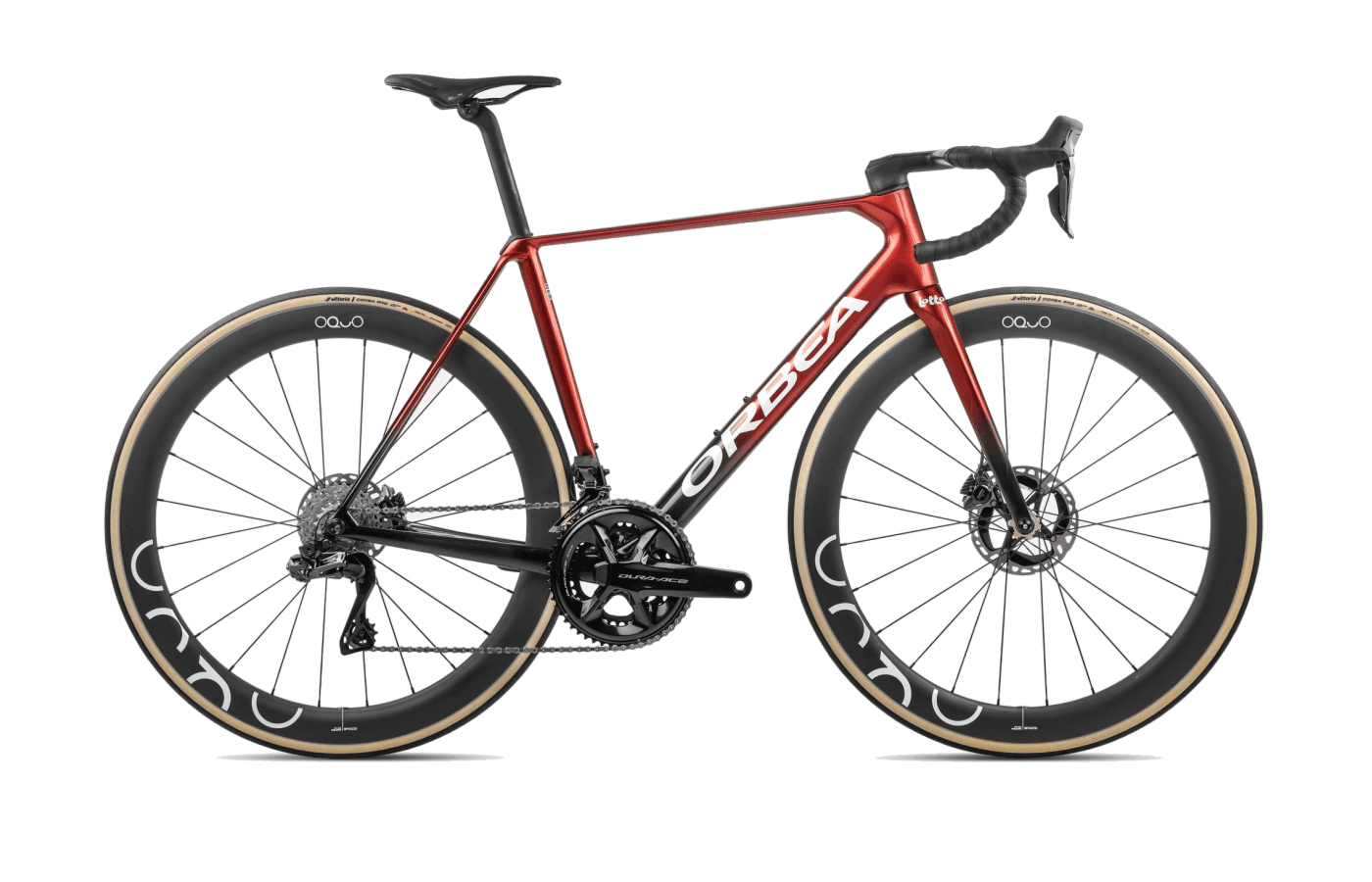
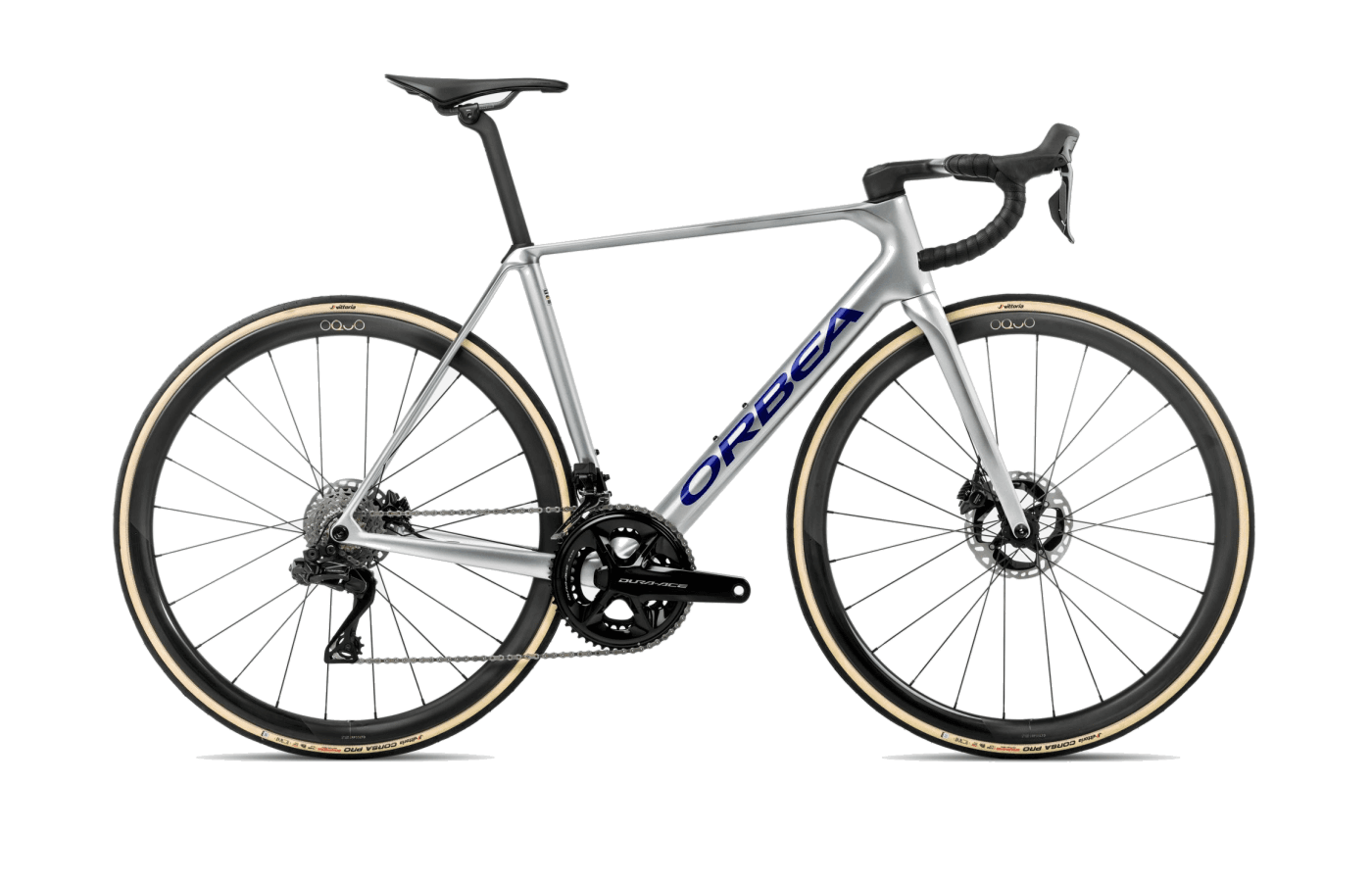
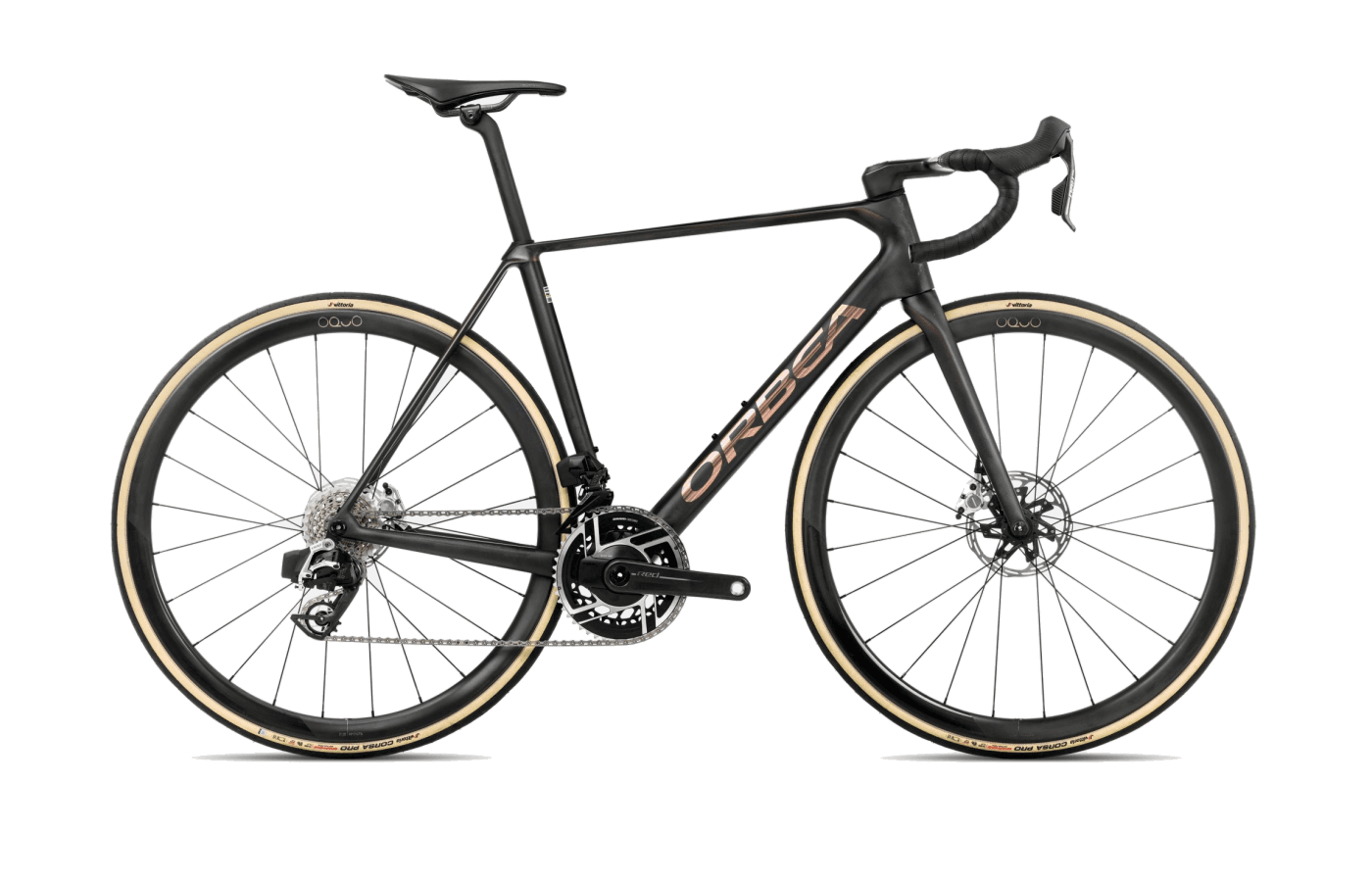
11 builds, ranging $2,699 – $11,599.
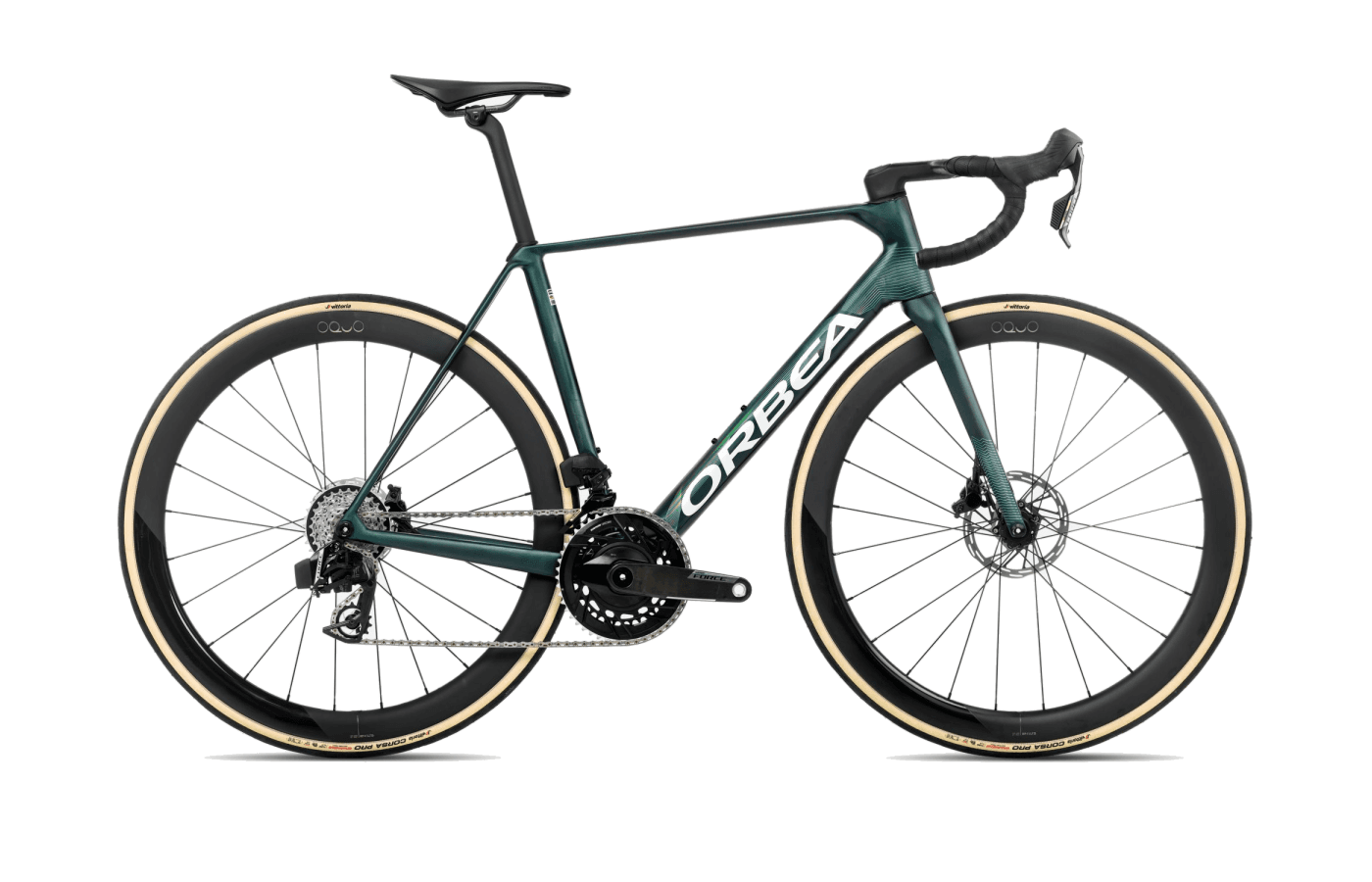
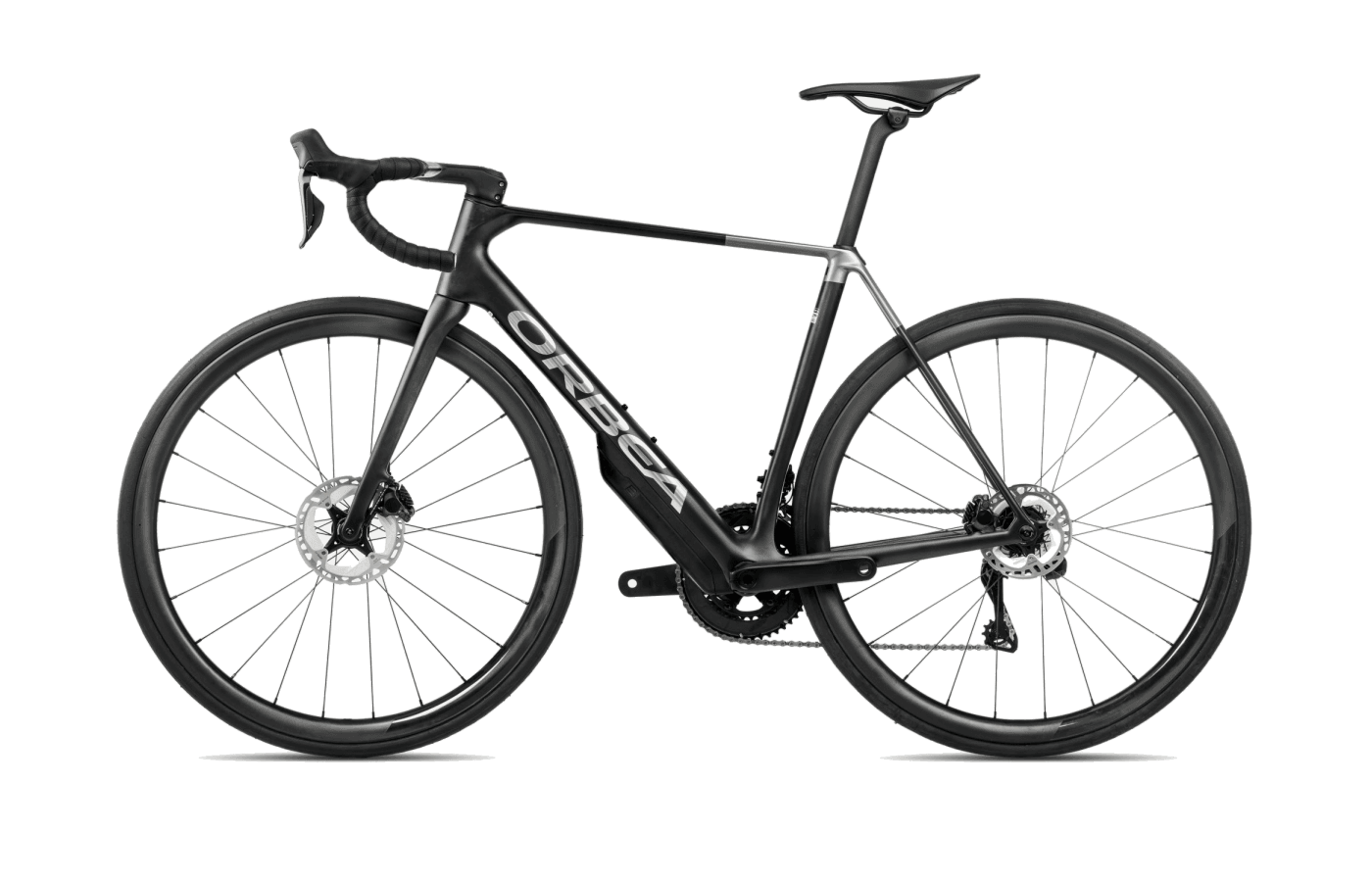
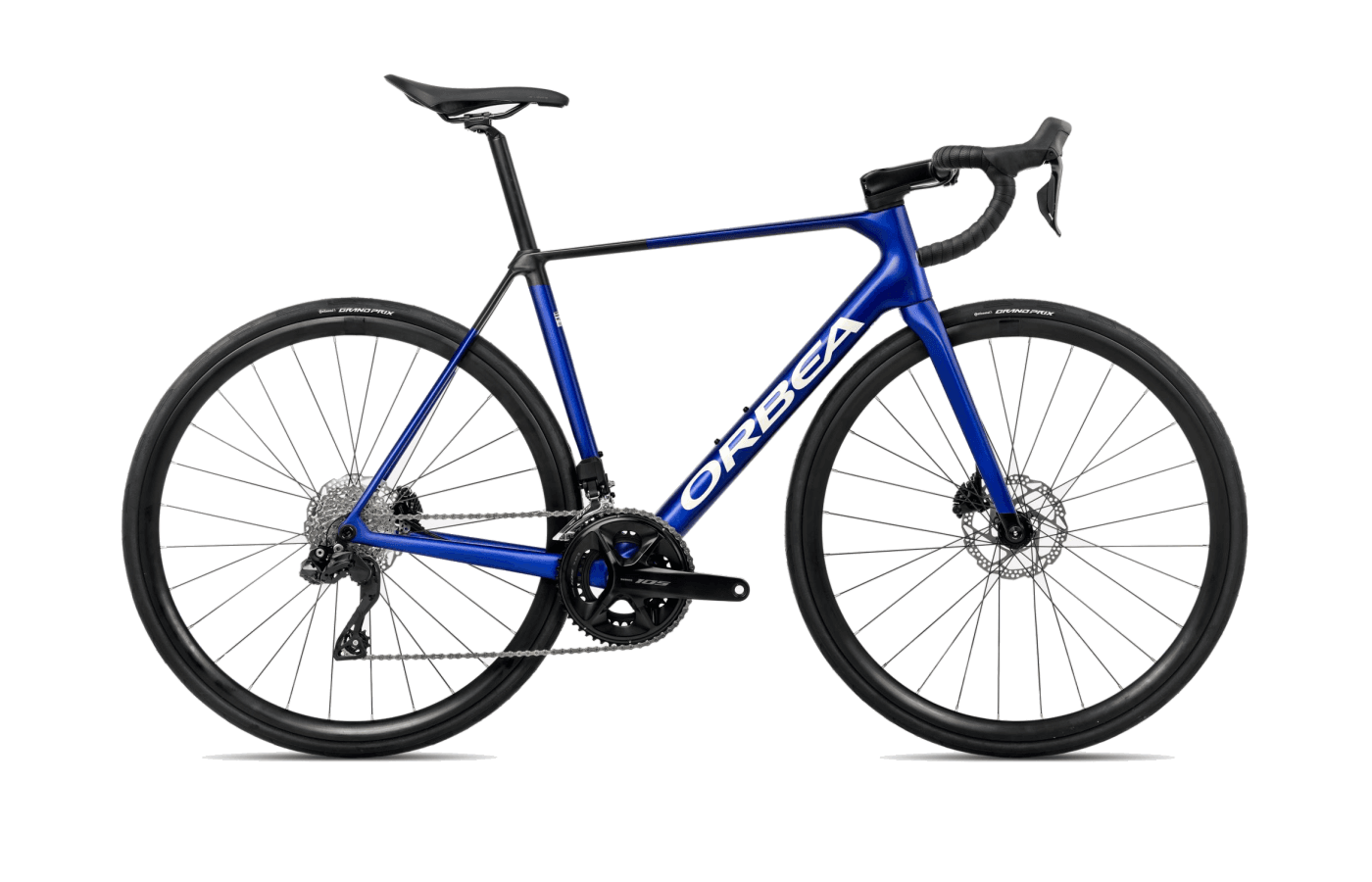
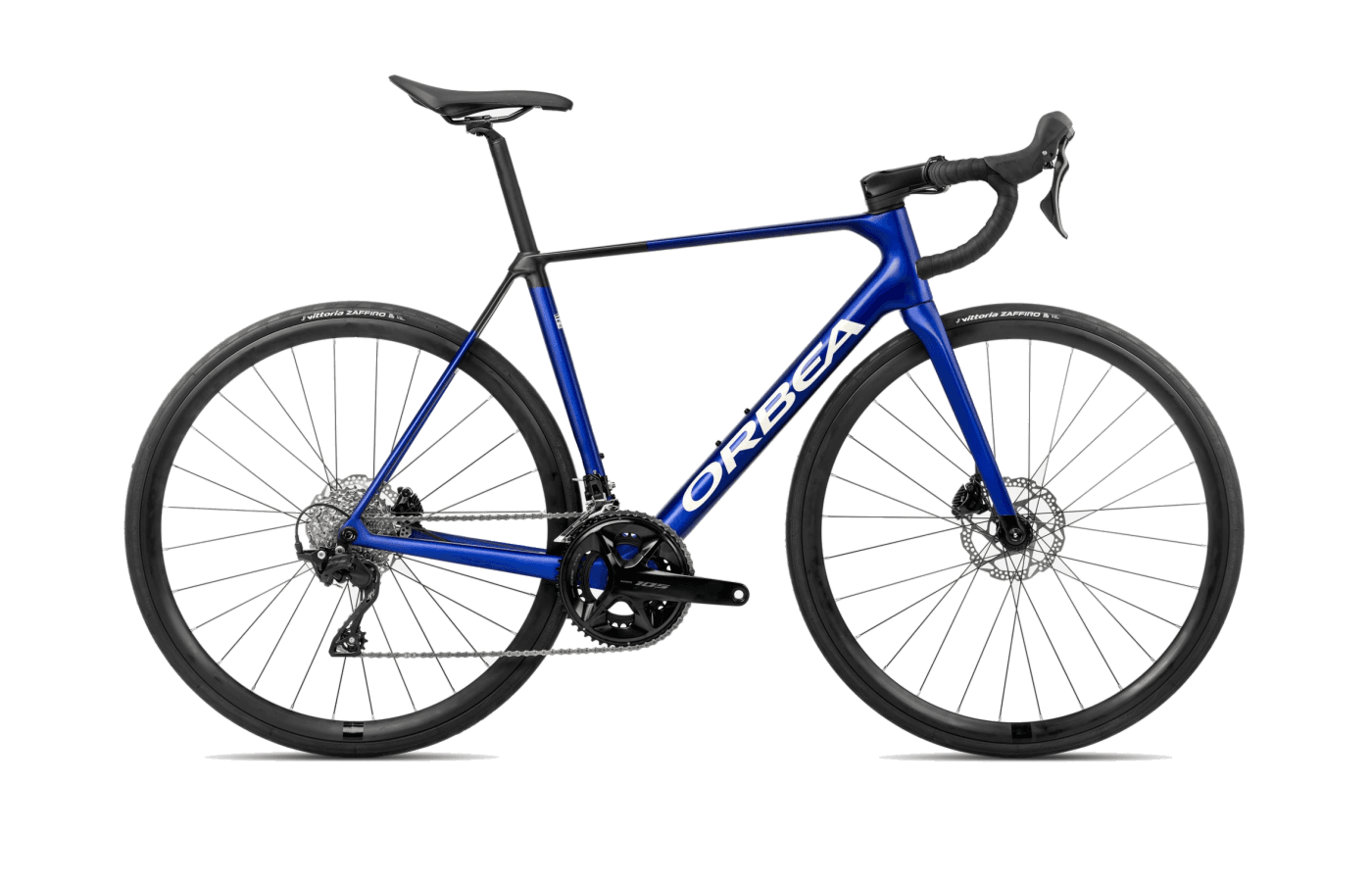
The Orca lineup spans a wide price range, heavily influenced by the choice between the OMR and OMX framesets. The OMR builds serve as the entry and mid-tier options, starting with mechanical Shimano 105 and moving up through electronic Ultegra and SRAM Force groupsets. The premium OMX builds command a significant price jump, utilizing the lighter carbon layup and outfitting the bikes with flagship Dura-Ace or SRAM Red components. Models carrying the Pwr designation include factory-installed power meters.
A major differentiator for the Orca is Orbea’s MyO customization program, available on most electronic builds. This allows buyers to select custom paint schemes and specify component dimensions—such as crank length, handlebar width, and stem length—at no additional cost, eliminating the need for expensive aftermarket fit adjustments.
Rolling stock across the mid-to-upper tiers features Orbea’s in-house Oquo carbon wheels, offered in varying depths to suit different terrain. The builds prioritize standard, easily serviceable parts, utilizing a press-fit bottom bracket and a conventional two-piece bar and stem on many models to simplify travel and maintenance.
From the press.
11 reviews from the cycling press.
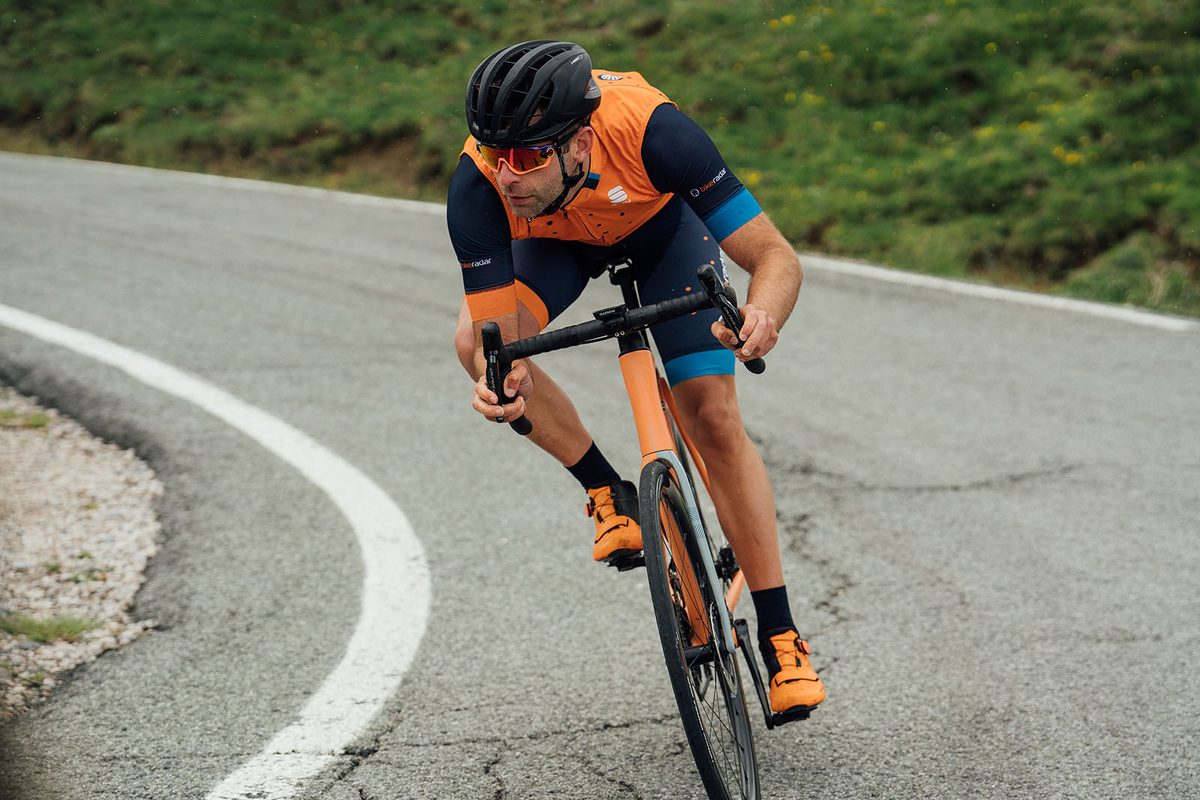
Reviewers consistently praise the Orca’s climbing efficiency, though they emphasize that the two frame tiers deliver distinctly different experiences on the road. The high-modulus OMX frame is highly responsive and visceral. Testers found it eager to accelerate, with one noting it behaves like an "excitable puppy" (Velo) under hard pedaling. This stiffness makes it a potent climber, but the front end can feel highly strung during aggressive, out-of-the-saddle efforts, occasionally "darting from side to side" (BikeRadar) and requiring a skilled hand on fast descents.
Conversely, the heavier OMR frame trades that raw edge for stability and vibration damping. Multiple reviewers preferred this layup for real-world riding, noting that it feels significantly more composed over rough pavement. One tester described the OMR's forgiving nature as a "warm hug" (Cycling Weekly) that encourages riders to push their limits in adverse conditions. Across both versions, the consensus points to a platform that "wants to carry you uphill" (Epic-cycles), sacrificing some straight-line speed on the flats in exchange for exceptional agility and a highly communicative ride.
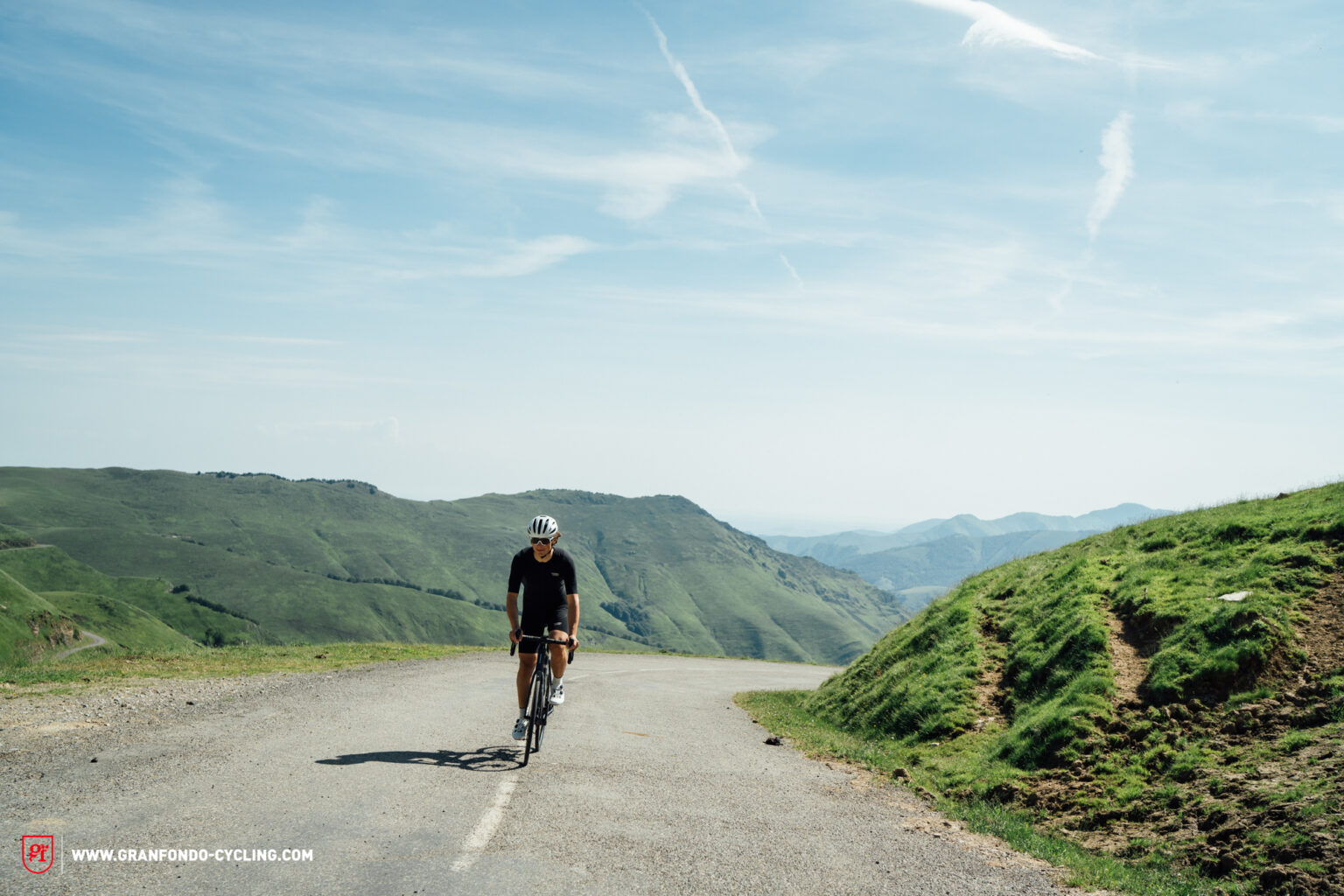
Orbea Orca - In Review

First ride review: Orbea Orca 2024
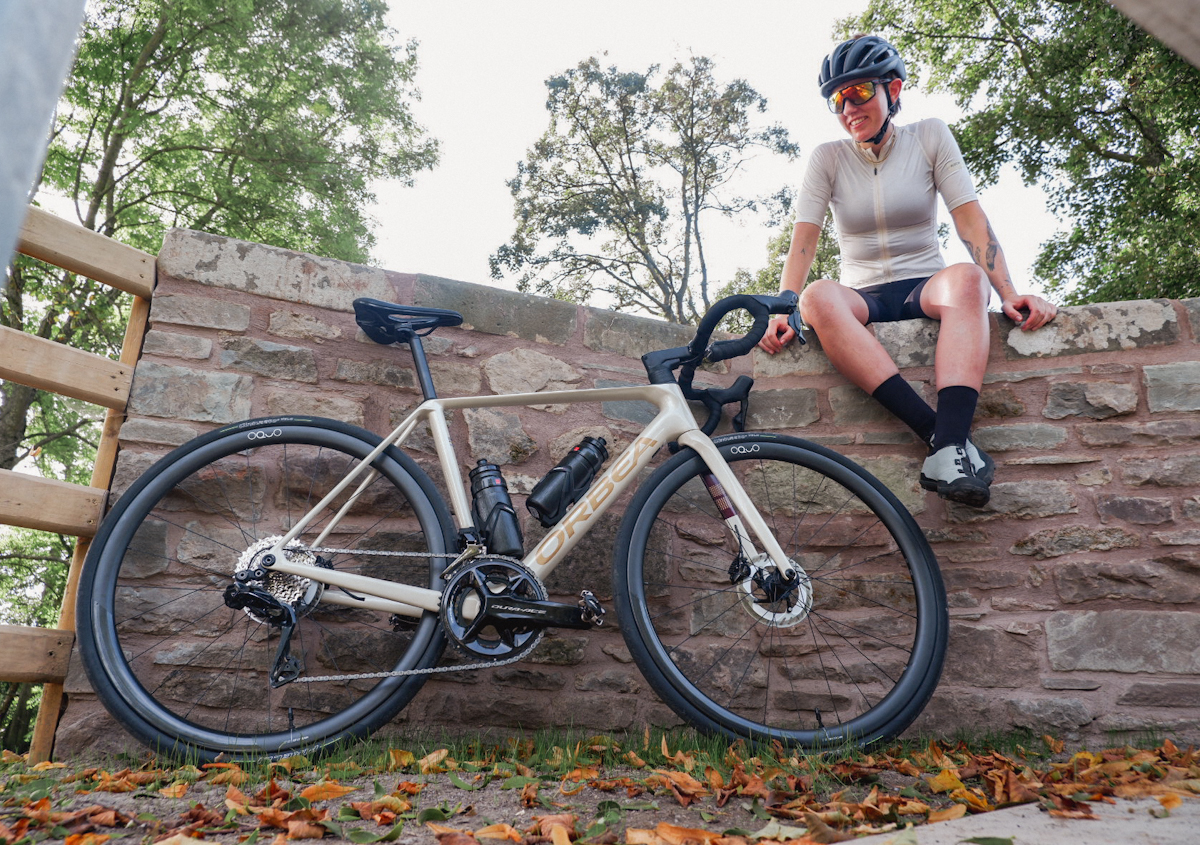
Staff Review - Orbea Orca
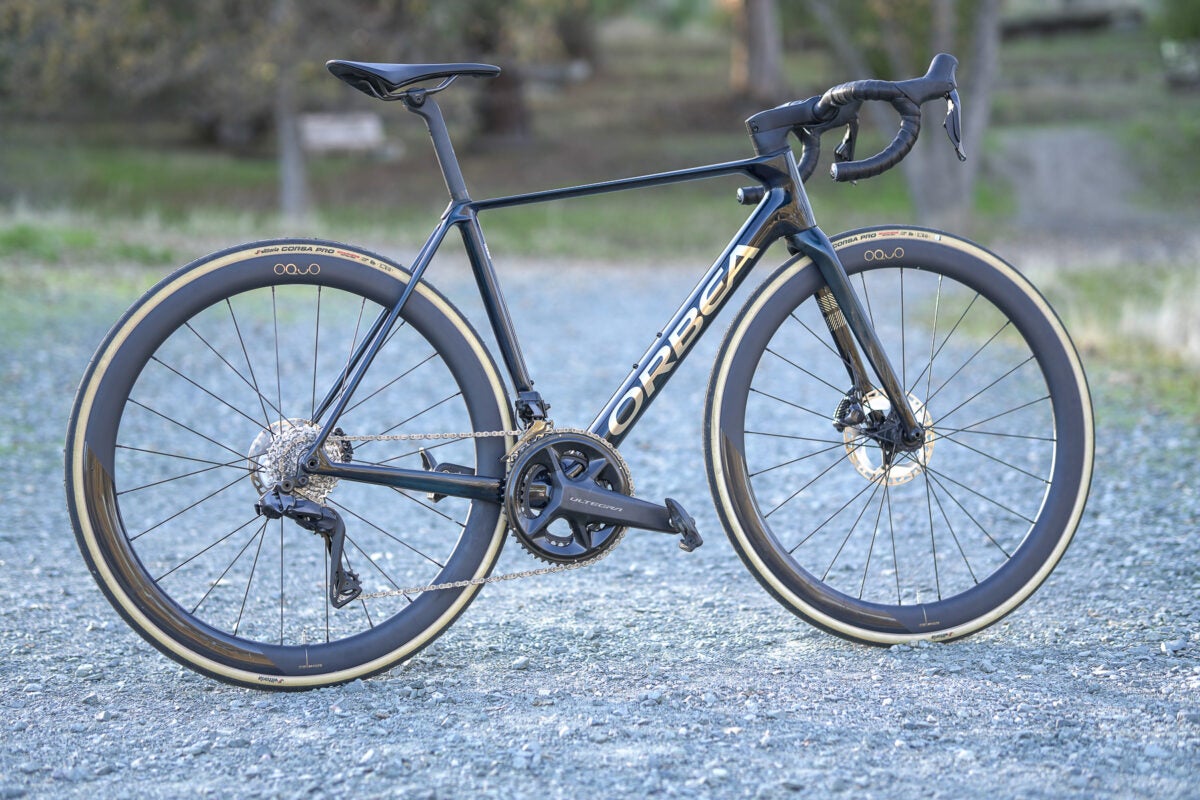
Review: The Orbea Orca OMX Revels in the Details

Orbea Orca M10iLTD PWR 2024 - Cycling News | Bike Reviews | road.cc
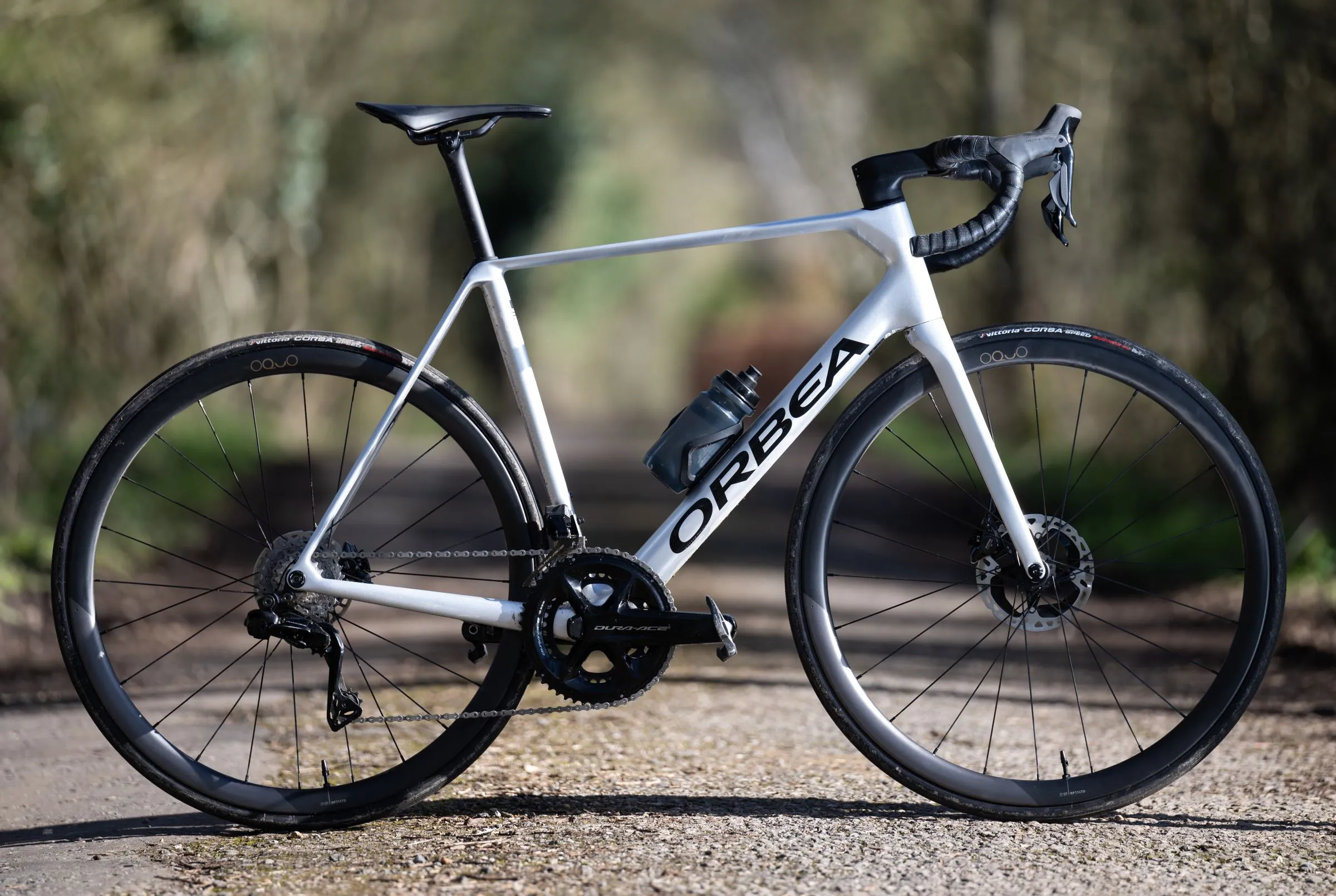
Orbea Orca M10i LTD road bike review | Cyclist
Road Tested: The 2024 Orbea Orca M31 With Shimano Ultegra - Bicycling Australia
Orbea Orca M10i LTD first ride review - Road Bikes - Bikes
Orbea Orca 2024 first ride review – The renaissance of climbing bikes? | GRAN FONDO Cycling Magazine
First ride review: Orbea Orca 2024