Terra
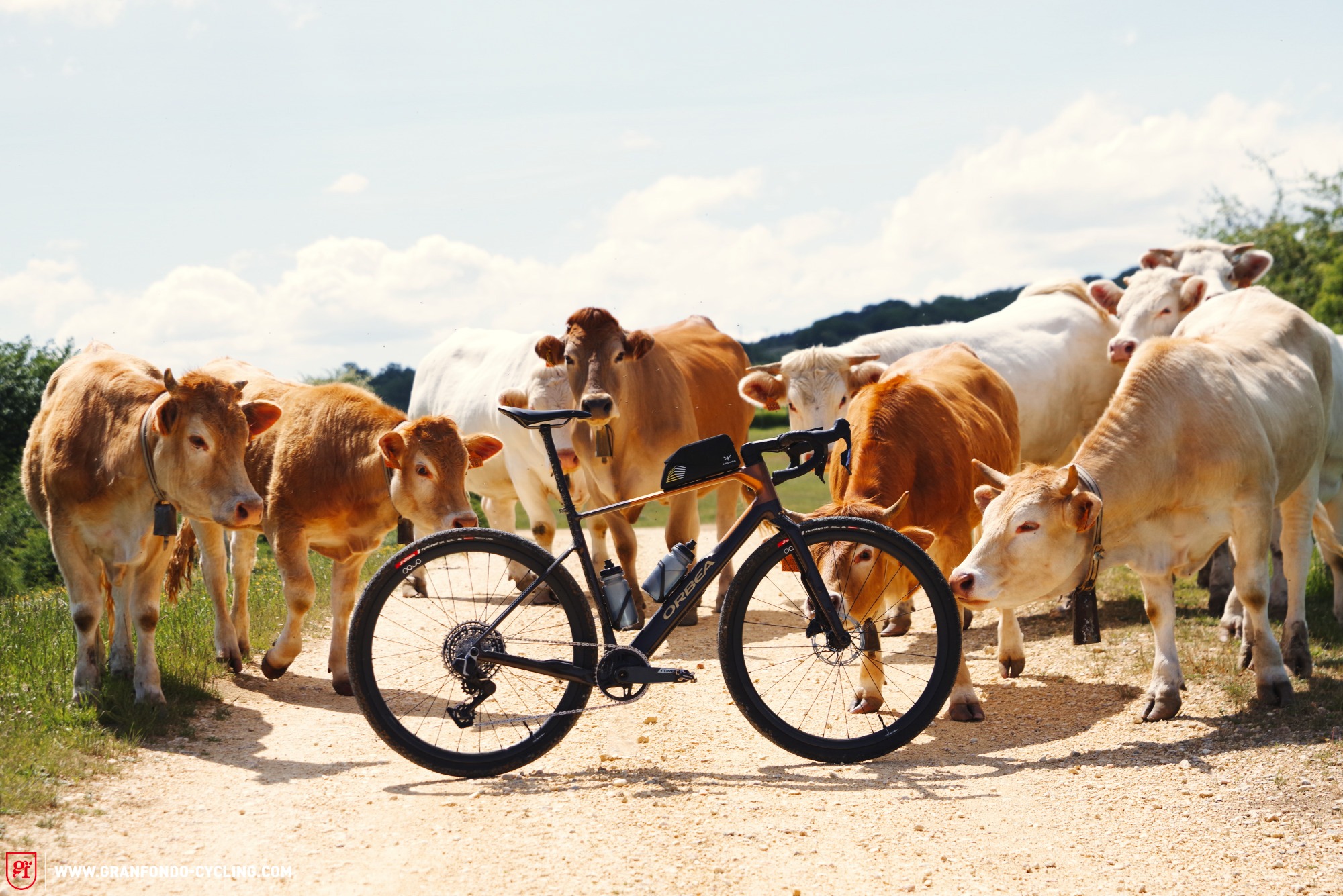
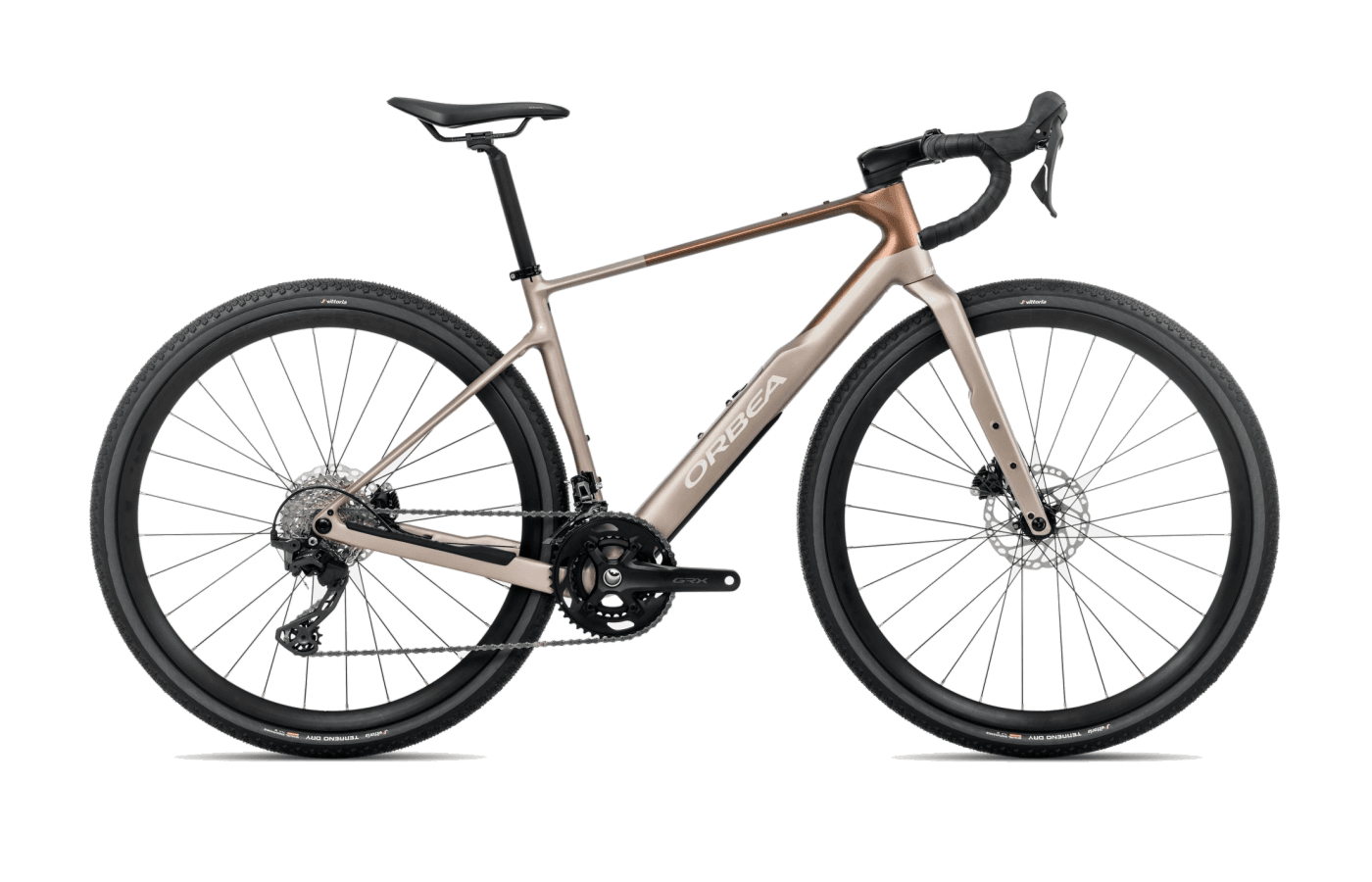
The third-generation Orbea Terra marks a deliberate shift from its cyclocross-influenced origins toward dedicated, long-distance gravel exploration. Officially designated as the Terra 2026 platform, this iteration prioritizes stability and practicality for ultra-endurance riders and bikepackers. Orbea achieves this without resorting to heavy mechanical suspension, relying instead on a revised OMR carbon layup, expanded 50 mm tire clearance, and a significantly updated geometry blueprint.
The frame introduces a substantially larger LOCKR XXL internal downtube storage compartment and embraces standard, non-proprietary components like a 27.2 mm round seatpost and a Universal Derailleur Hanger. It is a versatile chassis designed for riders who value reliability and predictable handling over twitchy race-day acceleration, making it an ideal companion for multi-day routes and steady-paced adventure riding.
Geometry & fit.
6 sizes published.
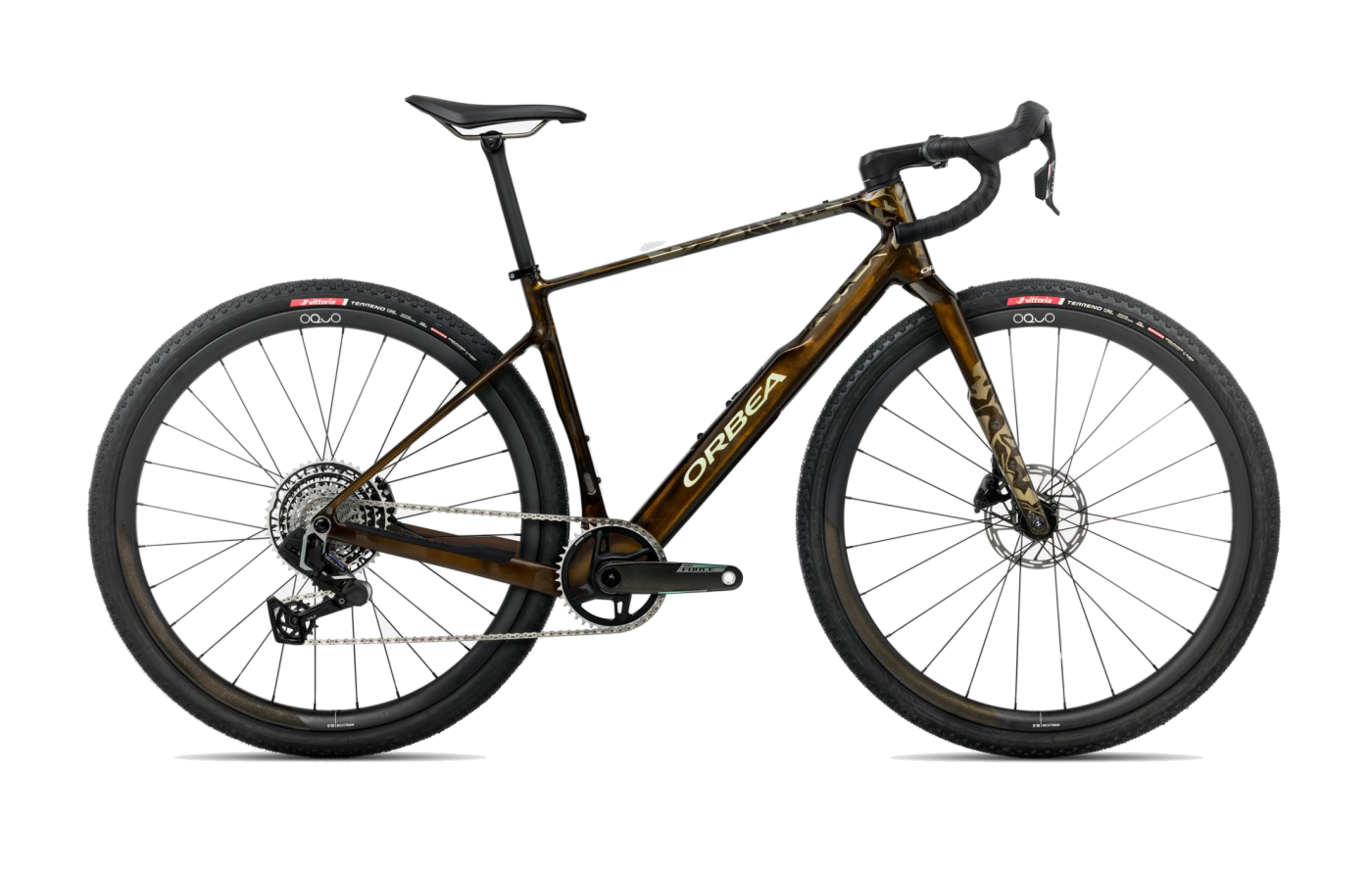
The Terra’s geometry overhaul moves it toward a modern mountain-bike-inspired blueprint, characterized by a longer reach paired with a shorter stem. Across the size range, the reach has grown by roughly 10 mm, while the stack height has increased by approximately 20 mm. This creates a slightly more upright, relaxed rider posture that reduces lower back strain during multi-day efforts, though smaller riders may find the tall stack challenging if they prefer an aggressive drop.
Handling stability is driven by a lengthened wheelbase, which grows by 23 mm on a size medium, alongside extended 430 mm chainstays and a relaxed head tube angle hovering around 70 degrees. Combined with an 80 mm bottom bracket drop and size-specific fork trail, the bike resists nervous steering at high speeds. Despite the longer footprint, a steep 74-degree seat tube angle keeps the rider positioned forward over the bottom bracket, ensuring the front wheel remains grounded on steep climbs. The external seatpost clamp and standard 27.2 mm round tube also make it exceptionally easy to dial in saddle height or retrofit a dropper post.
Where the handlebar sits relative to the bottom bracket — the single most important fit pair.
01Fit geometry6 values
03Handling geometry8 values
Which size should I buy?
Slide your height to see the recommended size. GearWise's fit algorithm works from the published stack, reach, and ETT — the brand's own recommendation may differ.
→Calculated from GearWise's own stack / reach / ETT algorithm — the brand's size chart may recommend a different size, and a proper bike fit beats any calculator.
The lineup.
7 builds, ranging $2,999 – $6,299.
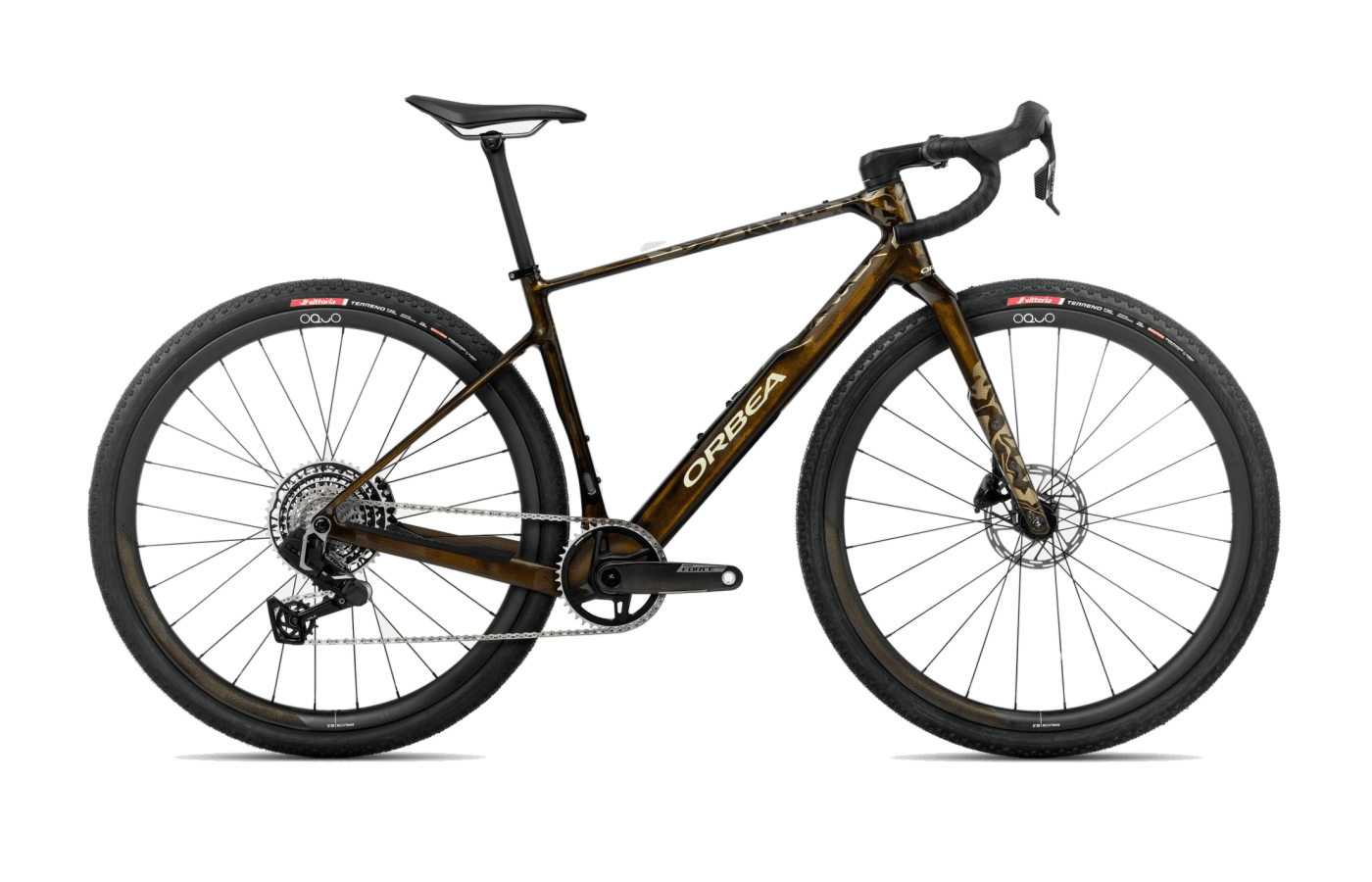
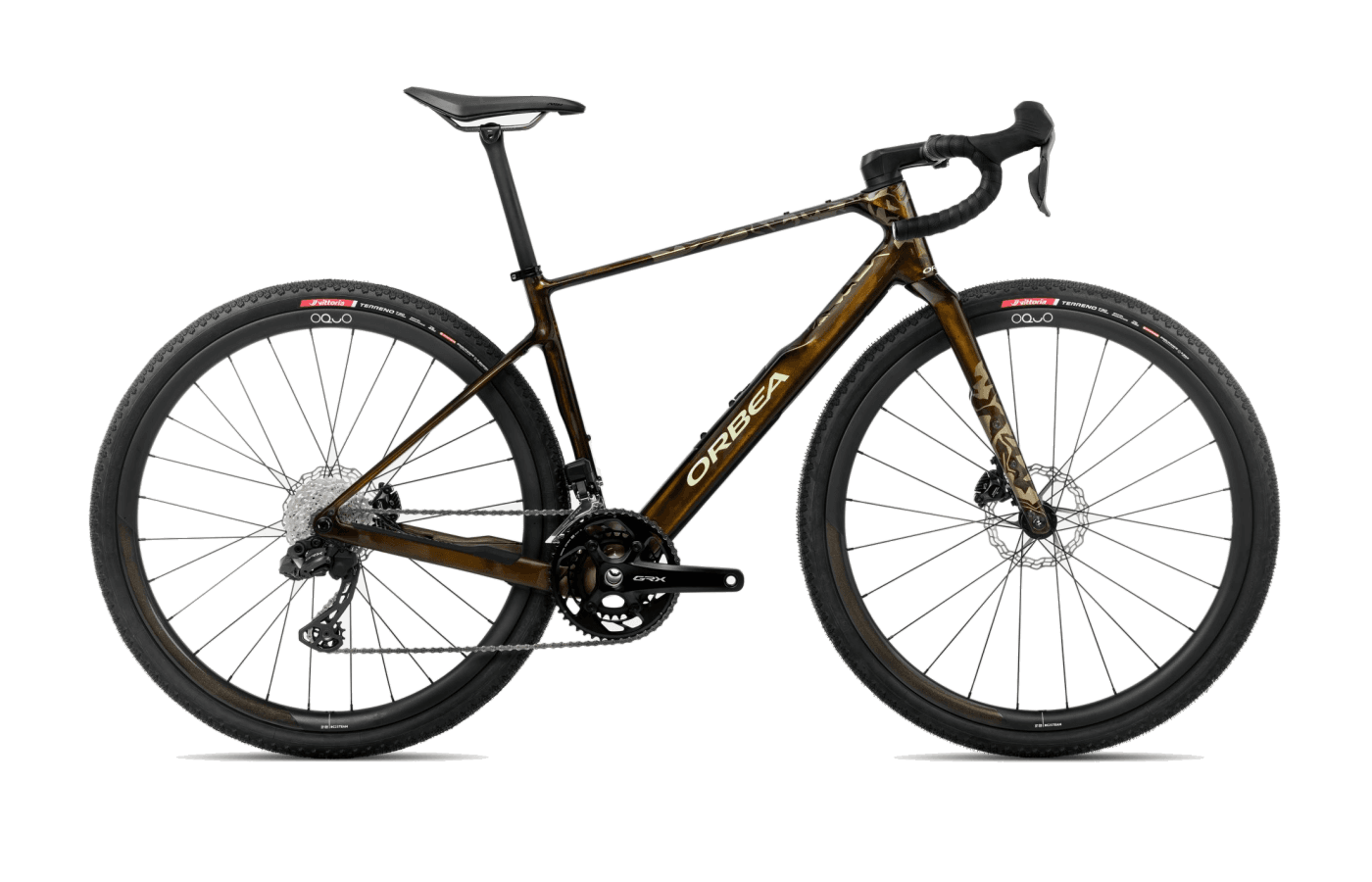
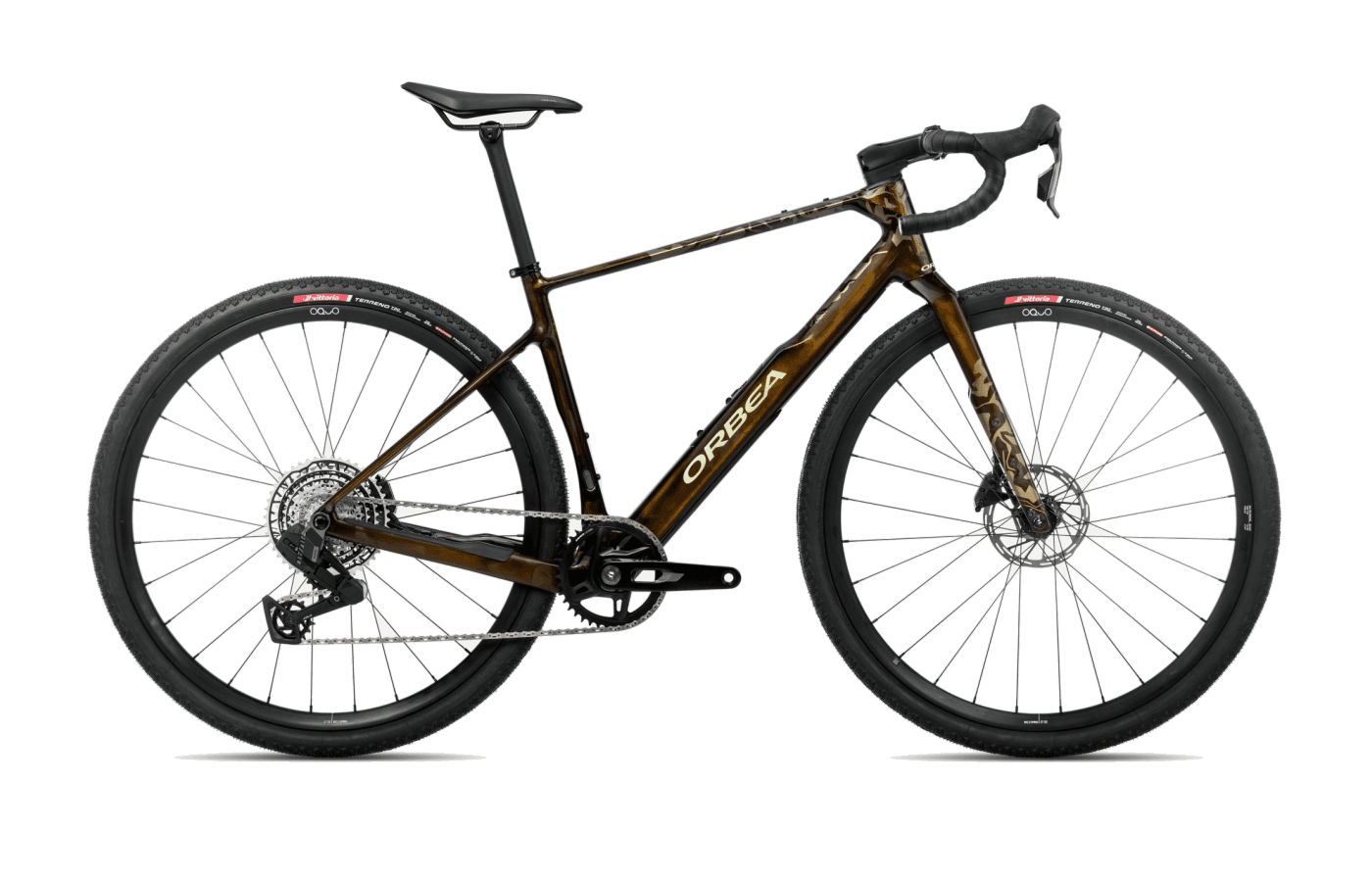
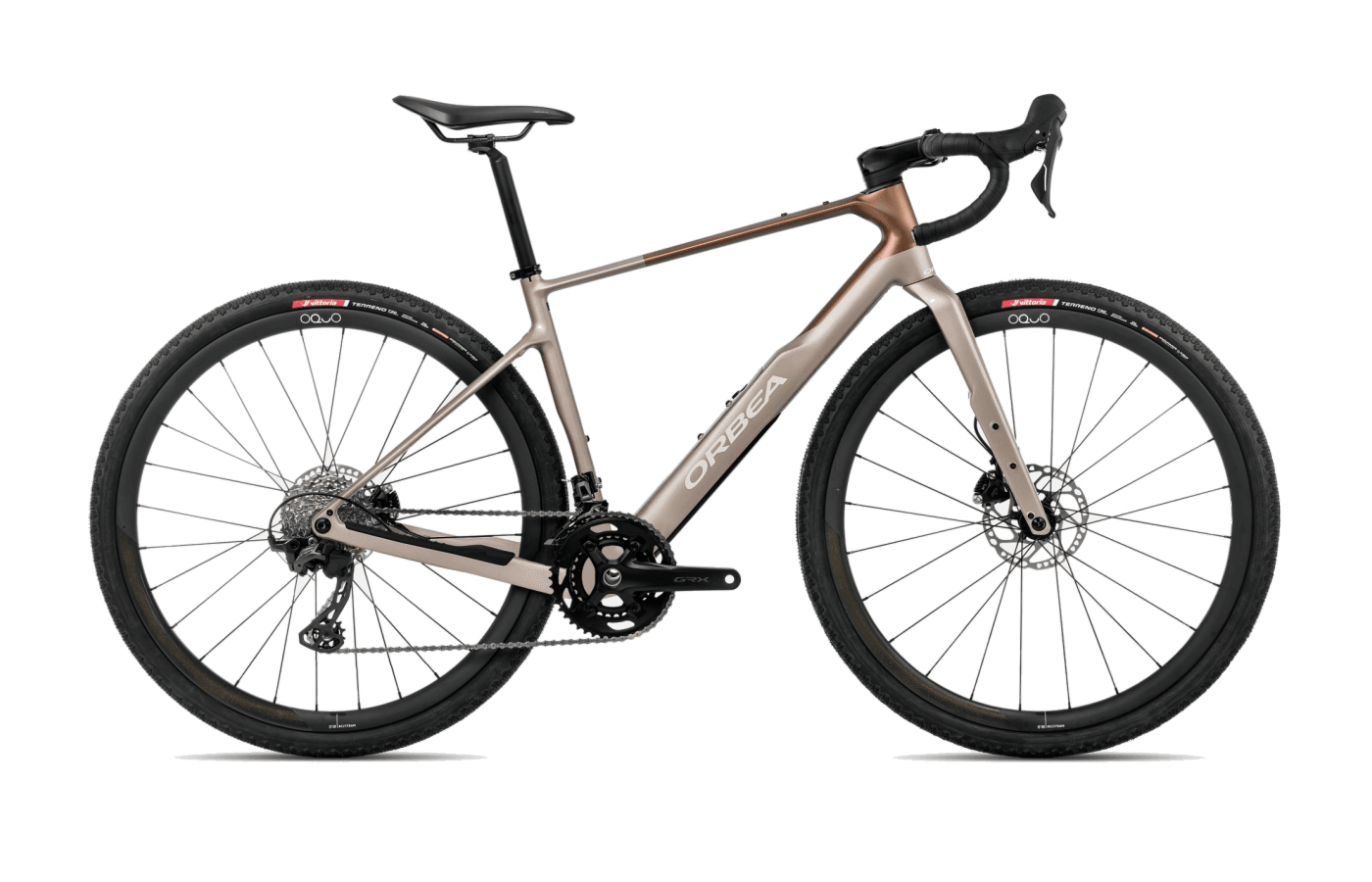
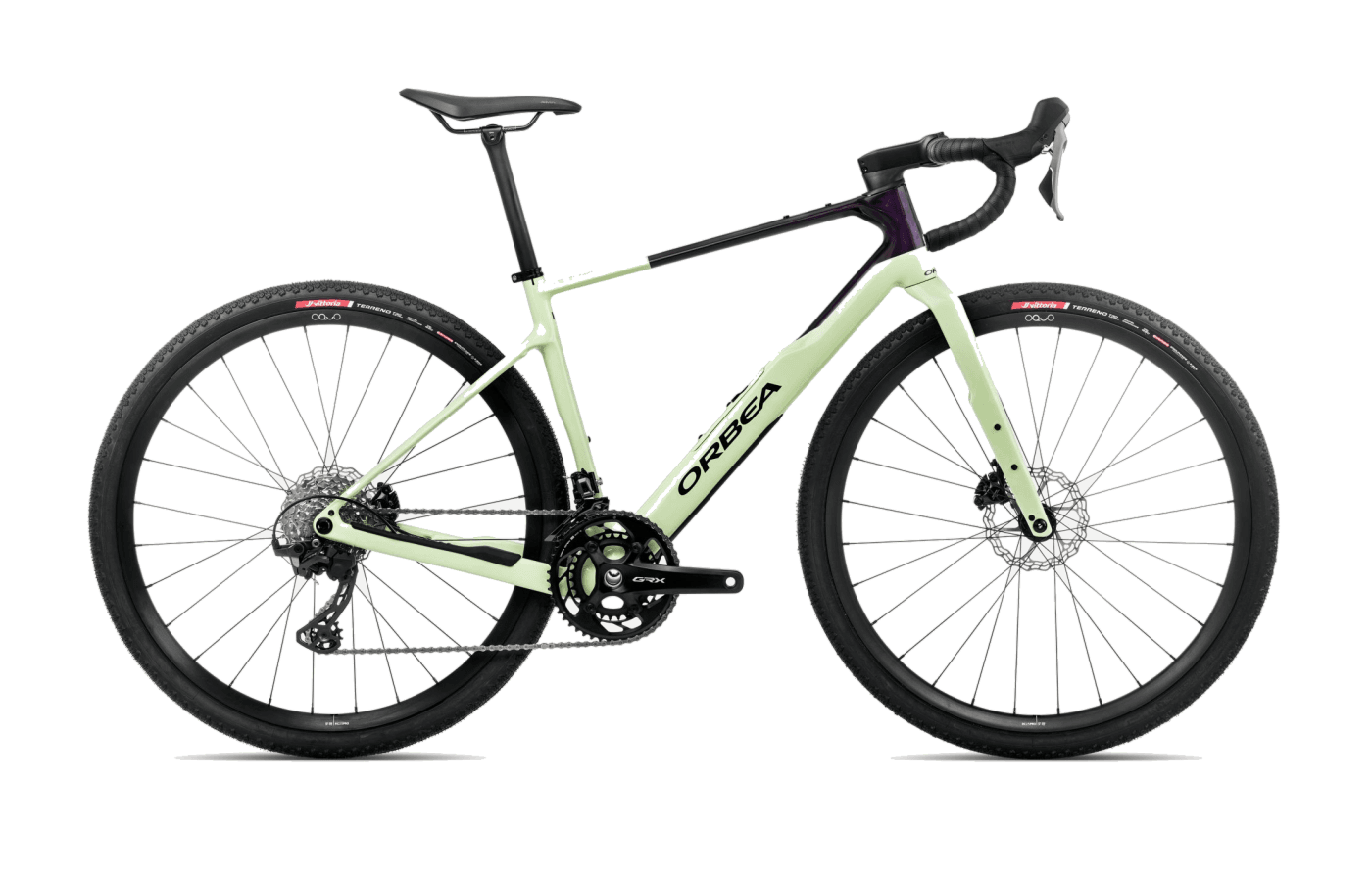
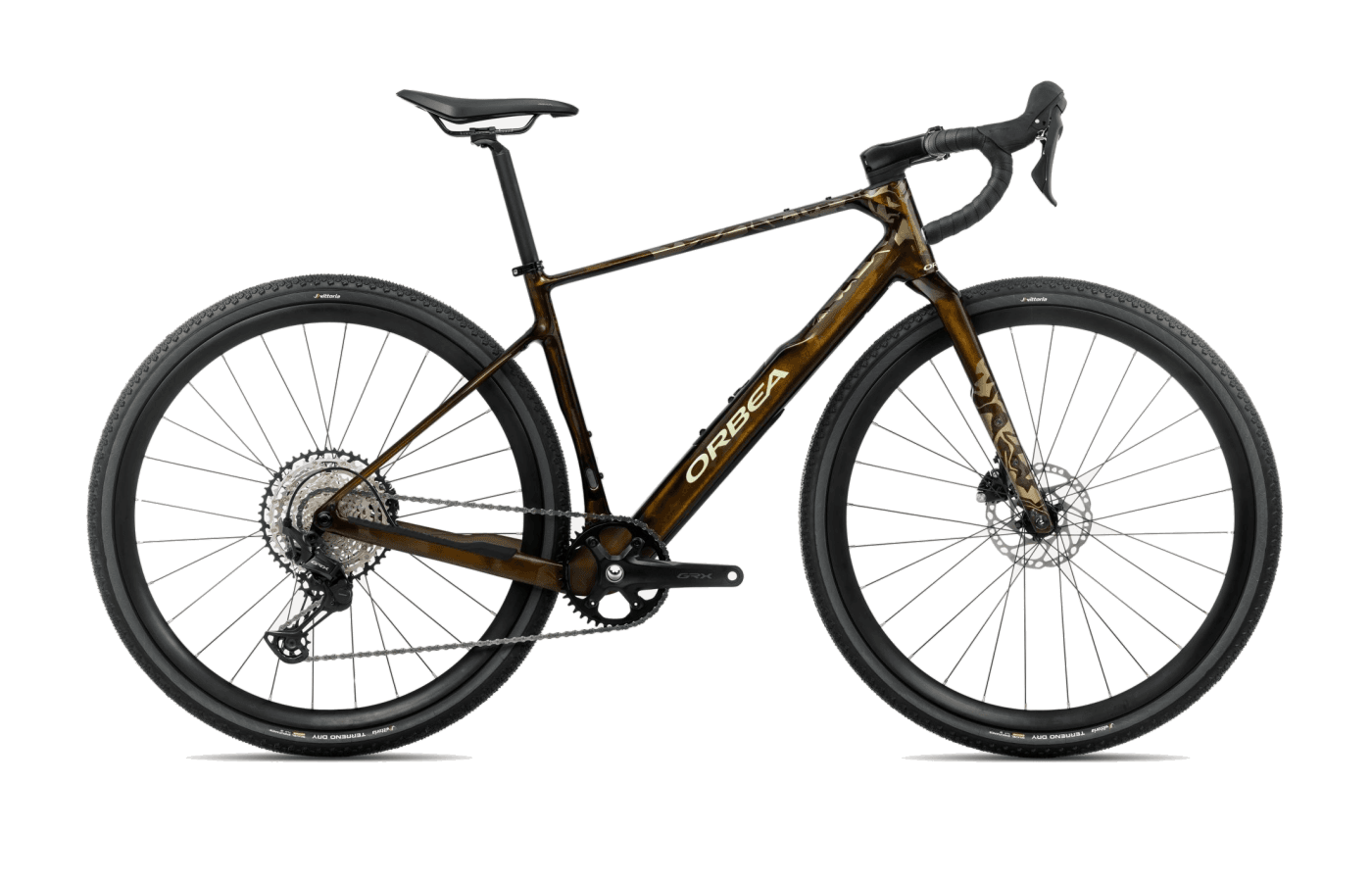
The Terra lineup spans seven builds, utilizing an identical OMR carbon frame and fork across the board, meaning buyers at the entry level receive the same structural ride quality and LOCKR XXL storage as those buying the flagship model. The range splits between Shimano GRX and SRAM XPLR drivetrains, offering both 1x and 2x configurations to suit different terrain preferences.
The ladder begins with the M30 Team models, which utilize mechanical 12-speed Shimano GRX components and basic alloy wheels. Moving up to the mid-tier M31e Team introduces SRAM’s new 13-speed Rival XPLR AXS electronic shifting and upgrades the rolling stock to Orbea’s in-house Oquo Road Control RC25PRO alloy wheels. The premium M20i Team and M21e Team builds feature Shimano GRX Di2 and SRAM Force XPLR respectively, alongside lighter Oquo RC30TEAM carbon wheelsets and carbon OC gravel handlebars.
A significant portion of the Terra’s value sits in Orbea’s MyO program, which allows buyers to customize paint, stem length, handlebar width, and ergonomics at the point of purchase. This rare flexibility prevents the hidden costs of swapping parts post-sale, making the mid-tier and upper-tier builds particularly compelling investments for riders seeking a dialled fit straight out of the box.
From the press.
5 reviews from the cycling press.
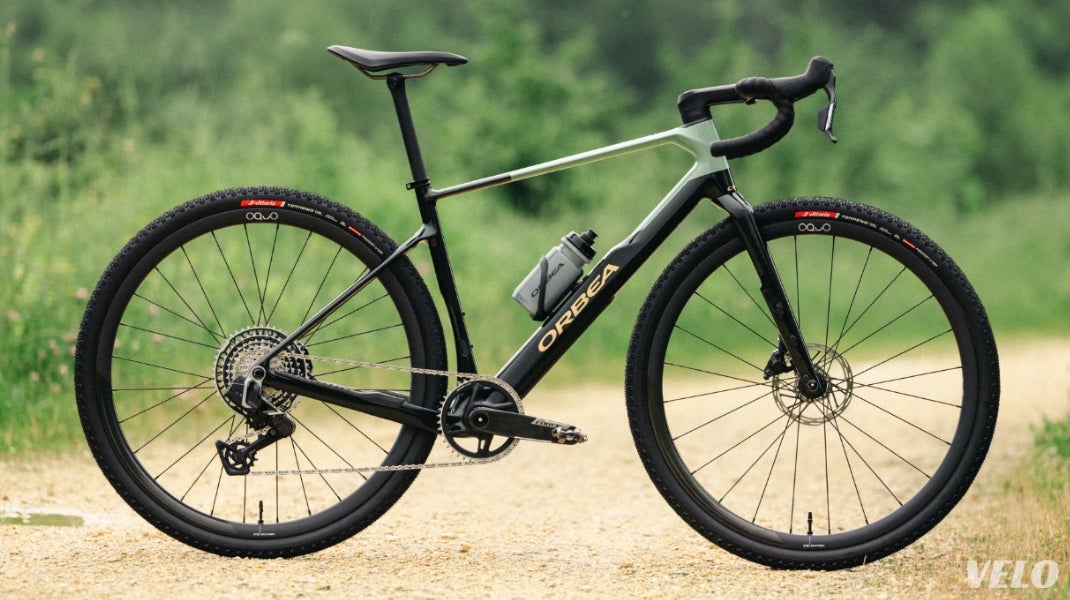
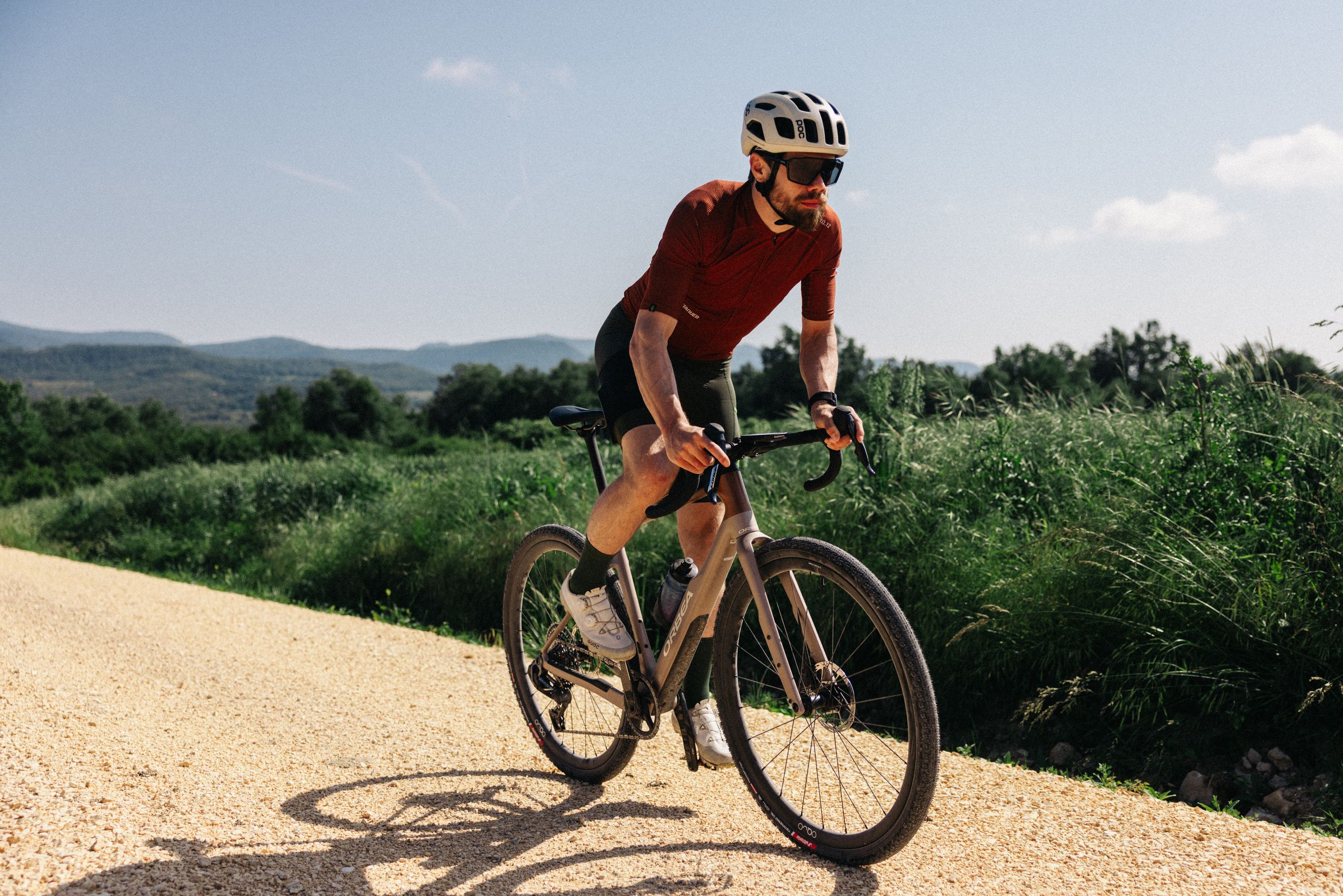
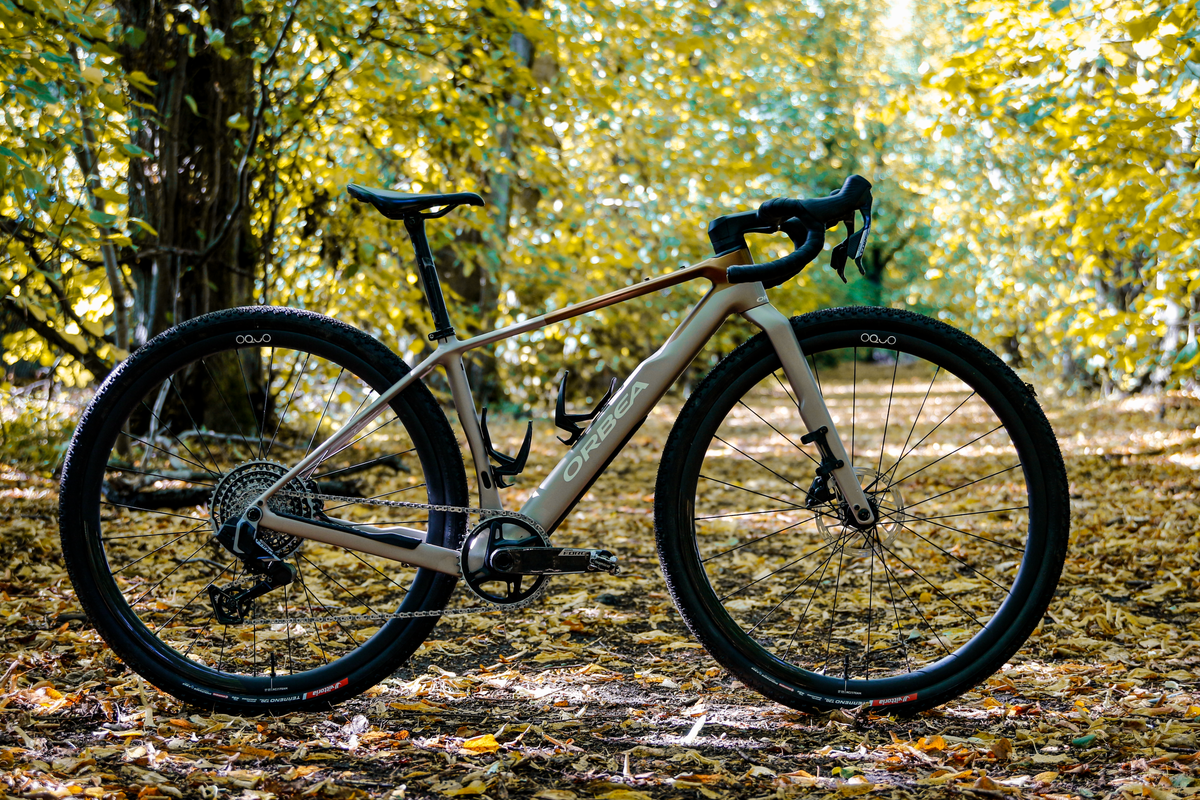
Critics consistently praise the third-generation Terra for its composed, steady-state cruising abilities, noting that the revised chassis excels at maintaining momentum over long distances. Reviewers found the handling to be "highly predictable" (Velo), reducing the mental fatigue associated with micro-adjustments on rough terrain. The frame's torsional stiffness translates to excellent climbing efficiency, with the rear wheel providing a "traction masterclass" (Granfondo) on steep, loose gradients without spinning out.
However, testers noted a distinct dual personality regarding comfort. While the rear triangle and standard seatpost effectively filter high-frequency chatter, multiple reviewers found the front end to be "pretty stiff" (Cycling News) when encountering larger impacts like jagged rocks or roots. This rigidity, particularly on builds equipped with the carbon HB-GR10 cockpit, can lead to hand fatigue on technical descents.
Additionally, while the bike accelerates well for an adventure rig, it "lacks the punch of stiffer frames" (Escape Collective) designed specifically for short-course racing. Testers also frequently pointed out that the stock Vittoria Terreno T30 tires struggle in wet or muddy conditions, suggesting an immediate tire swap for riders in damp climates. Ultimately, testers generally agree that the Terra is a highly capable, stable platform that rewards a steady pace over explosive efforts.
First Ride: New Orbea Terra Gravel Bike Gets Bigger ...
Orbea Terra gravel bike first ride review
Review: Orbea Terra – One for the long rides

First rides with the new Orbea Terra 2026