Terra Race
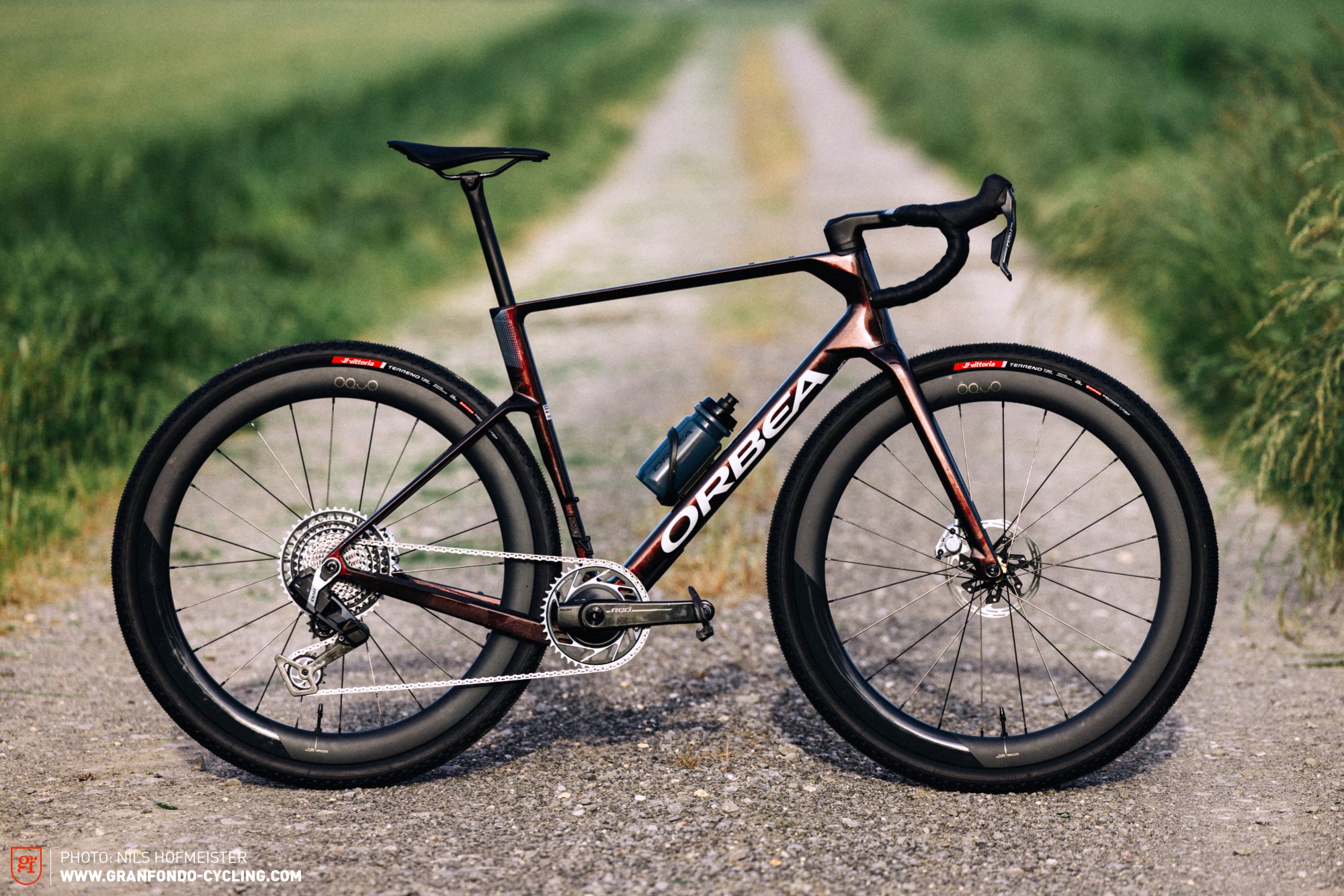
The Orbea Terra Race marks a deliberate split in the brand's gravel lineup, stepping away from the versatile, adventure-oriented standard Terra to deliver a dedicated competition platform. Introduced for the 2026 model year, this generation strips away downtube storage compartments and fork cargo mounts to prioritize structural stiffness and weight reduction. Built exclusively around Orbea's lightweight OMX carbon, the frame is designed for high-speed efficiency on hardpack, compressed gravel, and broken tarmac. It features fully internal front-end routing, an integrated seatpost clamp, and clearance for 45mm tires. This is a highly specialized machine tailored for competitive gravel racers and aggressive all-road riders who value immediate power transfer and aerodynamic integration over cargo capacity and upright comfort. By narrowing its focus, the Terra Race functions less as a traditional gravel bike and more as a ruggedized road racing chassis.
Geometry & fit.
6 sizes published.
The Terra Race utilizes a competition-focused geometry that places the rider in a distinctly aerodynamic, road-like posture. Compared to Orbea's standard gravel models, this frame features a significantly lower stack and a slightly longer reach, demanding a stretched, aggressive position that maximizes pedaling leverage and minimizes wind resistance.
Handling is shaped by a deliberate mix of agility and high-speed stability. Short chainstays keep the rear end tucked in for rapid accelerations and sharp power transfer. To balance that reactivity, Orbea employs a moderately relaxed head tube angle, which adds enough trail to keep the steering calm and predictable when descending fast, loose fire roads.
Fit is heavily influenced by the front-end integration. Most builds feature a one-piece carbon aero cockpit that routes cables fully internally. While this creates a clean aerodynamic profile, it locks in the stem length and bar width. However, the frame uses a standard round seatpost rather than a proprietary aero shape, simplifying saddle height adjustments and allowing riders to easily swap in a dropper post for technical courses.
Where the handlebar sits relative to the bottom bracket — the single most important fit pair.
01Fit geometry6 values
03Handling geometry8 values
Which size should I buy?
Slide your height to see the recommended size. GearWise's fit algorithm works from the published stack, reach, and ETT — the brand's own recommendation may differ.
→Calculated from GearWise's own stack / reach / ETT algorithm — the brand's size chart may recommend a different size, and a proper bike fit beats any calculator.
The lineup.
6 builds, ranging $3,499 – $10,499.
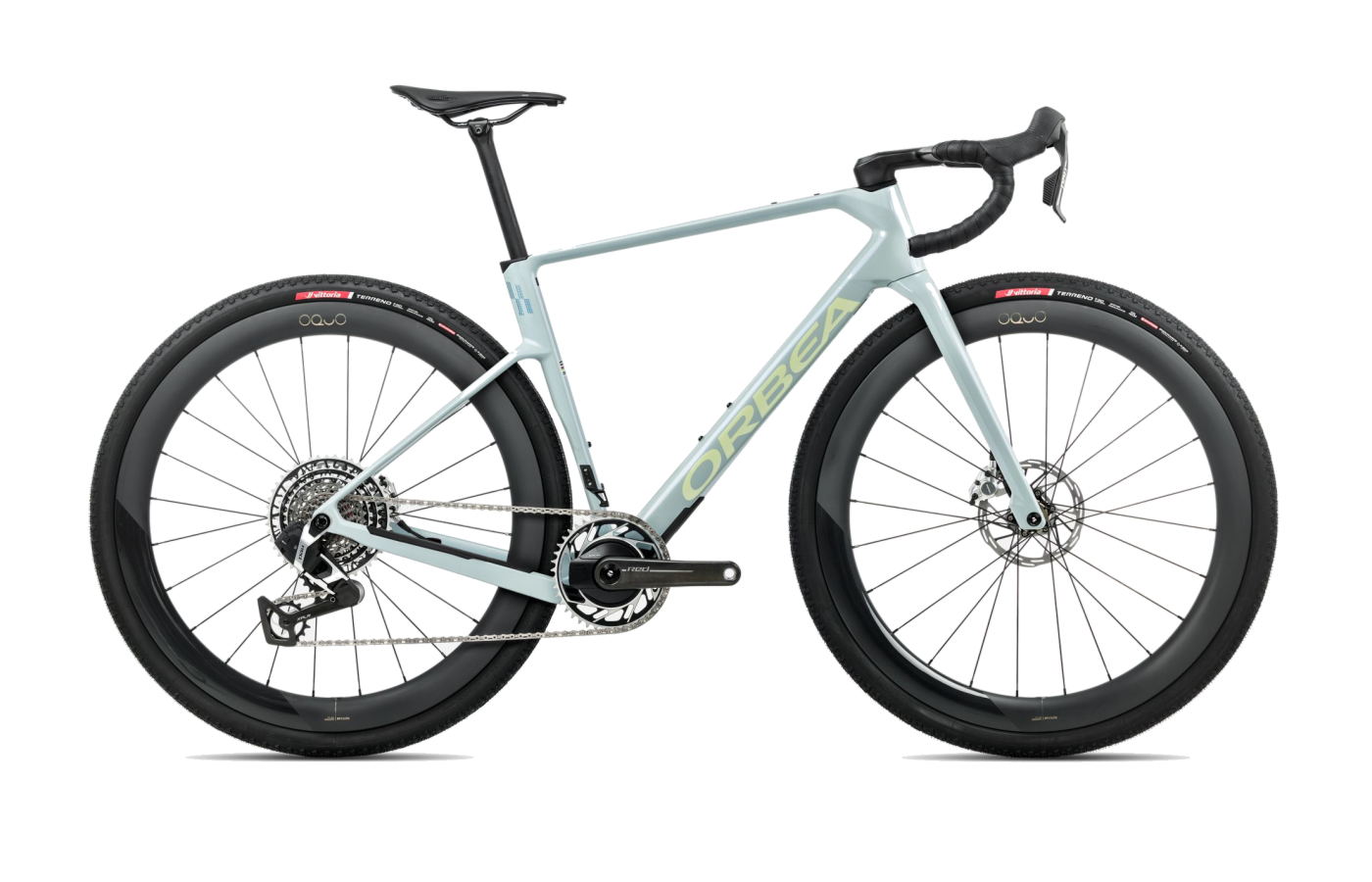
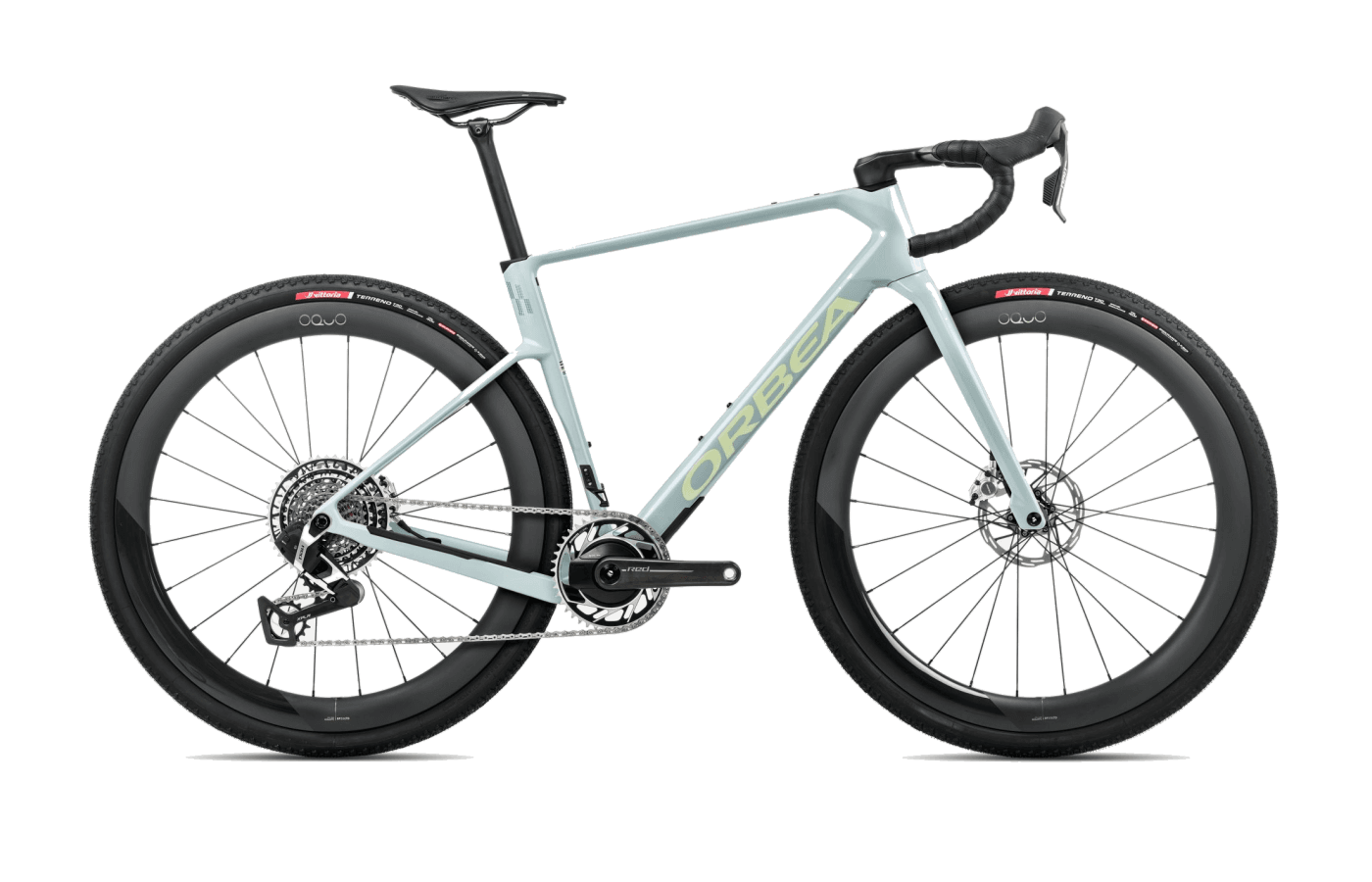
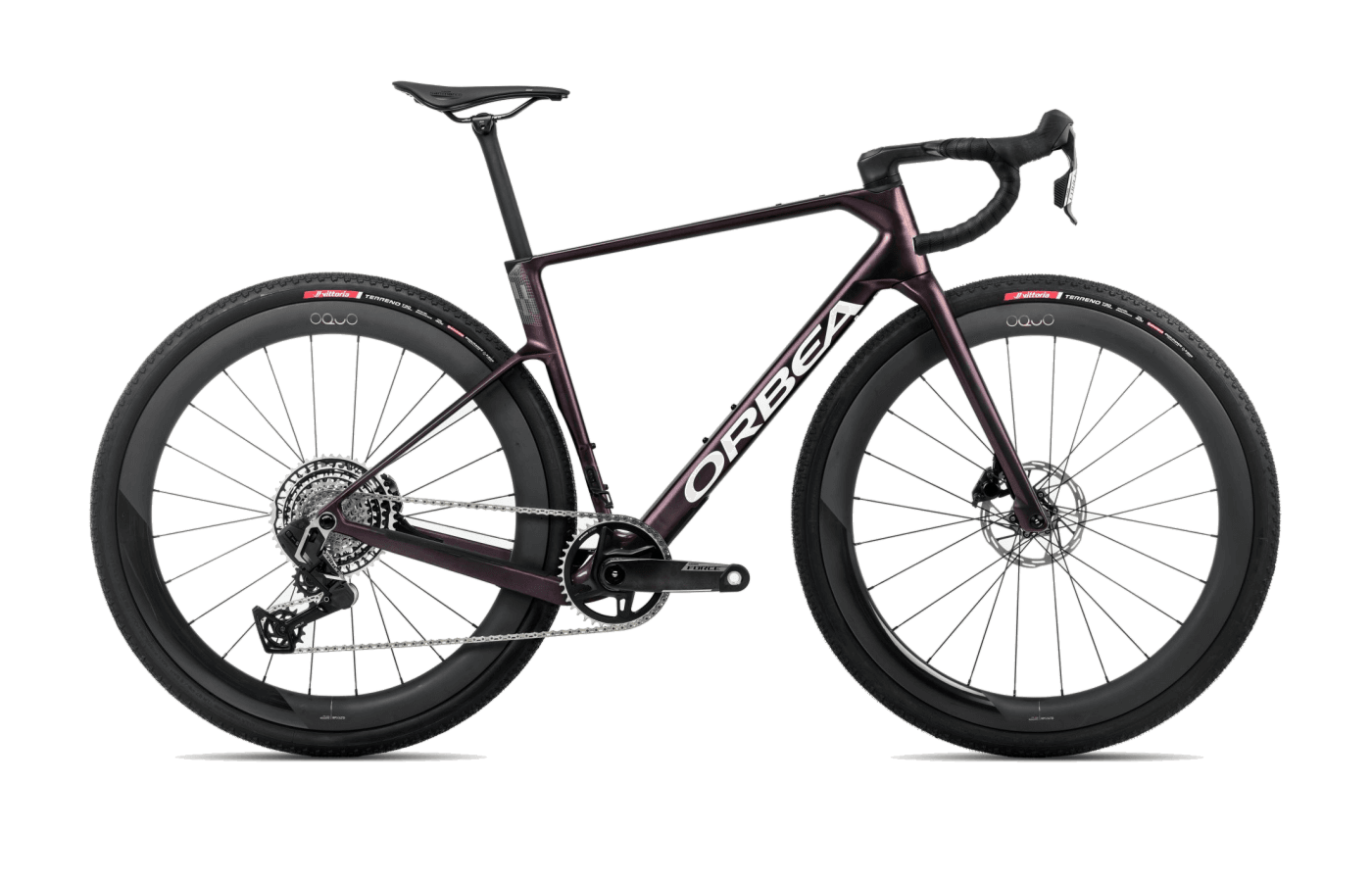
The Terra Race lineup spans six options, all utilizing the same top-tier OMX carbon frame and fork. Because the chassis remains identical across the board, the price ladder is dictated entirely by the drivetrain and component specification.
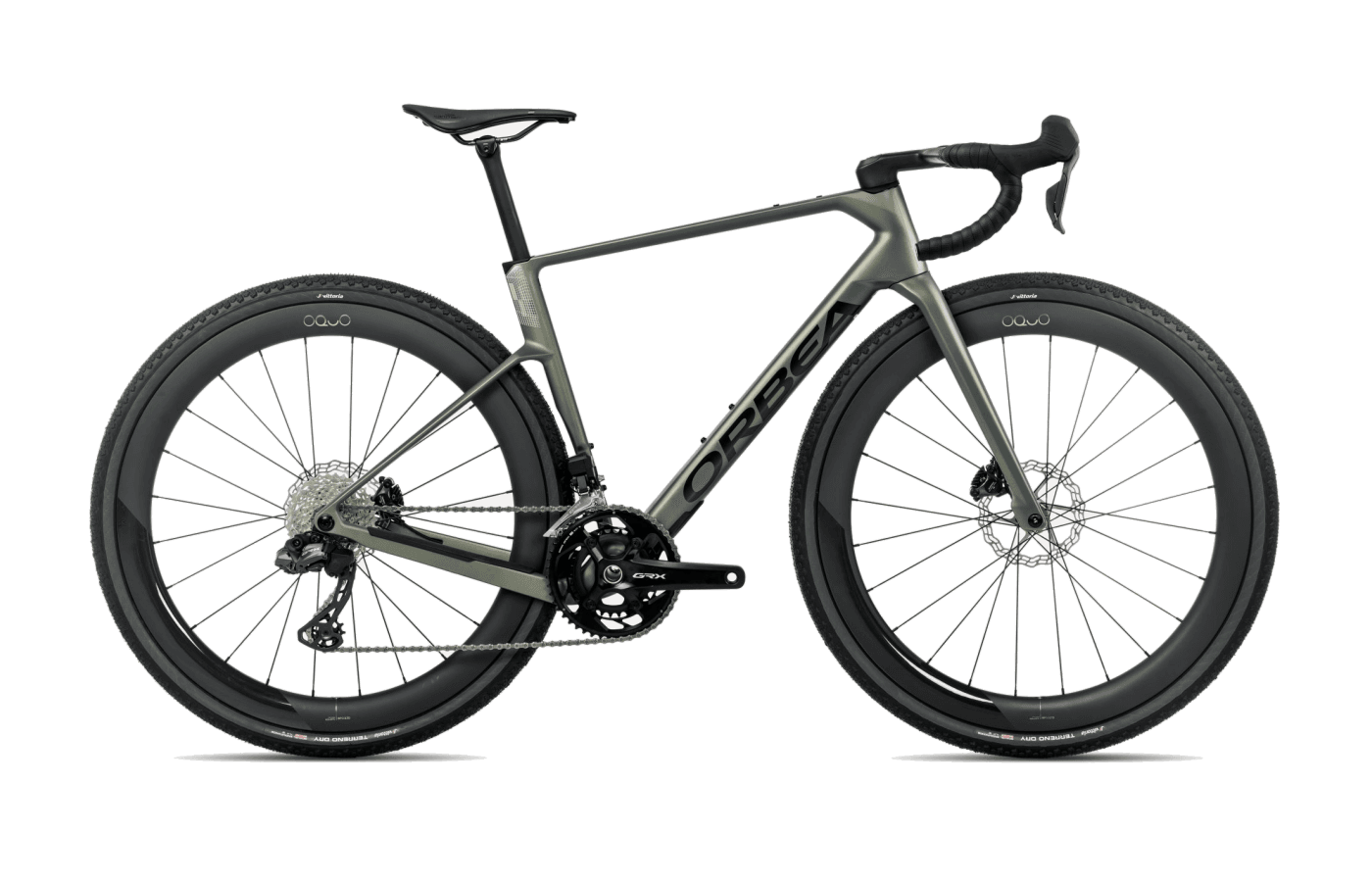
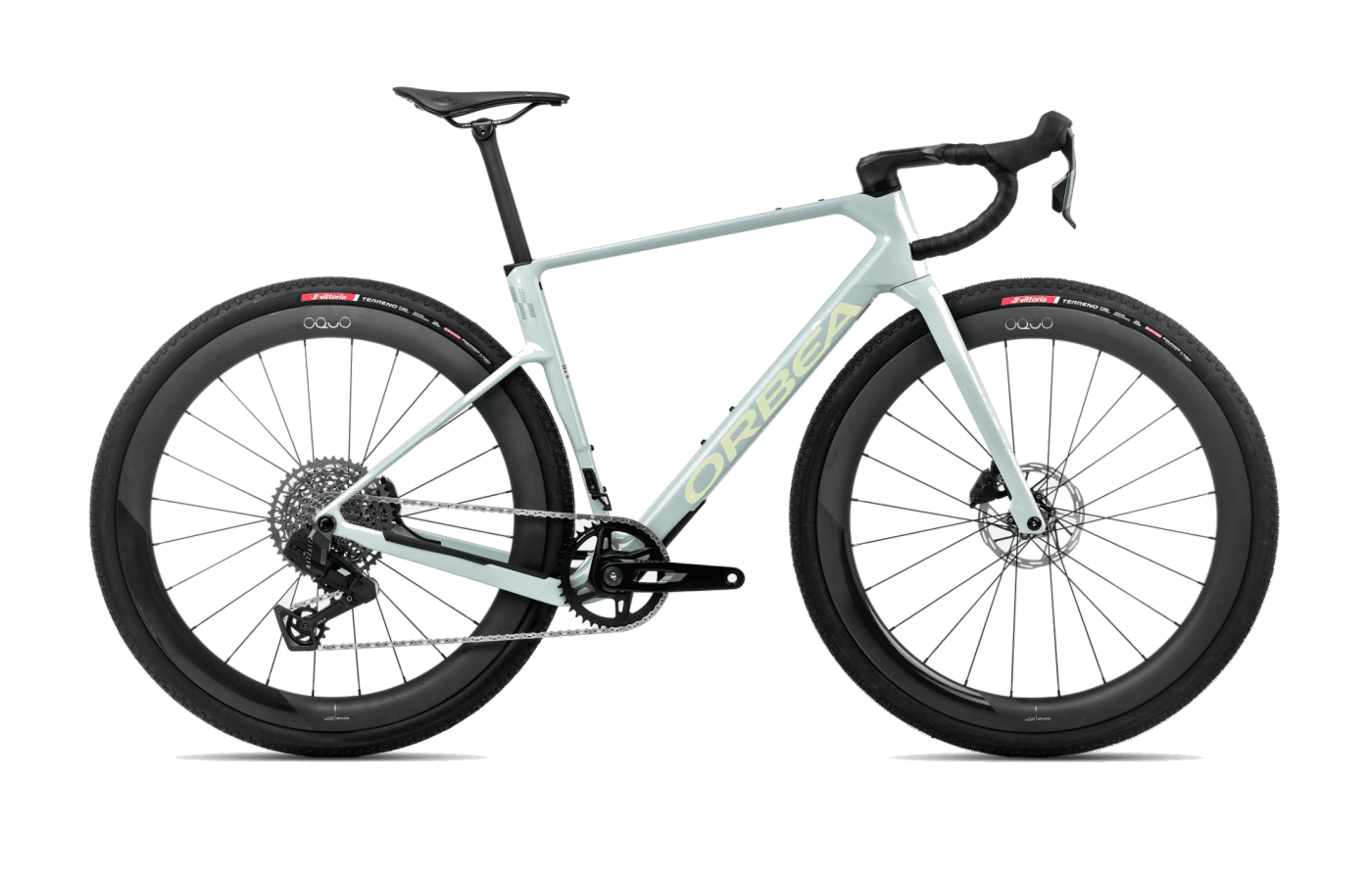
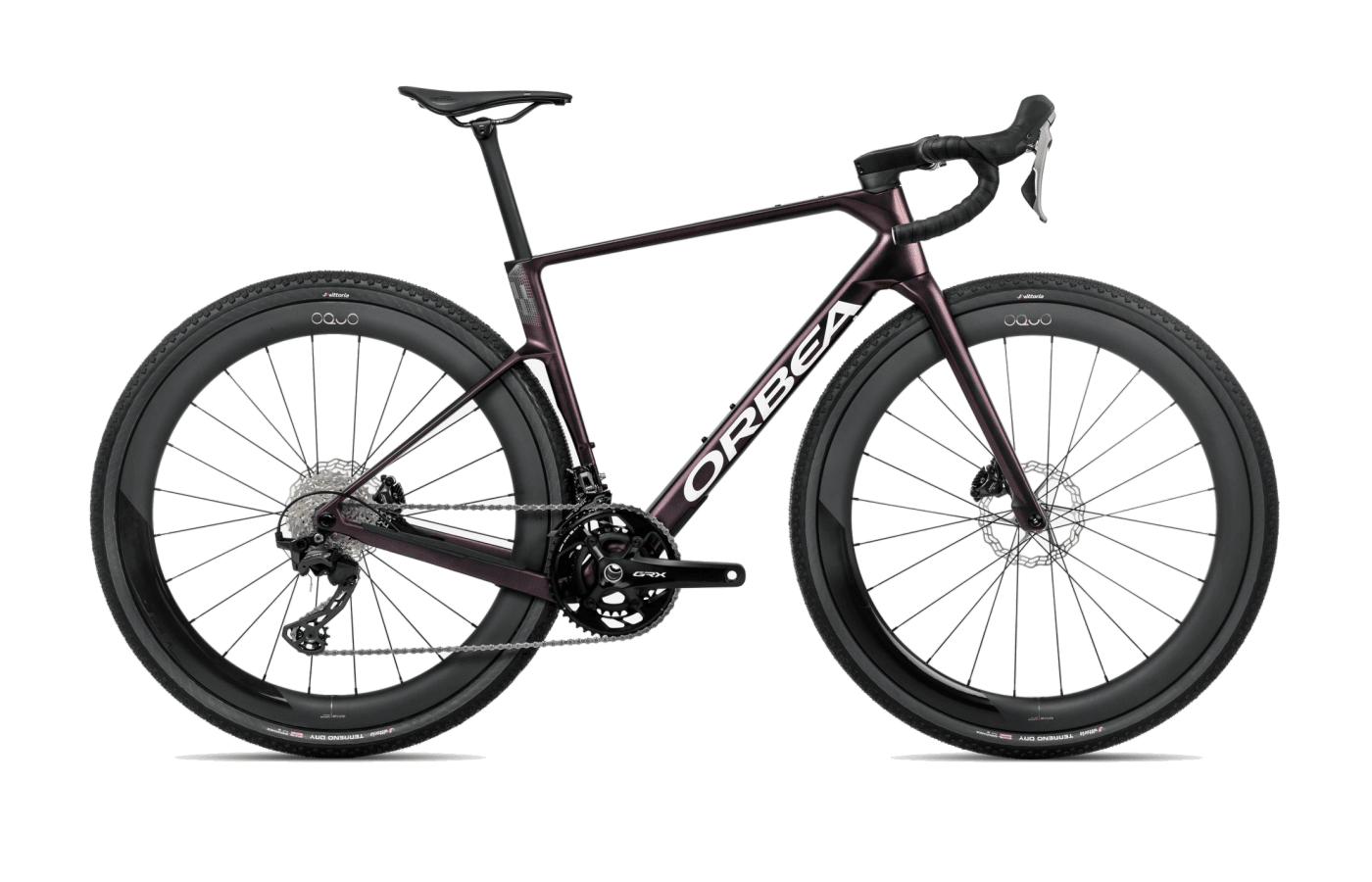
The range opens with a mechanical Shimano GRX 2x12 build and a standalone frameset option. Moving into the mid-tier, the builds transition to electronic shifting, offering a choice between a 1x SRAM Rival XPLR setup or a 2x Shimano GRX Di2 configuration. These mid-range models represent a significant jump in component integration, introducing Orbea's one-piece carbon aero cockpit and deep-section Oquo carbon wheels.
At the top end, the flagship builds feature premium SRAM 1x13 transmissions. The highest-tier model utilizes the SRAM Red XPLR AXS groupset, complete with an integrated power meter. Across the lineup, Orbea equips the bikes with 40mm Vittoria tires, though the frame clears up to 45mm rubber. The inclusion of a Universal Derailleur Hanger across all models ensures straightforward maintenance and compatibility with current direct-mount rear derailleurs.
From the press.
6 reviews from the cycling press.
Reviewers consistently characterize the Terra Race as a highly reactive machine that prioritizes forward momentum over plush isolation. On firm surfaces and rolling tracks, the bike accelerates with immediate urgency, delivering what testers describe as "asphalt speed on dirt tracks" (En). The rigid carbon frame translates pedal inputs directly to the rear wheel, making it exceptionally efficient during high-speed efforts and steep, seated climbs.
While the chassis lacks active suspension, testers found the rear triangle and standard round carbon seatpost surprisingly effective at muting high-frequency road buzz. However, the aggressive rider posture introduces its own physical toll on rugged terrain. When navigating prolonged bumpy sections, reviewers noted that the rider's "neck and arms suffer a bit more" (En) compared to more upright gravel models.
At speed, the handling earns high marks for predictability. The steering favors sweeping, fast bends over tight, technical switchbacks, providing "unshakable traction and efficiency" (Granfondo) when holding a line on loose descents. The integrated aero cockpit generally received praise for its ergonomics, though some heavier riders detected "a touch too much flex" (Granfondo) during maximum-effort sprints. Ultimately, the consensus points to a specialized tool that excels on fast, compressed courses but requires a skilled, attentive rider when the terrain turns rocky or highly technical.
Orbea Terra Race: Tests und Neuheiten 2026 - Rennrad-News
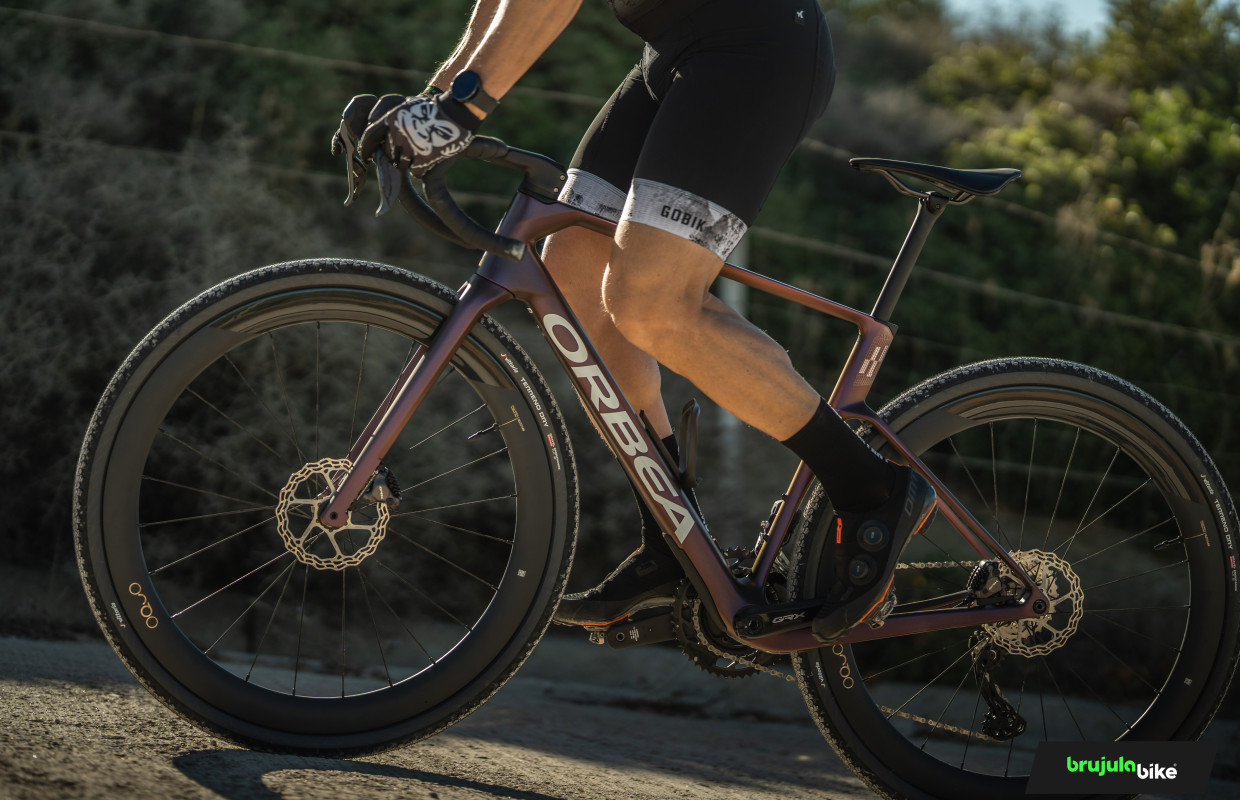
This bike blurs the boundaries between gravel and road: we tested the Orbea Terra Race

Orbea Terra Race: Gravel-Racer mit ultraleichtem Rahmen 2026
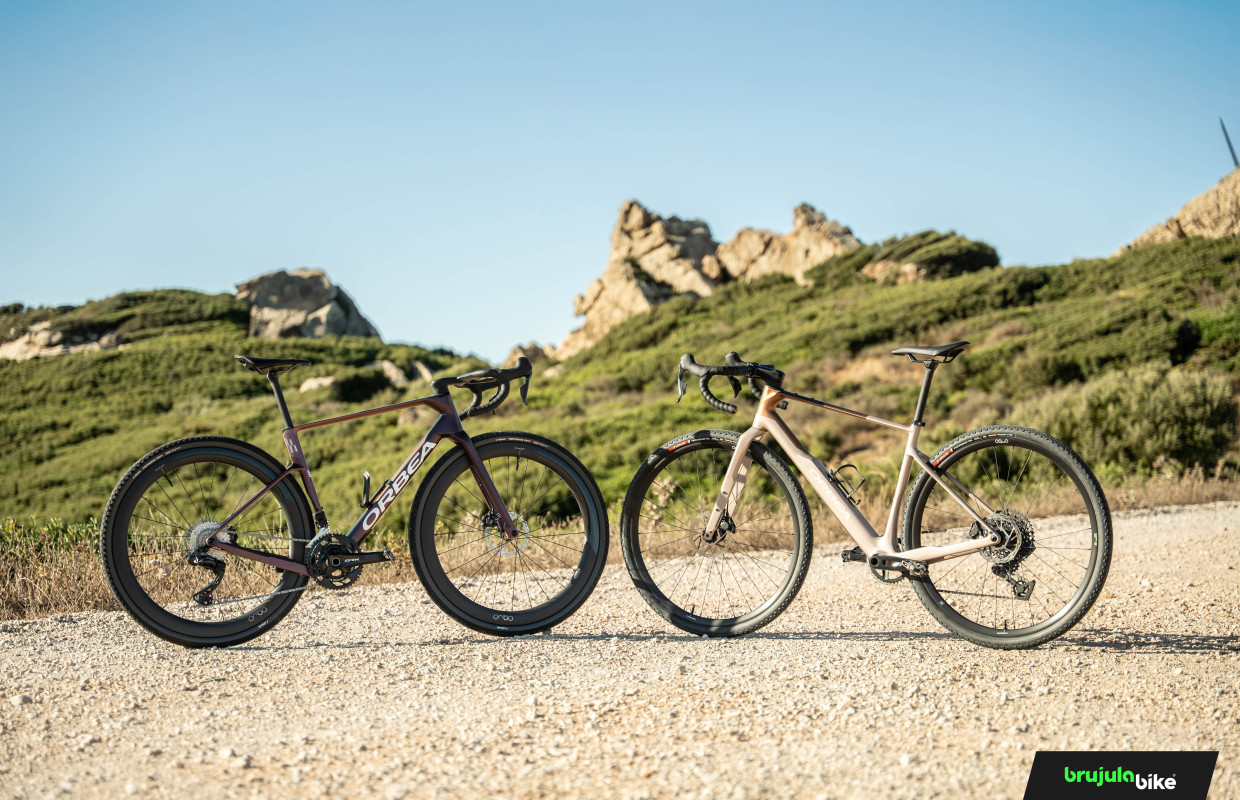
We face the Orbea Terra and the Terra Race 2025: two interpretations of gravel, one same DNA
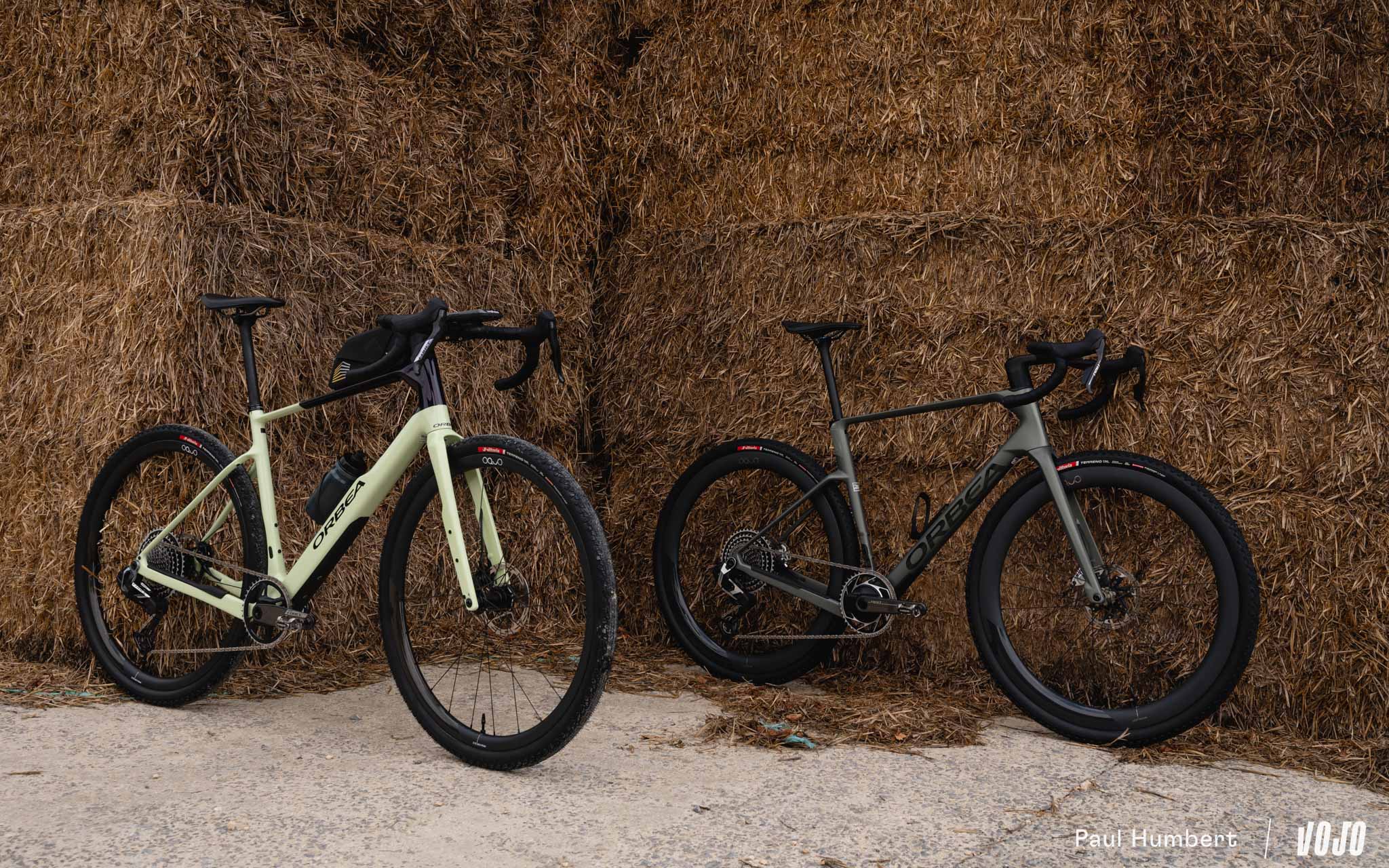
Test nouveauté | Orbea Terra Race & Terra 2025 : gravel à la croisée des mondes ⋆ Vojo