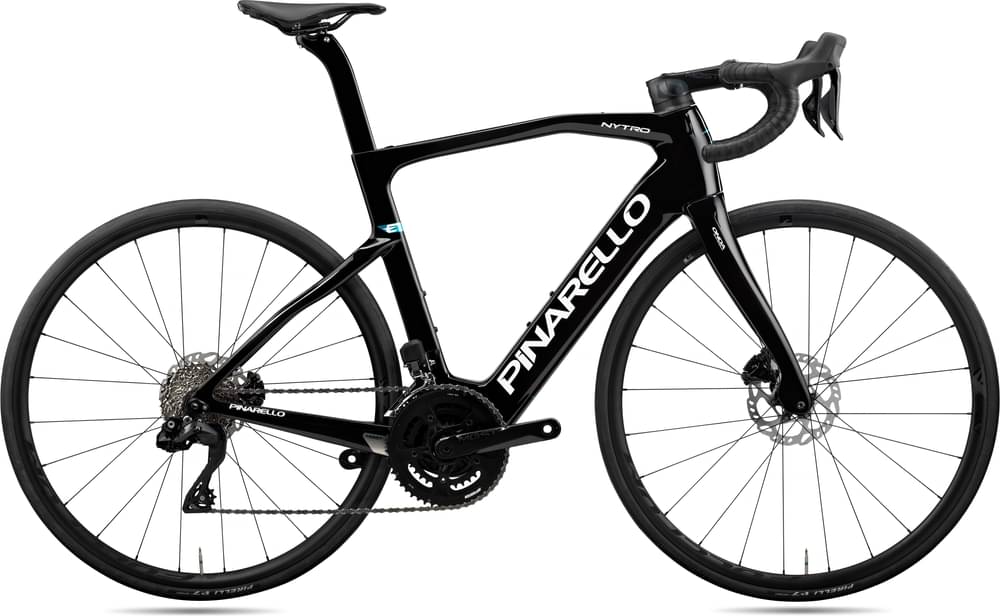
Nytro E Road
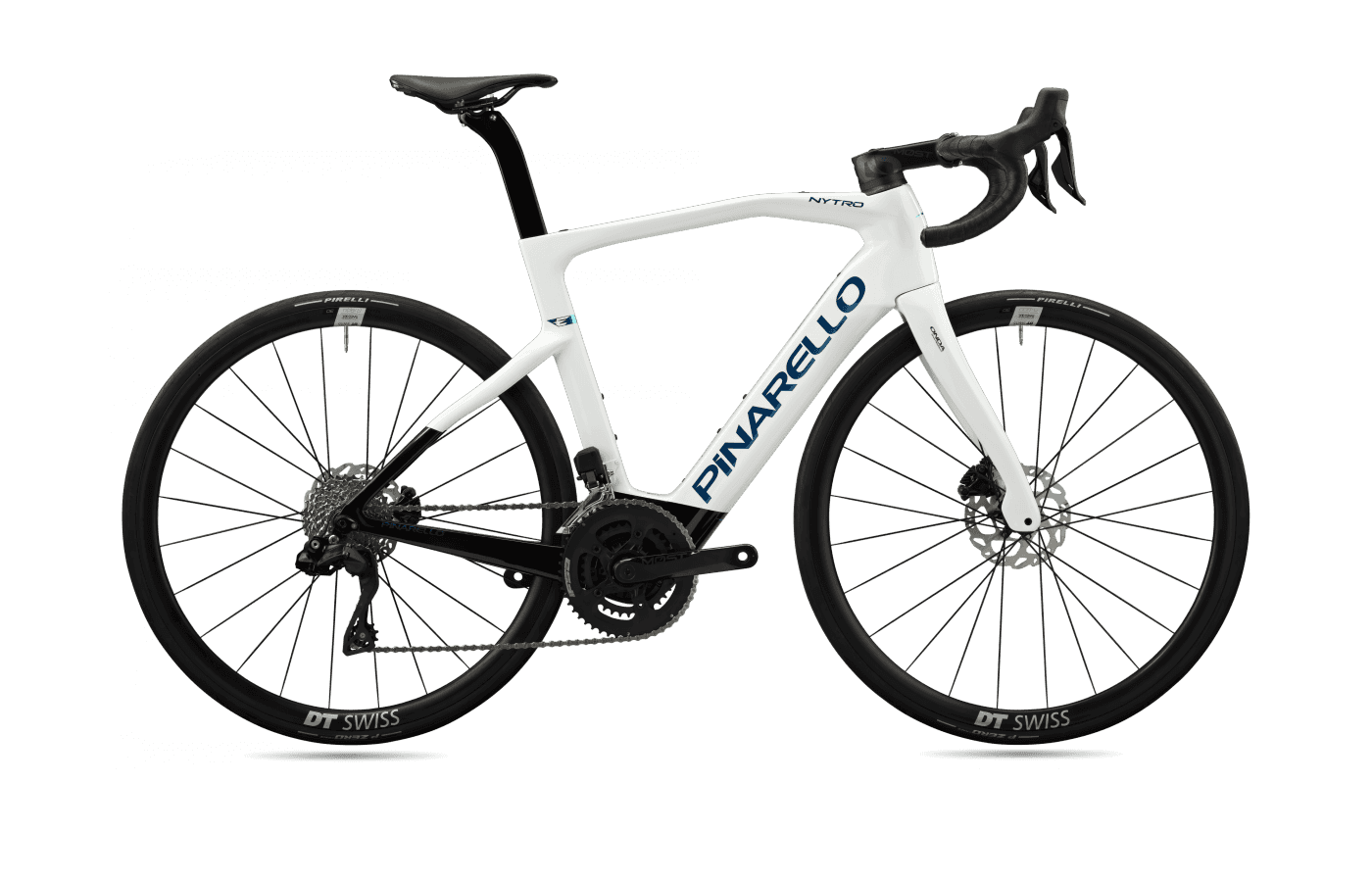
The 2023-present Pinarello Nytro E Road is a full redesign of the brand’s e-road platform, replacing the earlier Fazua-based bike with a chassis built around the compact TQ-HPR50 mid-drive and a fully integrated 360 Wh battery. That change defines the bike. Rather than chasing the higher-torque, heavier end of the e-road category, Pinarello has gone for a lighter, more discreet assist concept that stays close to the feel and proportions of a conventional performance road bike. The frame uses dedicated road geometry, TiCR internal cable routing through a 1.5"/1.5" integrated headset, a redesigned embedded seat-clamp area, and a Dogma F-style aero seatpost on the road models, with tire clearance increased to 32 mm.
Geometry & fit.
6 sizes published.
The geometry points to a road bike that is performance-led but not as stretched or aggressive as a pure race machine. Across the size range, stack grows from 545.4 mm in size 460 to 640.6 mm in size 600, while reach stays relatively moderate at 358.4 to 398 mm. Head tube angles progress from 71.75° to 73°, and the seat tube angle relaxes from 74.5° to 72.9° as sizes increase, which is typical and helps preserve fit consistency across the range. The result is a position that should feel more sustainable than an outright aero race bike, especially for riders using the Nytro for long climbing days or fast endurance riding rather than short, highly aggressive efforts.
Handling numbers also support that reading. A 420 mm chainstay is not especially short for a road bike, and paired with a 72 mm bottom bracket drop it should give the bike a planted, predictable character rather than an ultra-nervous one. The head angles remain road-sharp enough to keep steering responsive, but they are not so steep that the bike becomes twitchy, especially in the smaller sizes. Combined with the modestly increased tire clearance to 32 mm, the geometry suggests a bike aimed at stable high-speed road handling and all-day usability, while still preserving the quick steering and efficient rider position expected from a premium performance road platform.
Where the handlebar sits relative to the bottom bracket — the single most important fit pair.
01Fit geometry5 values
03Handling geometry5 values
Which size should I buy?
Slide your height to see the recommended size. GearWise's fit algorithm works from the published stack, reach, and ETT — the brand's own recommendation may differ.
→Calculated from GearWise's own stack / reach / ETT algorithm — the brand's size chart may recommend a different size, and a proper bike fit beats any calculator.
The lineup.
3 builds, ranging $7,800 – $13,000.
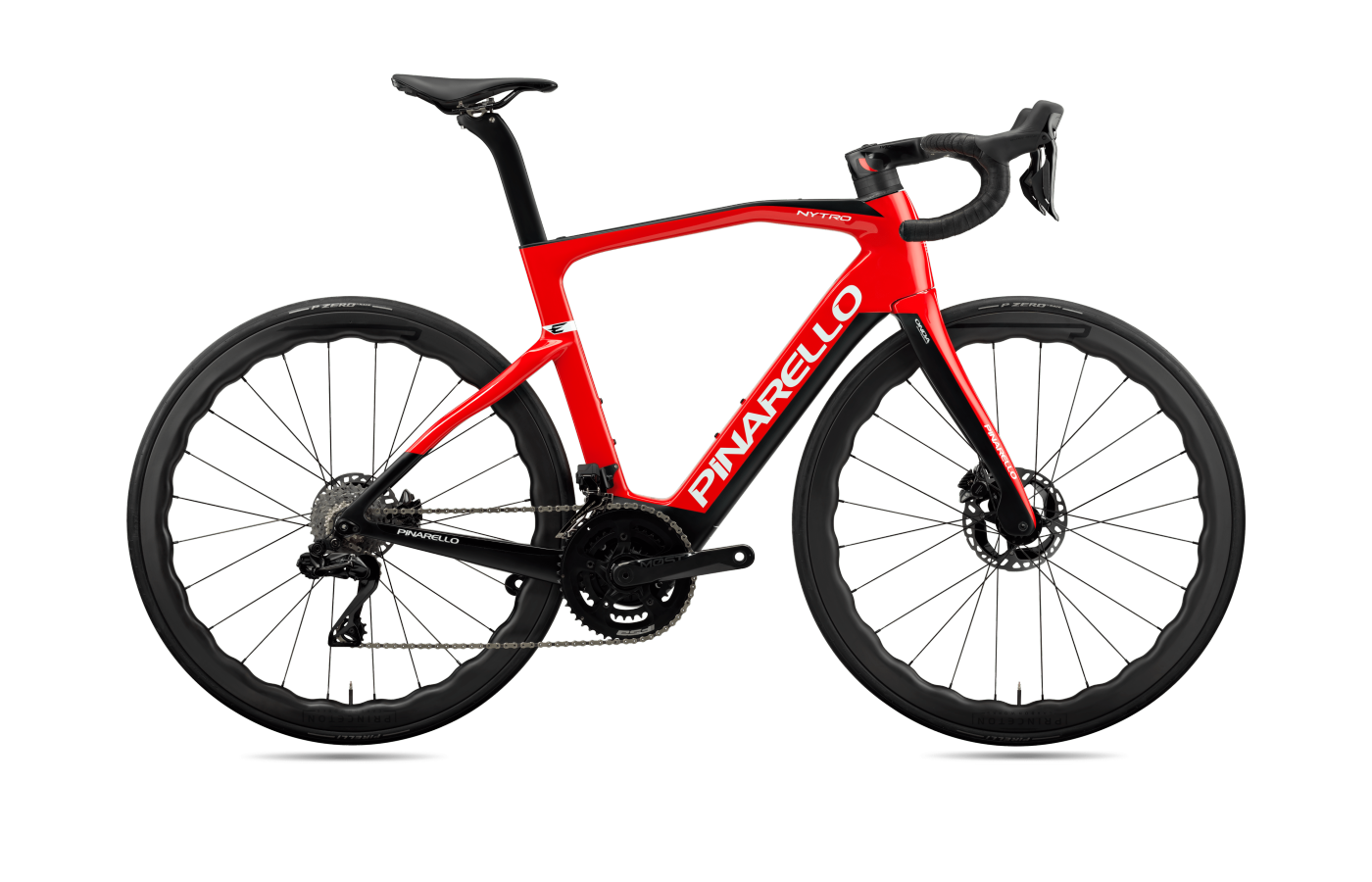
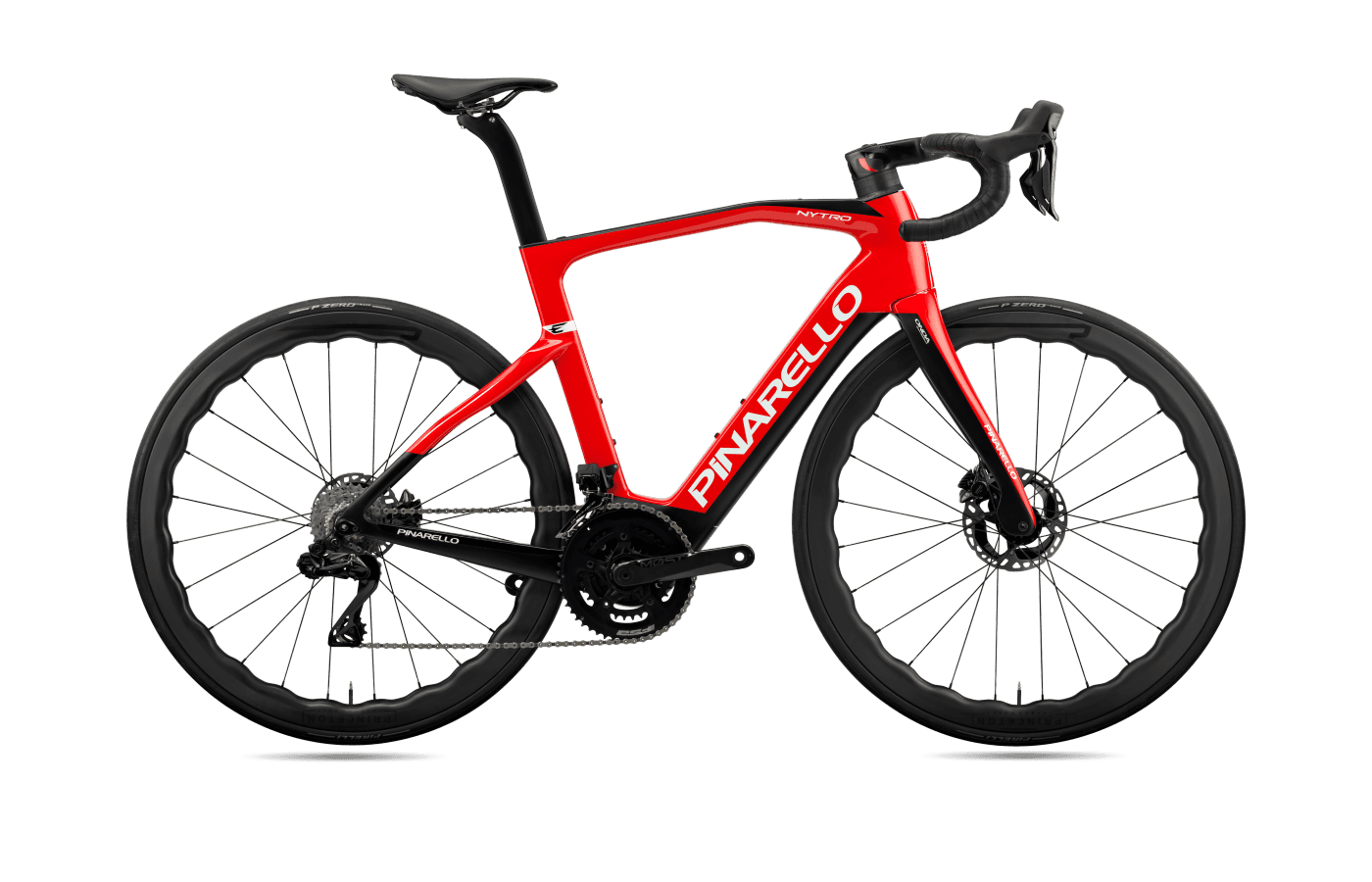
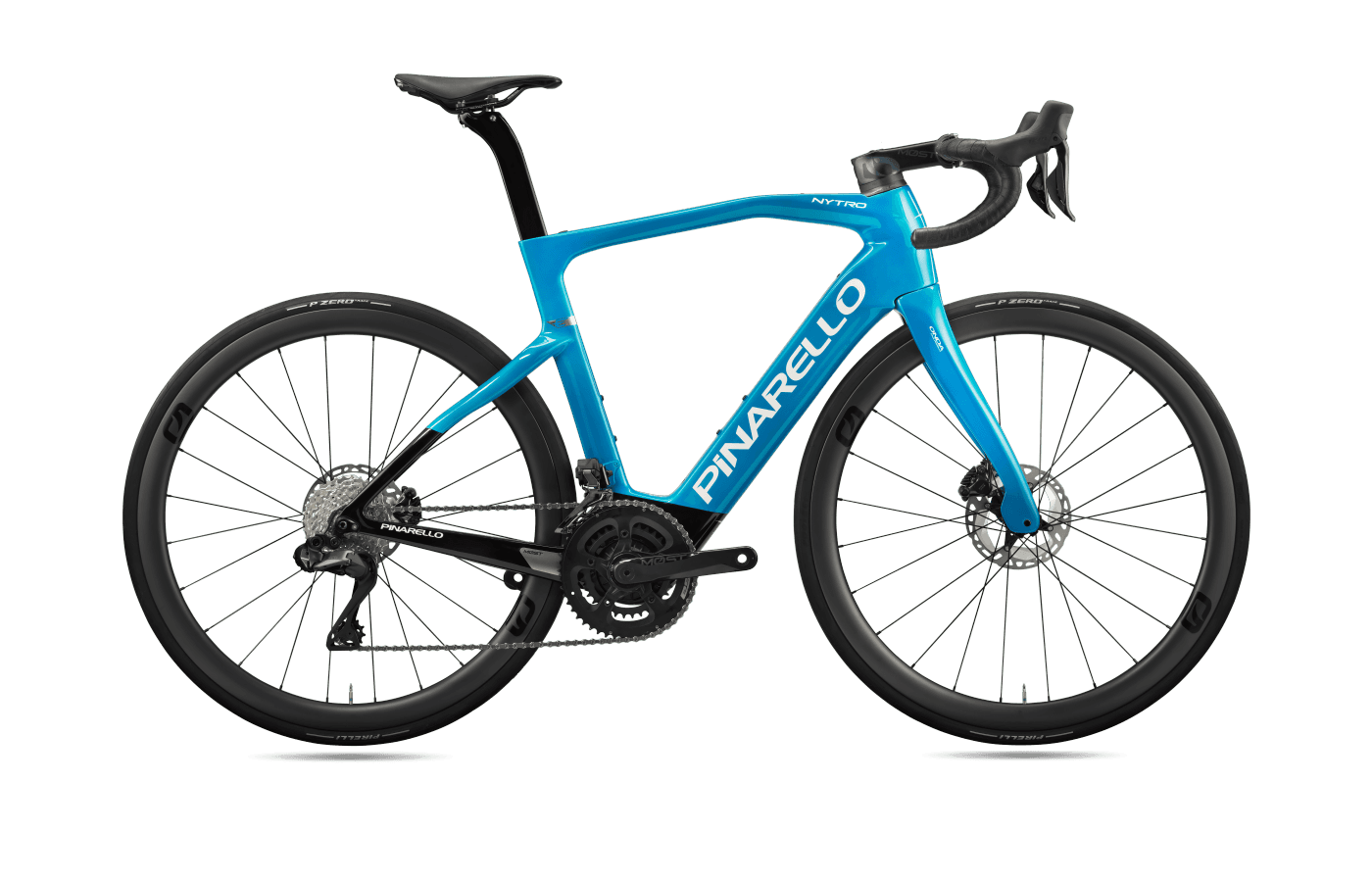
The range is offered in three main builds: E5 with Shimano 105 Di2, E7 with Ultegra Di2, and E9 with Dura-Ace Di2. That creates a straightforward progression from an entry point into the platform up to a flagship specification. Based on the available review material, the E5 is positioned as the more accessible build, while the E9 serves as the halo model with the lightest and most premium component package. Across the range, the shared value lies in the same core frame concept and TQ-HPR50/360 Wh system rather than in radically different bike personalities.
The biggest spec distinction called out by reviewers is wheel choice. The E5 uses aluminum wheels, which keeps the build sensible but is also one of the most common criticisms, as reviewers note they do not deliver the same stiffness, damping, or aerodynamic benefit as the higher-end carbon setups. The E9, by contrast, pairs Dura-Ace Di2 with premium carbon wheels and is presented as the performance benchmark of the lineup. In practical terms, the E5 makes the most sense for riders who want access to the Nytro platform and electronic shifting without paying for the top build, while the E9 is aimed at buyers prioritizing minimum weight, maximum refinement, and a spec level that better matches the frame’s high-end intent.
From the press.
2 reviews from the cycling press.
Reviewers are notably consistent in describing the Nytro E Road as a light-assist performance bike that feels far closer to a conventional race bike than to a typical e-bike. Opticycles characterizes the E5 as a "race-ready e-road" that acts like a "teammate, not a torque monster," and that theme runs through broader test coverage. The TQ-HPR50 system is repeatedly praised for its quiet operation, smooth delivery, and low internal resistance once assistance cuts at 25 km/h, which helps the bike remain convincing on fast group rides and rolling terrain. Reviewers also highlight the low overall weight for the category, generally around 10.5 to 11.5 kg depending on build, and note that the bike stays snappy in accelerations and direct in corners in a way many heavier e-road bikes do not.
The strengths most often cited are the natural pedal feel, clean integration, and handling that remains precise on descents and technical roads. Several reviewers also point to the balanced fit: less extreme than a pure Dogma-style race bike, but still clearly performance-oriented. At the same time, the limitations are clear. The TQ system’s 50 Nm output is intentionally subtle, so riders looking for brute-force climbing assistance on very steep, sustained gradients may find it less powerful than higher-output alternatives. Value is another recurring caveat. The E5’s Shimano 105 Di2 build is respected, but reviewers question the use of aluminum wheels at this price level, and multiple sources note that the 360 Wh battery may make the optional 160 Wh range extender a near-necessary extra for longer rides. Maintenance complexity from the heavily integrated TiCR layout is also mentioned as a trade-off.