Shuttle LT
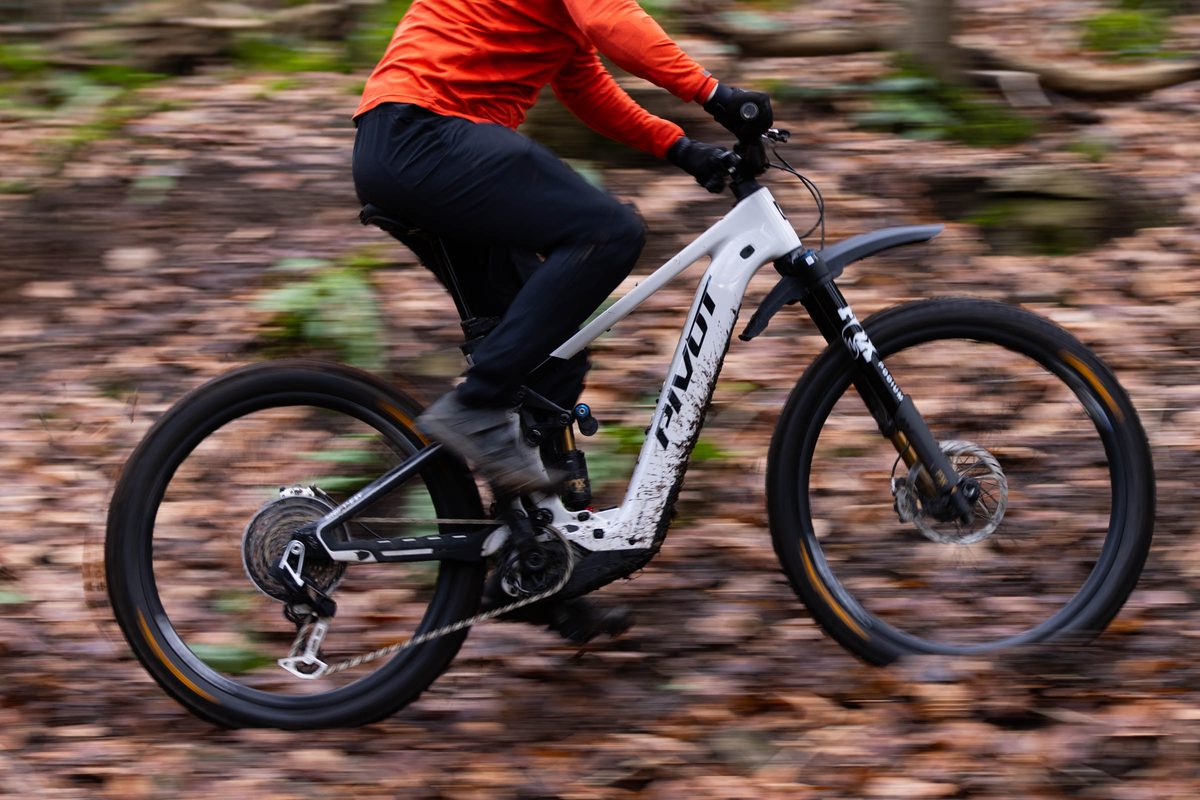
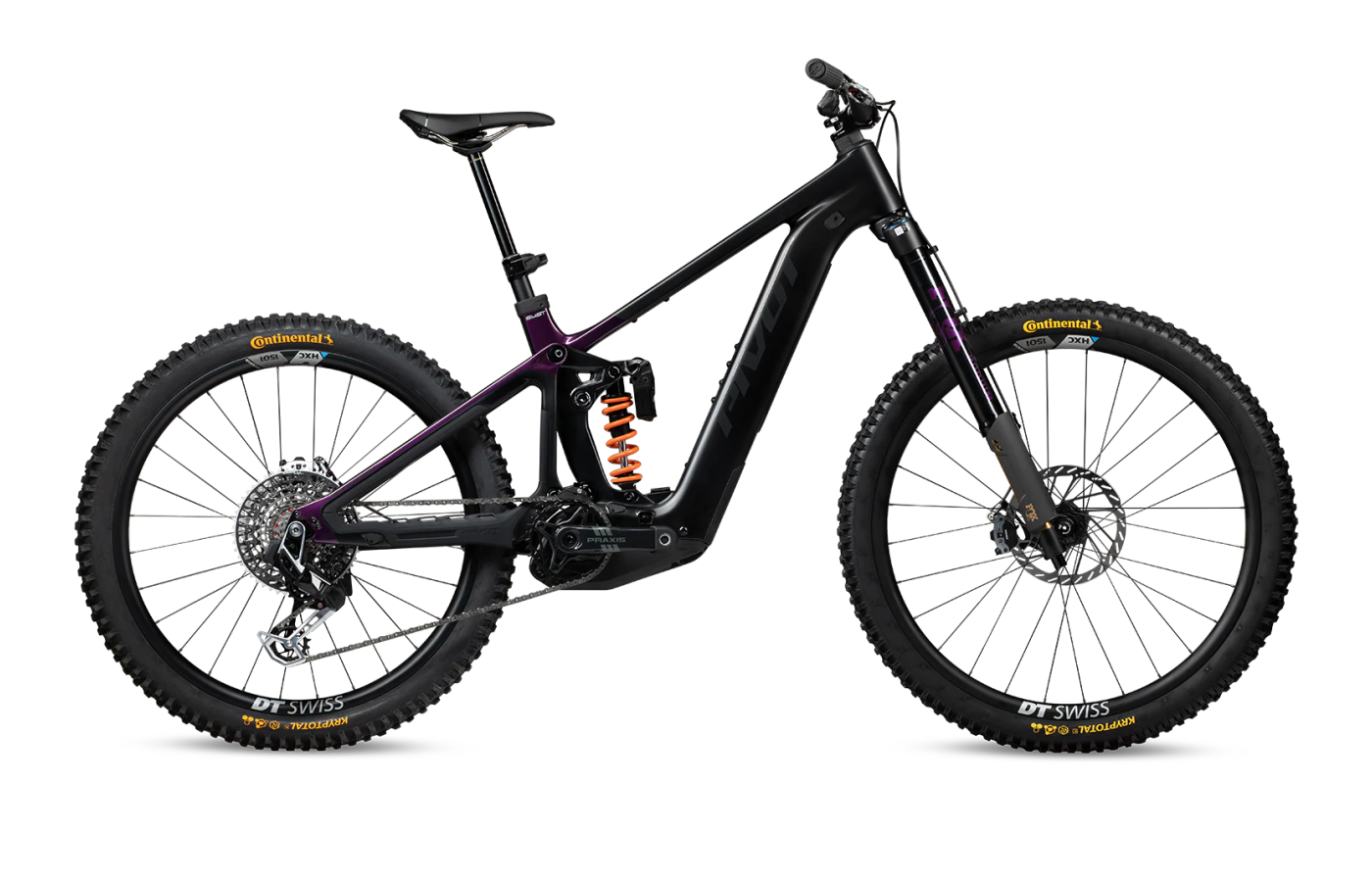
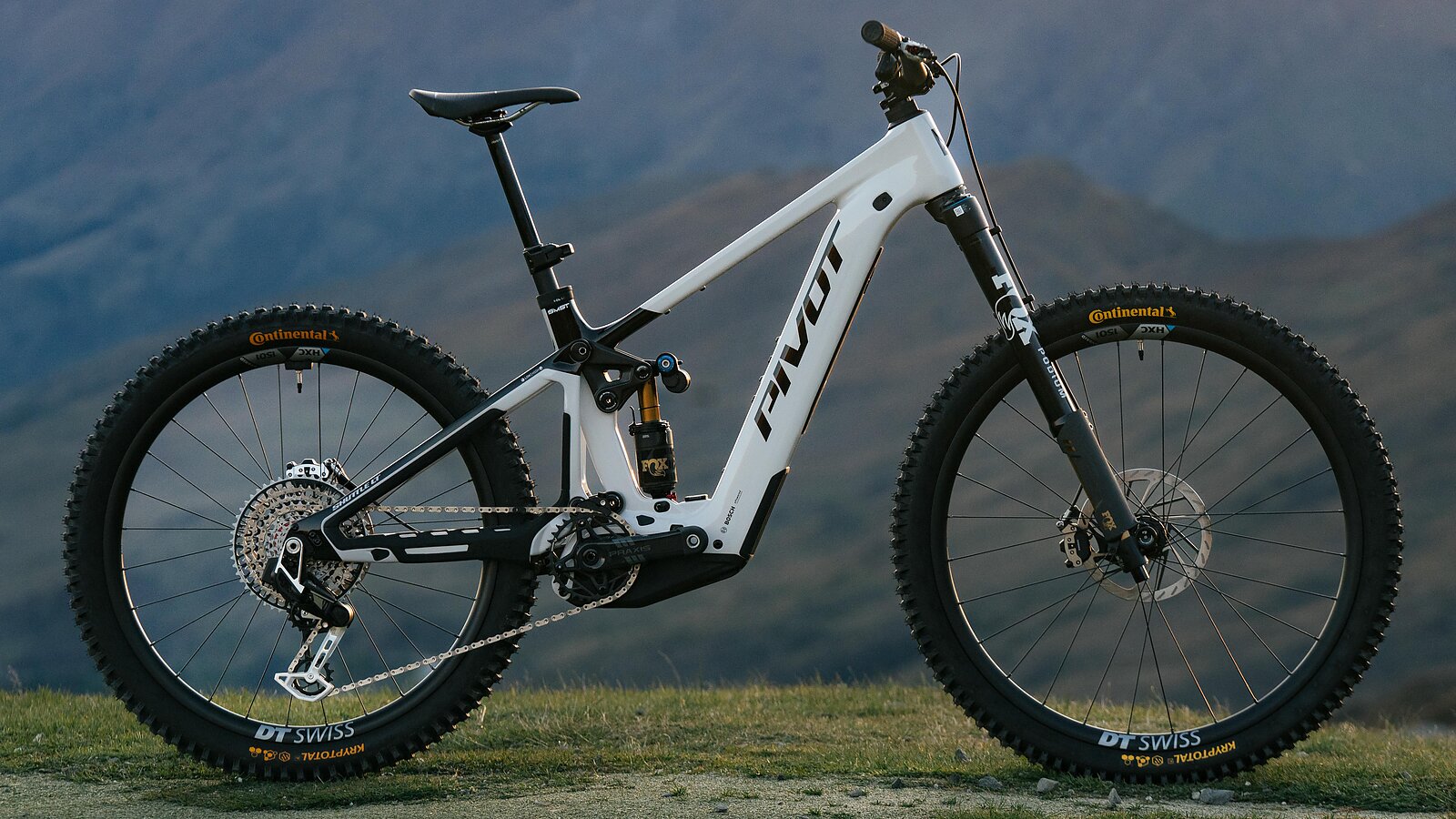
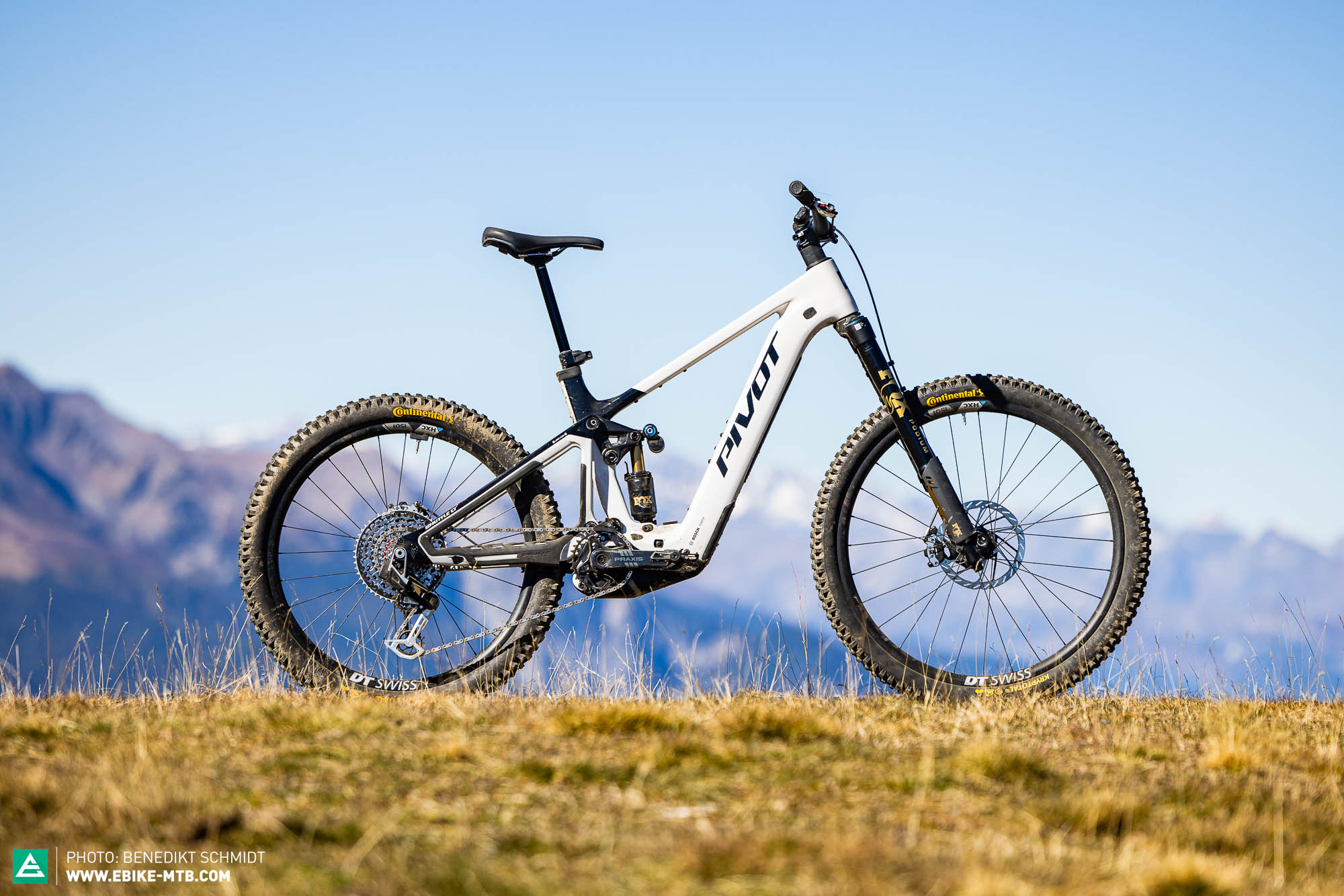
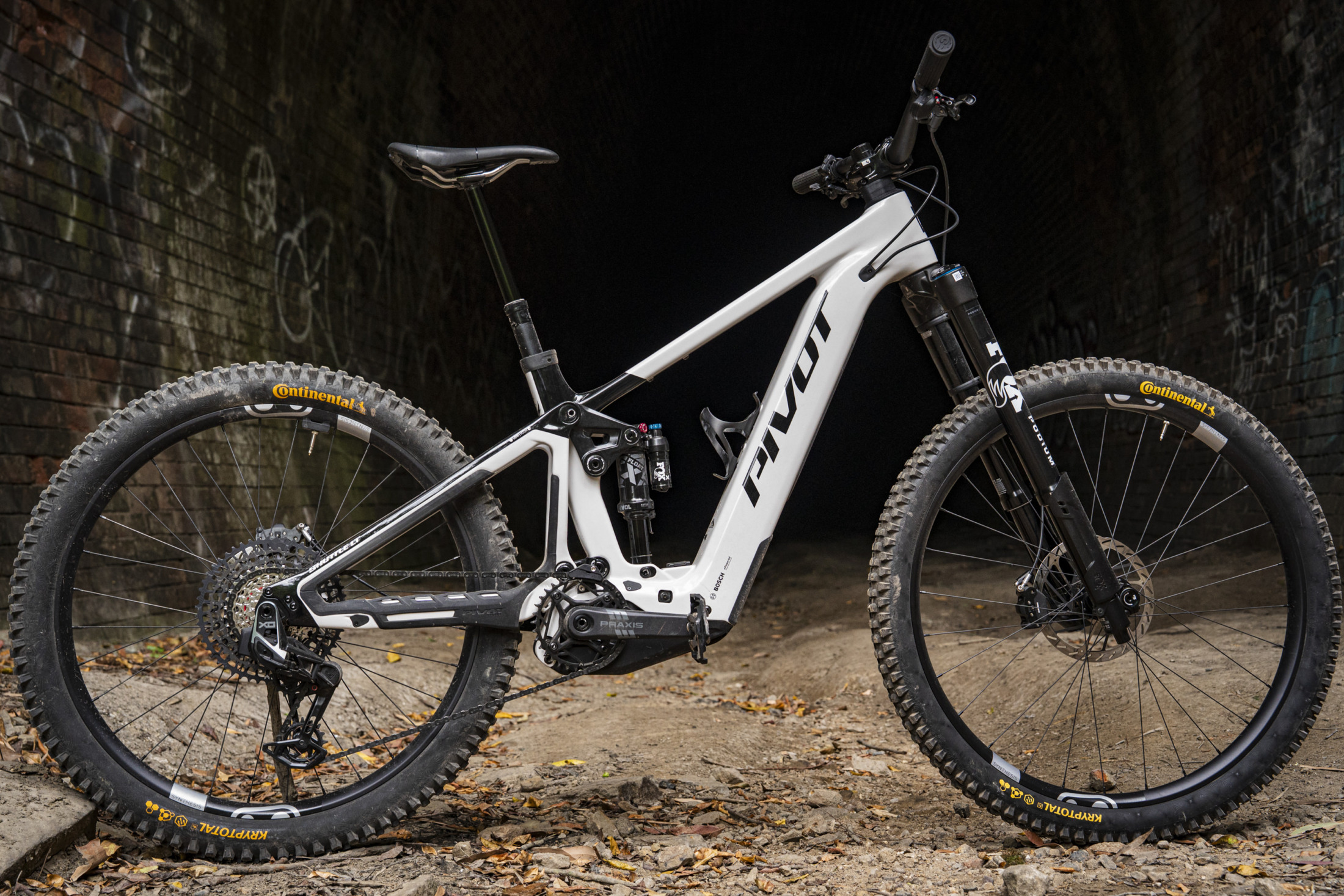
The 2026 Pivot Shuttle LT is a full-power carbon e-enduro platform built around Bosch’s latest drive system and Pivot’s DW-link suspension, with 162 mm of rear travel and a 170 mm fork in its stock mixed-wheel configuration. What separates this generation from the previous Shuttle LT is not just updated equipment, but a substantially reworked frame concept. Pivot has added four distinct frame-level adjustment systems: an independently adjustable seat-tube setup that shifts between 76.5° and 78°, Swinger dropouts with 8 mm of chainstay adjustment, a geometry flip-chip for wheel and geometry setup, and a separate suspension-progressivity flip-chip. That makes this a notably more configurable bike than most long-travel eMTBs, and clearly positions it as a chassis intended to be tuned rather than simply ridden as-delivered.
The Bosch integration is also a meaningful generational change. The frame now uses a fully removable 800 Wh battery and is compatible with Bosch’s 600 Wh battery and PowerMore range extender, giving the bike more flexibility for different ride lengths and weight priorities. Pivot also uses a floating battery mount system intended to let the frame flex independently from the battery, which speaks to the company’s emphasis on chassis feel rather than treating the motor and battery as packaging constraints. In the market, the Shuttle LT sits at the premium end of the full-power eMTB category: a long-travel, mixed-wheel, Bosch-powered enduro bike for riders who want gravity-bike capability but still care about pedaling support, geometry tuning, and a more precise, supportive ride character than the usual point-and-plow formula.
Geometry & fit.
4 sizes published.
The published geometry points to a bike with a notably tall, stable front end and modern enduro proportions. In size Large, the Shuttle LT pairs a 483 mm reach with a 657 mm stack, a 64° head angle, 443 mm chainstays, and a 1281 mm wheelbase. That is a long, planted layout, but the relatively compact rear center for a full-power eMTB helps keep the bike from feeling cumbersome in tighter terrain. The stock 76.5° seat angle is not especially steep by current eMTB standards, but Pivot’s separate seat-tube adjustment to 78° is significant because it lets riders move into a more centered climbing position without changing the rest of the bike’s geometry in the usual way.
On trail, those numbers explain the reviews well. The 64° head angle and high stack height support the calm, reassuring feel testers reported on steep descents and fast rough tracks, while the 443 mm rear end in short setting helps the mixed-wheel layout stay maneuverable and easier to snap through corners. The trade-off is that the tall front can demand more deliberate weighting of the front tire in flatter turns. The 28 mm BB drop is moderate for this category, balancing stability with pedal clearance, and the frame’s chainstay adjustment adds another layer of handling tuning for riders who want either a more agile or more planted rear end.
Where the handlebar sits relative to the bottom bracket — the single most important fit pair.
01Fit geometry6 values
03Handling geometry6 values
Which size should I buy?
Slide your height to see the recommended size. GearWise's fit algorithm works from the published stack, reach, and ETT — the brand's own recommendation may differ.
→Calculated from GearWise's own stack / reach / ETT algorithm — the brand's size chart may recommend a different size, and a proper bike fit beats any calculator.
The lineup.
5 builds, ranging $8,999 – $16,699.
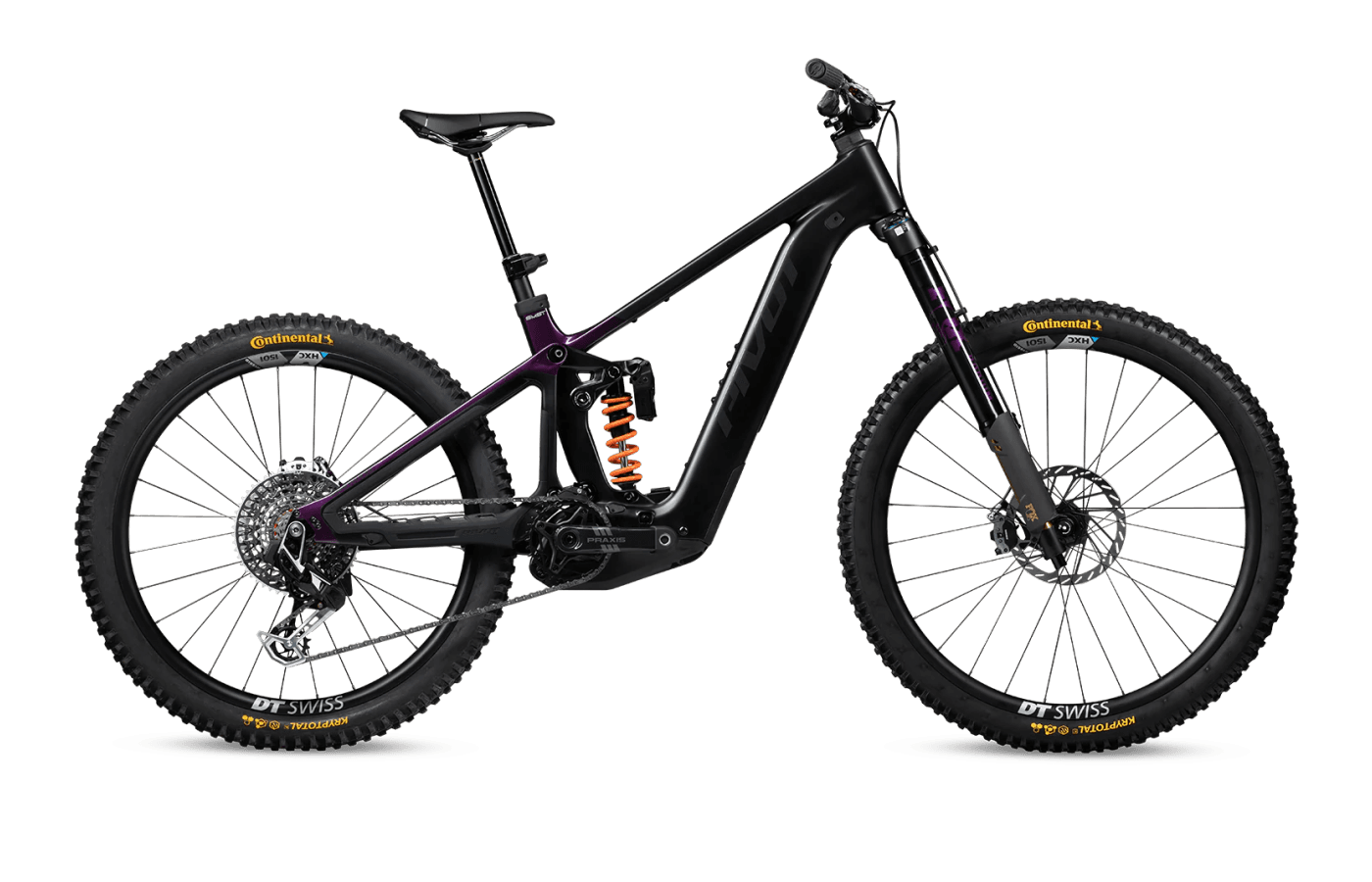
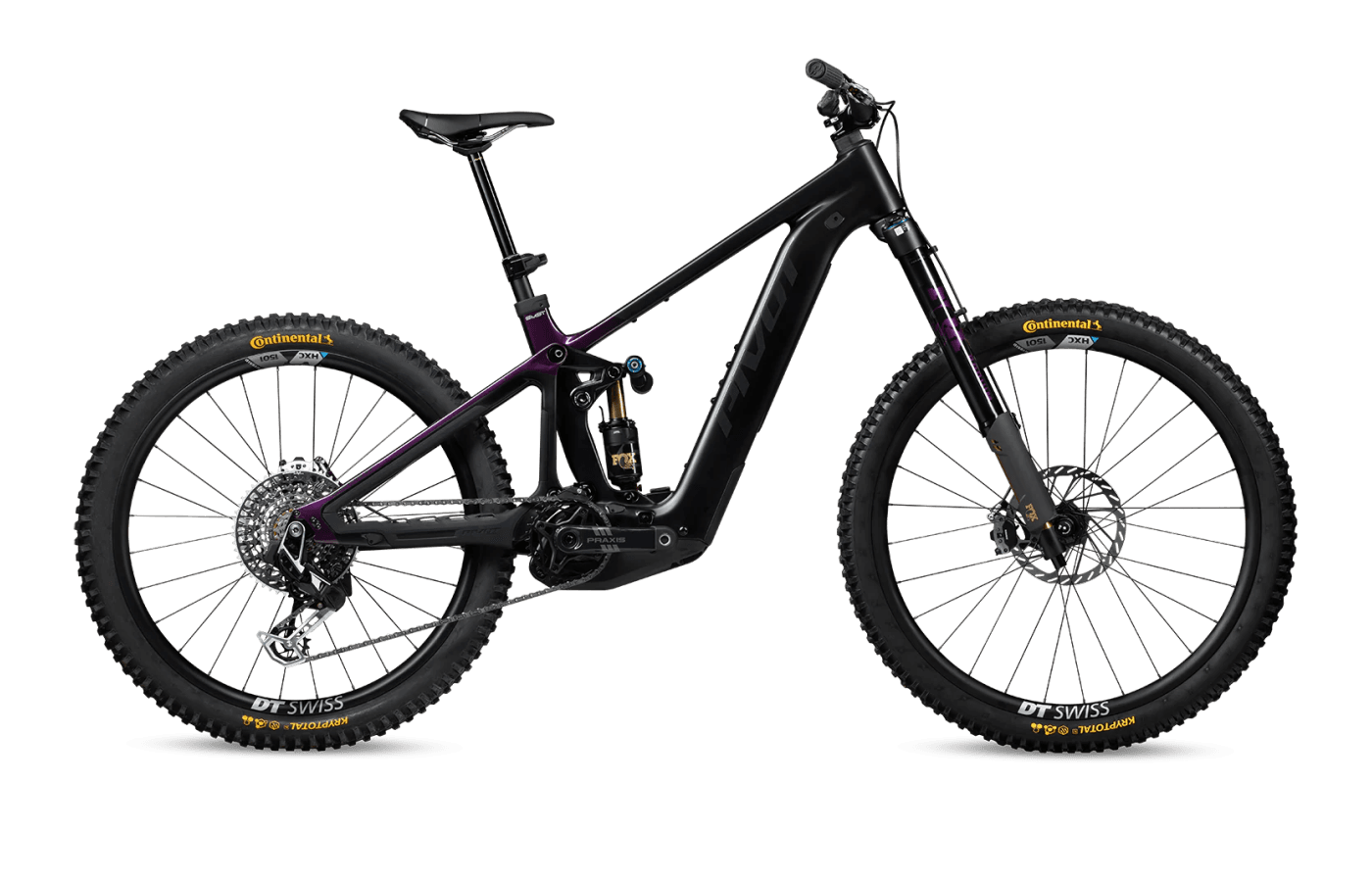
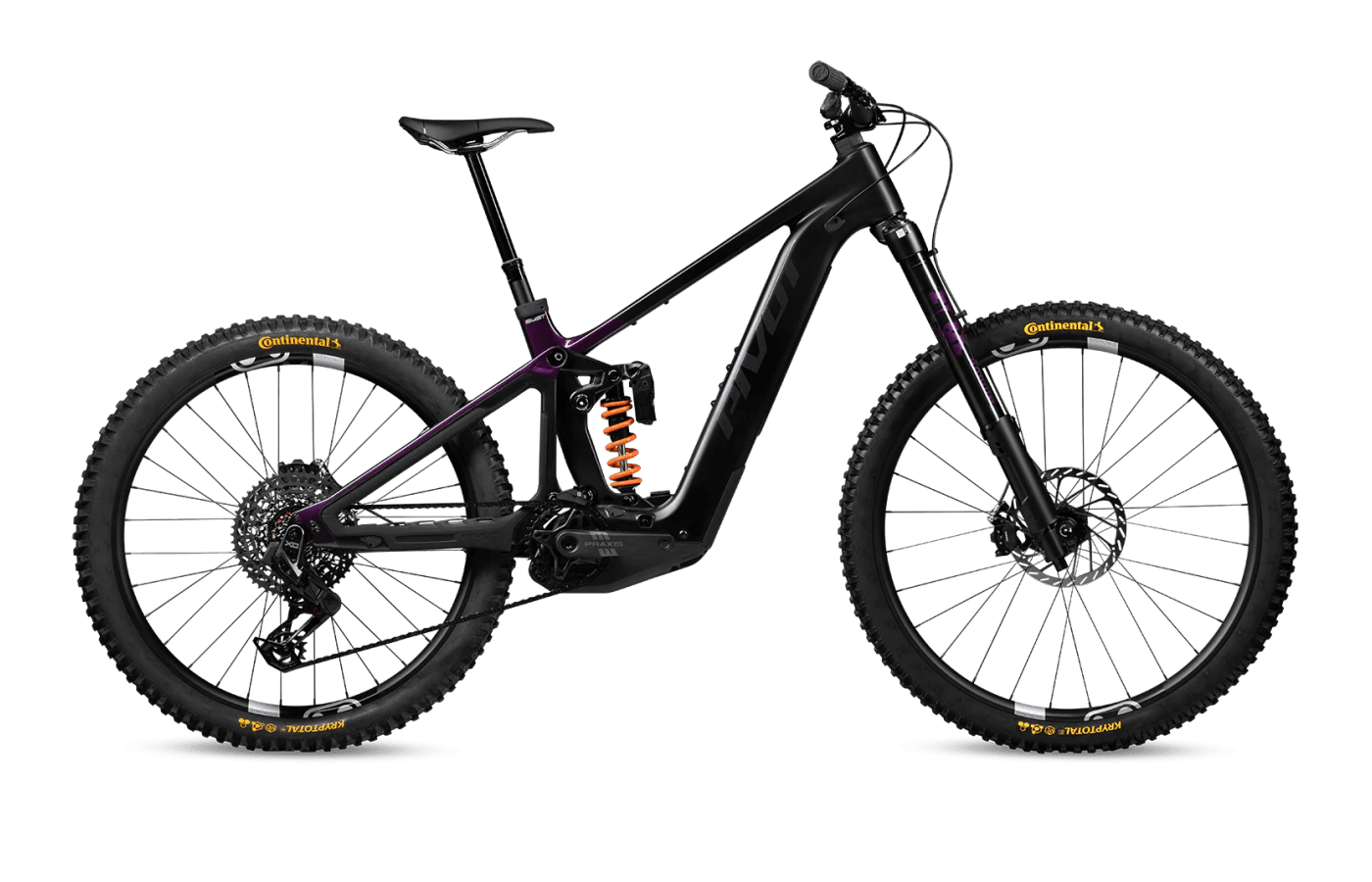
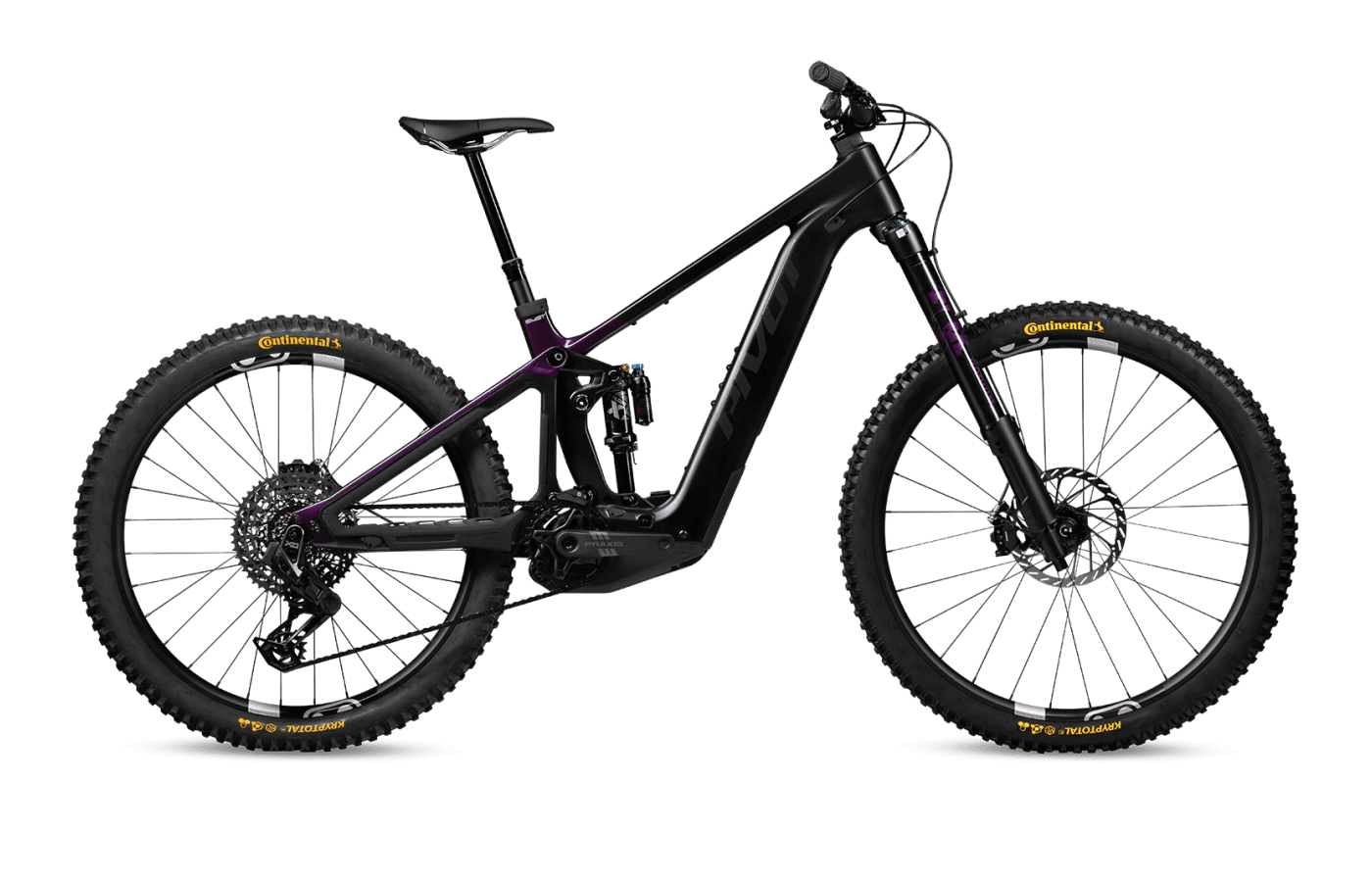
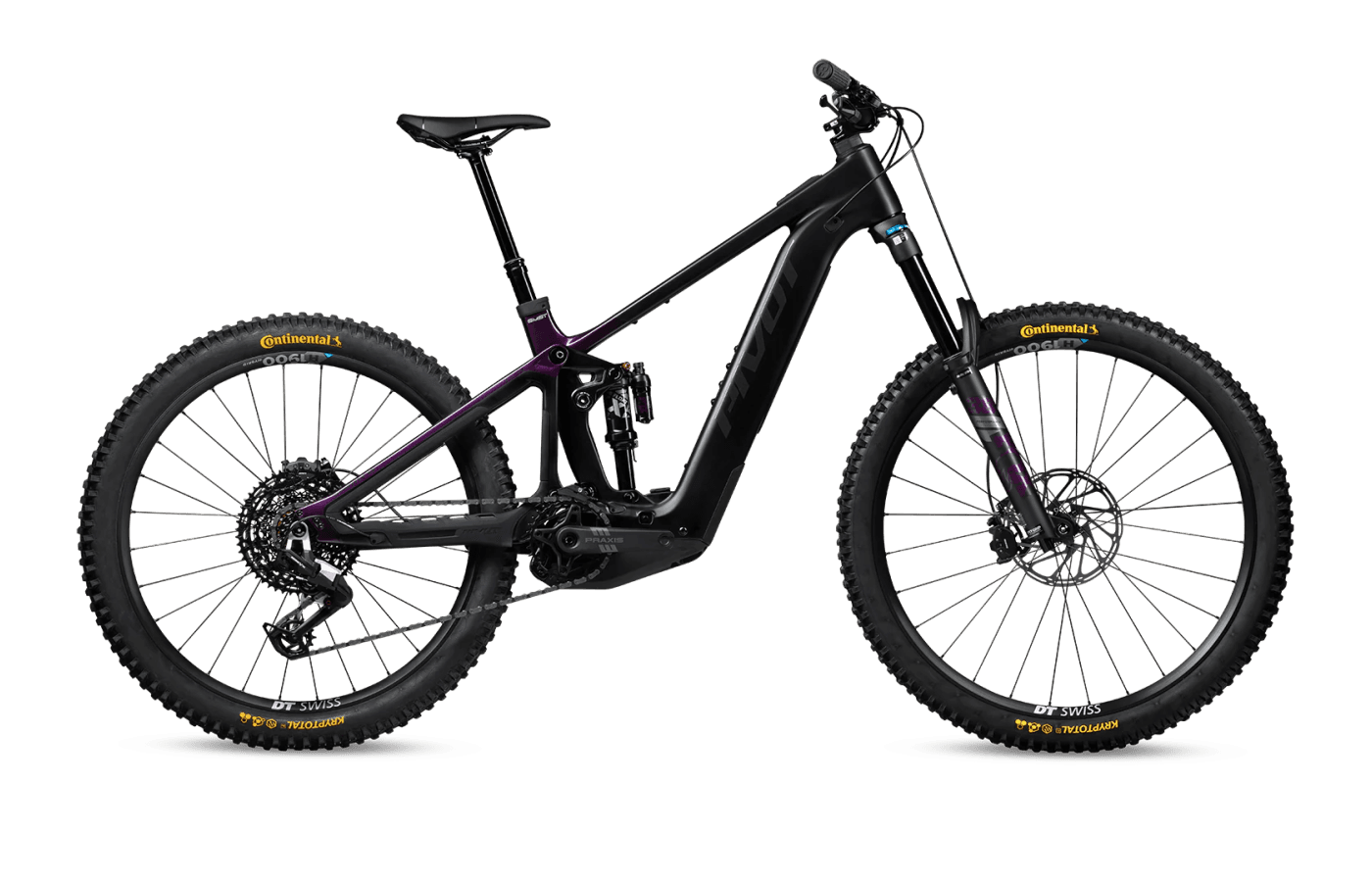
The Shuttle LT range starts at $8,999 for the Ride Eagle 70/90 and runs to $16,699 for the Team XX Eagle Transmission NEO, with the standard Team XX Eagle Transmission at $14,999, the Pro X0 Eagle Transmission at $12,599, and the Pro X0 Eagle Transmission NEO at $14,299. That spread places the bike firmly in premium territory, with the upper half of the range aimed at buyers willing to pay for flagship suspension, drivetrain, and wheel upgrades rather than just the frame and motor platform.
Review coverage focused heavily on the higher-end builds, especially the Team XX, which pairs the Bosch Performance Line CX-R motor and 800 Wh removable battery with top-tier parts. Reviewers specifically called out the Fox Podium inverted fork on the Pro and Team models, along with SRAM Maven Ultimate brakes, XX Transmission, and DT Swiss HXC 1501 carbon wheels on the Team build. That gives the expensive models a genuinely no-compromise spec, though some reviewers questioned whether the more aggressive CX-R tune is the best fit for every rider. In that sense, the lower-priced Ride build may be the more sensible option for riders who want the new frame, Bosch platform, and adjustability without paying for the most specialized components.
From the press.
5 reviews from the cycling press.
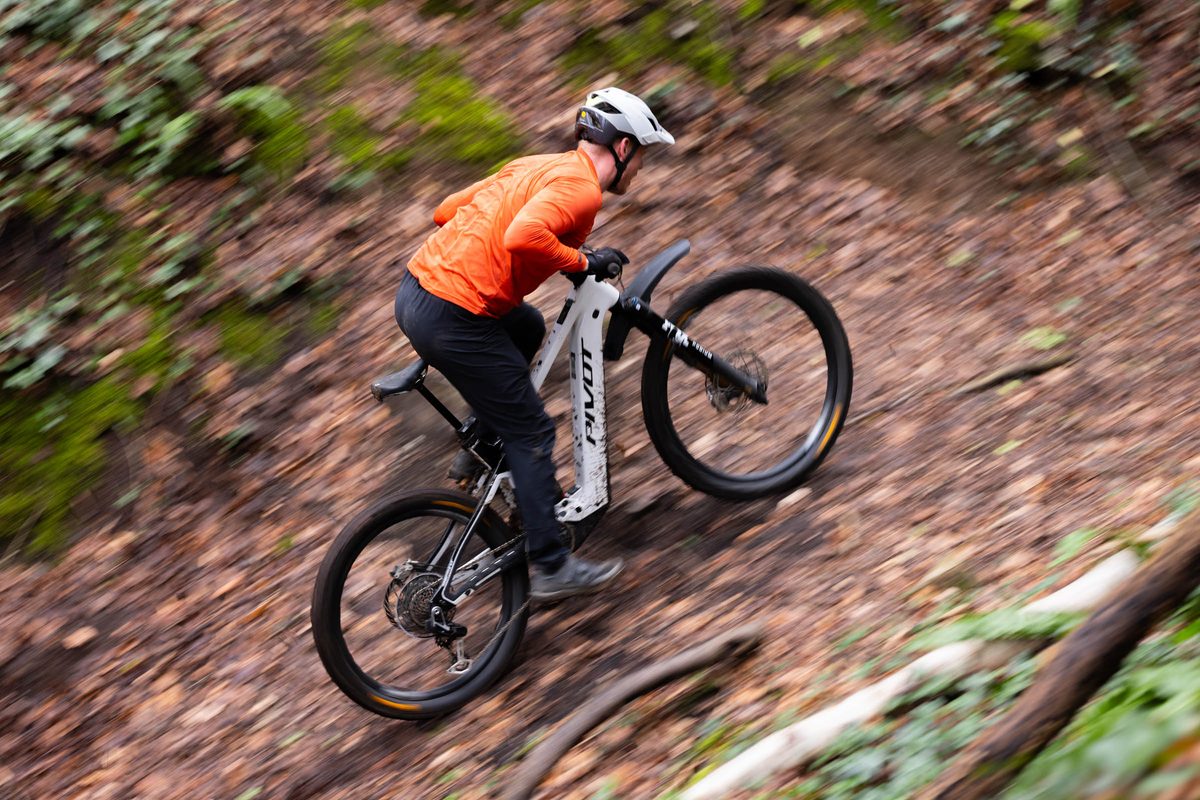
Reviewers were unusually aligned in describing the Shuttle LT as a precise, supportive e-enduro bike rather than a plush, isolating one. Freehub called it a "surgical" tool, and that theme carries through other reviews: BikeRadar said it delivers unusual "pep and punch" for a roughly 25 kg bike, while E-MOUNTAINBIKE noted a noticeably firm, direct ride feel. Across reviews, the DW-link suspension was praised for combining small-bump sensitivity with a strong, supportive mid-stroke and reliable end-stroke control. Testers consistently said it avoids the wallowy, vague feel that can affect long-travel full-power bikes, and instead rewards active rider input with a taut, poppy response that makes it easier to pump, jump, and change lines.
Descending manners were another major strength. Reviewers highlighted the bike’s calm, stable front end in steep terrain, with Flow Mountain Bike noting that it felt less mentally taxing on demanding descents. The Fox Podium fork on higher-end builds drew particular praise for front-end traction and smoothness, though some testers also flagged a downside: the stiff chassis, rigid front end, and premium wheel/cockpit combinations can transmit more trail feedback than some riders will want on long, rocky runs. Reviewers also noted a trade-off in the geometry. The high stack and stable front end inspire confidence at speed, but E-MOUNTAINBIKE found that riders need to consciously weight the front wheel in flatter corners. The bike’s huge range of adjustments was widely seen as a genuine asset, but BikeRadar and others pointed out that the sheer number of settings can be confusing, and features like the adjustable dropouts are not especially casual-owner friendly. On the motor side, Bosch’s CX-R system impressed with climbing power, but Race mode was seen as polarizing: useful in technical ledge moves, yet too abrupt for some testers compared with eMTB+ mode.
Precise, but ready to smash. | 2026 Pivot Shuttle LT
Im ersten Test: Das neue Pivot Shuttle LT 2026 – Built to be Tuned? | E-MOUNTAINBIKE Magazine
eMTBs have often felt heavy and dull, but this new bike changed my mind | BikeRadar
2026 Pivot Shuttle LT First Ride - Flow Mountain Bike