E-ASTR
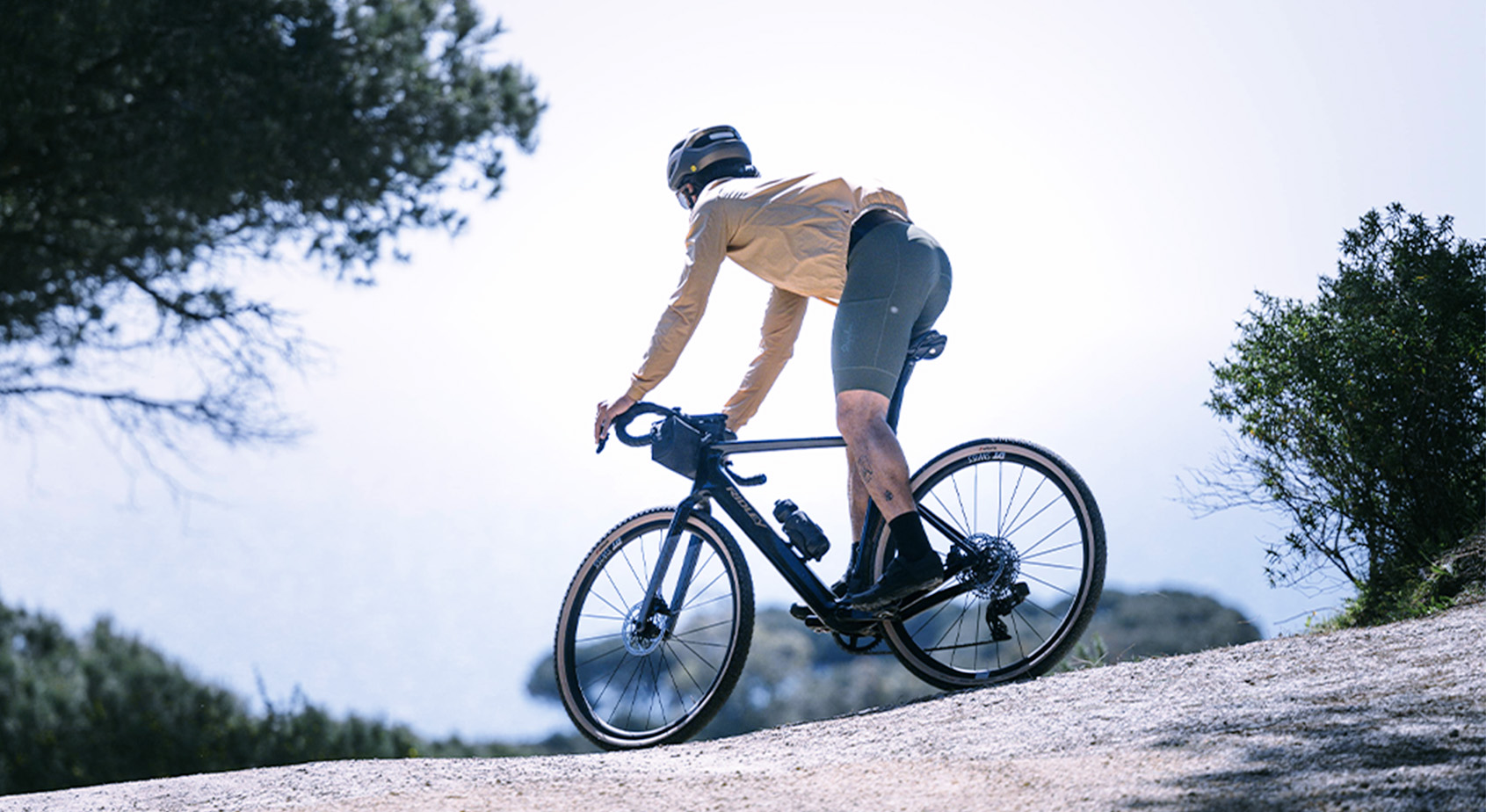
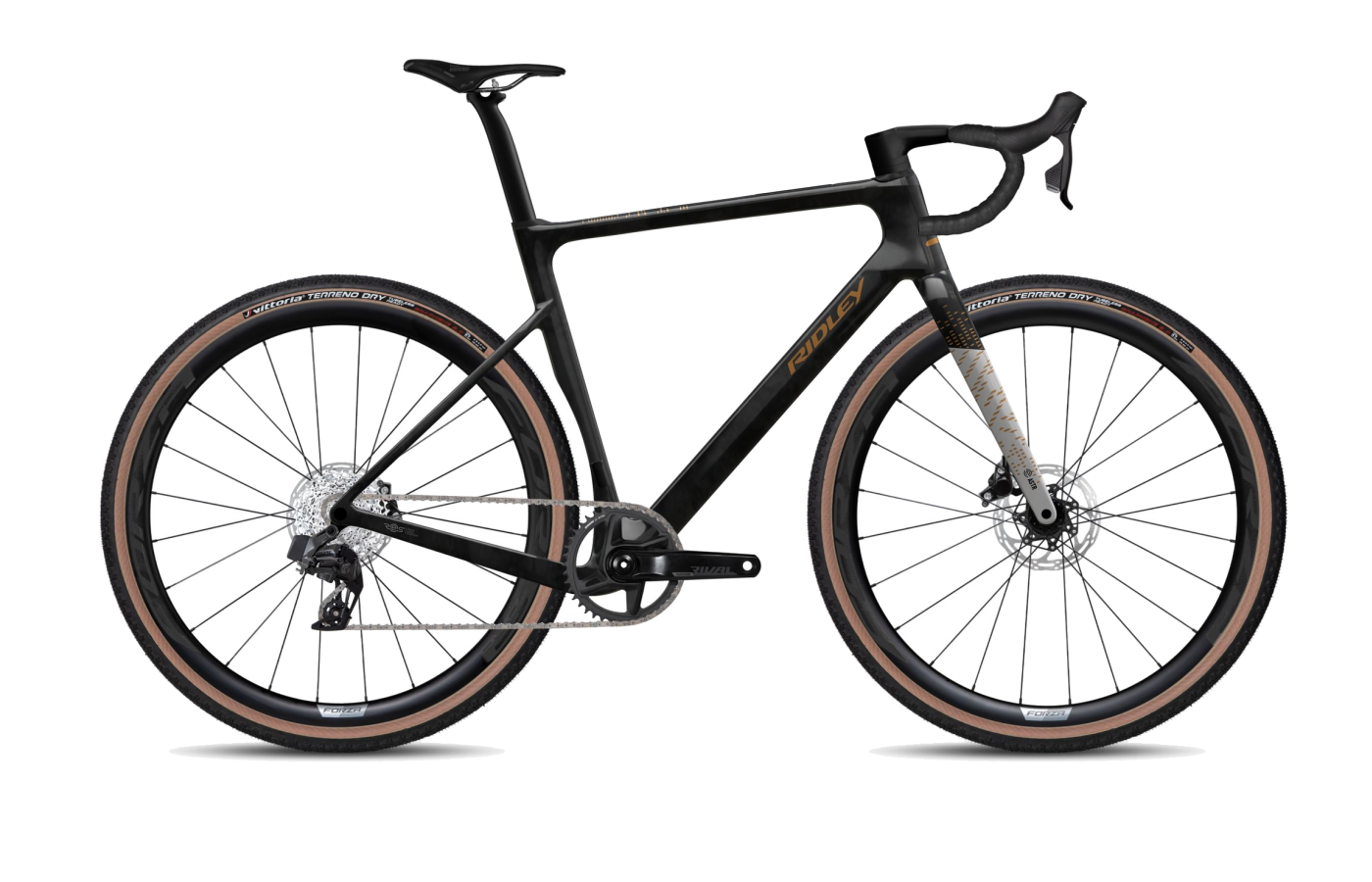
The Ridley E-ASTR is a lightweight, race-oriented e-gravel bike built as the electric counterpart to the ASTR/ASTR RS platform rather than as a separate, comfort-focused e-bike concept. It uses an HM carbon frame, the compact TQ HPR40 mid-drive, and a 290 Wh internal battery, with an optional 160 Wh range extender for riders who need more than the standard setup can provide. Ridley has kept the integrated-assist layout notably discreet, with the motor tucked behind the chainrings and the battery housed in the downtube, so the bike preserves the silhouette and intent of a high-performance gravel chassis rather than drifting toward utility-bike territory.
What distinguishes this generation is that Ridley did not soften the geometry to accommodate electrification. The E-ASTR carries over the same performance-minded layout as the analog ASTR family, including a 71.5° head angle, 74° seat angle, 425 mm chainstays, 75 mm bottom bracket drop, and clearance for tires up to 52 mm. That places it squarely in the premium end of the e-gravel market for riders who want subtle assistance without giving up sharp handling, efficient pedaling position, or modern gravel race-bike fit. Features such as flat-mount brakes, 12x142 rear spacing, UDH compatibility, and internal cable routing reinforce that this is a current, competition-ready platform rather than an adapted all-road e-bike.
Geometry & fit.
5 sizes published.
The E-ASTR's geometry is firmly performance-oriented for a gravel bike, and the numbers show that Ridley prioritized a fast, centered riding position over relaxed touring ergonomics. In size M, the bike pairs a 571 mm stack with a 406 mm reach, while the head tube angle sits at 71.5° on M through XL and 71° on XS and S. That gives the front end a fairly direct steering response without becoming excessively nervous for gravel use. The 74° seat tube angle on most sizes keeps the rider in an efficient pedaling position, with XS slightly steeper at 74.5° and XL slightly slacker at 73.5° to preserve fit balance across the range.
Handling is shaped as much by the lower half of the bike as by the cockpit. A 425 mm chainstay across all sizes is short for an e-gravel platform and helps the bike feel more responsive under power and easier to place through tighter turns. The 75 mm bottom bracket drop is notably low, which lowers the rider's center of gravity and should add composure on fast descents and loose surfaces. Wheelbase grows from 1006 mm in XS to 1085 mm in XL, so the bike should scale predictably with size rather than becoming disproportionately twitchy or stretched out. Overall, the fit and geometry point to riders who want a familiar race-gravel stance with stable high-speed manners and quick enough steering for technical terrain.
Where the handlebar sits relative to the bottom bracket — the single most important fit pair.
01Fit geometry6 values
03Handling geometry5 values
Which size should I buy?
Slide your height to see the recommended size. GearWise's fit algorithm works from the published stack, reach, and ETT — the brand's own recommendation may differ.
→Calculated from GearWise's own stack / reach / ETT algorithm — the brand's size chart may recommend a different size, and a proper bike fit beats any calculator.
The lineup.
2 builds.
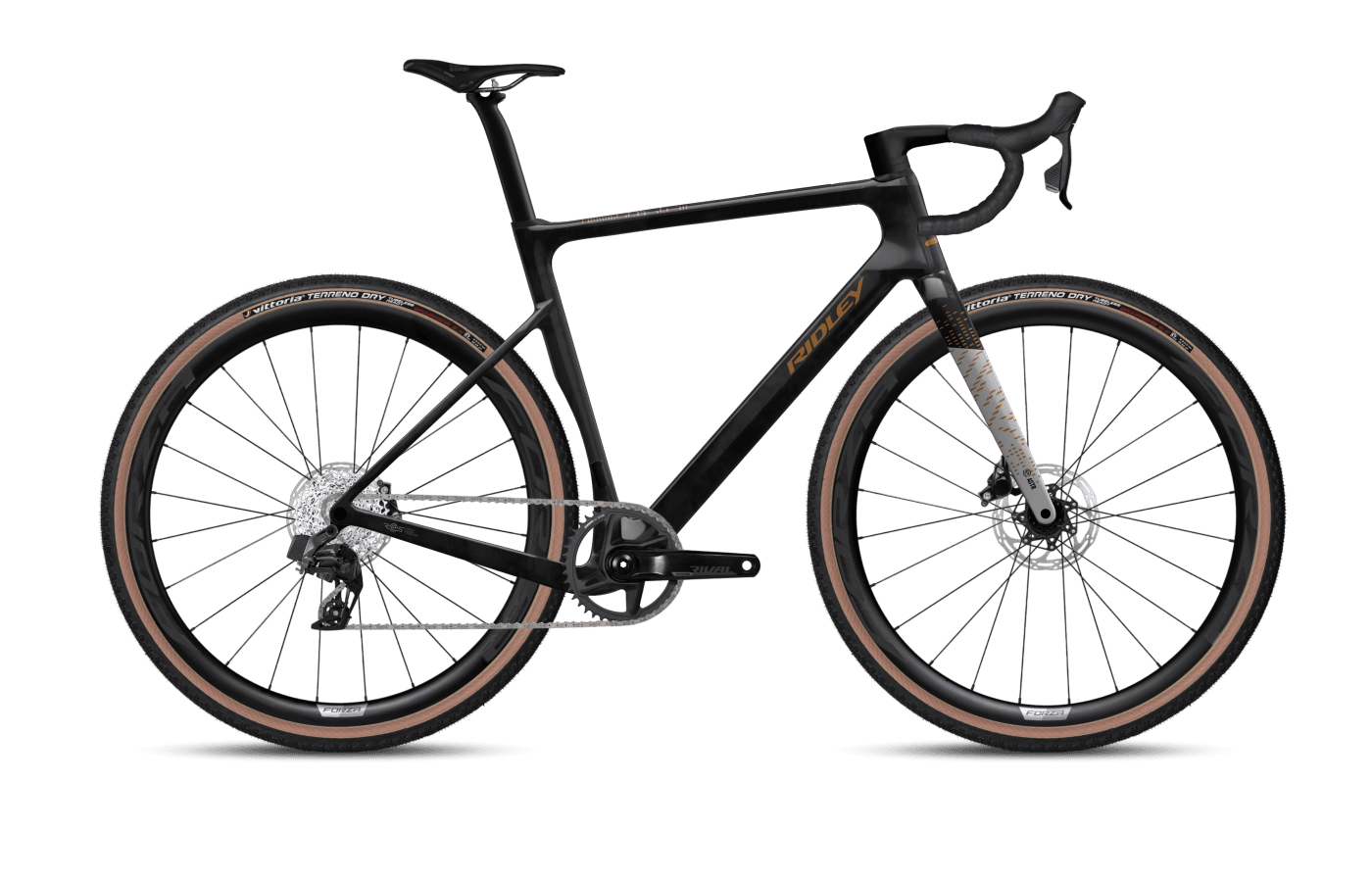
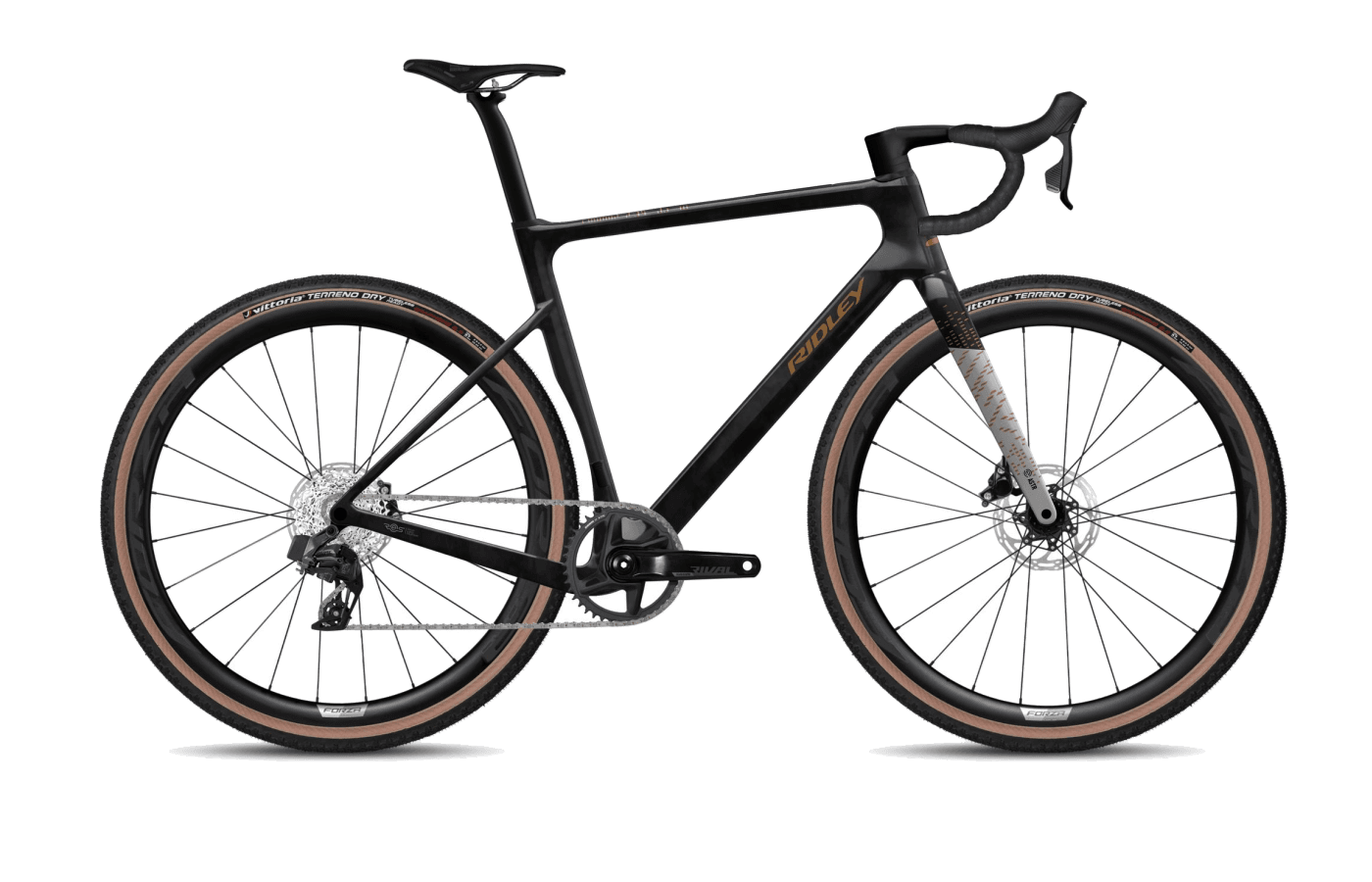
Available build information is limited, but the listed range shows Ridley positioning the E-ASTR around modern drivetrain choices rather than entry-level compromise. The two identified builds are a SRAM Apex XPLR AXS 1x12 setup and a SRAM Rival XPLR 1x13 setup. Even the lower-tier option uses wireless electronic shifting, which is consistent with the bike's premium placement and clean integrated concept.
The Rival XPLR 1x13 build is the more performance-focused of the two listed options, likely appealing to riders who want a broader and more tightly spaced gravel-specific gear range. The Apex XPLR AXS version should be the more accessible entry into the platform while still preserving the core frame, motor system, and intended ride character. With no confirmed pricing or full component lists in the provided data, the clearest takeaway is that Ridley is keeping the E-ASTR range relatively focused: same high-end chassis and TQ drive system, with drivetrain level as the main differentiator.
From the press.
1 review from the cycling press.
Reviewers consistently describe the E-ASTR as an e-gravel bike that rides far more like a conventional performance gravel bike than a typical motorized platform. Bici Style highlighted that it keeps the same aggressive geometry and overall approach as the non-electric ASTR RS, calling it a sporty, light gravel bike with "invisible" assistance that does not dilute the ride feel. Across the available commentary, the TQ HPR40 system is a major strength: testers praise its gentle, natural delivery, low weight, and the absence of abrupt drag or awkward transitions once assistance cuts out above 25 km/h. That gives the bike a "tailwind" character rather than the surge-and-wall sensation associated with heavier, higher-torque systems.
The geometry also earns repeated praise. Reviewers point to the 71.5° head angle for precise steering, the 75 mm bottom bracket drop for stability at speed, and the short 425 mm chainstays for preserving agility despite the added motor and battery. The 52 mm tire clearance is treated as more than a comfort feature; it is seen as central to control and traction on rough, technical gravel. The main caveats are less about execution than about positioning. The E-ASTR is not presented as a high-power, long-range e-bike, and the 290 Wh battery is generally framed as sufficient for shorter to medium outings rather than all-day, high-assistance use without the optional range extender. Reviewers also note that, as a newly released and highly integrated carbon e-bike, long-term durability and service implications are still less proven than on more established platforms.