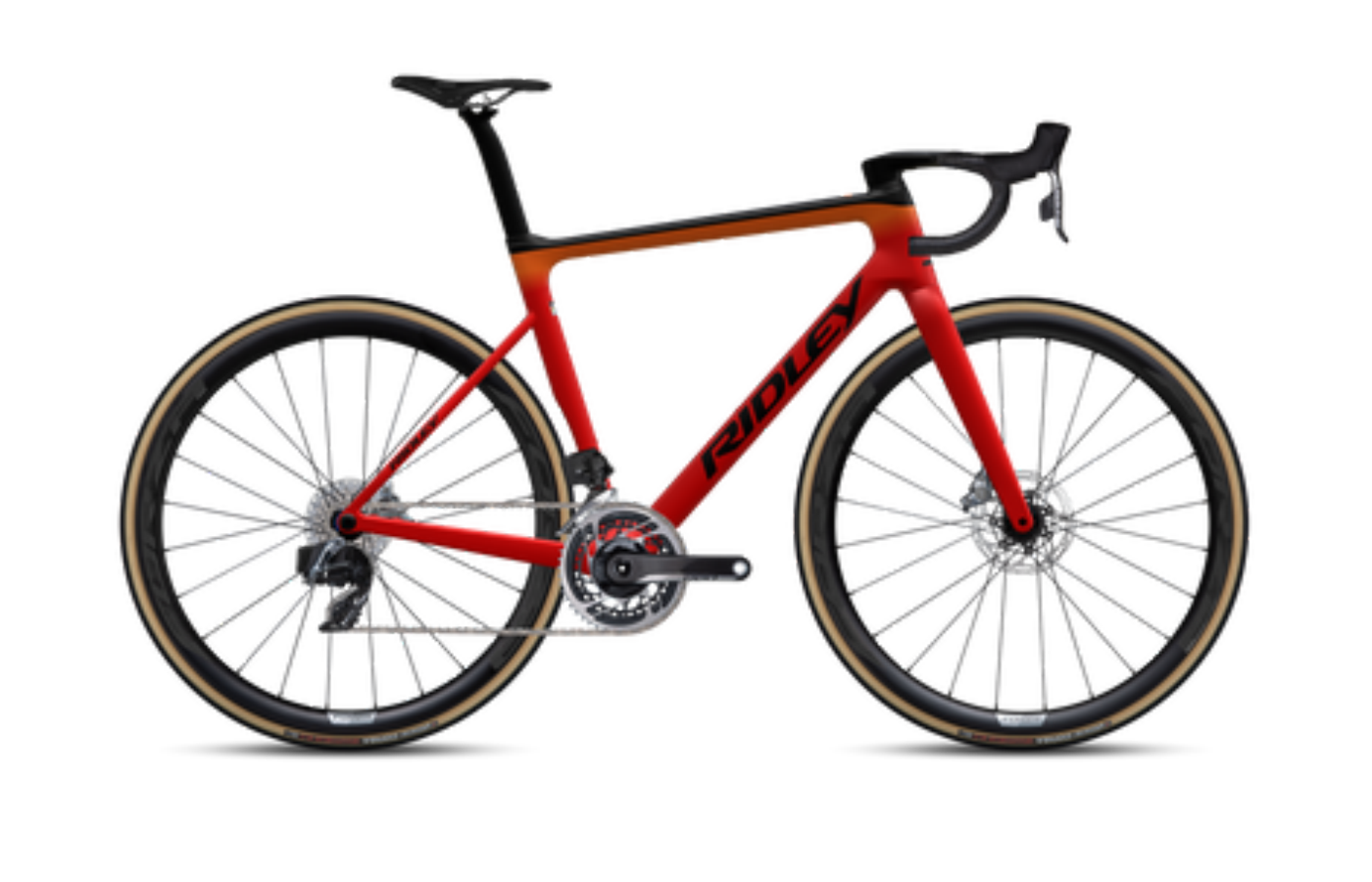
Ridley
Fenix SLiCShimano Ultegra DI2 2x12sp
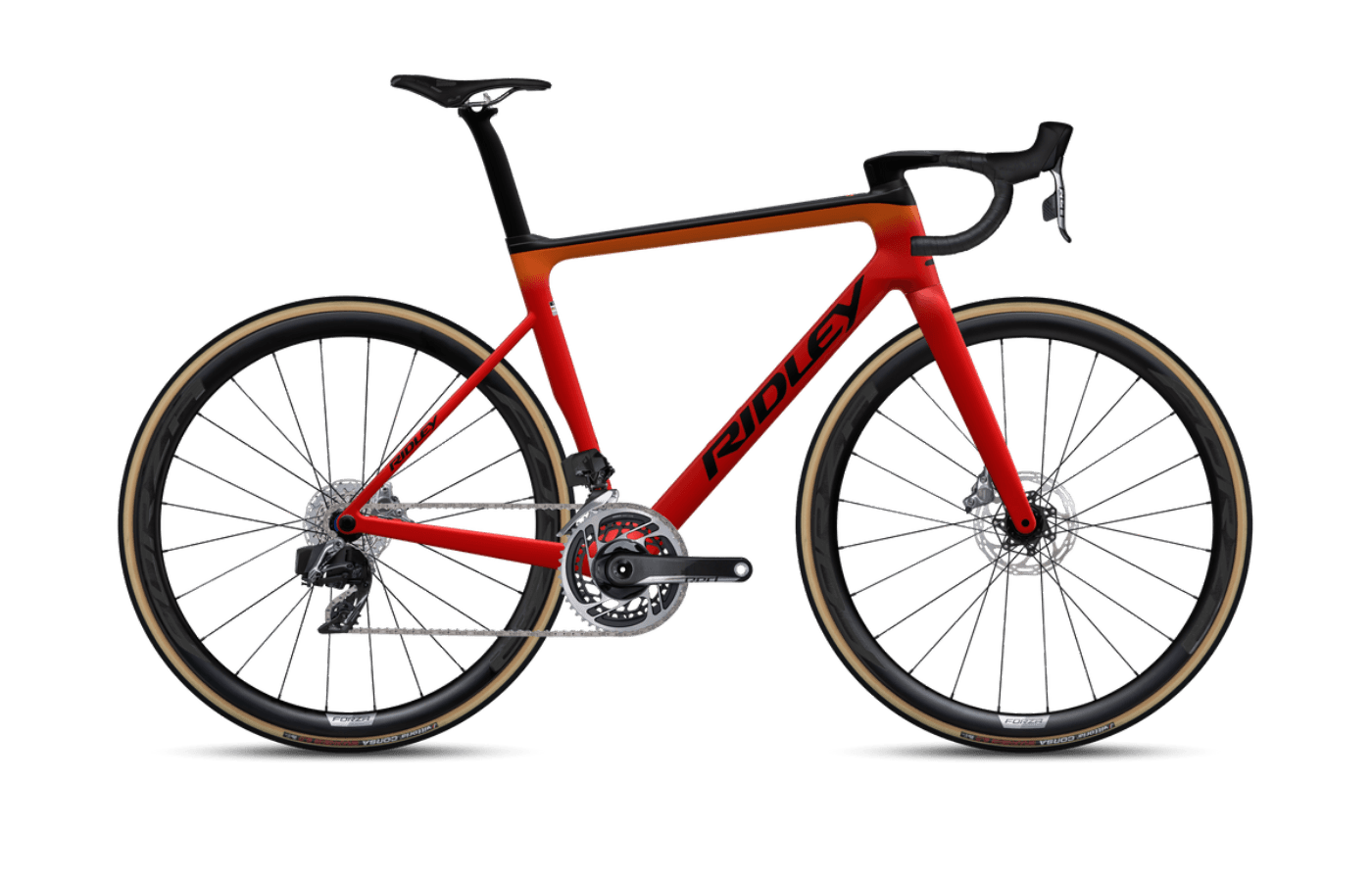
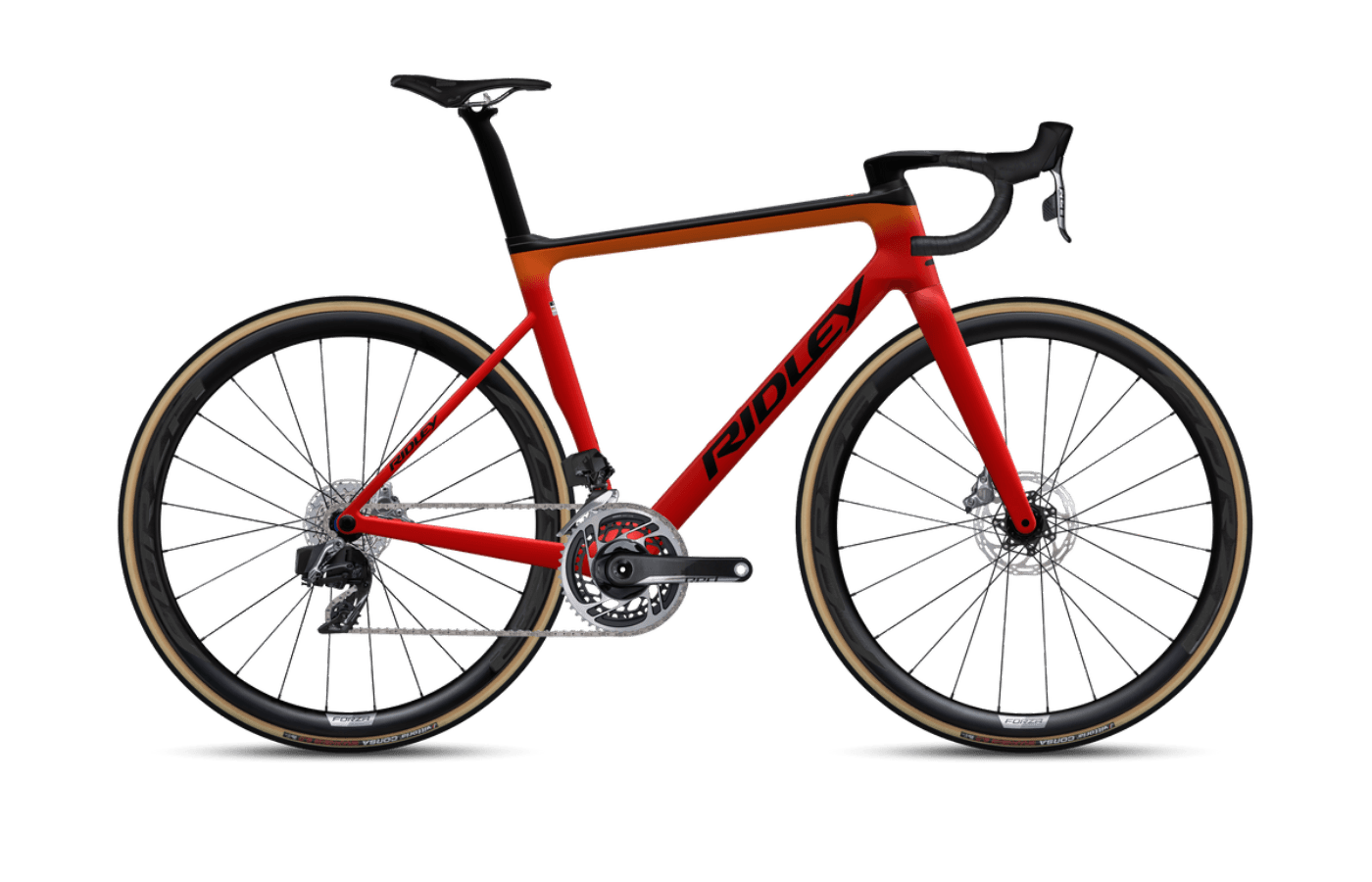
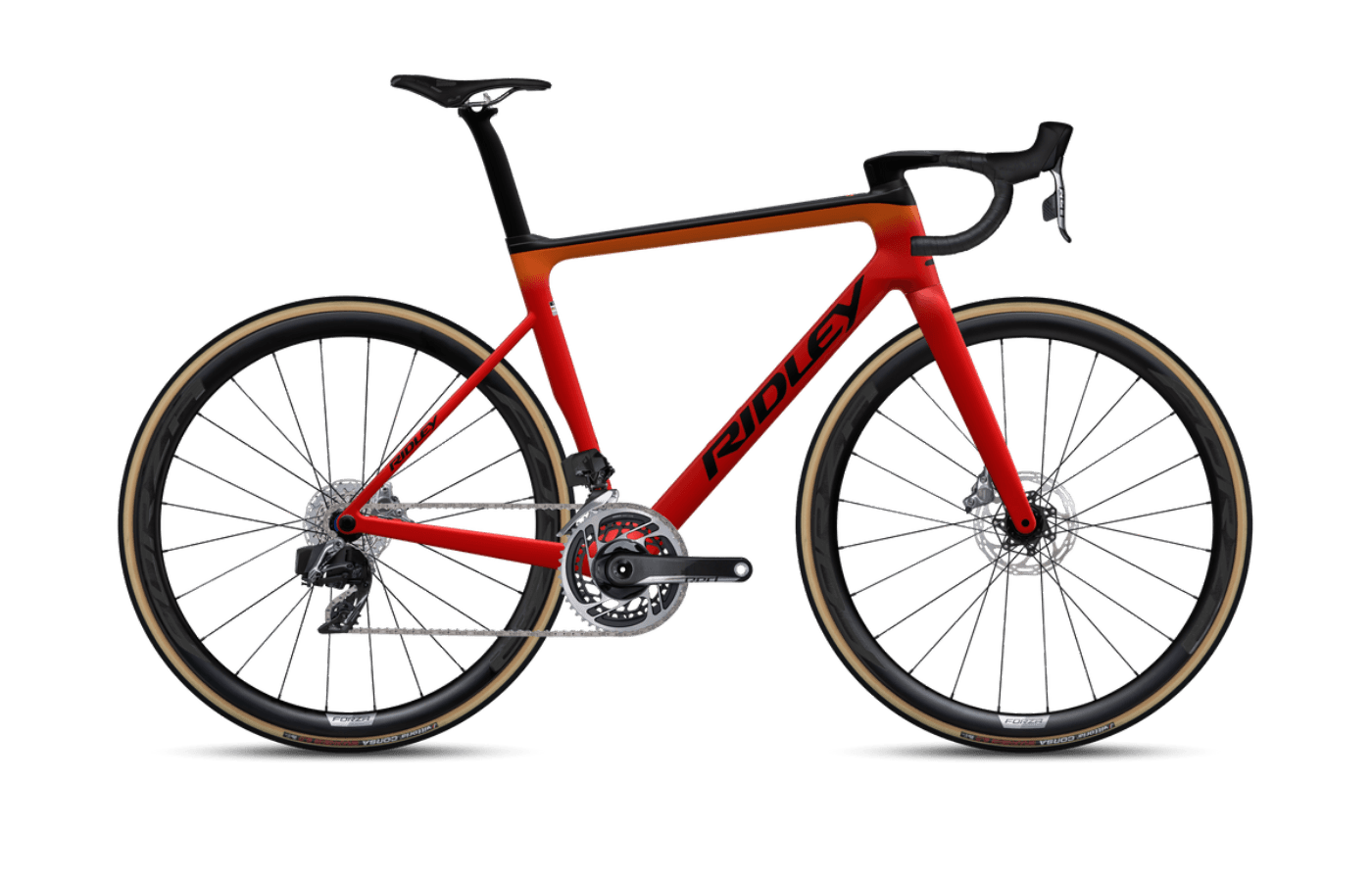
The Ridley Fenix SLiC is Ridley’s carbon endurance road platform built around a fairly specific brief: preserve race-bike efficiency and front-end cleanliness, while adding selective compliance at the rear of the bike. Introduced for 2021 and still current in the same basic form, it combines a comfort-focused rear triangle and curved top tube with the brand’s F-Steerer system for fully integrated cable routing. That gives it a more modern, aero-conscious front end than many traditional endurance bikes, but the rest of the chassis remains conventional in some important ways, including a BB86 press-fit bottom bracket, 27.2 mm round seatpost, disc-only layout, and flat-mount thru-axle setup.
Spec sheet.
Every component shipped with this build.
Geometry & fit.
5 sizes published.
The Fenix SLiC’s numbers put it on the sharper side of endurance-road geometry. In size M, the bike has a 565 mm stack and 392 mm reach, paired with a 73.5-degree head angle, 73-degree seat angle, 410 mm chainstays, and a 992 mm wheelbase. Those figures are not especially long or ultra-relaxed by endurance standards; instead they suggest a moderately low front end, compact rear triangle, and handling that should feel quick without being nervous. The short 410 mm chainstays on S, M, and XS sizes in particular support the reviewers’ comments about acceleration and responsiveness.
Across the size range, the front-end geometry stays fairly performance-oriented. The XS uses a slacker 72-degree head angle and 68 mm BB drop for stability at smaller wheelbase lengths, while the XL steepens to 74 degrees and stretches to a 1022 mm wheelbase. Stack grows from 517 mm in XS to 615 mm in XL, while reach moves from 377 mm to 409 mm, so fit progression is sensible rather than extreme. Overall, the geometry supports an endurance bike for riders who still want a purposeful position and direct road handling, not a high-stack, ultra-relaxed fit.
Where the handlebar sits relative to the bottom bracket — the single most important fit pair.
01Fit geometry6 values
03Handling geometry6 values
Which size should I buy?
Slide your height to see the recommended size. GearWise's fit algorithm works from the published stack, reach, and ETT — the brand's own recommendation may differ.
→Calculated from GearWise's own stack / reach / ETT algorithm — the brand's size chart may recommend a different size, and a proper bike fit beats any calculator.
The lineup.
6 builds.
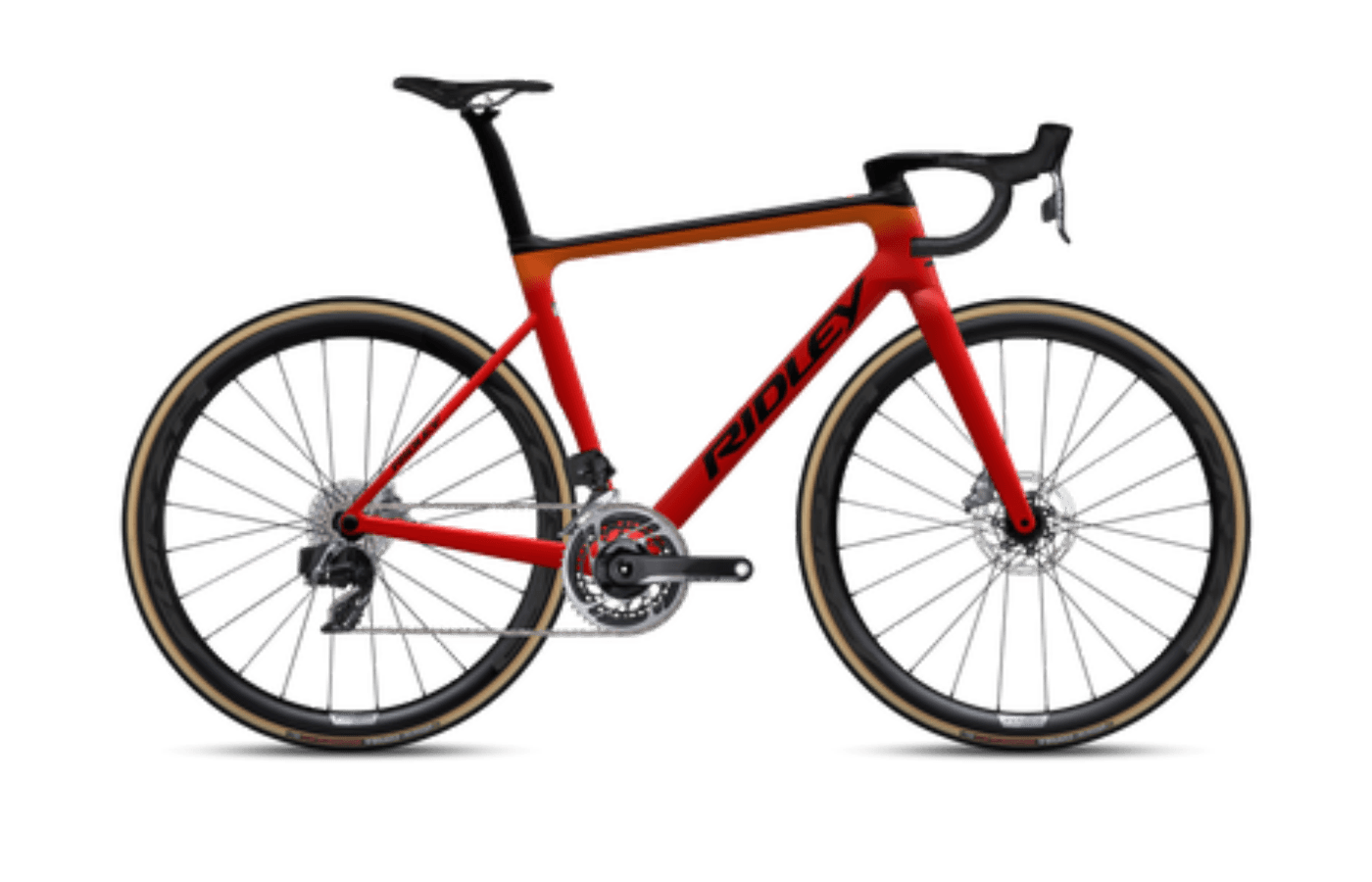
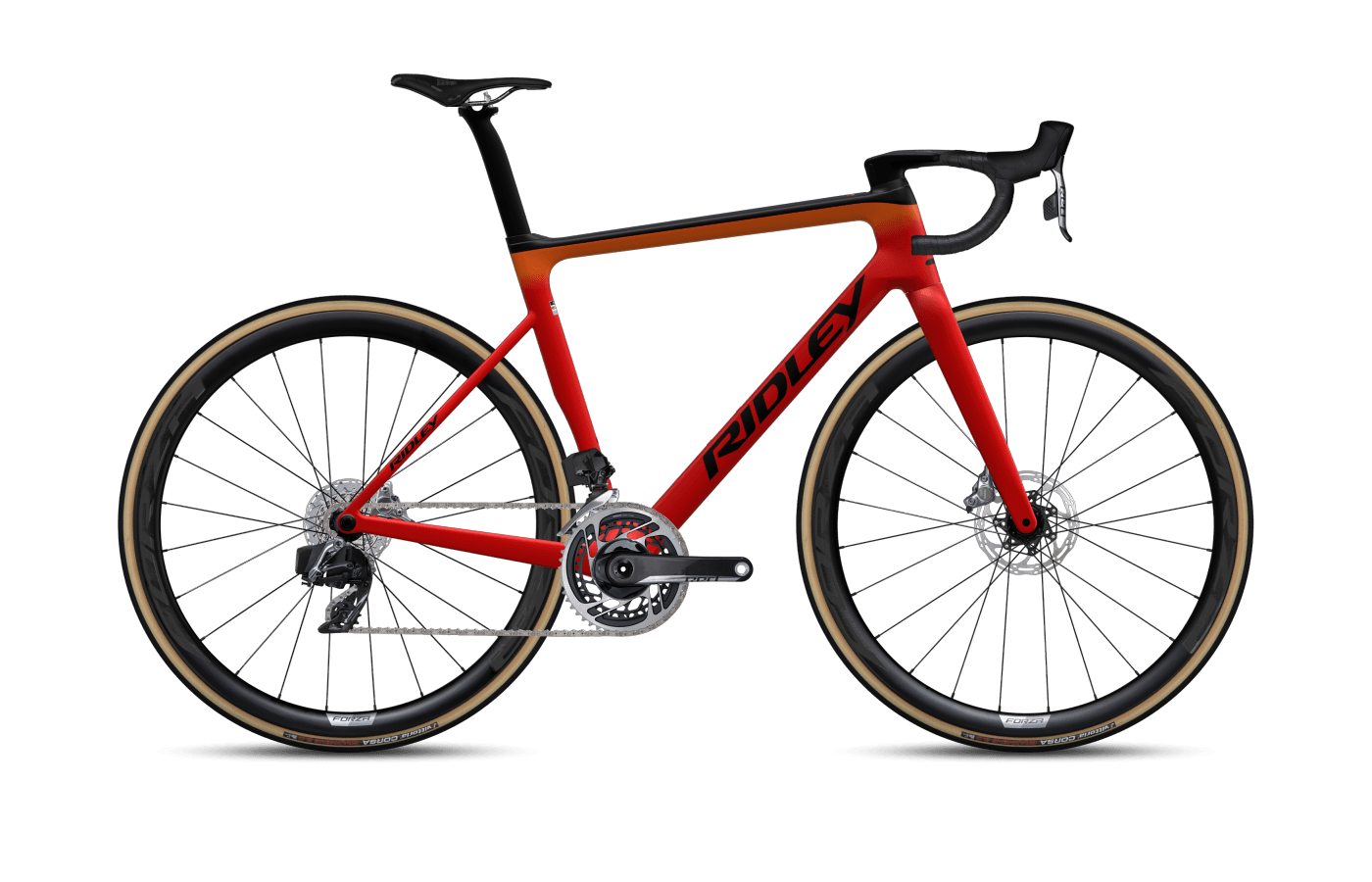
The available Fenix SLiC builds span a notably premium range, with electronic shifting dominating the lineup. Listed options include SRAM Rival AXS, SRAM Force eTap AXS, Shimano Ultegra Di2, Shimano 105 Di2, a Classified SRAM Force AXS 1x12 Powershift build, and even a Campagnolo Super Record EPS option. That positions the bike firmly above entry-level endurance bikes and makes the frame a platform aimed at riders shopping in the mid- to high-end carbon road segment.
Review coverage specifically notes that SLiC models were offered around €4,548 for a Rival eTap AXS build and up to €6,399 for an Ultegra Di2 version, with Cycloscope highlighting electronic groupsets as a key part of the package. That review also called out spec differences such as the Ultegra Di2 bike’s integrated Forza Aero cockpit, Forza Levanto DB wheels, and Selle Italia SLR Boost saddle, while other builds used more conventional Deda Zero2 bars and Selle Italia XR saddles. The common theme is a high-quality carbon chassis with modern drivetrain spec, though the use of aluminum wheels at these prices leaves obvious room for a wheel upgrade.
From the press.
2 reviews from the cycling press.
Review feedback paints the Fenix SLiC as a performance-first endurance bike rather than a soft, upright cruiser. Cycloscope described it as stiff and responsive with great acceleration, arguing that its main trait is frame stiffness rather than outright comfort. That review also said the bike is a little harsh on long rides, especially with stock contact points, and positioned the cheaper aluminum Fenix SLA as the stronger value option. At the same time, Cycloscope still regarded the SLiC as a capable all-rounder that works well uphill, on the flat, downhill, and even on rougher roads and cobblestones.
Mister Padyakero’s experience was more positive on comfort, crediting the slim rear triangle and top tube design with noticeable compliance and reporting no body pain after rides beyond 200 km on rough Philippine roads, gravel, and cobbles. He also praised its descending stability and cornering response, saying the bike follows body movement well when leaned over, and found it aggressive enough to feel comparable to a racier bike in sprints. Taken together, the reviews agree on the bike’s efficient power transfer, confident handling, and broad capability, but differ on how much comfort the frame actually delivers in stock form.
![RIDLEY Fenix SLiC vs SLA [2022 Review!] Aluminum to Carbon](https://paklmrfyhygqlkyhjcnf.supabase.co/storage/v1/object/public/storage/review-images/ridley/fenix-slic/2021/review-73d4f248f06d.jpg)