Triton Fast
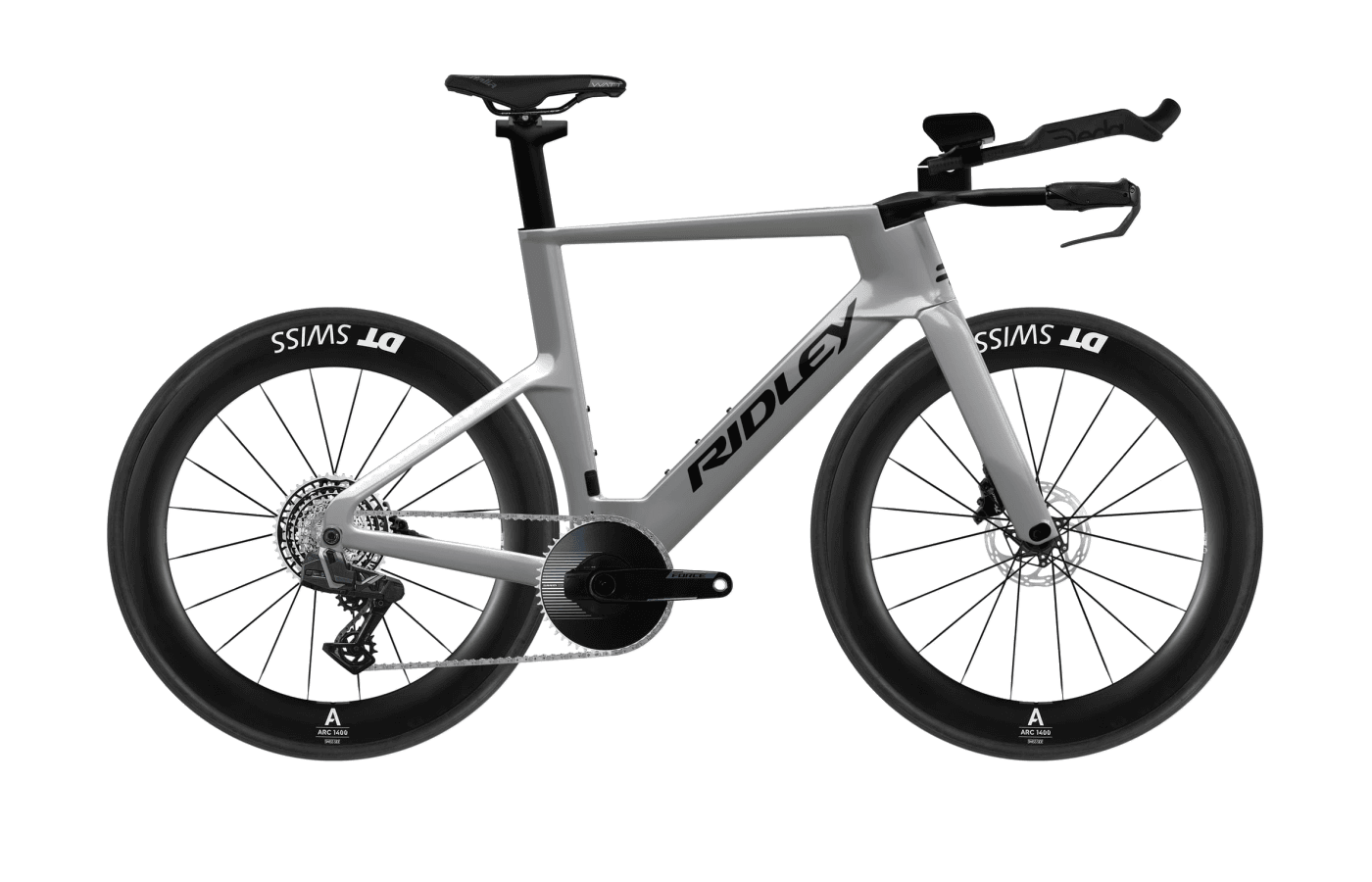
The Ridley Triton Fast is a notable addition to the triathlon market because it is not simply a time-trial bike repurposed for non-drafting racing. Ridley positions it as its first dedicated triathlon platform, and the design details support that claim: the bike uses a longer-reach, taller-front-end fit concept than a typical UCI-driven TT bike, paired with a highly adjustable mono-riser cockpit intended to accommodate a broader range of triathlon positions. The fork flip-chip system is another distinctive feature, allowing the rider to alter fork offset and tune handling rather than accepting a single front-end behavior.
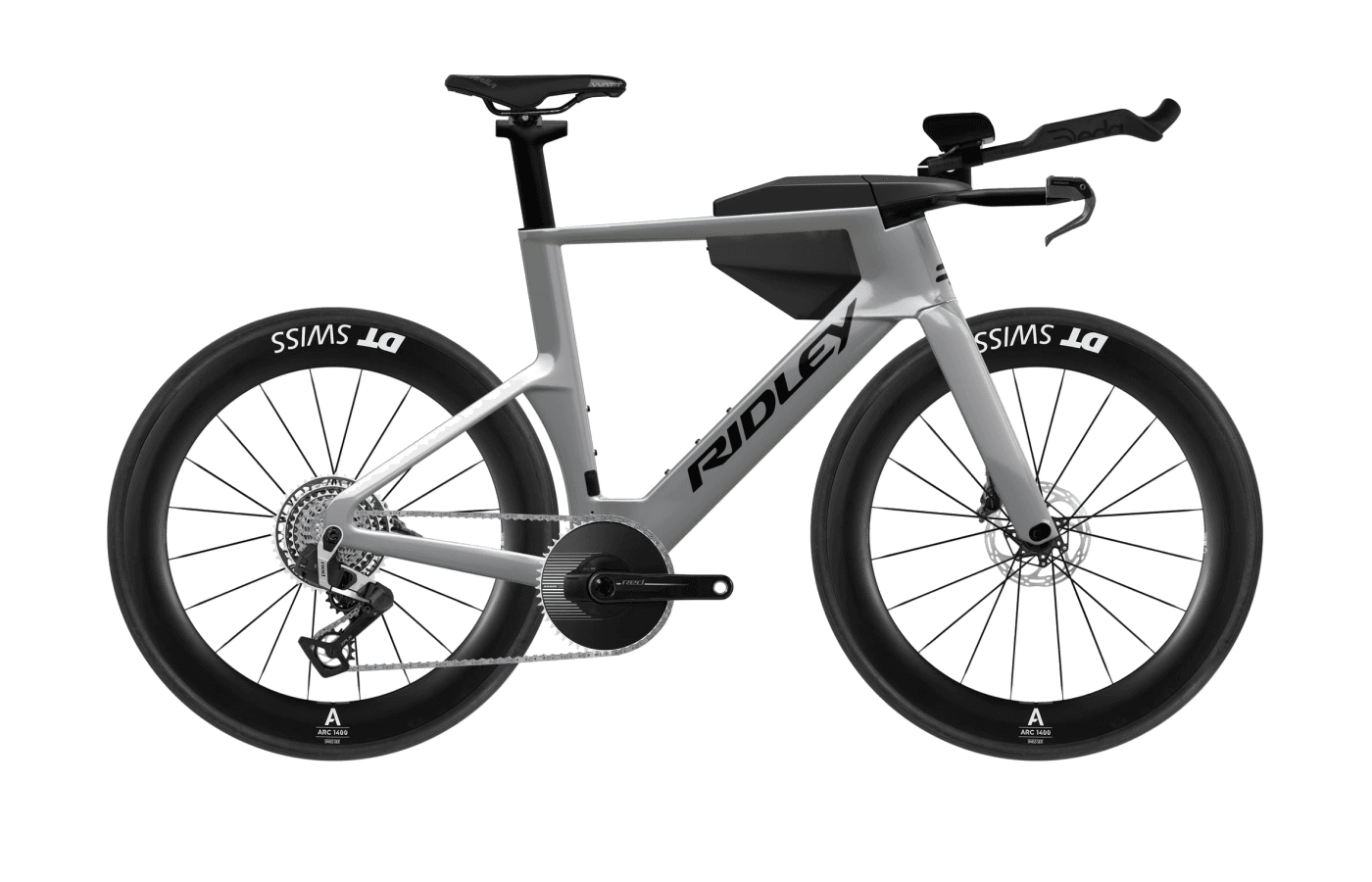
At the frame level, the Triton Fast is built around the practical demands of long-course racing as much as outright aerodynamics. It combines integrated in-frame hydration, modular aero storage, fully internal routing, disc brakes, and clearance for up to a stated 34 mm actual tire size, which is unusually generous for this category. BB86 and UDH compatibility also show a modern, service-conscious approach. In the market, it sits as a contemporary superbike-style triathlon platform aimed at athletes who want integrated race-day functionality and fit adjustability without relying on a UCI-constrained TT design brief.
Geometry & fit.
4 sizes published.
The geometry points clearly toward a triathlon-specific fit. Across the size range, the seat tube angle runs from 80 degrees on XS and S to 81 degrees on M and 82 degrees on L, putting the rider in a notably forward position suited to sustained aero pedaling and easier transitions to the run. Reach figures are long for the category at 406 mm in XS, 420 mm in S, 450 mm in M, and 480 mm in L, while stack remains comparatively generous at 476 to 568 mm. That combination supports Ridley’s stated longer-and-taller fit philosophy: stretched enough for an aggressive aero setup, but not as low and constrained as a pure UCI-style TT bike.
Handling numbers suggest stability rather than nervousness. The 410 mm chainstays are short enough to keep the bike responsive, but the wheelbase grows from 1004 mm in XS to 1089 mm in L, and the head tube angle stays relatively calm at 71 to 72 degrees depending on size. Combined with a 78 mm BB drop across all sizes, the platform should feel planted at speed and predictable in aero position. The fork flip-chip adds another layer here, giving riders some ability to fine-tune front-end behavior beyond the published static geometry.
Where the handlebar sits relative to the bottom bracket — the single most important fit pair.
01Fit geometry6 values
03Handling geometry5 values
Which size should I buy?
Slide your height to see the recommended size. GearWise's fit algorithm works from the published stack, reach, and ETT — the brand's own recommendation may differ.
→Calculated from GearWise's own stack / reach / ETT algorithm — the brand's size chart may recommend a different size, and a proper bike fit beats any calculator.
The lineup.
3 builds.
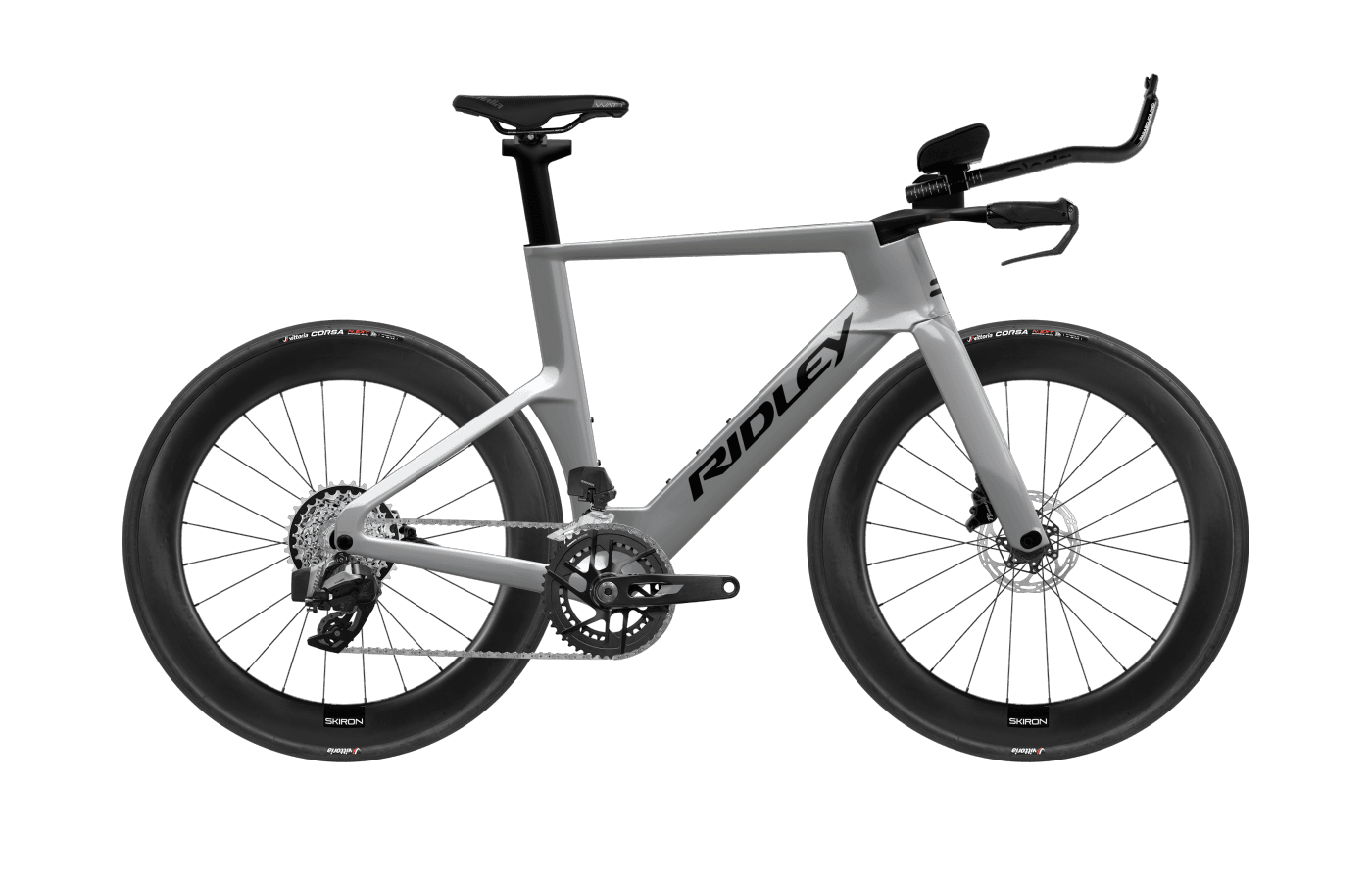
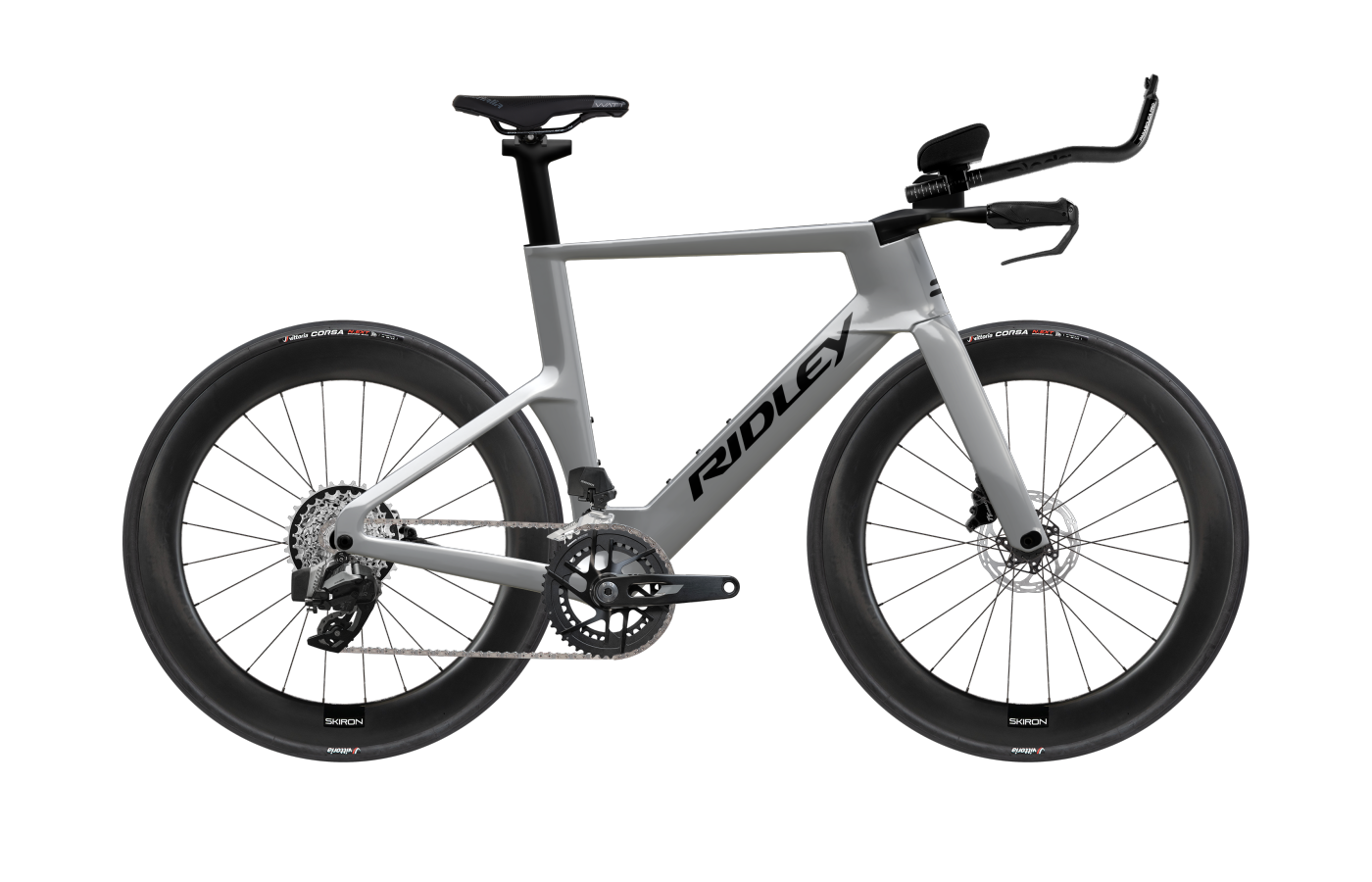
The Triton Fast is offered in three builds: SRAM Red XPLR 1x13, SRAM Force XPLR 1x13, and a new-for-2025 SRAM Rival AXS 2x12-speed option. Even without listed prices, the lineup shows a clear spread from flagship to more accessible specification. The Red XPLR build is the premium option, the Force XPLR version targets riders who want a high-end electronic drivetrain at a lower cost, and the Rival AXS 2x12 build broadens the bike’s appeal with a more conventional two-chainring setup.
The drivetrain split is especially notable because it changes the character of the bike as much as the cost. The 1x13 XPLR builds prioritize simplicity and likely cleaner aero packaging, while the Rival AXS 2x12 build should appeal to riders who want tighter gear spacing and a wider range of race-day cadence options. That gives the Triton Fast range a useful mix of top-tier superbike presentation and more practical spec choices rather than forcing every buyer into the same drivetrain philosophy.