Rocky Mountain
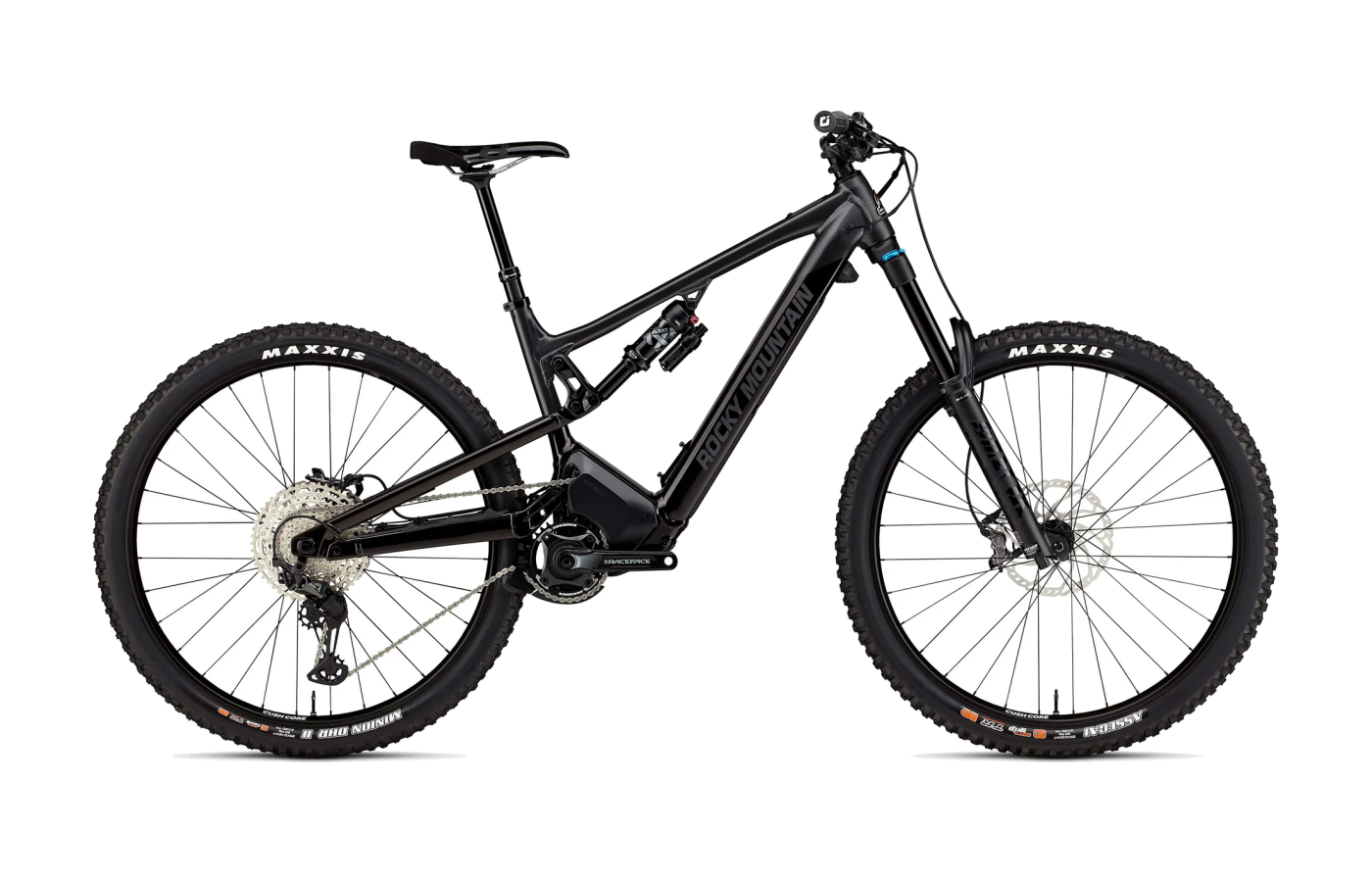
Altitude PowerplayAlloy 70
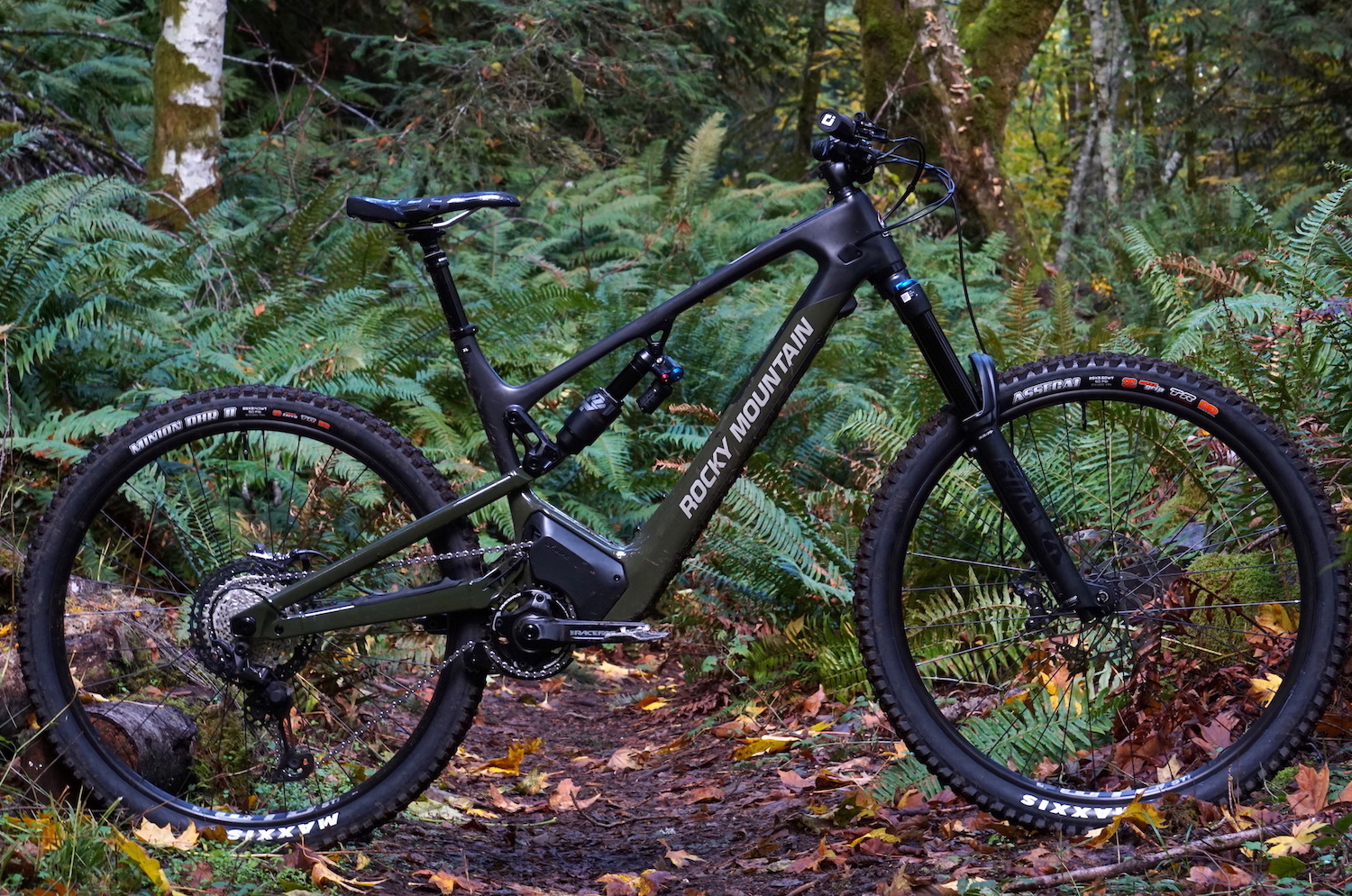
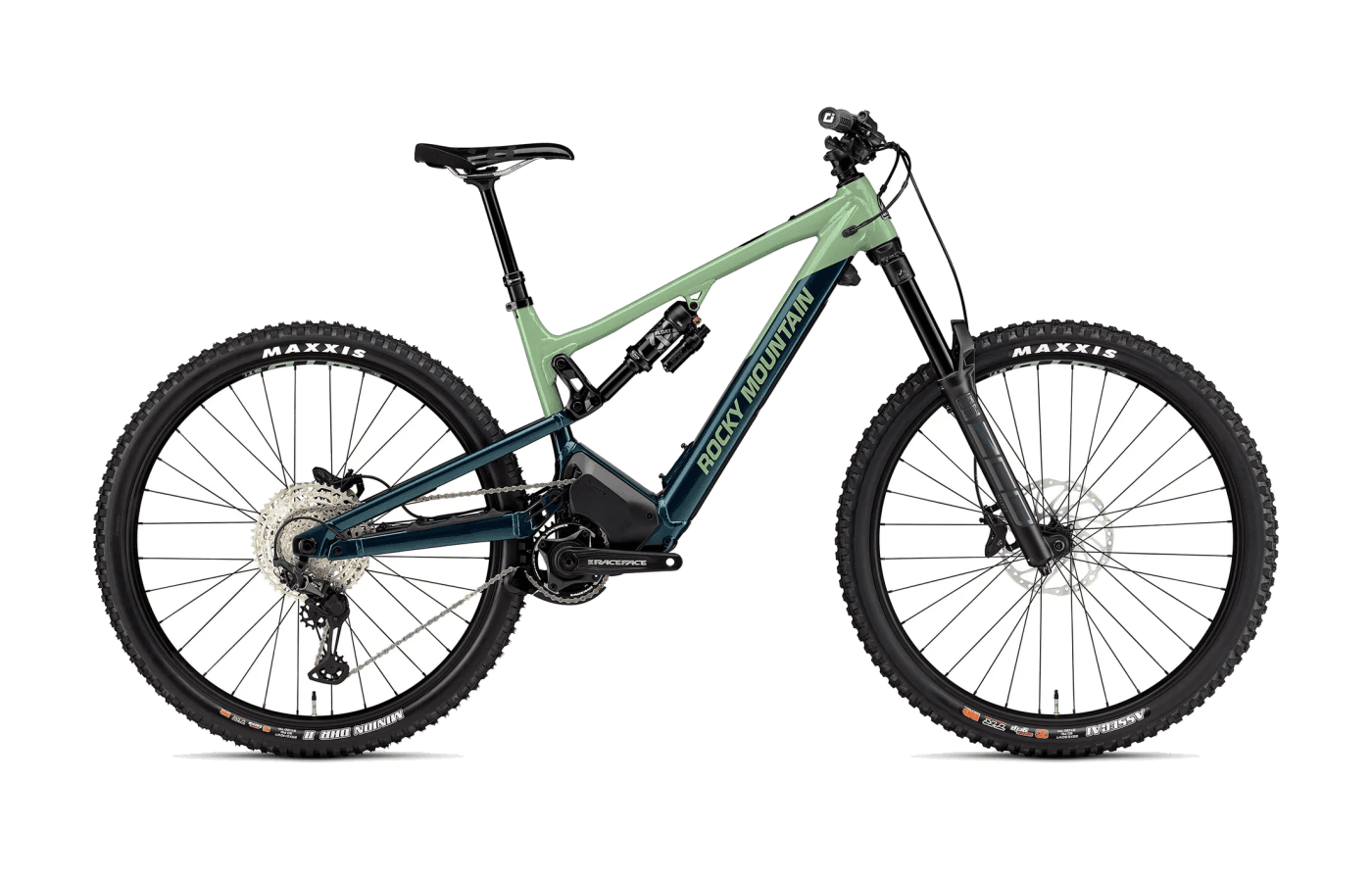
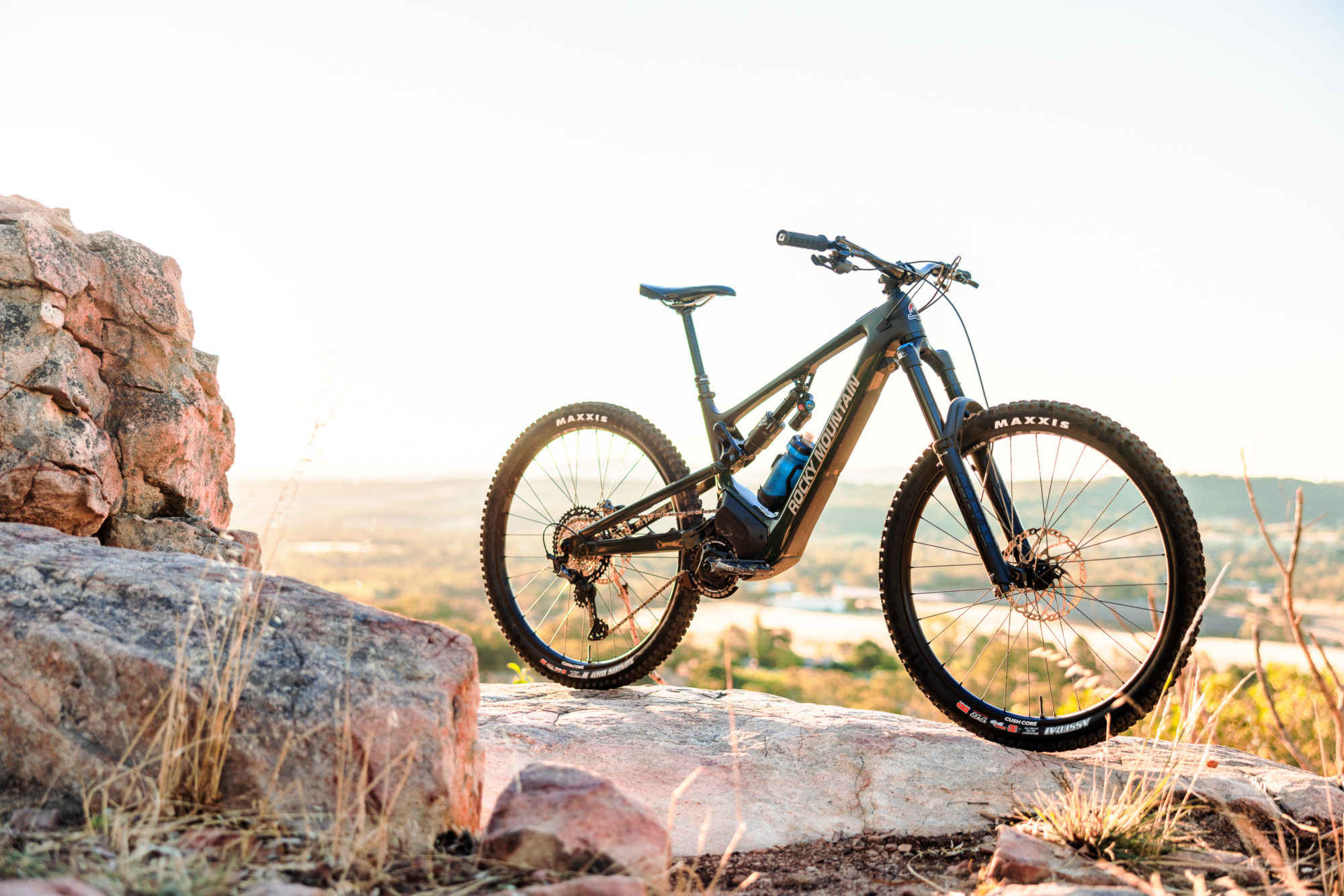
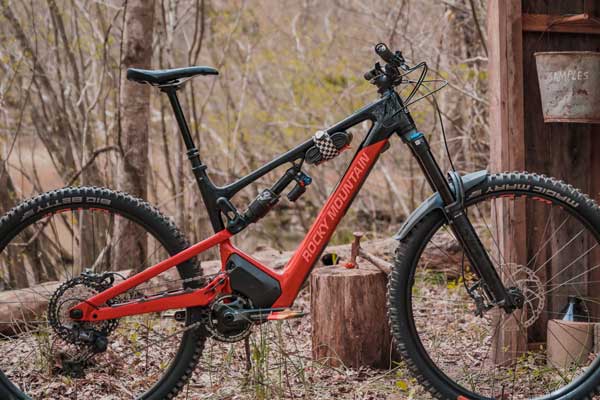
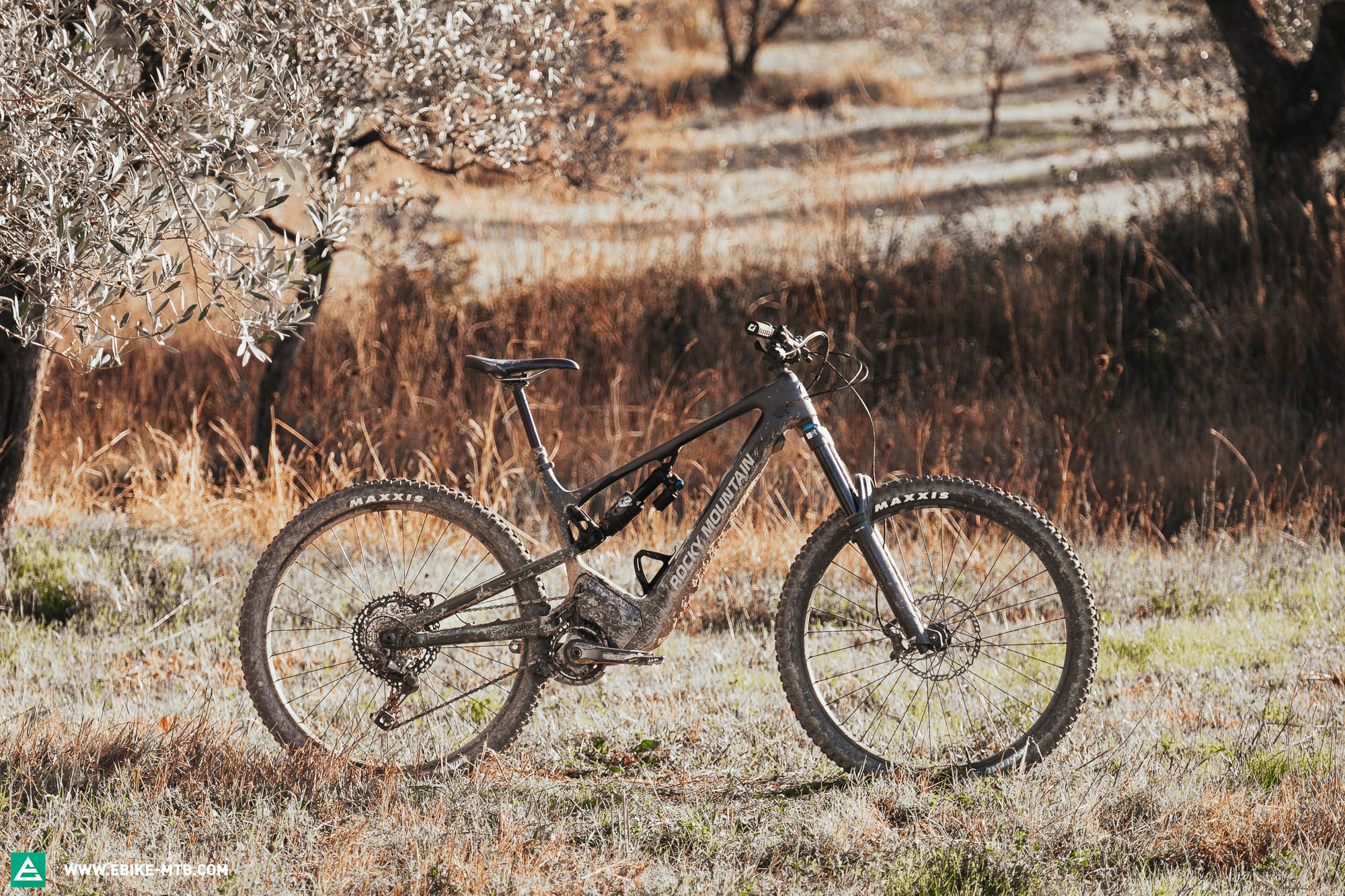
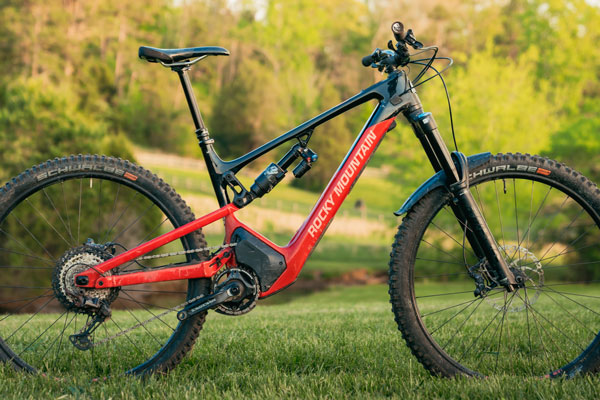
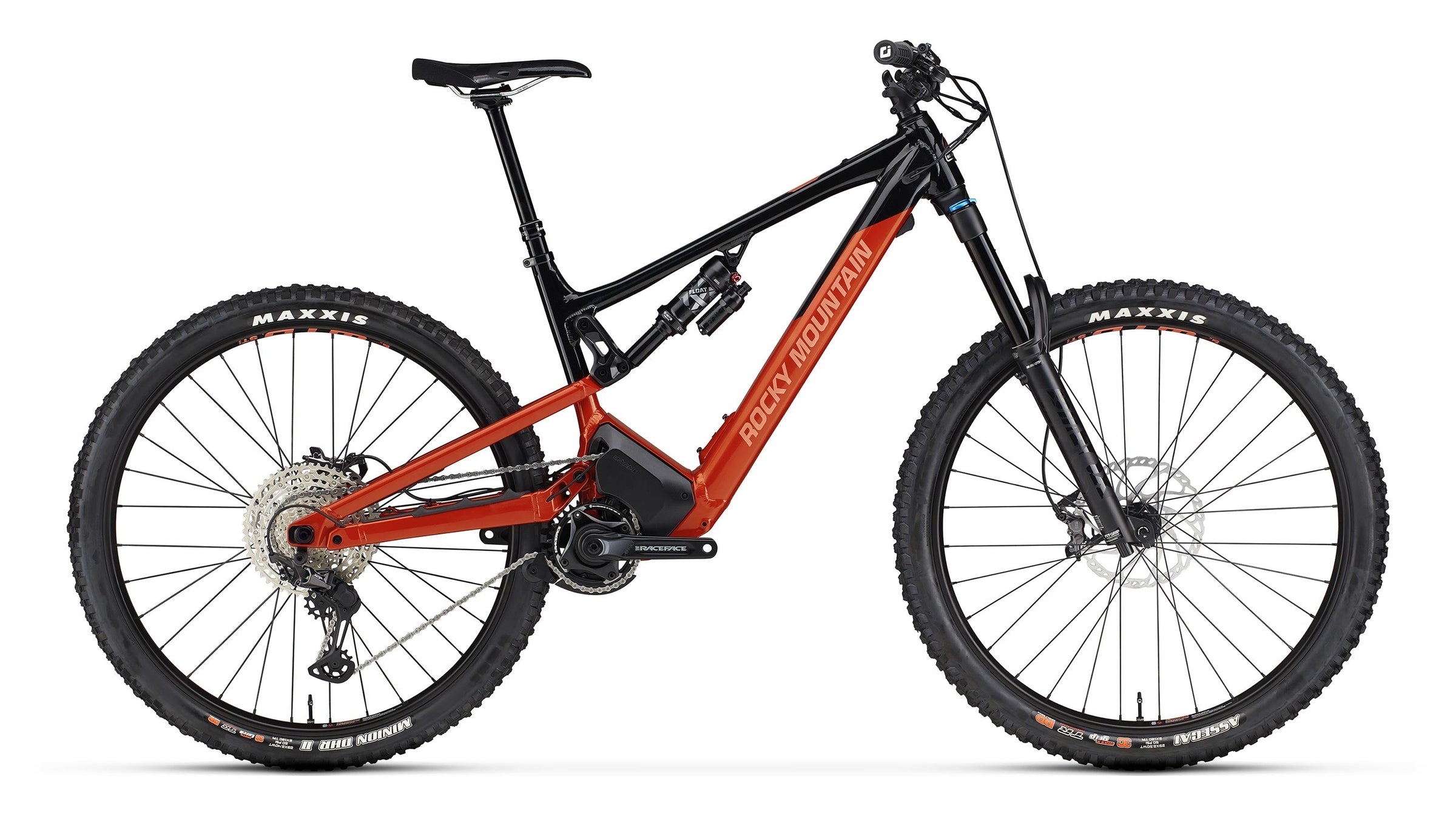
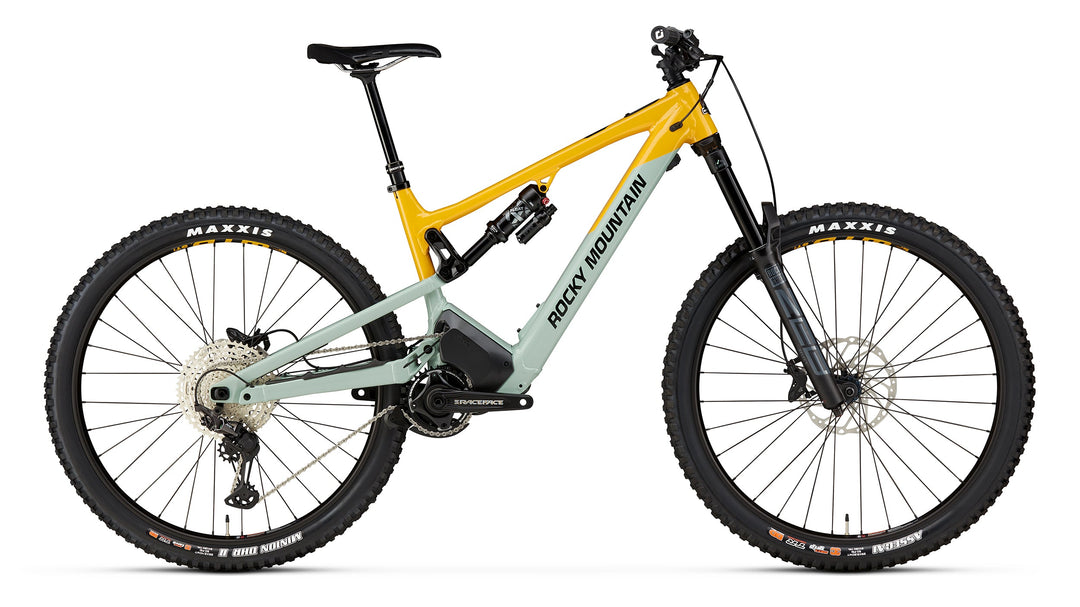
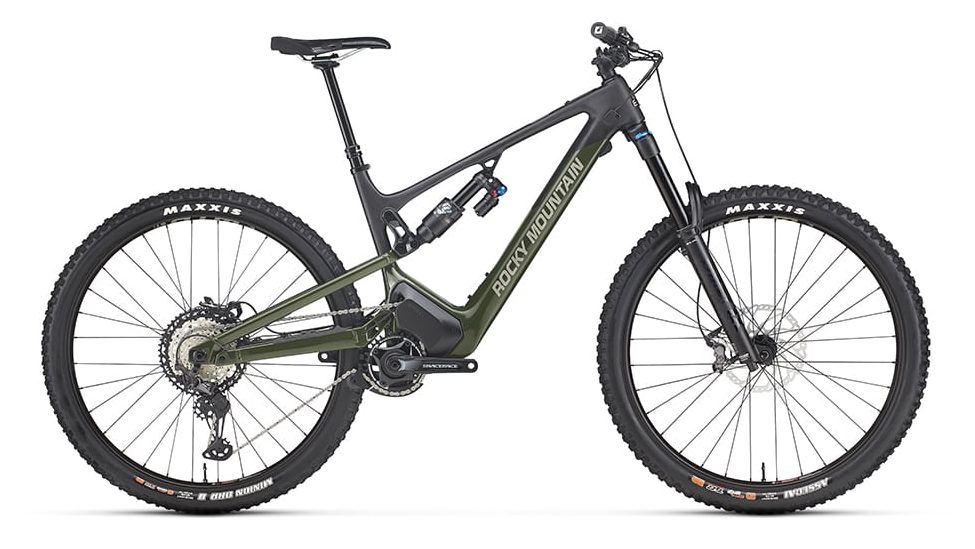
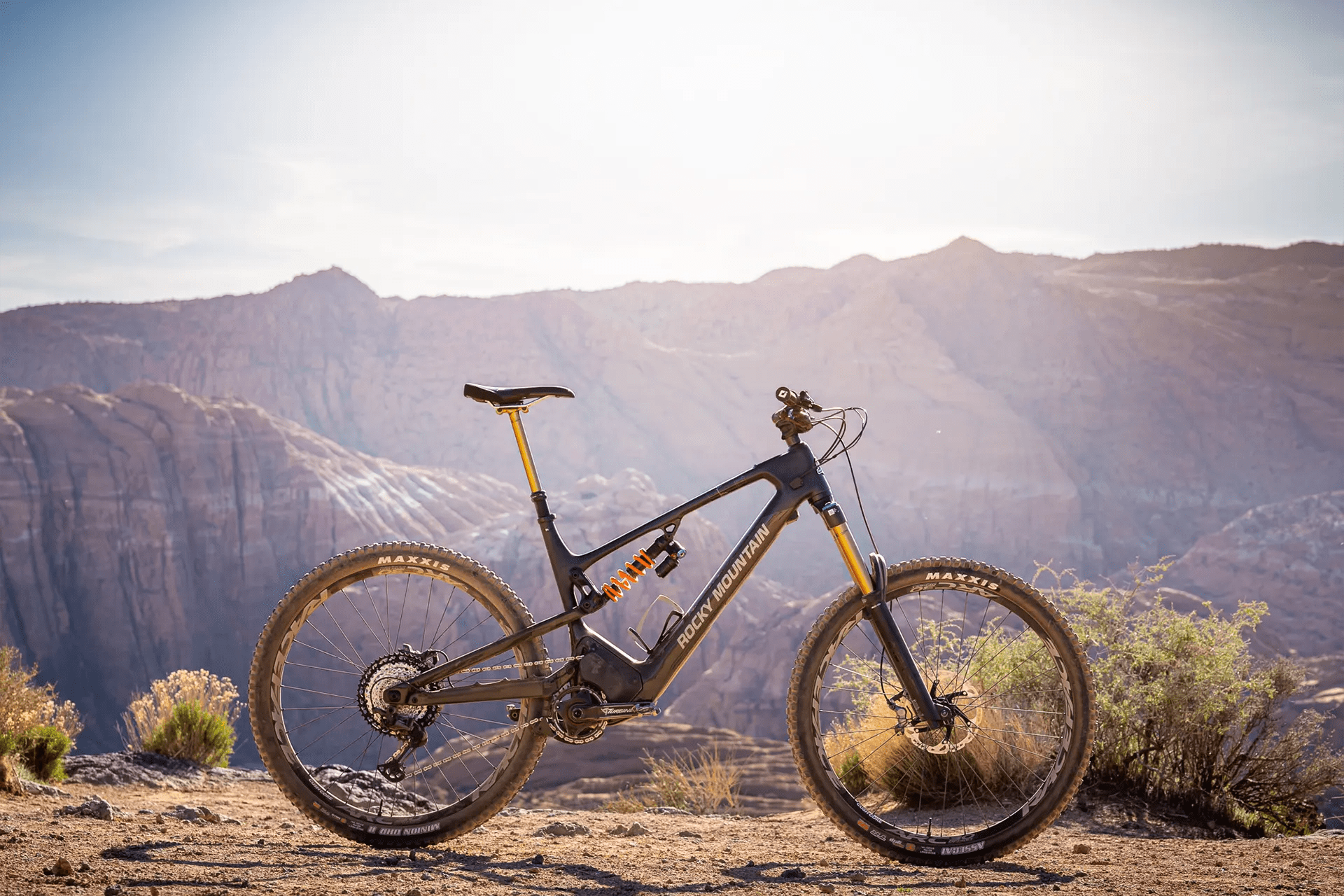
The Dyname 4.0 Altitude Powerplay marked a full reset for Rocky Mountain’s flagship e-enduro platform. Introduced for 2022, it moved decisively away from the earlier 27.5-inch concept and into current long-travel e-MTB territory with 170mm front and 160mm rear travel, 29-inch wheels across the size range, and a geometry brief intended to feel closer to an aggressive non-assisted Altitude. The redesign also brought a new frame, a simplified RIDE-4 geometry system, a removable 720Wh integrated battery, and Rocky’s top-tube “Jumbotron” display, giving the bike a cleaner and more contemporary execution than the previous generation.
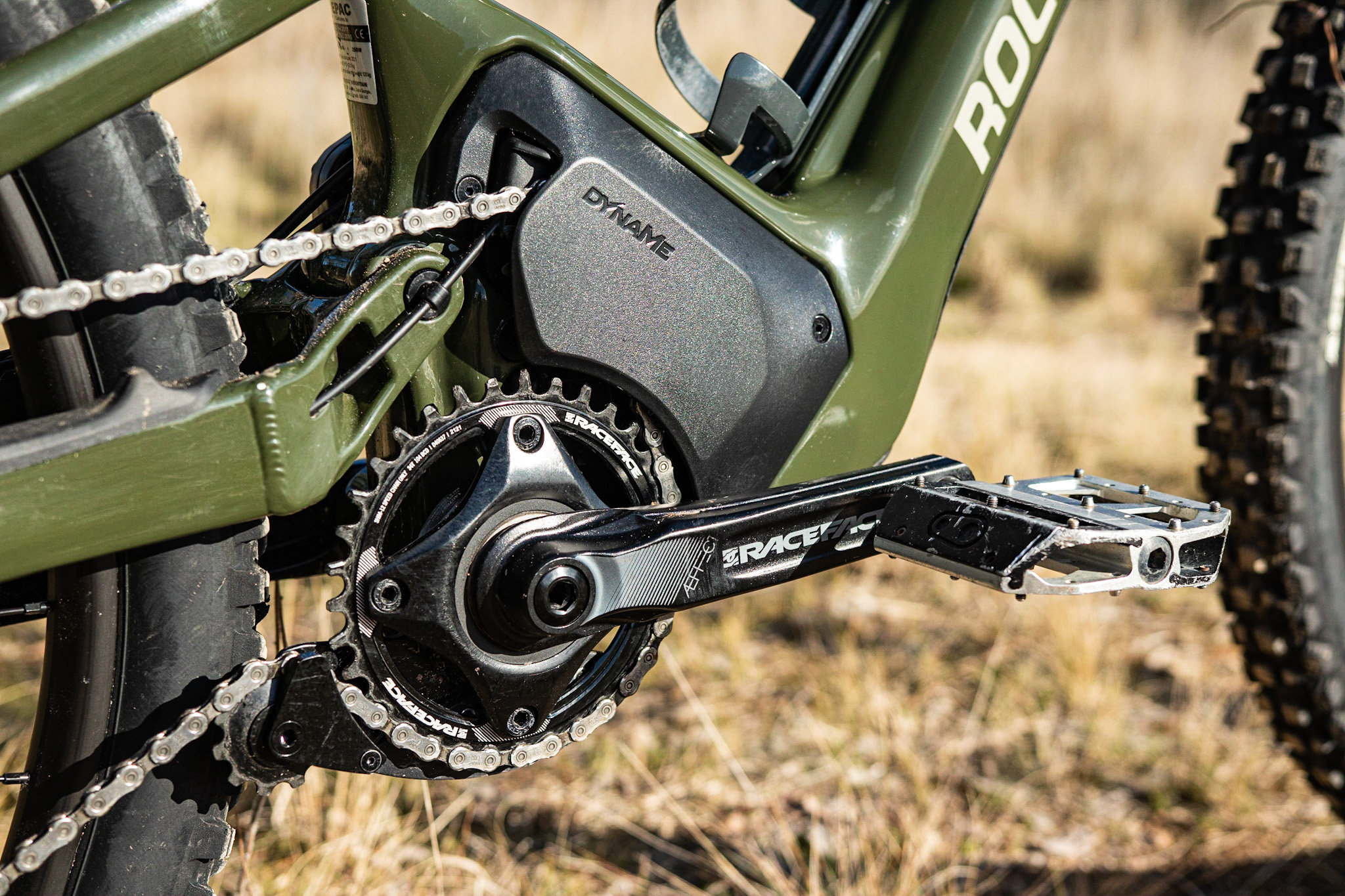
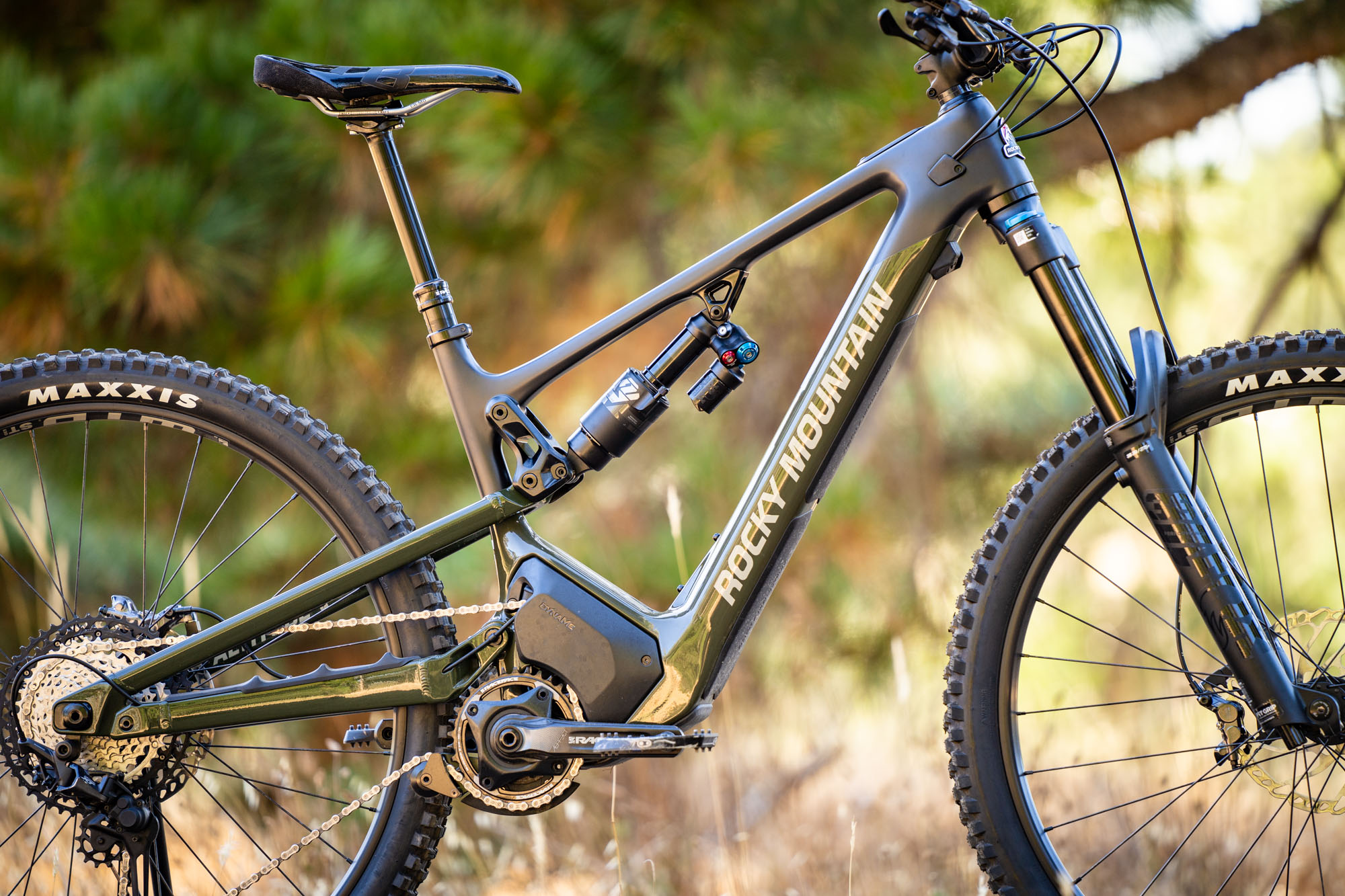
What makes this generation distinctive is the combination of very high motor output and unusually thoughtful chassis packaging. Rocky Mountain’s Dyname 4.0 system delivers 108Nm and up to 700W peak, but its compact layout also helps enable short rear-center numbers for a 29er e-bike, along with a low-slung mass distribution. The frame adds meaningful tuning features rather than gimmicks: size-specific suspension tuning, a two-position rear axle for rear-center adjustment, and on carbon models a modular shock mount intended to accommodate future kinematic revisions. In the market, this places the Altitude Powerplay as a serious self-shuttling enduro bike for riders who prioritize descending composure, technical climbing capability, and adjustability over low weight or all-round trail-bike playfulness.
Spec sheet.
Every component shipped with this build.
Geometry & fit.
4 sizes published.
The published geometry points to a modern, aggressive e-enduro fit with a strong bias toward descending stability. In size L, the bike combines a 475mm reach with a 638mm stack, a 63.5-degree head tube angle, and a 75.5-degree seat tube angle. That puts the rider in a reasonably roomy, upright position for steep terrain, with the front end long and slack enough to stay composed at speed. Wheelbase figures are substantial—1237mm in M, 1264mm in L, and 1301mm in XL—which helps explain the bike’s calm, planted feel when trails get fast and rough.
The 439mm chainstay length is notable because it is still relatively short for a 29-inch, long-travel e-MTB, helping the bike avoid the excessively rear-heavy, bus-like handling that can plague this category. Combined with the slack front end, it should give the Altitude Powerplay a mix of stability and respectable corner initiation rather than pure straight-line lethargy. The tradeoff is visible in the overall package: with a 20mm BB drop and long wheelbase, the bike is clearly optimized for grip and control more than quick direction changes in tight terrain. The 75.5-degree seat angle is steep enough to support seated climbing, but by current e-MTB standards it is not especially extreme, which matches reviewer comments that the front wheel can need more attention on very steep climbs.
Where the handlebar sits relative to the bottom bracket — the single most important fit pair.
01Fit geometry6 values
02Component geometry5 values
03Handling geometry5 values
Which size should I buy?
Slide your height to see the recommended size. GearWise's fit algorithm works from the published stack, reach, and ETT — the brand's own recommendation may differ.
→Calculated from GearWise's own stack / reach / ETT algorithm — the brand's size chart may recommend a different size, and a proper bike fit beats any calculator.
The lineup.
3 builds, ranging $7,599 – $9,999.
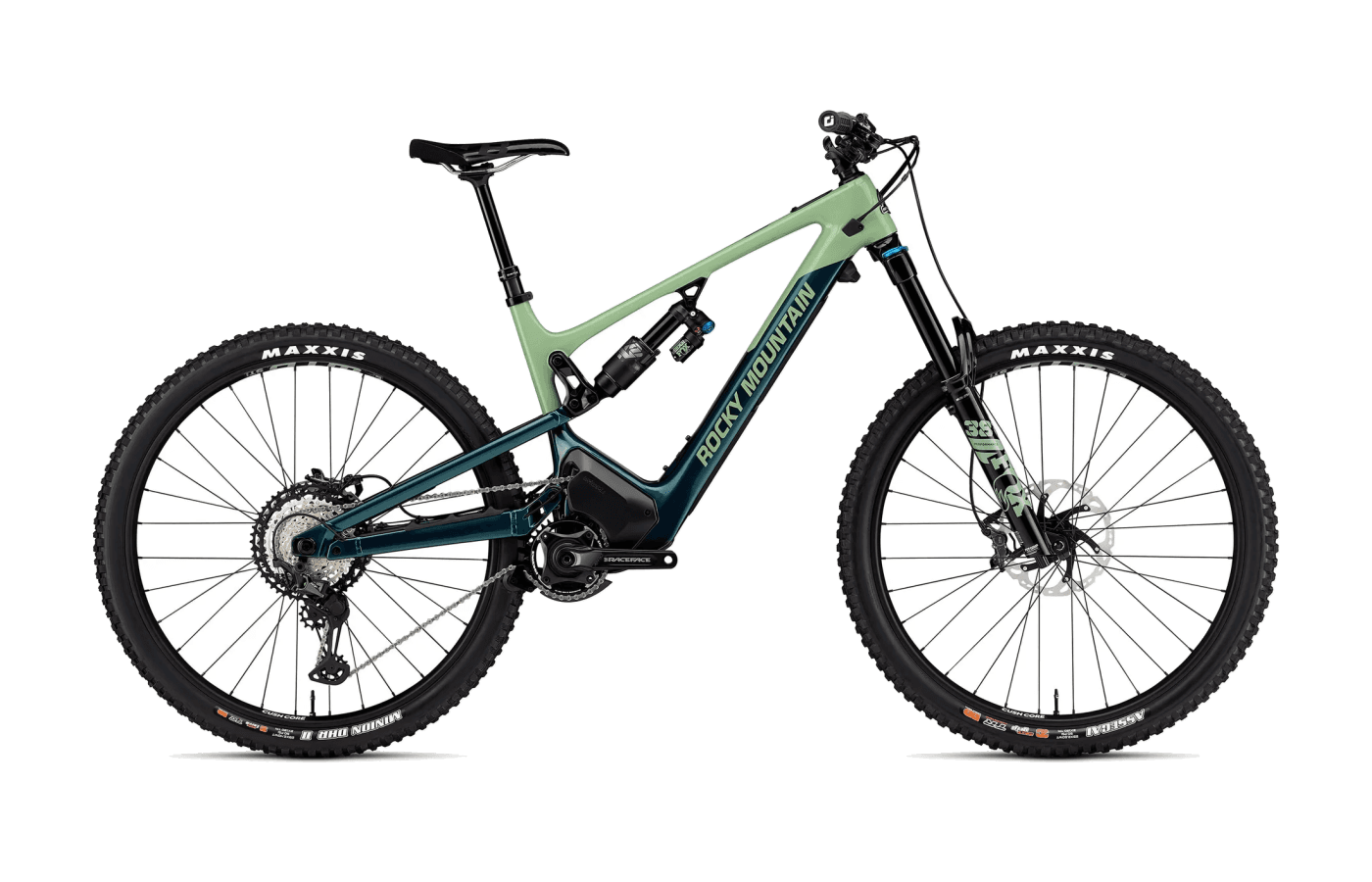
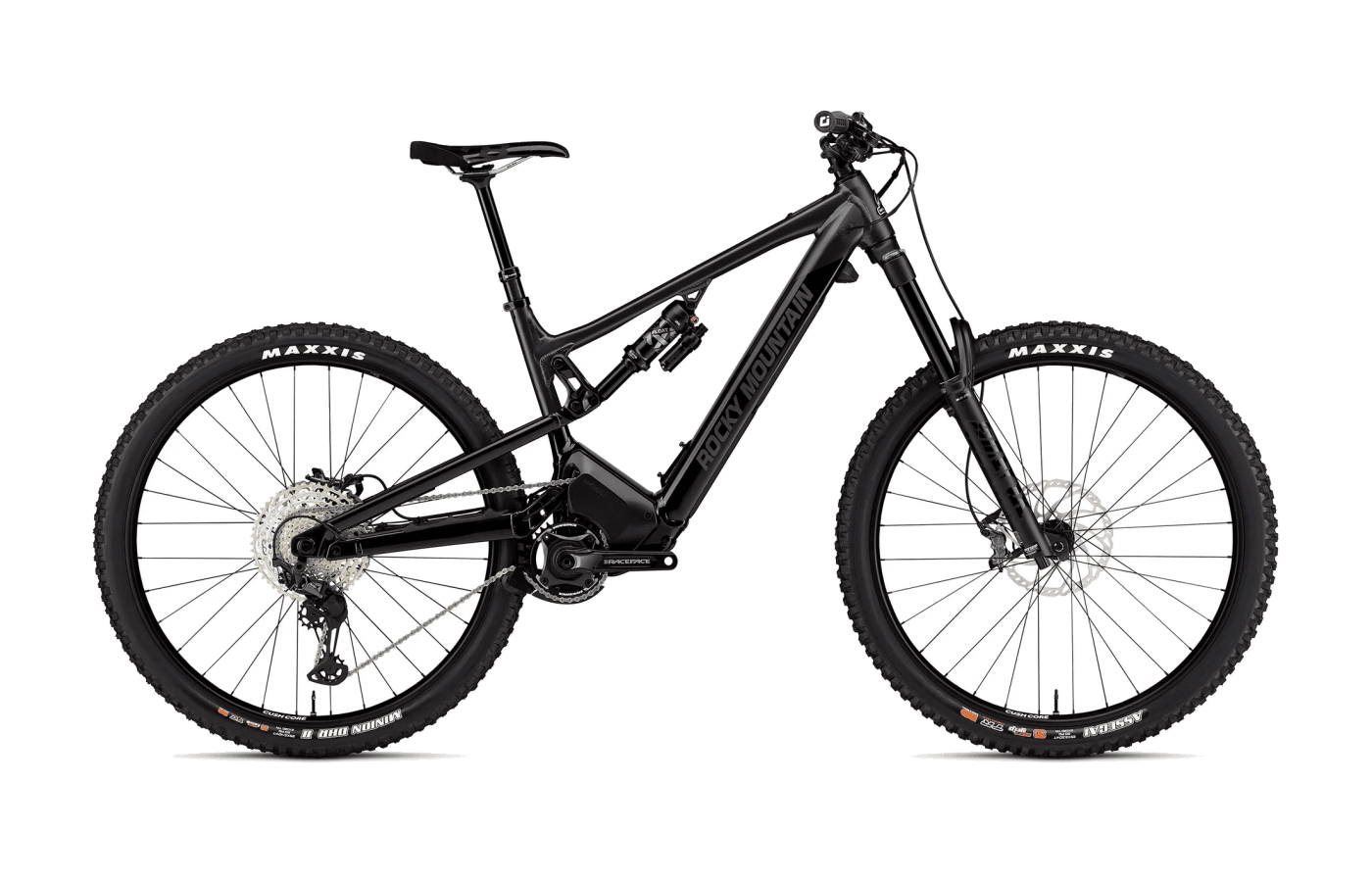
The current range spans three builds: Alloy 50 at $7,599, Alloy 70 at $8,499, and Carbon 70 at $9,999. That lineup keeps the spread relatively focused, with a $900 step from Alloy 50 to Alloy 70 and a larger jump to the carbon-framed Carbon 70. Based on the broader review consensus around this generation, the core value of the platform sits in the shared chassis concept and Dyname 4.0 system rather than chasing the most expensive trim. Even lower-priced models retain the bike’s defining features: the 720Wh battery, high-output proprietary motor, and adjustable enduro-oriented frame.
Review commentary around this generation suggests the alloy models make a strong case for riders who want the Altitude Powerplay experience without paying flagship prices, while the Carbon 70 is aimed at buyers who place more value on frame material and premium positioning. Reviewers were also clear that some expensive builds in this generation did not always deliver class-leading component choices for the money, particularly around suspension damper spec and some finishing parts. That makes the practical appeal of the lineup fairly straightforward: the cheaper alloy options are likely the sharper value buys, while the Carbon 70 is the choice for riders who specifically want the lighter, more upscale carbon chassis and its added frame features.
From the press.
16 reviews from the cycling press.
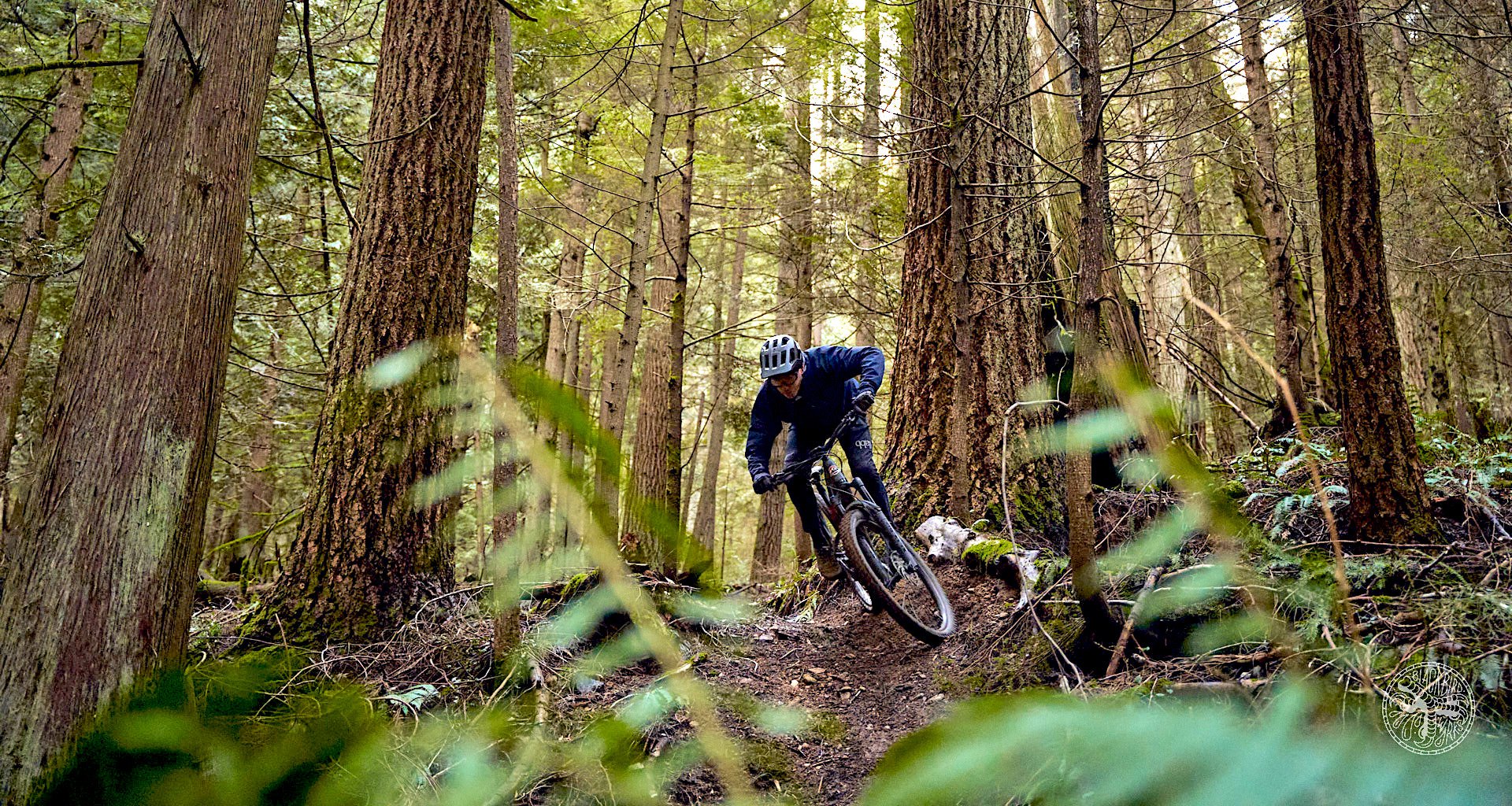
Reviewers were broadly aligned in describing the Altitude Powerplay as a planted, high-speed e-enduro bike with unusual climbing sophistication. Several outlets characterized it as a "Plow-erplay" because of how calmly it carries speed through rough terrain. NSMB, Singletracks, and Biker’s Edge all emphasized its stability in rock gardens and square-edged impacts, while Flow Mountain Bike noted that it corners far better than its weight suggests, helped by the short rear end and balanced chassis. The Dyname 4.0 motor drew especially strong praise: Flow called the delivery more like a dimmer switch than an on-off surge, and AMB and Biker’s Edge highlighted the immediate chain-tension-based response that makes technical climbing feel precise rather than jerky.
The bike’s weaknesses were just as consistent. At roughly 24kg-plus, reviewers agreed that it is still a heavy machine, and that weight shows up in slow-speed switchbacks, tighter terrain, and when trying to generate pop off the ground. NSMB and Opticycles noted that it is harder to get airborne than lighter or more playful e-bikes, while Flow said lighter riders may need setup changes—especially fewer volume spacers—to calm the progressive rear suspension and unlock more small-bump sensitivity. Reviewers also pointed to a few ownership caveats: a proprietary motor system may concern buyers thinking about long-term service and resale, some testers criticized mid-tier suspension spec on expensive builds, and a few long-term reports mentioned calibration quirks or minor hardware issues such as the charging-port cover tether.
One area where Rocky Mountain earned near-universal approval was practical spec choice. Multiple reviewers singled out the stock Maxxis DoubleDown tires and CushCore XC inserts as an unusually smart decision for a 50-plus-pound e-bike, improving grip, comfort, and rim protection straight out of the box. The overall verdict was clear: this is not the most playful or universally easygoing e-MTB in the category, but for riders who want a very powerful, natural-feeling motor and a chassis built to attack steep, rough descents, it stands out as one of the more purpose-built options in the segment.
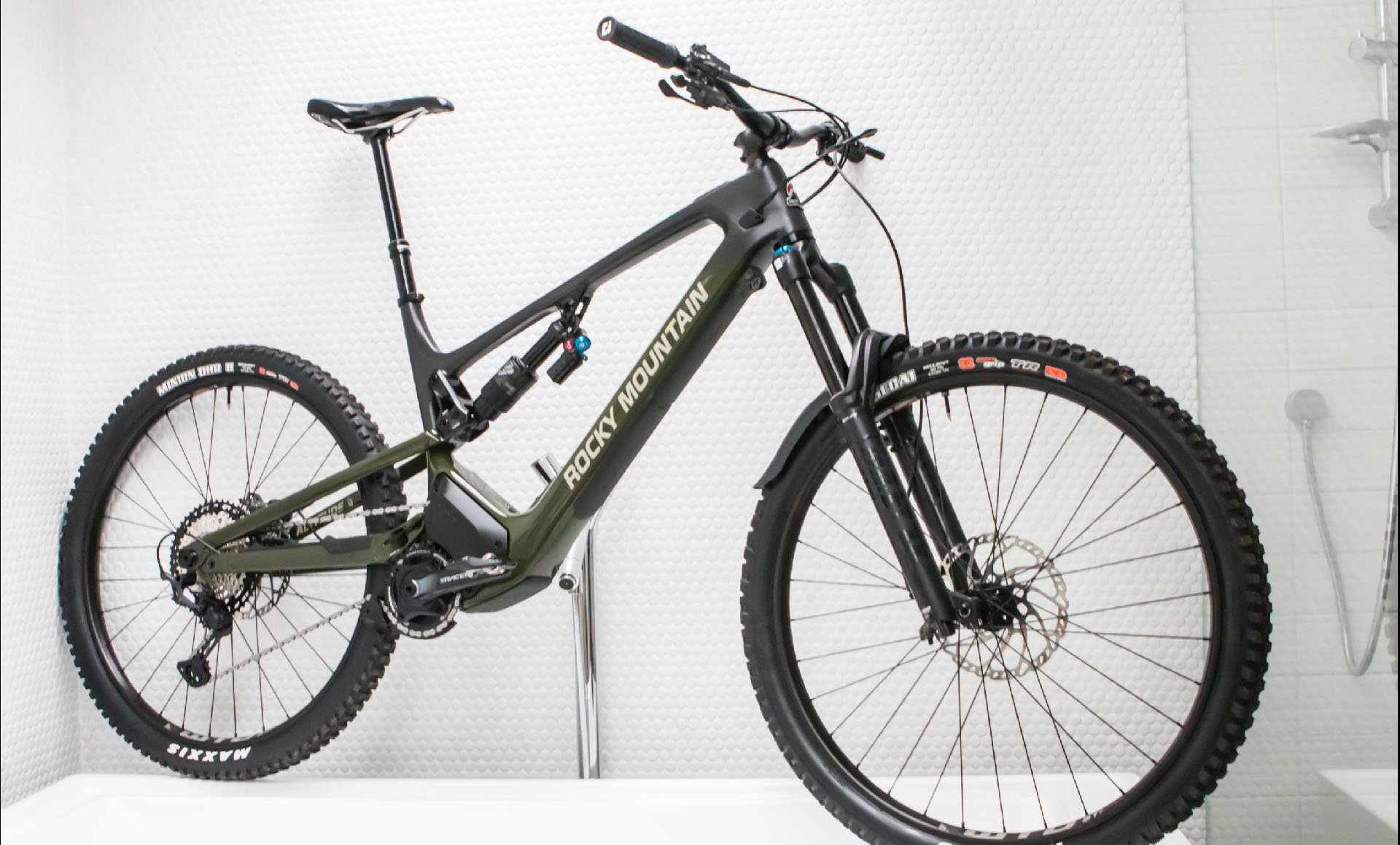
2022 Rocky Mountain Altitude Powerplay with Dyname 4.0 ...
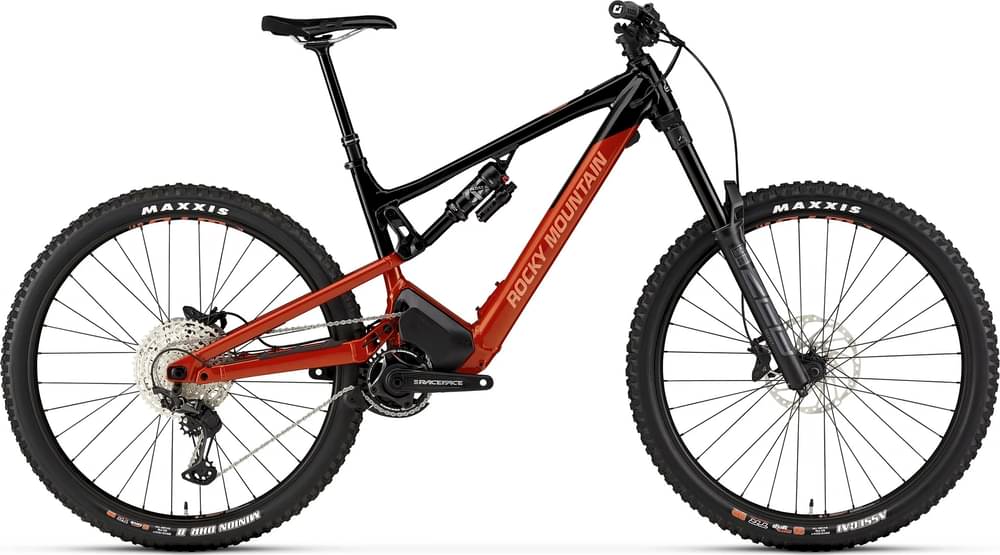
ROCKY MOUNTAIN ALTITUDE POWERPLAY ALLOY 50 2022 - Review, Specs & Price
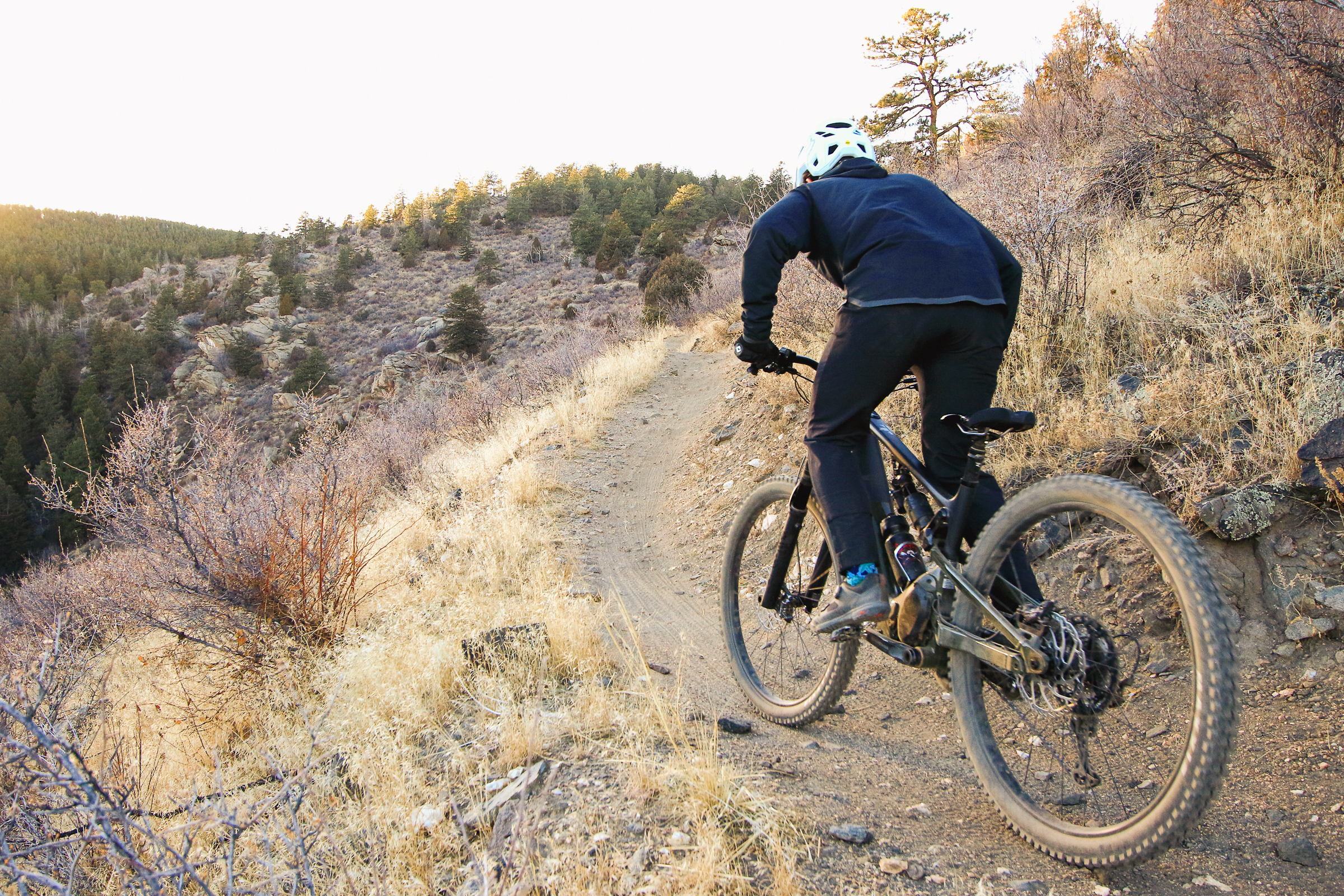
Rocky Mountain Altitude Powerplay Review
Rocky Mountain Altitude Powerplay Review | Power is ...
Review: Rocky Mountain Altitude Powerplay C70
Rocky Mountain Altitude Powerplay Carbon 70 – In our big ...
Rocky Mountain Altitude Powerplay C70 - 2022 eMTB ...
Rocky Mountain Altitude Powerplay Carbon 70 2022 Review
Rocky Mountain Altitude Powerplay Alloy 50 2022 Review
TESTED: Rocky Mountain Altitude Powerplay Carbon 70 - Australian Mountain Bike
THE MOST POWERFUL CLASS 1 EMTB WE HAVE EVER TESTED: ROCKY MOUNTAIN'S ALTITUDE POWERPLAY - Mountain Bike Action Magazine
Rocky Mountain Altitude Powerplay: The Beast - BIKER'S EDGE
2022 Rocky Mountain Altitude Powerplay Carbon 70 Review
Rocky Mountain Altitude Powerplay Carbon 70 - Canadian Cycling Magazine
On Test | The 2022 Rocky Mountain Altitude Powerplay