Blizzard
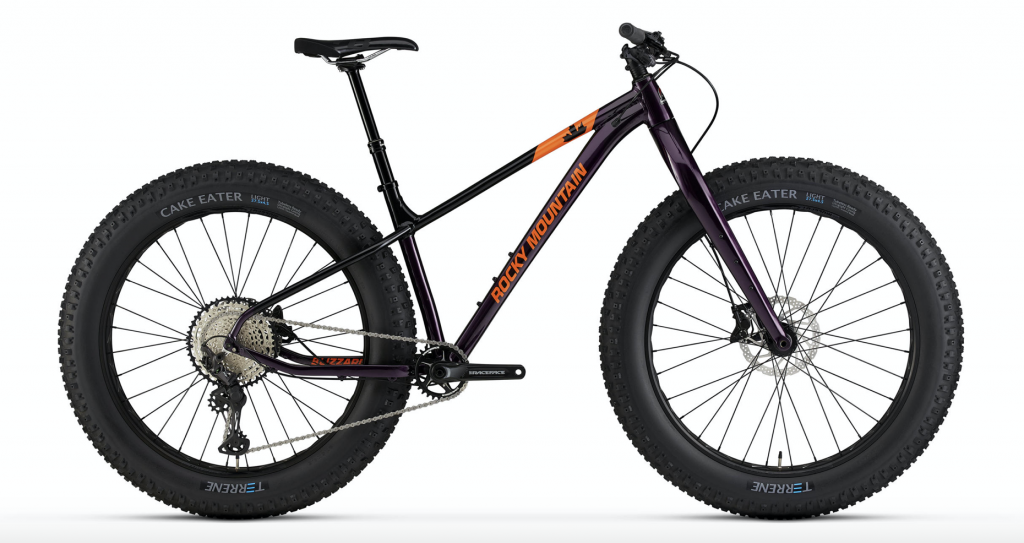
The current Rocky Mountain Blizzard marks a clear shift away from traditional fat-bike thinking. Rather than prioritizing upright fit and slow-speed snow cruising, this generation adopts modern trail-bike geometry: a 66° head tube angle, a 74° seat tube angle, long reach figures that extend to 500 mm in XL, and 455 mm chainstays. That gives the Blizzard a more planted, high-speed character than older fat bikes, with handling aimed as much at rough singletrack and descending as at groomed winter trails. In practice, it is a fat bike built for riders who want their winter bike to feel familiar if they normally ride contemporary trail or enduro hardtails.
Rocky Mountain also broadened the platform beyond pure snow use. The frame is dropper-compatible, has extensive mounting points for bags and racks, and is designed to accept suspension forks, commonly cited up to 100 mm with 27.5-inch fat wheels or 120 mm with 26-inch wheels. Tire clearance is generous, with 27.5x4.5 and 26x5.0 setups commonly referenced, and the carbon version introduced for 2022 carries the same core concept with lighter construction and updated standards including SRAM UDH compatibility on the carbon rear triangle. In the market, the Blizzard stands out as one of the more progressive, trail-oriented fat bikes rather than a conservative expedition-first design.

Geometry & fit.
4 sizes published.
The Blizzard's geometry is notably progressive for a fat bike. A 66° head tube angle is very slack in this category, and paired with a 475 mm reach and 1227 mm wheelbase in size L, it pushes the bike toward modern trail-hardtail territory rather than traditional fat-bike norms. The 455 mm chainstays are relatively long, helping keep the bike stable and balanced with large tires, while the 74° seat tube angle places the rider in a centered pedaling position that better supports seated climbing than older, slacker fat-bike layouts.
On trail, those numbers point to strong straight-line composure and confidence on descents, especially once speeds rise. The tradeoff is reduced agility at low speed: the slack front end and long front-center can make the steering feel floppy in tight technical sections or slow snow riding. The fit itself is contemporary and roomy, with reach growing from 425 mm in S to 500 mm in XL, so riders coming from current trail bikes are likely to find the cockpit familiar. The 65 mm bottom-bracket drop also helps keep the bike feeling planted, though combined with the long wheelbase it reinforces the Blizzard's preference for stability over quick, nimble direction changes.
Where the handlebar sits relative to the bottom bracket — the single most important fit pair.
01Fit geometry6 values
03Handling geometry5 values
Which size should I buy?
Slide your height to see the recommended size. GearWise's fit algorithm works from the published stack, reach, and ETT — the brand's own recommendation may differ.
→Calculated from GearWise's own stack / reach / ETT algorithm — the brand's size chart may recommend a different size, and a proper bike fit beats any calculator.
The lineup.
2 builds, ranging $3,199 – $3,799.
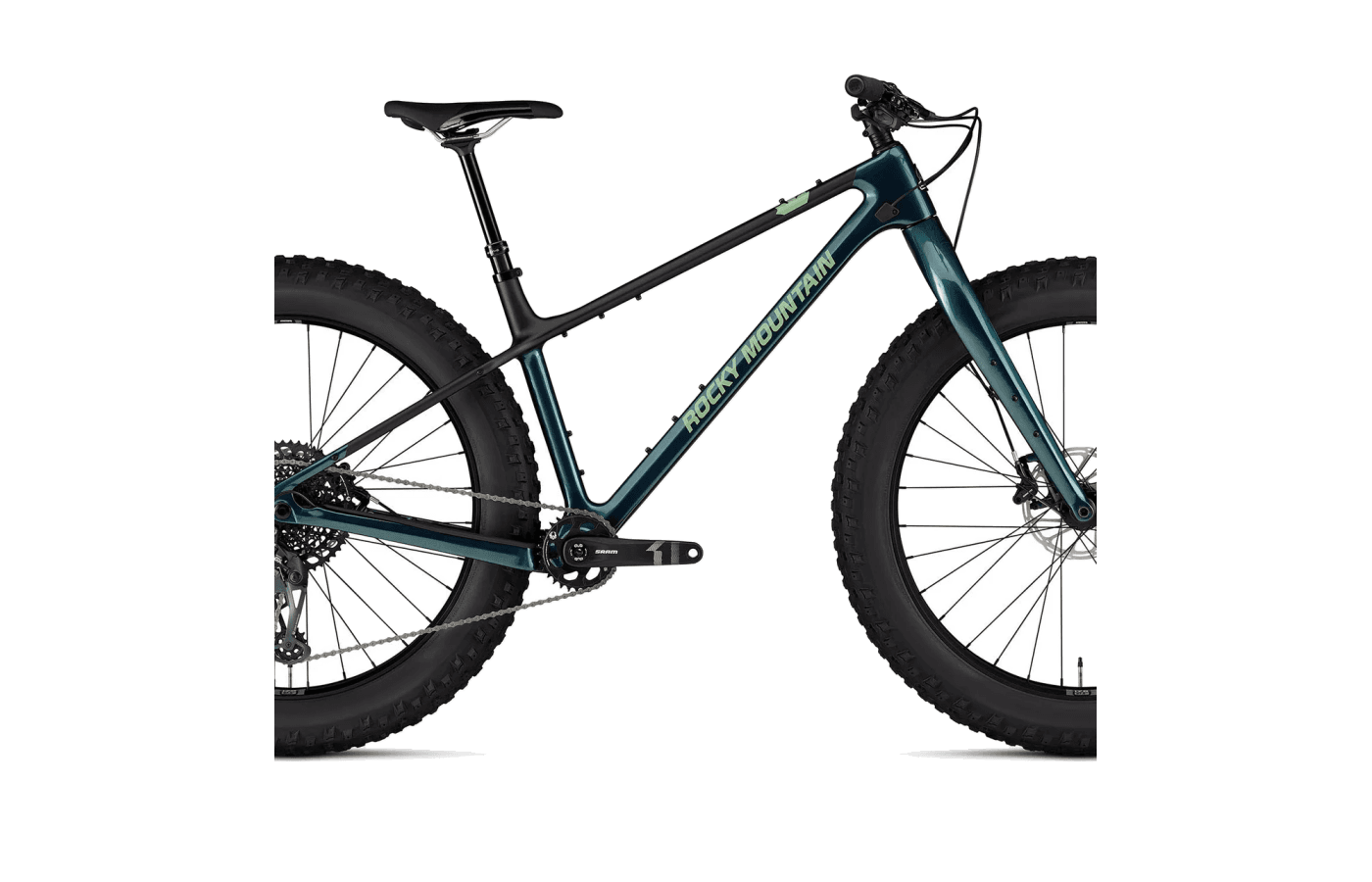
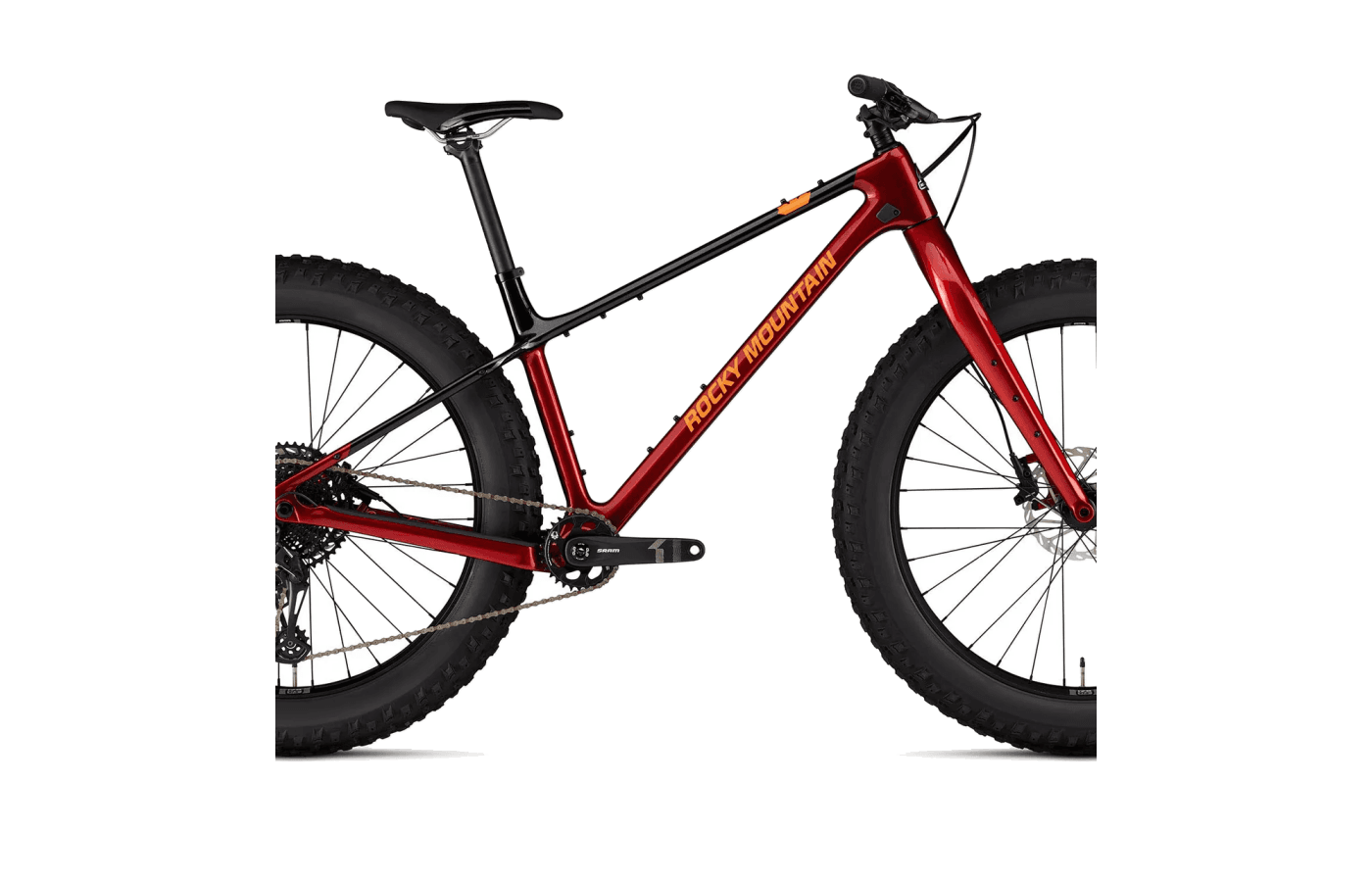
Based on the provided builds, the current lineup includes the Carbon 30 at $3,199 and the Carbon 50 at $3,799. Both sit on the carbon version of the Blizzard platform, so buyers are getting the same modern geometry, broad tire clearance, and bikepacking-friendly frame concept regardless of trim. At these prices, the range is positioned competitively for riders who want a carbon fat bike with contemporary trail handling rather than a niche snow-only machine.
Review information suggests the higher-spec builds are a major part of the Blizzard's appeal. The Carbon 50 in particular is repeatedly praised for strong value, with reviewers highlighting its aggressive pricing relative to its component level and noting upgrades such as a stock dropper post on that model. More generally, reviewers also point to Shimano 12-speed drivetrains on the better-equipped Blizzard builds as a strength for reliability and usable range in winter conditions. Without a full spec breakdown for the Carbon 30 and Carbon 50 here, the clearest takeaway is that the price jump is relatively modest and the top model has been the standout in review coverage.
From the press.
5 reviews from the cycling press.
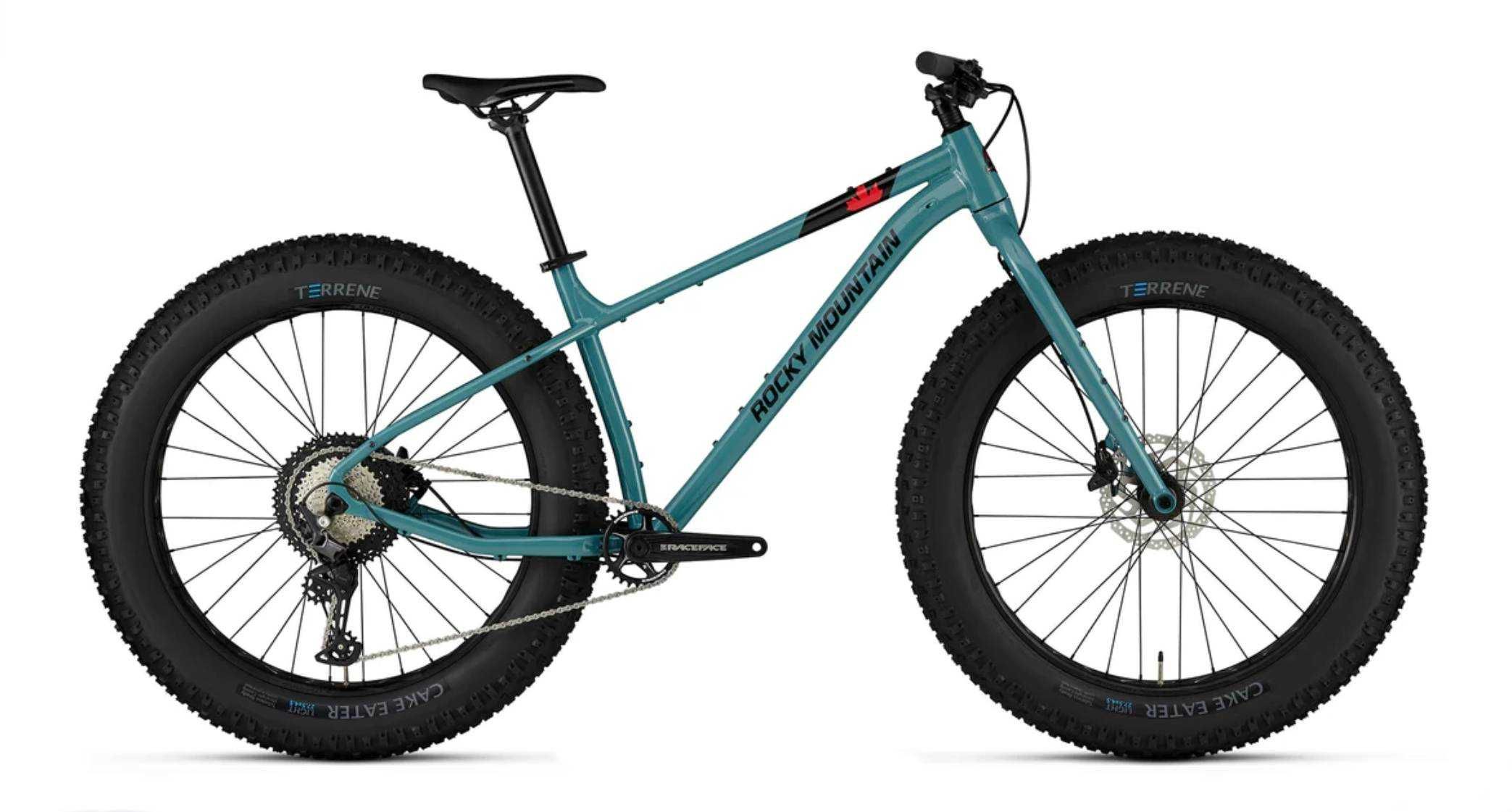
Reviewers are unusually consistent about what defines the Blizzard: it is a fat bike with the attitude of a modern trail bike. OutdoorGearLab found the A20 exceptionally stable at speed and especially appealing to riders coming from trail and enduro bikes, while Fat-bike.com described the Carbon 50 as an "absolute weapon" on singletrack and even called it the fastest mountain bike they had ridden on some local segments. Across reviews, the long wheelbase, 66° front end, and 27.5 x 4.5-inch tire format are credited with making the bike feel planted, confident, and surprisingly quick on groomed snow and dirt.
The same geometry also drives the main criticism. Multiple reviewers noted front-end flop and a cumbersome feel at lower speeds, especially on tight climbs, switchbacks, or ungroomed snow where momentum is harder to maintain. OutdoorGearLab explicitly pointed out that shorter, more conservative fat-bike geometry can be more fun and practical in slower terrain. Tire setup came up repeatedly as well: several testers identified roughly 8 psi as a useful sweet spot, and tubeless conversion was widely recommended to cut weight and improve rolling feel. Reviewers also liked the value of the Shimano 12-speed builds, but several noted that a bike this descent-oriented benefits greatly from a dropper post, which is not standard across the range.
20 Reasons to/NOT to Buy Rocky Mountain Blizzard | BikeRide
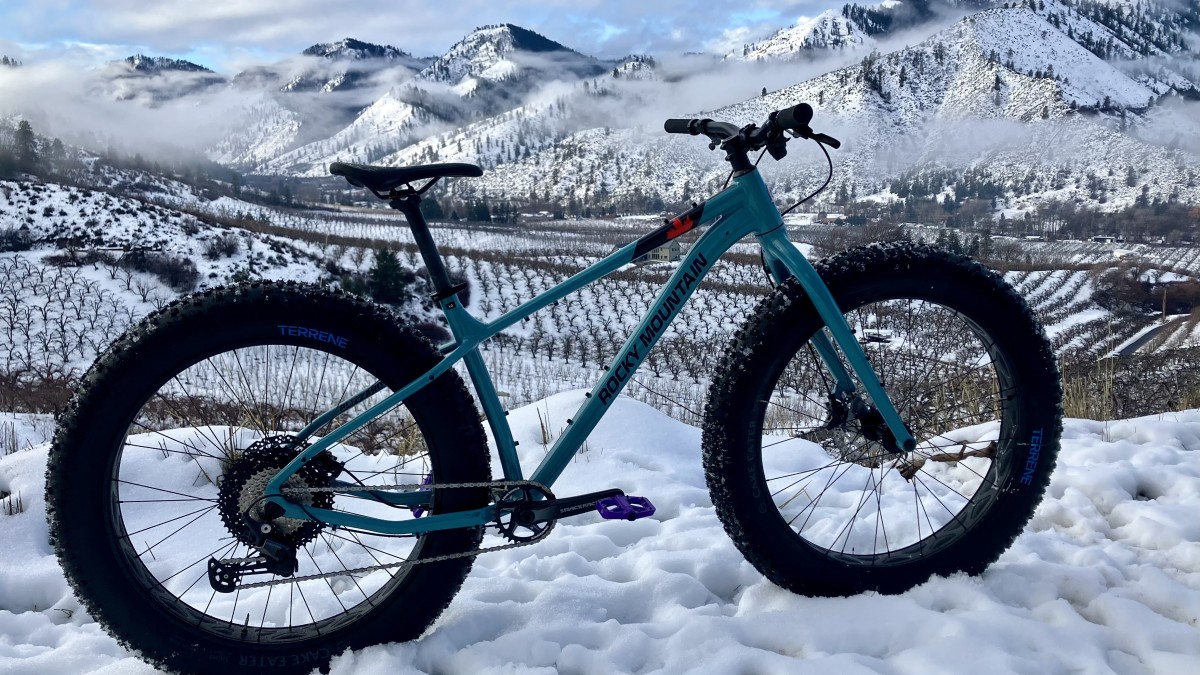
Rocky Mountain Blizzard A20 Review | Tested & Rated
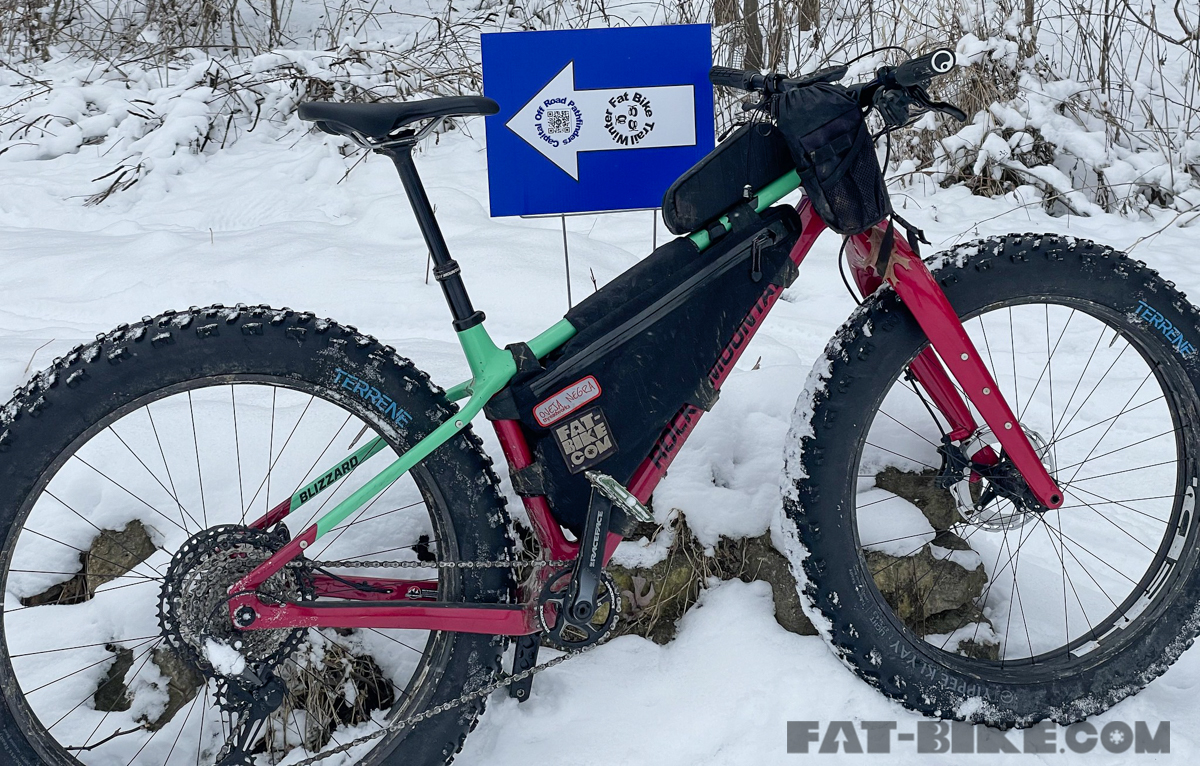
Rocky Mountain Blizzard C50 - Wren Fork & Winter Riding -
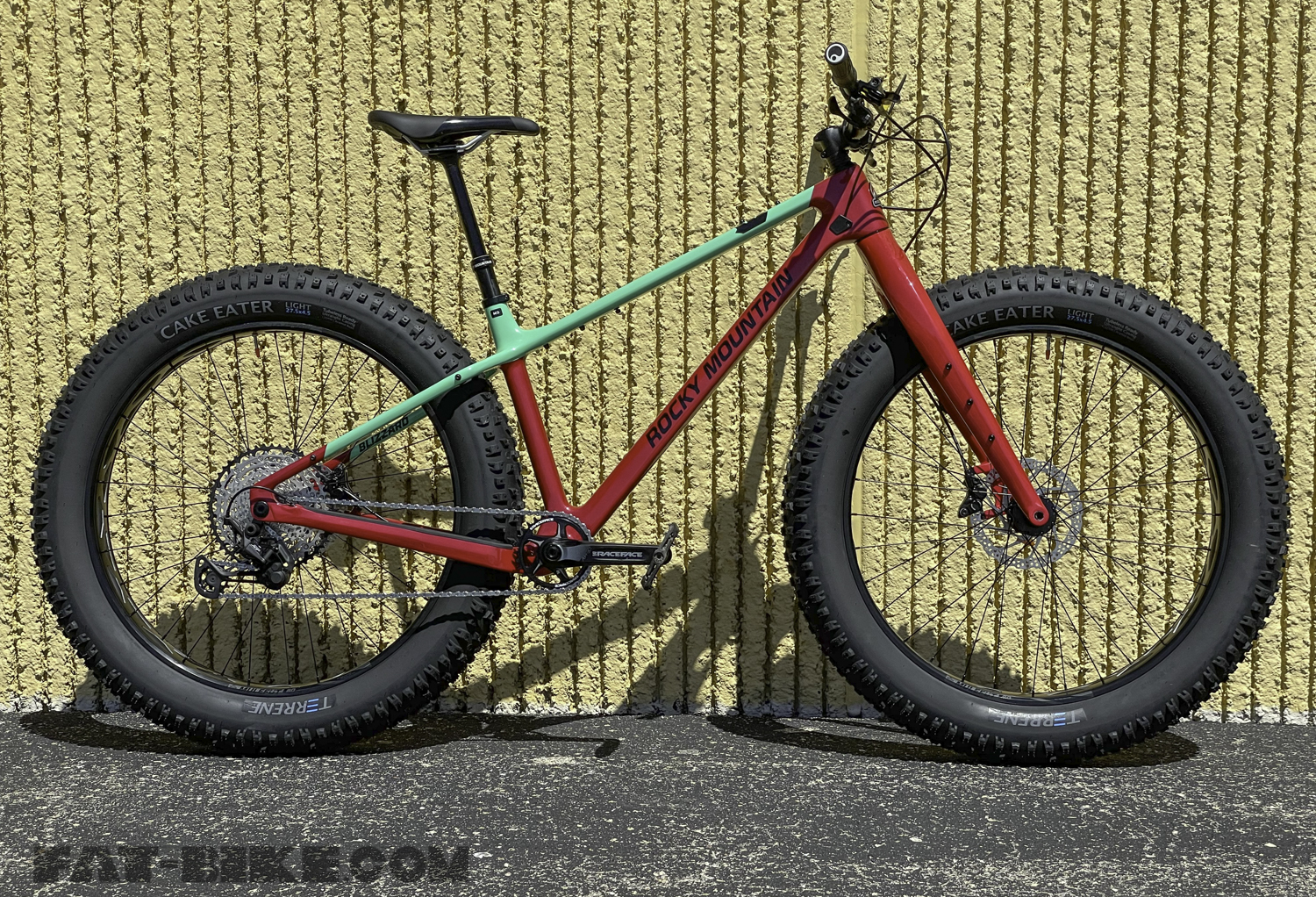
Field Testing the Rocky Mountain Blizzard Carbon 50 - - Fat-bike.com