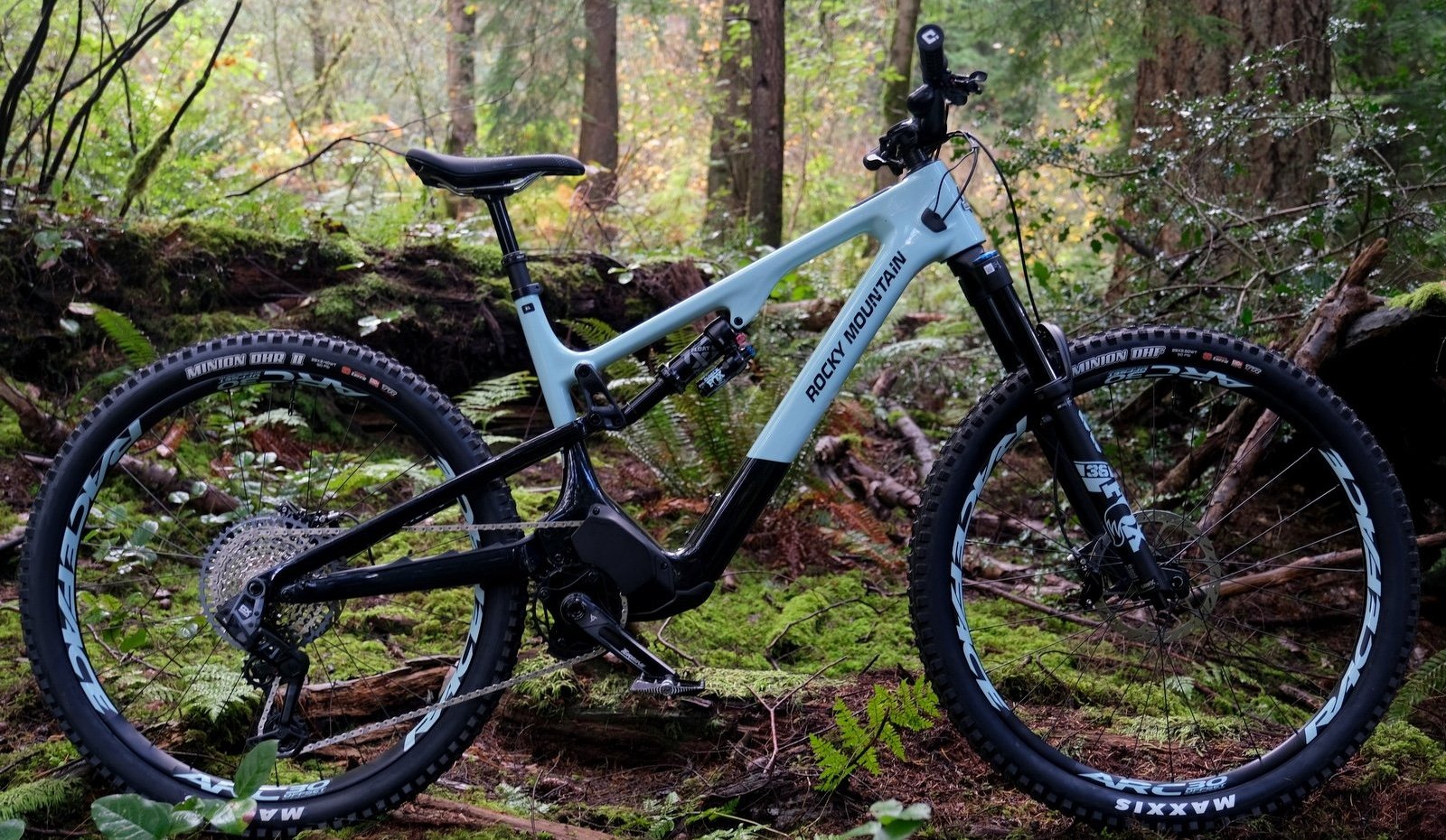
Instinct Powerplay SL
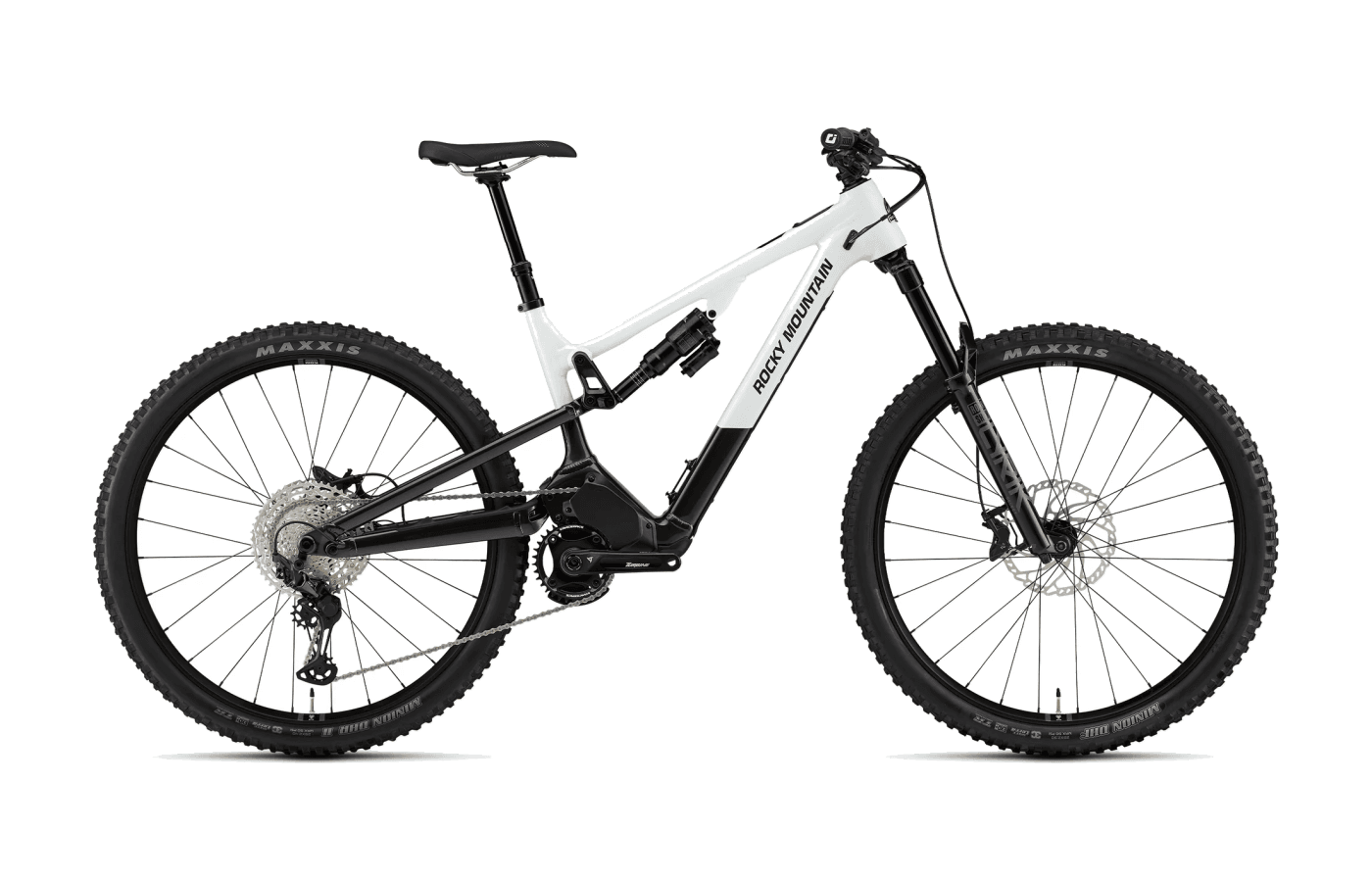
The Instinct Powerplay SL is Rocky Mountain’s take on the fast-growing lightweight eMTB category, but it does not follow the usual low-power formula. Built around the proprietary Dyname S4 Lite motor and a 480 Wh removable battery, it was launched for model year 2025 as a 145 mm rear / 150 mm front trail platform intended to feel closer to a modern mountain bike than a full-power e-bike. What sets it apart is that Rocky pairs that lighter-duty concept with comparatively strong assist output for the segment—originally 65 Nm and 550 W peak, with a later dealer-installed firmware update raising that to 75 Nm and 700 W—so the bike sits in a genuine middle ground between SL and full-power categories rather than at the minimalist end of the market.
The chassis is equally distinctive. Carbon and alloy complete bikes share the same core layout: Smoothlink four-bar suspension, size-specific shock tunes, proportional rear-center lengths, RIDE-4 geometry adjustment, and reach-adjust headset cups with center and +/- 5 mm options. Rocky also built wheel-size logic into the platform, with 27.5-inch wheels on XS, 29-inch wheels on S through XL, and MX compatibility on S through XL via a dedicated link. In market terms, the Instinct Powerplay SL is aimed at riders who want a highly tunable, technically capable trail eMTB with more climbing support than most light-assist bikes, without stepping all the way into the weight and feel of a full-power machine.
Geometry & fit.
4 sizes published.
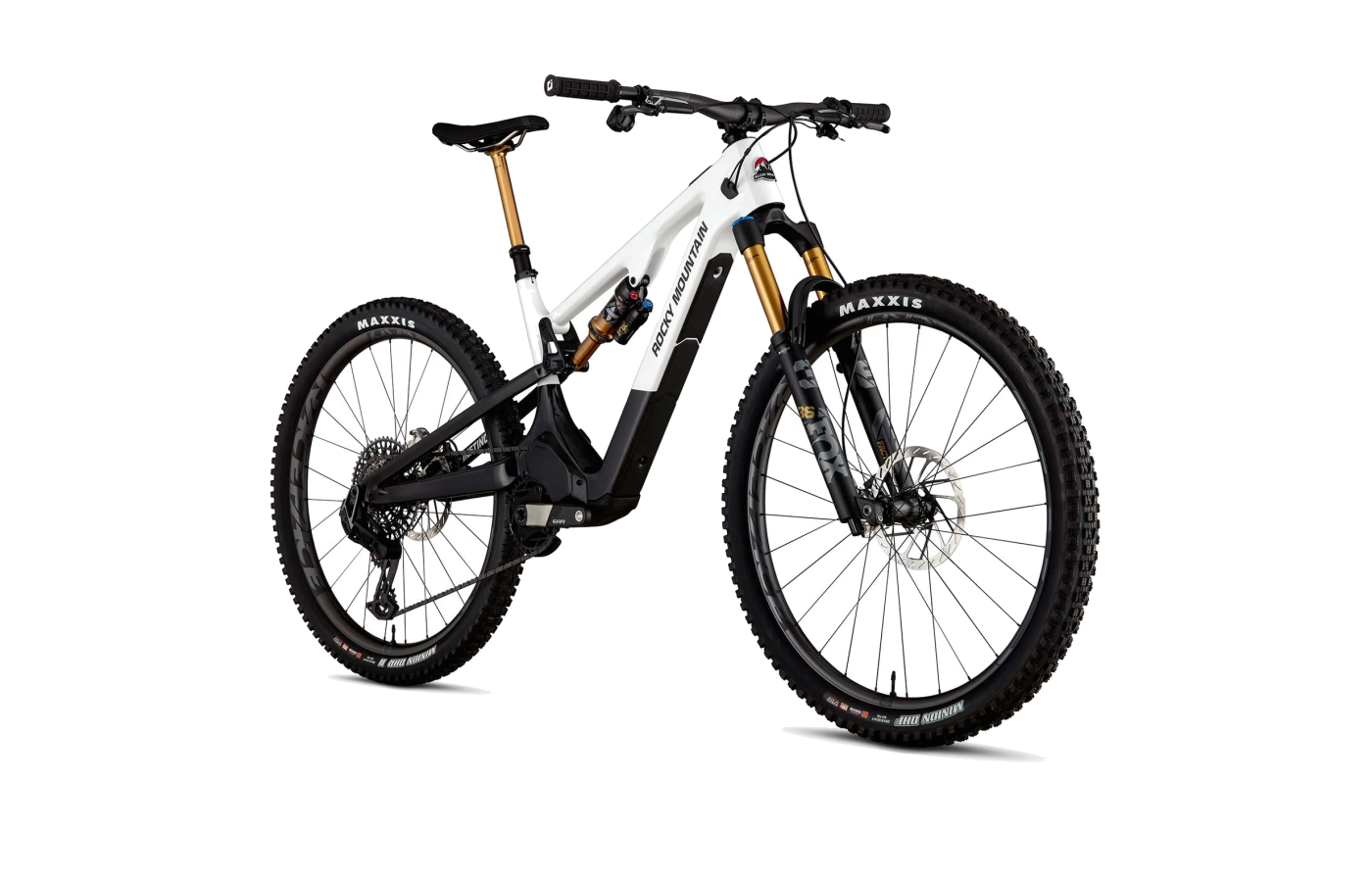
The published geometry points to a modern, aggressive trail bike with a clear emphasis on stability and front-wheel traction. In size Large, the bike combines a 475 mm reach, 636 mm stack, 63.5-degree head tube angle, 76.5-degree seat tube angle, 449 mm chainstays, and a 1270 mm wheelbase. That is a long, slack layout for a 145 mm bike, and it helps explain why reviewers found it so composed in rough terrain and on steep descents. The relatively moderate stack, paired with the long front center, puts the rider in a forward, attack-oriented position that tends to load the front tire well in corners and on technical climbs.
The proportional rear-center approach is important to how the bike fits and handles across sizes: chainstays grow from 439 mm on S and M to 449 mm on L and XL, helping preserve a centered weight balance rather than making bigger sizes feel front-heavy. The wheelbases are correspondingly long—1229 mm in M, 1270 mm in L, 1305 mm in XL—which supports high-speed stability. Bottom bracket drop is around 24 mm in the listed setting, reinforcing a planted feel, though reviewers did report that the low ride height can increase pedal-strike risk in rocky terrain. With RIDE-4 adjustment and +/- 5 mm reach-adjust headset cups, riders have meaningful room to fine-tune whether the bike feels sharper and more responsive or more planted and descent-focused.
Where the handlebar sits relative to the bottom bracket — the single most important fit pair.
01Fit geometry6 values
03Handling geometry5 values
Which size should I buy?
Slide your height to see the recommended size. GearWise's fit algorithm works from the published stack, reach, and ETT — the brand's own recommendation may differ.
→Calculated from GearWise's own stack / reach / ETT algorithm — the brand's size chart may recommend a different size, and a proper bike fit beats any calculator.
The lineup.
10 builds, ranging $5,499 – $11,999.
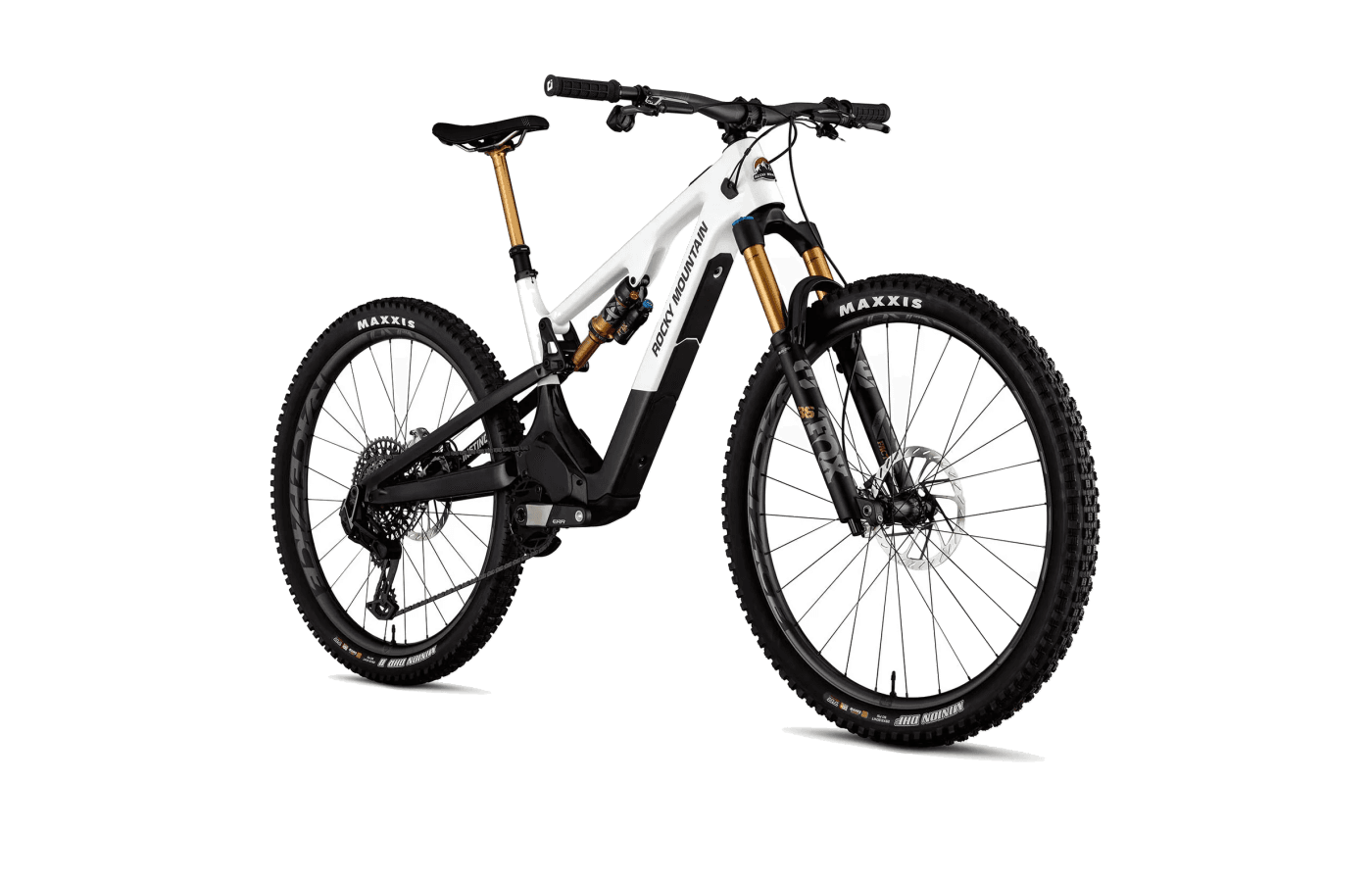
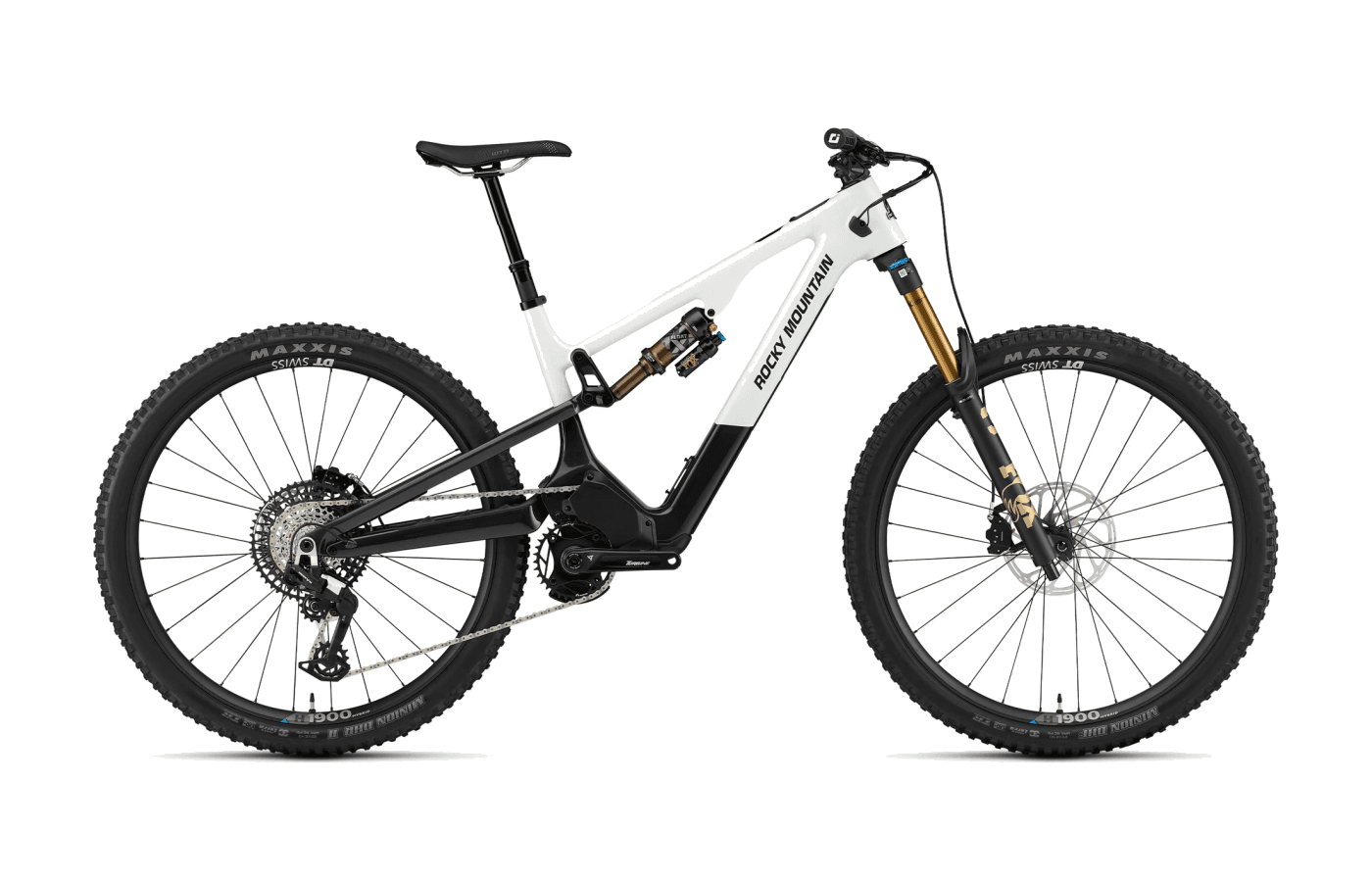
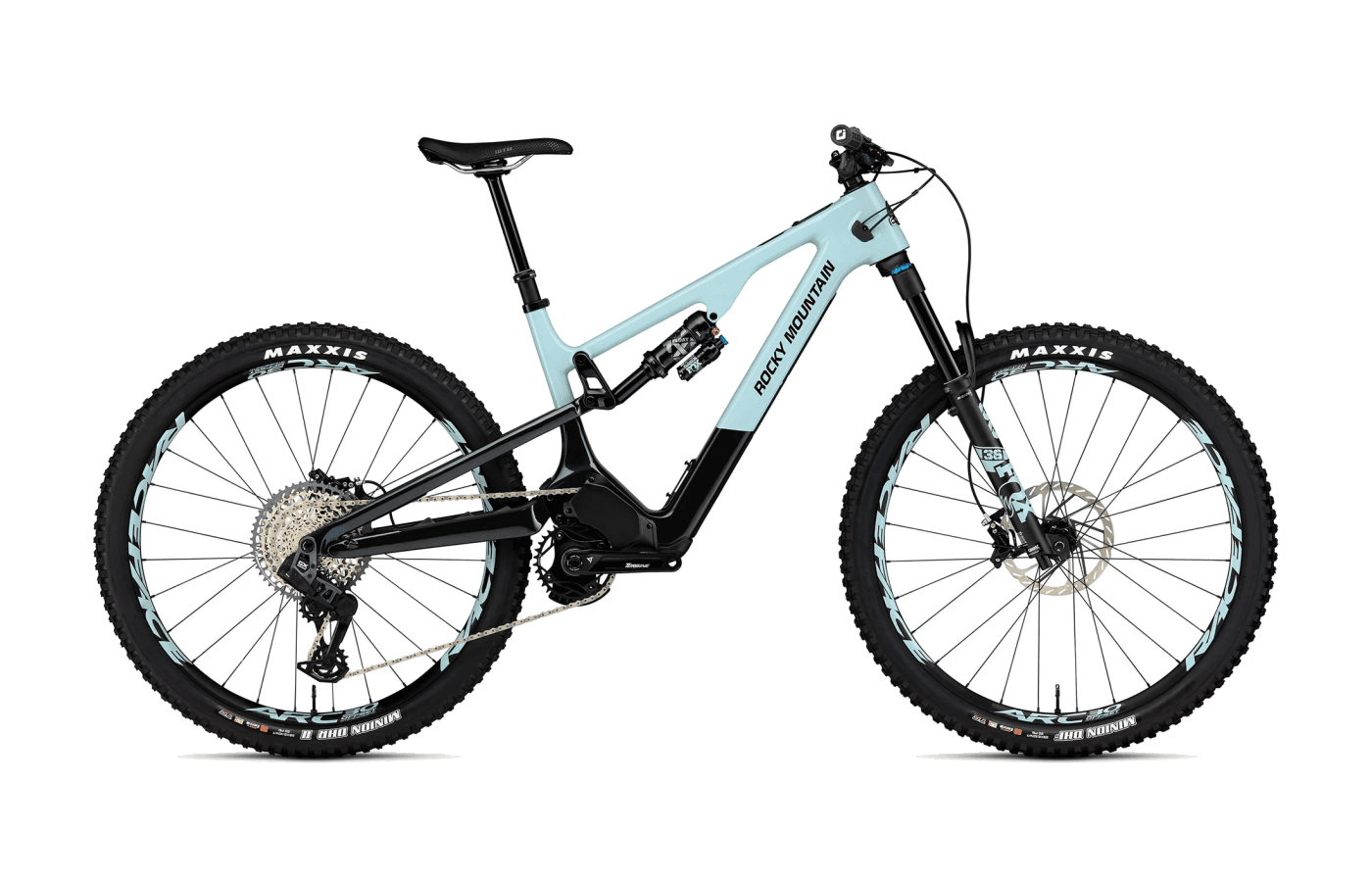
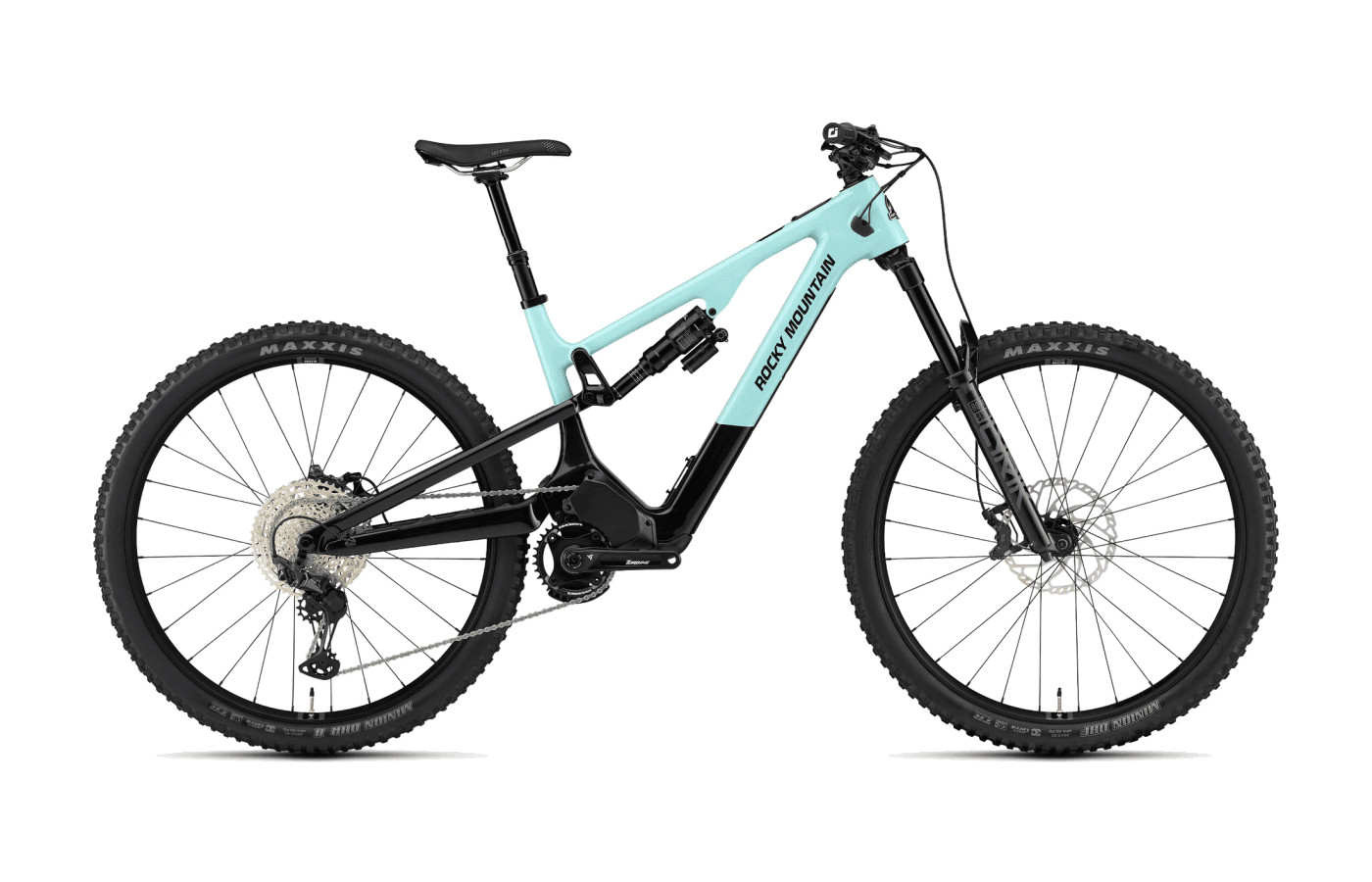
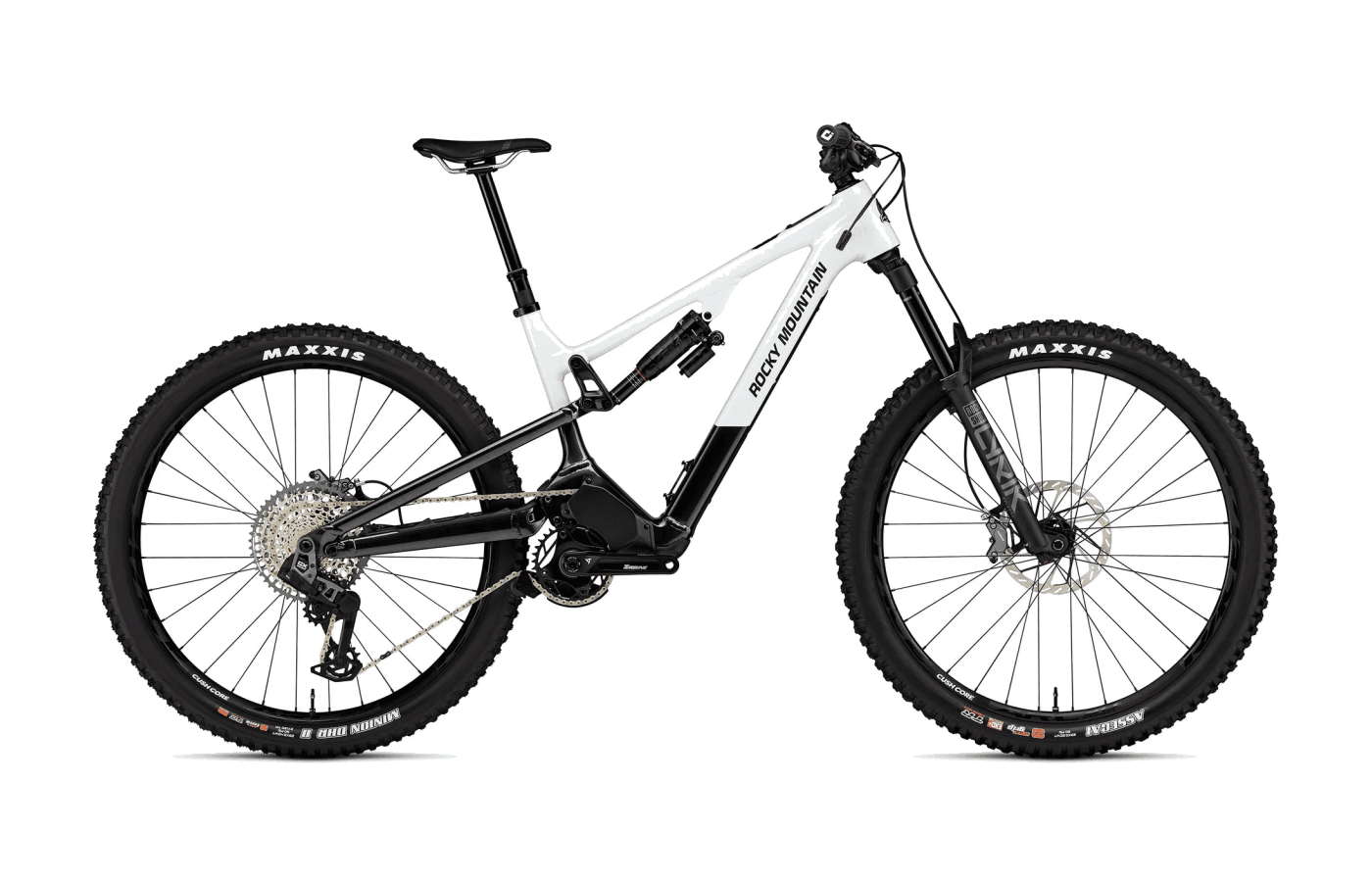
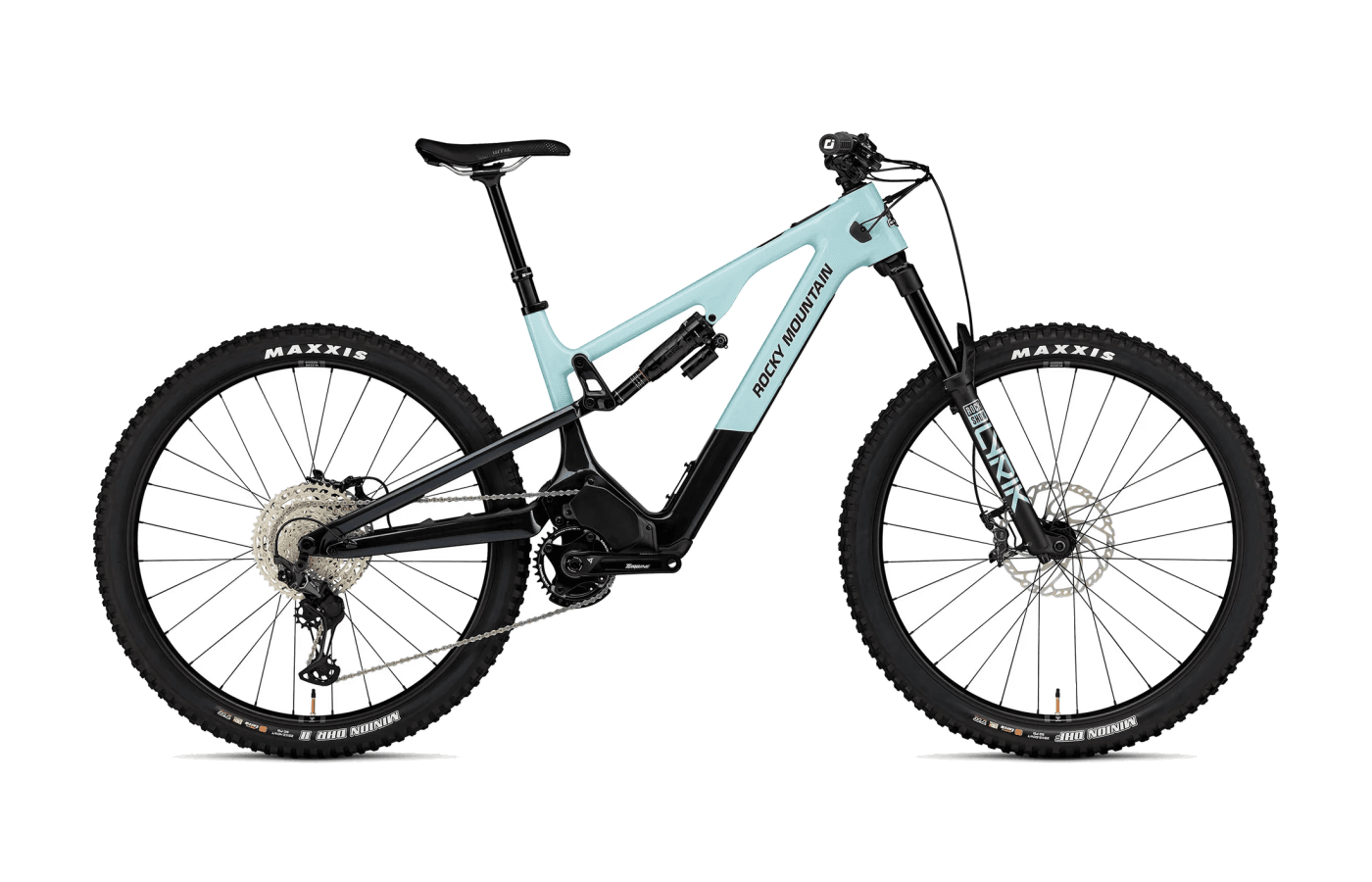
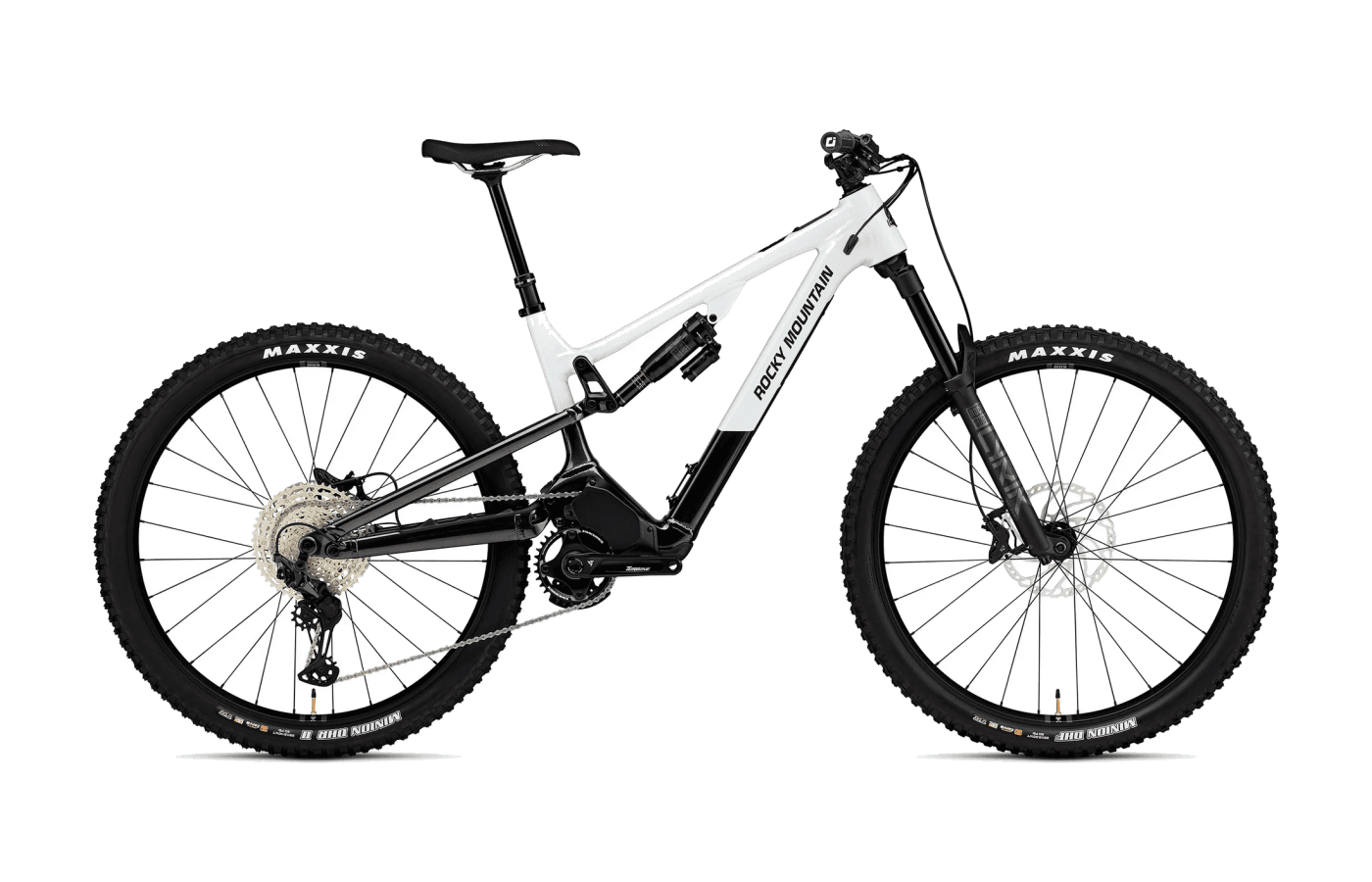
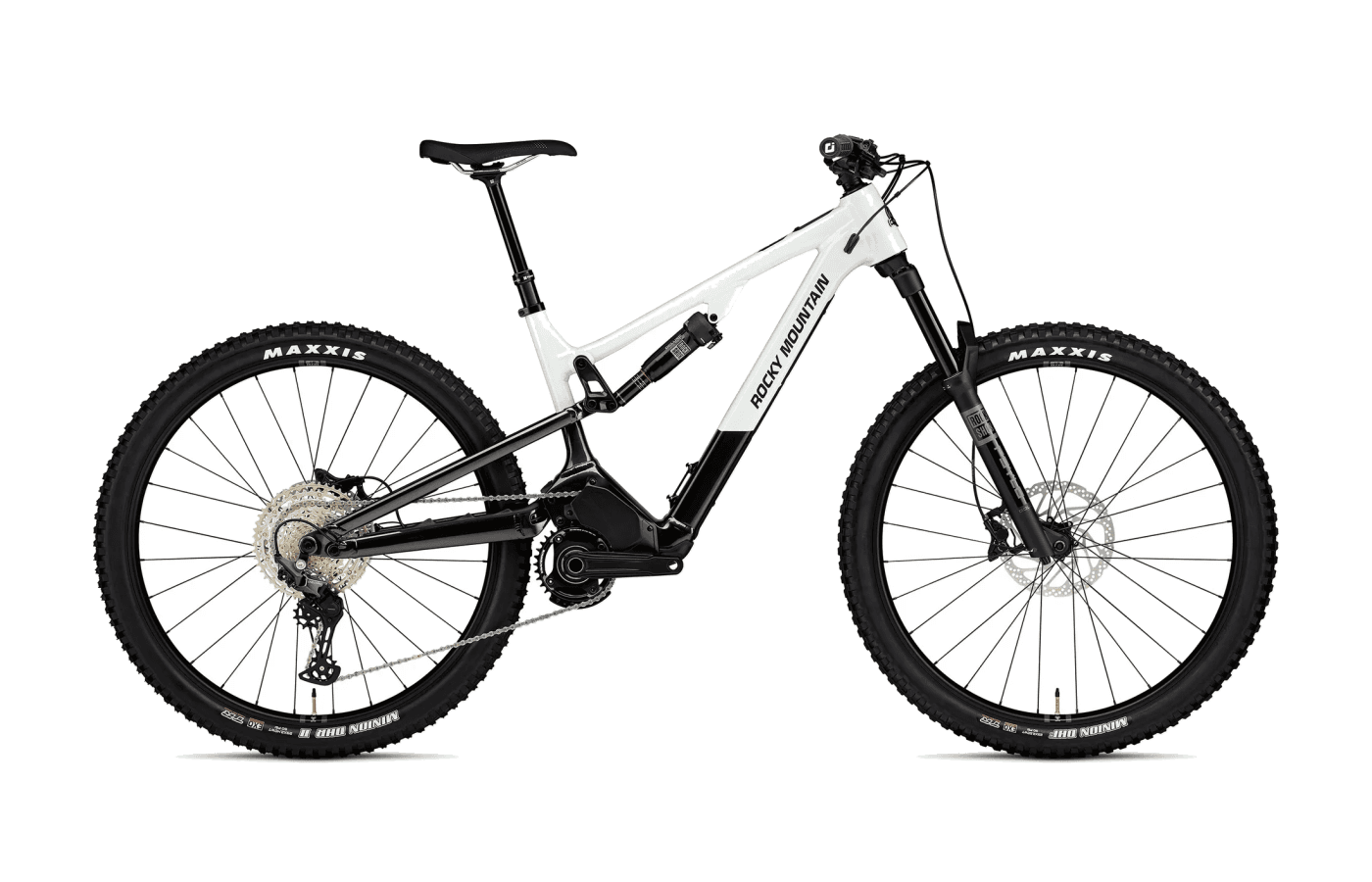
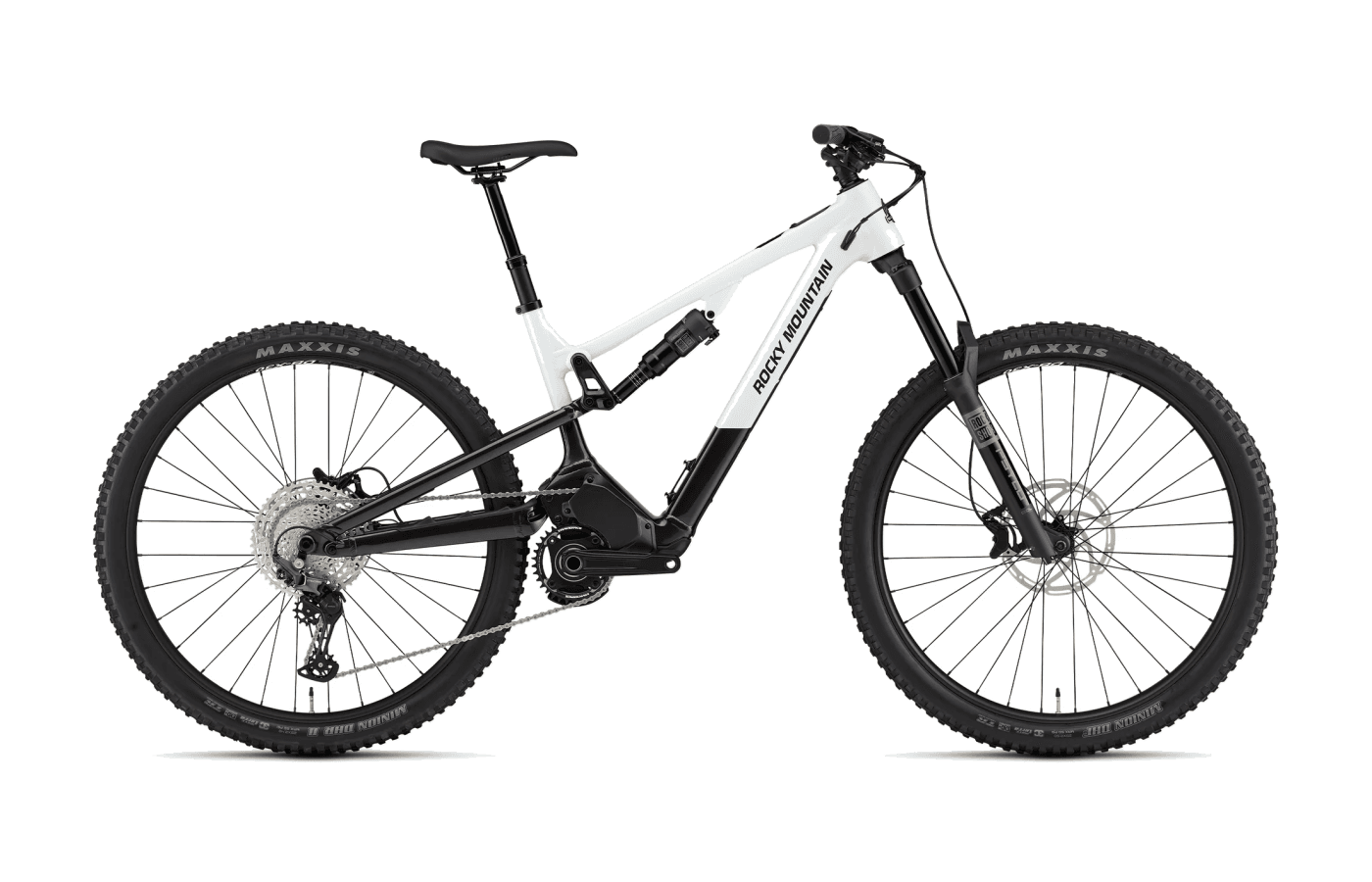
The Instinct Powerplay SL range spans from the Alloy 30 at $5,499 to the Carbon 90 at $11,999, with a broad middle of the line that includes the Alloy 50 at $6,999, Carbon 50 at $7,999 for 2025 and $8,699 in another listed version, Alloy 70 BC Edition at $7,999, Carbon 70 at $9,699 for 2025 and $9,999 in another listed version, and the flagship Carbon 90. That spread gives buyers access to the same core platform at very different price points: the same Dyname S4 Lite concept, removable 480 Wh battery, adjustable geometry, and shared frame kinematics are available well below the five-figure carbon models.
Based on reviewer commentary, the strongest value in the lineup sits in the middle rather than at the top. The Carbon 50 and Alloy 70 BC Edition were frequently singled out as the more logical buys, with the BC Edition especially appealing to aggressive riders thanks to its burlier intent, including a 160 mm fork and tougher trail-ready setup. By contrast, reviewers were more critical of the expensive Carbon 70 and Carbon 90 builds, arguing that their component choices did not fully match the premium pricing. The alloy models carry a weight penalty, but they preserve the distinctive motor system and highly adjustable chassis, which is really the core reason to buy this bike in the first place.
From the press.
15 reviews from the cycling press.
Reviewers consistently describe the Instinct Powerplay SL as one of the most capable and best-sorted riding bikes in the lightweight eMTB class. Across outlets including The Loam Wolf, E-MOUNTAINBIKE Magazine, Blister, NSMB, and Canadian Cycling Magazine, the strongest praise centers on the suspension and climbing traction. Testers repeatedly said the 145 mm rear end rides bigger than its numbers suggest, with the Smoothlink layout maintaining momentum through square-edge hits and rough terrain. The bike was also widely praised for technical climbing: reviewers highlighted the Dyname S4 Lite motor’s immediate, intuitive response, the planted front wheel, and the way the rear wheel stays hooked up on steep, loose pitches. Several publications effectively framed it as a category-bridging bike—lighter and more reactive than a full-power eMTB, but more powerful and more capable uphill than many SL rivals.
Handling feedback is similarly positive, though more nuanced. Testers liked the bike’s agility for a roughly 20 kg machine, especially its light-feeling front end, precise cornering, and balanced feel created by the proportional chainstay lengths and adjustable fit. Most found the neutral geometry setting to be the sweet spot, while the adjustability itself was seen as a major asset. The main criticisms were also consistent: multiple reviewers noted a low front end and low bottom bracket that can demand an active riding style and lead to pedal strikes, and many called out the drivetrain’s mechanical noise and vibration under load. That rough, grinding feel from the idler-driven Dyname system was the bike’s most common drawback, with some testers willing to overlook it and others seeing it as a meaningful demerit. Reviewers also pointed out that motor-off pedaling is poor due to drivetrain drag, and some felt the top-end builds were expensive relative to their parts spec.
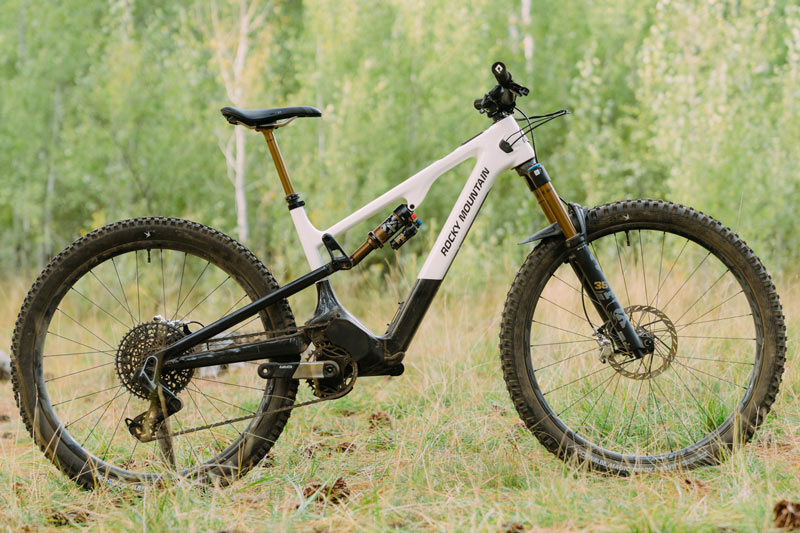
Rocky Mountain Instinct Powerplay SL Review
Rocky Mountain Instinct Powerplay SL Review - The Loam Wolf

Rocky Mountain Instinct Powerplay SL C70 Review - emtb-test.com
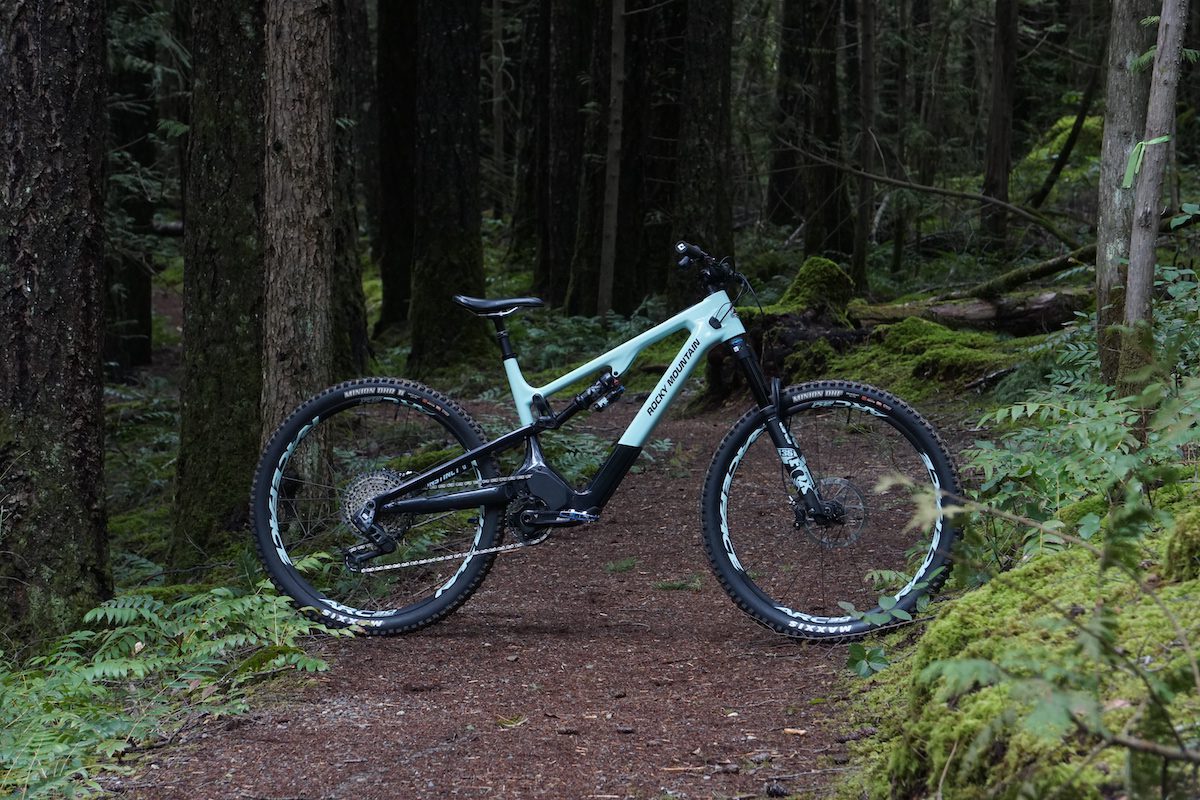
Rocky Mountain Instinct Powerplay SL review - Canadian Cycling Magazine
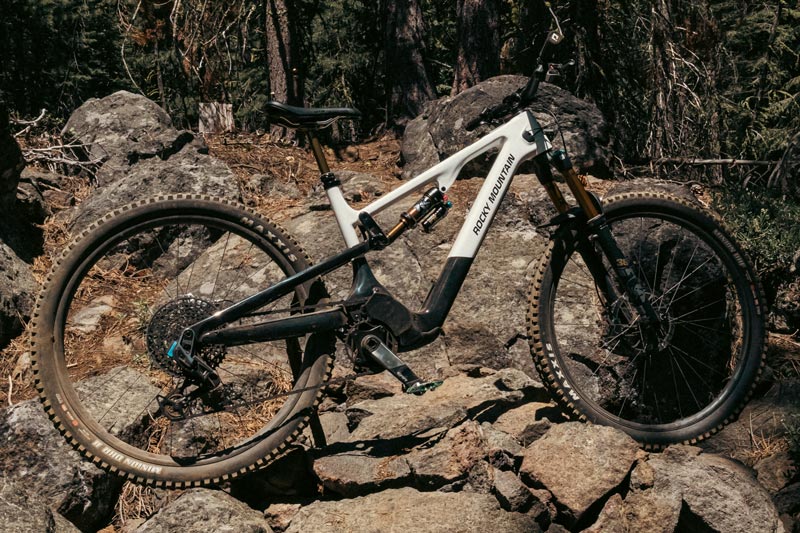
Review: Rocky Mountain Instinct Powerplay SL | The Loam Wolf
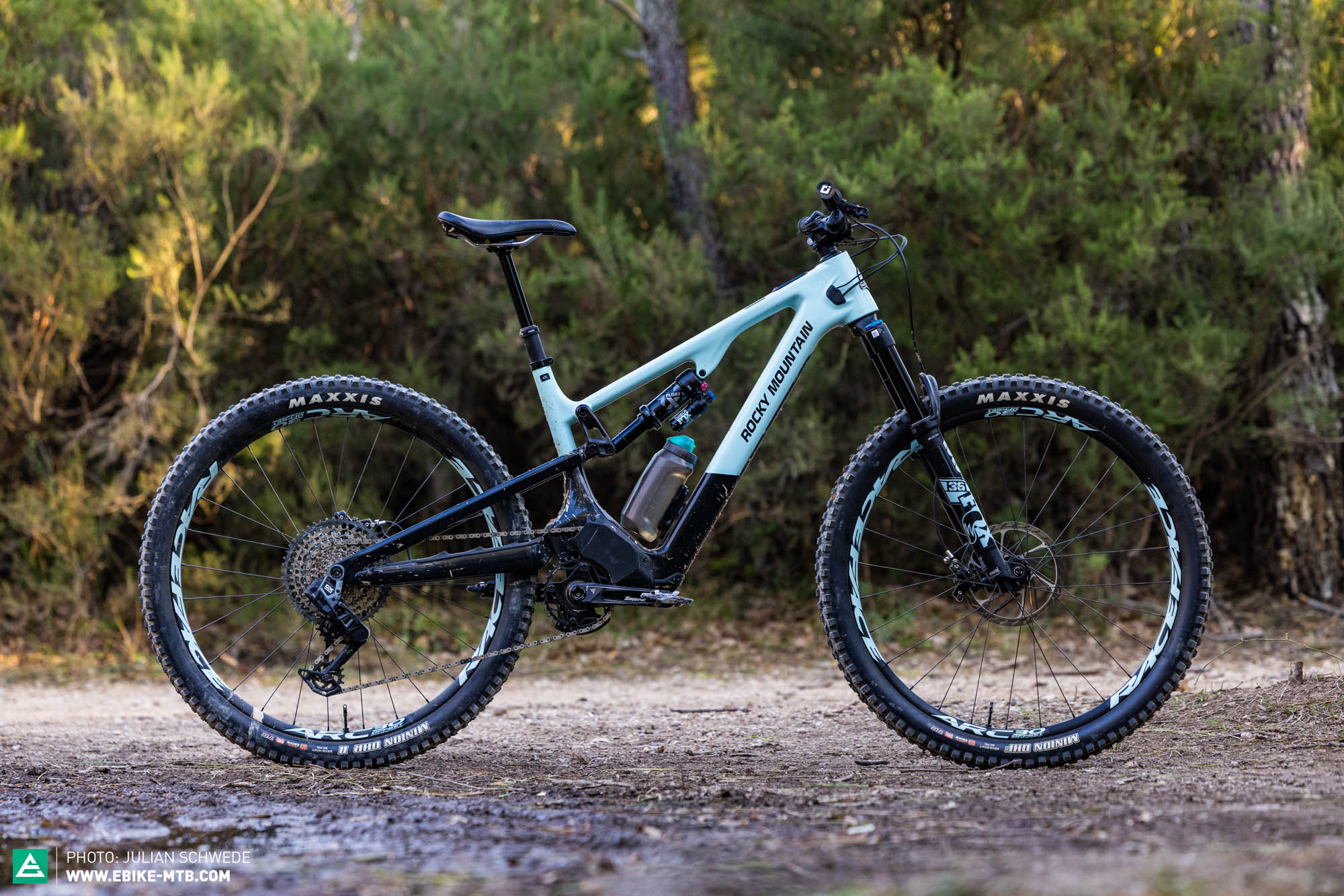
The Best E-Mountain Bike of 2025? Rocky Mountain Instinct ...
La mejor e-mtb de 2025 – Rocky Mountain Instinct Powerplay SL
Das beste E-Mountainbike 2025? Rocky Mountain Instinct Powerplay SL Carbon 70 im E-Mountainbike-Test
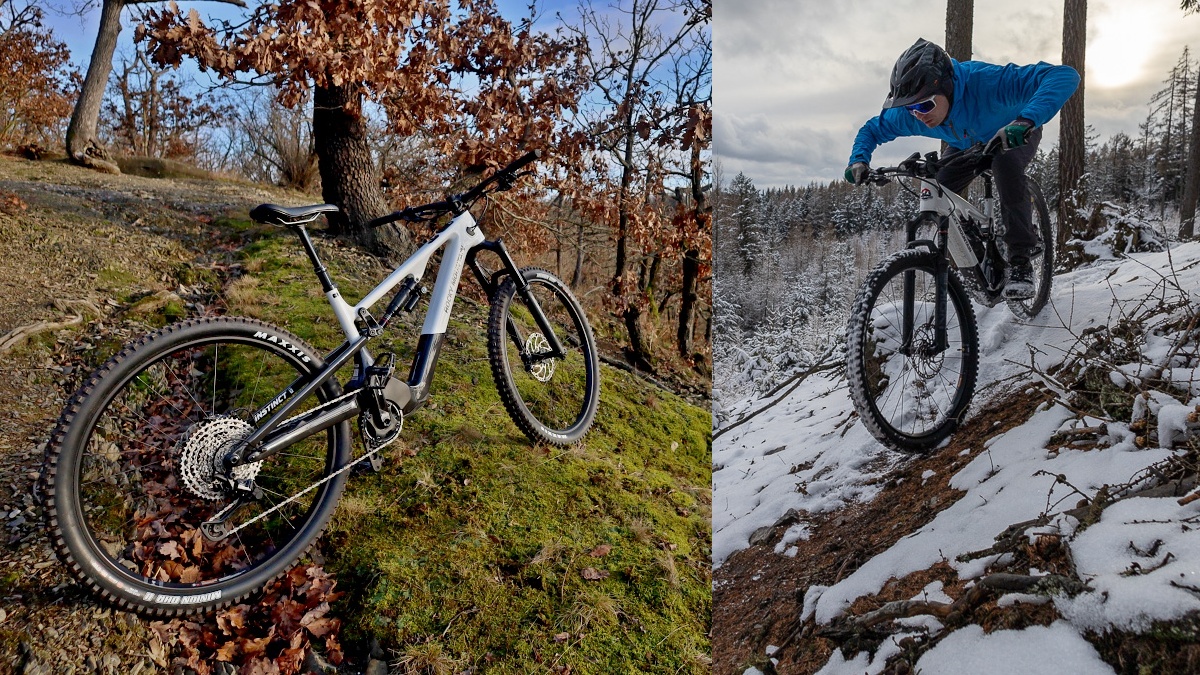
Rocky Mountain Instinct Powerplay SL Carbon 50 – TEST

2026 Rocky Mountain Instinct Powerplay SL
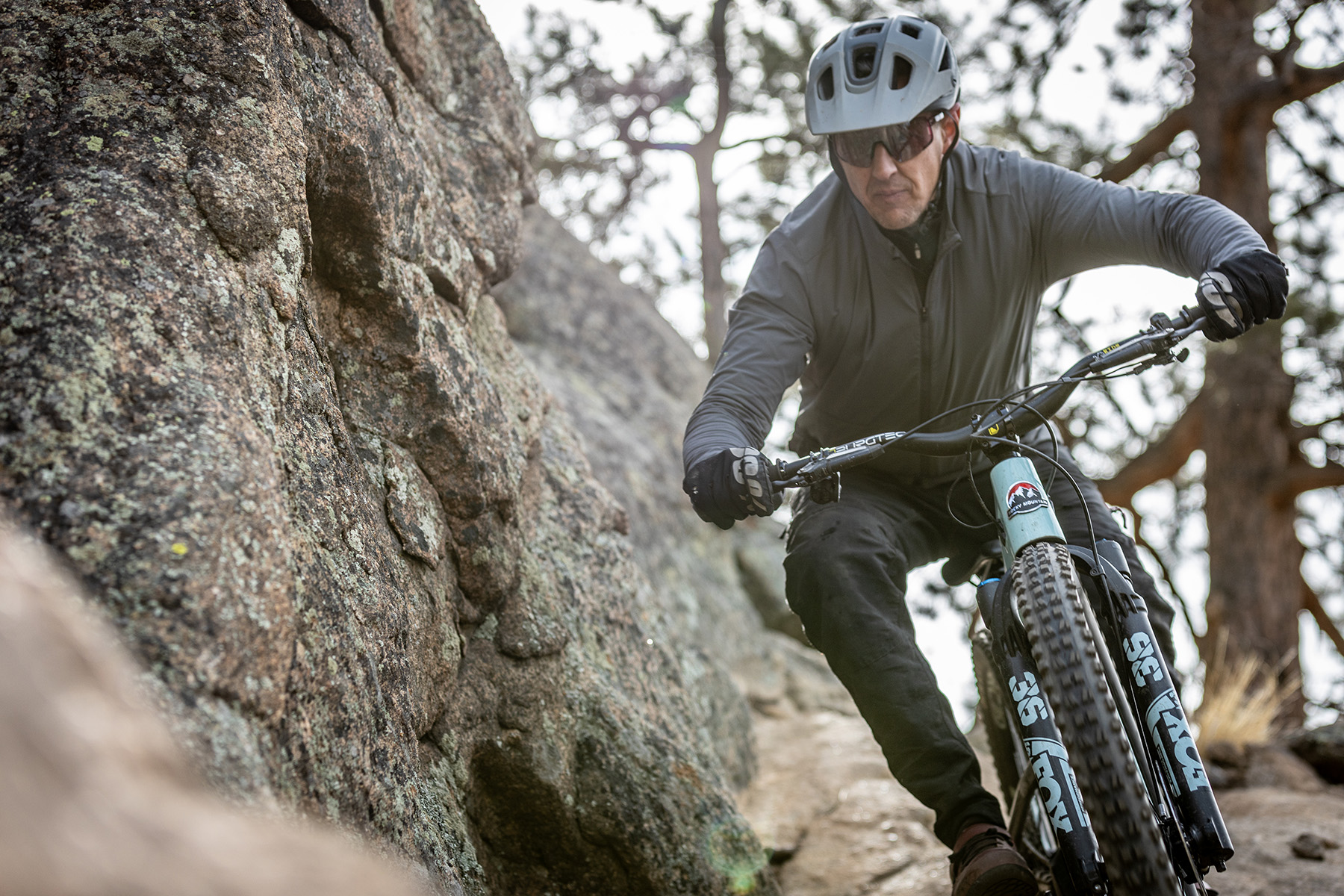
Rocky Mountain Instinct Powerplay SL - Blister Review
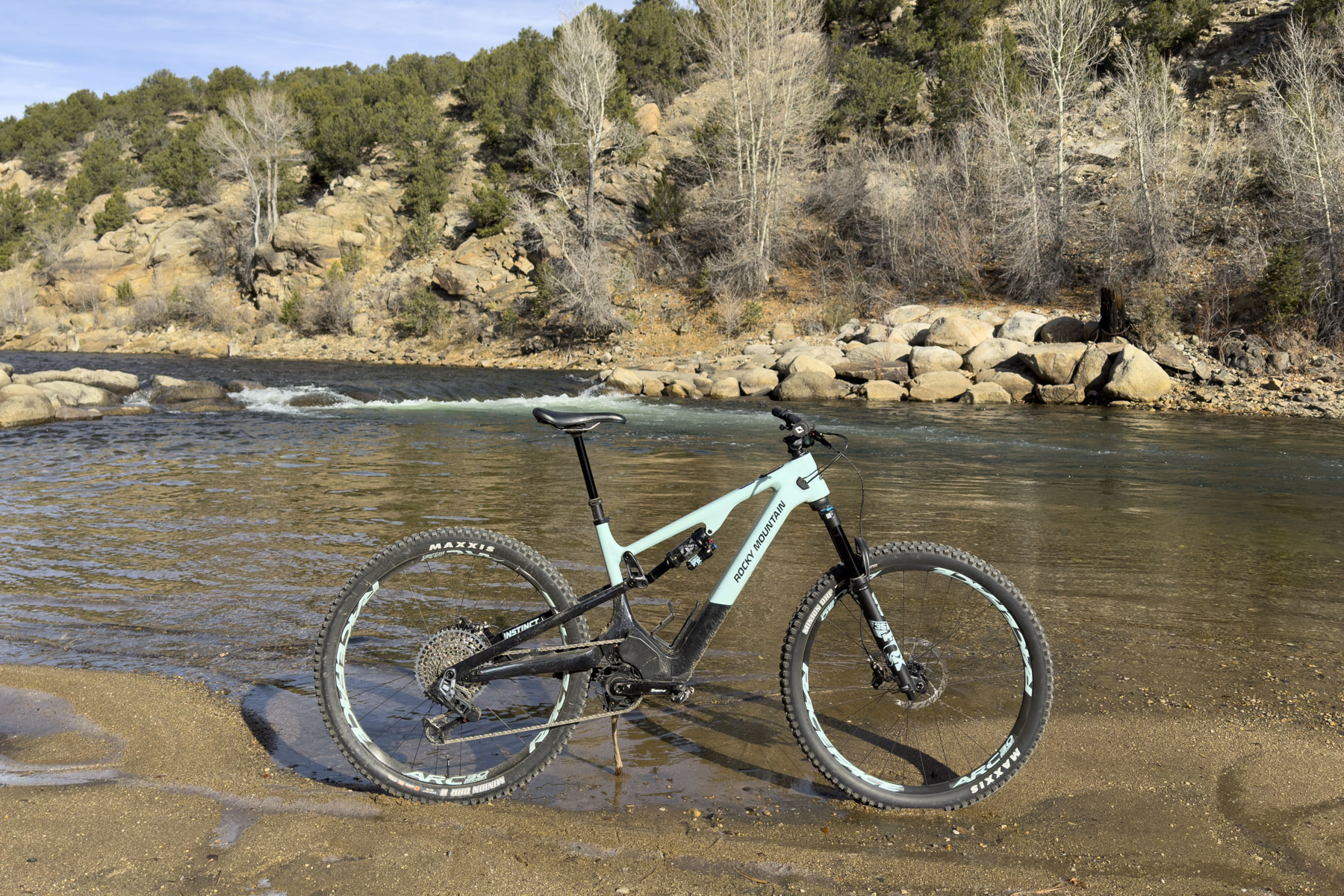
Flash Review — Rocky Mountain Instinct Powerplay SL | Blister
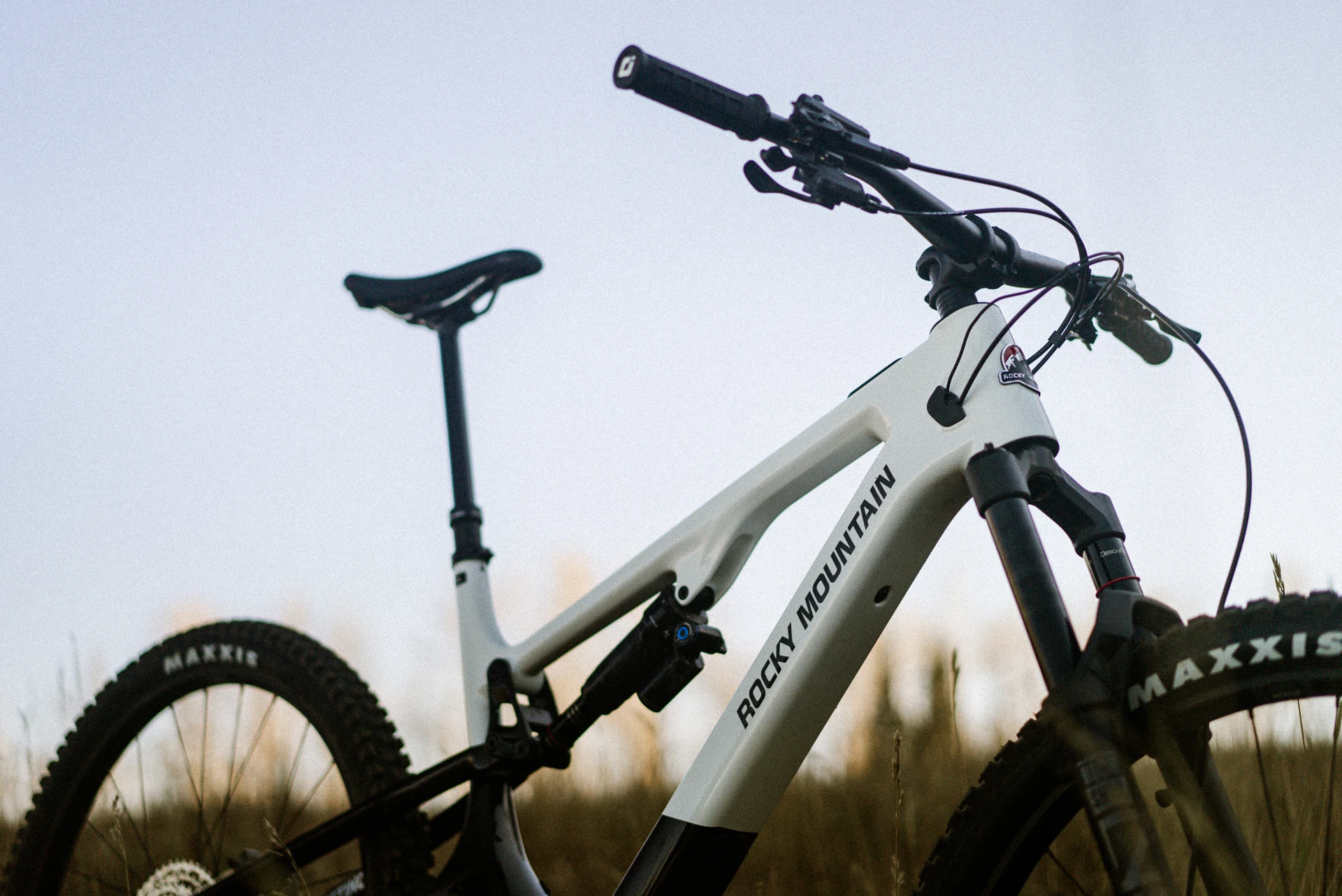
Rocky Mountain Instinct Powerplay SL Review: Rocky Goes Lightweight. - BIKER'S EDGE
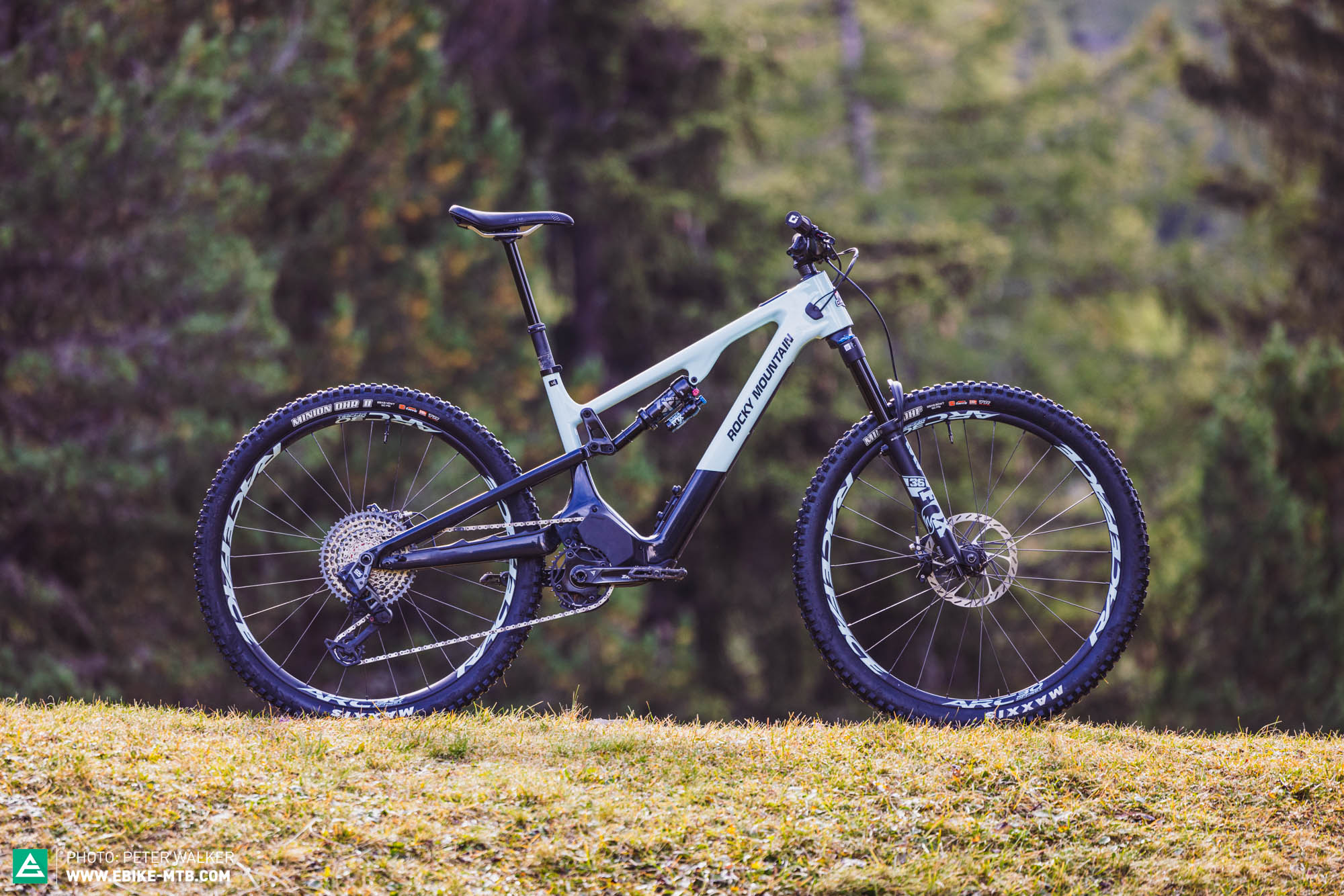
New 2025 Rocky Mountain Instinct Powerplay SL on review