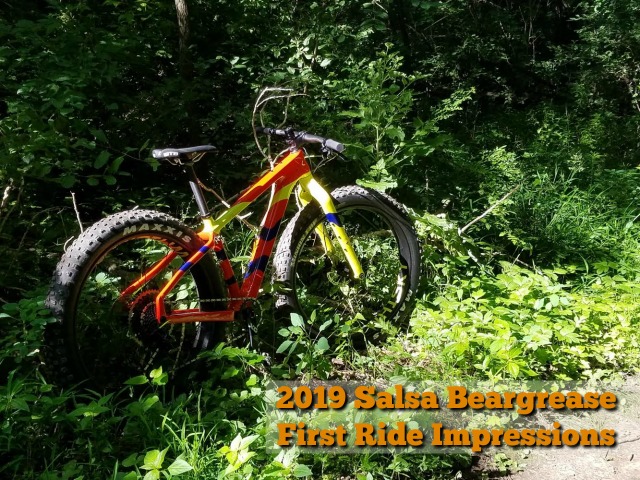
Beargrease
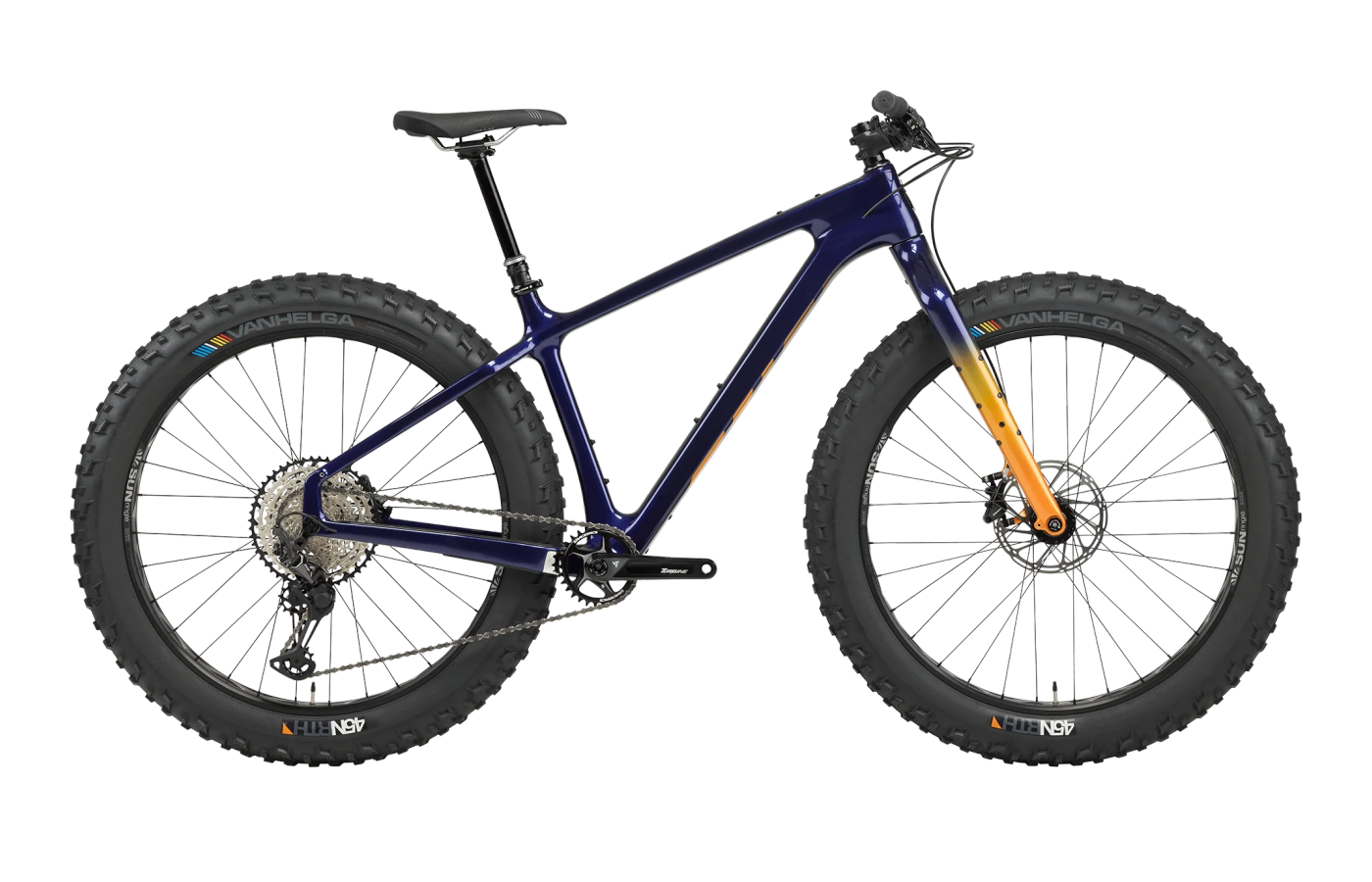
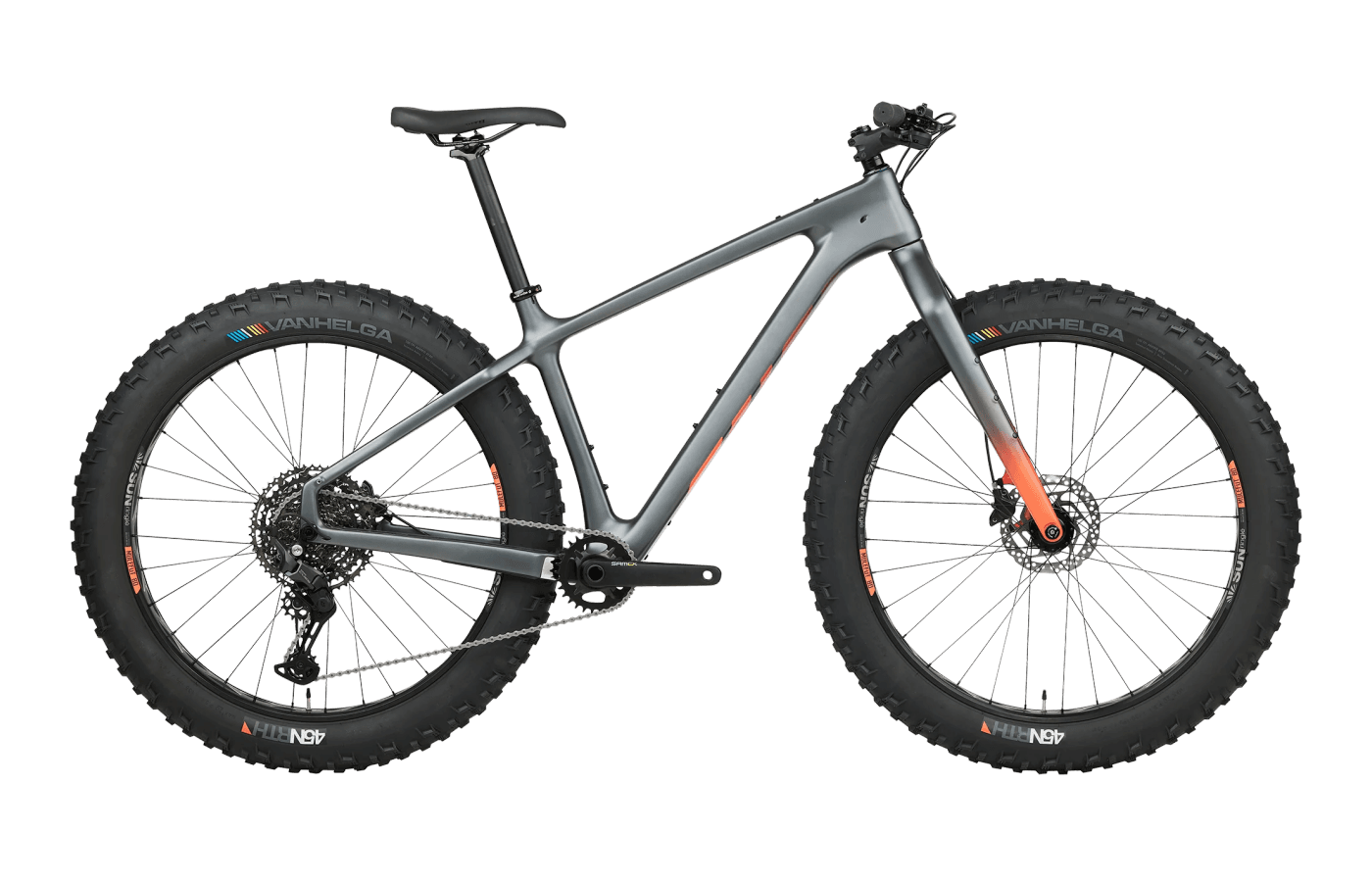
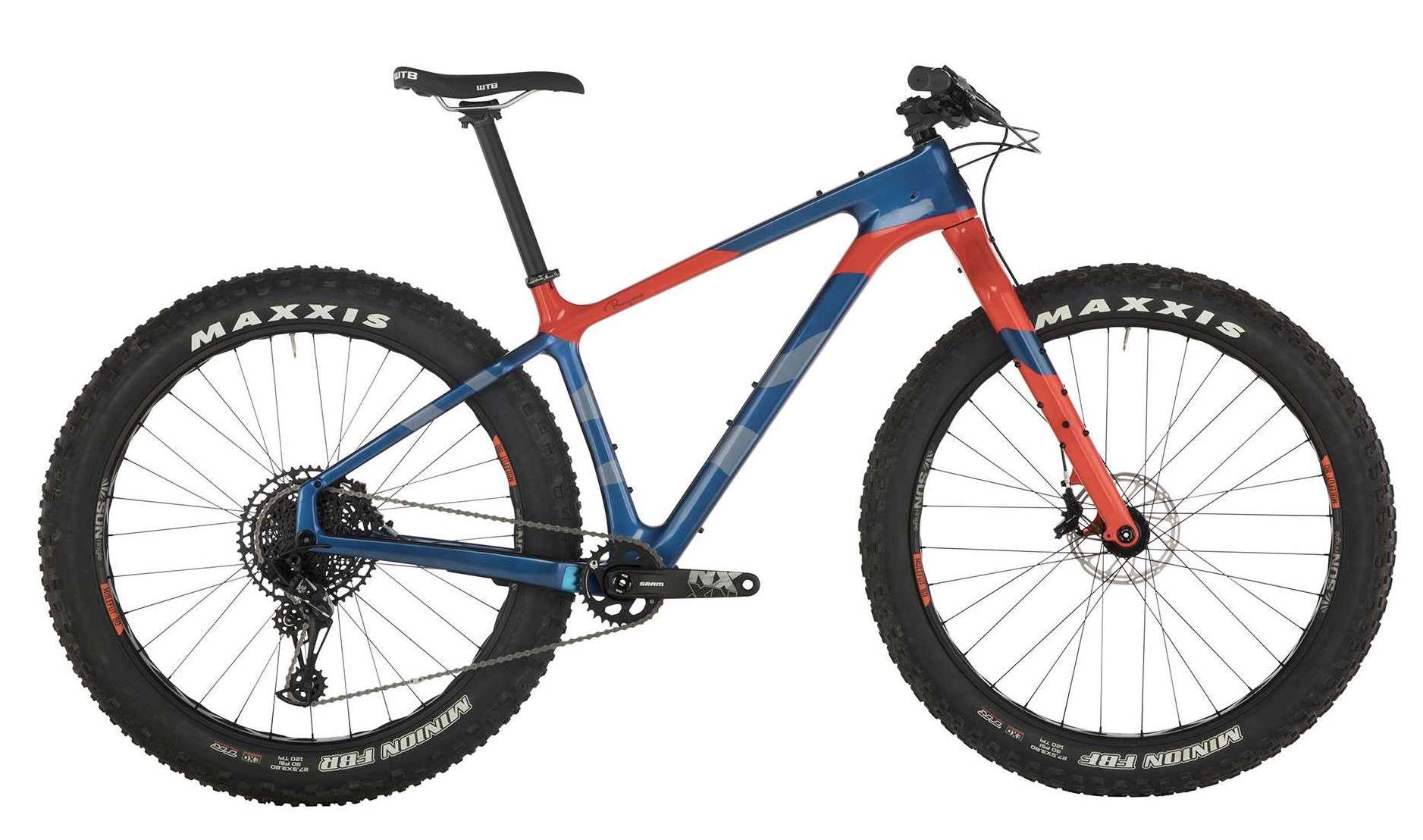
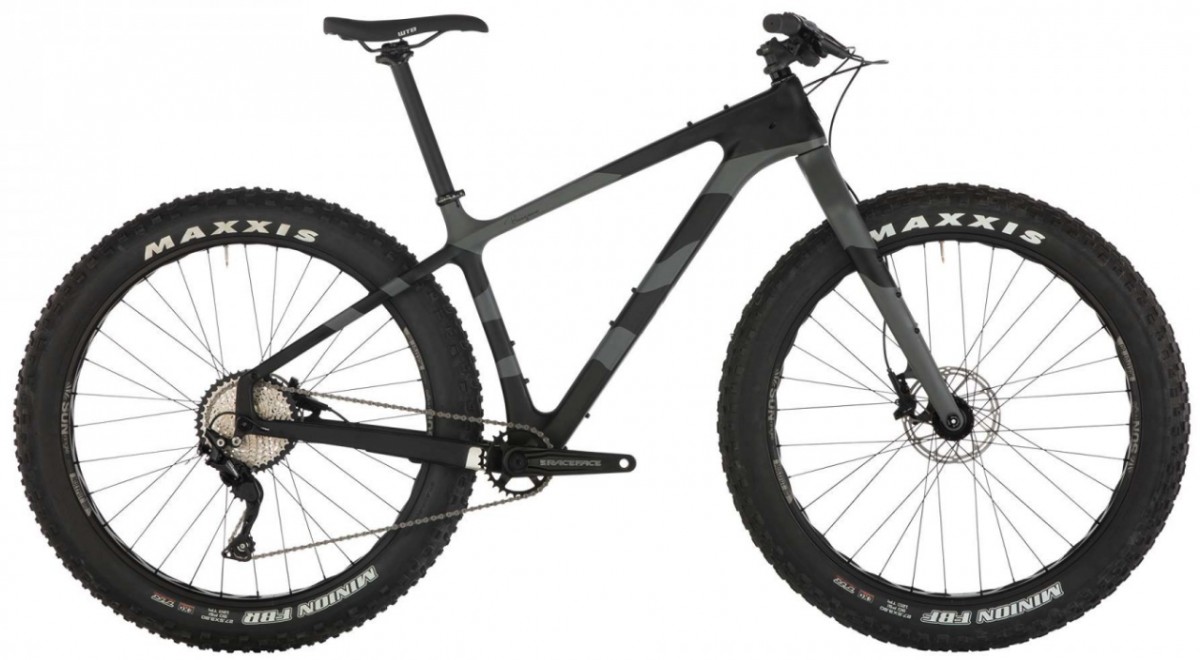
The second-generation Salsa Beargrease, introduced for 2019 and still underpinning current complete bikes and framesets, marked a clear shift in what the model is supposed to be. Earlier Beargrease versions were more traditional race-oriented fat bikes; this redesign moved the bike closer to the feel of a modern XC or light-trail hardtail, just on 27.5 x 4.0-inch rubber. Salsa lengthened the front end and reach, kept the chainstays at 440mm, and designed the bike around short stems and wide bars. The result is a fat bike aimed less at pure snow-race minimalism and more at riders who want speed, predictable handling, and year-round singletrack usefulness without giving up flotation.
Geometry & fit.
5 sizes published.
The Beargrease's geometry is notably modern by fat-bike standards, and the numbers explain why so many reviewers said it rides more like a mountain bike than a traditional snow rig. In size Large, the reach is 444.7mm, paired with a 68.56-degree head tube angle, 73-degree seat tube angle, 440mm chainstays, and a 1151mm wheelbase. That combination gives the bike a longer front center than older fat bikes while keeping the rear end relatively compact. On trail, that should translate to a stable front end in loose conditions without making the bike feel unwieldy in tighter turns. The fixed 440mm chainstay length across the size range is especially important here: it is short enough to keep the bike maneuverable, but not so short that traction and composure suffer on climbs.
Fit is also more progressive than many fat bikes from the previous decade. The reach grows from 390.8mm in XS to 462.8mm in XL, and Salsa's addition of an XS size broadens the usable fit range. Stack numbers are fairly moderate to tall, from 588.1mm in XS to 625.3mm in XL, which should suit the intended short-stem, wide-bar setup and support a confident upright position on snow and mixed surfaces. The 73.5-degree seat angle on XS, versus 73 degrees on the other sizes, helps keep smaller riders centered over the bike. Overall, the geometry favors efficient seated climbing, predictable steering, and mid-speed stability more than aggressive descending; it is modern enough to feel composed, but still conservative compared with current trail hardtails.
Where the handlebar sits relative to the bottom bracket — the single most important fit pair.
01Fit geometry6 values
03Handling geometry6 values
Which size should I buy?
Slide your height to see the recommended size. GearWise's fit algorithm works from the published stack, reach, and ETT — the brand's own recommendation may differ.
→Calculated from GearWise's own stack / reach / ETT algorithm — the brand's size chart may recommend a different size, and a proper bike fit beats any calculator.
The lineup.
3 builds, ranging $2,030 – $3,999.
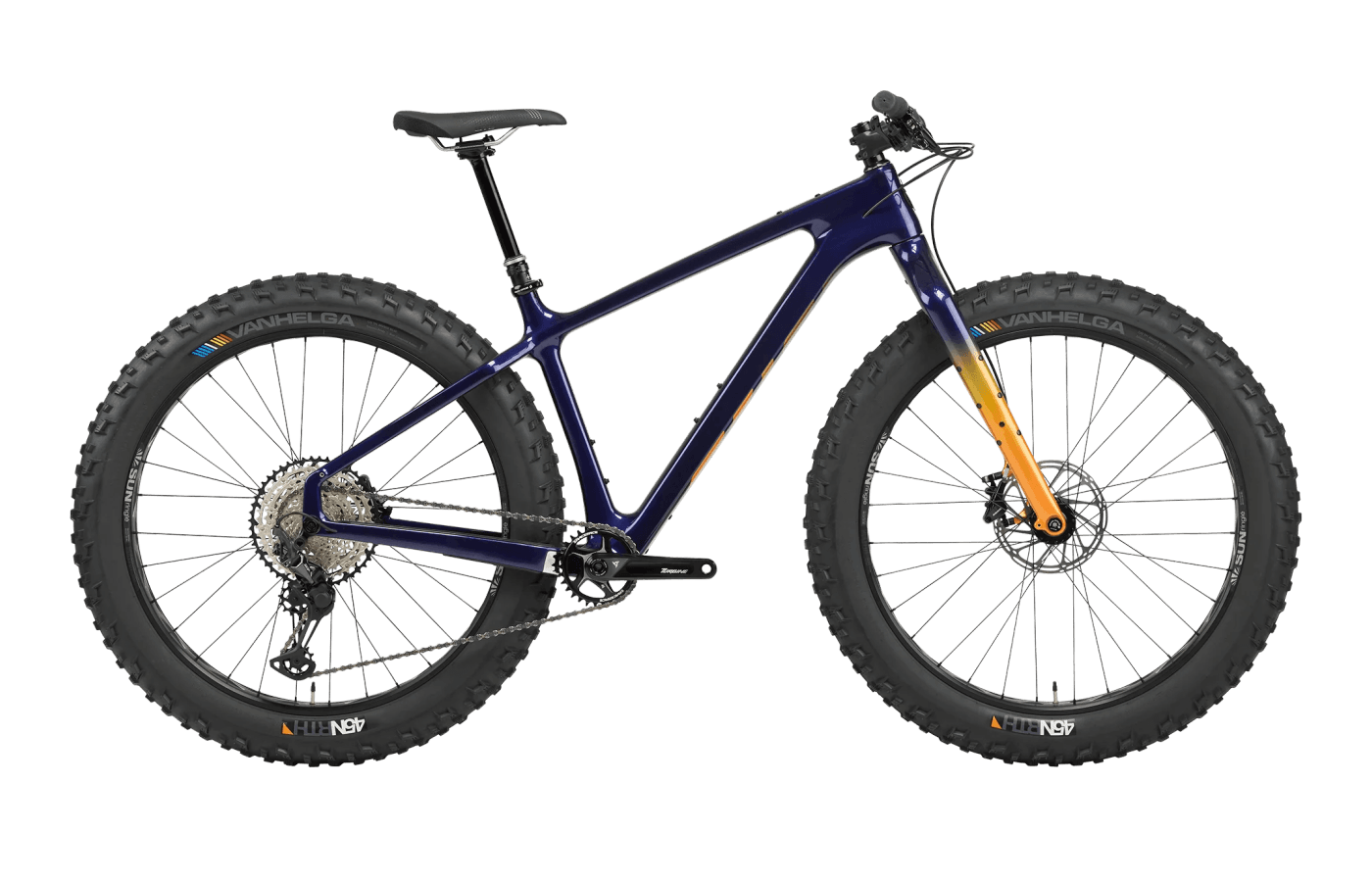
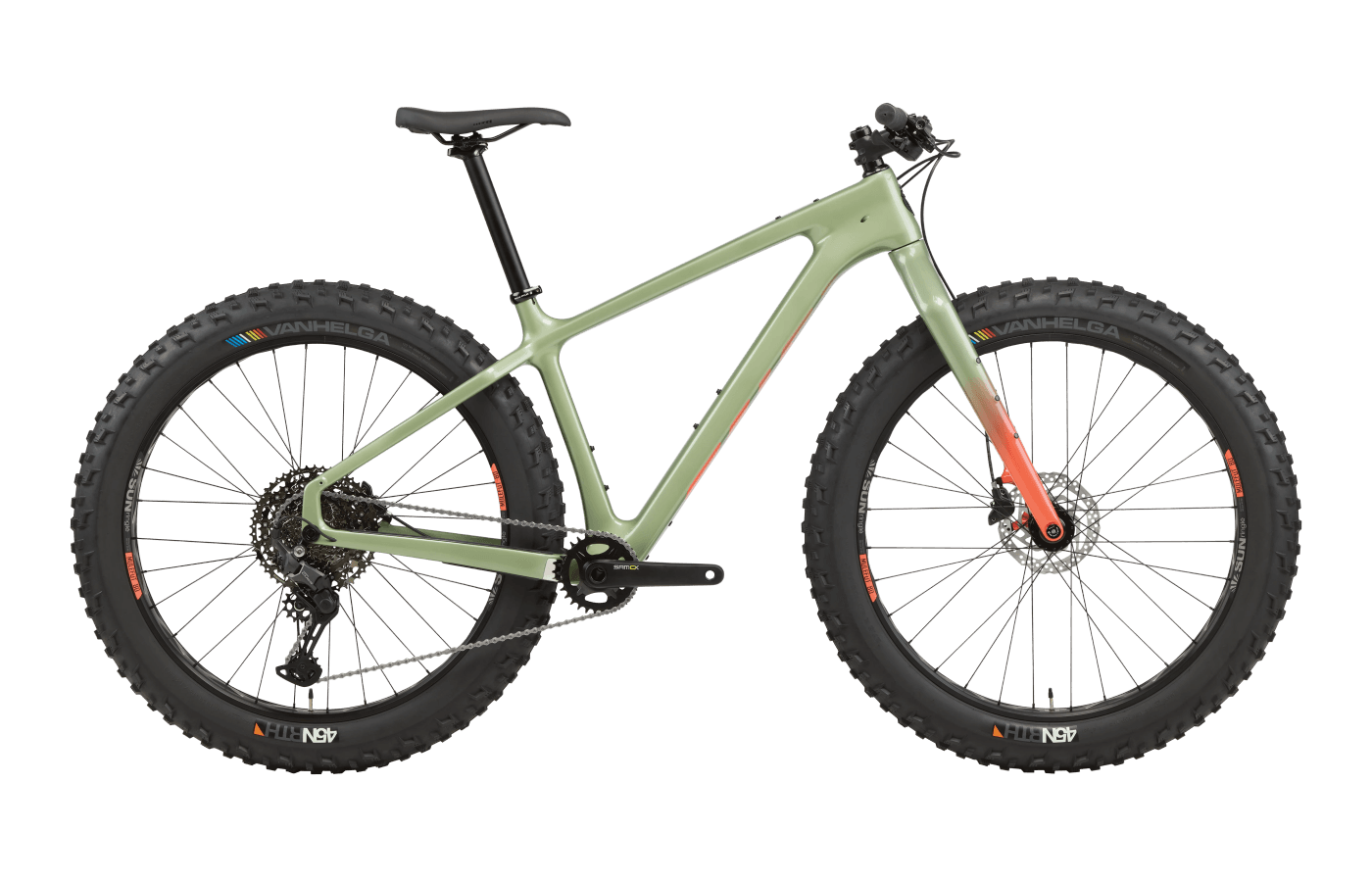
Current complete-bike pricing spans a fairly wide range, from the C CUES at $2,029.99 to the C CUES 11 at $2,319.99 and the C XT at $3,999. That spread suggests Salsa is still positioning the Beargrease around a premium carbon chassis with a meaningful entry point below many carbon fat-bike rivals. Historically, reviewers saw that as one of the model's strongest selling points: even lower-tier builds gave buyers the same light, responsive Beargrease Carbon v2 frame that defined the ride quality, while higher-end versions cut weight and sharpened performance further.
Review feedback on past builds also gives a sense of where the value tends to sit. The lower-cost Deore and similar builds were generally seen as smartly specced rather than flashy, prioritizing a strong frame over premium finishing parts. Mid-level builds were often described as the sweet spot, while top-end versions delivered race-bike weight and faster wheels at a much higher price. Across the range, one notable omission repeatedly flagged by reviewers was the lack of a stock dropper post, despite the frame's stealth routing. For many buyers, that remains one of the first upgrades worth budgeting for if the bike will see regular singletrack use.
From the press.
8 reviews from the cycling press.
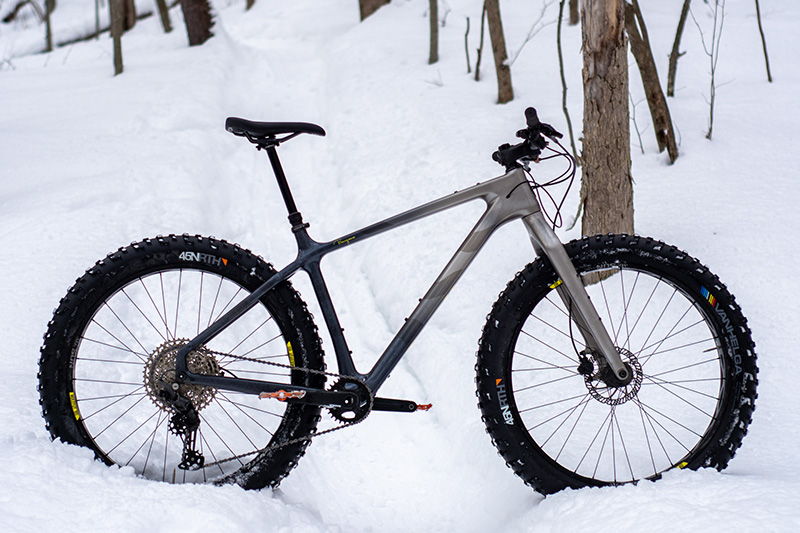
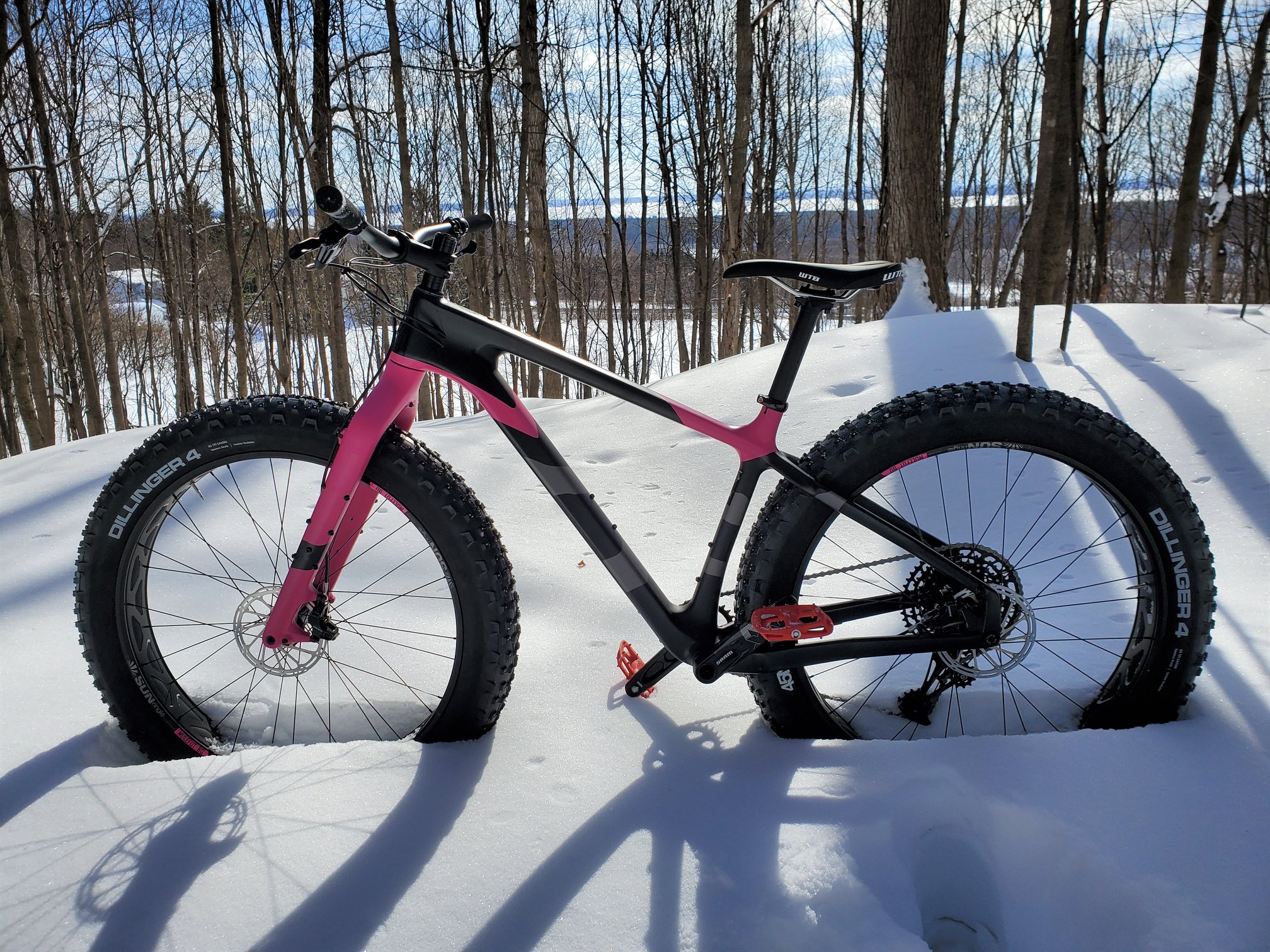
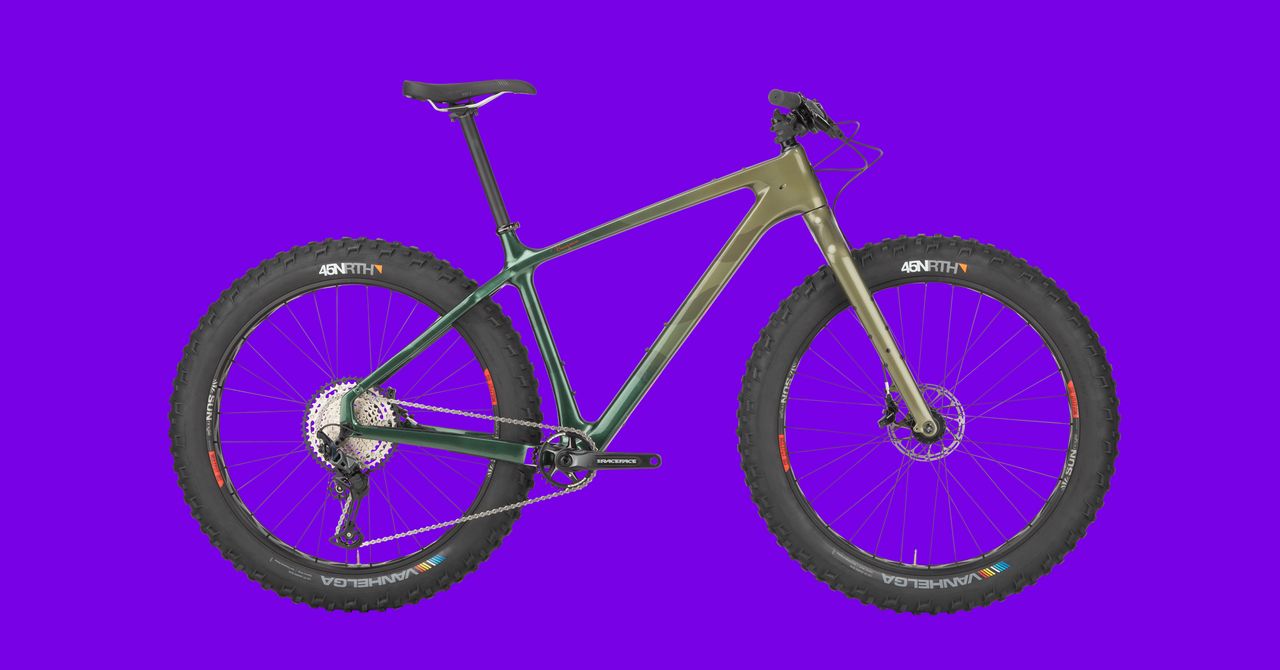
Reviewers were remarkably consistent in describing the Beargrease as a "flying fatty" rather than a traditional, sluggish fat bike. Mountain Flyer, OutdoorGearLab, WIRED, and others all pointed to the carbon frame as the defining feature: it feels light, stiff under power, and unusually lively for the category. Testers repeatedly praised its climbing efficiency and momentum on groomed snow, dirt, and sand, with several noting that the 27.5-inch wheels improve rollover and help the bike feel more like a regular mountain bike once it is up to speed. OutdoorGearLab in particular highlighted the bike's efficient pedaling and playful short-turning handling, while WIRED emphasized that it is a fast, purpose-specific machine for packed powder rather than every possible winter condition.
There were, however, some recurring caveats. More than one reviewer noted that the larger 27.5 setup can feel a bit slower to accelerate out of tight corners than older 26-inch fat bikes, even if it carries speed better overall. Descending opinions were mixed: some found the front end calm and confidence-inspiring, while others felt the 68.5-degree head angle was still conservative for truly steep, fast terrain. The lack of a stock dropper post came up repeatedly as a practical weakness on a bike clearly intended for singletrack, and one smaller tester reported calf rub on the wide rear end. Across the reviews, the Beargrease came across as an excellent fast fat bike for racing, endurance riding, and groomed trail use, but not the most natural choice for rough backcountry terrain or riders wanting maximum downhill capability.
Tested: 2021 Salsa Beargrease Deore « Mountain Flyer Magazine
![Is Salsa Beargrease C Deore 11 Worth Buying? [Salsa Beargrease C Deore 11 Review]](https://paklmrfyhygqlkyhjcnf.supabase.co/storage/v1/object/public/storage/review-images/salsa/beargrease/v2-2019-present/review-1081499e4cda.jpg)
Is Salsa Beargrease C Deore 11 Worth Buying? [Salsa Beargrease C Deore 11 Review]
2020 SALSA BEARGREASE NX EAGLE REVIEW | Allday magazine
Salsa Cycles Beargrease Carbon SLX Review: A Great Fat Bike | WIRED
22 Reasons to/NOT to Buy Salsa Beargrease | BikeRide
Salsa Beargrease Carbon Deore Review
2019 Salsa Beargrease Carbon X01 Eagle Review - Fat-bike.com