Salsa
HeydayAdvent
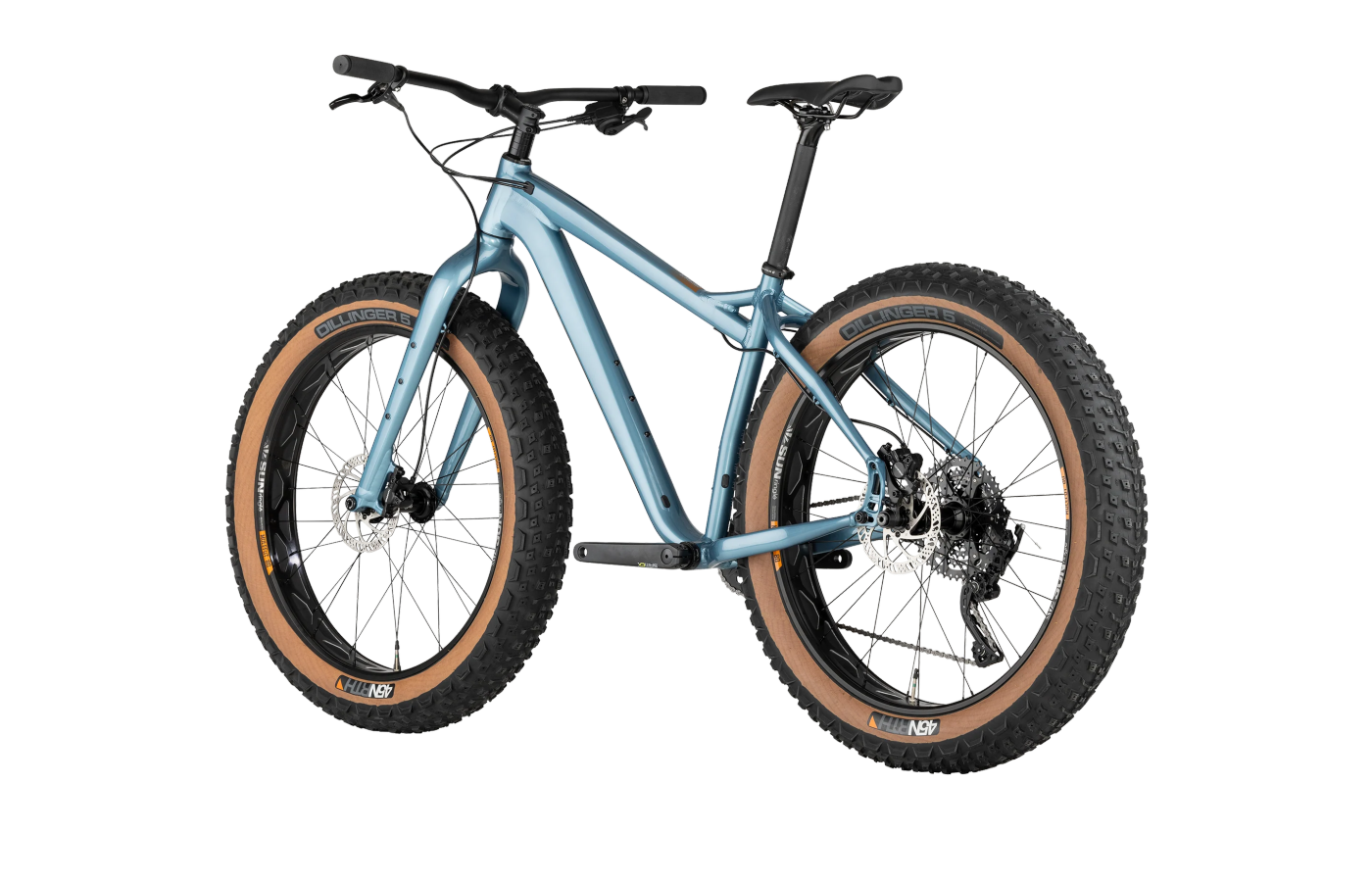
The current Salsa Heyday platform traces back to the 2017 Mukluk and, despite the 2024 name change, remains the same core do-it-all fat-bike chassis. It is built around modern fat-bike standards—150 x 15mm front, 197 x 12mm rear, and a 100mm threaded bottom bracket—and is notable for how much wheel and tire flexibility it offers. Salsa designed it primarily around 26 x 4.6-inch rubber, but the frame is also intended to accommodate 27.5 fat and 29+ setups, which gives it unusual range for riders who want one bike for snow, sand, trail riding, and expedition use rather than a single-purpose winter machine.
What distinguishes this generation is its adaptability. Salsa's Alternator dropout system allows geared or singlespeed configurations and gives the frame a level of adjustability that suits both playful trail use and loaded bikepacking. Accessory mounts, internal routing, and stealth dropper compatibility reinforce that this is as much an exploration platform as a fat bike in the traditional snow-bike sense. In the market, the Heyday sits as a practical, highly versatile fat bike for riders who value utility, cargo capacity, and multi-surface capability over progressive trail geometry or outright speed.
Spec sheet.
Every component shipped with this build.
Geometry & fit.
5 sizes published.
The Heyday's geometry is conservative by current trail-bike standards, and that strongly shapes how it rides. Across sizes, the head tube angle is 69 degrees and the seat tube angle is 73 degrees, paired with a 63mm bottom bracket drop and a 432mm chainstay length in the published geometry. On a size Large, reach is 446.2mm, stack is 620.7mm, and wheelbase is 1142.3mm. Those numbers point to a bike that places the rider in a reasonably centered, comfortable position without the stretched-out front center or slack steering geometry seen on more aggressive fat bikes.
On the trail, that translates to quick low-speed steering, easy line changes, and good maneuverability in tight or rolling terrain. The relatively short wheelbase and moderate reach help the bike feel lively rather than cumbersome, while the low bottom bracket contributes to a planted feel in corners. The tradeoff is stability: a 69-degree head angle is calm enough for snow and sand but not especially confidence-inspiring at higher speeds or on steep descents. In fit terms, the geometry should suit riders looking for an all-day, exploration-oriented position more than those wanting a long, slack chassis for aggressive descending.
Where the handlebar sits relative to the bottom bracket — the single most important fit pair.
01Fit geometry6 values
02Component geometry4 values
03Handling geometry6 values
Which size should I buy?
Slide your height to see the recommended size. GearWise's fit algorithm works from the published stack, reach, and ETT — the brand's own recommendation may differ.
→Calculated from GearWise's own stack / reach / ETT algorithm — the brand's size chart may recommend a different size, and a proper bike fit beats any calculator.
The lineup.
3 builds, ranging $1,360 – $2,640.
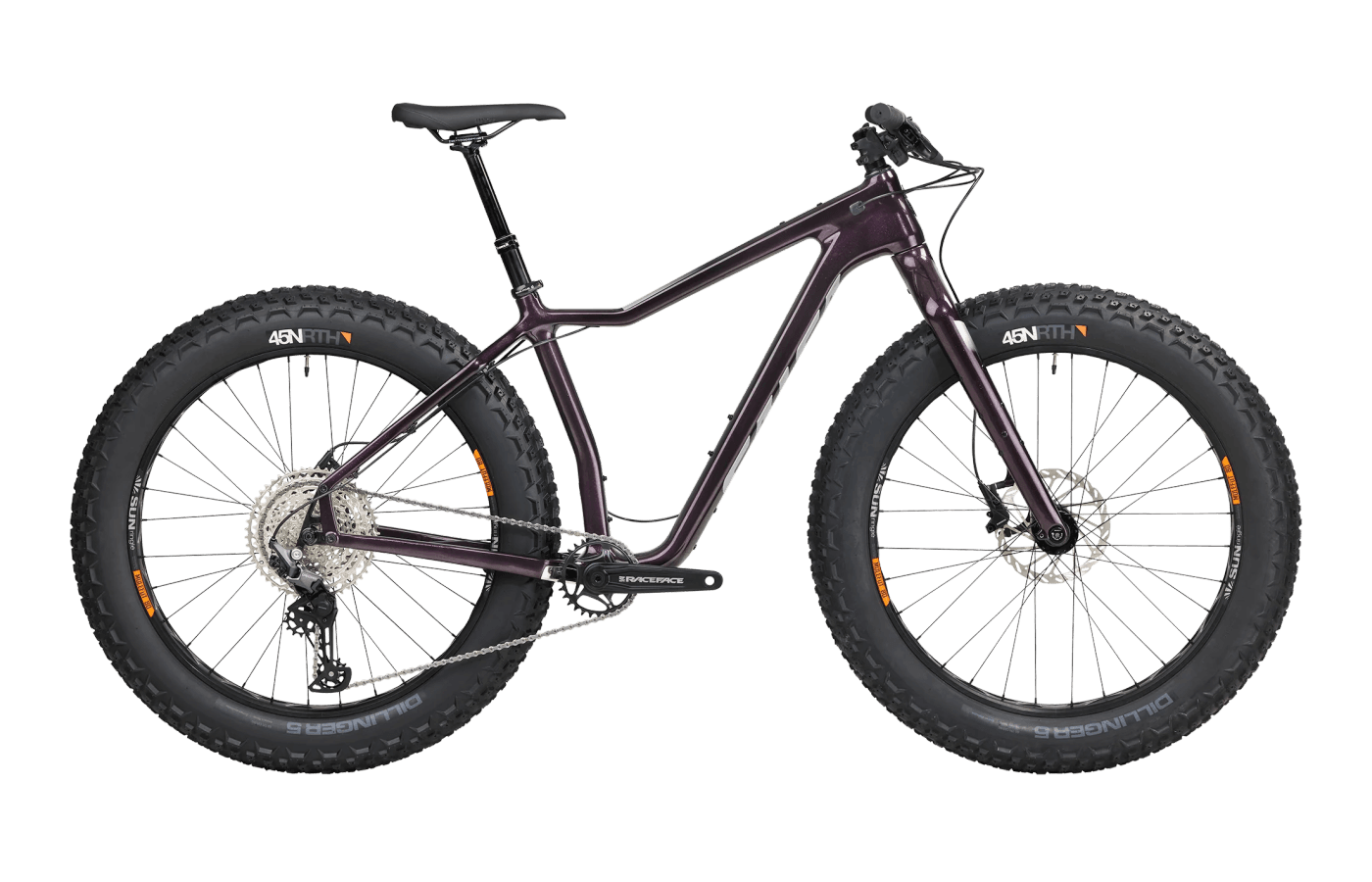
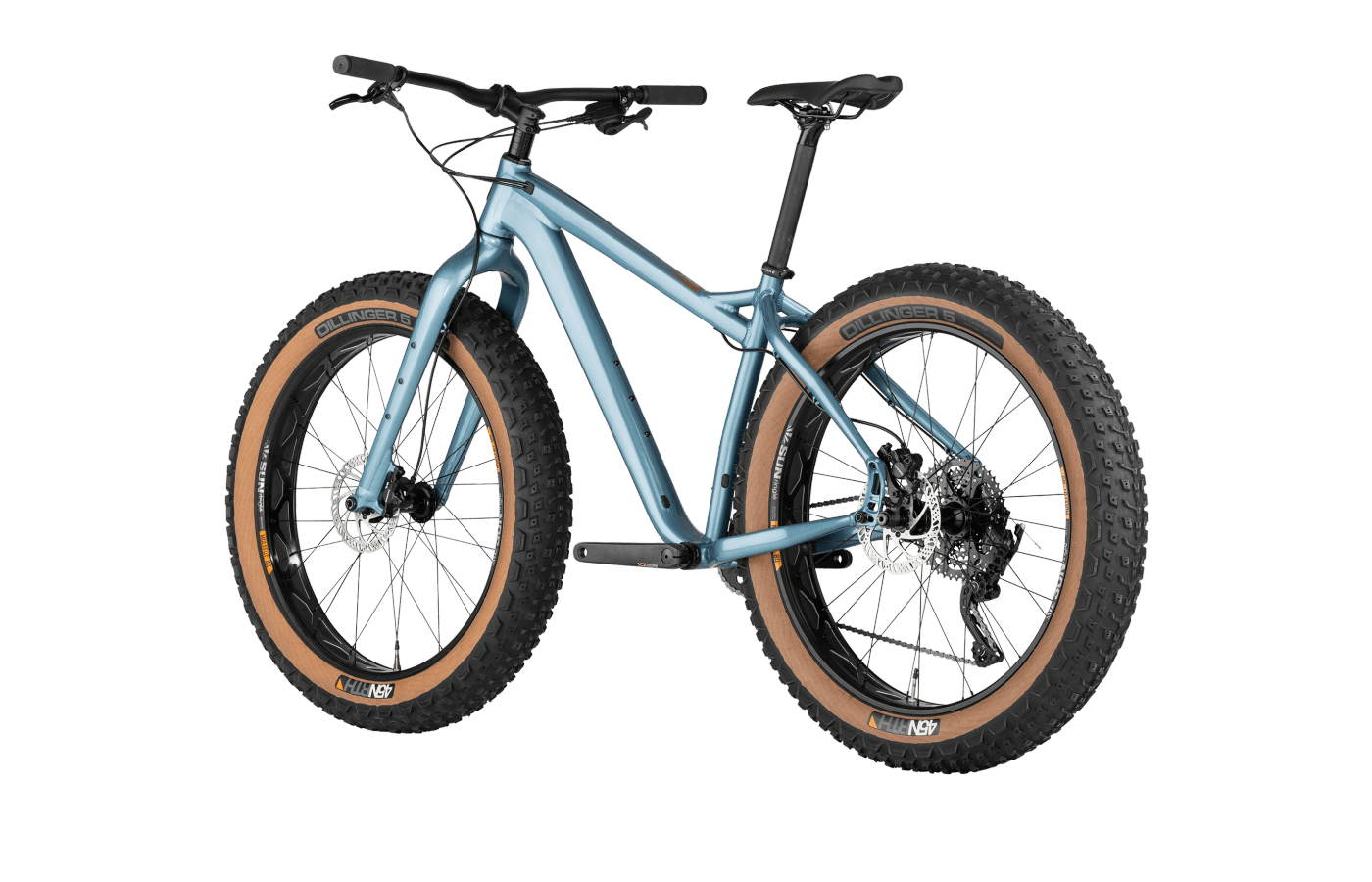
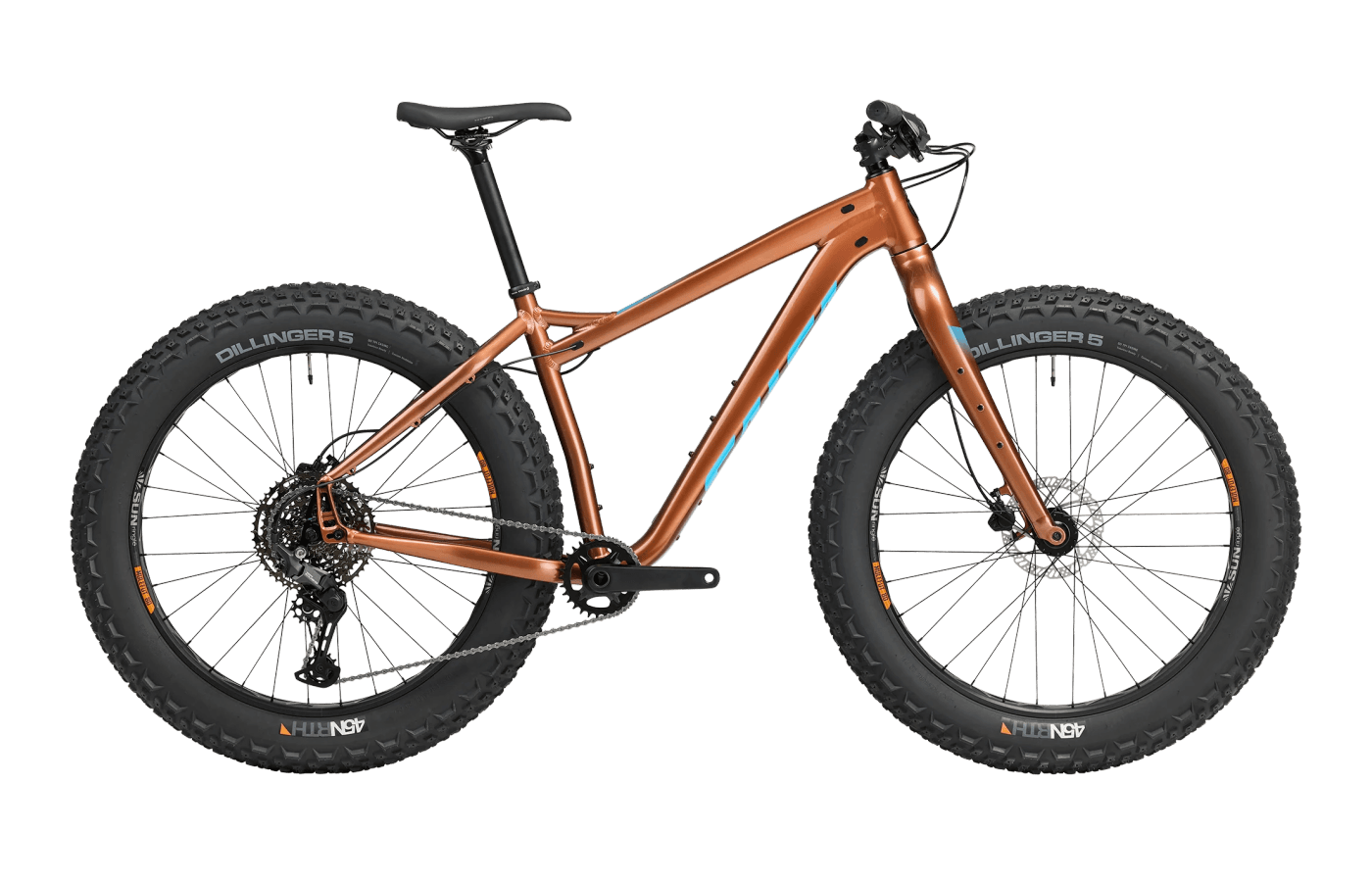
The current range spans from affordable alloy builds to a more premium carbon option. The listed builds are the 2025 CUES at $1,359.99, the 2024 Advent at $1,699, and the 2025 C Deore 12 at $2,639.99. That spread reflects the platform's broad appeal: the lower-priced bikes target riders entering fat biking or building a winter/adventure bike on a budget, while the carbon Deore 12 moves the Heyday concept toward a lighter, more refined long-distance machine.
Review coverage focuses most directly on the Advent build, which uses a MicroSHIFT Advent 9-speed drivetrain and was repeatedly praised for delivering useful gearing and reliable shifting at a modest price. Reviewers also highlighted the inclusion of 45NRTH Dillinger 5 26 x 4.6 tires as a meaningful spec win, since quality fat-bike tires are expensive and have a major effect on ride quality. The compromises are mostly in finishing parts and braking: testers criticized the basic grips and found the Tektro hydraulic brakes adequate rather than powerful. Overall, the lower-end builds stand out for frame versatility and sensible core parts, while the carbon C Deore 12 is the likely choice for riders who want the same adaptable chassis in a lighter, higher-end package.
From the press.
5 reviews from the cycling press.
Reviewers consistently describe the Heyday, and the earlier Mukluk versions built on this platform, as a versatile and easy-going fat bike with a broad use case. OutdoorGearLab called the Heyday Advent a strong option for snowy trail exploration, fitness loops, and bikepacking, praising its reasonable price, comfortable geometry, and straightforward spec. Long-term coverage from Journey's Flow was even more emphatic about the platform's appeal, framing the Mukluk as a bike defined by "fun factor," comfort, and a "slow meandering journey" character rather than point-to-point efficiency. Across reviews, that same theme recurs: the bike feels lively and surprisingly nimble for a fat bike, especially in soft terrain and on moderate climbs.
The main criticism is that the Heyday has a clear performance ceiling when terrain gets steeper, rougher, or faster. Multiple reviewers point to the 69-degree front end and relatively compact wheelbase as reasons it feels maneuverable at low speeds but nervous when pushed hard on descents. OutdoorGearLab explicitly noted that it has a "speed limit" and is less exciting than more aggressive competitors. Reviewers also drew a distinction between frame materials: carbon versions were praised for moving efficiently even when loaded, while the aluminum Advent's rigid alloy fork was criticized as harsh over frozen ruts and rocky sections. On lower-cost builds, testers also flagged underwhelming touchpoints such as the non-locking grips and modest Tektro brakes, though the stock 45NRTH Dillinger tires and dependable MicroSHIFT drivetrain were widely seen as smart choices for the price.
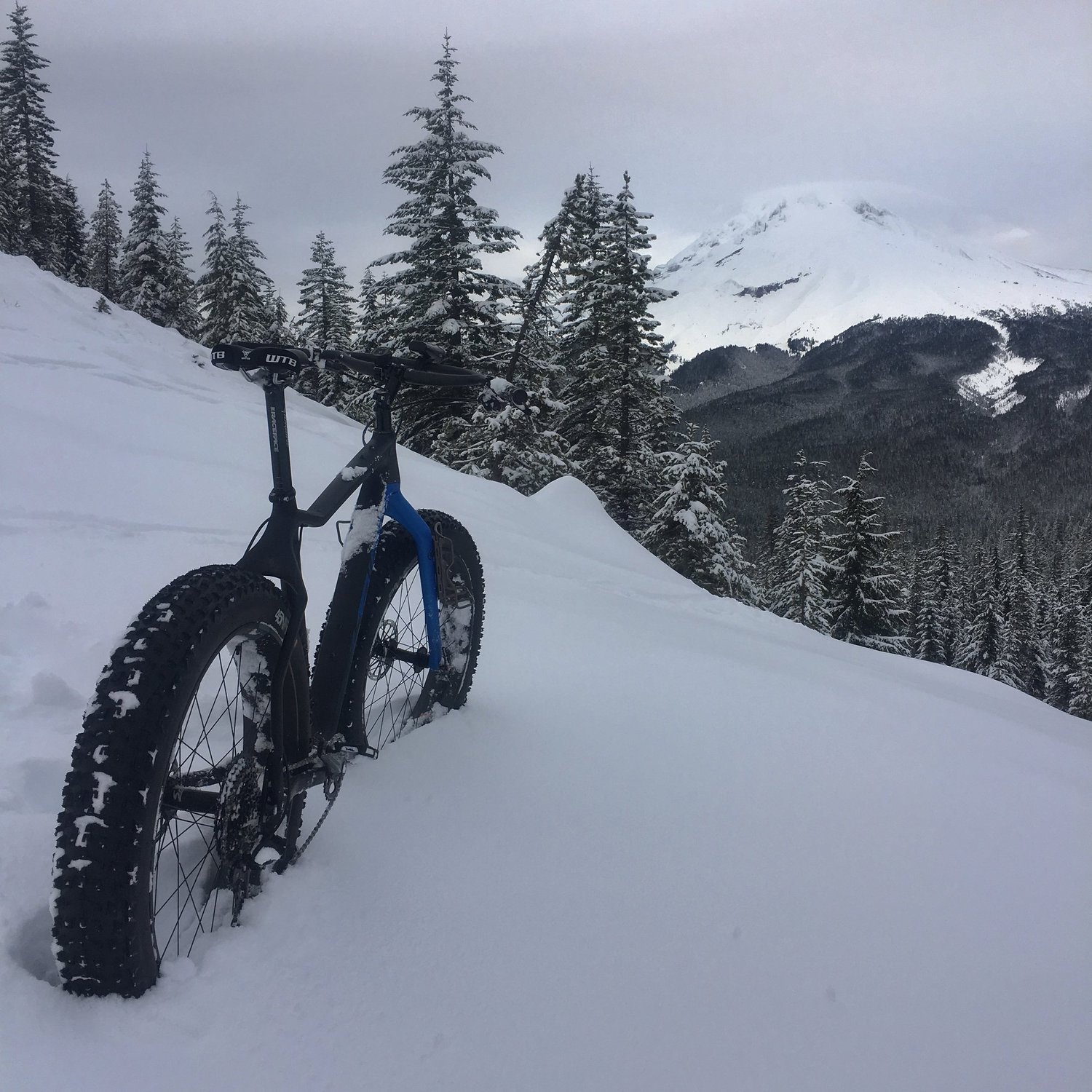
2017 Salsa Mukluk X01… - Journey's Flow
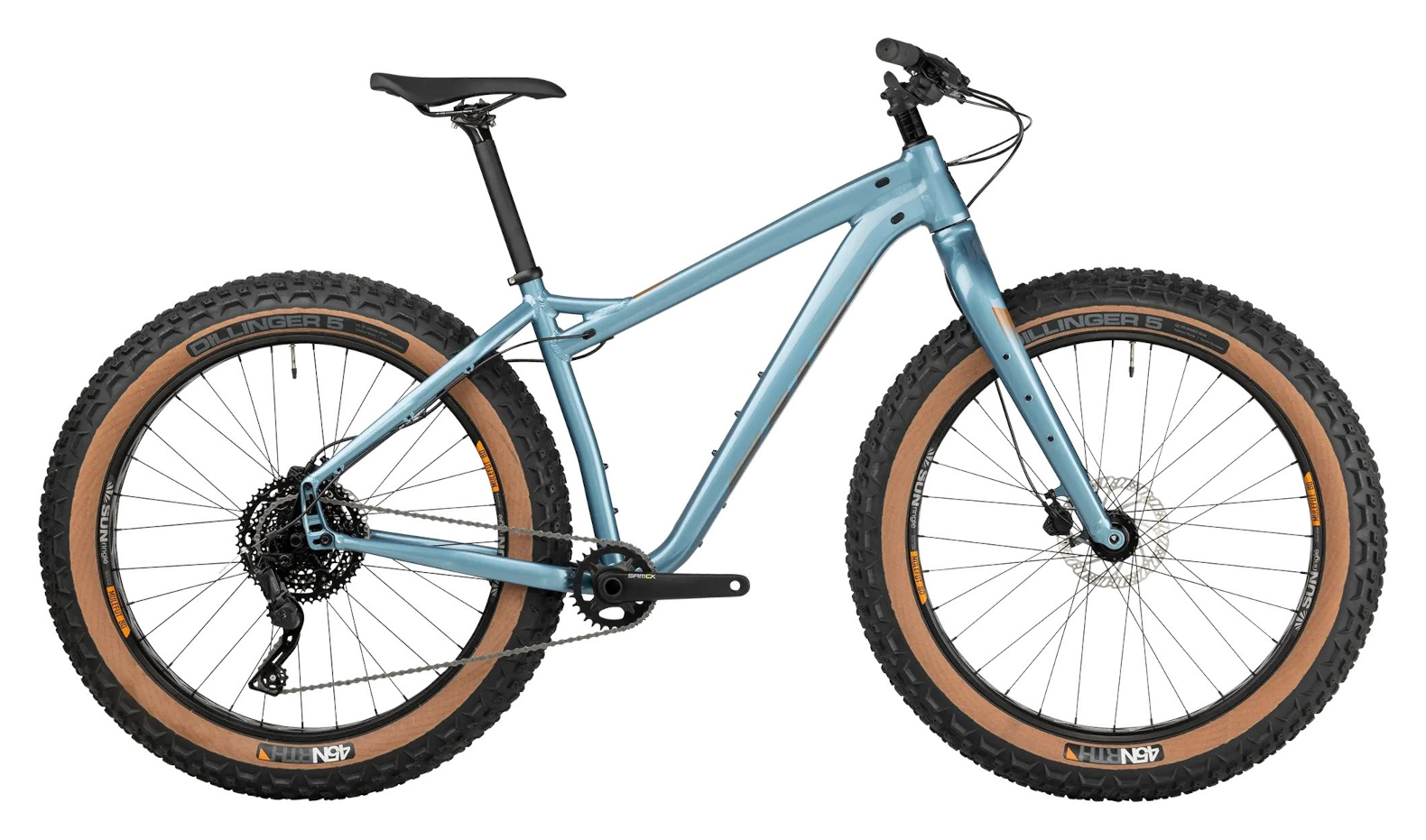
21 Reasons to/NOT to Buy Salsa Heyday! | BikeRide

Fat Bike Buying Guide (and Best Entry-Level models) - Complete Tri
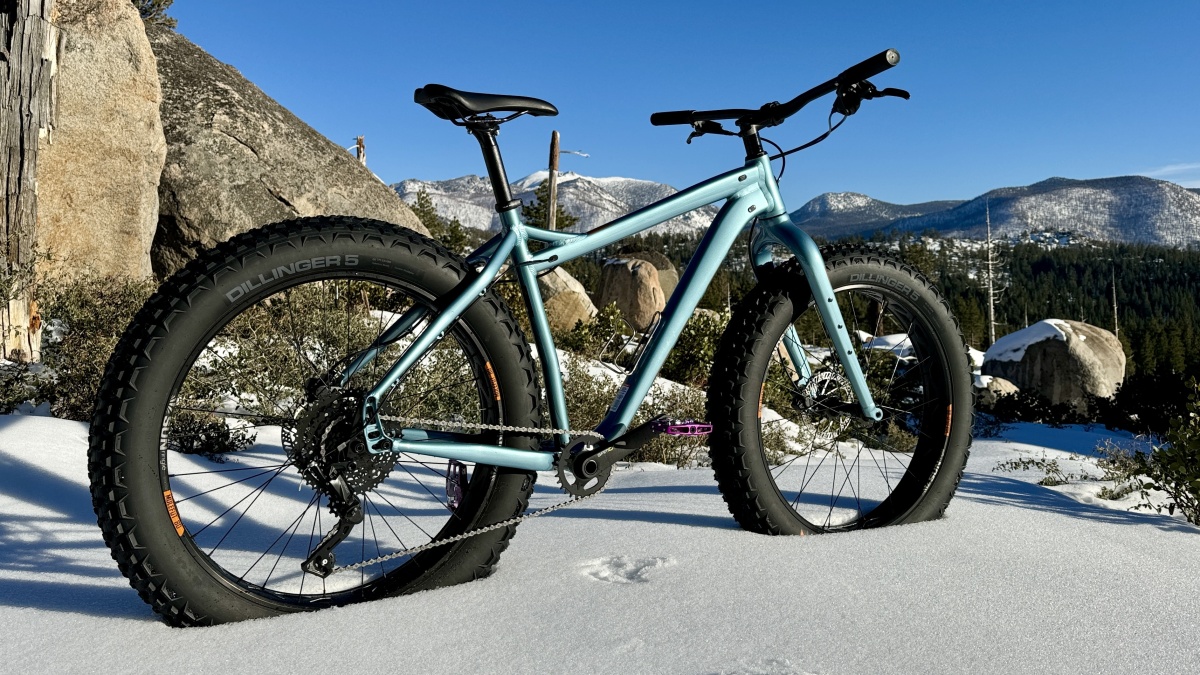
Salsa Heyday Advent Review | Tested & Rated