Heckler
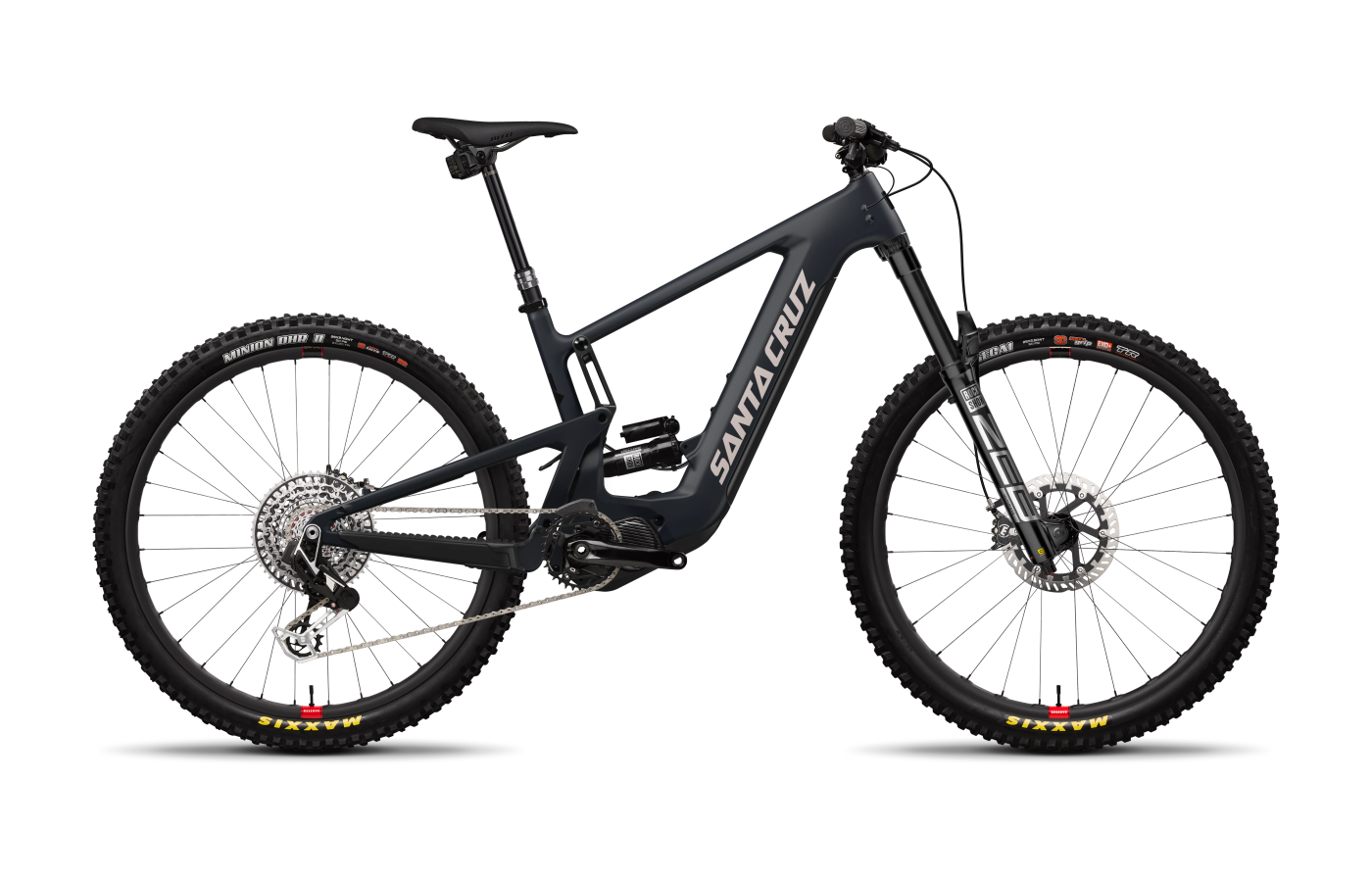
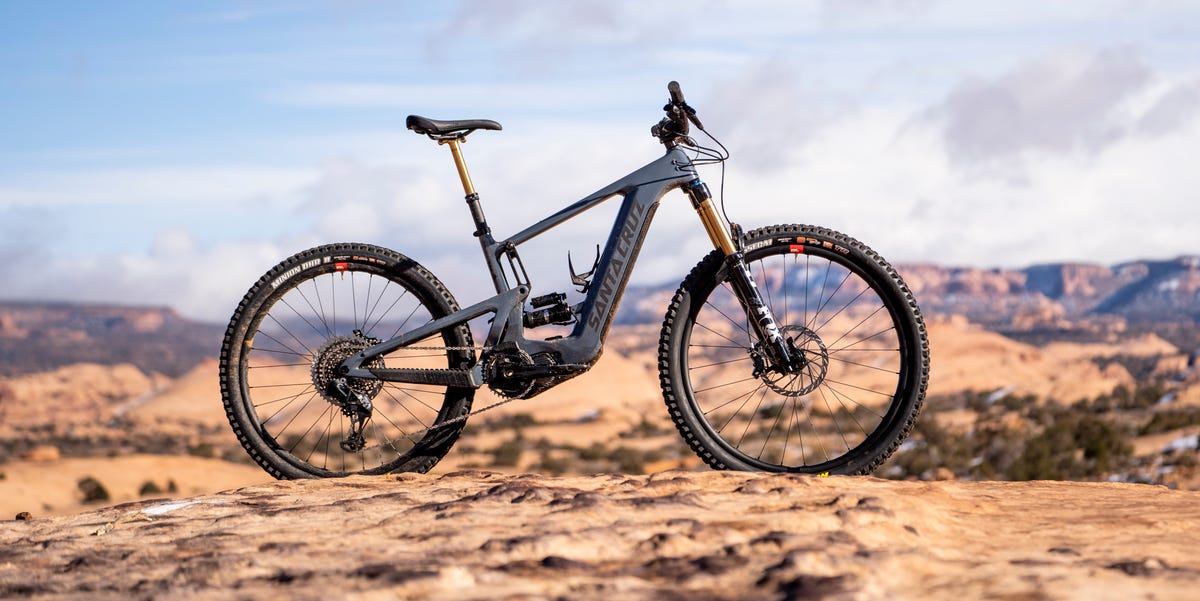
The Heckler 9 is the point where Santa Cruz’s full-power eMTB settled into a more modern, longer-range platform. Introduced for 2022, it keeps the brand’s familiar VPP suspension layout and a 150mm rear / 160mm front travel package, but the major redesign themes are clear: a much larger 720Wh battery and genuine wheel-format choice. Rather than treating mullet as a simple flip-chip conversion, Santa Cruz built the platform to support either full 29in wheels or an MX 29/27.5 setup, giving the Heckler 9 a broader brief than the earlier bike. It is positioned as a trail-focused, gravity-capable full-power eMTB rather than a lightweight assist bike, and that distinction matters in how the bike rides and who it suits.
Geometry & fit.
5 sizes published.
On paper, the Heckler 9 uses modern but not extreme eMTB geometry. In size Large, the 472mm reach, 632mm stack, 64.5-degree head tube angle, and 1253mm wheelbase point to a stable, confidence-first fit without pushing into ultra-long territory. The effective seat tube angle ranges from 76.4 to 76.8 degrees across the size range, which should place riders in a fairly centered climbing position, and that aligns with reviewer comments about strong seated climbing manners. The 446mm chainstay length listed here is moderate for a full-power eMTB and helps explain why the bike is often described as balanced rather than purely planted or purely playful.
That geometry should translate to calm front-end behavior on steep descents and a roomy cockpit for technical riding, while the relatively steep seat angle keeps weight from drifting too far rearward on climbs. The wheelbase grows from 1207mm in Small to 1315mm in XXL, so fit scales sensibly with size. One caveat from reviews is that the seated position can feel slacker in practice than the quoted numbers suggest, especially on steeper pitches, so some riders may still need to bias their saddle position forward. Overall, the numbers support the Heckler 9’s reputation as a composed, all-round full-power trail bike rather than a hyper-aggressive park bike or a conservative old-school eMTB.
Where the handlebar sits relative to the bottom bracket — the single most important fit pair.
01Fit geometry6 values
03Handling geometry7 values
Which size should I buy?
Slide your height to see the recommended size. GearWise's fit algorithm works from the published stack, reach, and ETT — the brand's own recommendation may differ.
→Calculated from GearWise's own stack / reach / ETT algorithm — the brand's size chart may recommend a different size, and a proper bike fit beats any calculator.
The lineup.
5 builds, ranging $5,449 – $9,199.
The available 2024 range spans from the R at $5,449 to the XX AXS RSV and X0 AXS RSV at $9,199, with the S at $6,349 and GX AXS at $7,599 in the middle. That spread gives the Heckler 9 a clearer price ladder than many premium eMTBs, though Santa Cruz still sits toward the upper end of the market. Based on reviewer consensus, the mid-range builds are the more convincing value plays, while the top RSV models are aimed squarely at buyers who want premium wireless drivetrains and Santa Cruz’s higher-end finish rather than maximum spec-per-dollar.
Review commentary around the lineup suggests the sweet spot is in the middle of the range, where riders get a more performance-oriented package without paying flagship money. By contrast, lower-end builds have drawn some criticism in past model years for pairing a premium frame with more basic drivetrain and brake choices. The broader value argument for the Heckler 9 is less about raw parts count than the frame platform itself: a 720Wh battery, modern frame standards such as UDH compatibility and a 31.6mm post, and the long-term support Santa Cruz is known for.


From the press.
11 reviews from the cycling press.
Reviewers consistently describe the Heckler 9 as unusually intuitive for a full-power eMTB. Across outlets, the recurring theme is that it avoids the dead, cumbersome feel that often comes with a 720Wh battery and Shimano EP8 drive unit. Testers from BikeRadar, Bicycling, NSMB, and others characterize the bike as predictable, composed, and easy to ride hard immediately, with several noting that it seems to “disappear underneath” the rider. The VPP rear suspension is a major part of that impression: reviewers praise its small-bump sensitivity and notably supportive mid-stroke, saying it gives the bike useful feedback when pumping terrain or pushing into jump faces rather than feeling vague or wallowy.
There is also broad agreement that wheel choice meaningfully changes the bike’s personality. The MX version is repeatedly called more playful, quicker to turn, and better for riders who like to slash corners and move the bike around, while the 29er is seen as the more stable, traction-rich option for steep technical climbing and higher-speed descending. Reviewers were similarly positive about climbing performance, citing strong technical grip, a comfortable seated position, and efficient suspension behavior under power. Range from the 720Wh battery was another clear strength, with one tester reporting 38% battery remaining after roughly 19 miles and 1,800 feet of climbing on Moab’s Slickrock.
Criticism is mostly focused on details rather than the core ride. Several reviewers felt the Fox 36 chassis was adequate but not ideal for the bike’s roughly 49–50 lb mass when ridden very aggressively, suggesting a Fox 38 would offer more precision on harder enduro-style terrain. Singletrack also questioned the real-world seated position, arguing the effective 76-plus-degree seat angle can feel slacker in practice and may require the saddle to be pushed forward on steep climbs. Other recurring complaints include Shimano EP8 motor clunk, some internal cable rattle, limited dropper insertion depth, and the sense that base-level builds are expensive relative to their component spec.
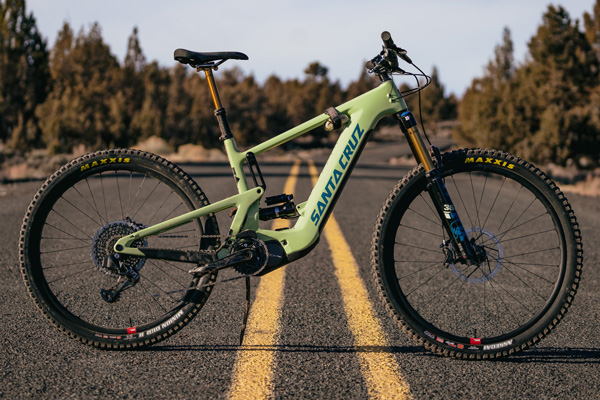
2022 Santa Cruz Heckler 29 & MX Ebike Review - The Loam Wolf
2022 Santa Cruz Heckler 29 & MX Ebike Review | Ride Review
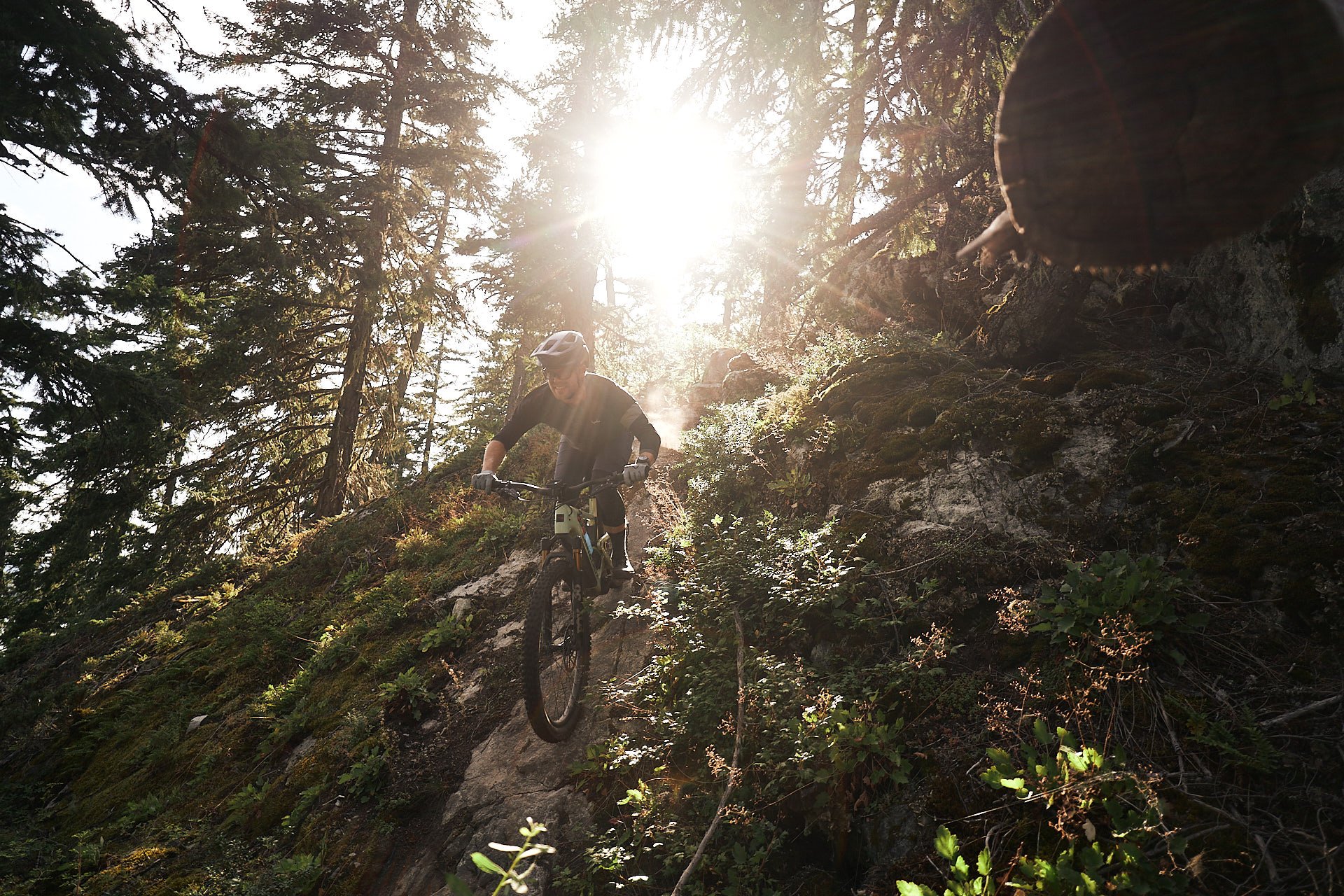
Santa Cruz Heckler: Six-Month Review
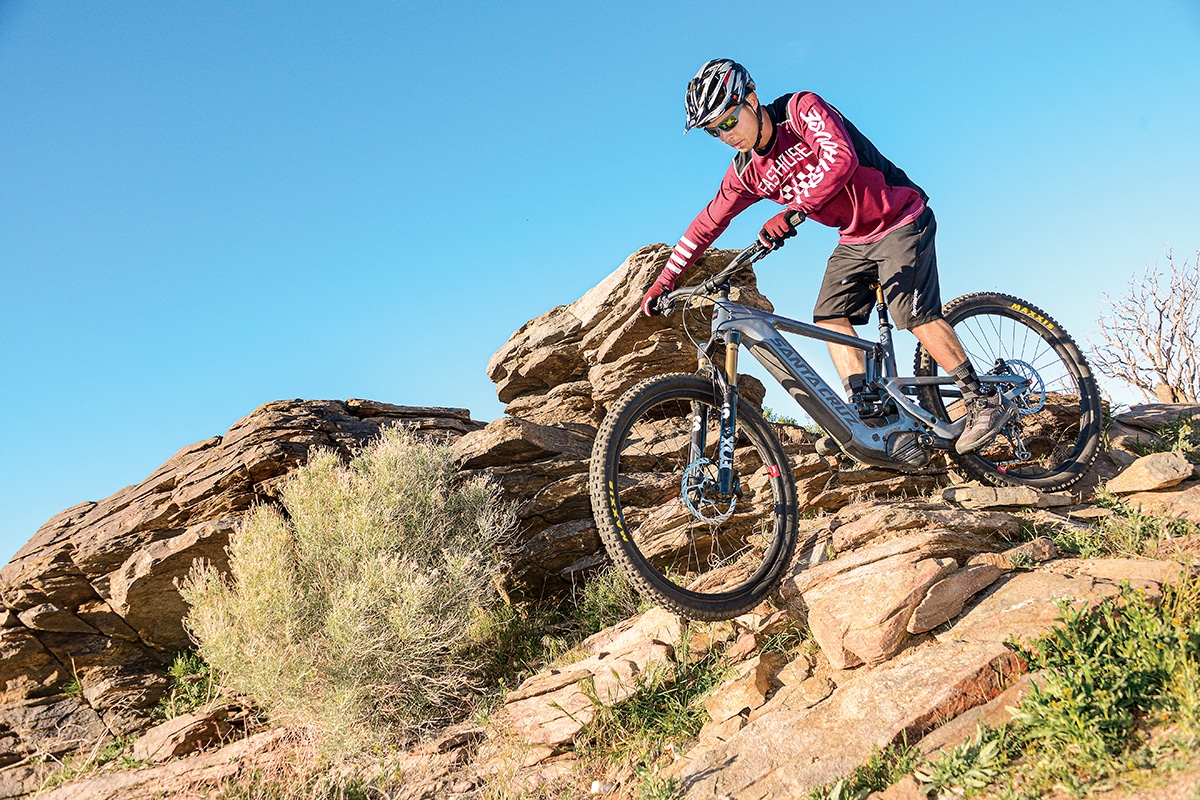
LONG TERM REVIEW: SANTA CRUZ HECKLER ELECTRIC ...
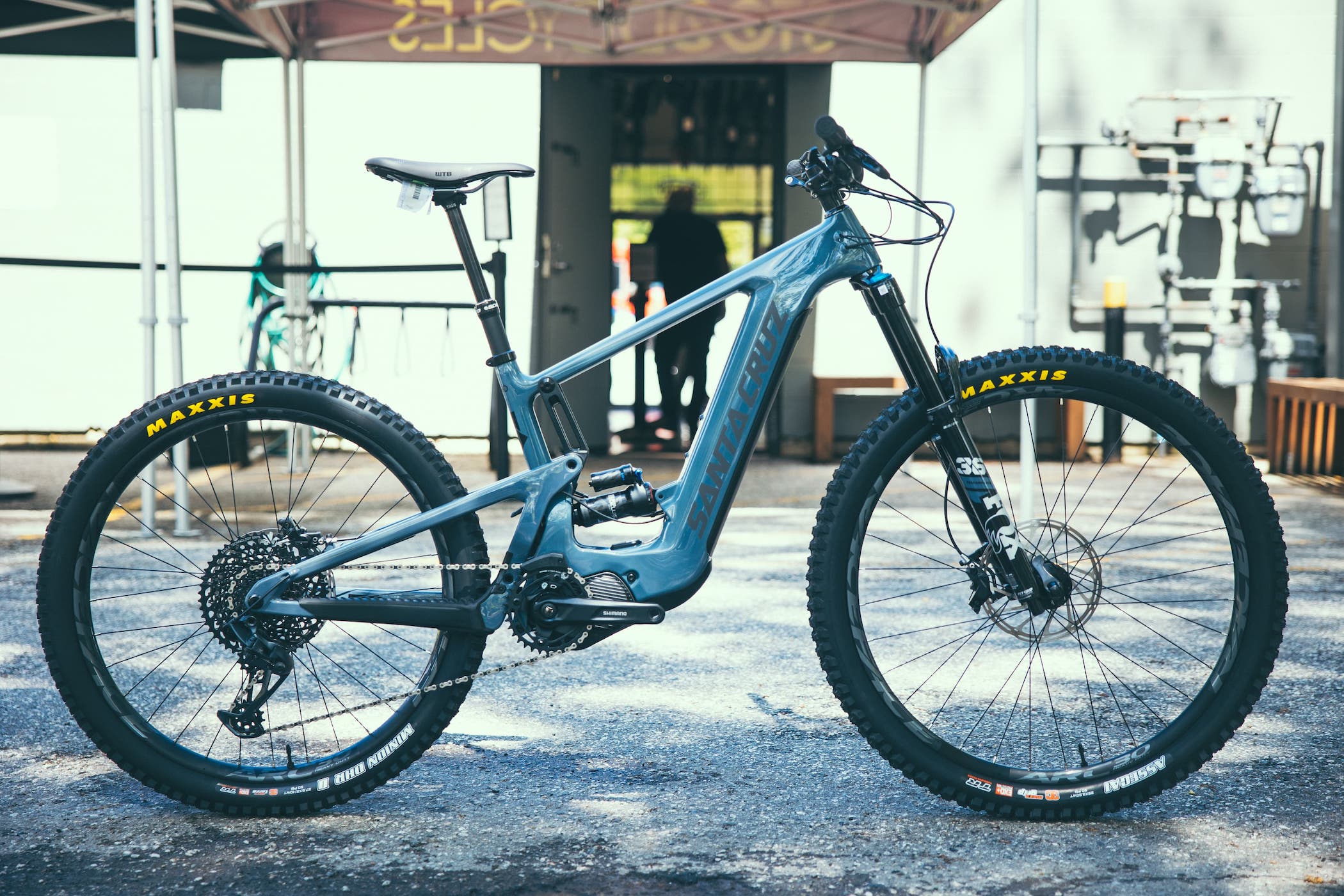
Santa Cruz’s Heckler 9 Is an Emtb for All Occasions – Steed Cycles
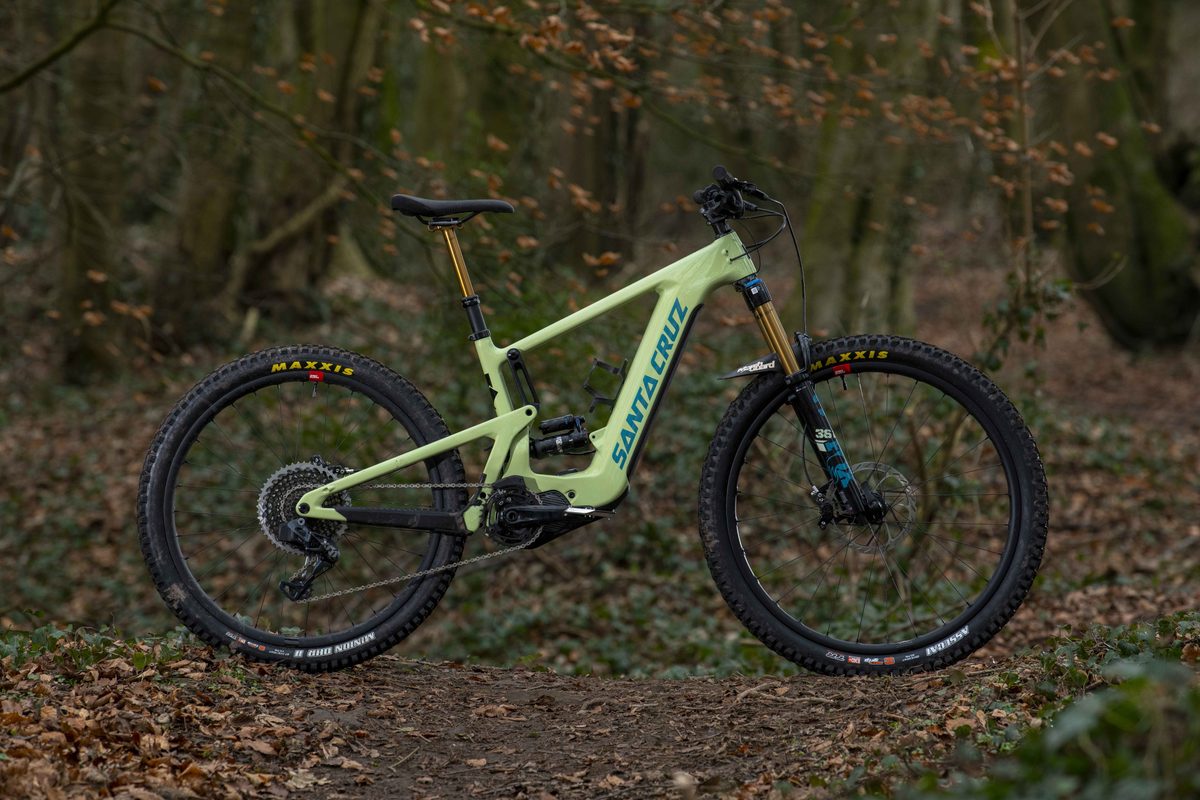
The Santa Cruz Heckler gets more versatile with mullet and 29in wheel options, a 720Wh battery and slacker geometry | BikeRadar

New Santa Cruz Heckler: first ride review - Singletrack Magazine
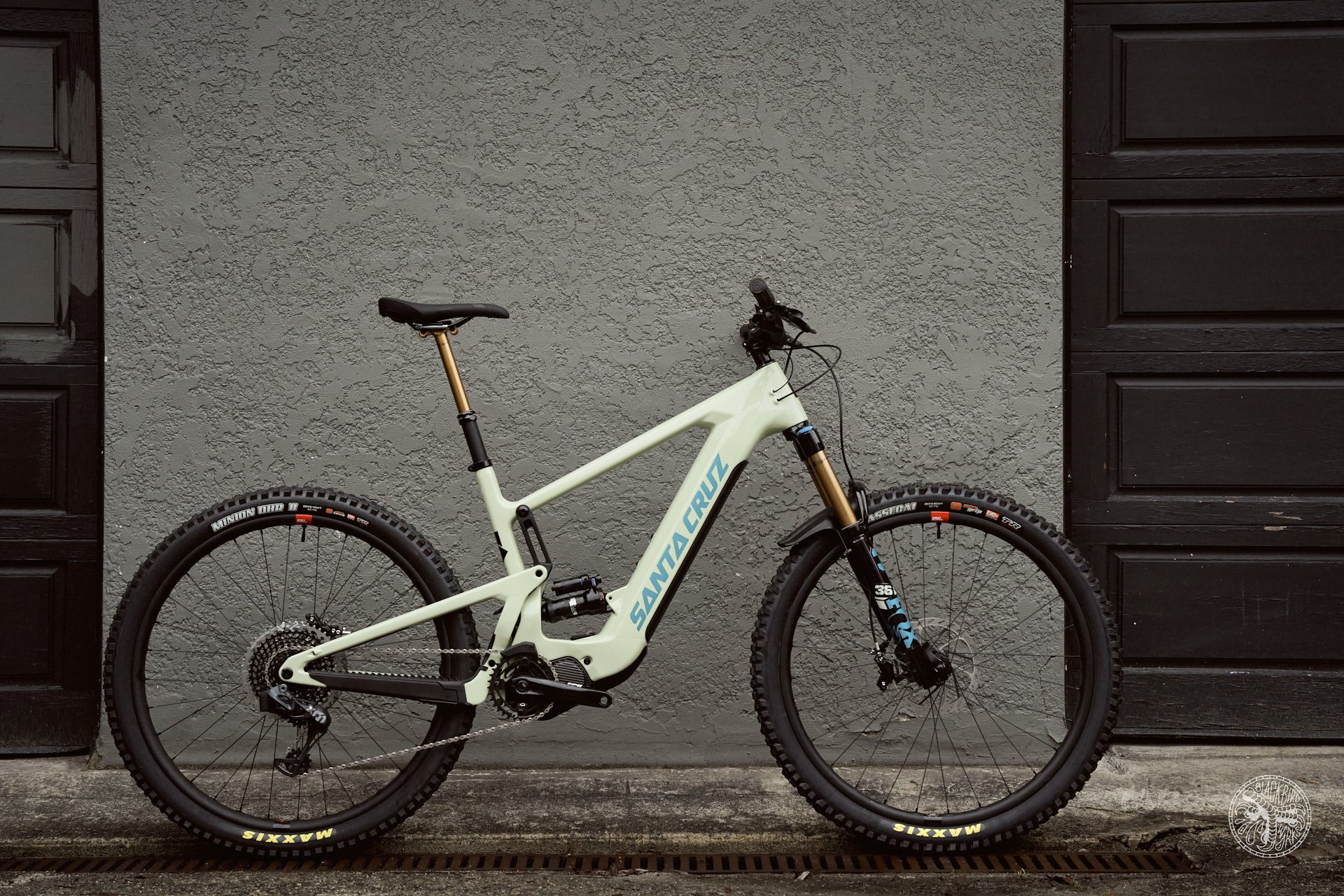
2023 Santa Cruz Heckler
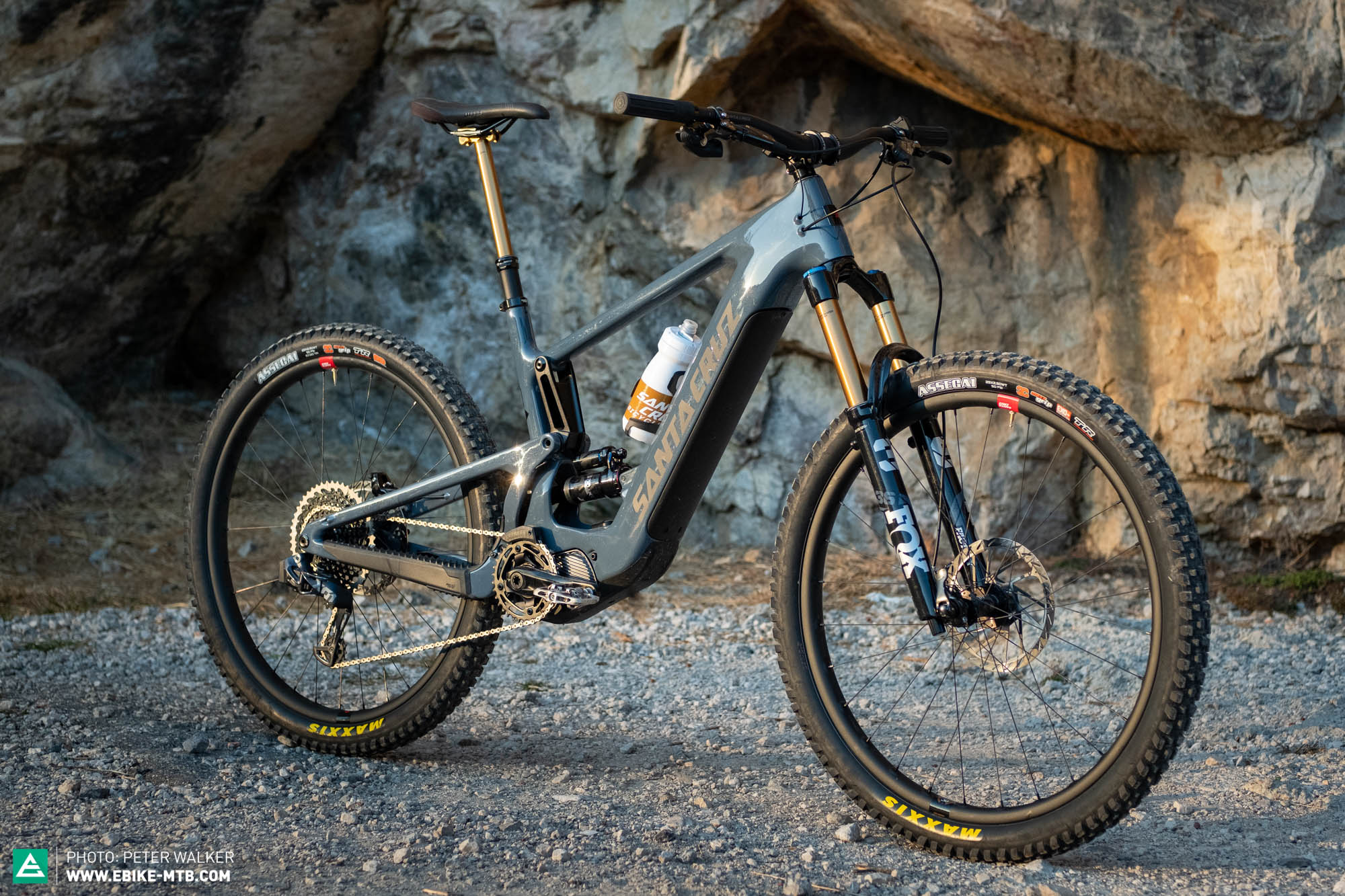
Santa Cruz Heckler 9 2022 first ride review – Mixed wheel sizes ...
Santa Cruz Heckler Review | Best e-Bikes
