Gambler
The MY26 Scott Gambler is a full redesign of Scott’s downhill platform, and its defining feature is the move to the brand’s concealed-shock layout. Instead of an exposed rear shock, the damper sits inside the downtube behind a removable cover, giving the bike a notably cleaner profile than the previous Gambler. More important than the styling change, though, is the underlying shift to a more complex multi-link suspension layout, described in early coverage as a six-bar system, paired with 210mm of rear travel and a frame built around extensive setup range.
What sets this generation apart is not just that it is adjustable, but how many parts of the ride can be altered. Scott gives riders reach adjustment through headset cups, chainstay-length changes via the dropouts, and a chip that alters both bottom-bracket height and leverage-rate progression from 25% to 30%. The frame also supports different wheel configurations, making the Gambler unusually configurable for a modern DH bike. In practice, this places it squarely in the race-focused end of the market, but with enough tuning breadth to appeal to riders who want one chassis that can be adapted for bike park laps, steeper technical tracks, or full race use.
In market terms, the Gambler is a premium carbon downhill bike aimed at serious gravity riders rather than casual buyers looking for simplicity. Scott has clearly prioritized tunability, chassis refinement, and packaging over mechanical minimalism. That makes it distinctive among top-tier DH bikes: less of a fixed-character plow bike, and more of a highly adjustable platform intended to be shaped around rider preference and track demands.
From the press.
3 reviews from the cycling press.
Reviewers broadly agree that the new Gambler manages a difficult balance for a 200mm-class downhill bike: it feels composed at speed without giving up agility. MBR called it "fast, light, and wieldy," while My Mountain Bike said it "mixes World Cup speed with real playfulness." Across reviews, the suspension is praised for feeling plush and supportive, with a notably calm ride over braking bumps and a near-bottomless character on bigger hits. Testers also highlighted the bike’s quietness, crediting the internal routing and frame protection for a very muted, premium-feeling ride.
The main caveat is that the Gambler is highly sensitive to setup. More than one reviewer found the stock configuration less convincing at first, with one describing an "ejected" feeling until the bottom bracket was lowered and the chainstay adjusted, and another saying the suspension felt too soft and quick-rebounding for steep technical terrain. Once tuned, those same testers reported a major improvement in composure and balance. That pattern comes up repeatedly: the bike has a high performance ceiling, but riders may need to spend real time with the geometry and suspension settings to reach it.
Reviewers were also consistent about the trade-offs in Scott’s design choices. The adjustability, integrated sagometer, and mechanic-friendly details were seen as major strengths, especially for racers and habitual tinkerers. On the downside, MBR pointed to the 157mm Super Boost rear axle as a limitation for wheel choice, noted that the rear tire spec would benefit from a softer compound, and warned that the sheer number of setup options could overwhelm less experienced owners. The overall verdict is positive, but with a clear theme: this is a very capable downhill bike that rewards careful setup rather than a plug-and-play machine.
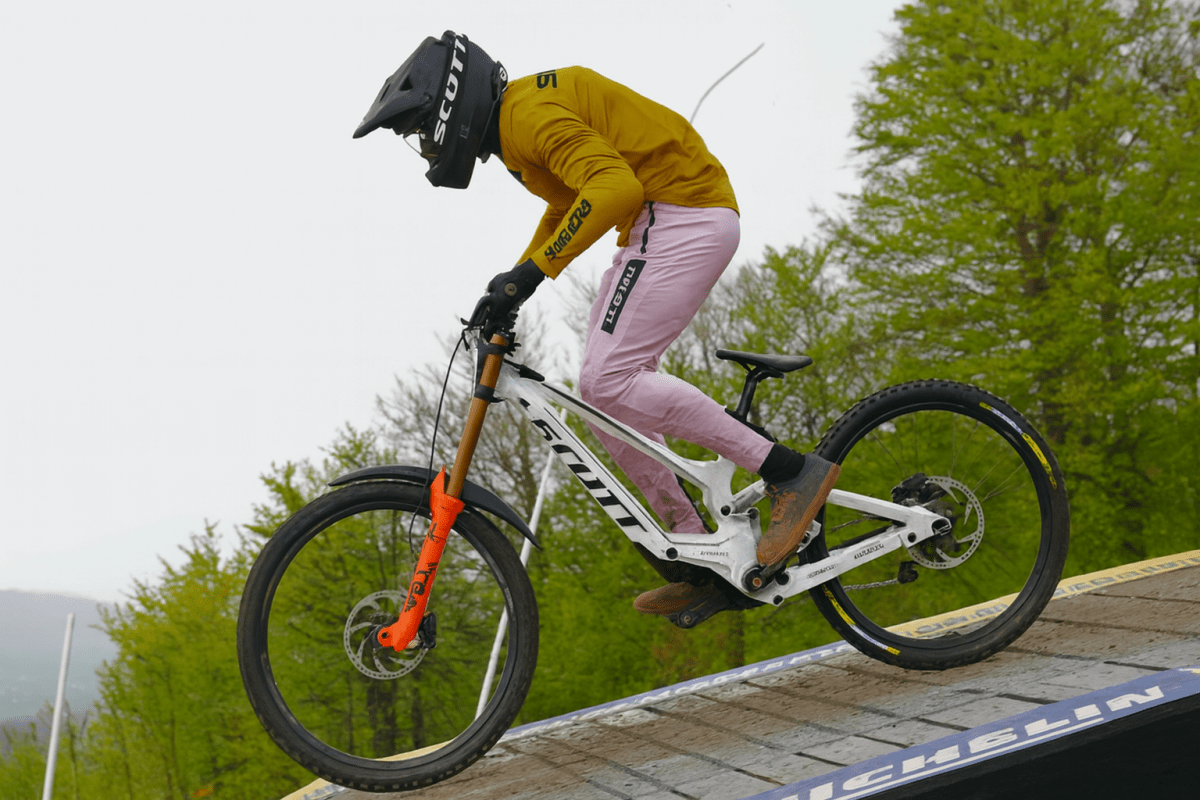
Is the Scott Gambler 2026 a “Good” Bike?– Rider’s Review – My Mountain Bike
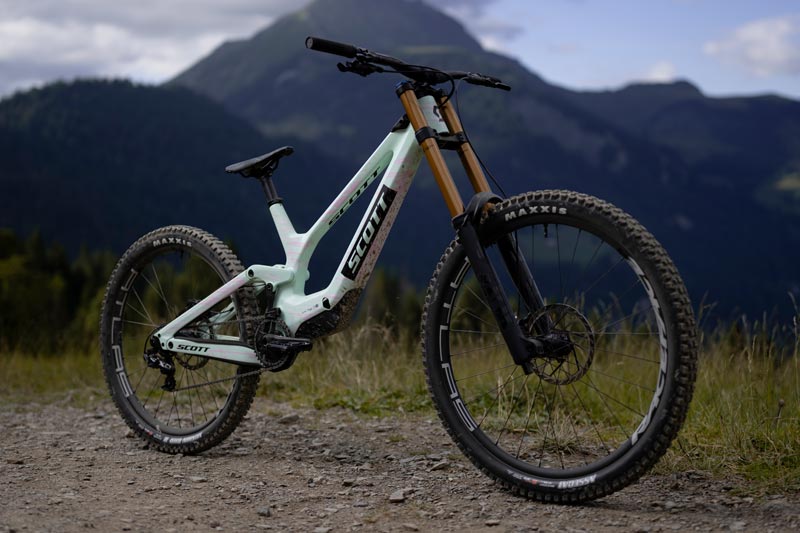
First Ride Review: The All New Scott Gambler | The Loam Wolf