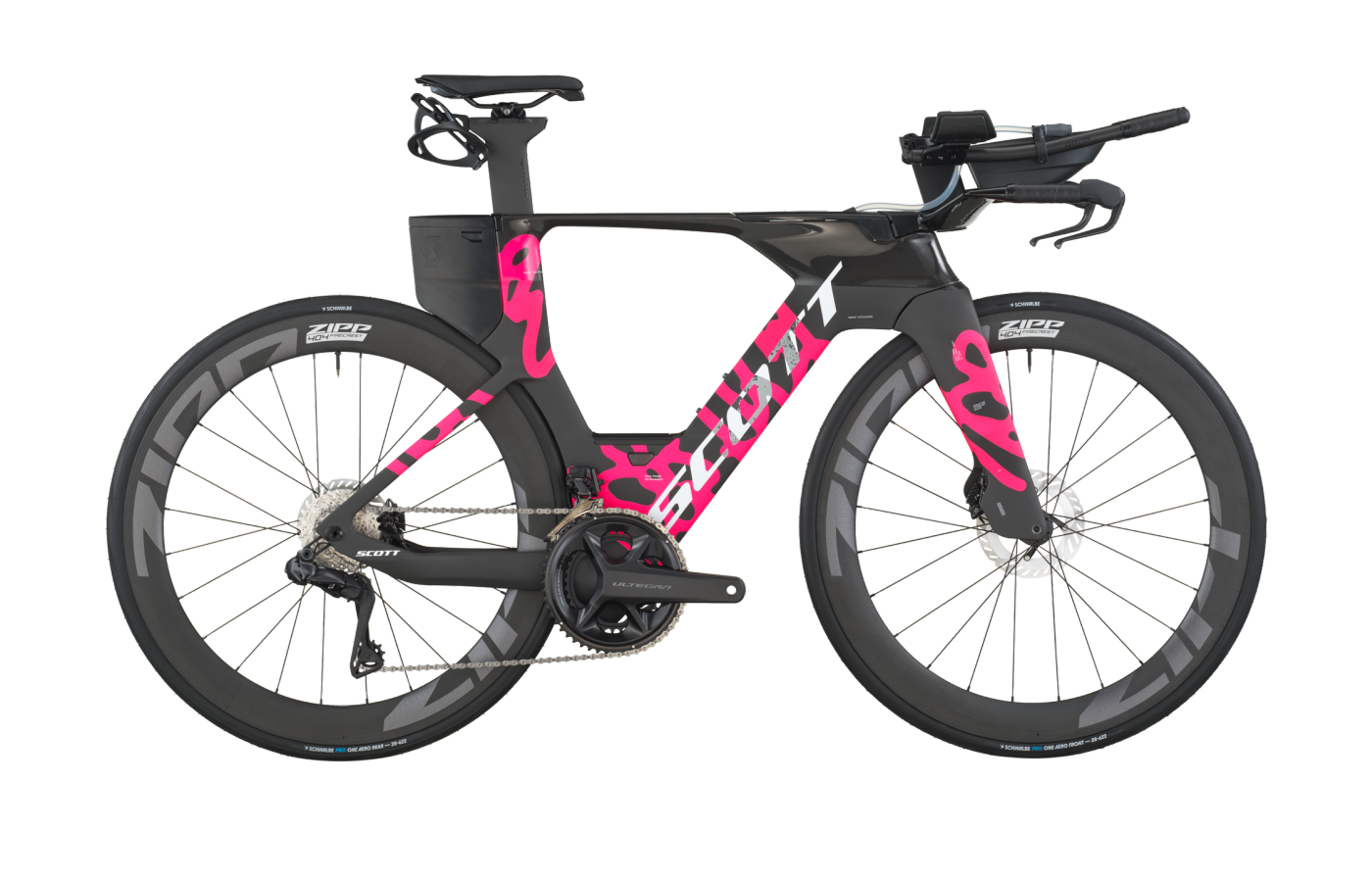
The Scott Plasma 6 is a purpose-built triathlon superbike rather than a dual-purpose TT/tri platform. With this generation, Scott moved away from UCI legality and used that freedom to prioritize long-course triathlon needs: deeper aero tube shapes, disc brakes, thru-axles, full internal routing, and a highly integrated system for hydration, nutrition, and spares. The result is a bike centered on real race setup rather than bare-frame wind-tunnel minimalism. Its defining feature is the extent to which race-day storage is designed into the bike itself, including integrated hydration and nutrition solutions that preserve the aerodynamic package when the bike is actually used for 70.3 and Ironman racing.
The Plasma 6 also reflects the broader shift in modern tri-bike design toward fit range and rider sustainability over pure TT sharpness. Scott paired the aggressive aero frame with a cockpit offering broad pad stack, pad reach, and extension adjustment, plus a seat system intended to cover a wide range of tri positions. Compared with the older, UCI-constrained Plasma 5, the Plasma 6 is visually and functionally more extreme, with much deeper frame sections and a more tri-specific front-end concept. In the market, it sits firmly at the premium end as a fully integrated long-course race bike for athletes who want a complete, high-end platform rather than a lighter, simpler, or lower-cost entry into the category.
Where to get it.
2 retailers · size S.
Spec sheet.
Every component shipped with this build.
Geometry & fit.
5 sizes published.
The Plasma 6's geometry is notably consistent across the size range and clearly tuned for stability. Every size uses a 72.5-degree head tube angle, 75.2-degree seat tube angle, 413mm chainstays, and a -75mm bottom bracket drop. Those numbers point to a bike that prioritizes calm steering and planted tracking over quick, nervous responses. The wheelbase is long for the category as well, ranging from 962mm in XS to 1072.8mm in XL, which supports the reviewers' comments about straight-line composure and confident descending.
Fit-wise, the frame has moderate-to-long reach numbers for a tri platform, from 372.5mm in XS to 467.5mm in XL, paired with stack figures from 520mm to 570mm. Notably, XS and S share the same 520mm stack but differ in reach, at 372.5mm versus 392.5mm, giving Scott a way to fit shorter riders with different torso proportions. The medium comes in at 535mm stack and 417.5mm reach, while the large stretches to 555mm and 442.5mm. Combined with the bike's broad cockpit adjustment, these figures support a wide range of tri positions, but the underlying geometry still leans toward long-course stability rather than the sharper, more compact feel of a UCI-oriented TT bike.
Where the handlebar sits relative to the bottom bracket — the single most important fit pair.
01Fit geometry6 values
03Handling geometry6 values
Which size should I buy?
Slide your height to see the recommended size. GearWise's fit algorithm works from the published stack, reach, and ETT — the brand's own recommendation may differ.
→Calculated from GearWise's own stack / reach / ETT algorithm — the brand's size chart may recommend a different size, and a proper bike fit beats any calculator.
The lineup.
2 builds, ranging $10,500 – $15,000.
The Plasma 6 has been offered as a high-end platform only, with two complete builds listed here: the RC Pro at $10,499.99 and the RC Ultimate at $14,999.99. That pricing places the bike squarely in the premium superbike tier and reinforces Scott's decision not to create an entry-level version of this frame. The value proposition is therefore less about affordability and more about getting the full integrated tri package from the outset, including the frame's built-in hydration, nutrition, and storage systems.
Review coverage identifies the RC-level bike as using Shimano Ultegra Di2, while the top-end Premium/Ultimate-level specification steps up to SRAM RED eTap AXS with a power meter and deeper Zipp 808 NSW wheels. Reviewers saw the lower-priced build as well equipped but still expensive for an Ultegra Di2 bike, especially given that some rivals in the same price band offer more headline-grabbing wheel specs. The higher-end build better matches the frame's flagship status, but at a substantial premium. In both cases, the main differentiator is not the existence of a broad range of trims, but that Scott sells the Plasma 6 as a complete, fully integrated race bike rather than a stripped-back platform.


From the press.
7 reviews from the cycling press.
Reviewers consistently describe the Plasma 6 as one of the most complete triathlon bikes in its class, with Triathlete calling it "about as close as we've seen" to a perfect tri-specific bike. The strongest praise centers on its ride quality and handling balance. Testers found it unusually smooth for a superbike, with one comparison noting that it was smoother than Trek's Speed Concept over mid- and low-frequency bumps despite Trek's IsoSpeed system. The bike was also praised for "super balanced handling," "nearly hands-free" straight-line stability, and confident descending that lets riders stay relaxed in the aerobars rather than constantly correcting a nervous front end.
That stability comes with a deliberate tradeoff. Reviewers did not portray the Plasma 6 as the sharpest or most aggressive-cornering bike in the segment; compared with more TT-like rivals, it is more planted than twitchy. Under power, it was described as lively and responsive rather than brutally stiff, with a noticeable "spring back" quality that keeps it from feeling dead on rolling terrain. The integrated hydration and nutrition system was another major strength, repeatedly highlighted as a real-world advantage because it avoids the aerodynamic and practical compromises of aftermarket add-ons.
Criticism focused mostly on price and positioning. Triathlete listed the high cost and the lack of a more affordable version of the new frame as clear drawbacks, and the value discussion around the RC build noted that a $10,000 bike starting with Ultegra Di2 is expensive even in this category. Reviewers also flagged the stock arm pads as a weak point, describing them as stiff and slightly slippery despite the otherwise excellent cockpit adjustability. Weight was another caveat: at 21 lbs. 12 oz. for the reviewed RC model with hydration and storage, it is not especially light, and that shows more on sustained climbs than on flatter triathlon terrain.
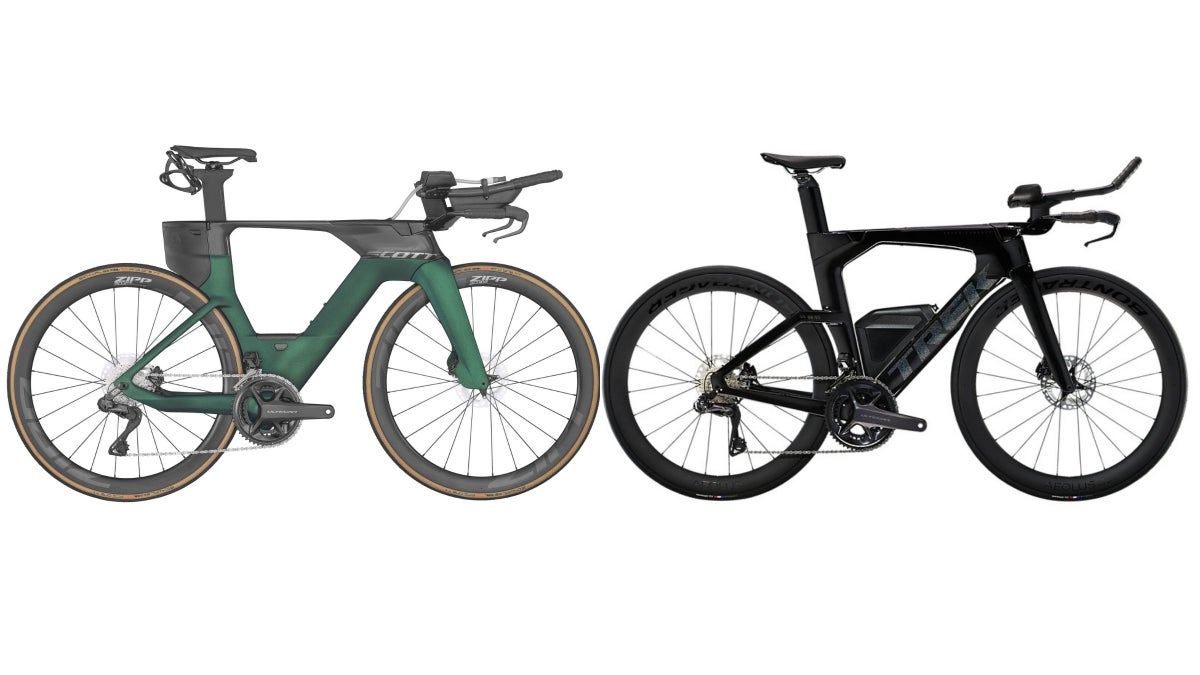
Face Off: Two Slippery New Superbikes - Triathlete
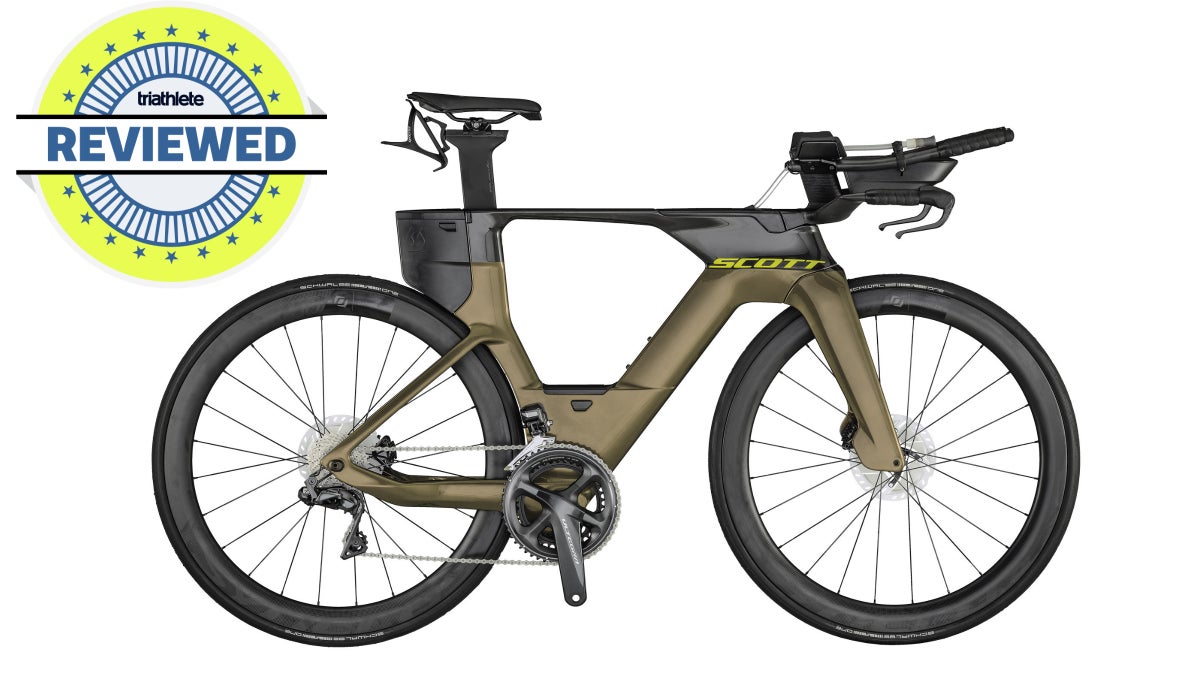
Deep Dive: Scott Plasma 6 Triathlon Bike - Triathlete
- YouTube
Ultimate Triathlon Bike: Do I Regret Upgrading? | Scott Plasma 6 | Expert Review 3
Ultimate Triathlon Bike: Do I Regret Upgrading? | Scott Plasma 6

Scott Plasma Bike Review