Speedster
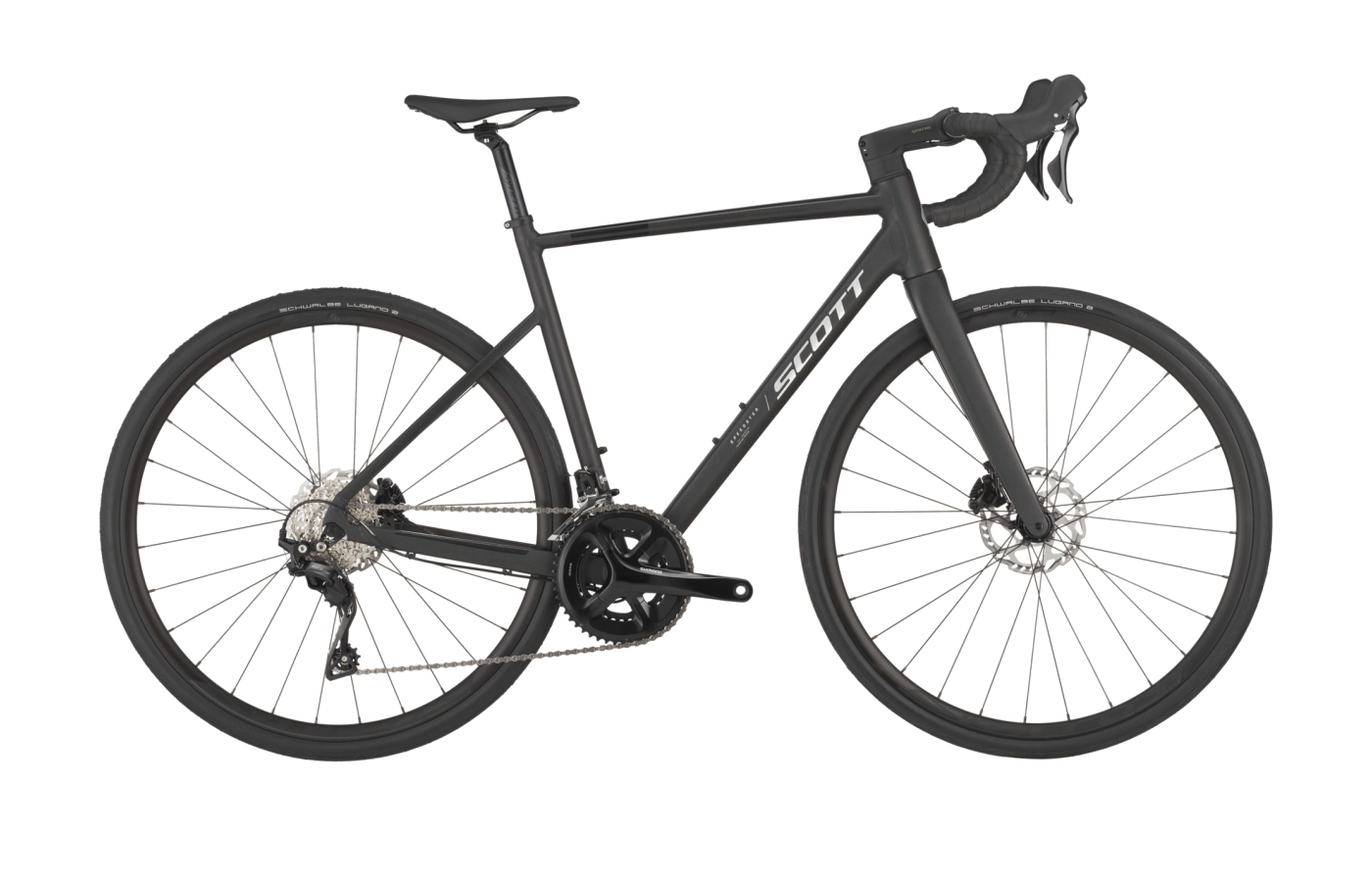
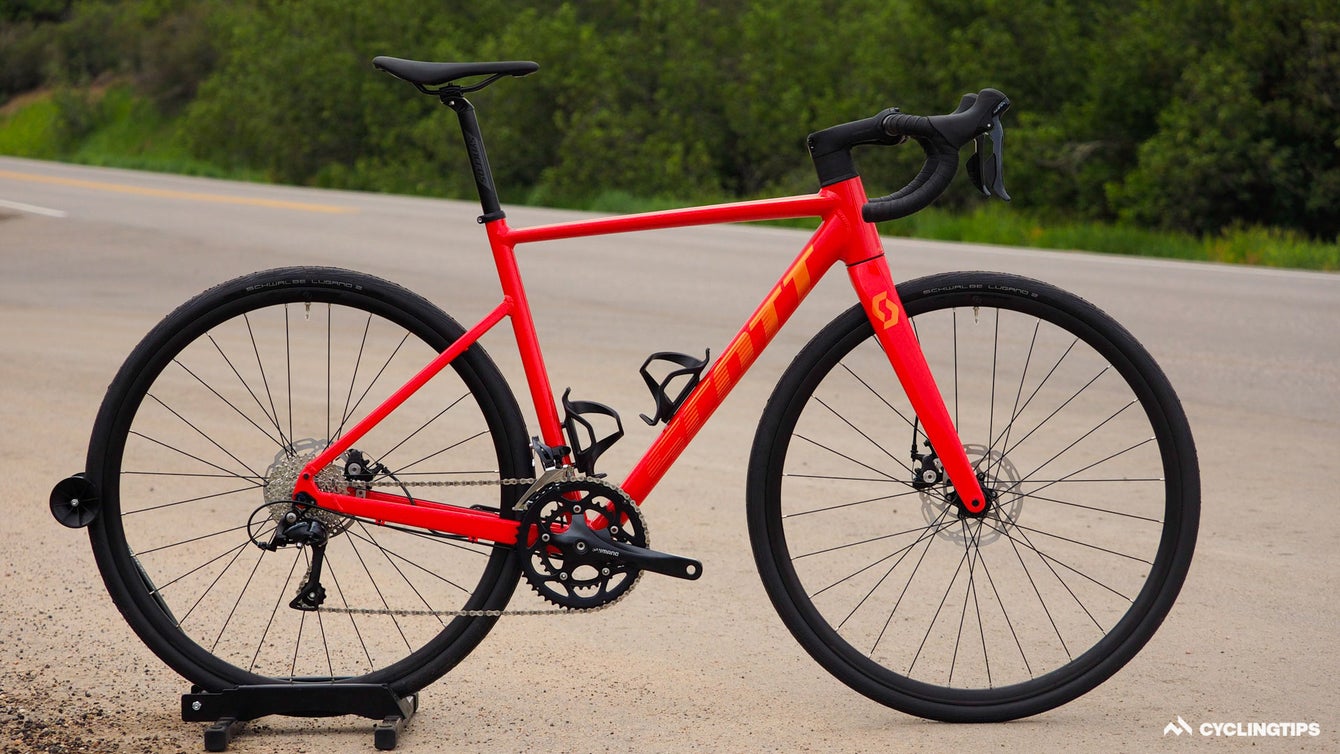
The current Scott Speedster is a significant reset of Scott’s alloy road platform. Introduced for 2022, it moved the range to a disc-brake-only chassis with a clear endurance-road brief: taller front-end proportions, a long wheelbase, clearance for roughly 35 mm measured tires, and practical touches such as fender compatibility. It is positioned as an entry-level road bike, but one that borrows visual and packaging ideas from Scott’s higher-end models rather than following the simpler, more conventional formula typical of this price class.
What makes this generation distinctive is its semi-integrated front end. Instead of fully exposed housing, cables and hoses run beneath the handlebar flats and stem cover before entering the head tube, using Scott’s oversized 1 1/4-inch upper and 1 1/2-inch lower headset interface with an eccentric carbon steerer fork. That gives the bike a notably cleaner look than most alloy endurance bikes, but it also makes the Speedster a more design-led product than many direct rivals. Combined with a PF86 frame standard noted at launch and generous tire clearance, the result is a modern alloy road bike that sits between traditional endurance road and light all-road use rather than aiming at pure race-bike sharpness.
Geometry & fit.
7 sizes published.
The geometry is firmly endurance-oriented, but with unusually long front-center proportions for this category. Across the size range, stack runs from 517.8 mm in XXS to 632.7 mm in XXL, while wheelbase is long in every size, from 1001.5 mm to 1043 mm. Chainstays are also lengthy at 425 mm on smaller sizes and 427 mm on larger ones. Those numbers point to a bike built around straight-line stability and predictable handling rather than quick direction changes. Head tube angles are relaxed at the small end, from 70.5 degrees in XXS and 71 degrees in XS up to 73.3 degrees in XL and XXL, reinforcing that calm steering character.
Fit-wise, the bike combines relatively tall stack with fairly assertive reach figures for an endurance road bike: the Medium posts 572.4 mm of stack with 391 mm of reach, while the Large goes to 593.3 mm stack and 385 mm reach. Paired with steep seat tube angles on smaller sizes, up to 75 degrees in XXS/XS, the layout keeps the rider reasonably centered without creating an aggressive race posture. On the road, that should translate to an upright, less intimidating position for newer riders, while the long wheelbase and 425-427 mm rear end favor composure on descents, rough pavement, and light all-road use more than snappy corner entry or punchy acceleration.
Where the handlebar sits relative to the bottom bracket — the single most important fit pair.
01Fit geometry6 values
03Handling geometry6 values
Which size should I buy?
Slide your height to see the recommended size. GearWise's fit algorithm works from the published stack, reach, and ETT — the brand's own recommendation may differ.
→Calculated from GearWise's own stack / reach / ETT algorithm — the brand's size chart may recommend a different size, and a proper bike fit beats any calculator.
The lineup.
2 builds, ranging $1,500 – $1,800.
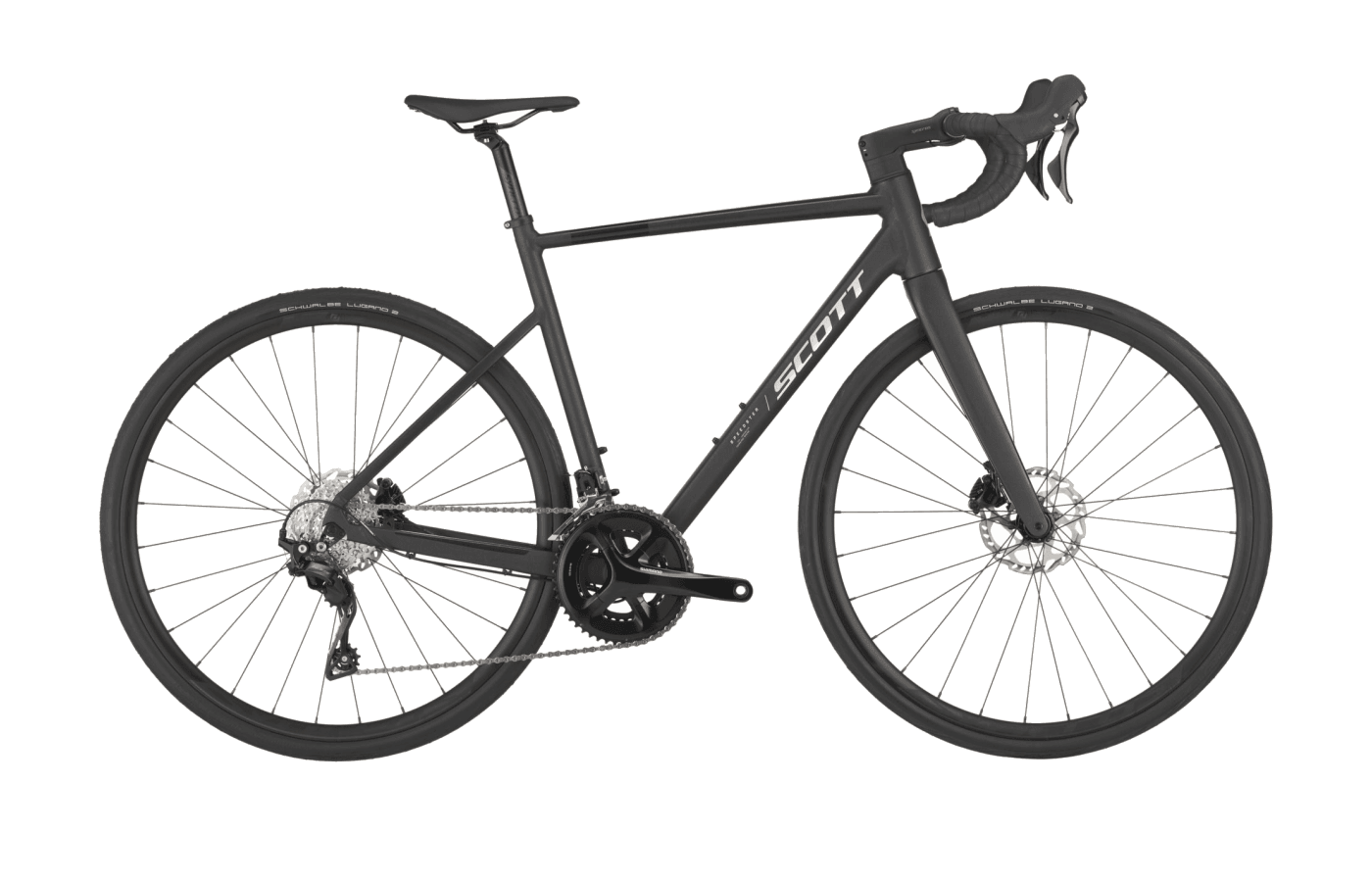
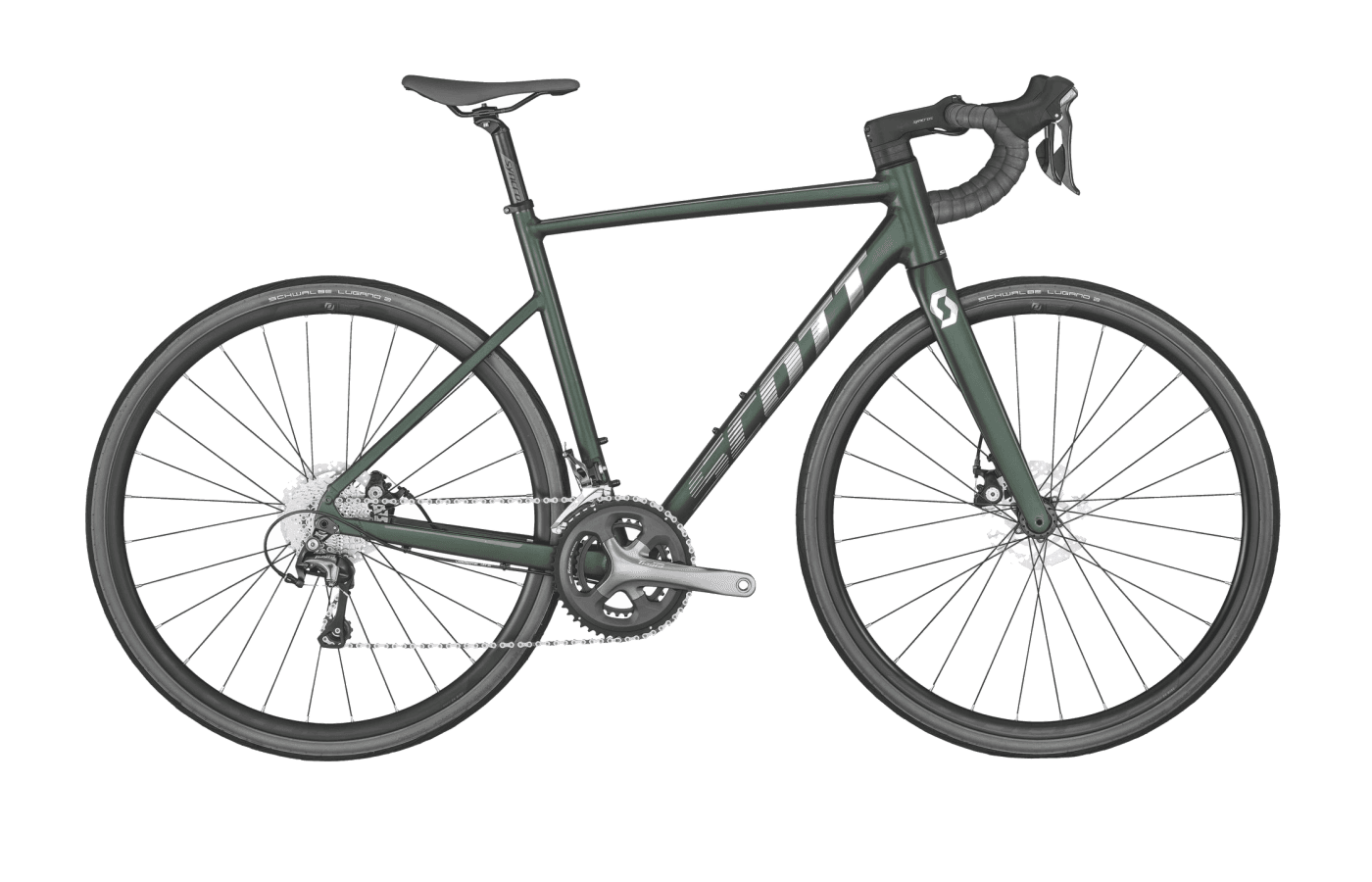
The available builds listed here are the Speedster 20 at $1,499.99 and the Speedster 10 at $1,799.99, putting this generation squarely in the affordable alloy endurance-road segment. Even at these prices, the frame platform is relatively sophisticated, with the same modern disc-only chassis, hidden front-end cable routing concept, and wide tire clearance that define the range. That gives both builds a more contemporary frame package than many entry-level road bikes focused purely on conventional external routing and narrower road-only fitment.
Specific component differences between the 10 and 20 are not provided here, so a detailed spec comparison is not possible. What can be said is that the $300 spread is modest enough that the choice will likely come down to how much drivetrain and brake improvement Scott allocates to the higher model. Given the frame’s all-road-friendly tire clearance and endurance geometry, the underlying value proposition of both builds is the same: a stable, modern-looking alloy road bike with more versatility than a traditional narrow-tire entry-level road machine.
From the press.
7 reviews from the cycling press.
Reviewers broadly agreed that the Speedster delivers stability, modern looks, and useful versatility, but not the refined ride quality its endurance positioning might suggest. Velo/CyclingTips described the bike as a classic case of "form over function," praising the clean integrated-cable aesthetic, 35 mm tire clearance, and rugged frame, while criticizing its 10.43 kg measured weight for a size 52/Small build. Testers consistently found the geometry calm and confidence-inspiring at speed, with a planted descending feel and predictable line-holding that makes the bike approachable for newer riders.
The main criticisms were ride harshness, sluggishness, and low-end component choices on lower builds. Technical reviewers repeatedly called the aluminum frame stiff to the point of feeling "super harsh," and said the stock 32 mm Schwalbe Lugano 2 tires and overbuilt wheels made the bike feel dead rather than lively. Velo was especially critical of the Tektro MD-C511 mechanical disc brakes on the Speedster 30, calling them "terrifyingly bad" due to weak stopping power and inconsistent feel, and also noted rough shifting from the Sora-level drivetrain under load. Several reviewers said the bike improved markedly with better, more supple 35 mm tires, which helped reveal its potential as a stable all-road or light-gravel machine. The consistent takeaway was that the Speedster works best for riders who value durability, fit comfort, and a premium-looking frame over low weight, sharp acceleration, or easy long-term service.
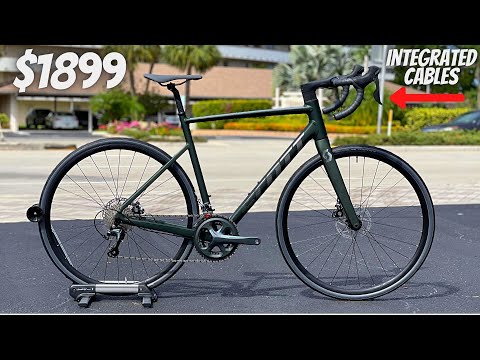
*THE NEXT ALLEZ SPRINT?* 2022 SCOTT SPEEDSTER 20 (ONLY $1900) - YouTube

2022 Scott Speedster 30 road bike review: Form over function  – zenocycle
2022 Scott Speedster 30 road bike review: Form over ...

Scott Speedster 40 (2022) Review: Is It Worth It?
![Is Scott Speedster 50 A Perfect Selection? - [Scott Speedster 50 Review]](https://paklmrfyhygqlkyhjcnf.supabase.co/storage/v1/object/public/storage/review-images/scott/speedster/2022/review-f025863e1460.jpg)
Is Scott Speedster 50 A Perfect Selection? - [Scott Speedster 50 Review]
2022 Scott Speedster 30 road bike review: Form over function