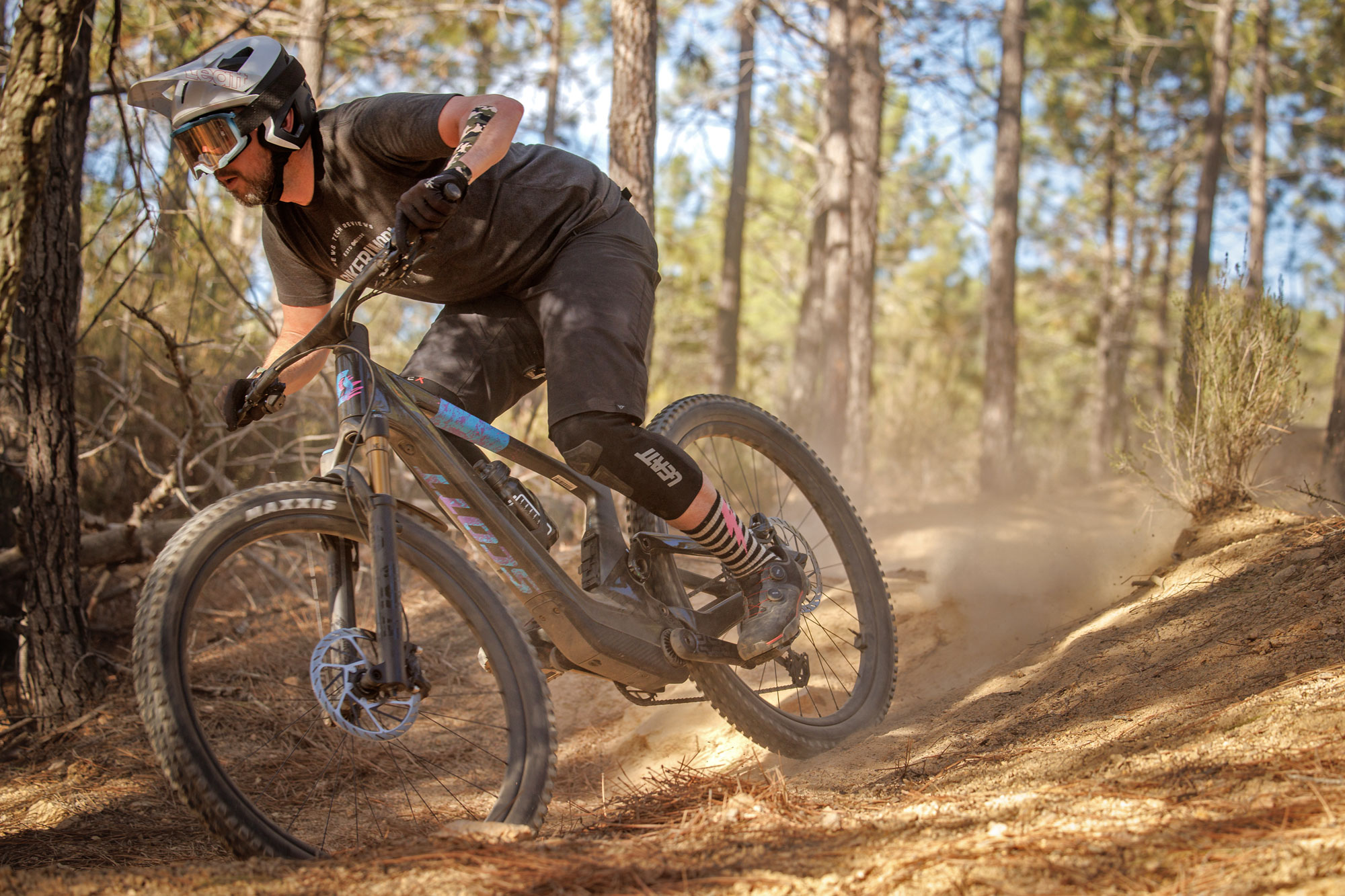
Voltage eRIDE
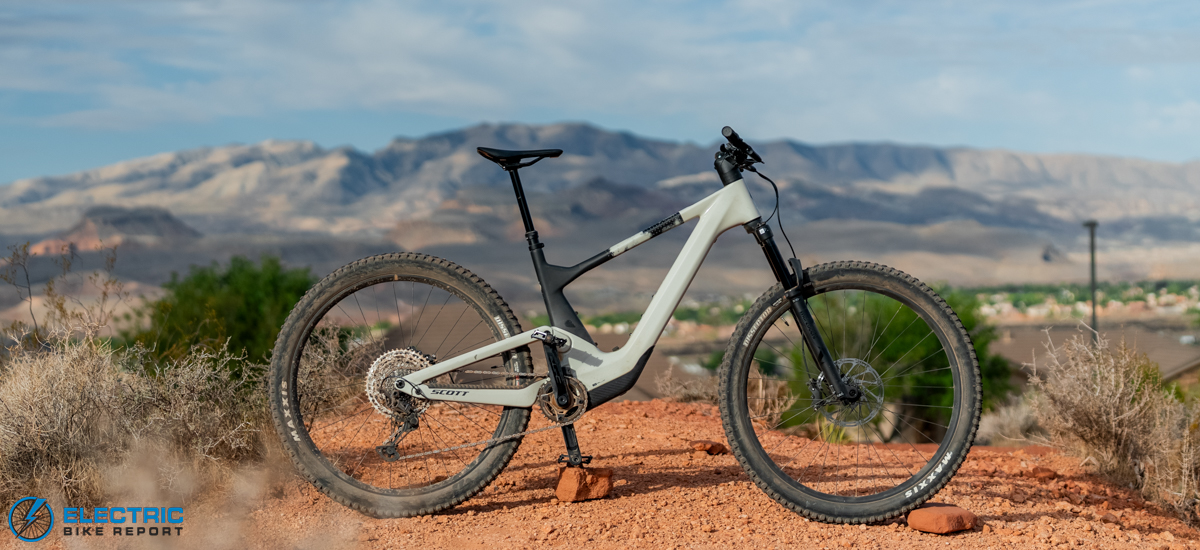
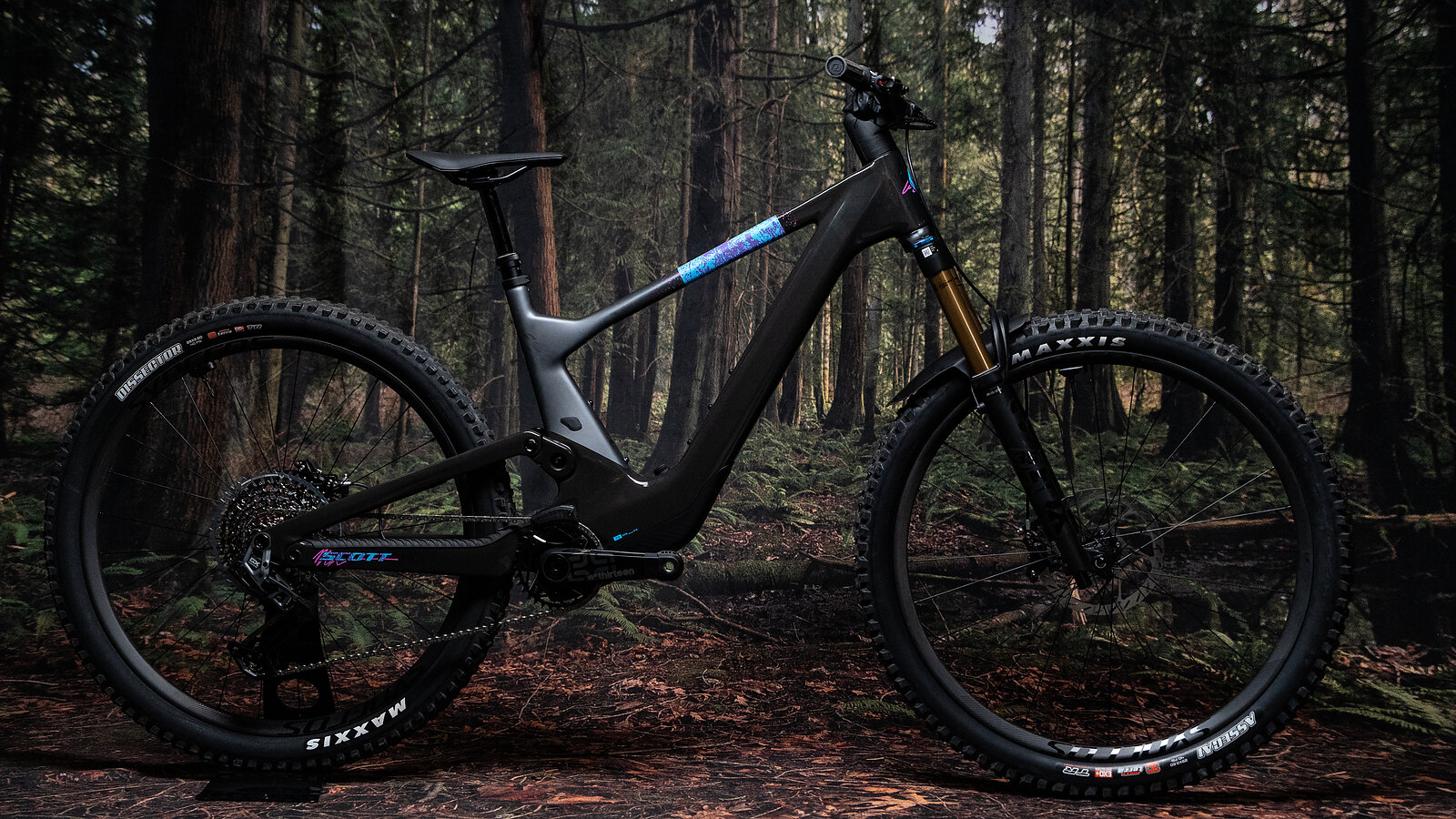
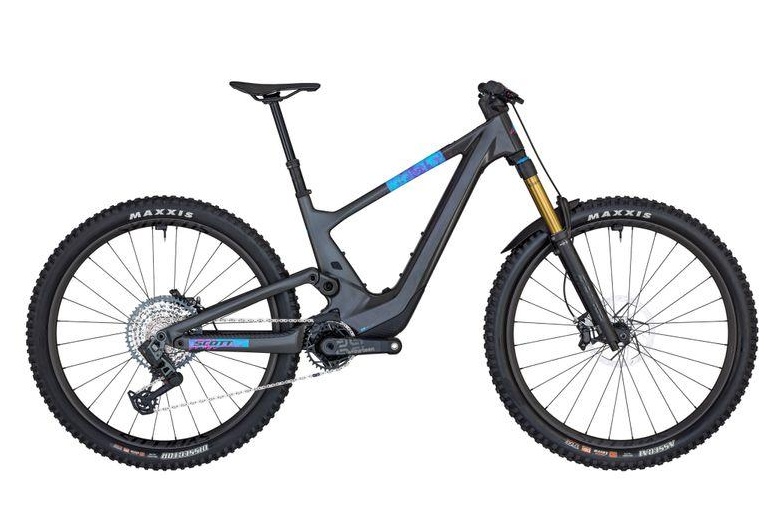
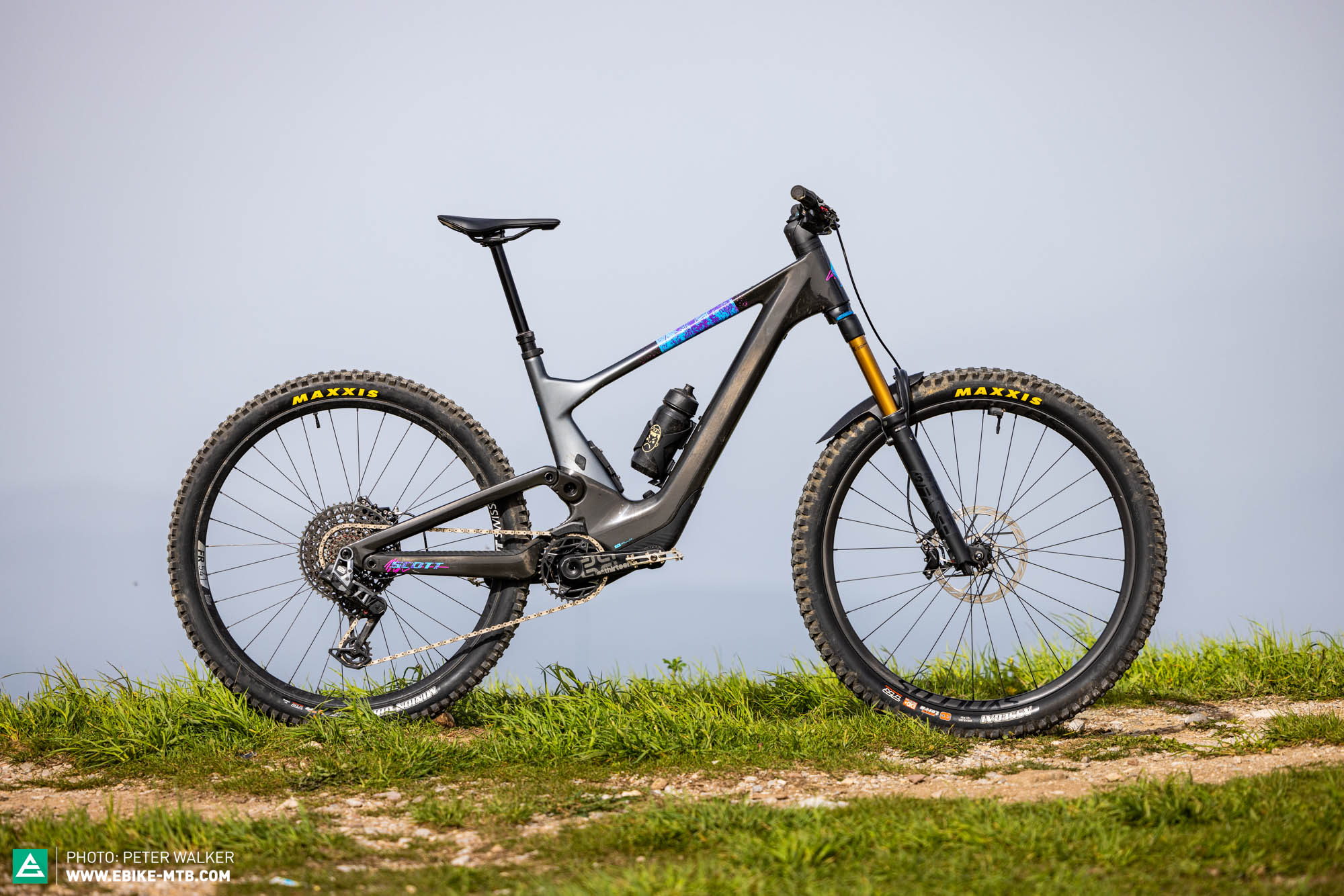
The Scott Voltage eRIDE is Scott’s lightweight all-mountain eMTB platform, launched for 2024 as a more aggressive counterpart to the shorter-travel Lumen. It uses the TQ HPR50 drive unit with 50 Nm of torque and a 360 Wh internal battery, with provision for a 160 Wh range extender, and is built around 155 mm of rear travel with typically 160 mm up front. Rather than chasing full-power e-bike output, the Voltage is aimed at riders who want a long-travel trail bike that still feels close to an analog bike in weight, handling and rider input.
What sets this generation apart is its level of integration. Scott’s Integrated Suspension Technology places the rear shock inside the frame around the bottom-bracket area, paired with extensive internal routing for an unusually clean silhouette. That packaging is not just visual: it centralizes mass low in the chassis and protects the shock, while Scott adds practical touches such as an access panel and external sag indicator to offset the hidden layout. In the market, the Voltage sits firmly in the premium lightweight eMTB category alongside bikes such as the Trek Fuel EXe and Specialized Levo SL, but with a notably more descending-focused brief thanks to its slack front end, substantial travel and aggressive all-mountain geometry.
From the press.
17 reviews from the cycling press.
Reviewers were broadly aligned in describing the Voltage eRIDE as one of the more convincing lightweight eMTBs currently available. Across tests, the TQ HPR50 motor was repeatedly praised for its very quiet operation and natural assist, with outlets such as BikeRadar, Electric Bike Report and Singletrack World saying the bike feels closer to a strong conventional trail bike than a typical e-bike. The integrated 155 mm rear suspension also drew consistent praise: BikeRadar and Flow Mountain Bike highlighted its supple initial stroke and supportive mid-stroke, while Flow described the rear end as having an almost bottomless feel on descents. At around 18.9 to 19.3 kg in size Large in several tests, reviewers found it notably agile for its category and more composed on steep, rough trails than many lightweight rivals.
The handling consensus was that the Voltage favors stability, traction and precision over outright playfulness. Reviewers pointed to the long 455 mm chainstays, 29-inch wheels and low, centralized mass as reasons it feels planted and calm at speed, with E-MOUNTAINBIKE calling it brutally fast and highly precise. That same setup brought trade-offs: Flow Mountain Bike and others noted that tight uphill switchbacks are harder work than on shorter-rear-center or mullet-equipped competitors, and Pinkbike- and Singletrack-style criticisms also surfaced around the integrated cockpit’s effective stem length on larger sizes. There was also some disagreement over ride feel: Singletrack World found the bike comfortable and friendly, while E-MOUNTAINBIKE considered the stiffer high-end build less forgiving on rough alpine descents.
Weaknesses were mostly tied to the same design decisions that make the bike distinctive. Multiple reviewers said the integrated shock and headset cable routing complicate setup and servicing, and several questioned the value proposition given pricing around €10,999 / £10,099 / $10,999 for the 900 Tuned. Reviewers also noted modest battery capacity if ridden hard in high assist, occasional motor power fade on prolonged climbs, and stock tire choices that were considered too light-duty for aggressive use. Even so, the overall verdict was strongly positive: for riders who want subtle assistance, high-speed descending capability and a highly integrated chassis, the Voltage was repeatedly rated among the standout light eMTBs in the segment.
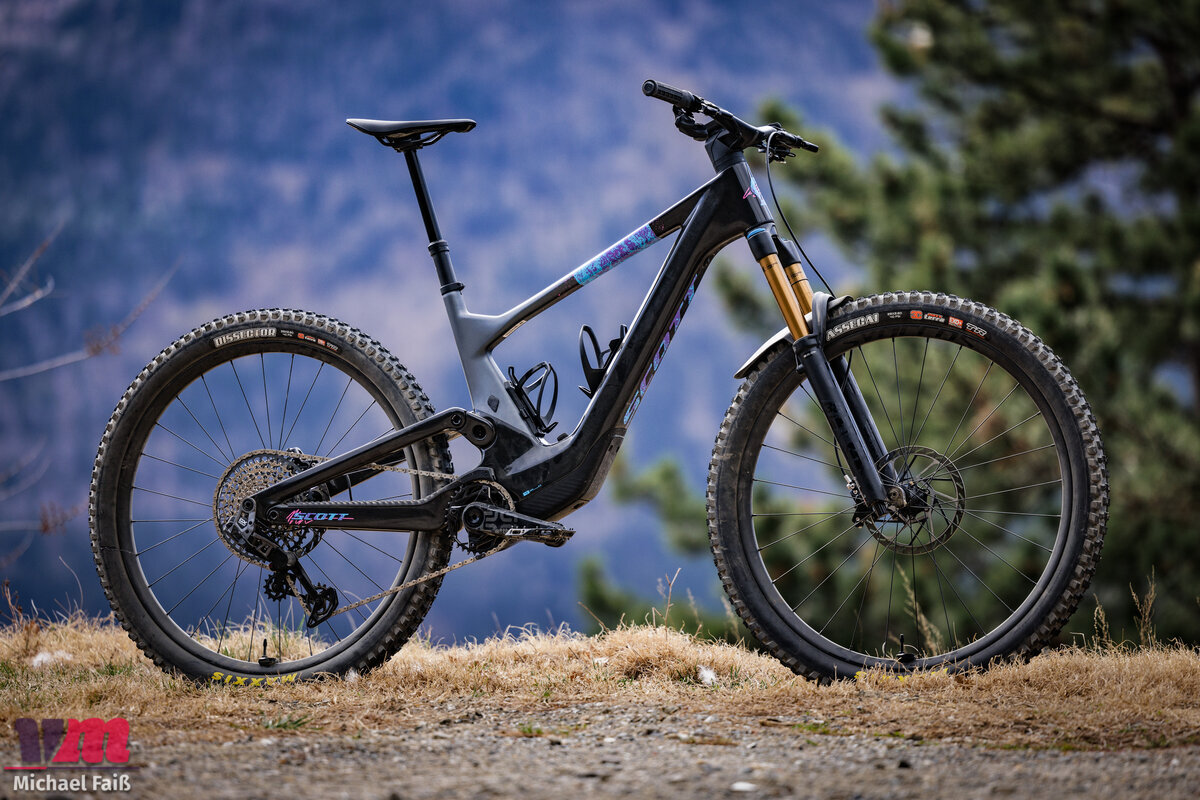
Scott Voltage eRide in the first test - Velomotion
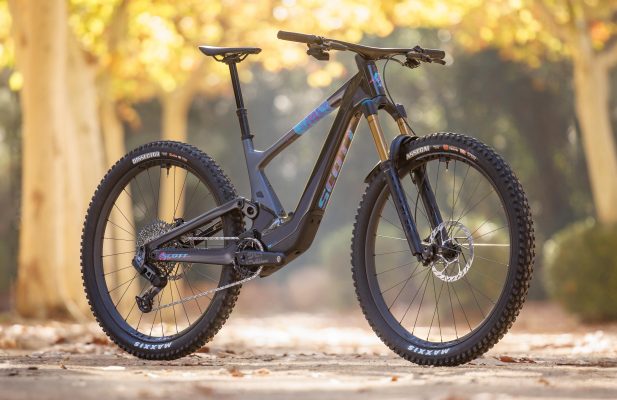
Scott's 2024 Voltage eRide 900 Tuned mid-power e-bike ...
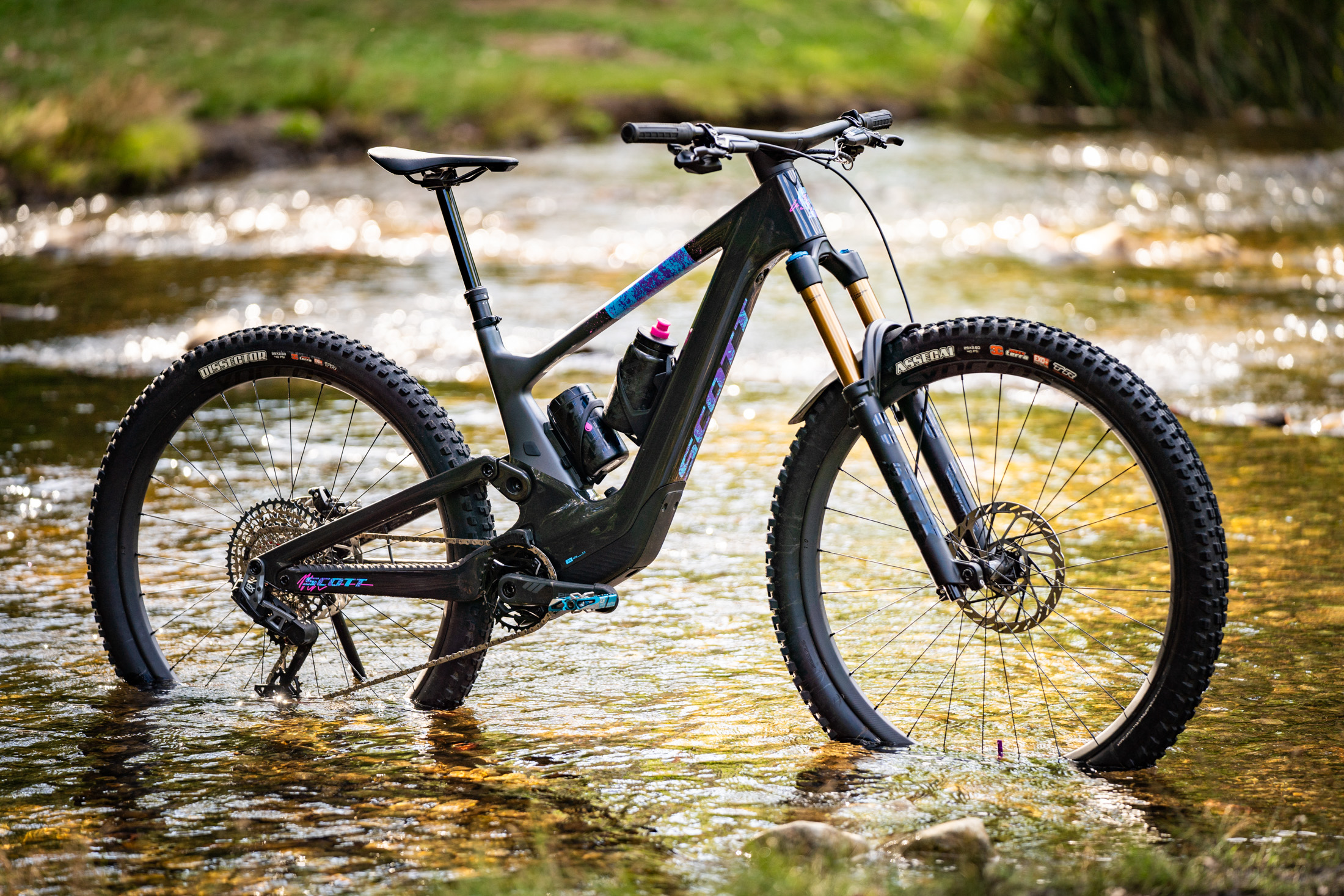
2024 Scott Voltage Review - A heavyweight lightweight e-MTB
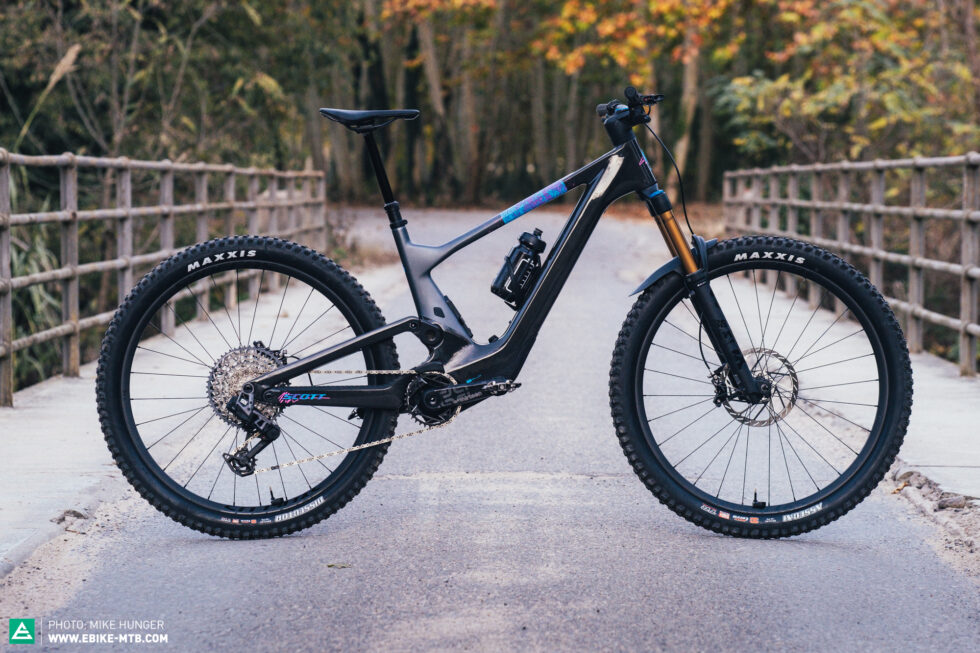
New SCOTT Voltage eRIDE 900 Tuned 2024 first ride review
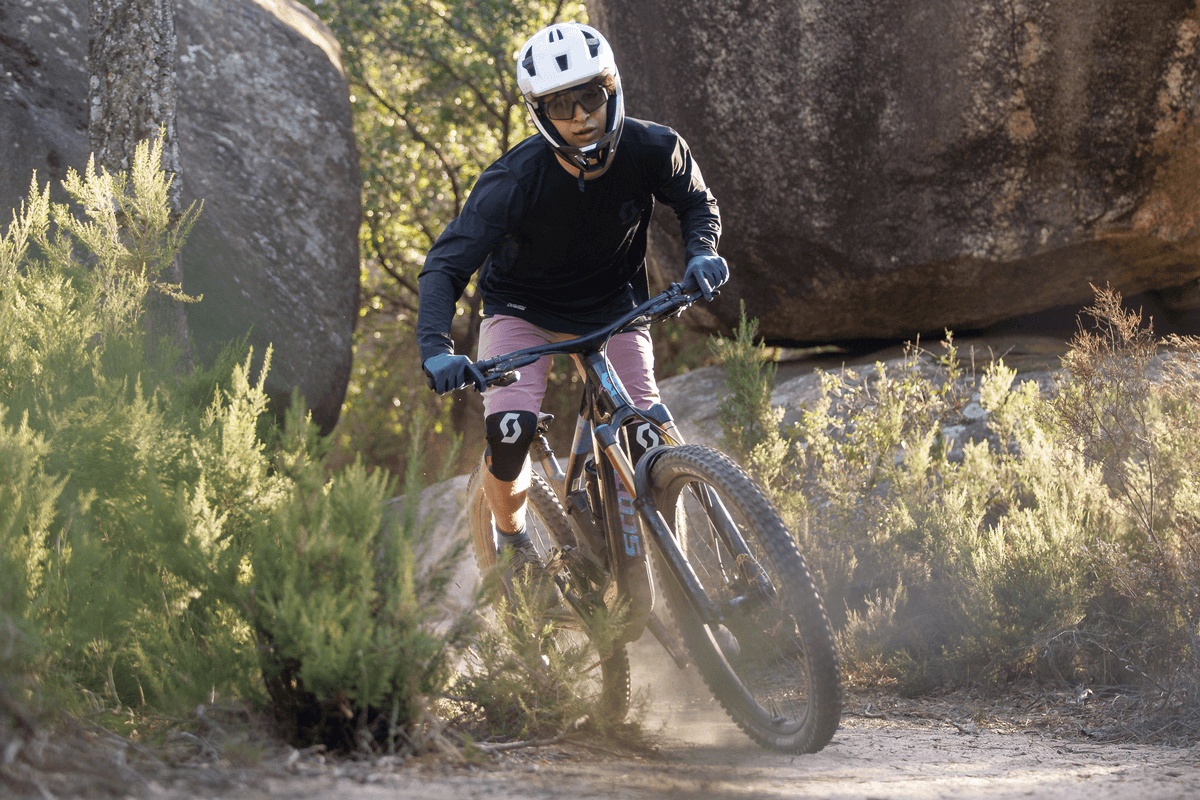
Scott Voltage eRIDE 900 Tuned first ride review
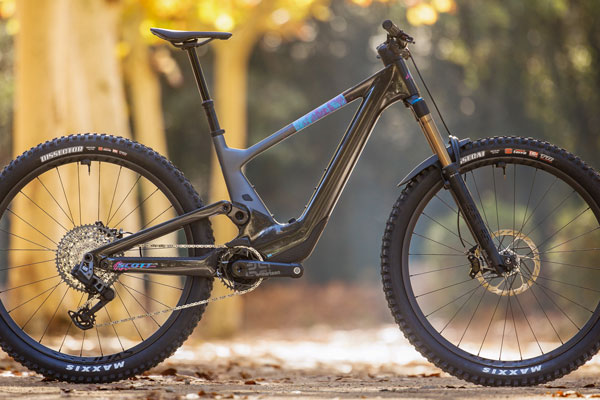
First Ride Review: The New Scott Voltage eRide
![Scott Voltage eRide [Ride Review]](https://paklmrfyhygqlkyhjcnf.supabase.co/storage/v1/object/public/storage/review-images/scott/voltage-eride/2024/review-c730b1314c15.jpg)
Scott Voltage eRide [Ride Review]
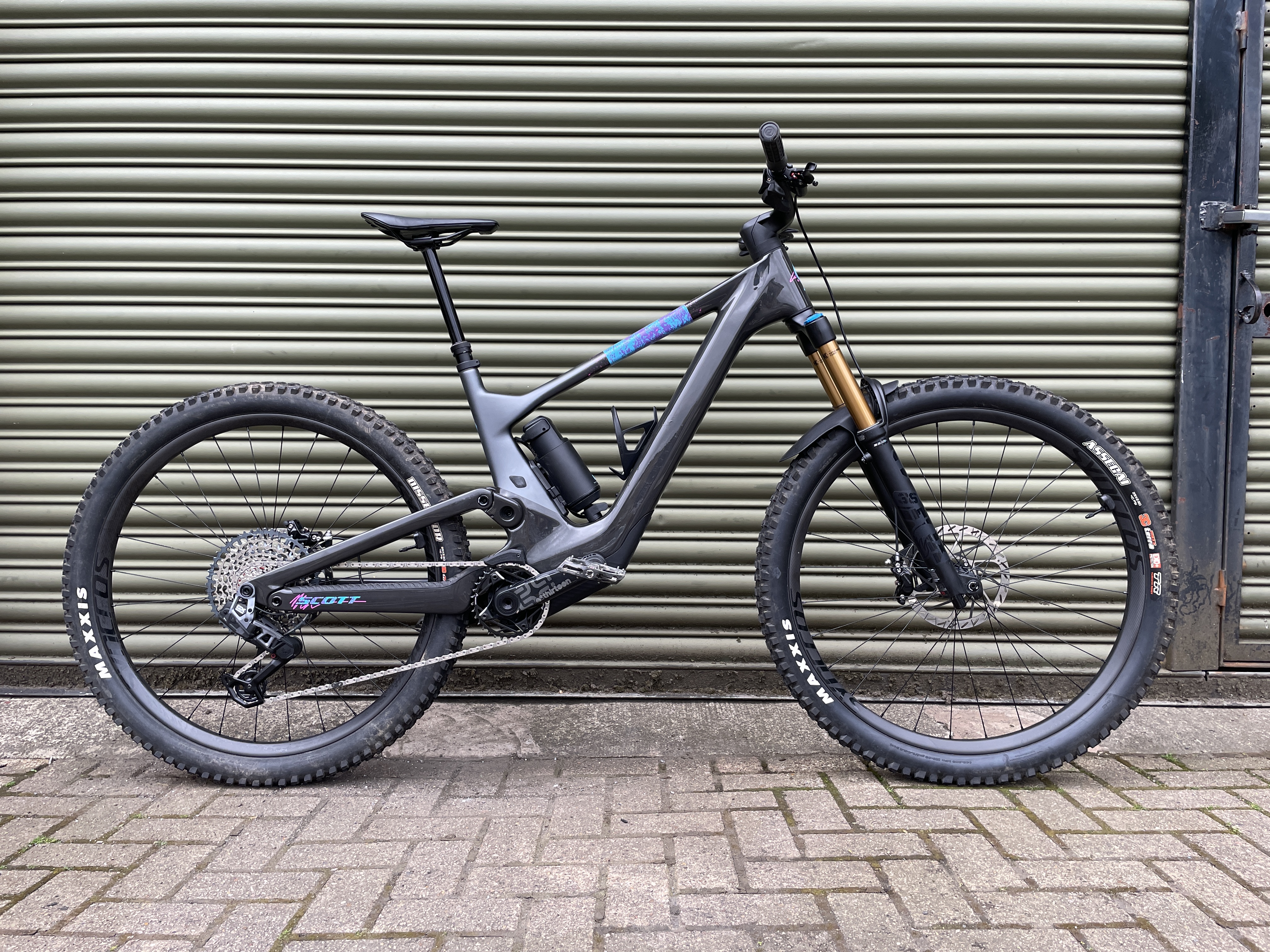
The SiLent Type: Scott Voltage eRIDE 900 Tuned review
Scott Voltage eRIDE Review | Feels Like You On Your Best Day
Bike Review | Scott Voltage eRIDE 900 Tuned | Freehub Magazine
Scott Voltage eRIDE 900 Tuned 2022 Review
SCOTT Voltage eRIDE 900 Tuned – In our 2024 light eMTB comparison test | E-MOUNTAINBIKE Magazine
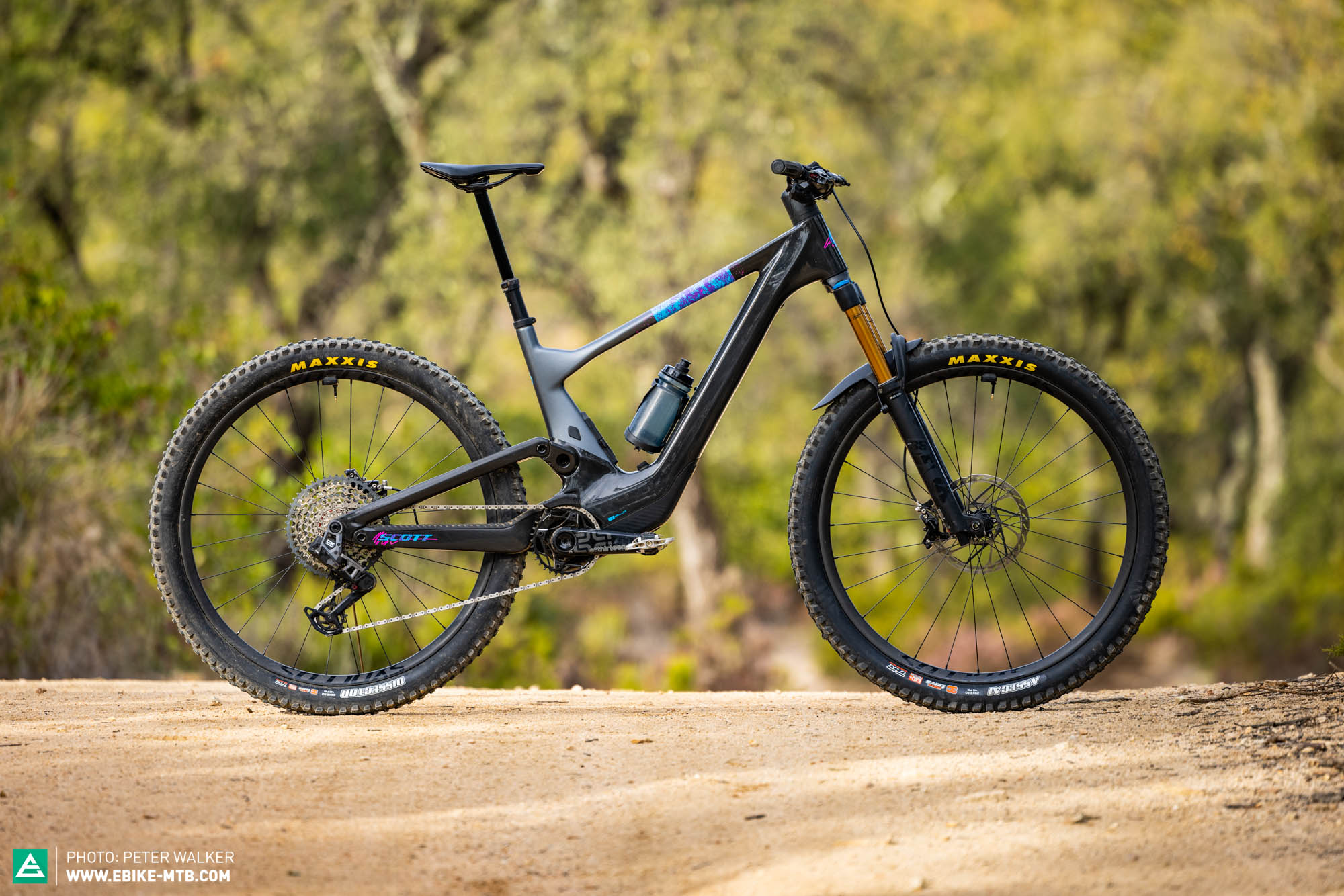
SCOTT Voltage eRIDE 900 Tuned – In our huge 2024 e- ...
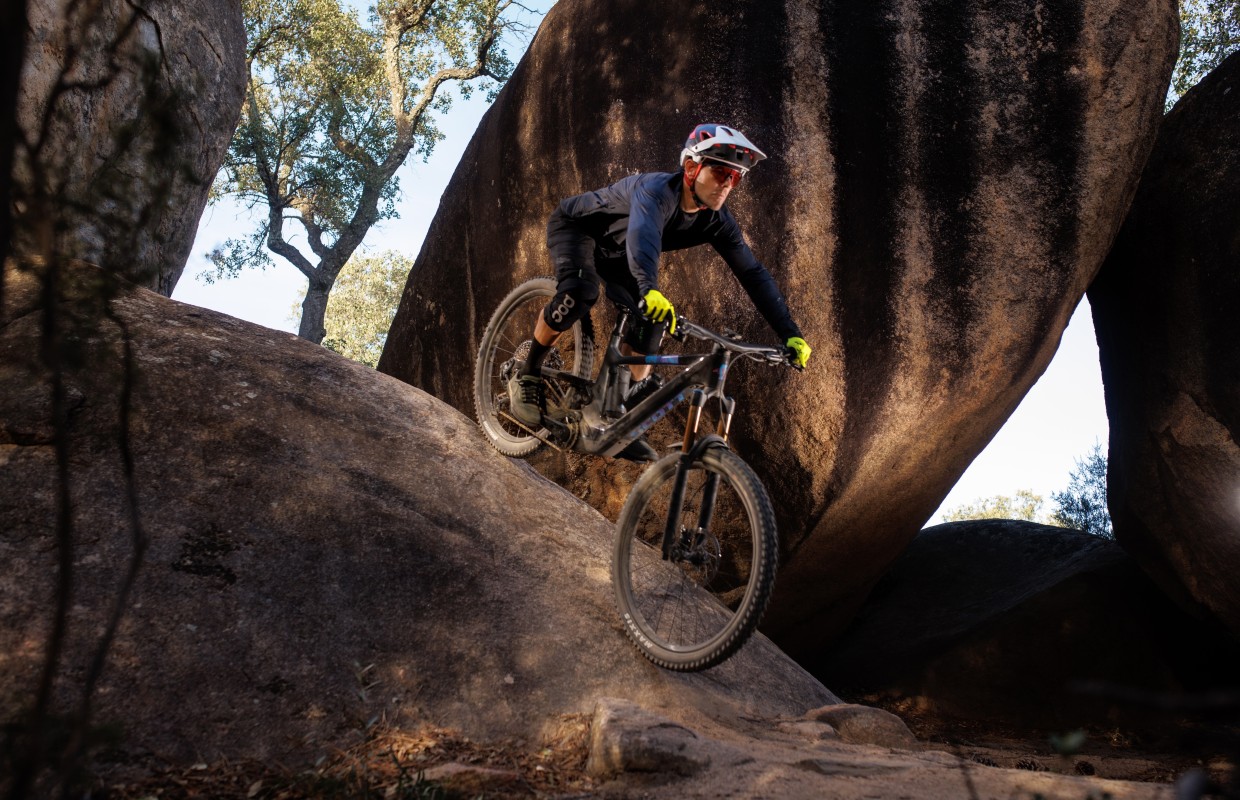
We tested the new SCOTT Voltage eRide: advanced technology at the service of fun
![[Review] Scott Voltage | MTB-MAG.COM](https://www.mtb-mag.com/wp-content/uploads/2024/02/scott_voltage-1.jpg)
[Review] Scott Voltage | MTB-MAG.COM
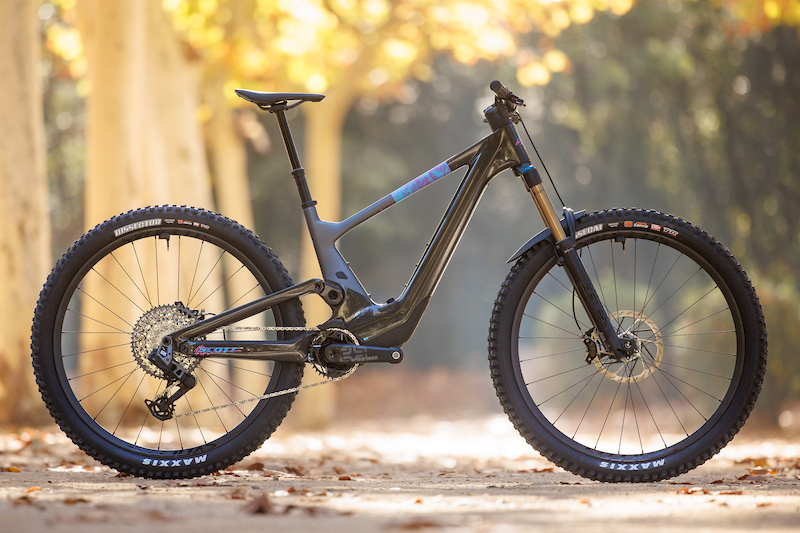
First Ride: Scott Voltage - The Electric Genius - Pinkbike