Turbo Vado
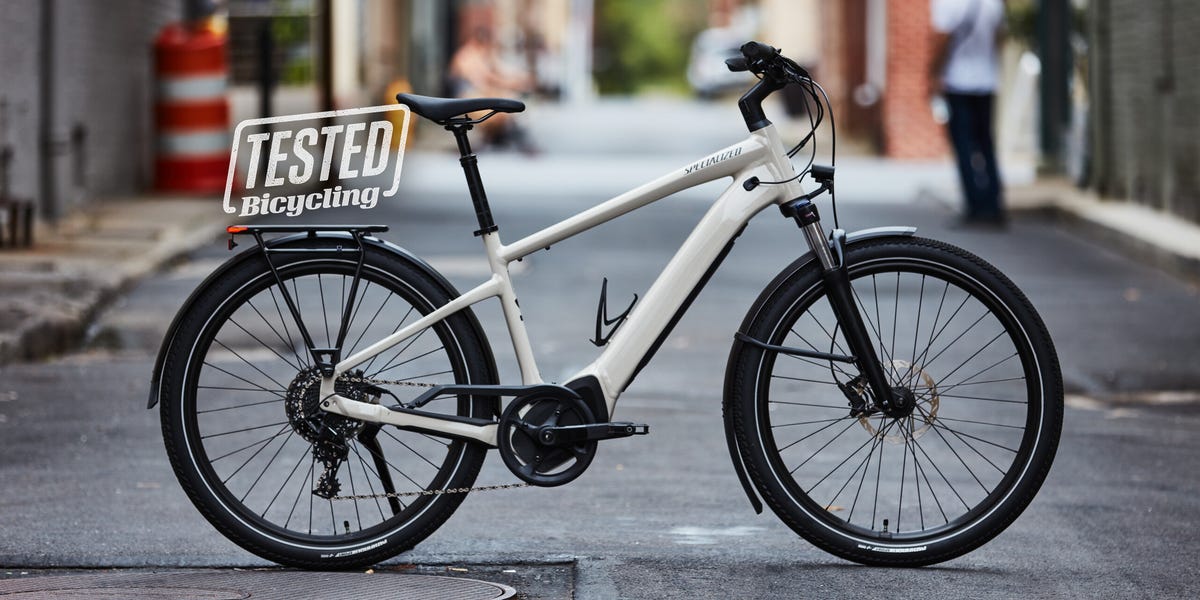
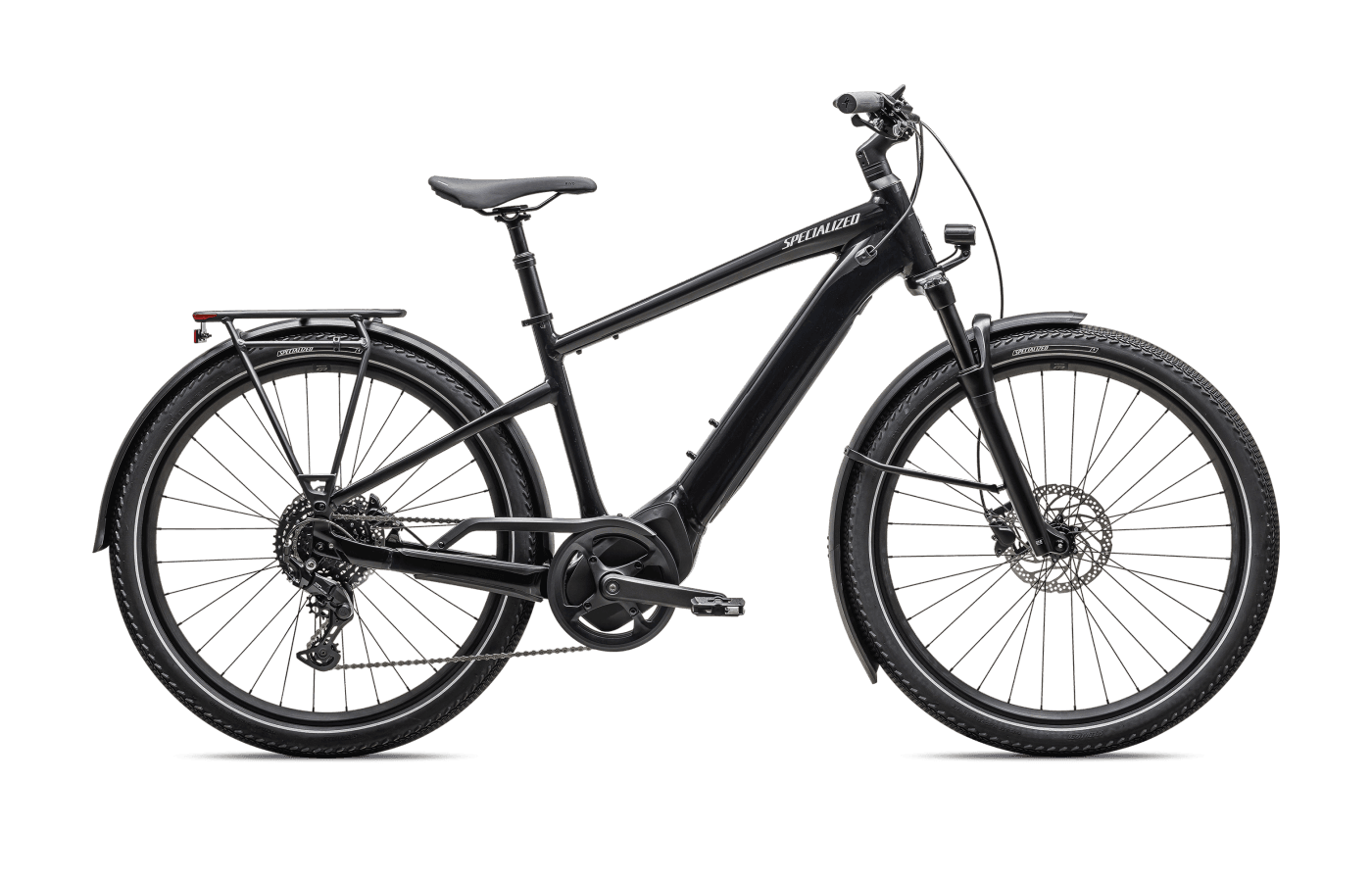
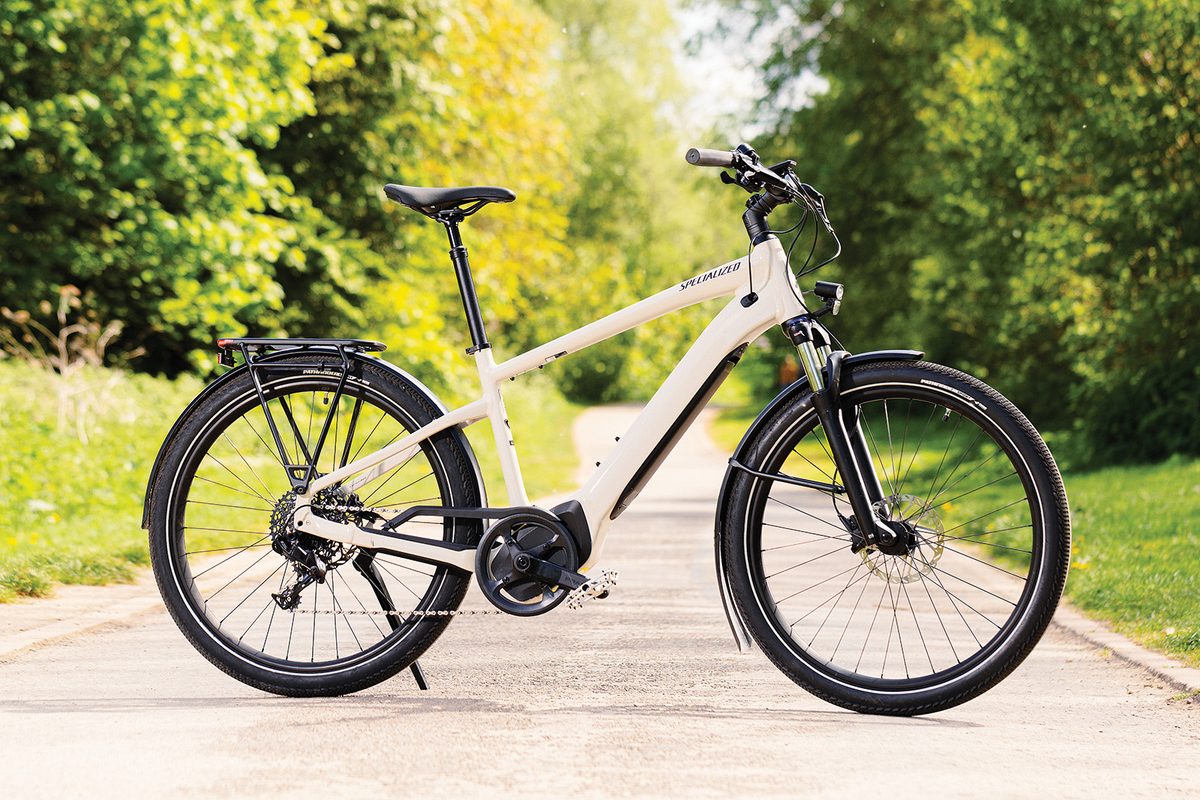
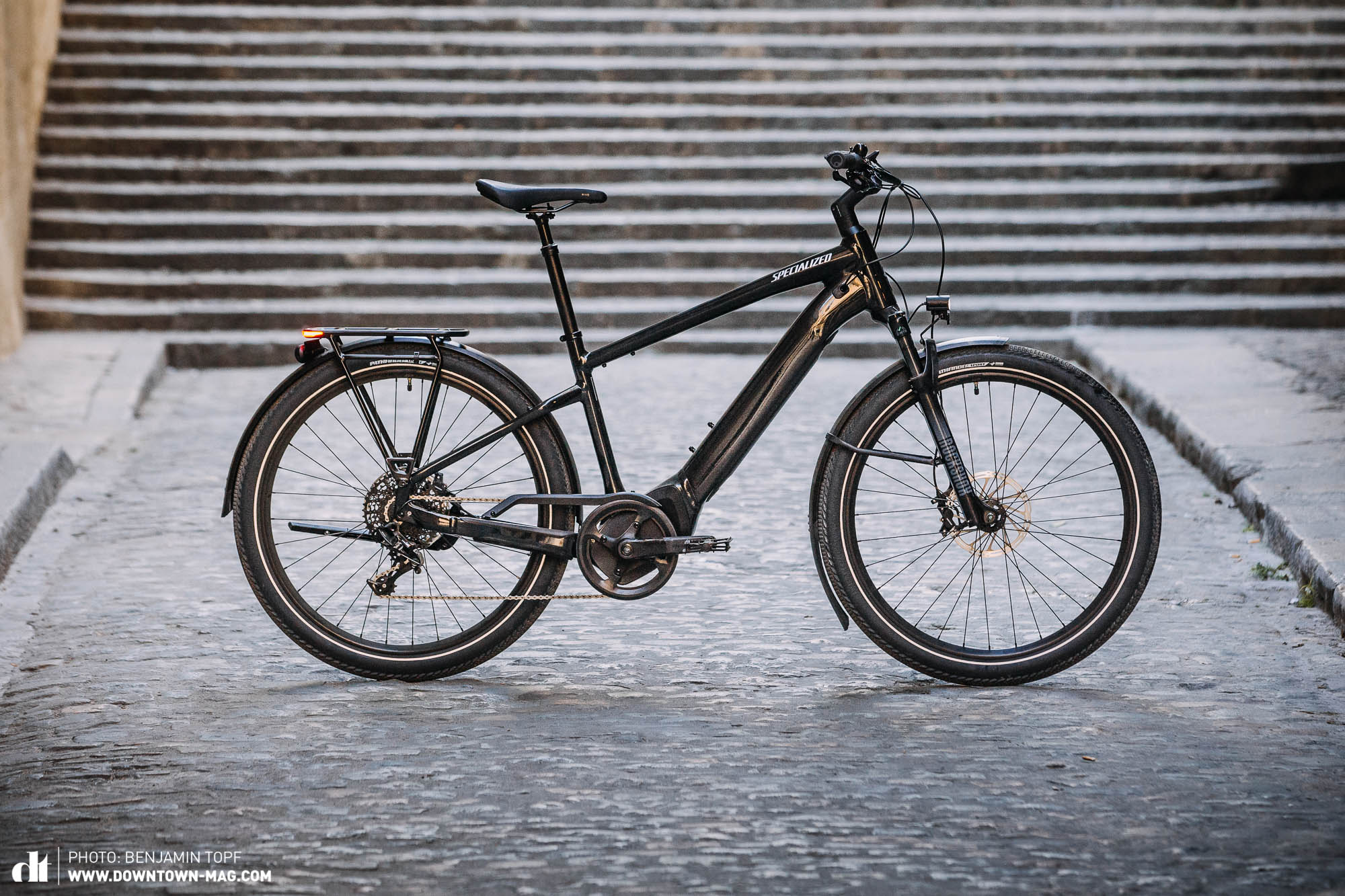
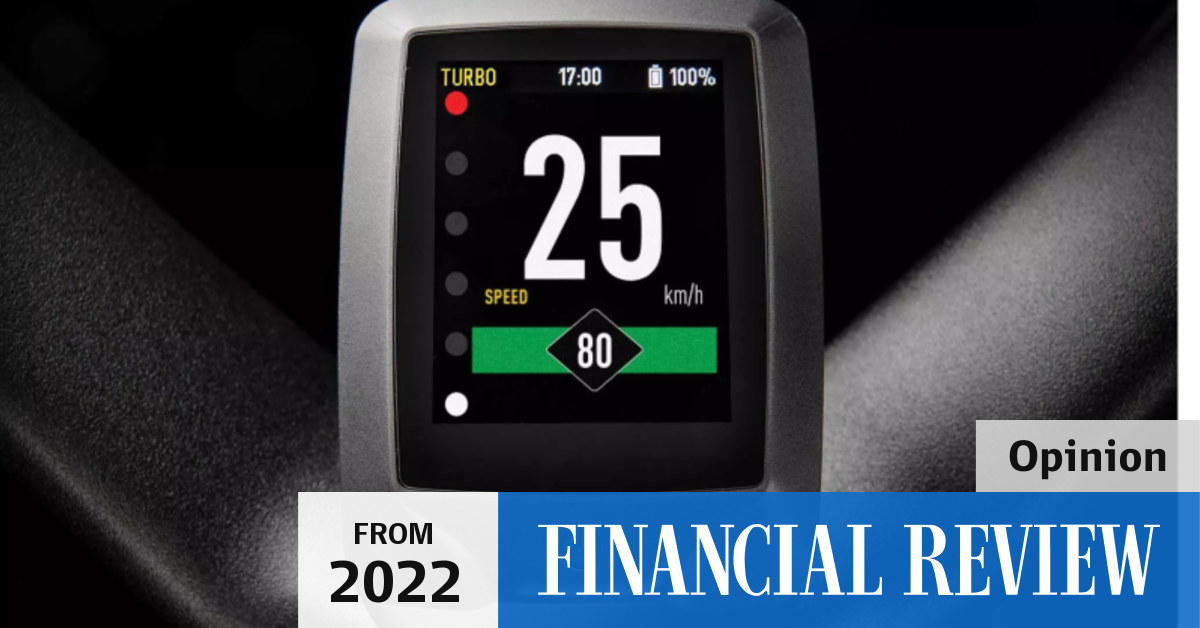
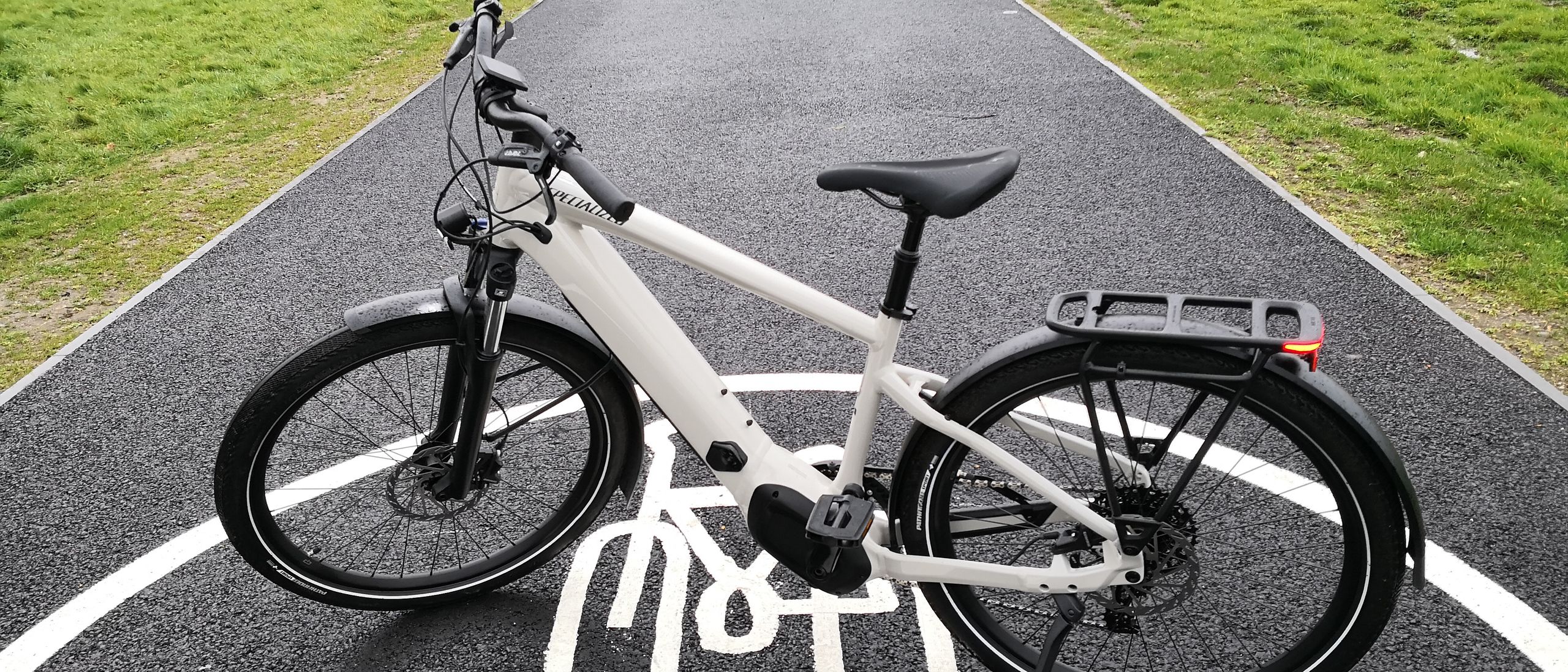
The second-generation Specialized Turbo Vado is a clear shift away from the brand’s earlier, more road-biased commuter formula and toward a more stable, more versatile full-power urban platform. Its defining elements are the Turbo Full Power 2.0 system, the larger 710Wh battery on core models, and the MasterMind display and remote interface, all wrapped into a bike that is designed not just for paved commuting but for rougher city streets, towpaths, and light trekking use. Specialized also made security part of the platform itself, with system lock and alarm functions integrated into the bike’s electronics rather than left to aftermarket solutions.
Just as important is the chassis redesign. Gen.2 adopts 650b wheels, 2.3-inch tires, and an 80mm suspension fork, paired with notably slacker steering than the previous Vado generation. That gives the bike a more planted, confidence-oriented character at speed, which matters on a Class 3 commuter expected to spend time near 28 mph in US trim. Frame details such as front rack compatibility and hardware support for IGH-oriented variants broaden the Vado’s role beyond a simple fast commuter. In the market, it sits firmly at the premium end of the commuter/trekking e-bike segment: expensive compared with direct-to-consumer alternatives, but unusually cohesive in its motor tuning, chassis stability, utility integration, and long-term platform support.
Geometry & fit.
4 sizes published.
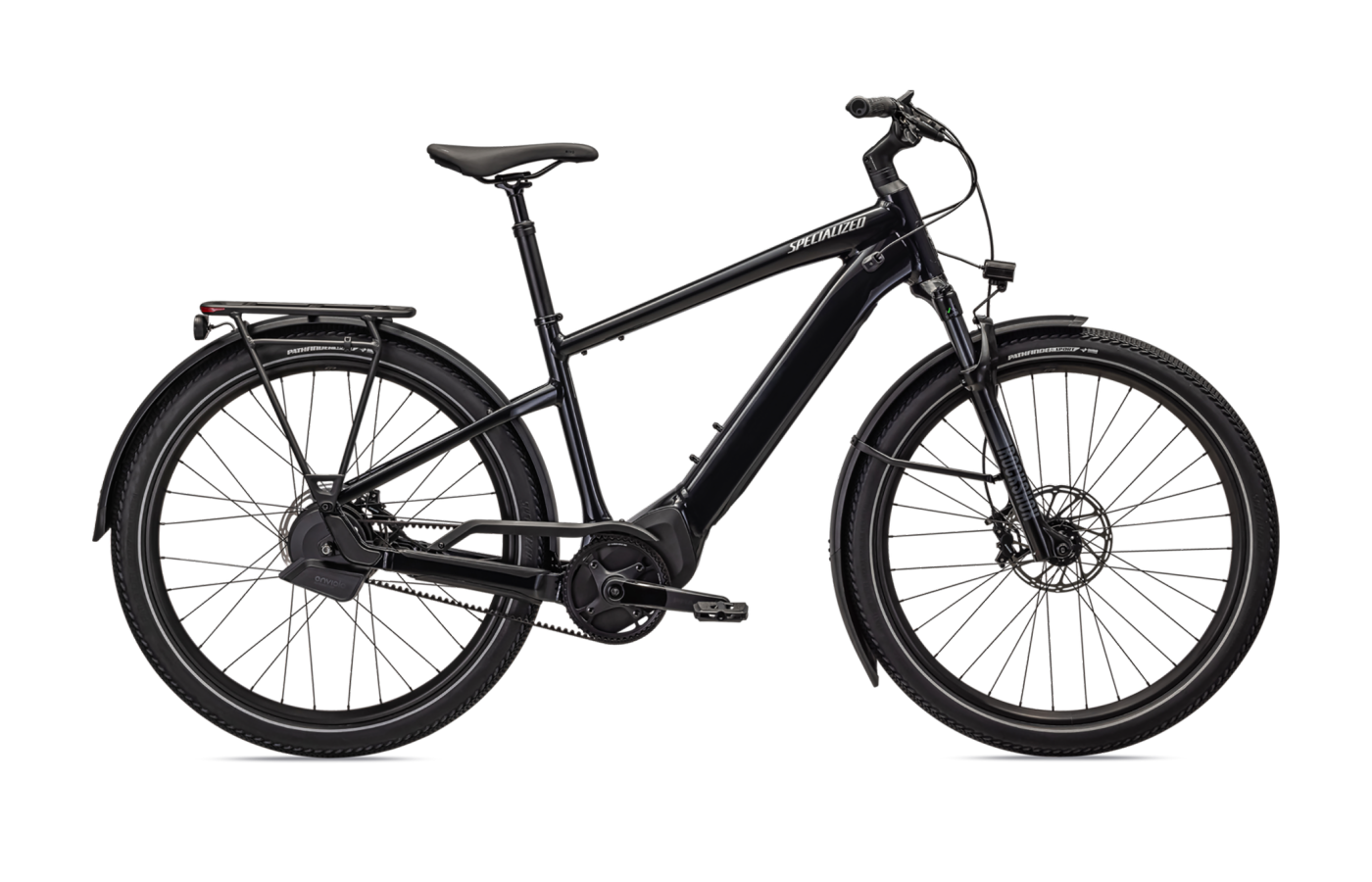
The geometry points clearly to a stability-first commuter rather than a quick-steering city bike. Across the size range, the head tube angle is 68 degrees, which is very slack for an urban e-bike, and trail is a substantial 96mm. Combined with a 470mm chainstay and wheelbases from 1160mm in size S to 1239mm in XL, that gives the Vado a long, planted footprint that should feel calm at speed and reassuring on rough surfaces. This matches its intended role as a fast commuter and light-trekking bike rather than a nimble stoplight sprinter.
Fit is relatively upright but not cruiser-like. Stack runs from 625mm in S to 676mm in XL, while reach spans 423mm to 481mm, so the rider position should be commanding and neutral, with enough front-center length to avoid feeling cramped. The seat tube angle steepens from 74 degrees in XL to 75.5 degrees in S, a common approach that helps keep smaller sizes centered over the pedals. The long 470mm rear center slightly tempers low-speed agility, but it also adds composure with cargo, over broken pavement, and when descending. Overall, the numbers suggest a bike that prioritizes confidence, straight-line stability, and all-day comfort over snappy, lightweight handling.
Where the handlebar sits relative to the bottom bracket — the single most important fit pair.
01Fit geometry6 values
03Handling geometry9 values
Which size should I buy?
Slide your height to see the recommended size. GearWise's fit algorithm works from the published stack, reach, and ETT — the brand's own recommendation may differ.
→Calculated from GearWise's own stack / reach / ETT algorithm — the brand's size chart may recommend a different size, and a proper bike fit beats any calculator.
The lineup.
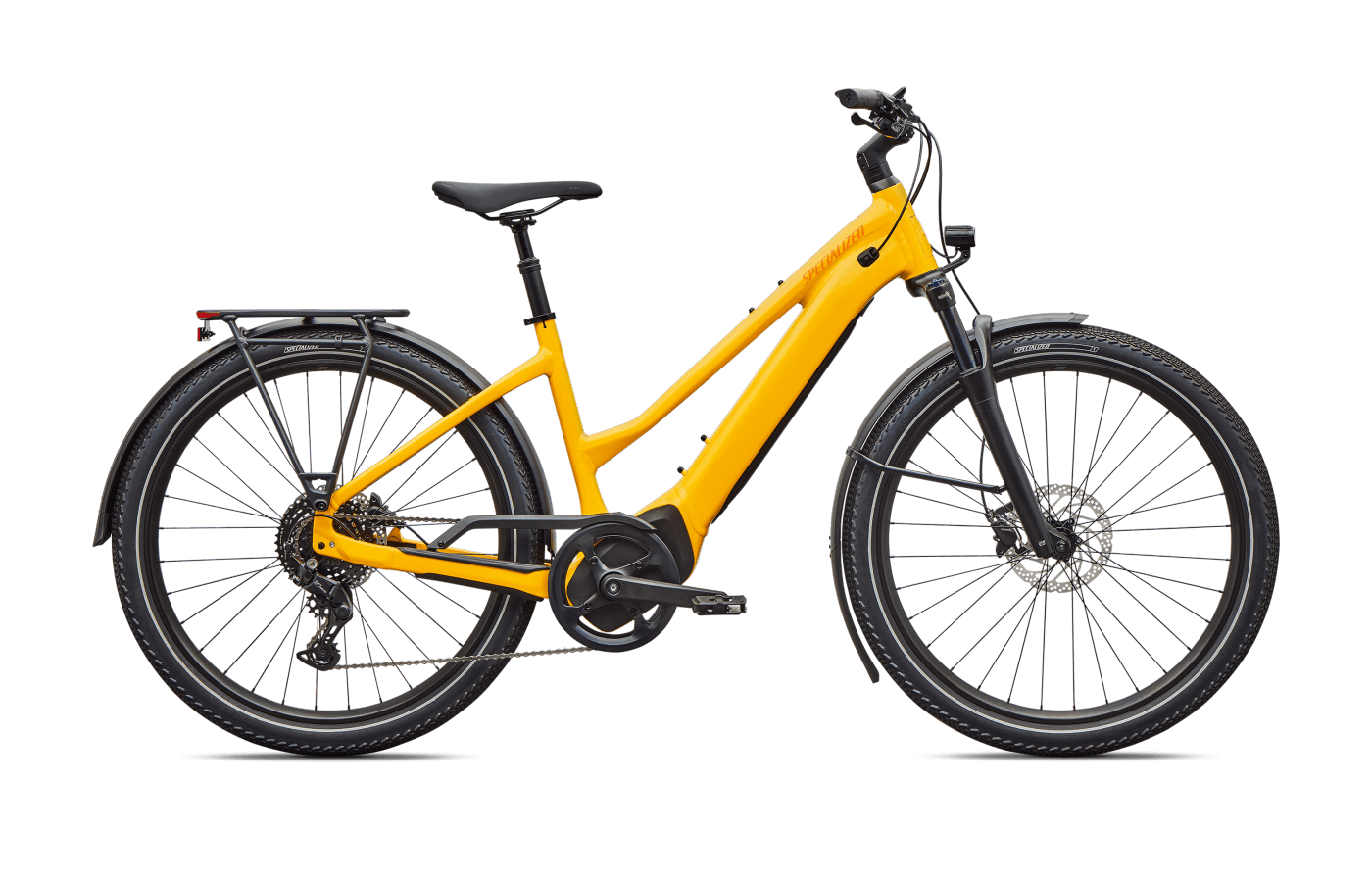
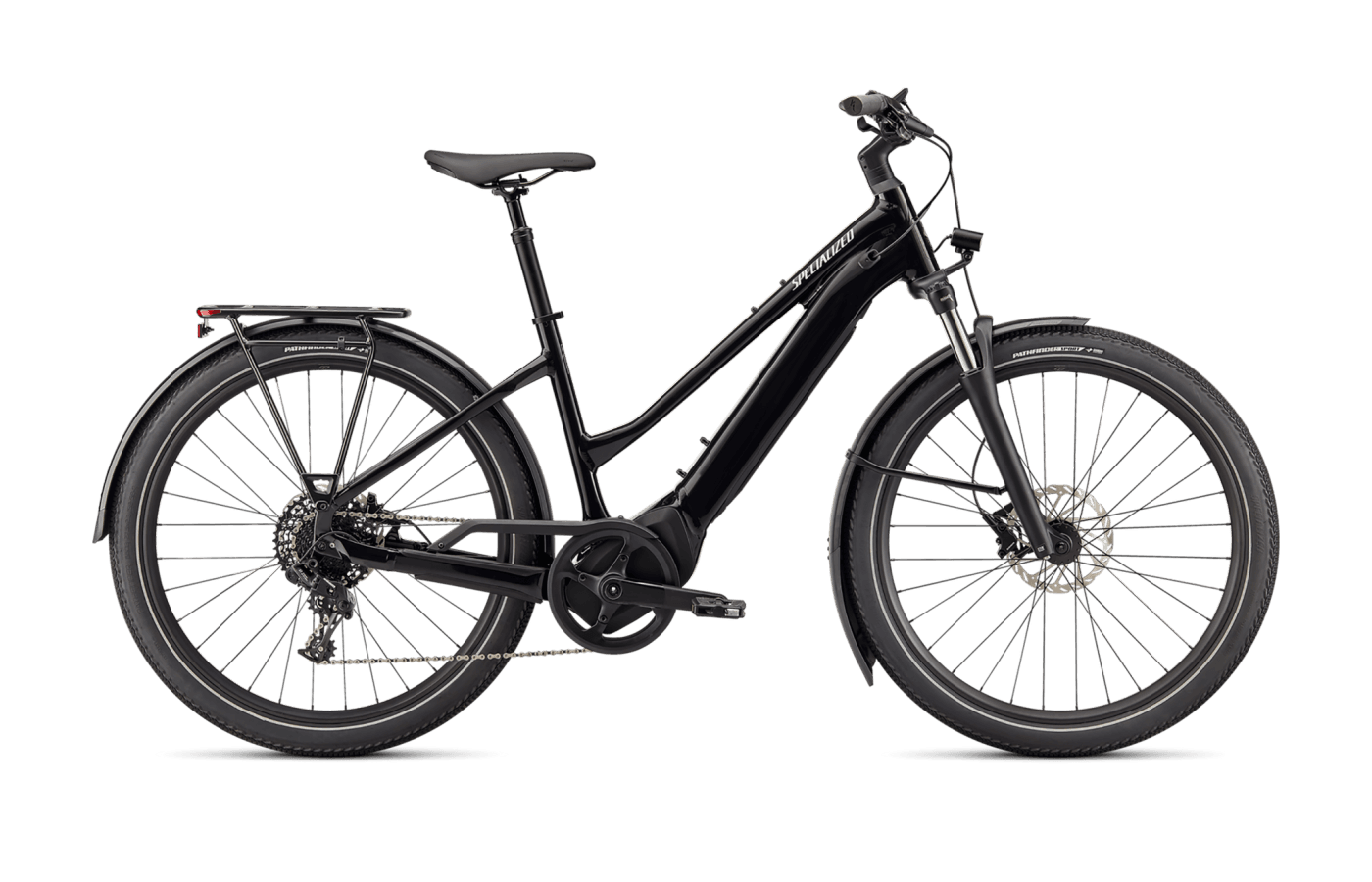
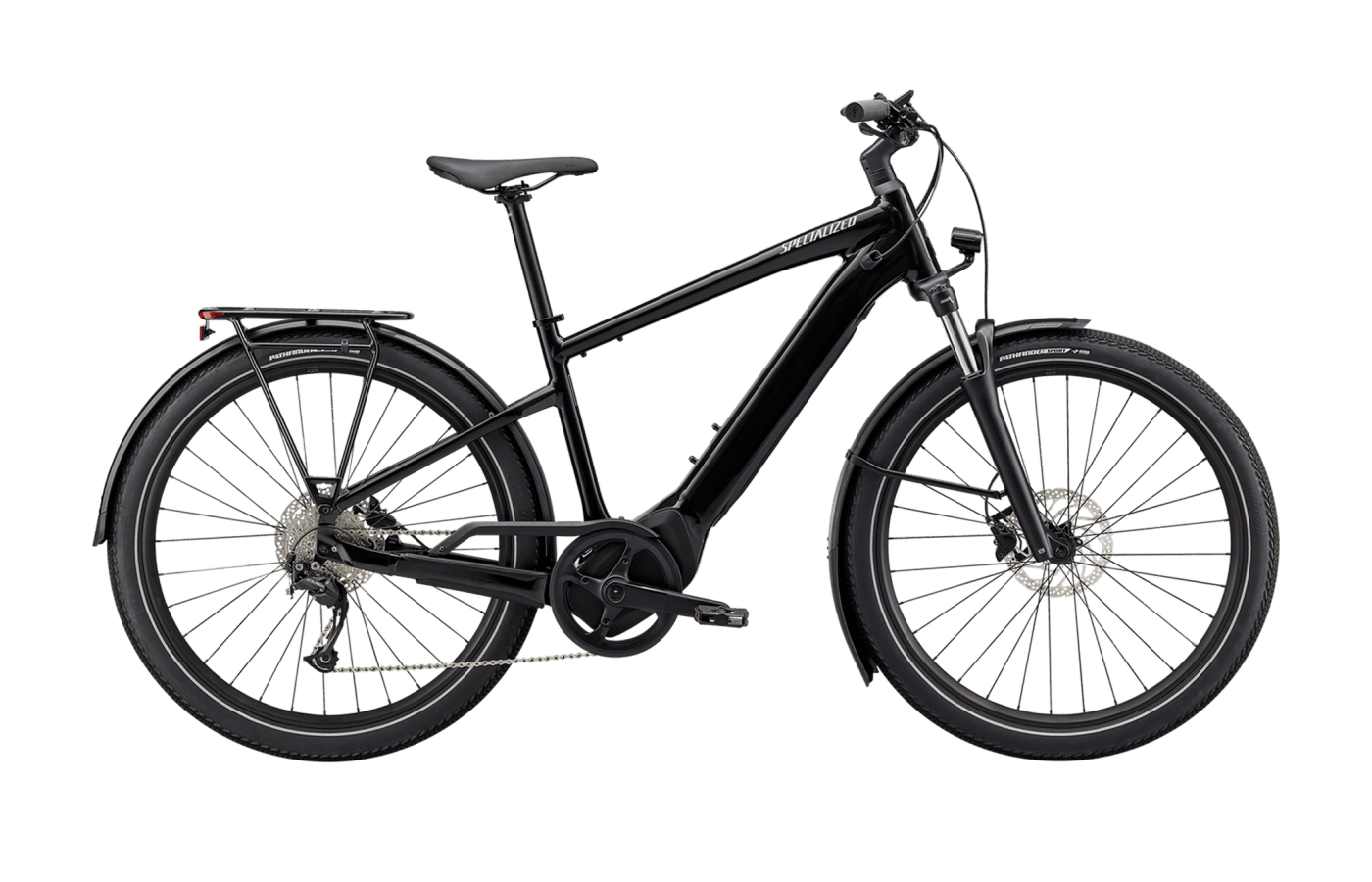
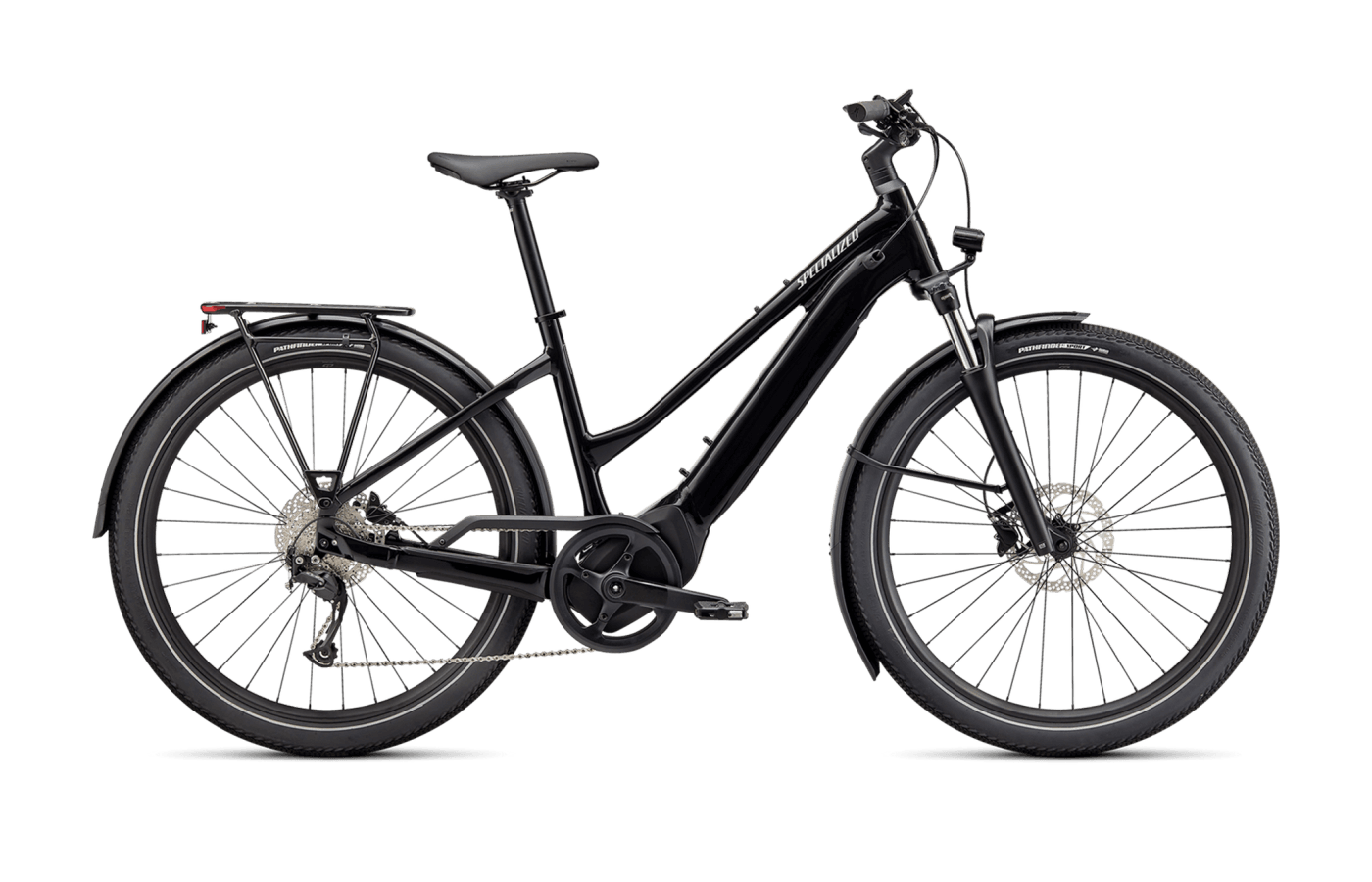
18 builds, ranging $3,000 – $5,600.
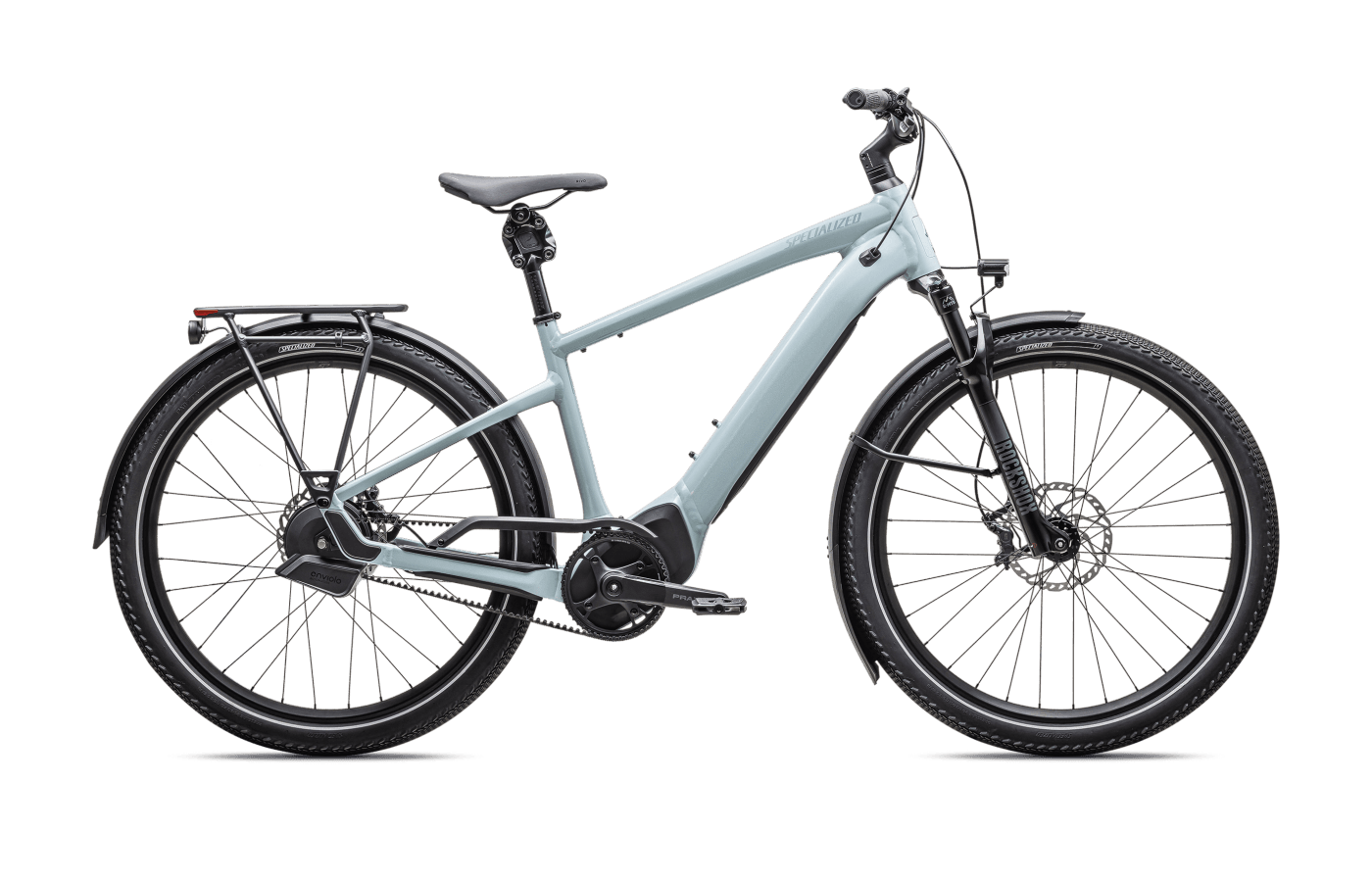
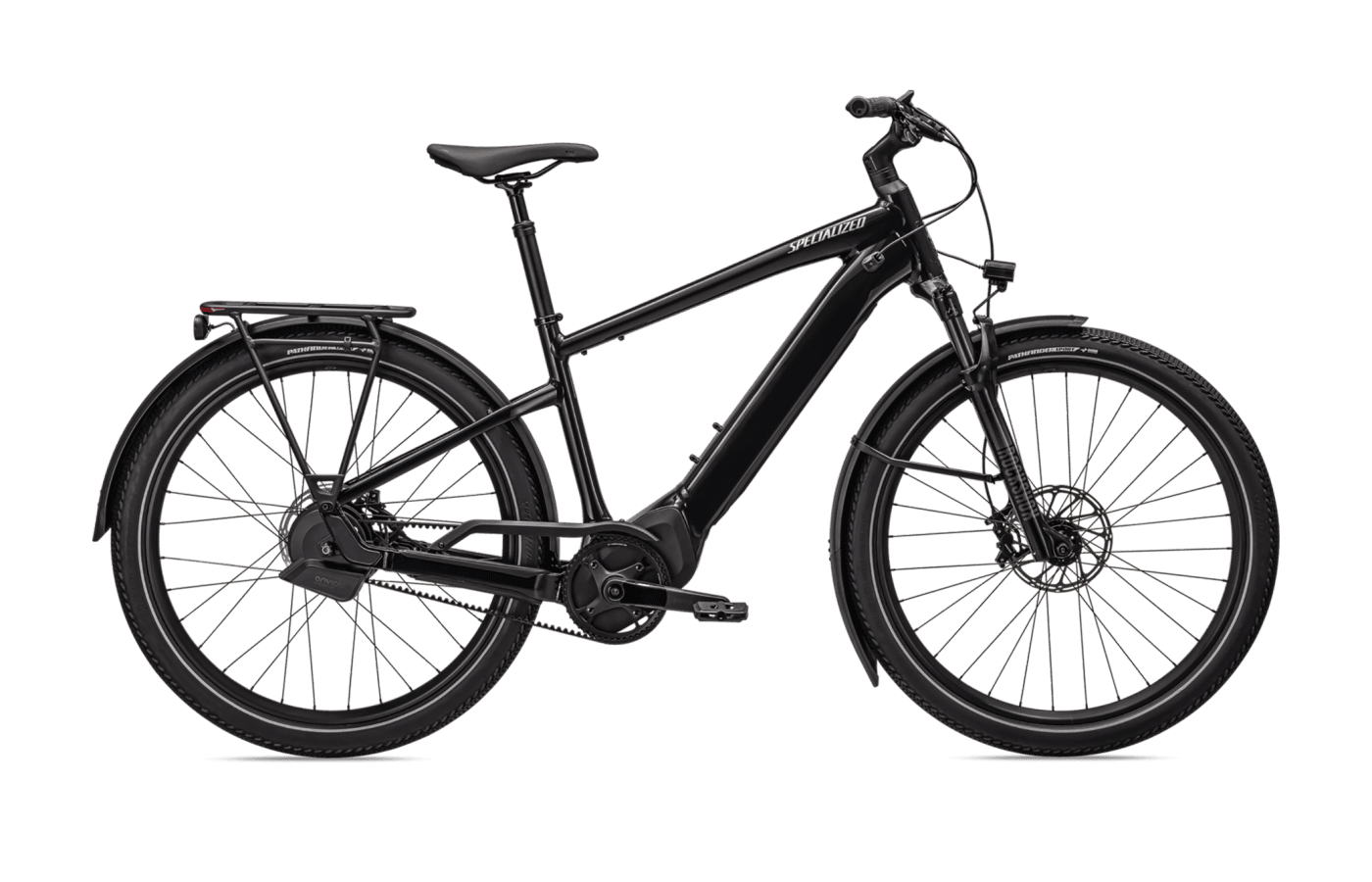
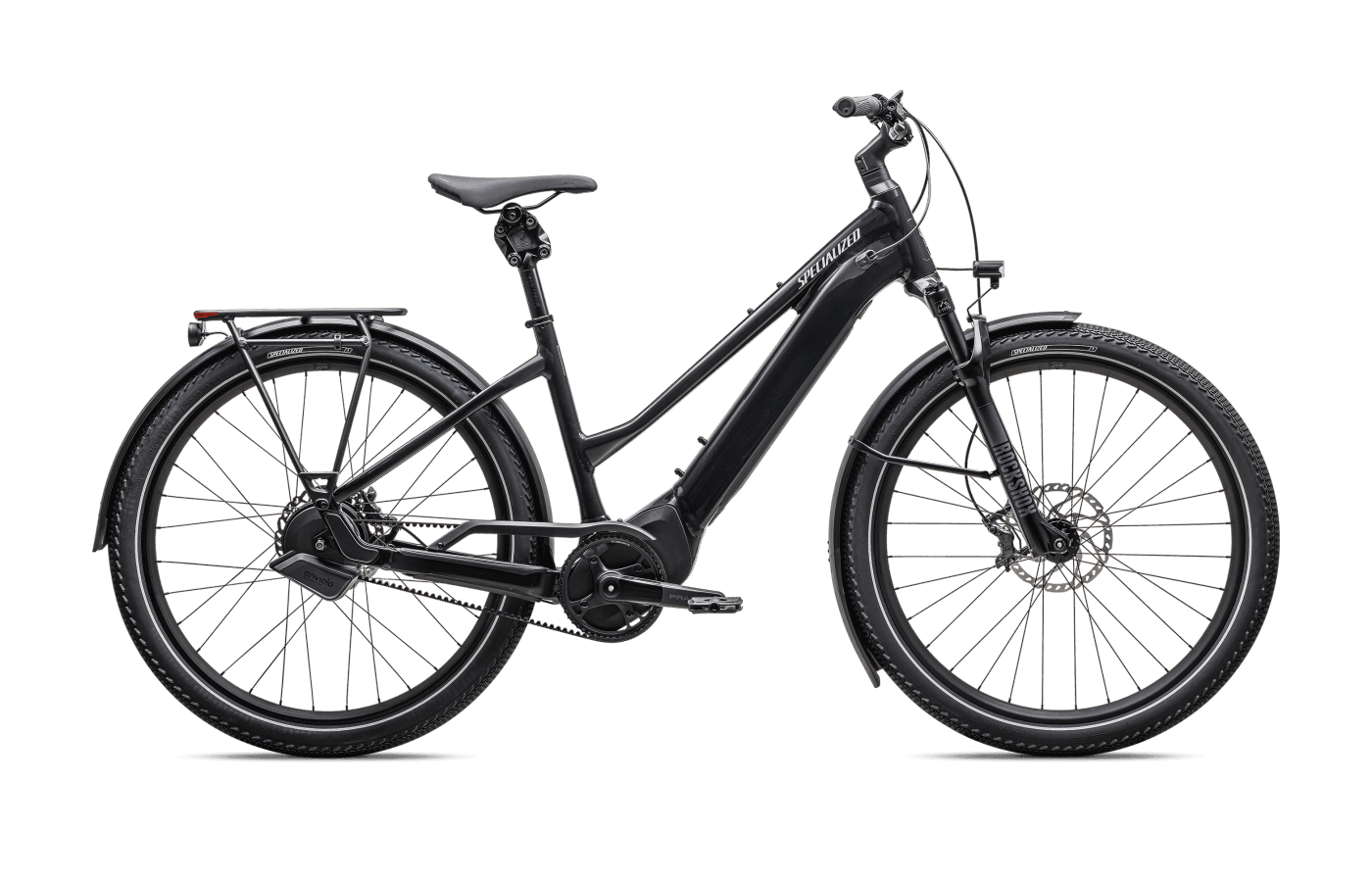
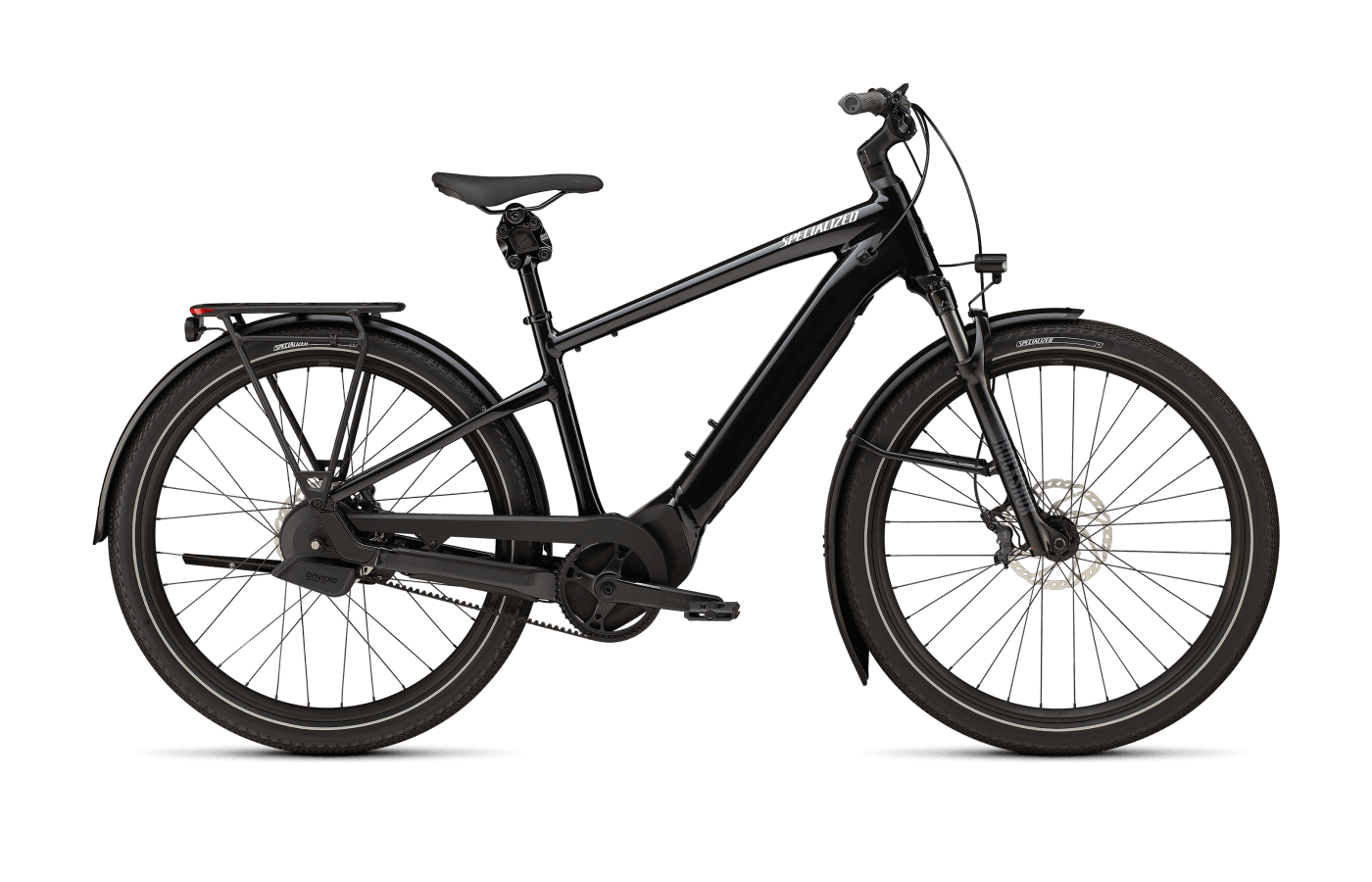
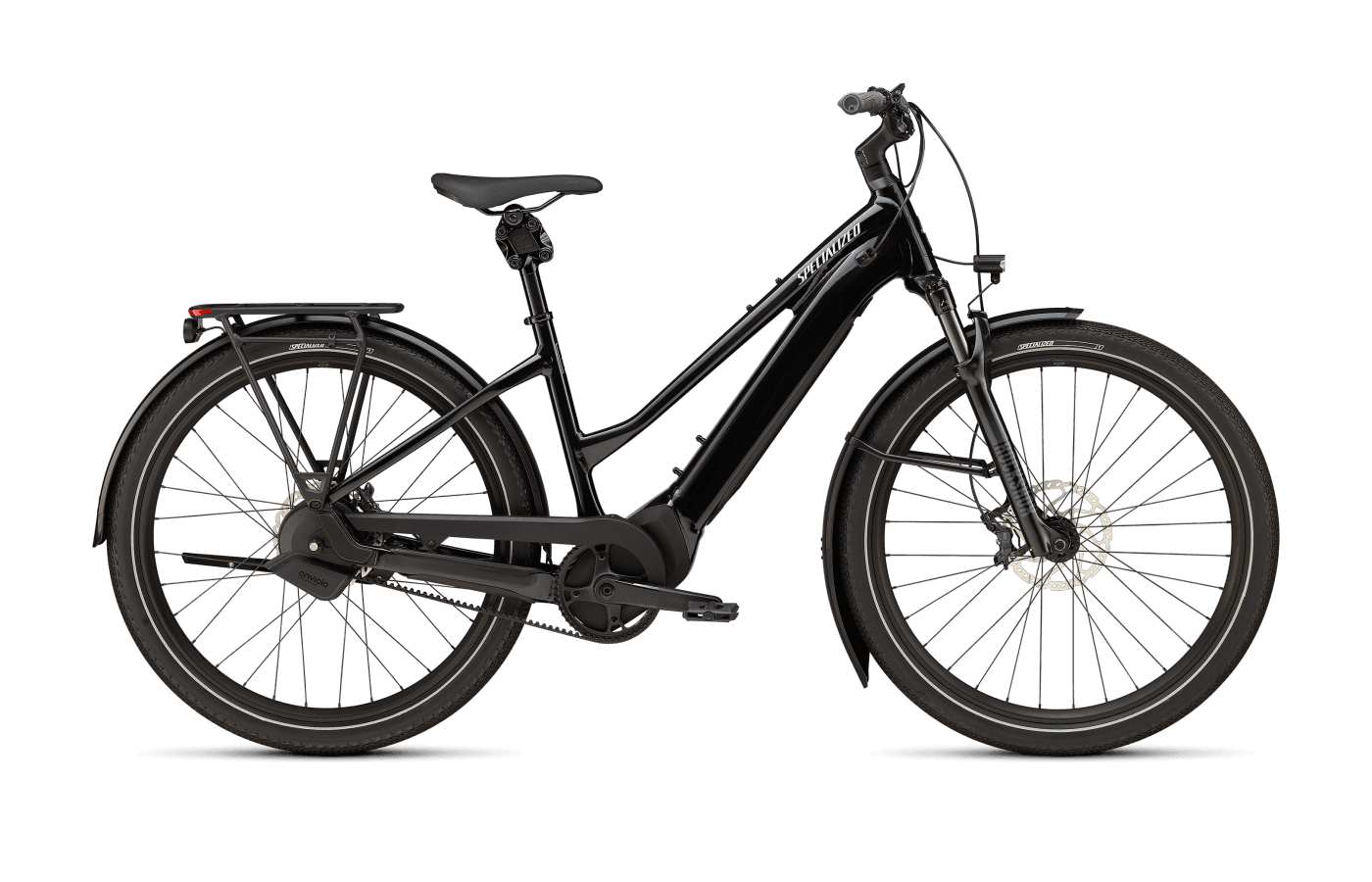
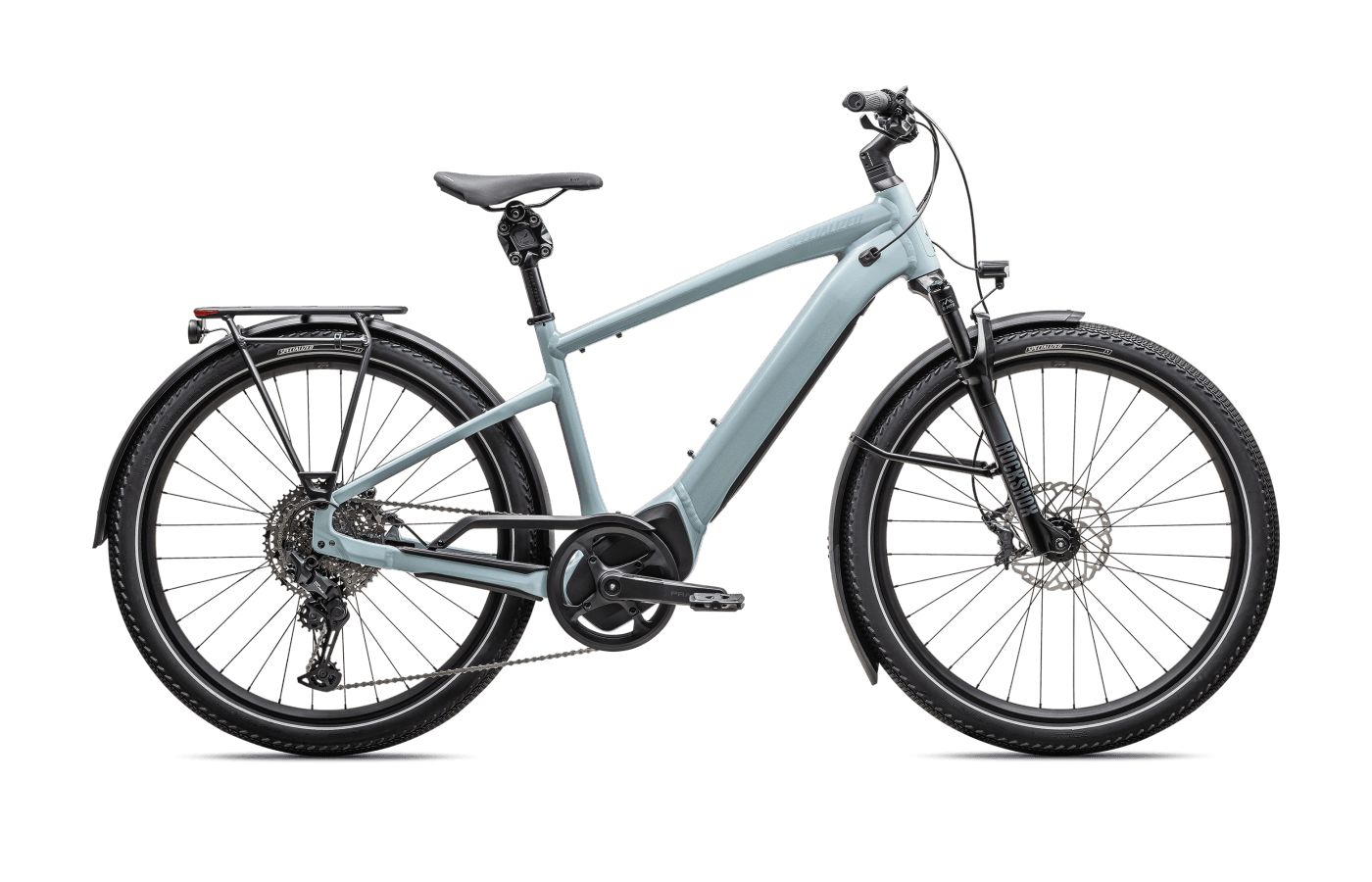
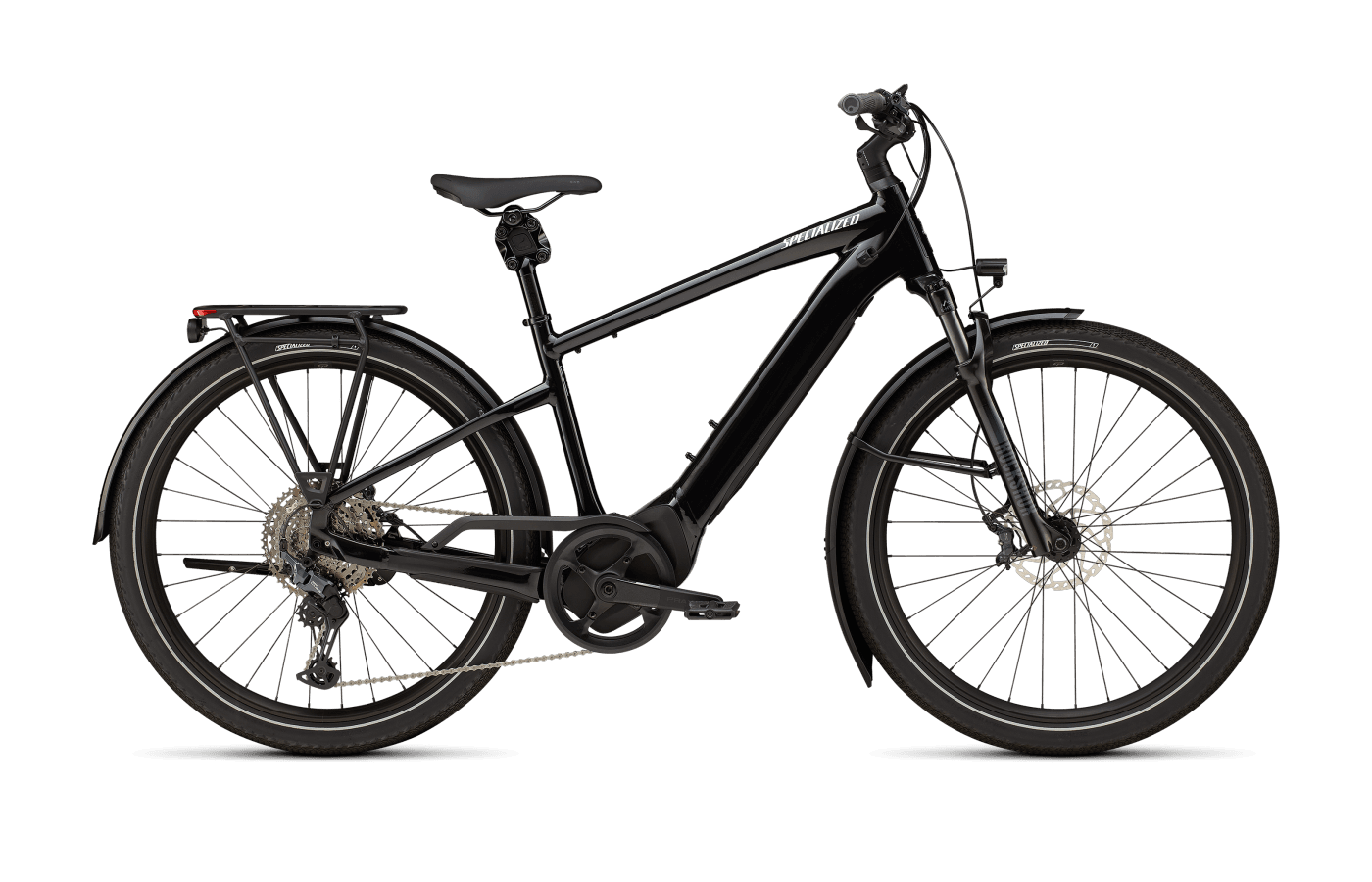
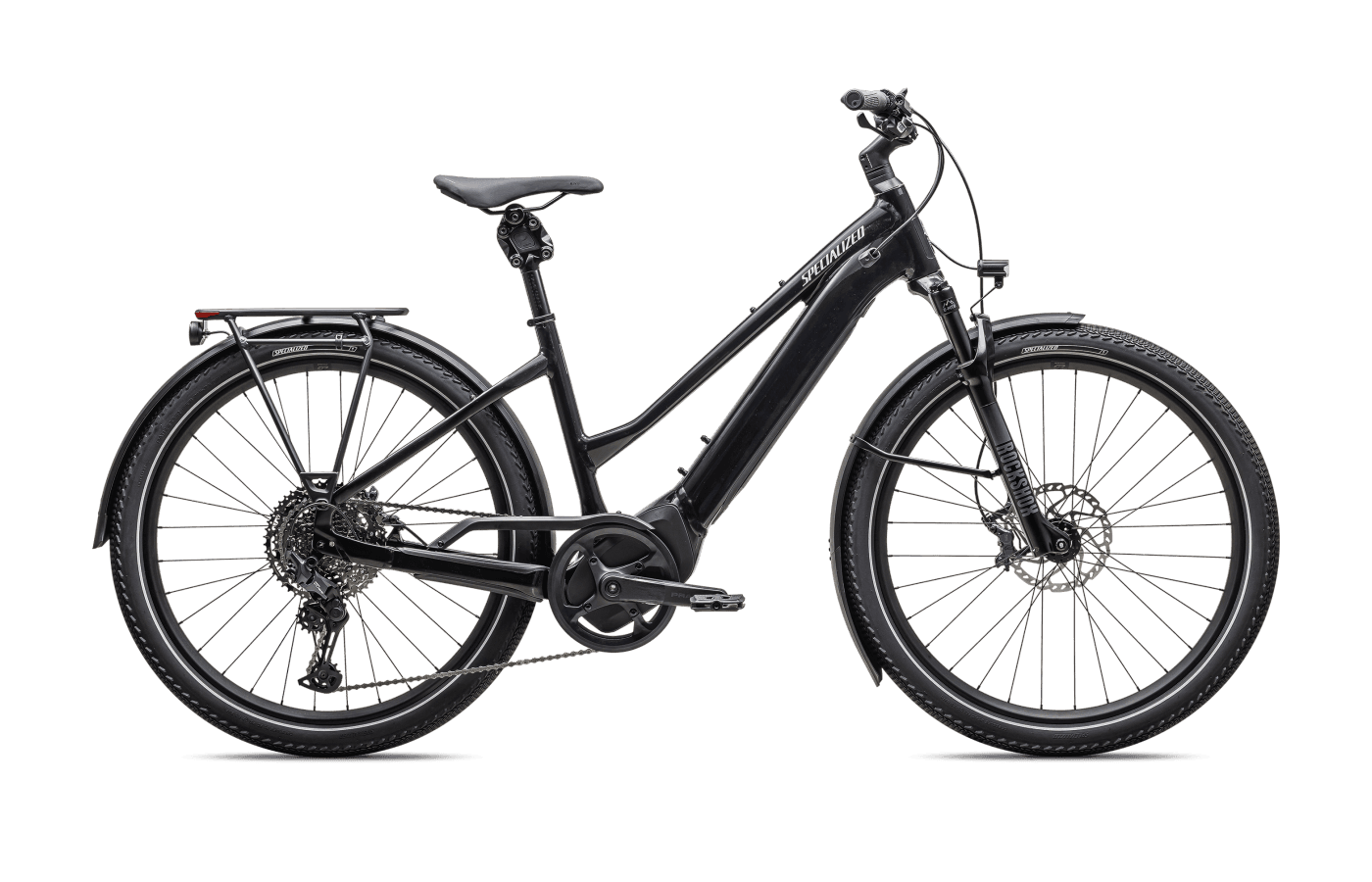
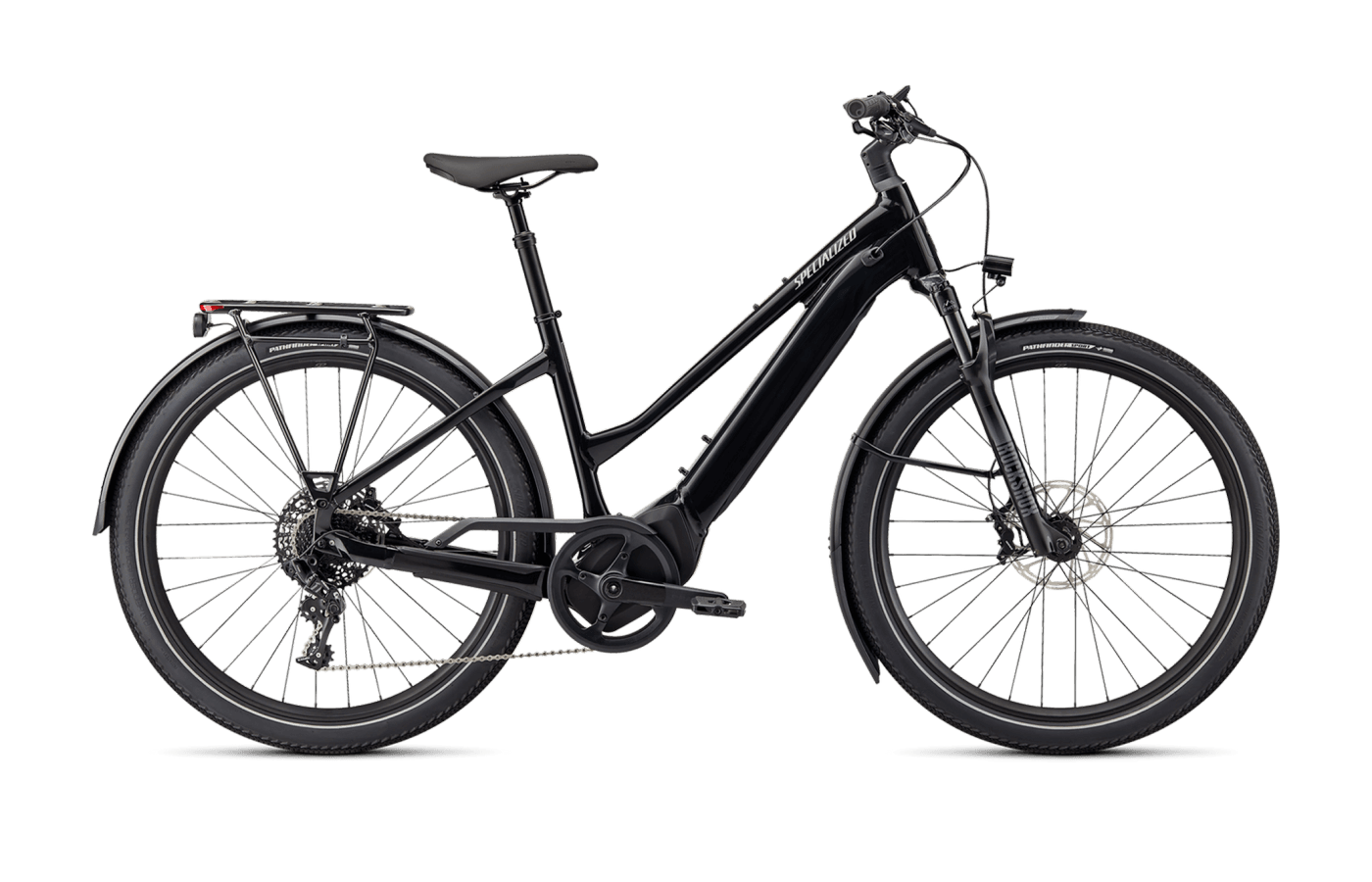
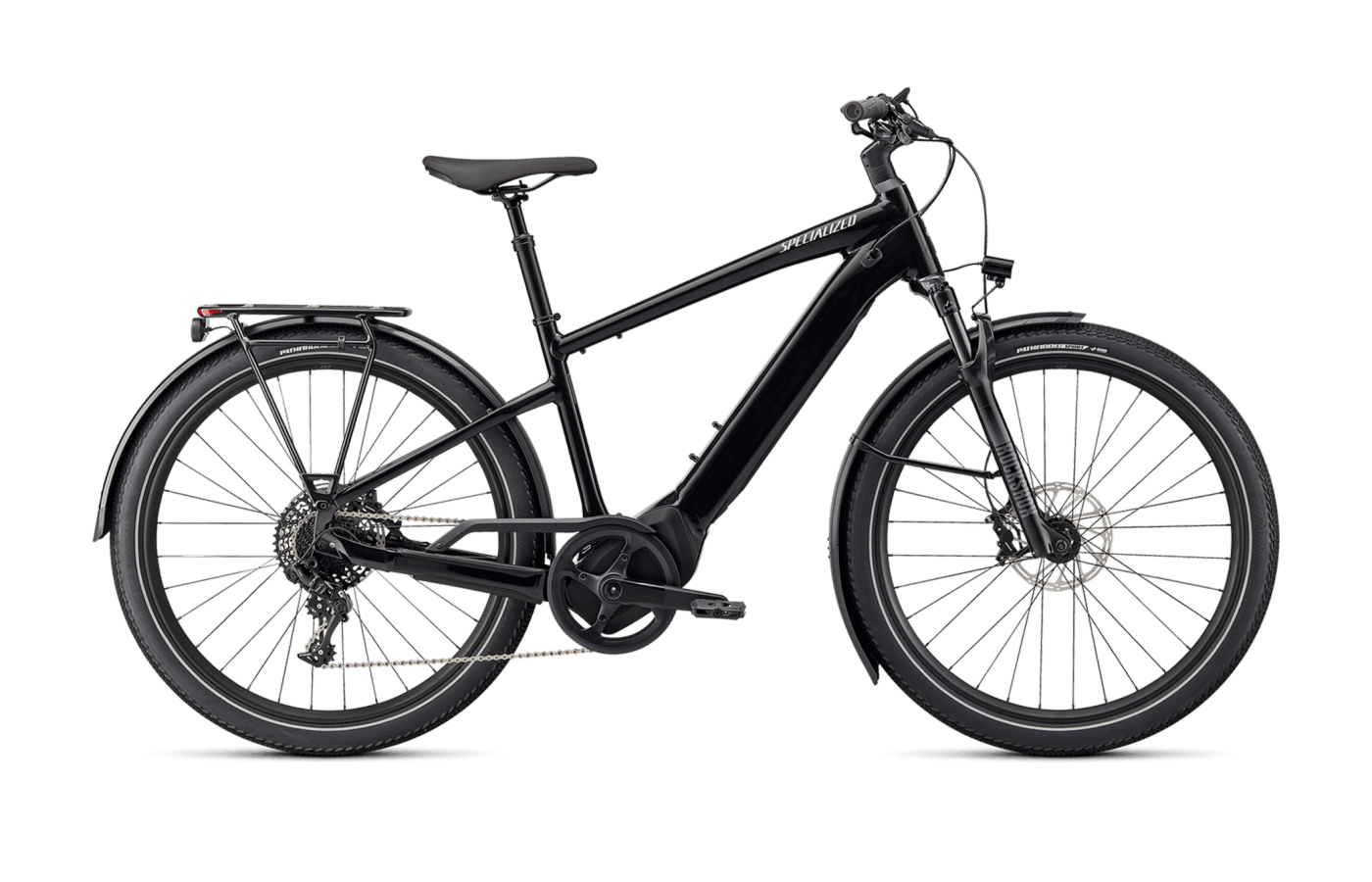
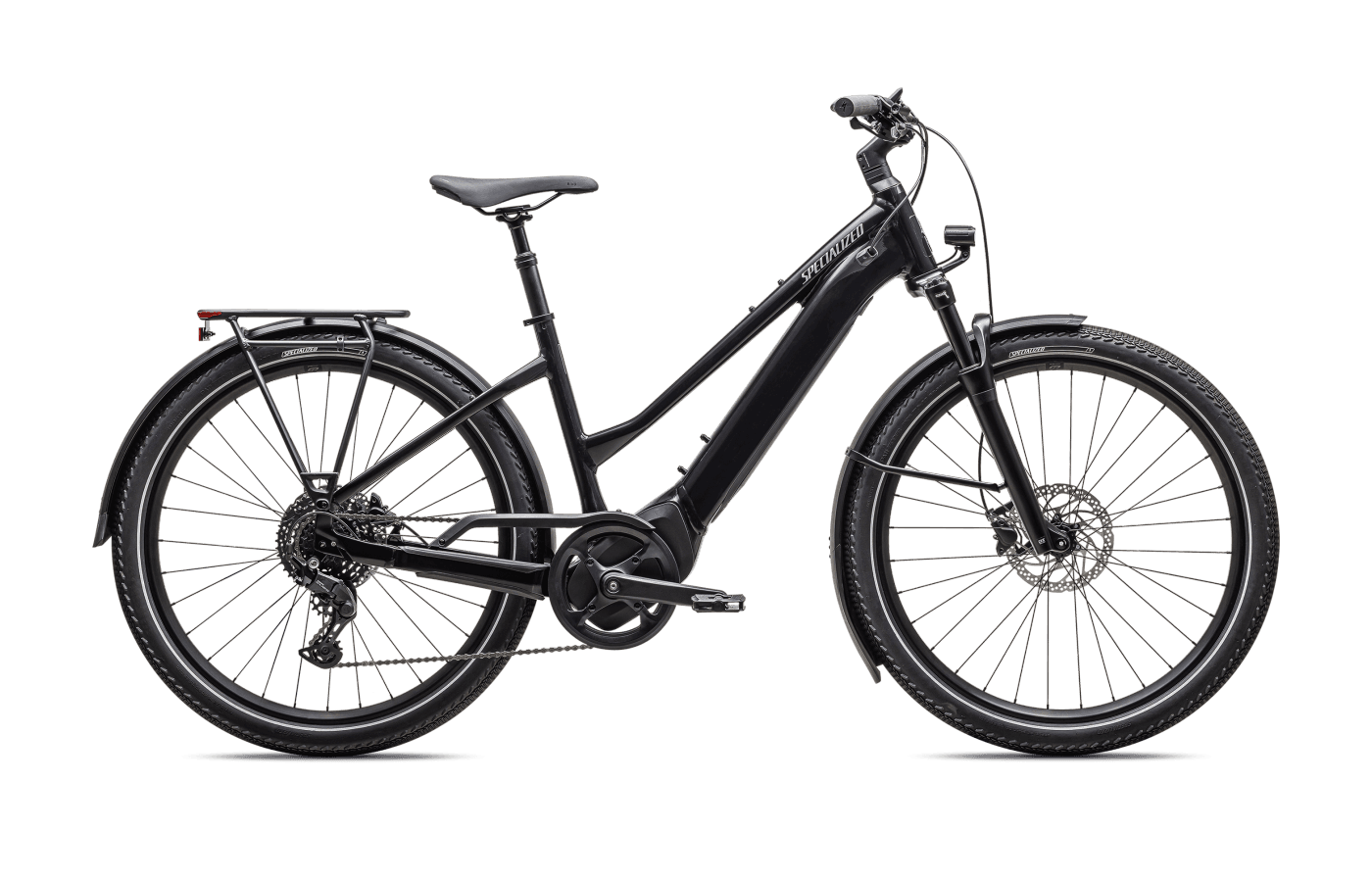
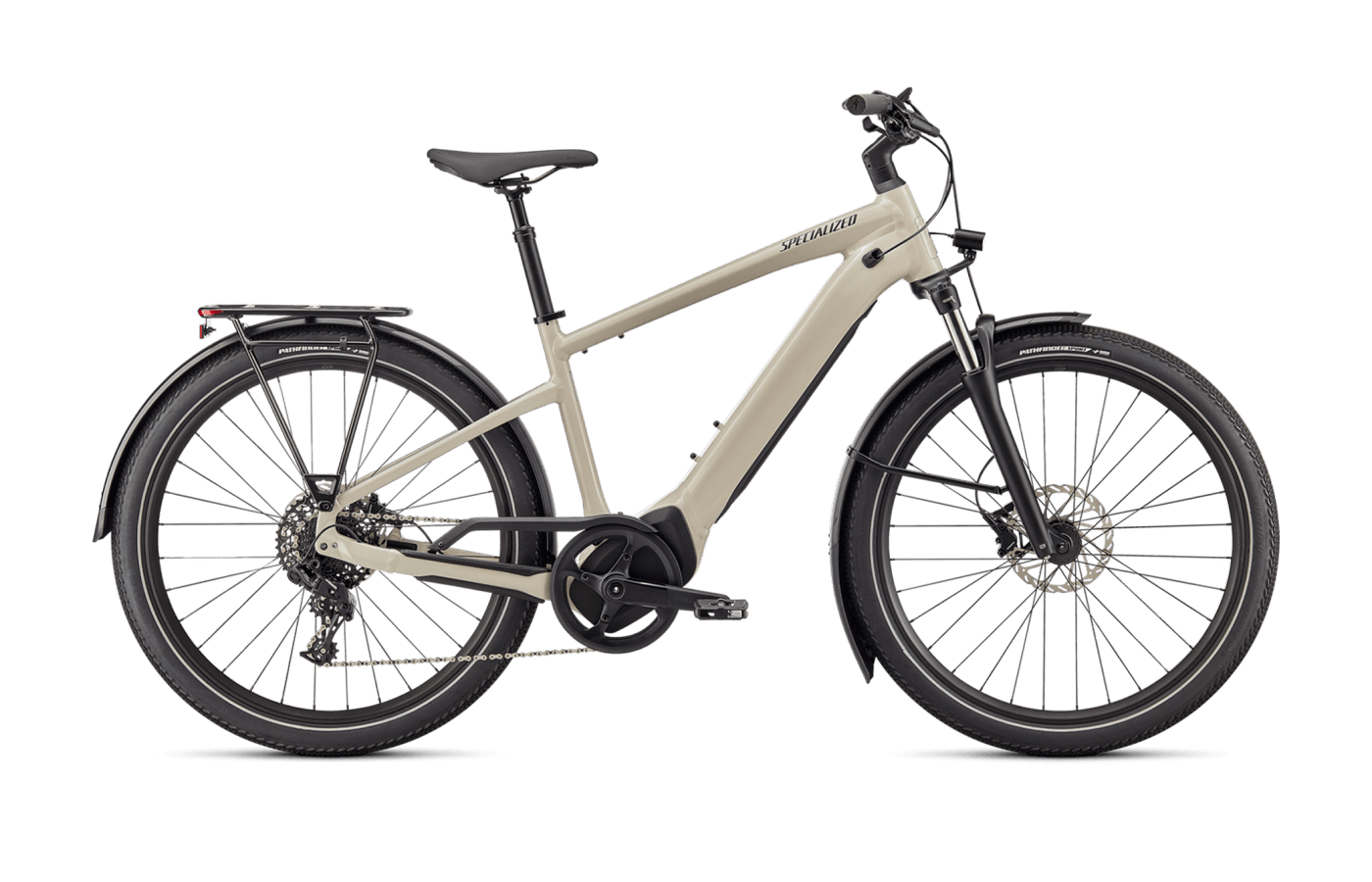
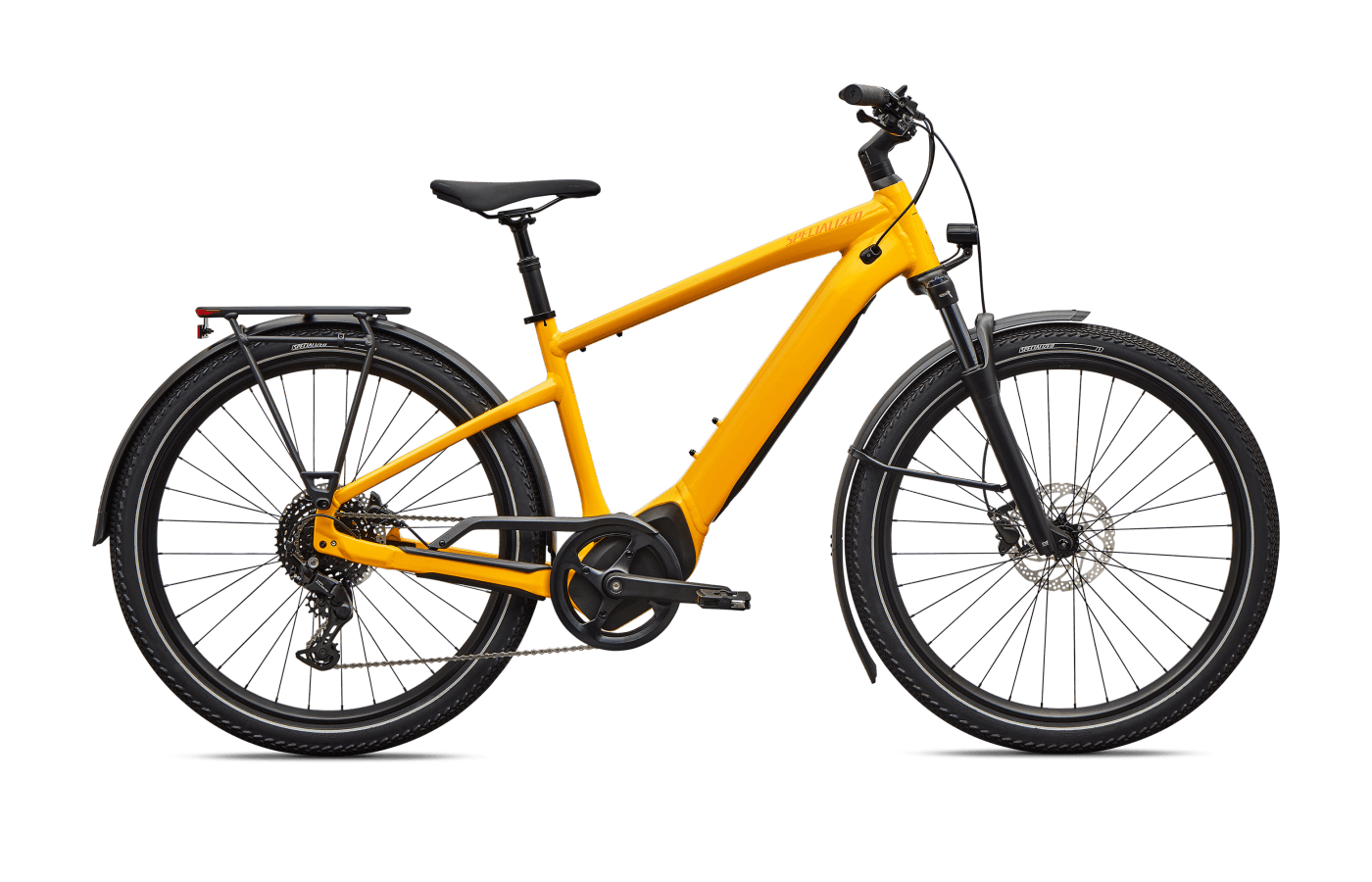
The Vado Gen.2 range spans from the 3.0 at $2,999.99 to the 5.0 IGH at up to $5,599.99, with both standard and step-through frames offered through much of the lineup. The 4.0 sits in the middle and is the broadest part of the range, appearing at $3,249 on one listed 4.0 Step-Through build and more commonly around $3,999.99 to $4,099.99. Based on the review data, that mid-tier 4.0 is the practical sweet spot: it pairs the 710Wh battery with the stronger 70Nm motor and is commonly equipped with SRAM NX 11-speed shifting and SRAM Level hydraulic brakes with 180mm rotors.
Above that, the 5.0 models move to the more powerful 90Nm motor and pricing from $4,449 to $4,999.99 in derailleur form, while the 5.0 IGH versions push into the $5,249.99 to $5,599.99 range for riders who want a lower-maintenance transmission setup. Review material also points to the 5.0 as the trim where Specialized adds more premium tech, including features such as integrated radar on some versions. At the lower end, the 3.0 keeps the entry price under $3,000 but uses the less powerful 50Nm motor and, according to the review data, a smaller 530Wh battery. Across the range, the common theme is that even the more expensive builds are sold as fully equipped commuter bikes rather than stripped platforms, with fenders, rack capacity, lighting, and the MasterMind ecosystem forming a large part of the value proposition.
From the press.
14 reviews from the cycling press.
Reviewers were notably consistent in praising the Gen.2 Vado’s ride quality and motor behavior. Electric Bike Report, BikeRadar, and others highlighted how naturally the Specialized/Brose mid-drive delivers power, with assistance that builds smoothly with pedal pressure rather than surging on and off. Several testers described the sensation as giving the rider “superhuman” legs rather than the detached feel of a scooter-like e-bike. The MasterMind display and Mission Control ecosystem were also repeatedly singled out as among the best in the category, with clear data presentation, useful range management, and integrated security features that feel genuinely thought through.
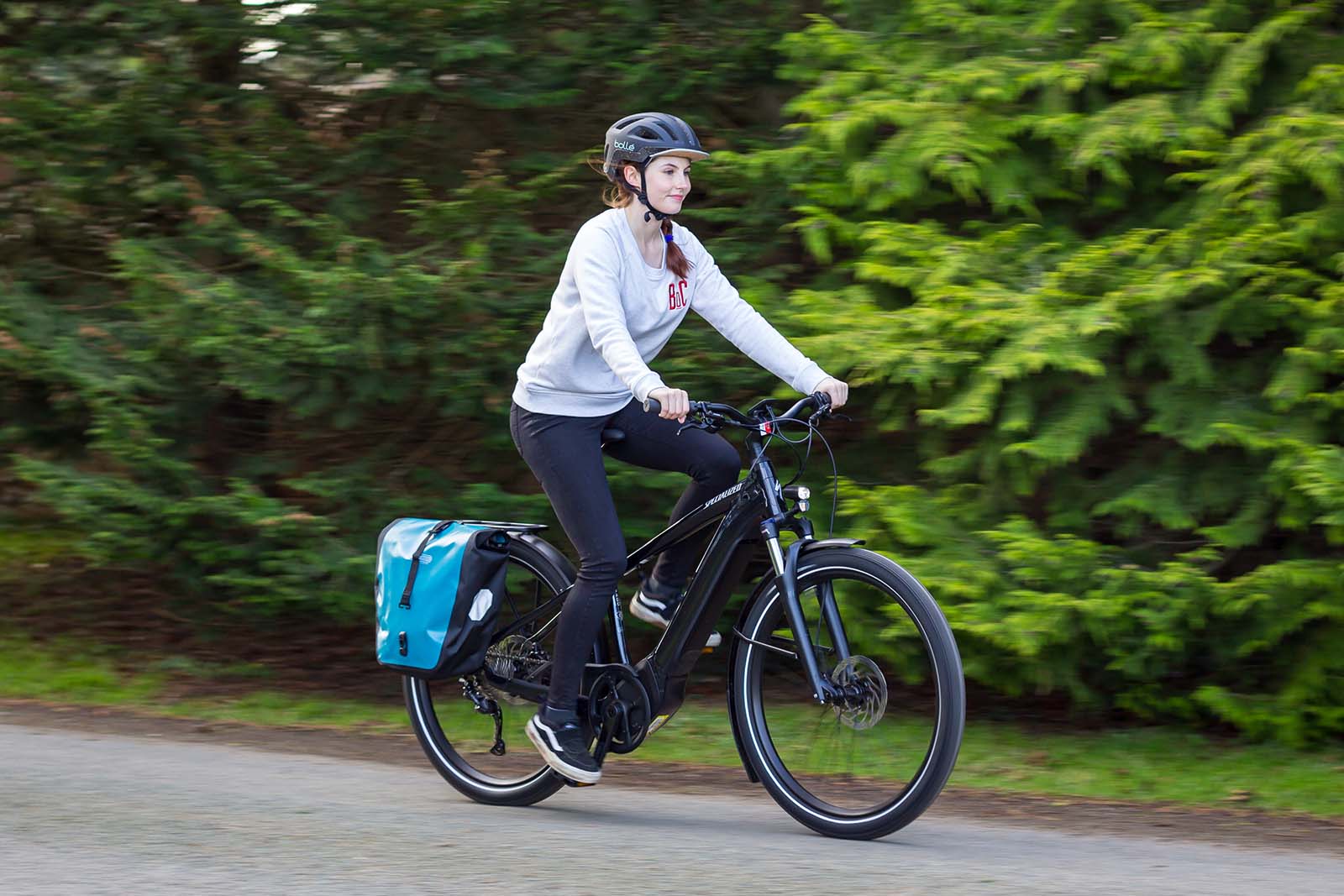
Handling is another recurring strength. Multiple reviewers said the updated geometry makes the bike feel unusually calm and planted at higher speeds, especially compared with twitchier urban e-bikes. The 2.3-inch Pathfinder tires, 80mm fork, and suspension seatpost were widely credited with taking the edge off potholes, broken pavement, and gravel paths without the vague, bobbing feel common on cheaper suspended commuters. That said, reviewers were equally clear about the trade-offs: at roughly 57 to 60 pounds, the Vado is heavy, and some found it bulky when lifting, parking, or maneuvering at very low speed. Price was the other main criticism. Outlets such as Metro and Bicycling framed it as expensive relative to more affordable commuter e-bikes, even if most concluded the refinement, dealer support, and overall execution help justify the premium.
There were a few more specific caveats. ElectricBikeReview noted the lack of shift detection, meaning riders need to be more deliberate about easing off during gear changes under load. A few reviewers also mentioned smaller annoyances, including a charger connection that can be fiddly and a display unit that feels less robust than the rest of the bike. Comfort was broadly praised, but not every contact point suited every rider; one tester found the Rivo Sport saddle too firm. Even so, the overall review consensus places the Gen.2 Vado near the top of the premium commuter class for riders who value stability, natural assist tuning, and day-in, day-out usability over low weight or bargain pricing.
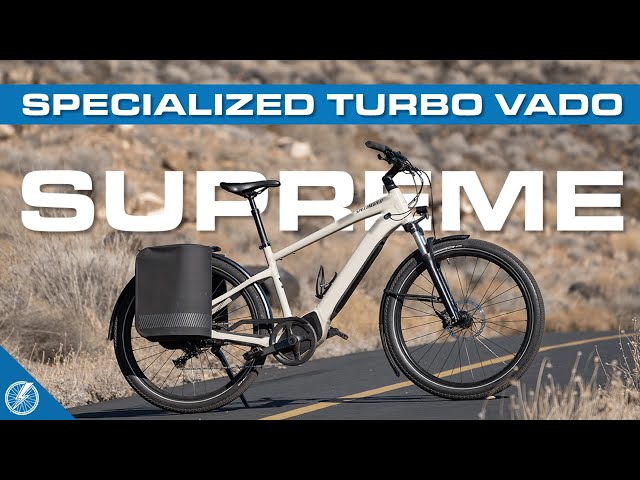

Specialized Turbo Vado Review 2026 – Real-World Authority Test
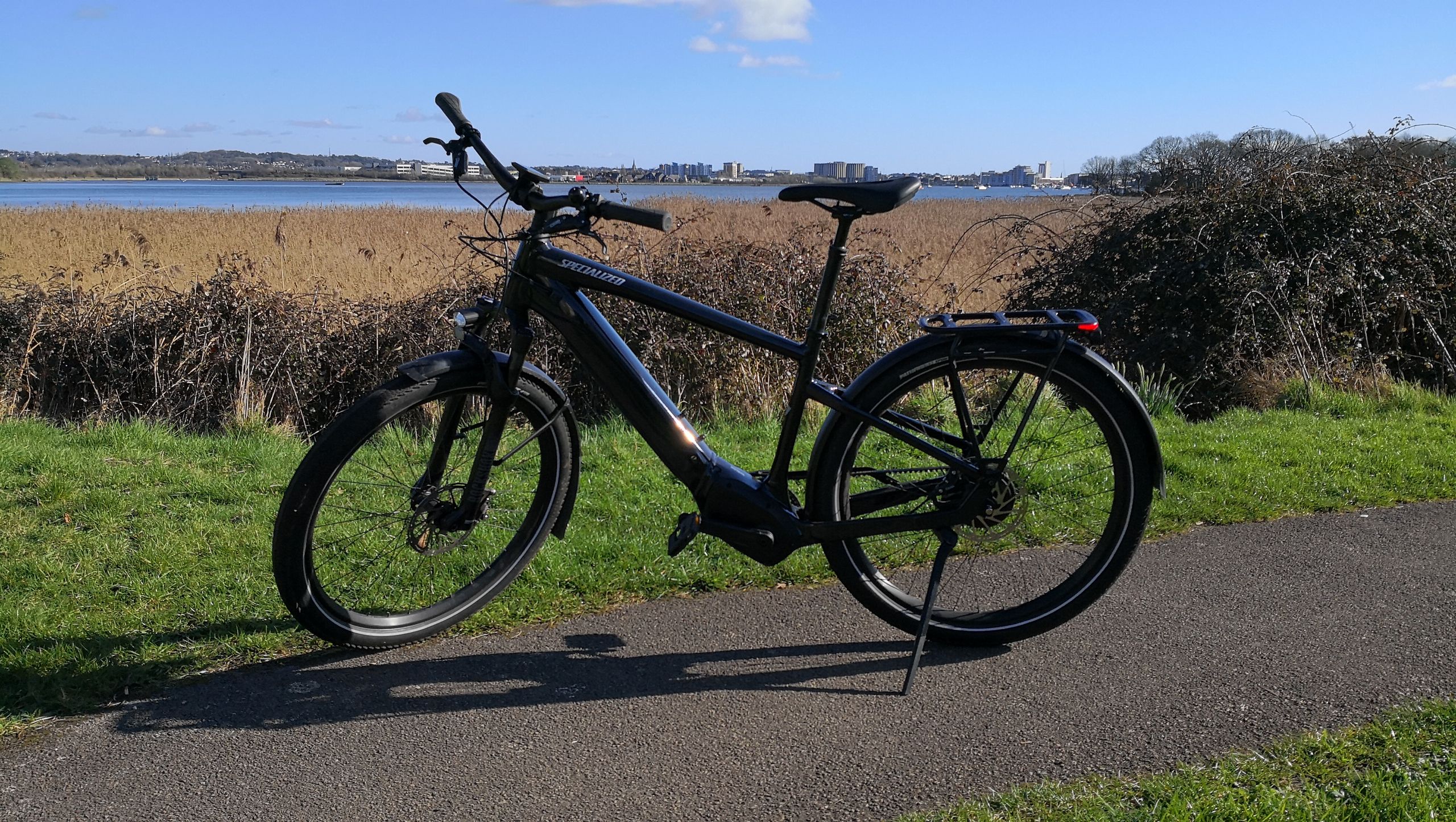
Specialized Turbo Vado 5.0 review: Urban e-bike with mass appeal
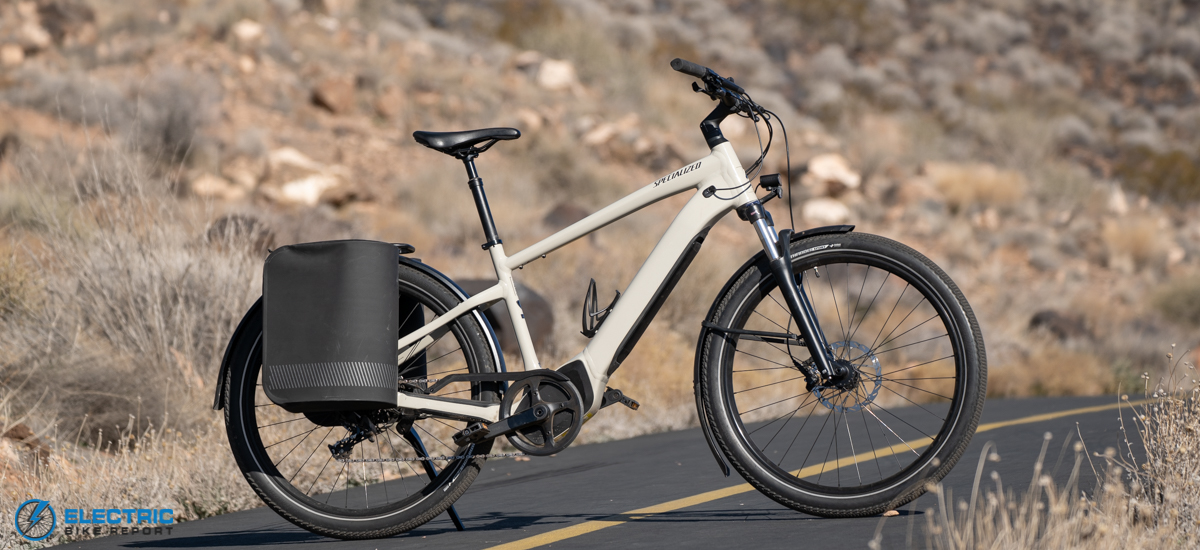
Specialized Turbo Vado Review, 2022 | Ride Review
Specialized Turbo Vado Review 2024
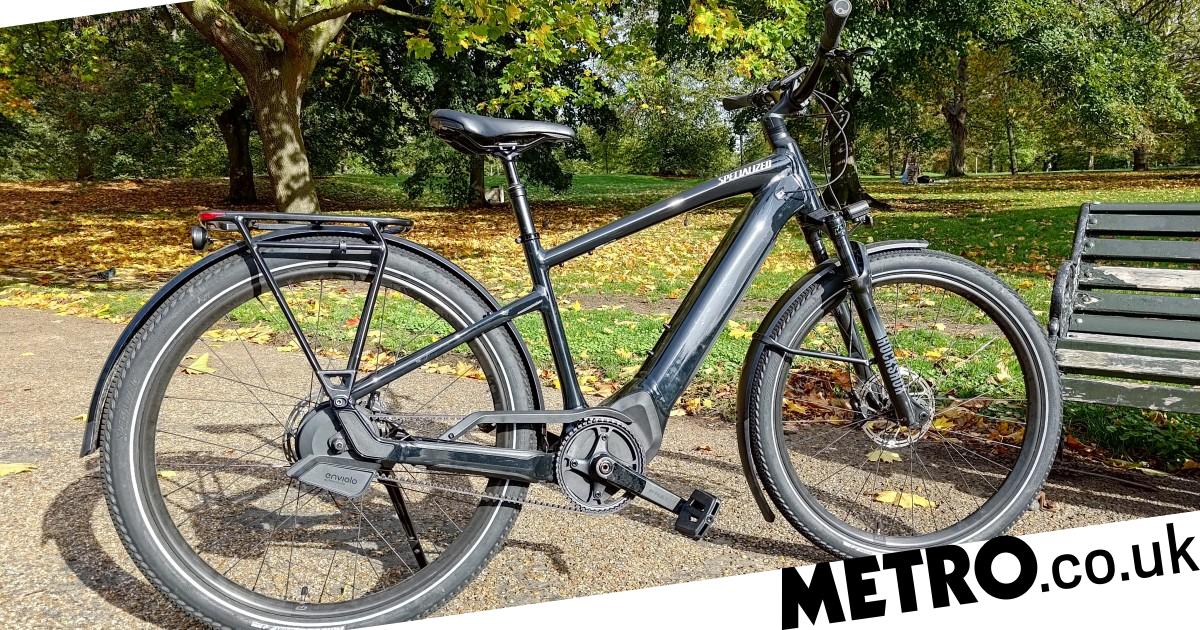
Specialized Turbo Vado review: smooth electric bike brimming with tech | News Tech | Metro News
Specialized Turbo Vado 4.0 review | BikeRadar
Specialized Turbo Vado 3.0 electric bike review | Autocar
First ride review: 2022 Specialized Turbo Vado 5.0

Specialized Turbo Vado 4.0 Step-Through Review - $4k
2022 Specialized Turbo Vado e-bike review: Arrive in style (if not always on time) with this electric bicycle
Specialized Turbo Vado 4.0 (2022) review

Electric garage: Specialized Turbo Vado 5.0 first impressions