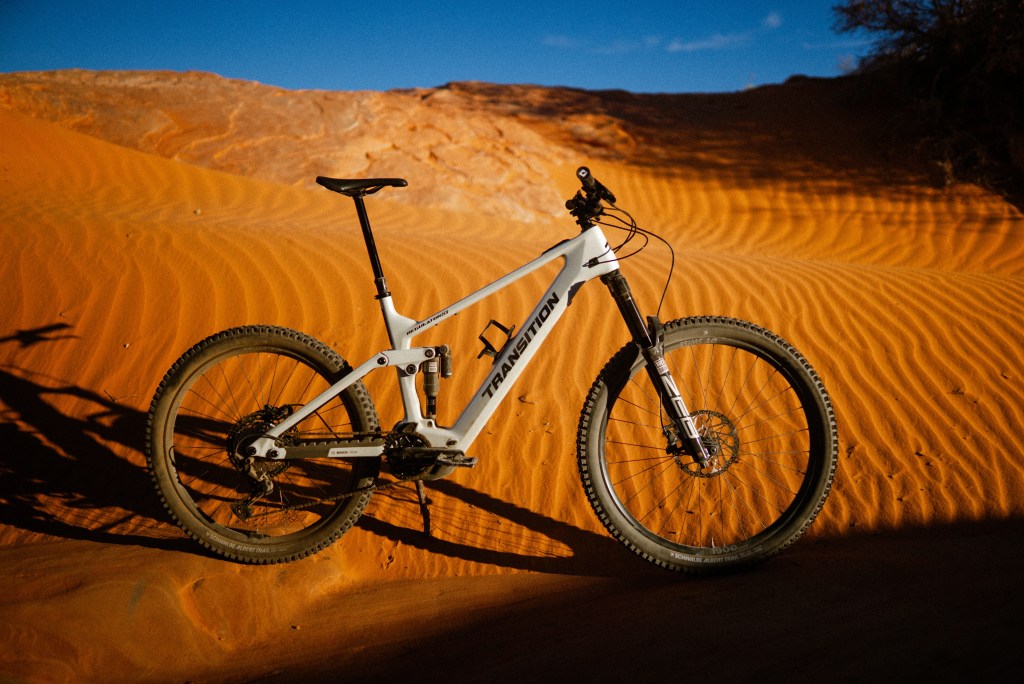
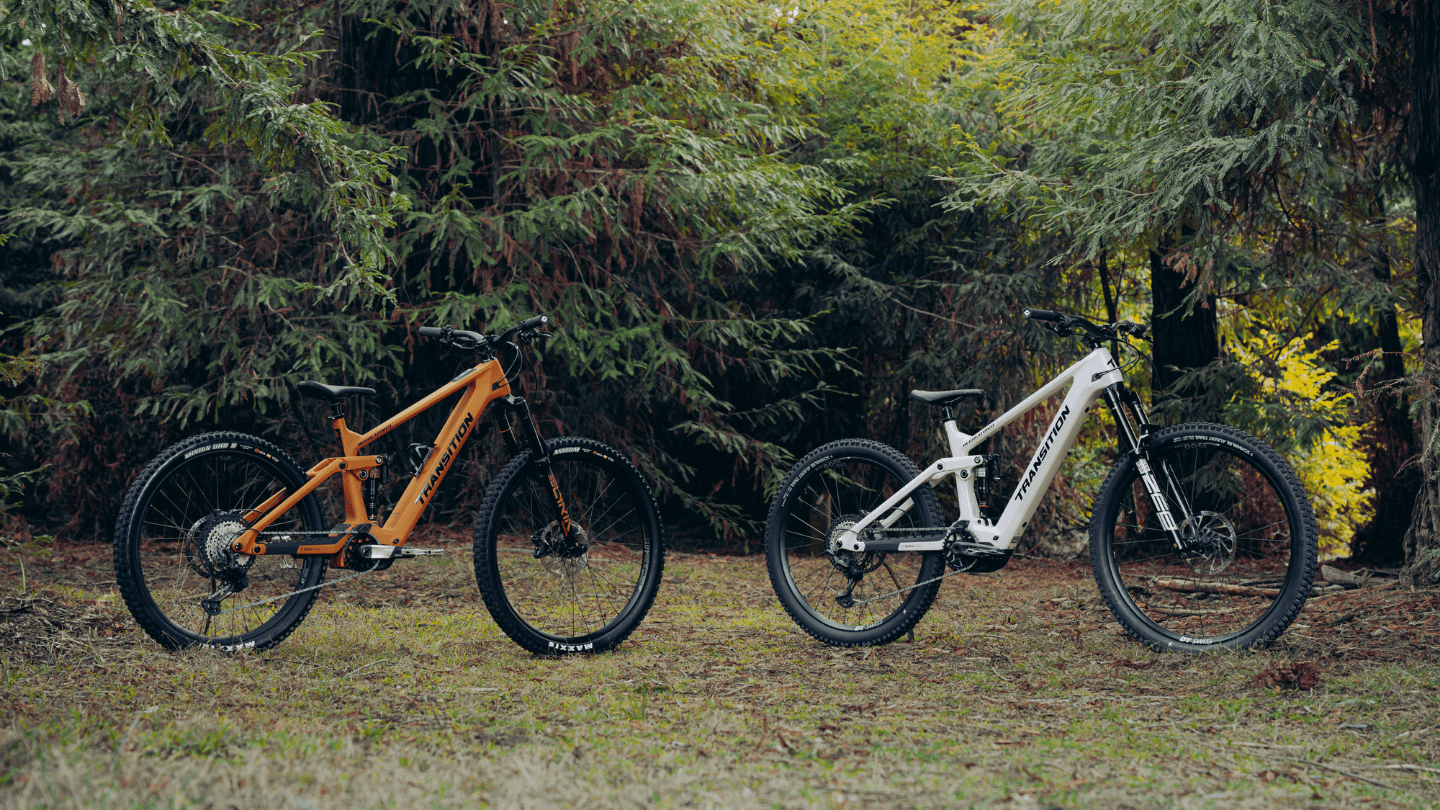
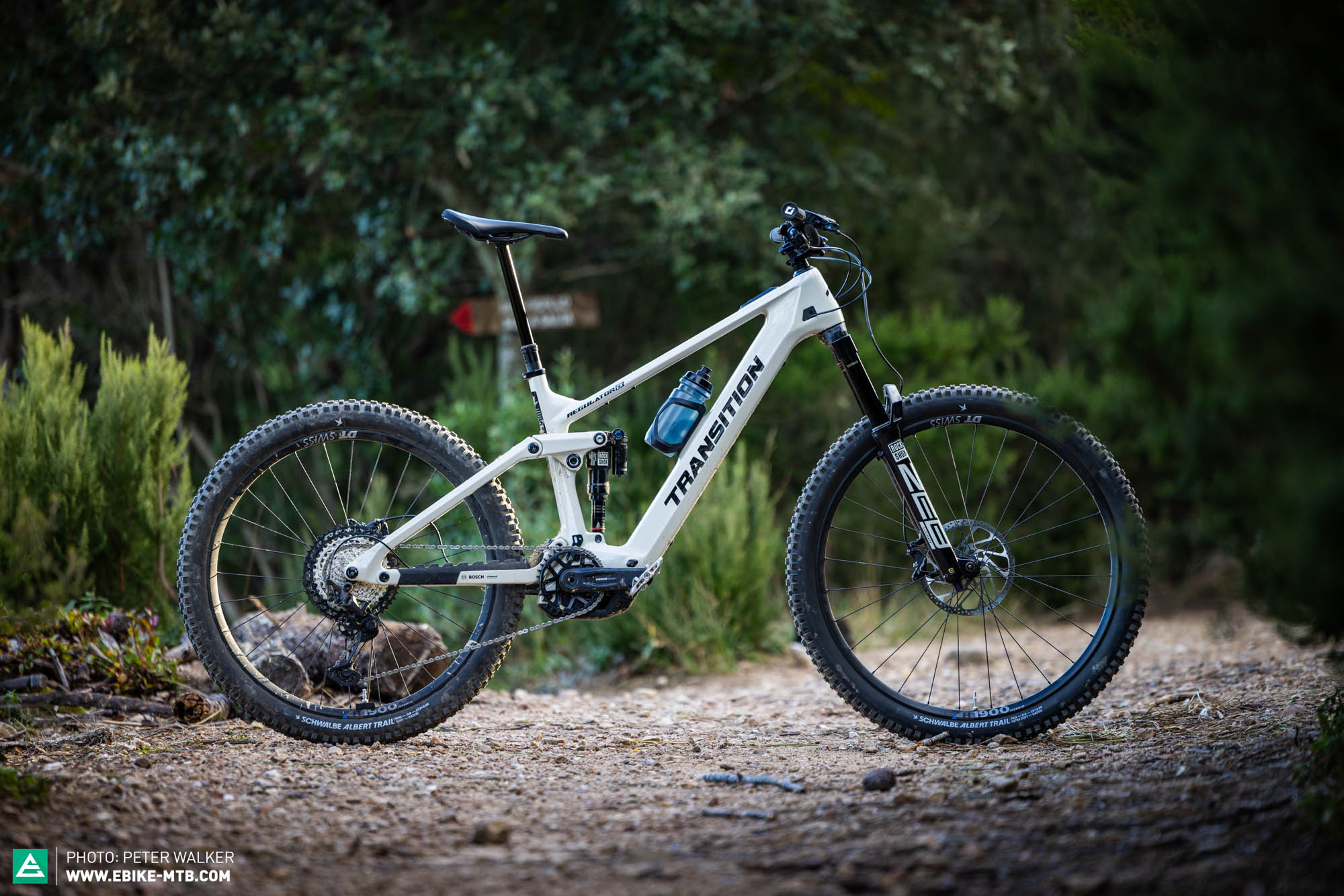
The Transition Regulator CX is a full-power all-mountain eMTB that deliberately avoids the usual long-travel, high-mass "mini-DH bike" formula. Introduced for 2025, it pairs 150 mm of rear travel with a 160 mm fork, a dedicated mullet wheel setup, and Bosch’s Performance Line CX motor with an integrated 600 Wh battery. Transition positions it as the full-power version of the Regulator platform, but the defining idea is not maximum battery size or outright plow capability; it is to deliver a more responsive, trail-bike-like ride in a category that often trends toward bulk and isolation. The bike’s four-bar GiddyUp suspension, optional 160 mm rear-travel conversion via a 205 x 65 mm shock, and geo-adjust flip chip on the CX frame underline that emphasis on tunability and active handling.
What sets the Regulator CX apart is how intentionally Transition has balanced power, weight, and chassis behavior. The Bosch CX system brings the expected 85 Nm output, with compatibility for Bosch’s 250 Wh PowerMore extender if more range is needed, but the stock 600 Wh battery keeps the package slimmer and lighter than many full-power rivals. Transition also made practical frame choices: cable routing enters at the head tube rather than through the headset, and the frame is explicitly designed around a mixed-wheel layout rather than trying to accommodate multiple rear-wheel formats. In the market, the Regulator CX sits as a premium carbon full-power eMTB for riders who want strong motor assistance without giving up the agility, line-adjustability, and pop associated with modern aggressive trail bikes.
Where to get it.
No retailers stocking size MD HIGH/LOW.
No retailers carrying size MD HIGH/LOW right now.
Spec sheet.
Every component shipped with this build.
Geometry & fit.
10 sizes published.
The Regulator CX’s numbers point to a modern aggressive-trail fit with a notably upright riding position. In size Large, the bike measures 480 mm reach and 641 mm stack in the High setting, with a 64.5° head tube angle and 78.2° effective seat tube angle. That combination places the rider centrally with a tall front end, which helps reduce hand pressure on long climbs while still keeping enough weight forward for front-wheel control on steep pitches. The Low setting slackens the head angle to 64.0°, shortens reach to 475 mm, nudges the seat angle back to 77.7°, and slightly lengthens the rear center from 448 mm to 450 mm, delivering a calmer, more planted feel for steeper descending terrain.
Handling is shaped as much by the mullet layout and rear-center lengths as by the front-end geometry. Chainstays are size-specific at 442 mm on Small and Medium, and 448 mm on Large and XL in the High setting, helping preserve some agility despite the bike’s long wheelbase—1271 mm in Large High, 1273 mm in Large Low. Those figures, combined with the slack front end, favor stability at speed, but the relatively short rear end and mixed-wheel setup should make the bike easier to lean over and snap through corners than many full-power 29ers. Overall, the geometry suggests a bike built to feel composed and confidence-inspiring on steep, rough descents without crossing into the overly stretched, cumbersome fit that can make some full-power eMTBs awkward at lower speeds.
Where the handlebar sits relative to the bottom bracket — the single most important fit pair.
01Fit geometry5 values
03Handling geometry6 values
Which size should I buy?
Slide your height to see the recommended size. GearWise's fit algorithm works from the published stack, reach, and ETT — the brand's own recommendation may differ.
→Calculated from GearWise's own stack / reach / ETT algorithm — the brand's size chart may recommend a different size, and a proper bike fit beats any calculator.
The lineup.
2 builds, ranging $7,299 – $9,499.
The Regulator CX is offered in two builds, Deore and XT, both sharing the same carbon frame, Bosch Performance Line CX motor, and 600 Wh integrated battery. The range is structured around giving buyers access to the same core chassis and drive system at two distinct spec levels rather than splitting the lineup across different frame materials or battery sizes. Review coverage places the Deore build around the high-$6,000 to low-$7,000 range, while the XT build sits around the high-$8,000 to mid-$9,000 bracket, making the XT a meaningful but not extreme jump in price for riders prioritizing descending performance.
The major differences are in suspension, brakes, and finishing kit. Reviewers described the Deore build as a functional entry point with a Shimano Deore drivetrain, RockShox Domain Gold RC fork, Super Deluxe Base shock, and Deore M6120 brakes, but they also noted limitations in suspension adjustability and brake modulation. The XT build was much more widely praised thanks to its RockShox ZEB Ultimate fork, Super Deluxe Ultimate shock, TRP DH-R EVO or EVO Pro brakes, DT Swiss H 1900 wheels, and OneUp carbon bar. In practice, reviewers saw the XT as the stronger value for aggressive riders because it arrives closer to fully sorted, whereas the Deore build preserves the same frame and motor package at a lower cost but is more likely to invite upgrades over time.
From the press.
13 reviews from the cycling press.
Reviewers were notably consistent in describing the Regulator CX as one of the more natural-feeling full-power eMTBs currently available. The Vantastic Life called it the "most natural feeling full-powered eMTB" they had tested, while several outlets likened it to a "Sentinel with a motor." Across reviews, that impression was tied to the bike’s relatively low weight for the category, its mixed-wheel layout, and Transition’s Speed Balanced Geometry. Testers from AMB, E-MOUNTAINBIKE, Bebikes, and Nicadv all highlighted the GiddyUp suspension as a major strength: it was praised for small-bump sensitivity, traction under power, and a supportive, near-bottomless feel that gives the bike both comfort on long seated climbs and composure in rough descents.
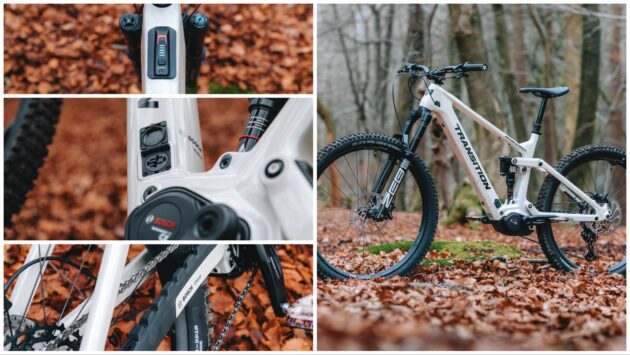
The strengths were balanced by a few recurring caveats. Tight technical switchbacks remained a weak point for some testers, with Nicadv and E-MOUNTAINBIKE noting that the bike’s length, weight, and full-power surge can make very slow-speed maneuvers harder than on a lighter mid-power or analog bike. Build level also mattered. Reviewers consistently preferred the XT build’s RockShox ZEB Ultimate, Super Deluxe Ultimate, and TRP Evo brakes, while the Deore build’s suspension was described as stiffer and less adjustable, and its Shimano Deore M6120 brakes drew criticism for limited modulation on steep, loose trails. On the durability side, several reviewers praised the frame protection, magnetic charge-port cover, and easy-to-service routing, but multiple sources also flagged pivot bolts backing out during testing as a maintenance concern worth addressing proactively.

Transition Regulator CX & SX | Blister

Transition Regulator CX Review! (The Most Fun E-Bike?)
Transition Regulator SX and CX Review: Which is best?

Transition Regulator CX Review — The eMTB That Actually Feels Like a Mountain Bike - The Vantastic Life

Transition Regulator CX - NIC ADV

Transition Regulator CX - NIC ADV

Transition Regulator CX REVIEW
The Best E-Mountain Bike of 2025? Transition Regulator ...

I measured it: real world weight, geometry and sizing of Transition’s new Regulator - MBR

Review of the all new Transition Regulator eMTB

Tested: The Transition Regulator SX
MBR