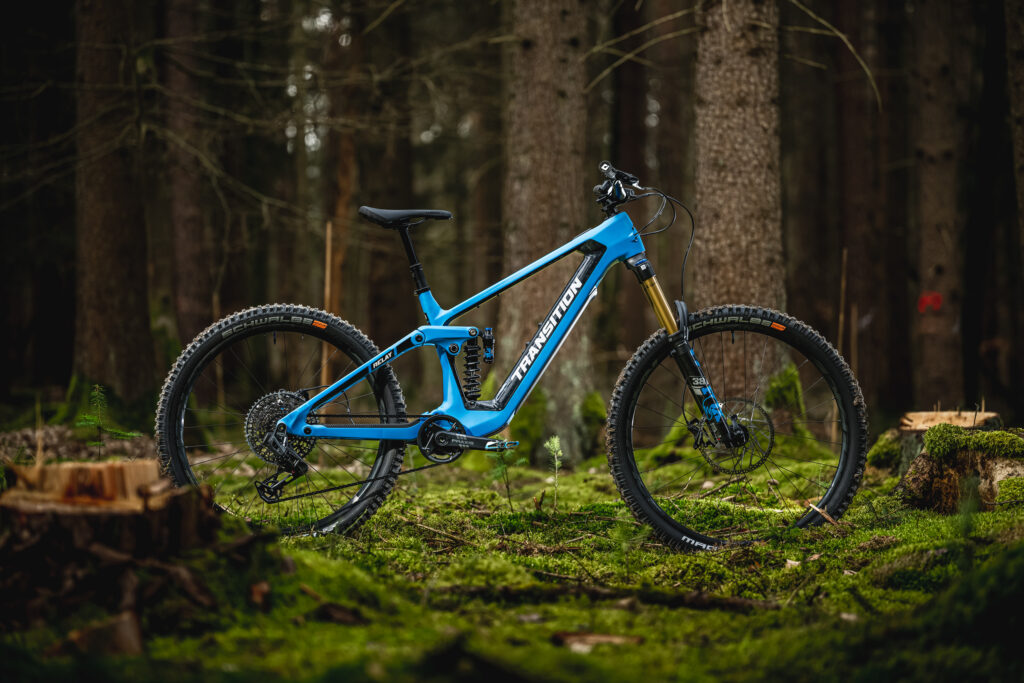
Transition
RelayRelay Carbon Eagle 90
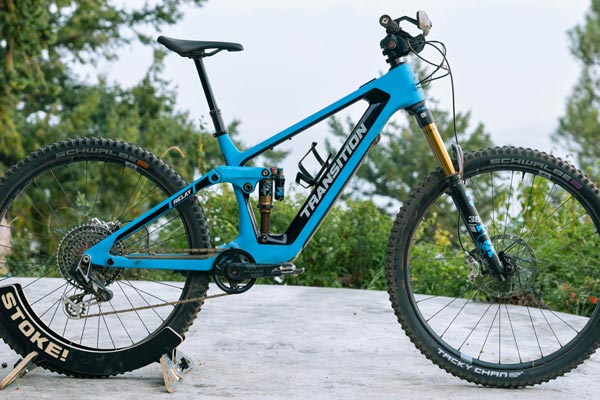
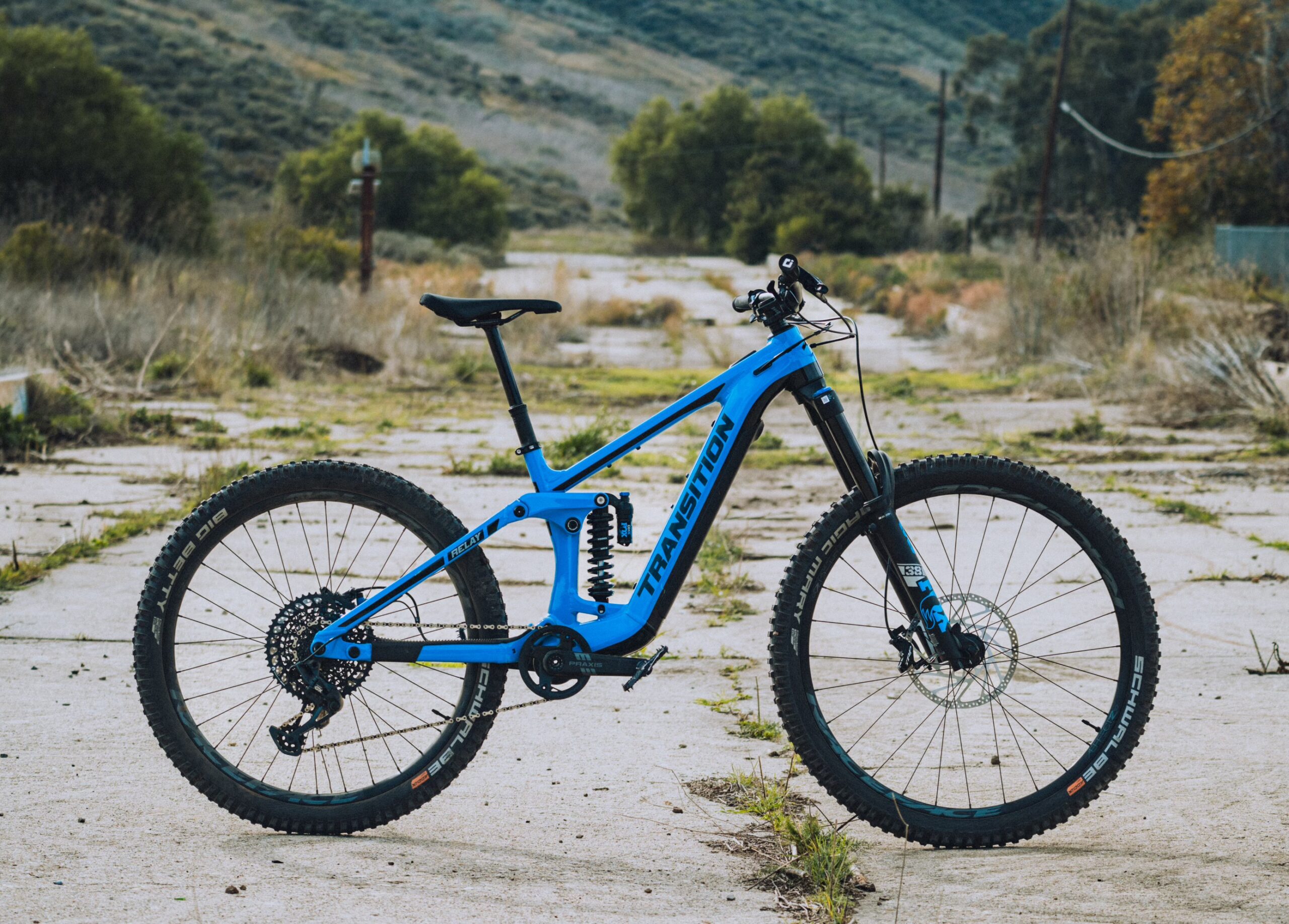
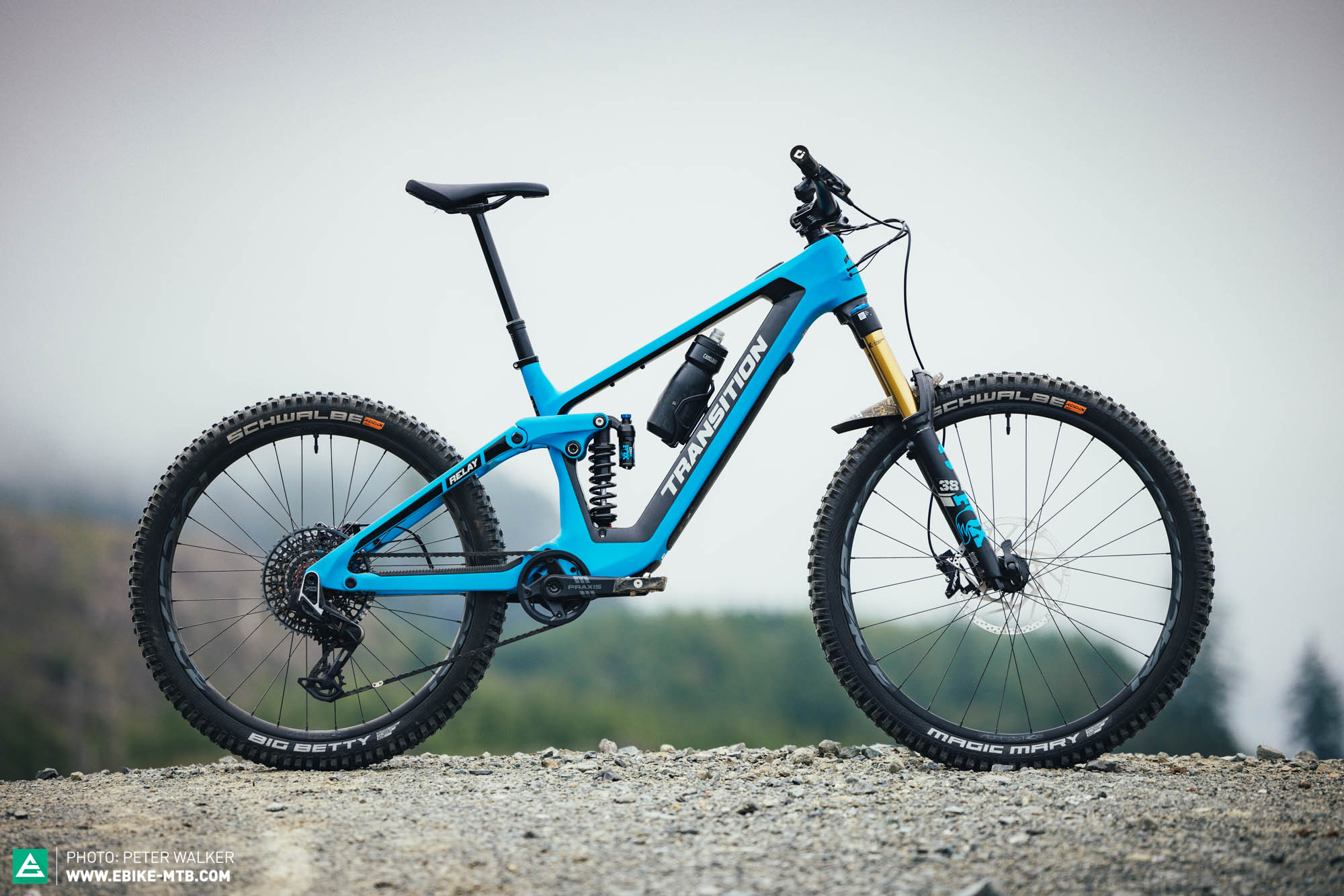
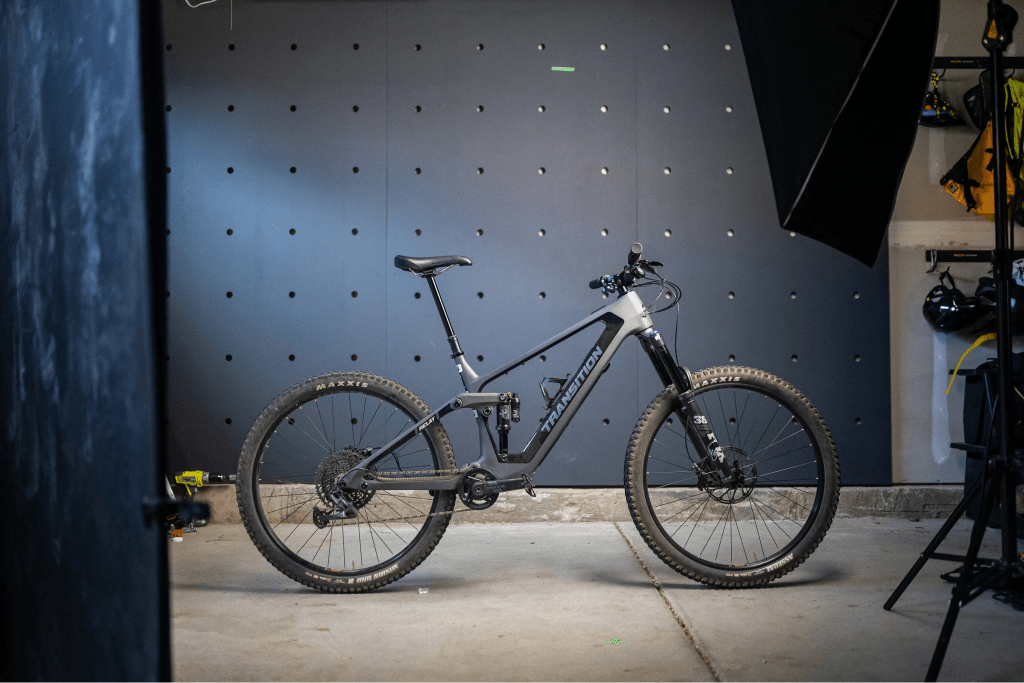
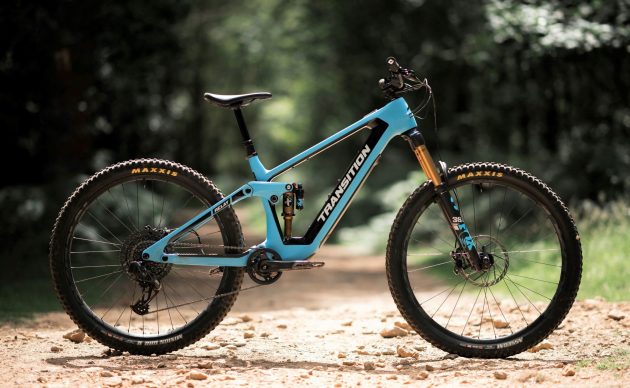
The current Transition Relay is a mid-weight eMTB built around a genuinely unusual brief: deliver aggressive trail and enduro capability while allowing the bike to be ridden meaningfully with or without its battery. Its defining feature is the large downtube opening for the removable 430 Wh FAZUA battery, paired with the FAZUA Ride 60 motor. That gives the Relay a different position in the market from full-power e-enduros and from lighter, lower-travel SL bikes alike. Rather than chasing maximum power or minimum weight alone, Transition built the Relay as a modular platform for riders who want one chassis that can serve as an assisted enduro bike, a park bike, or a heavier unpowered trail bike depending on the day.
The frame itself is more versatile than the naming might suggest. Relay and Relay PNW use the same underlying frame, with build configuration determining whether the bike is set up as a 160/160 mm dual-29 or a 170/170 mm mixed-wheel version. Rear travel changes via shock stroke, and a lower-shock flip chip adjusts geometry for 29 or 27.5 rear-wheel use. Transition also designed the e-bike-specific GiddyUp suspension to work with either air or coil shocks, using roughly 26% progression to support that range. In practice, that makes the Relay one of the more configurable bikes in this category, aimed squarely at riders who prioritize descending composure and adaptability over the brute-force feel of a heavier full-power machine.
Spec sheet.
Every component shipped with this build.
Geometry & fit.
6 sizes published.
The available geometry data points to a modern, size-scaled fit centered on aggressive seated climbing and a roomy standing position. Reach grows from 410 mm in XS to 535 mm in XXL, with 430 mm in Small, 460 mm in Medium, 485 mm in Large, and 510 mm in XL. Effective top tube numbers follow the same pattern, from 523 mm in XS to 671 mm in XXL. Seat tube angles are notably steep throughout, ranging from 79.7° in XS to 77.0° in XXL, with 79.1° in Small, 78.4° in Medium, 77.8° in Large, and 77.3° in XL. That steep seat angle helps center the rider for climbing, keeps weight on the front wheel, and reduces the stretched-out feel that can come with long-reach enduro bikes.
While the full chart here is incomplete, reviewer feedback fills in the broader picture: the Relay uses Transition's Speed Balanced Geometry with a slack front end around 64° on the 160 mm bike and about 63.3° on the PNW configuration, plus size-specific chainstays that reach 446 mm on a Large. In practice, that combination explains the bike's split personality. The long front center and slack head angle give it strong composure on steep descents, while the steep seat angle preserves climbing posture and low-speed front-wheel control. The result is a bike that fits like a modern enduro machine and handles accordingly: stable and confidence-inspiring in fast, technical terrain, but not especially short or quick-feeling in the tightest corners.
Where the handlebar sits relative to the bottom bracket — the single most important fit pair.
01Fit geometry3 values
03Handling geometry1 values
Which size should I buy?
Slide your height to see the recommended size. GearWise's fit algorithm works from the published stack, reach, and ETT — the brand's own recommendation may differ.
→Calculated from GearWise's own stack / reach / ETT algorithm — the brand's size chart may recommend a different size, and a proper bike fit beats any calculator.
The lineup.
6 builds, ranging $5,999 – $10,499.
The Relay platform is offered across carbon and alloy frames, with current listed builds including Relay Carbon XO AXS, Relay PNW Carbon Eagle 90, Relay Carbon Eagle 90, Relay Alloy Deore, Relay PNW Alloy Eagle 90, and Relay Carbon Deore. The supplied review data also gives a useful snapshot of how the range spreads in price and weight. At the more affordable end, the 2023 Relay Alloy NX was listed at £5,903 and 21.9 kg, while the 2024 Relay PNW Alloy GX came in at $9,542 and 22.63 kg with 170/170 mm travel, TRP brakes, and a GX Eagle drivetrain. Higher up, the 2024 Relay Carbon GX Mechanical was listed at $10,496 and 19.97 kg for a 160/160 mm build, while E-MOUNTAINBIKE's tested Relay Carbon PNW X0 AXS was €12,299 at 20.7 kg.
The main spec story is less about drivetrain hierarchy than about what each build emphasizes. Carbon builds deliver the most convincing version of the Relay concept because they drop below or near the 20 kg mark, making the battery-out mode more realistic and sharpening handling. PNW builds lean harder into descending, typically with 170 mm travel, mixed wheels, and in top trims a coil shock and heavier-duty braking. Reviewers were especially positive about the premium-spec bikes with Fox 38 Factory suspension, SRAM Transmission or X0 AXS-level drivetrains, TRP DH-R EVO brakes, and long-travel OneUp droppers. By contrast, lower-tier alloy builds were seen as harder to justify on parts-per-dollar alone, since the frame's modularity and unique battery system remain expensive even when the component kit is more basic.
From the press.
13 reviews from the cycling press.
Reviewers are broadly aligned in describing the Relay as a successful bridge between a conventional enduro bike and a full-power eMTB. Across outlets including E-MOUNTAINBIKE Magazine, Opticycles, and Women's MTB Network, the FAZUA Ride 60 system is credited with giving the bike a lighter, more natural feel than 25 kg-class e-bikes. Testers repeatedly noted that the Relay is easier to manual, bunnyhop, and change direction on than heavier competitors, while still retaining enough stability for steep, rough terrain. The 170 mm PNW versions in particular earned praise for plush but controlled suspension, with Women's MTB Network highlighting confidence and front-wheel traction in steep, chunky terrain, and Bebikes noting that the bike remains supportive enough to pump and generate speed rather than wallowing in its travel.
The trade-offs were also consistent. Several reviewers pointed out that the Relay's lower mass means less "plow" and inertia at very high speed than a full-power e-enduro, so it rewards a more active riding style. Long wheelbase and aggressive geometry bring composure, but can make the bike feel cumbersome in very tight switchbacks. On the powertrain side, the 60 Nm FAZUA motor was generally praised for quiet, natural assistance and minimal drag when unpowered, though the 430 Wh battery was seen as limiting for big days, especially on heavier alloy builds. Reviewers also called out recurring annoyances rather than major deal-breakers: a spongy or failure-prone ring controller on early bikes, occasional rattles from internal routing or battery hardware, and the inconvenience of having to remove the battery for charging because there is no external charge port.
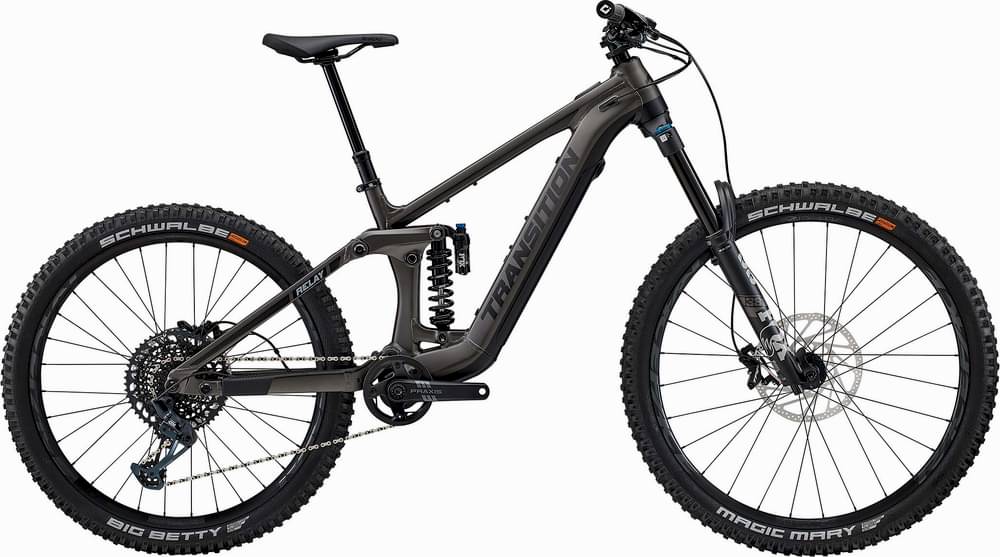
TRANSITION RELAY PNW ALLOY GX 2024 - Review, Test & Price

Transition Bikes Blog
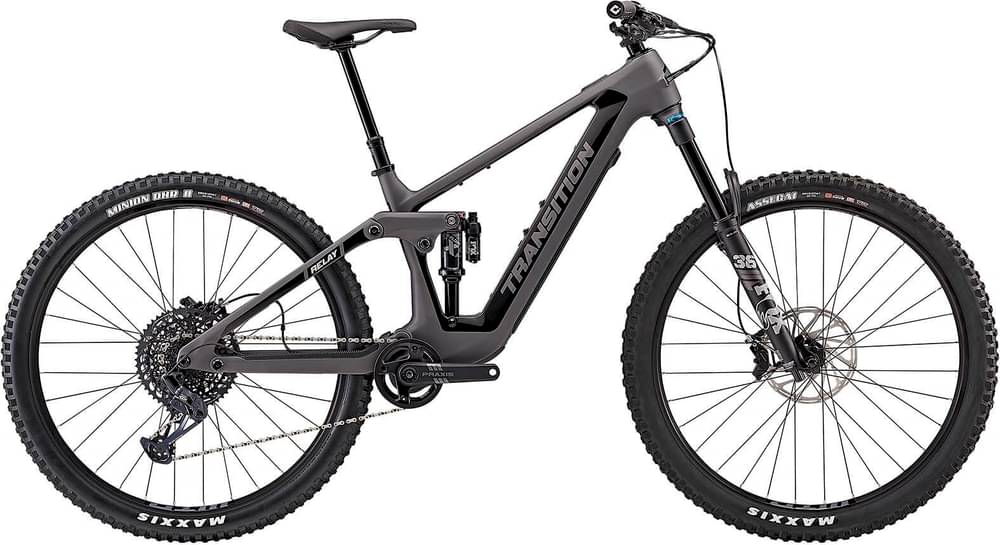
TRANSITION RELAY CARBON GX MECHANICAL 2024 - Review, Test & Price
TRANSITION RELAY CARBON GX MECHANICAL 2024 - Review, Test & Price
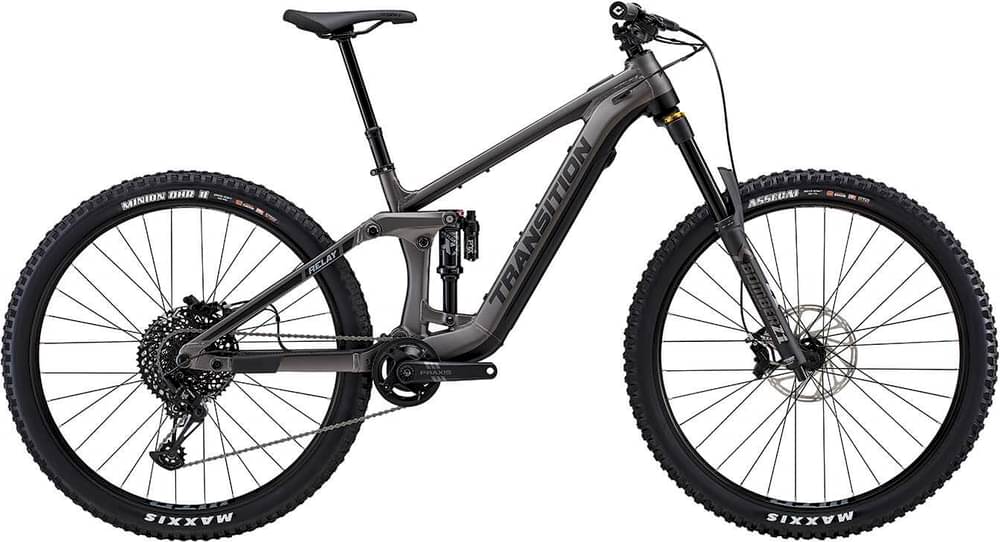
TRANSITION RELAY ALLOY NX 2023 - Review, Specs & Price
2023 SL eMTB Roundup: Transition Relay Review
Transition Relay PNW Alloy- Review
Transition Relay Carbon PNW X0 AXS im Test-Langhubiges Light-E-MTB mit Vollgas-Qualitäten | E-MOUNTAINBIKE Magazine
Transition Relay Carbon PNW X0 AXS first ride review
Transition Relay Review: Your Only Bike?
![Is Transition Relay PNW Alloy GX Splendid - [Transition Relay PNW Alloy GX Review]](https://paklmrfyhygqlkyhjcnf.supabase.co/storage/v1/object/public/storage/review-images/transition/relay/generation-2023-present/review-009f3bb12de9.jpg)
Is Transition Relay PNW Alloy GX Splendid - [Transition Relay PNW Alloy GX Review]
Transition Relay Carbon GX AXS first ride review - MBR