Rail
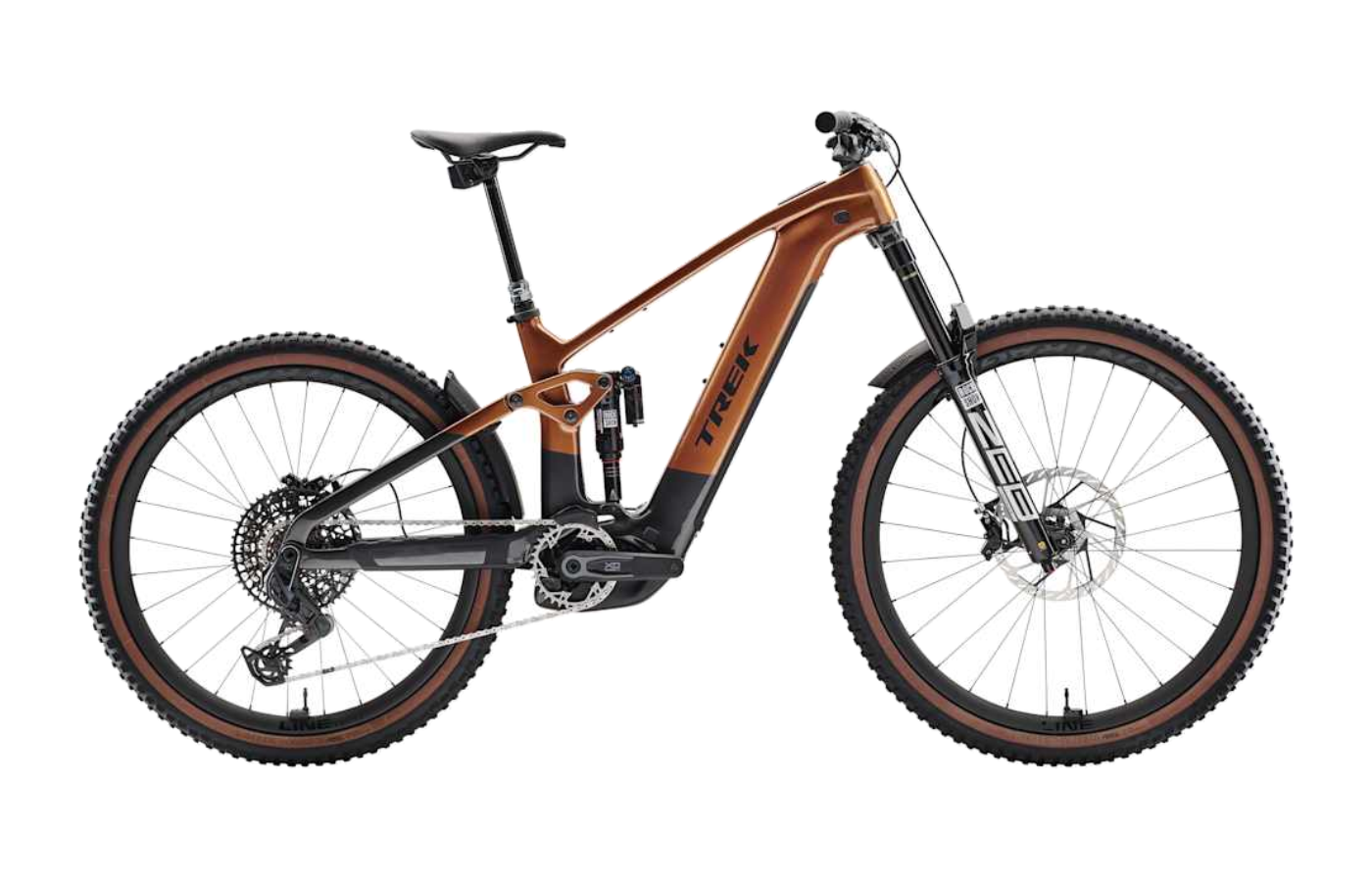
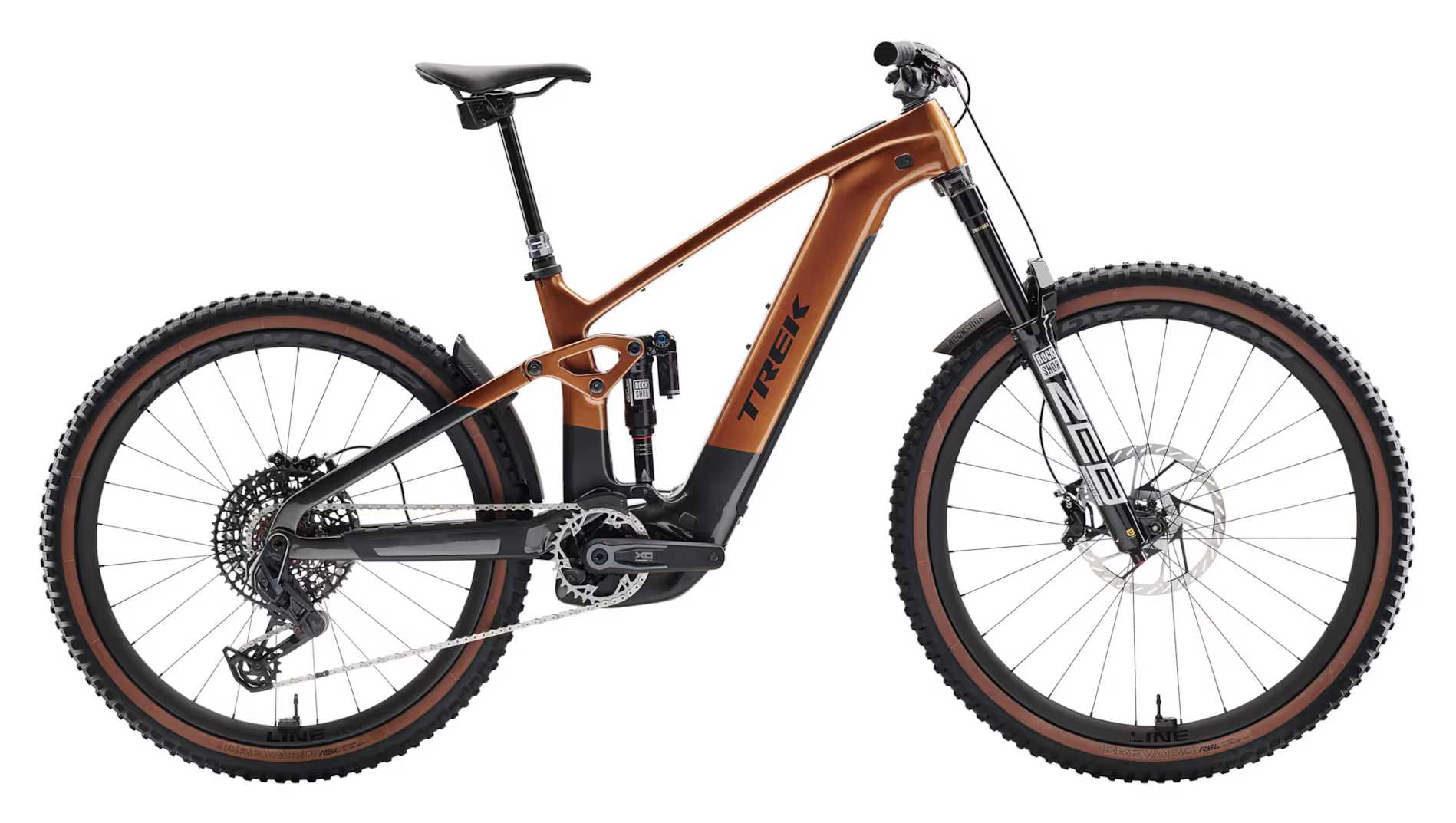
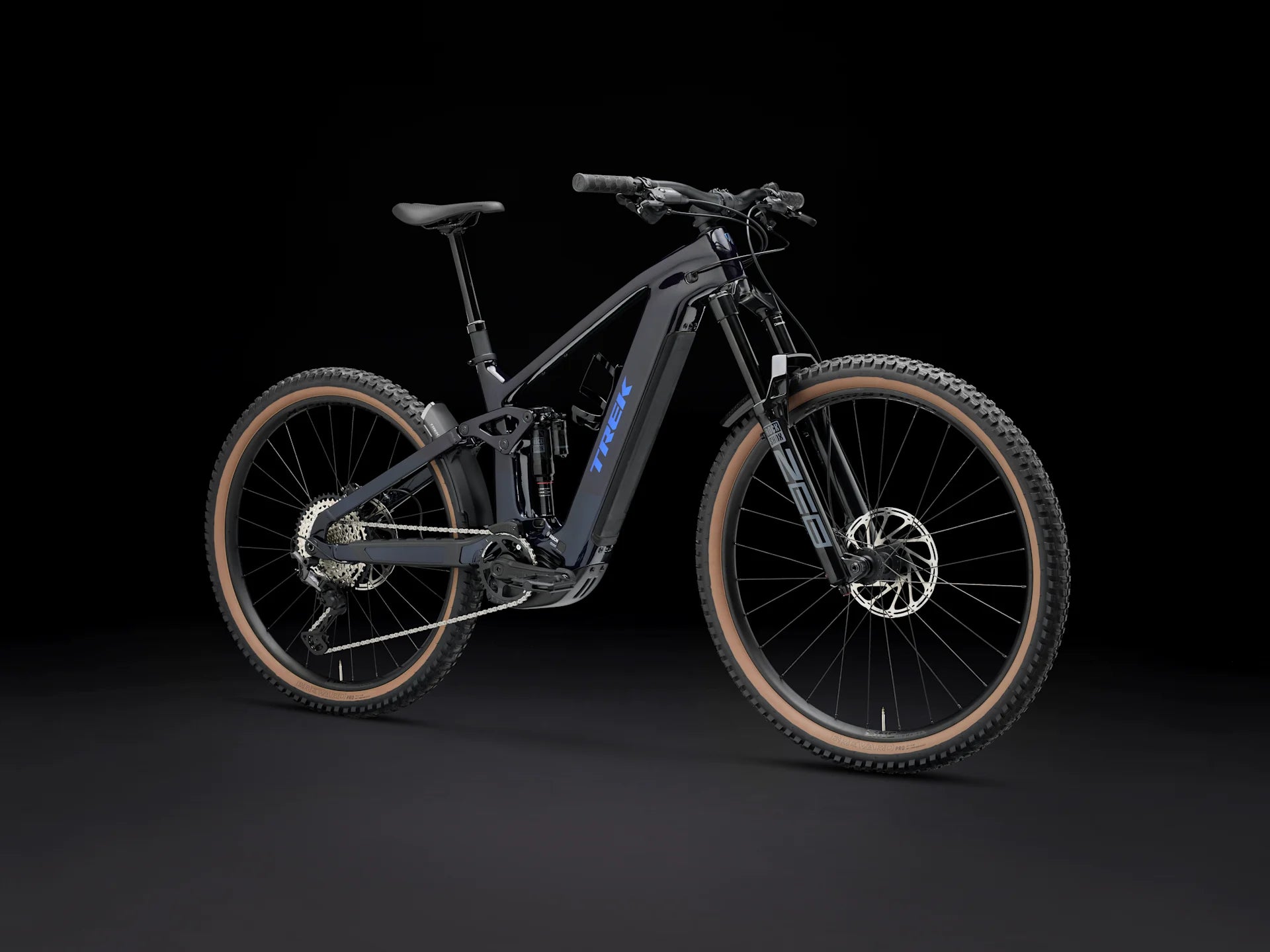
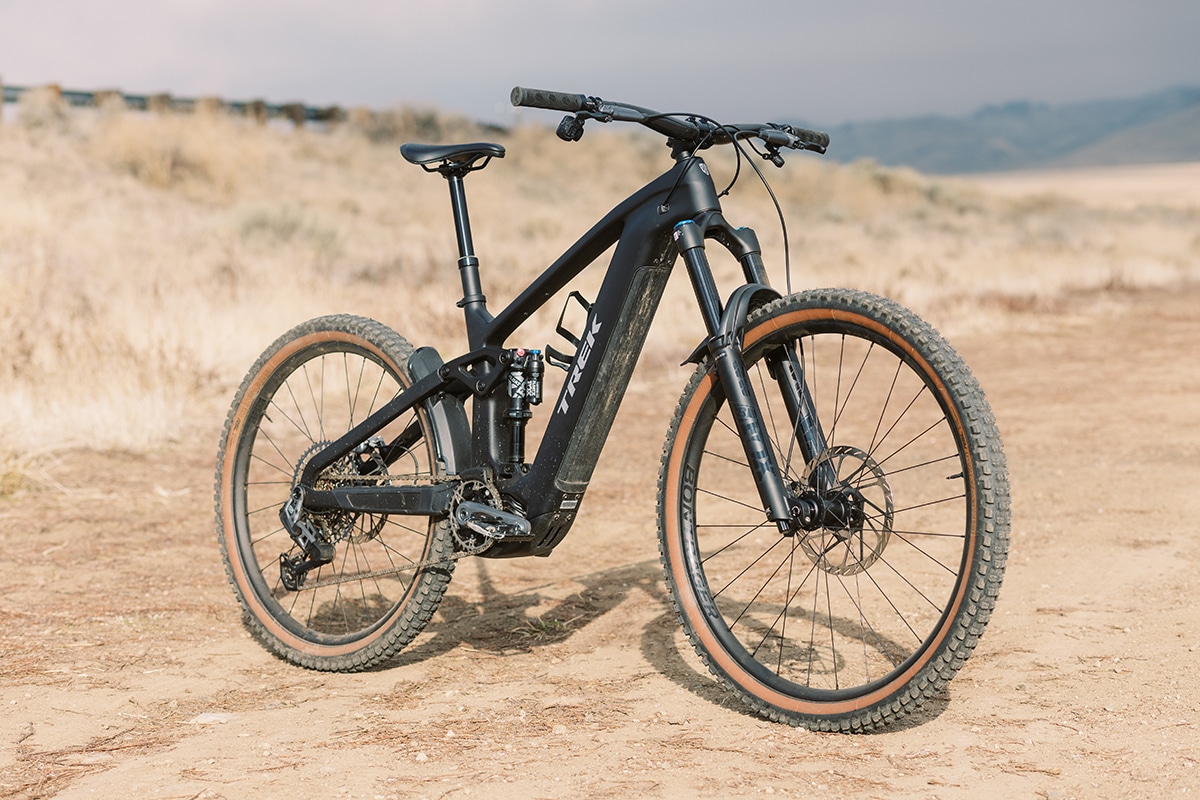
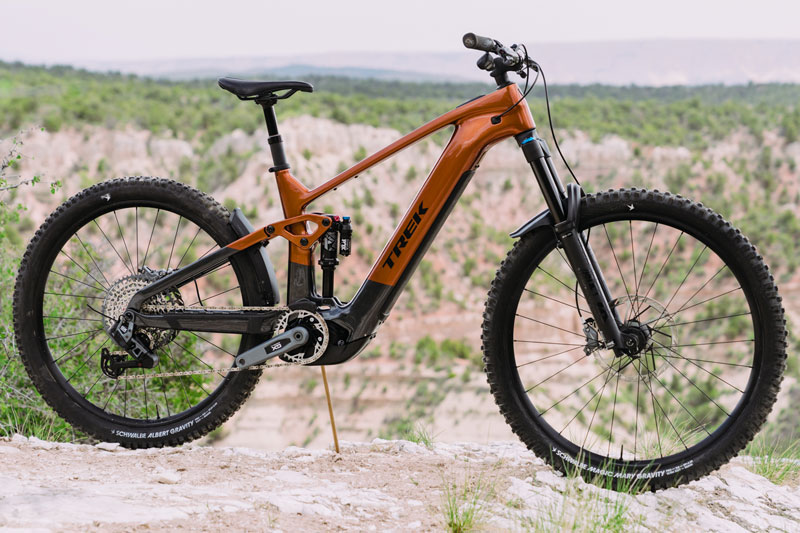
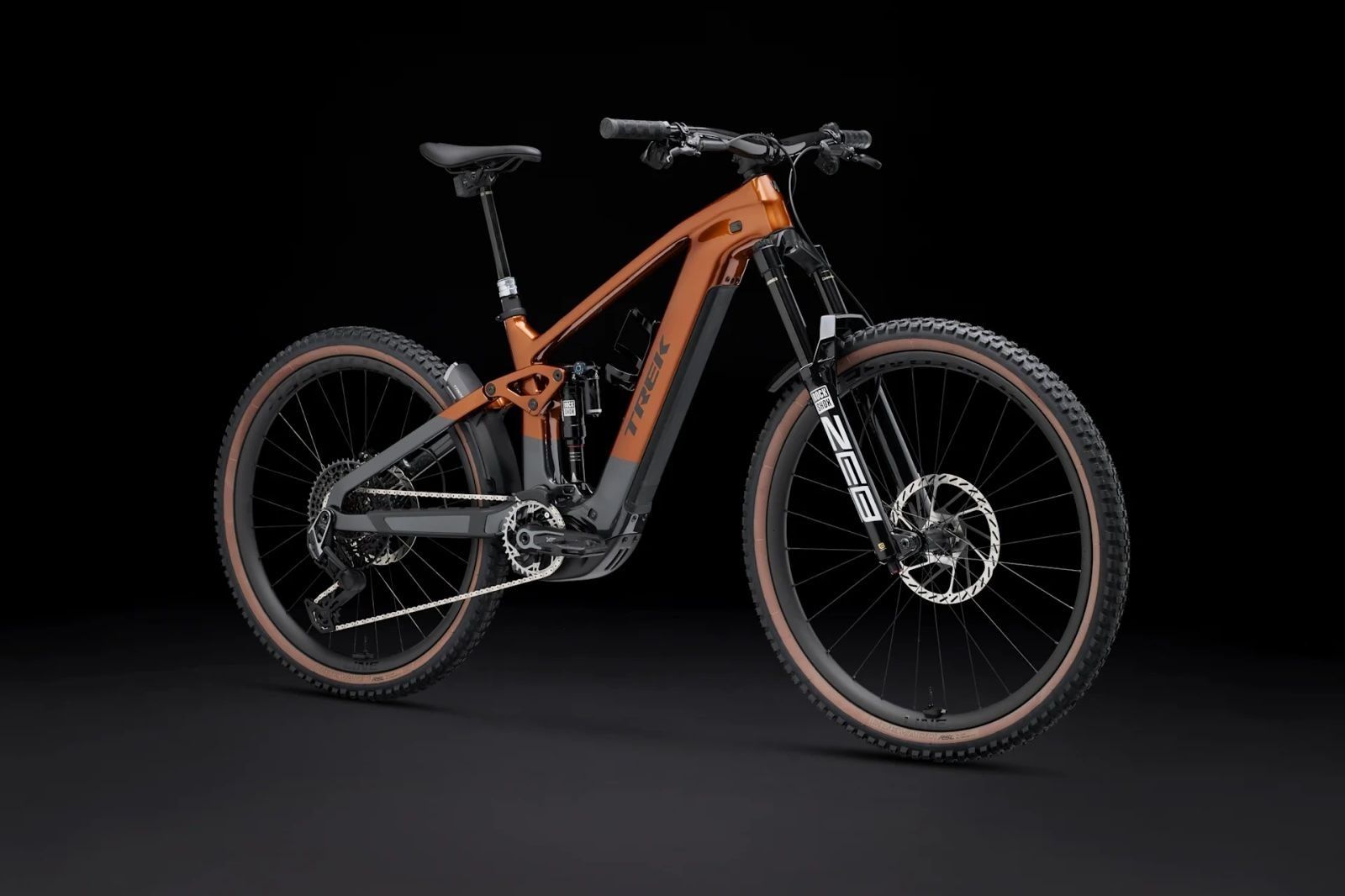
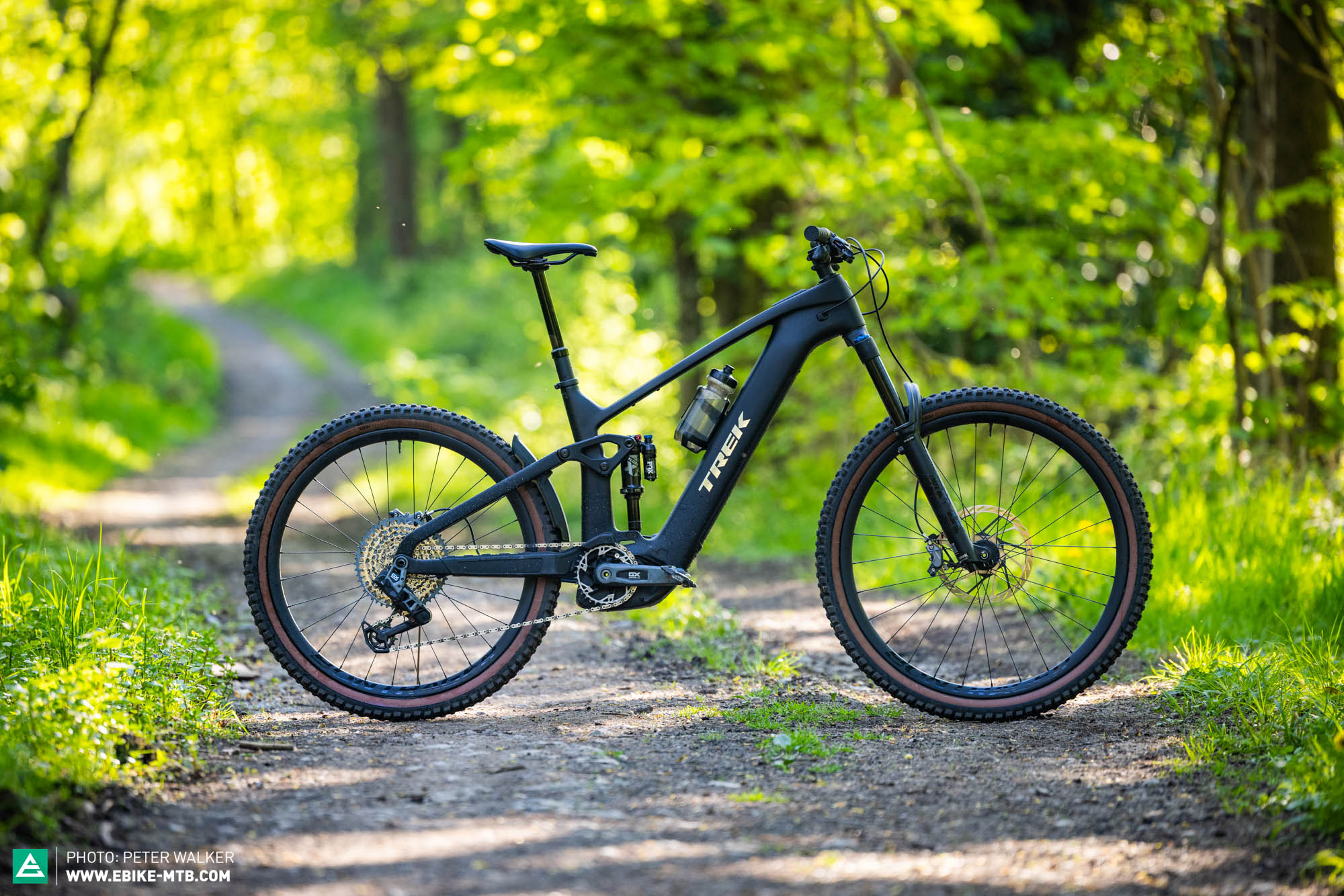
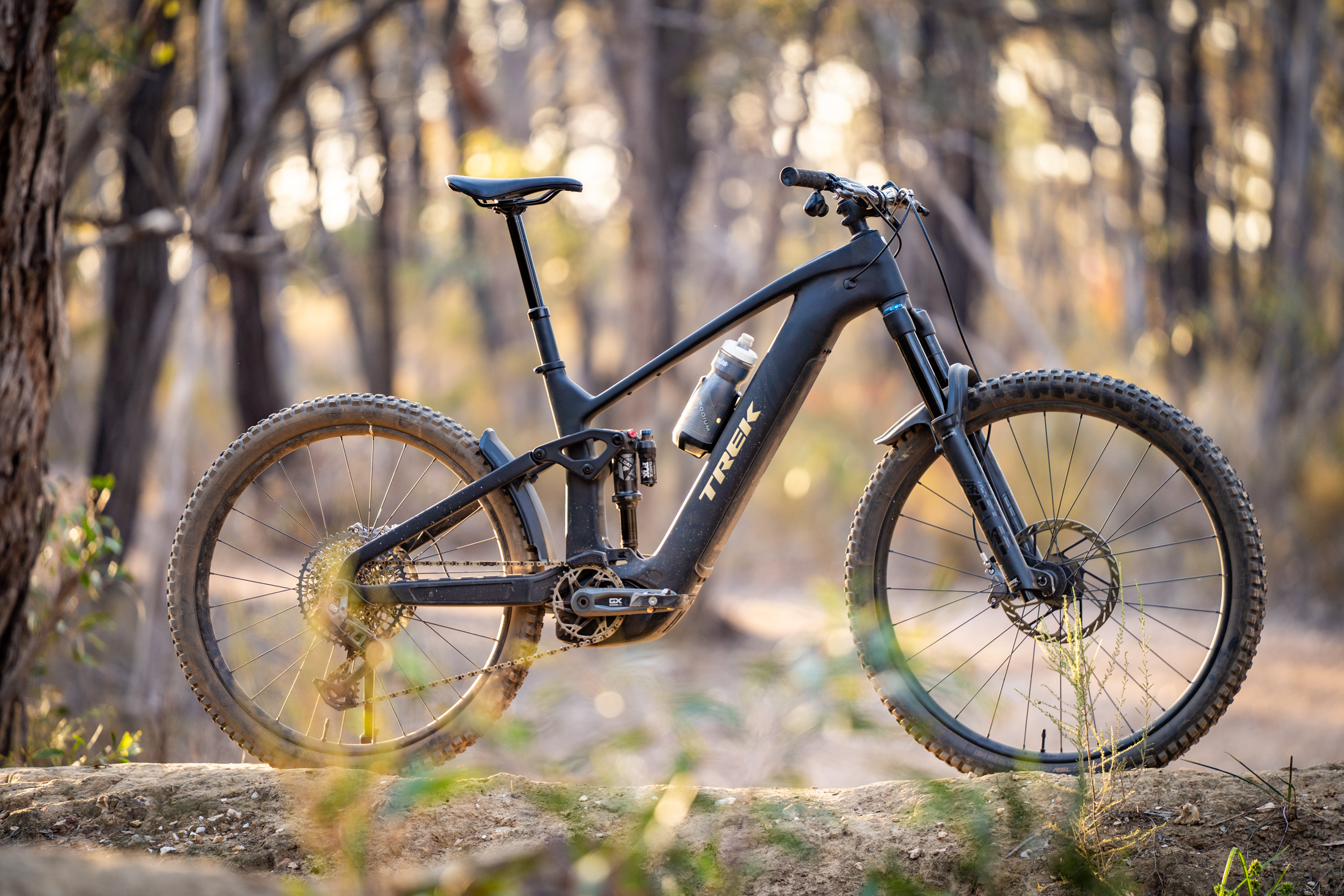
The fifth-generation Trek Rail, now badged Rail+, is a substantial rework of Trek’s full-power e-MTB rather than a light refresh. It moves the platform further into aggressive enduro territory with 160mm rear travel to match the 160mm fork, a mixed-wheel layout on most sizes, and Bosch’s current Performance Line CX system paired with a larger 800Wh-class battery. The result is a bike aimed at riders who want full-power assistance, long range, and the stability to handle rough, high-speed descending without giving up all-day ride capability.
What distinguishes this generation is how much Trek focused on tuning range and compatibility. The new RIB 2.0 battery system revises the integrated removable battery concept, while the frame adds several layers of adjustment: a geometry chip for small handling changes, compatibility with angle-adjust headset cups for a broader head-angle range, and a separate progression adjustment at the shock mount to alter suspension character. Just as notable is what Trek removed. By dropping the previous ThruShaft shock layout and Knock Block steering limiter, the Rail+ moves toward a less proprietary, easier-to-service chassis with fewer compatibility compromises. In the market, it sits as a premium, full-power enduro e-MTB for riders who prioritize descending composure, range, and setup flexibility over low weight.
Geometry & fit.
4 sizes published.
The Rail+ Gen 5 uses modern enduro e-bike numbers with a notably steep seat angle and a fairly slack front end. In the low setting, the Large posts a 64.5-degree head angle, 490mm reach, 448mm chainstays, and 1278mm wheelbase; in the high setting, that shifts to 65 degrees, 495mm reach, 446mm stays, and a nearly unchanged 1277mm wheelbase. Across the range, seat angles sit around 77 to 77.9 degrees, which helps keep the rider centered for seated climbing and reduces front-wheel wander on steep pitches. The long front center and slack head angle favor descending composure, while the mixed-wheel setup helps offset that stability with quicker rear-end response in tighter terrain.
The geometry is clearly aimed at riders who want confidence at speed more than a compact, hyper-reactive feel. A low bottom bracket, reflected in the low setting figures and called out by reviewers, should improve cornering stability but increases the need for careful pedal timing on technical climbs. The biggest fit caveat is sizing: the jump from 450mm reach on Medium to 490mm on Large is unusually large, and reviewers repeatedly noted that riders around the middle of that split may struggle to choose between a bike that feels a bit short and one that feels substantially longer. The available geometry adjustment helps fine-tune handling, but it does not fully erase that sizing gap.
Where the handlebar sits relative to the bottom bracket — the single most important fit pair.
01Fit geometry6 values
03Handling geometry8 values
Which size should I buy?
Slide your height to see the recommended size. GearWise's fit algorithm works from the published stack, reach, and ETT — the brand's own recommendation may differ.
→Calculated from GearWise's own stack / reach / ETT algorithm — the brand's size chart may recommend a different size, and a proper bike fit beats any calculator.
The lineup.
5 builds, ranging $6,100 – $12,300.
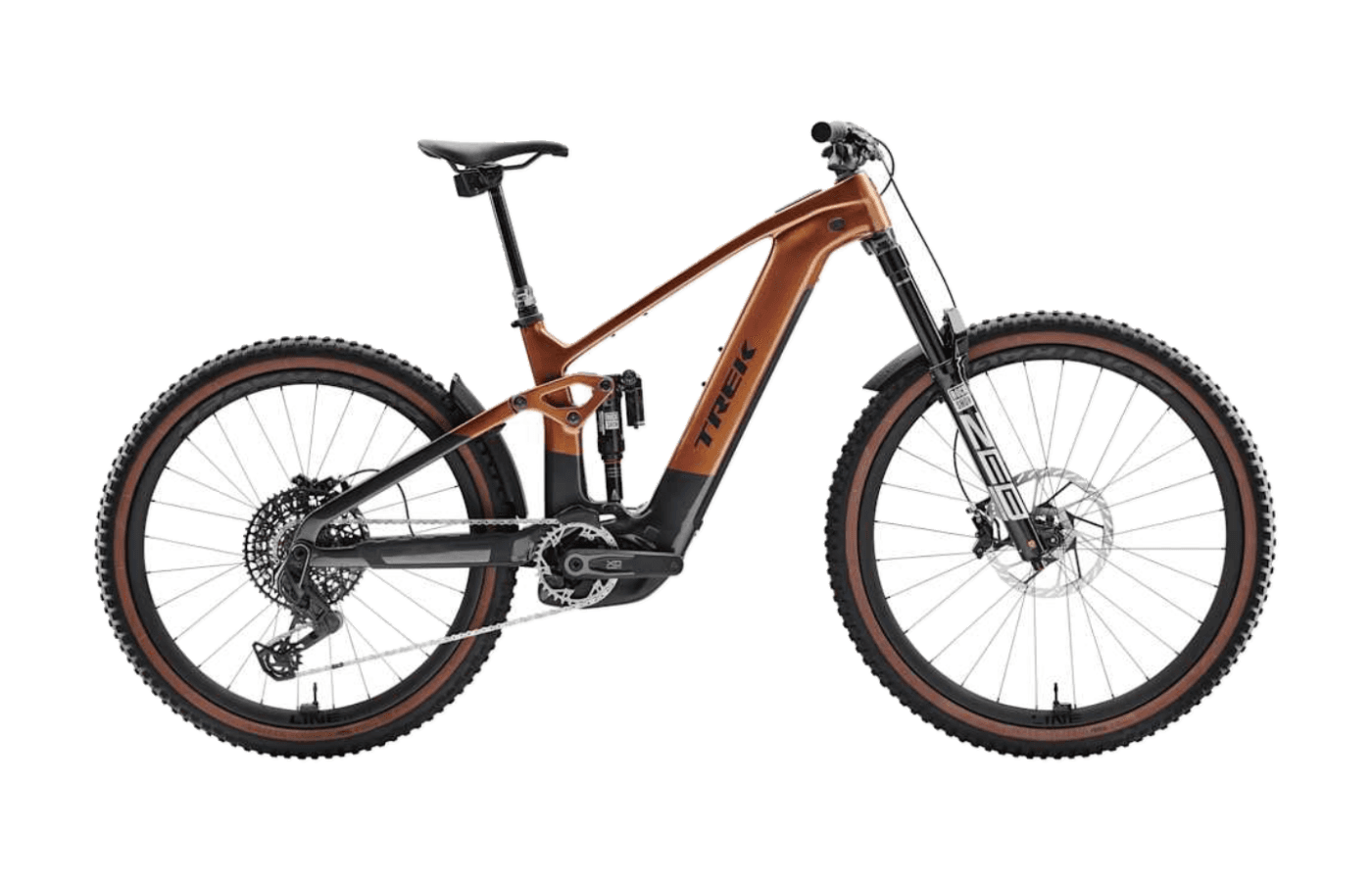
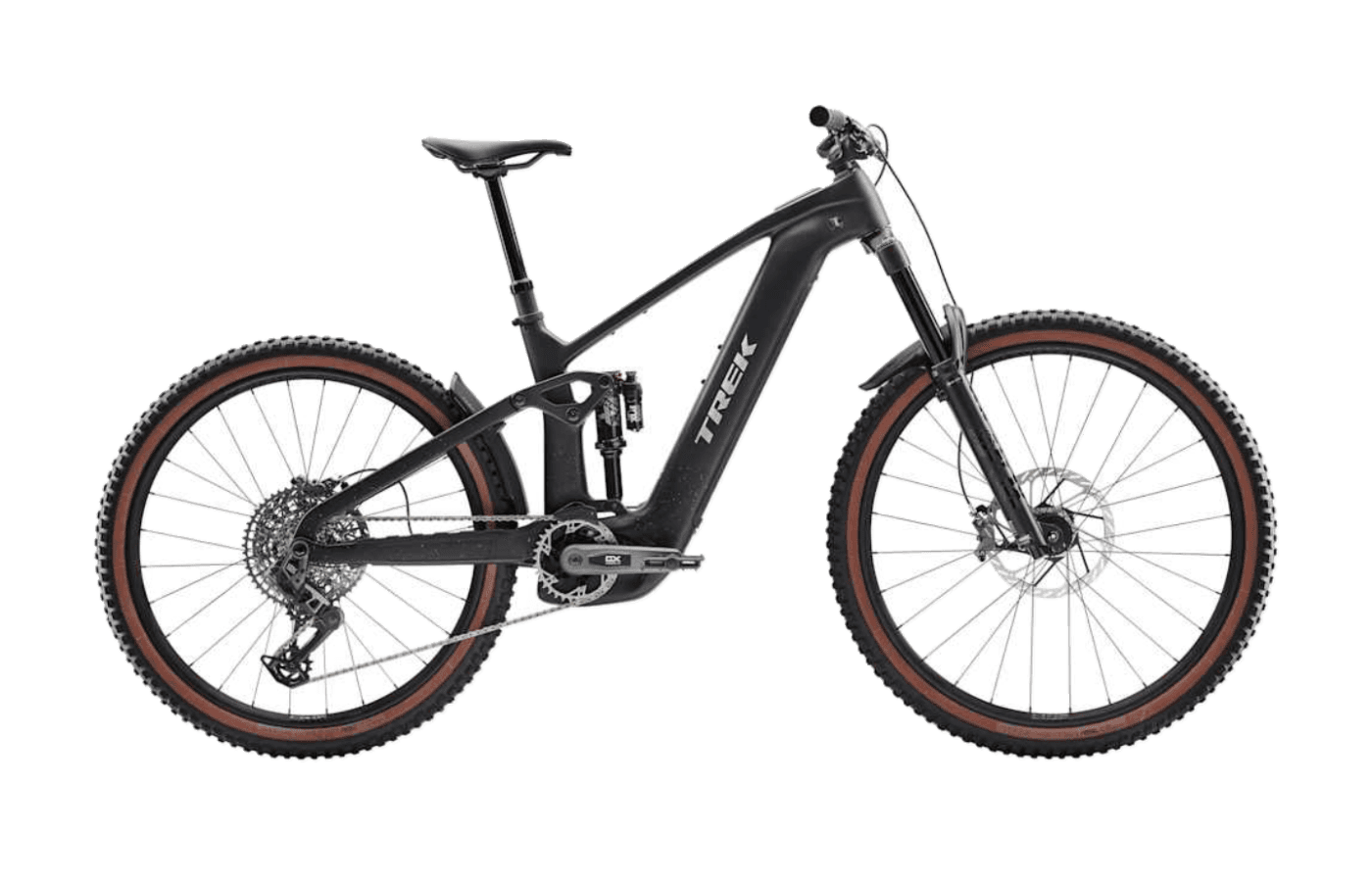
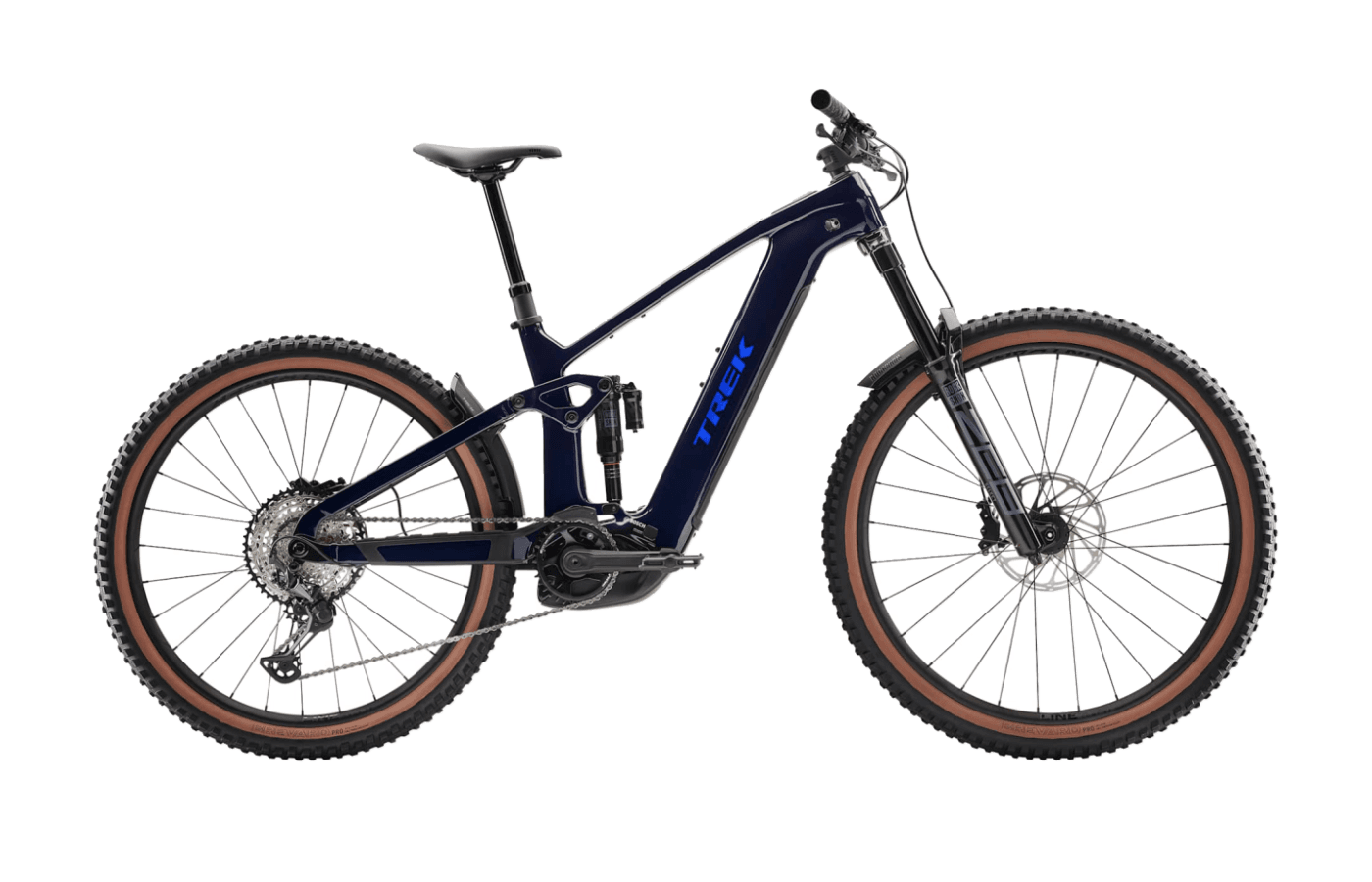
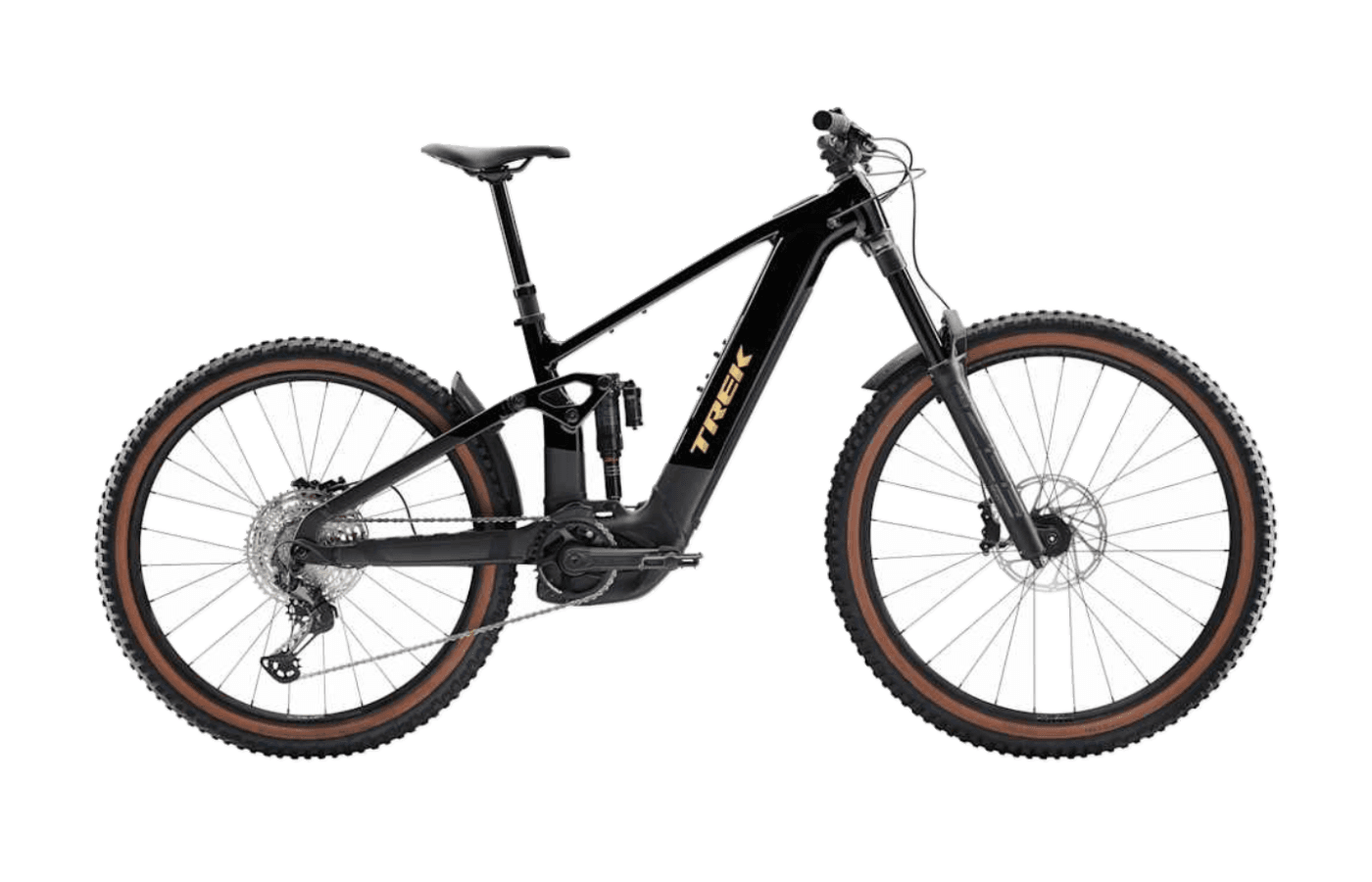
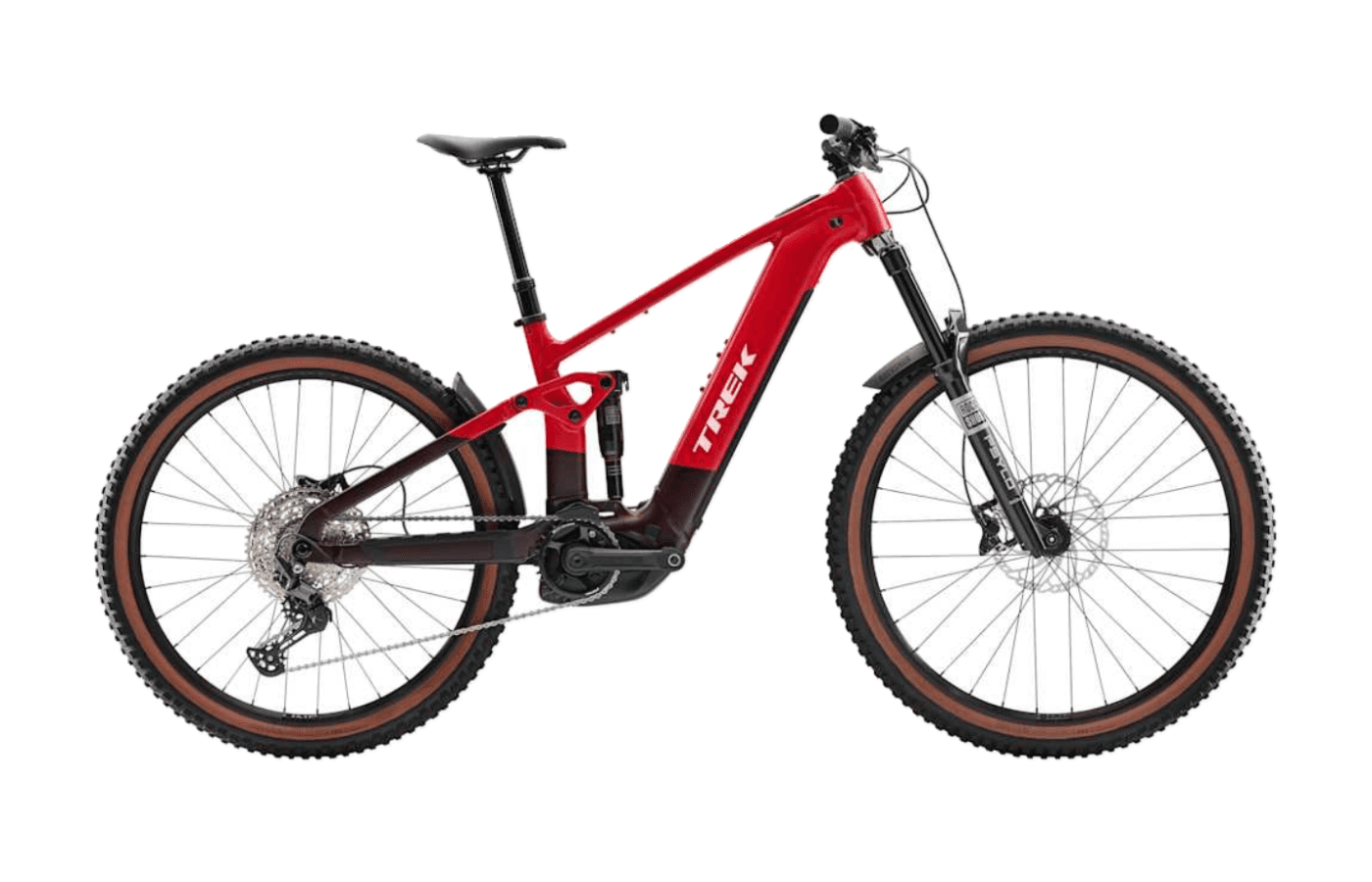
The Rail+ Gen 5 range spans five builds from $6,099.99 for the Rail+ 5 to $12,299.99 for the Rail+ 9.9 X0 AXS T-Type. In between are the Rail+ 8 at $7,699.99, Rail+ 9.7 at $8,699.99, and Rail+ 9.8 GX AXS T-Type at $10,699.99. The lineup covers both alloy and carbon options, with two aluminum models and three carbon models, but the important point is that the core platform remains consistent: Bosch Performance Line CX drive system, 160/160mm travel chassis, and the same highly adjustable frame concept.
The lower and midrange bikes focus on delivering the same frame and motor package with more workmanlike parts. The 9.7 is the entry carbon model and uses a RockShox ZEB Select fork, Super Deluxe Select+ shock, mixed Shimano SLX/XT drivetrain, SRAM DB8 brakes, and Bontrager Line Comp 30 wheels. The alloy 8 uses a similar suspension tier and Shimano XT/SLX transmission mix, making it one of the more practical value points in the range for riders who care more about the chassis than frame material. At the top end, the 9.8 GX AXS T-Type and 9.9 move into wireless SRAM Transmission builds and higher-end suspension, with the 9.9 adding premium details such as carbon wheels. Reviewers generally viewed the midrange builds as the sweet spot, but also noted that the DB8 brakes and stock Bontrager Brevard tires on some models may be immediate upgrade candidates for aggressive riders.
From the press.
12 reviews from the cycling press.
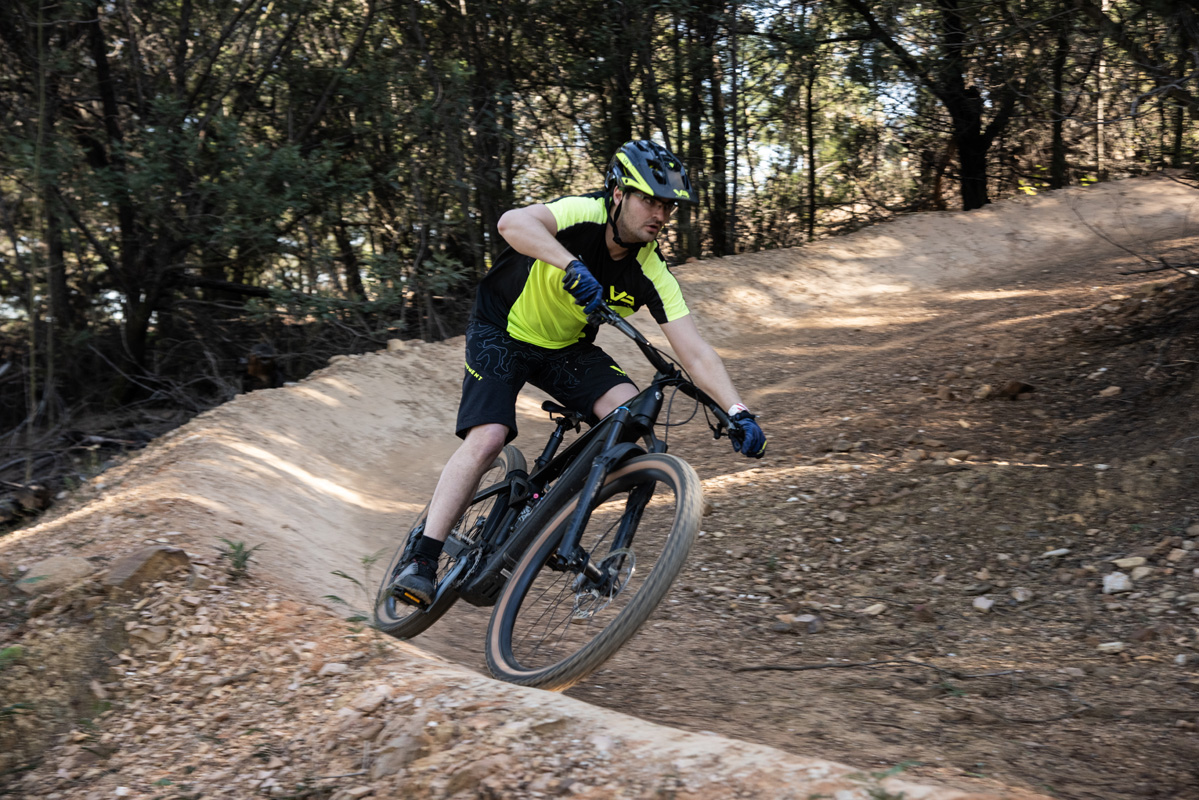
Reviewers consistently describe the Rail+ Gen 5 as a planted, confidence-heavy e-MTB that is more balanced and versatile than the previous Rail. Several outlets noted that the old bike’s pure plow-bike character has been refined into something still very stable but easier to place and corner. Flow Mountain Bike called it plush yet poppy, while Mountain Bike Action and others highlighted how the ABP rear suspension keeps the back wheel active under braking, helping the bike stay composed in rough, technical descents. The move to a mullet setup was widely credited with making the roughly 24kg bike feel more agile than its weight suggests, especially in tighter switchbacks.
Climbing and long-ride comfort were also recurring strengths. Reviewers pointed to the steeper effective seat angle, smooth Bosch CX power delivery, and big 800Wh battery as key reasons the bike feels well suited to long, technical days. Testers reported strong front-wheel control on steep climbs and notably low range anxiety. The new adjustability was also well received, particularly the progression flip chip; both Mountain Bike Action and E-MOUNTAINBIKE preferred the more progressive 24% setting for added support deeper in the travel.
The main criticisms were predictable for a full-power bike in this category. Multiple reviewers said the Rail+ still rides like a heavy machine and can feel sluggish when riders try to generate pop off jumps or quick trail features, with E-MOUNTAINBIKE specifically noting that getting it airborne takes effort. Stock Bontrager Brevard tires were a common complaint for limited grip in wet or loose conditions, and lower-tier builds drew criticism for SRAM DB8 brakes on such a heavy, aggressive bike. Some testers also flagged practical issues such as occasional internal cable rattle, a sticky battery release, and an early lower shock bushing play issue. There was also repeated mention of the large 40mm reach jump from Medium to Large, which may complicate sizing for riders between sizes.
Trek Rail+ Gen 5

E-BIKE TREK Rail+ 5 Gen 5 2025: Test Ride, Review, Pros, Cons, Performance, and Everything You Actually Need to Know

Trek Rail+ 8 Gen 5 Review 2026: Enduro E-MTB Tested – Top P… | EBikeReviewLab
E-BIKE TREK Rail+ 5 Gen 5 2025: Prova, Test e Recensione Dettagliata (pregi, difetti, prestazioni, autonomia, problemi, opinioni)
Trek Rail 9.7 Gen 5 Review: Range, Power & Real-World Performance
Trek Rail+ Gen 5 Review: More Travel, Bigger Battery ...
Trek Rail+ Gen 5 Review | 2025 eMTB Shootout
Trek Rail+ Gen 5 e-MTB Lineup Shreds Trails with Big Upgrades – Full Comparison & Review
On Rails: Riding The New Trek Rail Gen 5 - ZA Bikers / ZA Lifestyle
New 2025 Trek Rail+ Gen5 on Test – Degraded?
2025 Trek Rail+ Review | Quieter, smoother & more adjustable
