One
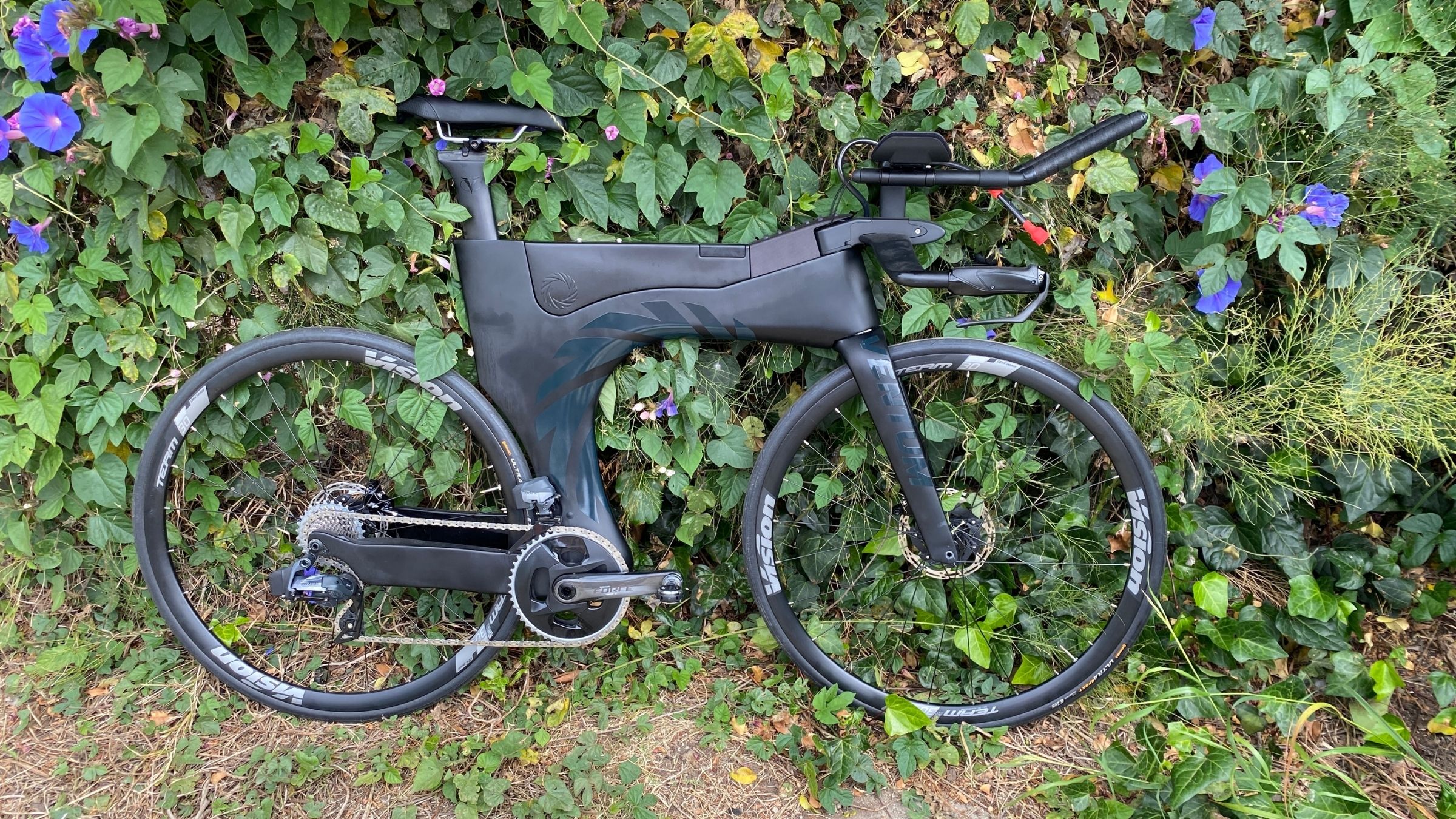
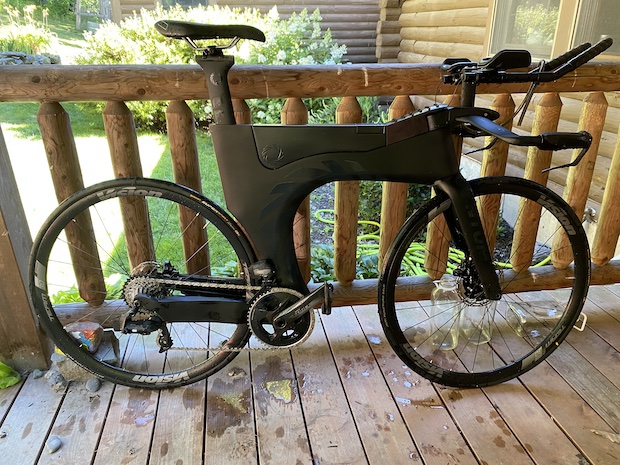
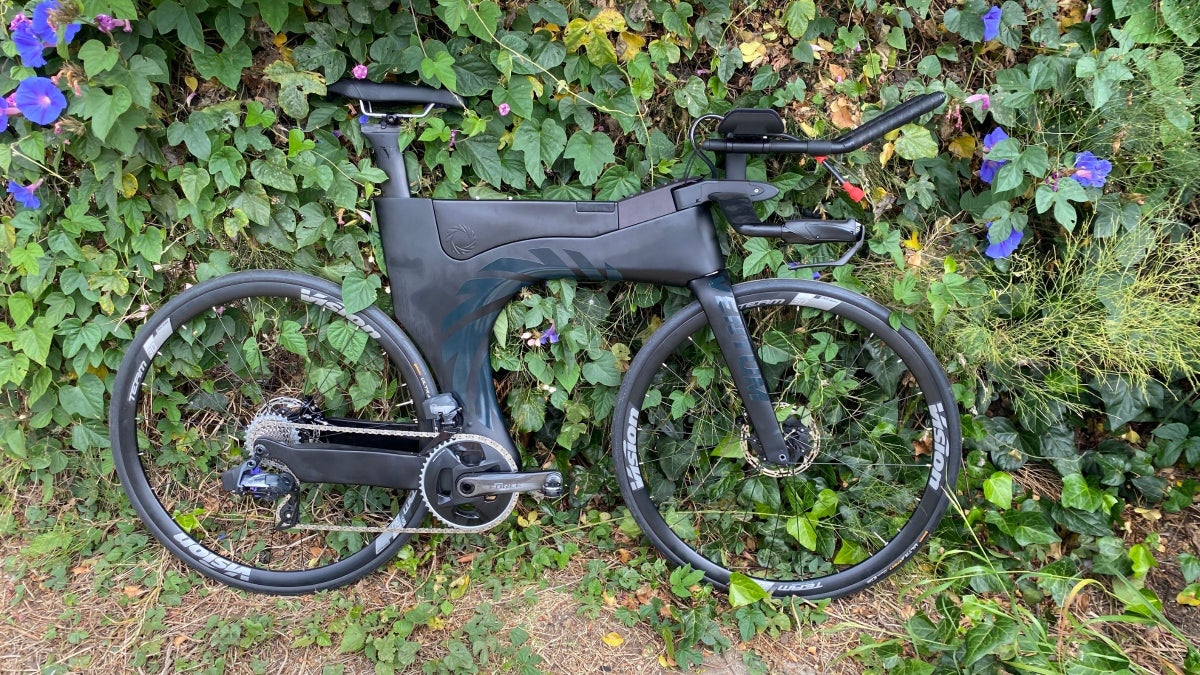
The second generation of the Ventum One is a dedicated long-course triathlon platform defined by its unconventional non-double-diamond frame. By eliminating the traditional down tube and seat stays, Ventum prioritizes aerodynamic efficiency and straight-line speed over weight savings or climbing agility. This iteration brings the platform up to modern standards with the addition of flat-mount hydraulic disc brakes and fully internal cable routing. Designed specifically for the demands of 70.3 and Ironman distances, the bike integrates a 1.2- to 1.4-liter hydration reservoir directly into the top tube, paired with a tool-free storage compartment tucked underneath. It is a highly specialized machine built for athletes who want to settle into an aerodynamic tuck and maintain a steady, high-speed tempo for hours, rather than those looking for a reactive, lightweight chassis for technical courses.
Geometry & fit.
6 sizes published.
Ventum accommodates a broad range of rider postures through a highly adjustable front end and six distinct frame sizes. The cockpit relies on a single-post aerobar riser system that provides 7.5 centimeters of vertical adjustment. This monopost design pairs with a telescoping, reversible stem offering an effective reach range of 47 to 127 millimeters, making it relatively simple to dial in pad placement without disconnecting hydraulic lines.
The frame geometry is tuned for predictability rather than sharp cornering. A size 56 utilizes a 622-millimeter front-center and a 1021-millimeter wheelbase, dimensions that keep the steering calm and steady when tucked into the extensions. Further influencing the bike's footprint is a redesigned, ultra-wide fork. This widened stance improves aerodynamic flow while easily clearing 28c tires, allowing riders to run lower pressures for improved mechanical grip and vibration damping on rougher pavement.
Where the handlebar sits relative to the bottom bracket — the single most important fit pair.
01Fit geometry4 values
03Handling geometry6 values
Which size should I buy?
Slide your height to see the recommended size. GearWise's fit algorithm works from the published stack, reach, and ETT — the brand's own recommendation may differ.
→Calculated from GearWise's own stack / reach / ETT algorithm — the brand's size chart may recommend a different size, and a proper bike fit beats any calculator.
The lineup.
2 builds, ranging $9,690.
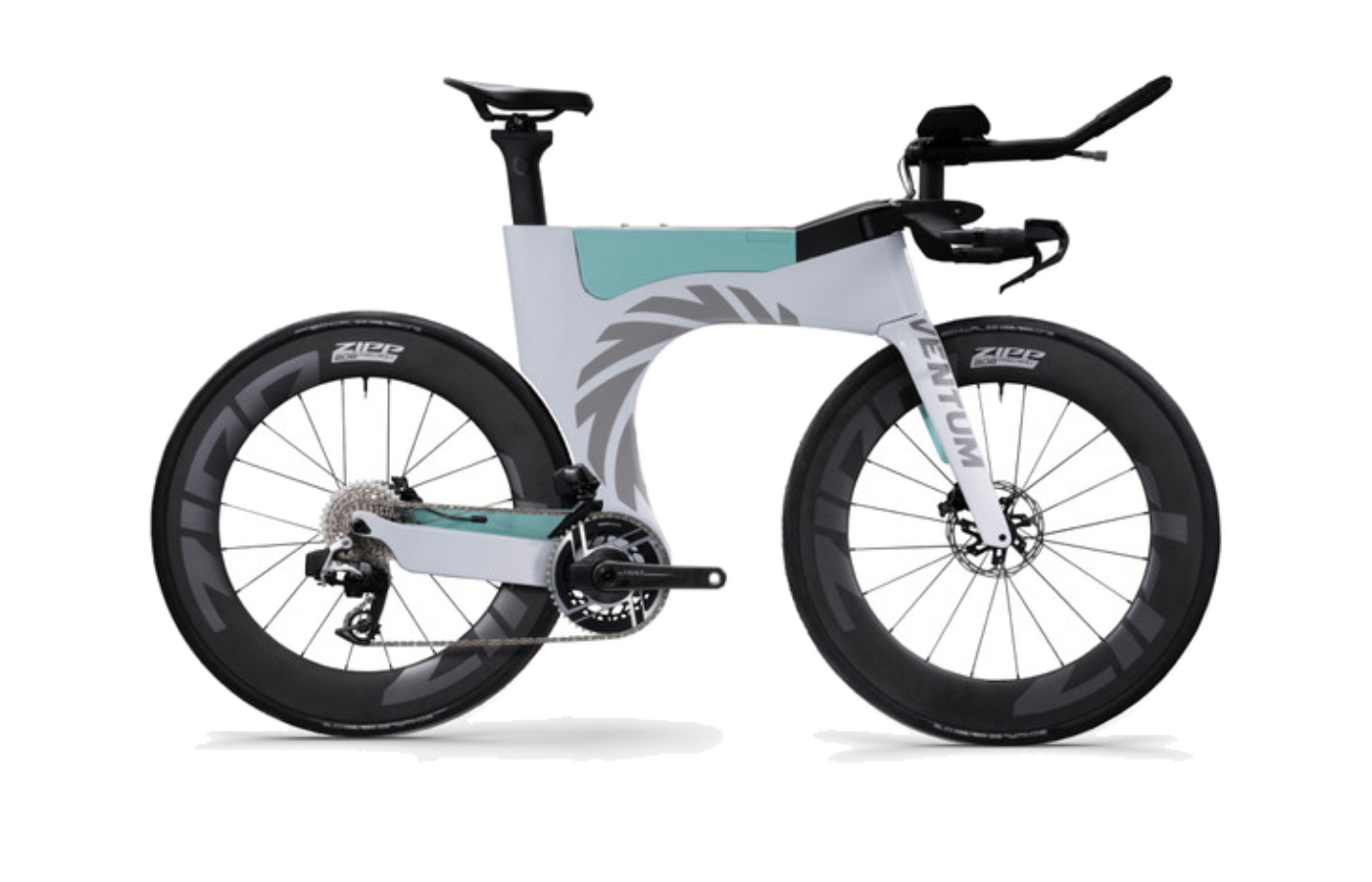
The current Ventum One lineup is streamlined into two premium, identically priced builds at $9,690, differentiated only by their electronic drivetrains. Riders can choose between a Shimano Dura-Ace Di2 configuration or a SRAM RED AXS setup. Both options deliver top-tier 12-speed shifting and hydraulic disc braking, representing the flagship tiers of their respective component manufacturers.
Beyond the groupsets, the two models share an identical finishing package tailored for immediate race readiness. Both roll on Zipp 808 Firecrest carbon wheels, featuring an 80-millimeter rim depth and a hookless profile optimized for the included 28c Schwalbe One tires. The builds also share the proprietary Ventum carbon seatpost and aerobar system, topped with a Fizik Aeris saddle. Because the pricing and wheelsets are identical, the choice between the two models comes down entirely to a rider's preference for Shimano's Di2 shifting logic and hood shape versus SRAM's fully wireless AXS ecosystem.


From the press.
3 reviews from the cycling press.
Reviewers consistently highlight the Ventum One for its exceptional composure in crosswinds, a direct result of the missing down tube reducing the frame's surface area at the front. Ryan Heisler called it the "most stable handling triathlon bike I have ever ridden" (Slowtwitch), noting that the bike remained entirely "unbothered" (Slowtwitch) even when passed by heavy highway traffic. This steady character allows riders to stay relaxed in the aero position longer, saving crucial energy for the run.
However, the substantial frame mass and unique carbon layup create distinct trade-offs. The bike is frequently described as sluggish during out-of-the-saddle accelerations or steep climbs, rewarding seated, metered power rather than punchy efforts. Chris Foster observed that the non-double-diamond architecture also produces a "funny 'bouncing' feel" (Triathlete) over large road imperfections, which requires a brief adjustment period for riders accustomed to traditional frames.
Ultimately, testers agree the bike is a specialized tool that excels at "plugging into the aerobars and simply grinding away" (Triathlete). It trades the lively, reactive feel of a standard road frame for a dampened, ultra-steady ride that prioritizes fatigue management over long, flat-to-rolling miles.