Wilier
Adlar HybridSRAM Rival XPLR AXS E1 1x13sp + TQ HPR50
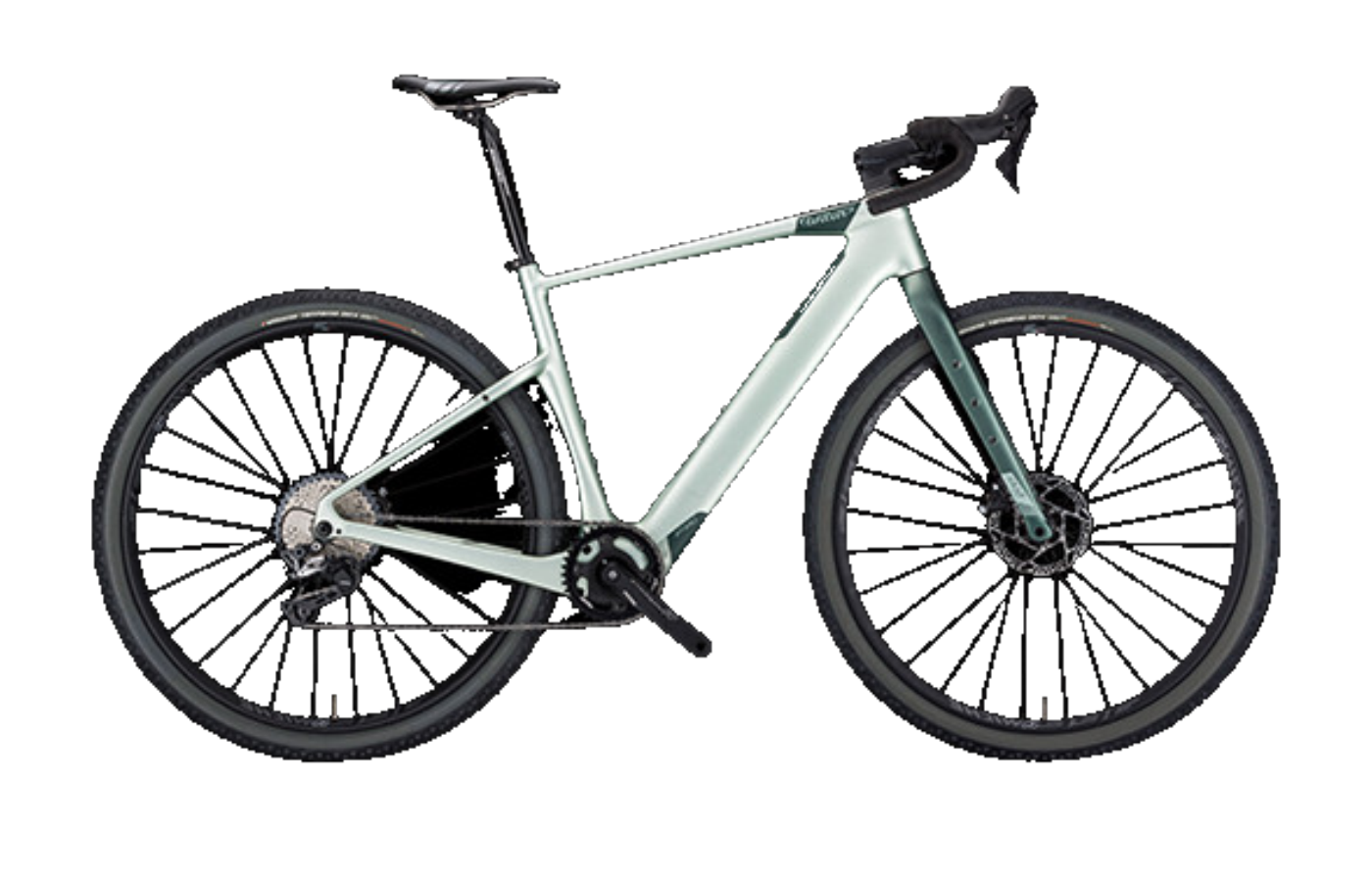
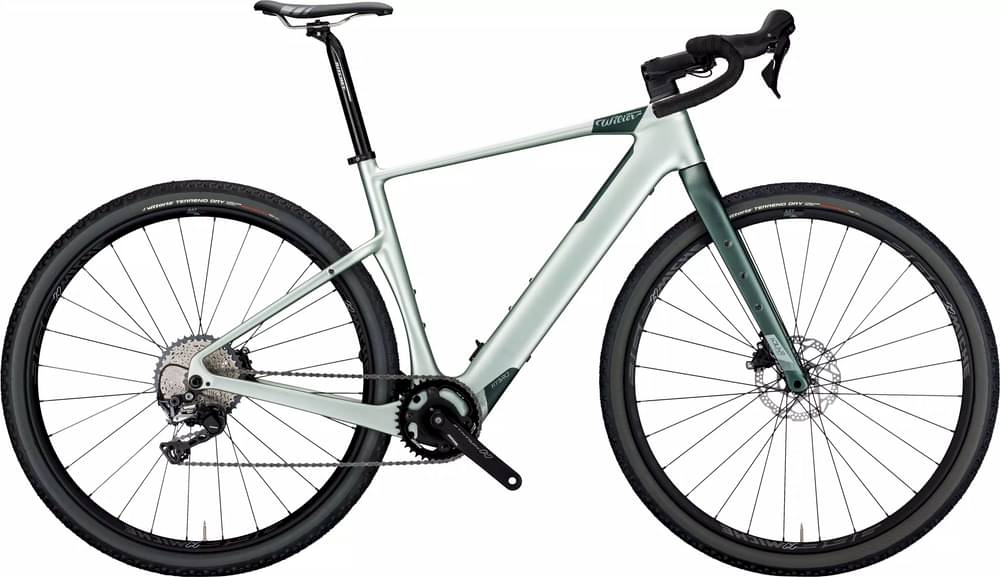
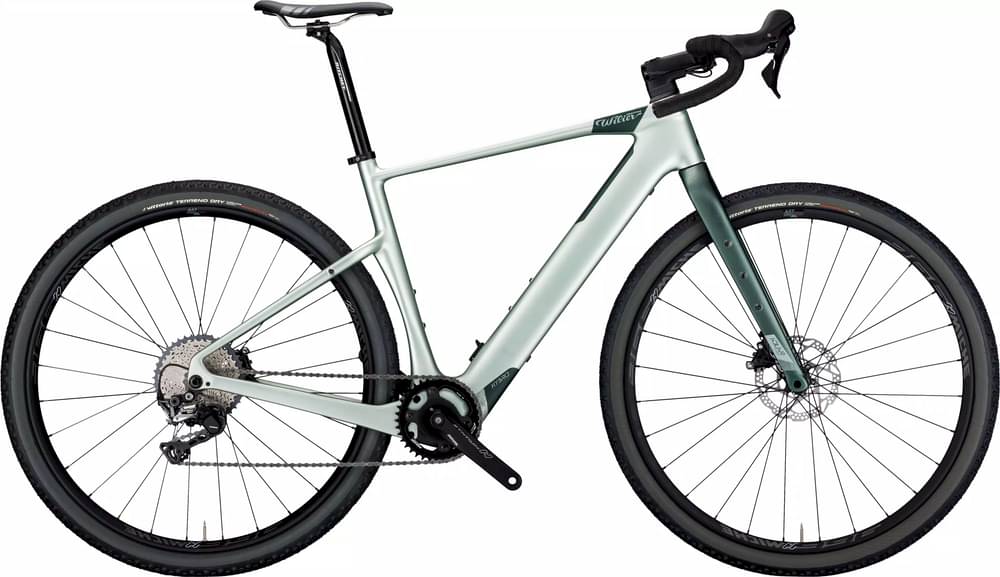
The current Wilier Adlar Hybrid is a lightweight e-gravel platform built around a carbon monocoque frame and fork, the TQ HPR50 mid-drive system, and geometry that closely mirrors the non-assisted Adlar. The defining idea is not maximum motor output, but preserving the ride character of a conventional gravel bike while adding measured assistance. Across the 2024-through-current platform, the core package remains consistent: five sizes, rigid fork, integrated top-tube TQ display and controls, and mounts for dedicated bikepacking and mudguard equipment. The main frame-level distinction from the standard Adlar is a 69.5-degree head angle, which is slightly slacker to add stability for rougher surfaces and loaded use.
In the market, the Adlar Hybrid sits firmly in the premium e-gravel category. Its 50 Nm TQ motor and roughly 360 Wh battery place it closer to the "light assist" school than to full-power utility or SUV-style gravel e-bikes. That makes it most relevant for riders who want mixed-surface range extension, bikepacking capability, and a more natural pedaling feel rather than outright climbing force. Later model-year changes appear to be component and equipment updates rather than a new generation, so this platform should be understood as one continuous design focused on discreet integration, large-volume tires, and adventure-oriented versatility.
Spec sheet.
Every component shipped with this build.
Geometry & fit.
5 sizes published.
The Adlar Hybrid's geometry points clearly toward stable, adventure-oriented handling rather than aggressive race manners. Across all sizes, the head tube angle is 69.5 degrees and the chainstay length is 441 mm, both numbers that favor front-end composure and rear-wheel stability on loose surfaces and with luggage. Wheelbase grows from 1060 mm in XS to 1125 mm in XL, reinforcing that planted feel. Reach numbers are moderate rather than stretched out, from 395 mm in XS to 431 mm in XL, while stack is relatively generous at 538 mm to 634 mm, supporting a more sustainable gravel posture for long rides.
Seat tube angle varies from 75 degrees in XS to 73.5 degrees in XL, a common approach to keep rider position balanced across sizes. In practice, the combination of moderate reach, taller stack, and the slack front end should give the bike a comfortable fit with predictable steering, especially on rough tracks and descents. It is not especially sharp or crit-like in its geometry; instead, the numbers support the reviewer consensus that it feels sporty but steady, with enough front-end calmness to suit bikepacking and mixed-terrain exploration.
Where the handlebar sits relative to the bottom bracket — the single most important fit pair.
01Fit geometry5 values
03Handling geometry4 values
Which size should I buy?
Slide your height to see the recommended size. GearWise's fit algorithm works from the published stack, reach, and ETT — the brand's own recommendation may differ.
→Calculated from GearWise's own stack / reach / ETT algorithm — the brand's size chart may recommend a different size, and a proper bike fit beats any calculator.
The lineup.
3 builds, ranging $8,350 – $9,600.
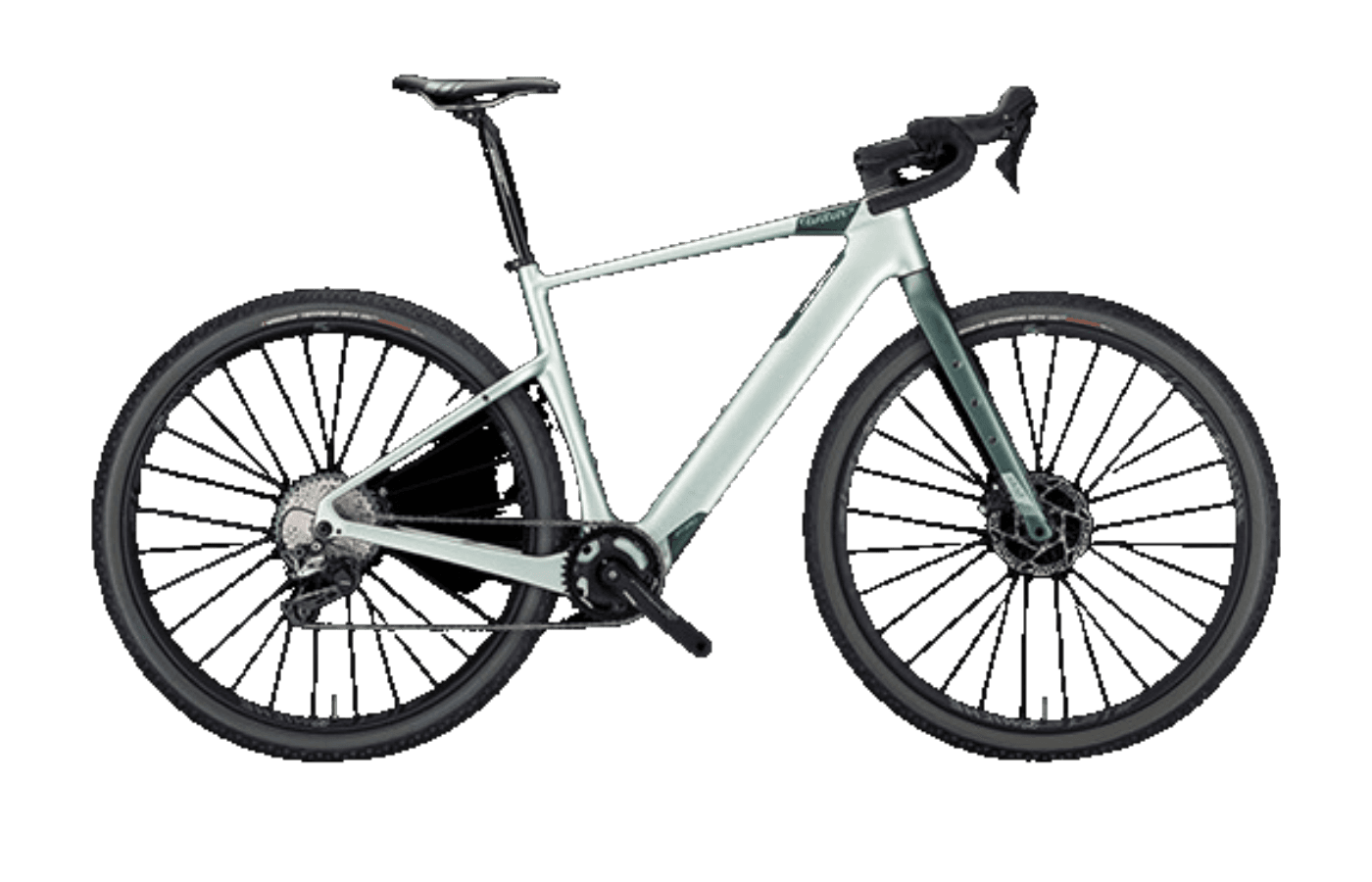
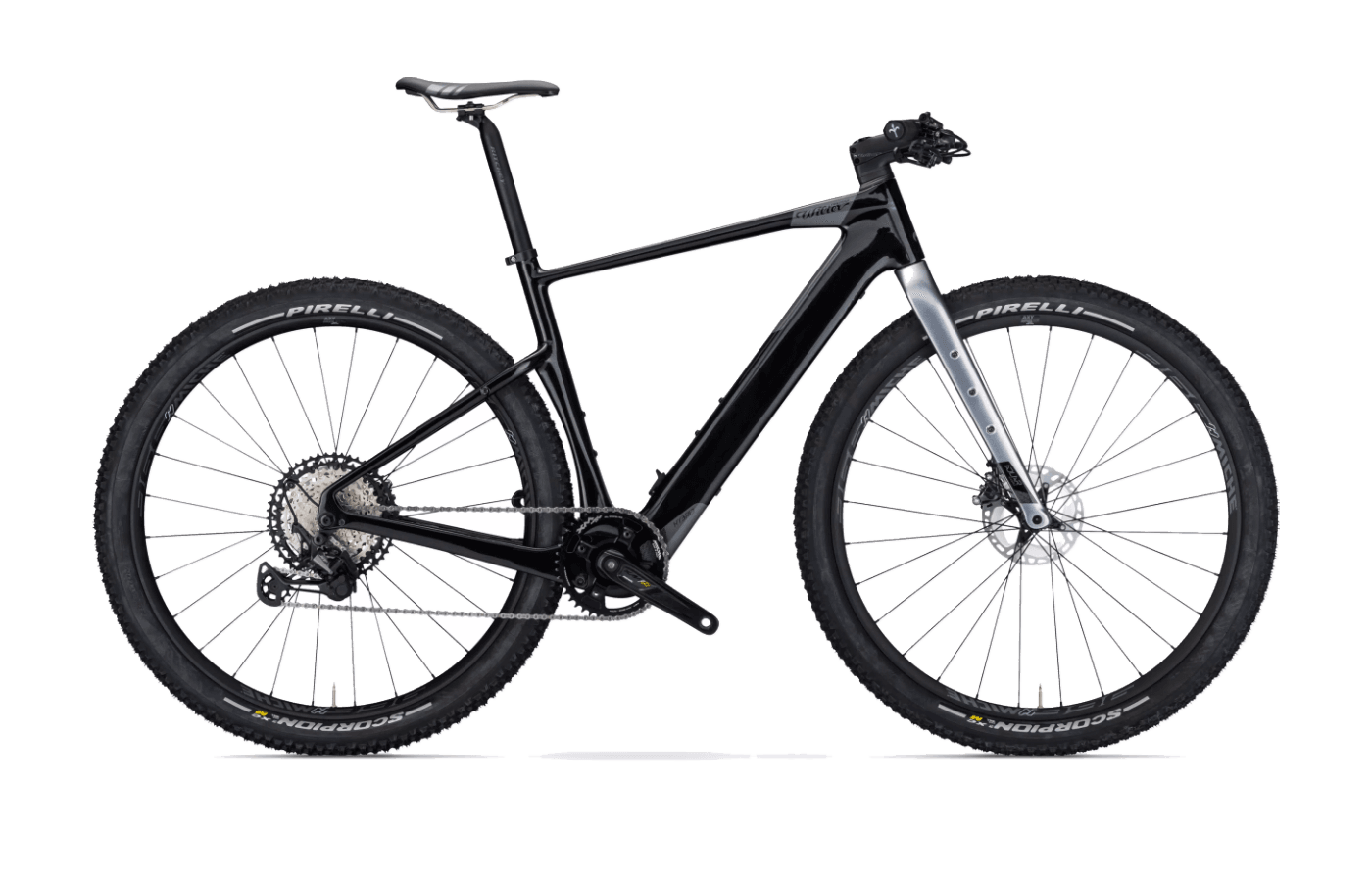
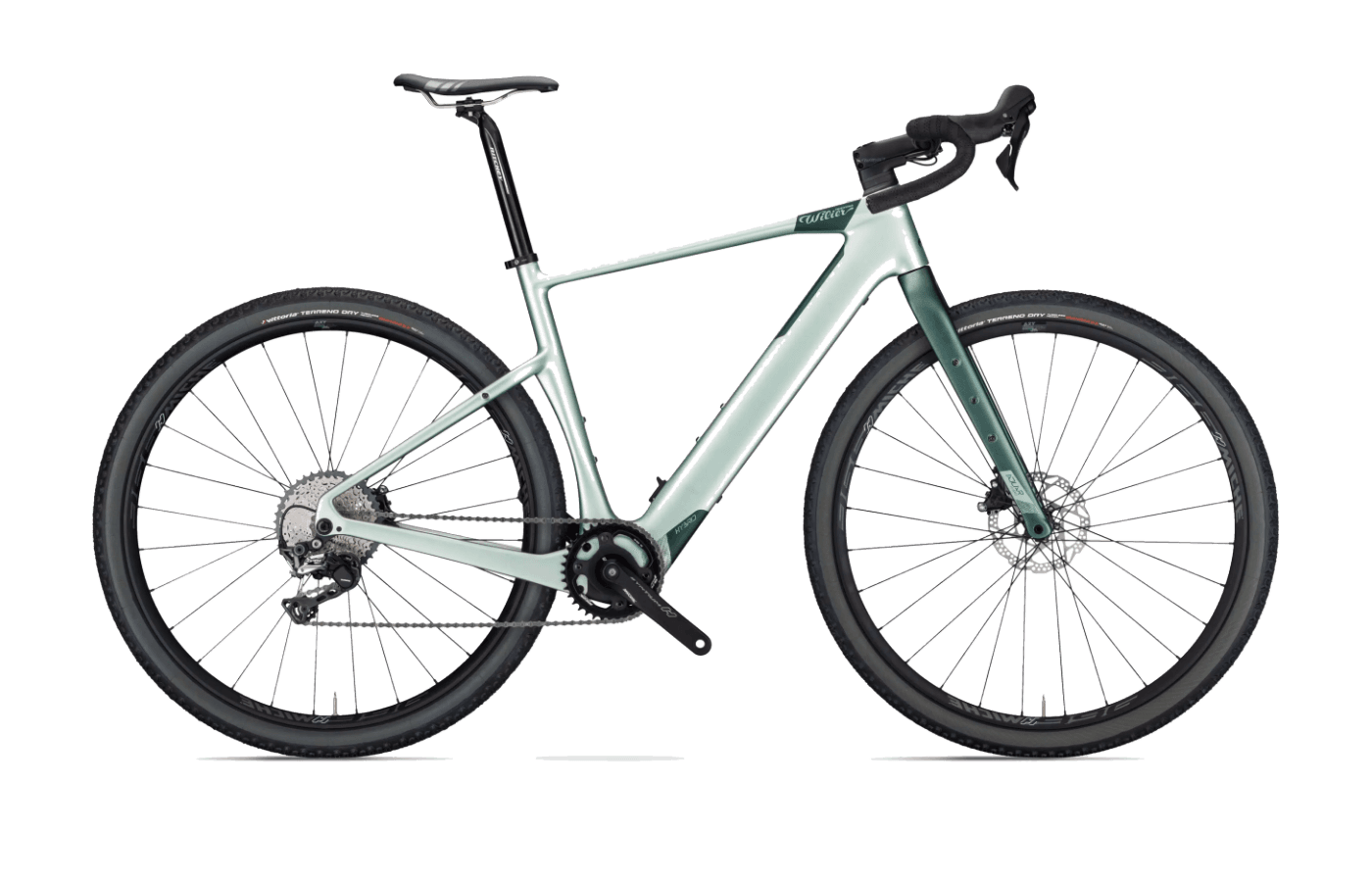
The available builds center on three main configurations: a SRAM Rival XPLR AXS E1 1x13-speed model, a Shimano GRX 1x12-speed model, and a Flat Bar Shimano XT 1x12 model, all paired with the TQ HPR50 system. The reviewed 2024 GRX builds are listed around £6,078 for the standard bike and £6,599 with the e-bike system and bikepacking kit, while Opticycles also lists US pricing of $8,469 for the flat-bar XT build and $9,066 for a GRX bikepacking-equipped version. Across the Shimano builds, the drivetrain theme is consistent: 1x12 gearing with a 38T chainring and 10-51 cassette, plus Shimano hydraulic disc brakes and 700c aluminum wheels.
The spec differences are less about frame performance than rider intent. The GRX 800/600 drop-bar builds are the more conventional gravel option, better suited to longer paved links and varied hand positions, while the XT flat-bar version emphasizes steering leverage and technical control. Bikepacking-kit versions add a clear use-case advantage for riders intending to tour or ride loaded. One notable through-line is that these are premium-priced builds using dependable, gravel-appropriate parts rather than flashy wheel upgrades; reviewers specifically noted the use of aluminum rims at a price point where some buyers may expect more.
From the press.
4 reviews from the cycling press.
Reviewers are notably consistent about the Adlar Hybrid's ride character: the TQ HPR50 system gives the bike a very natural, unobtrusive feel, with several describing it as more like a "turbocharged gravel bike" than a typical e-bike. On smoother gravel and pavement, it is repeatedly praised for road-like handling and a light-feeling assist that does not overwhelm the rider's pedal stroke. The 47 mm tires also drew frequent mention, with reviewers crediting them for smoothing rough tracks and bridleways without making the bike feel vague or mushy. Whether in flat-bar XT trim or drop-bar GRX versions, the bike is generally seen as composed, planted, and unusually agile for an e-gravel model.
The criticisms are just as consistent. Multiple reviewers note that the 50 Nm motor trades stealth and refinement for limited punch on steep, sustained climbs, especially with bikepacking loads. The 360 Wh battery is considered adequate for long mixed-terrain rides if assist is managed carefully, but not generous enough to remove range concerns on bigger all-day or multi-day outings. Value is another recurring weak point: Opticycles' listed OptiScores range from 5.8 to 6.4 out of 10, reflecting a view that the bike delivers a high-end experience but not class-leading price-to-spec value. Reviewers also point out practical trade-offs between cockpits, with the flat bar improving steering precision in technical terrain while sacrificing the multiple hand positions and cruising efficiency of the drop-bar builds.
WILIER ADLAR HYBRID SHIMANO XT M8100 1X12 + TQ HPR50 FLAT BAR 2024 - Review, Test & Price
WILIER ADLAR HYBRID SHIMANO GRX RX-610 1X12S + TQ HPR50 E-BIKE SYSTEM KIT + BIKEPACKING KIT 2024 - Review, Weight & Price
WILIER ADLAR HYBRID SHIMANO GRX 12S + TQ HPR50 2024 - Review, Weight & Price